
Device for detecting fullness of bladder
a technology devices, applied in the field of devices for detecting bladder fullness, can solve the problems of inability to run the training of parents, failure of toilet training, and most of the current toilet training systems are passive and inefficient, so as to reduce or eliminate the need to wear, avoid bedwetting, and be convenient to operate.
Patent Information
- Authority / Receiving Office
- US · United States
- Patent Type
- Patents(United States)
- Current Assignee / Owner
- Publication Date
- 2019-03-19
- Estimated Expiration
- Not applicable · inactive patent
Smart Images
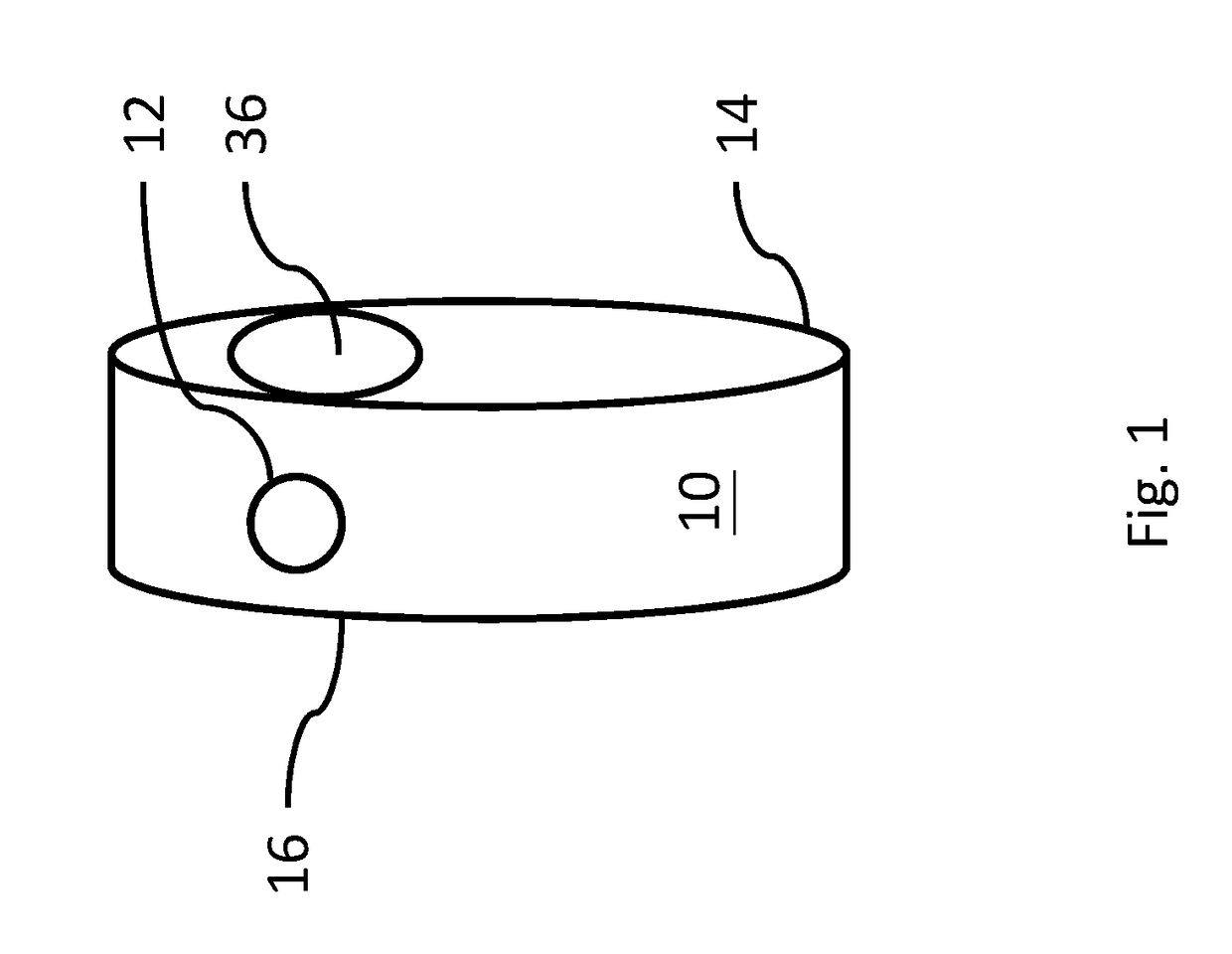
Figure 1 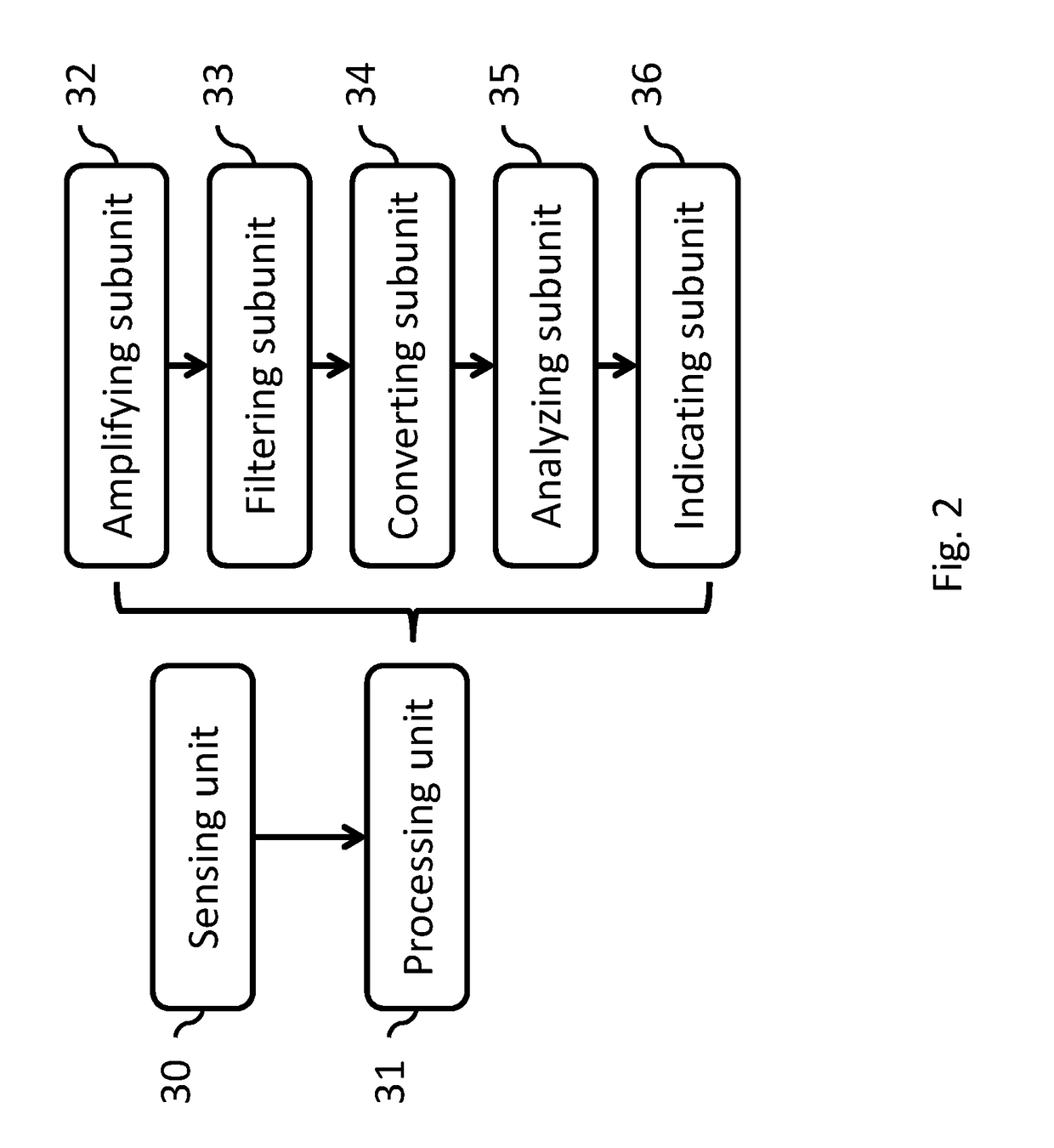
Figure 2 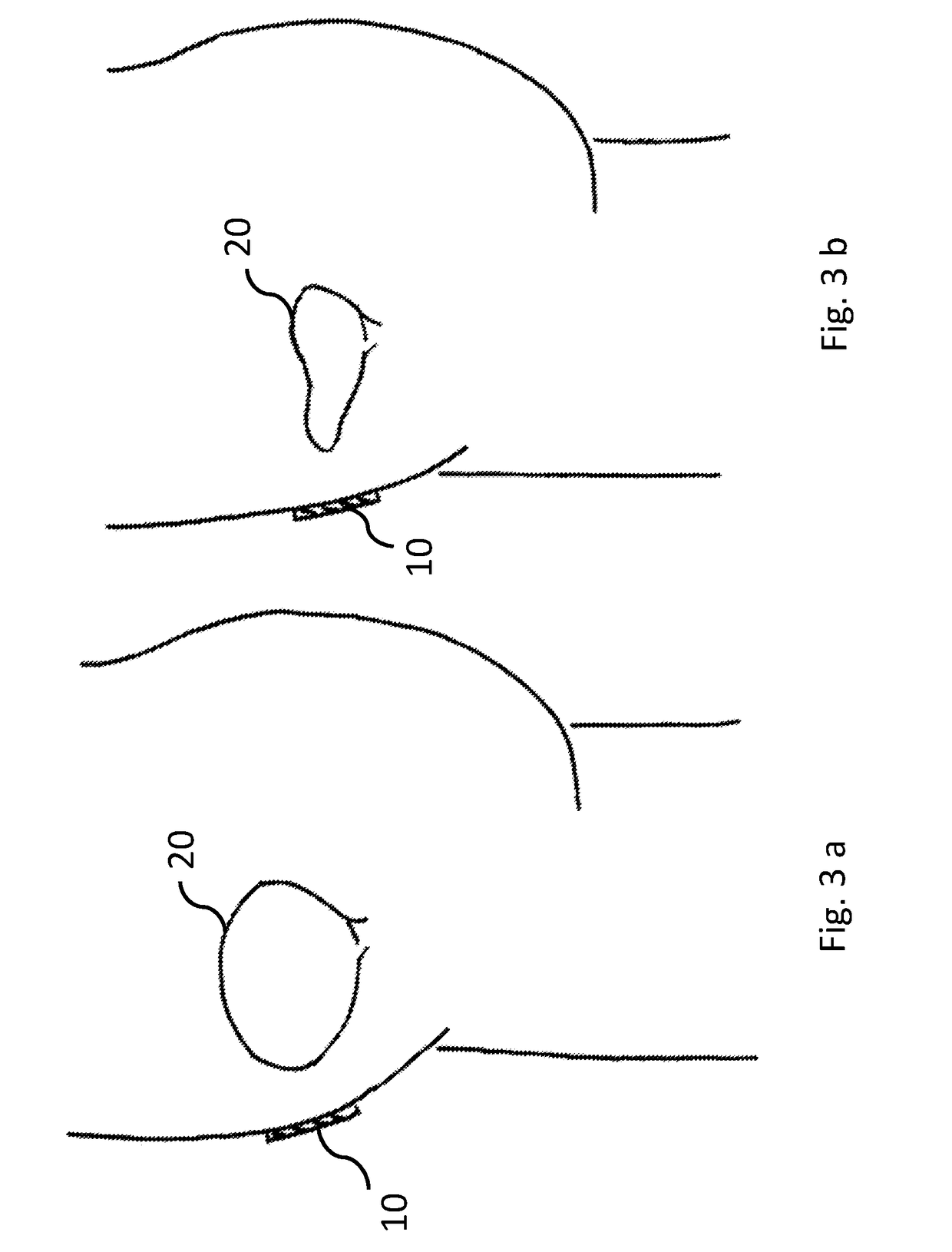
Figure 3
Abstract
Description
BACKGROUND OF INVENTION
[0001] Parents want to train their children to go to toilet independently. Such act can increase the self-confidence of the children and it is also the entry requirement for nursery schools. However, most of the current toilet training systems are passive and inefficient. For instance, one of such systems trains children to stay for a certain time on their own potties while they can watch TV and read books on the potties simultaneously. Unfortunately, children usually do not want to go to toilet because they do not have enough urine or they have already discharged urine before the training and so toilet training fails. Also, children usually fails to show clear signal of urination to the parents until the very last moment and so parents cannot run the training as expected effectively; thus they may need an indicator for indicating the fullness of the children's bladders.
[0002] Devices for measuring the volume of urine in bladders are available. For example, U.S....
Examples
Embodiment Construction
[0020]As used herein and in the claims, “comprising” means including the following elements but not excluding others.
[0021]Referring first to FIG. 1, the first embodiment of the present invention is a device 10 for detecting the curvature change of the skin surface of a human or an animal subject comprising a housing 14 in which a sensing unit 30 and a processing unit 31 (not shown in FIG. 1) are disposed therein.
[0022]In an exemplary embodiment of the present invention, the housing 14 comprises a film 16. The outside surface of the film 16 is attached to a pre-determined area of the subject when the device 10 is in use, while on the inside surface of the film 16, the sensing unit 30 is disposed thereon. In one exemplary embodiment, the pre-determined area is the area of the lower abdominal region of a human above the pubic bone and in close proximity to the bladder. The film 16 is made of material soft enough to allow the sensing unit 30 to effectively detect the curvature change o...