
Mechanical seal with high pressure high temperature secondary seal
a mechanical seal and high temperature technology, applied in the direction of engine seals, mechanical apparatus, engine components, etc., can solve the problems of not being able to permanently fix unable to achieve the effect of permanent fixing of the seal face to the shaft and housing, and using a secondary seal that includes a gasket and/or o-ring, etc., to achieve the effect of simple design, extended the operating temperature range of mechanical seals, and easy installation and removal
Patent Information
- Authority / Receiving Office
- US · United States
- Patent Type
- Patents(United States)
- Current Assignee / Owner
- Publication Date
- 2020-02-11
Smart Images
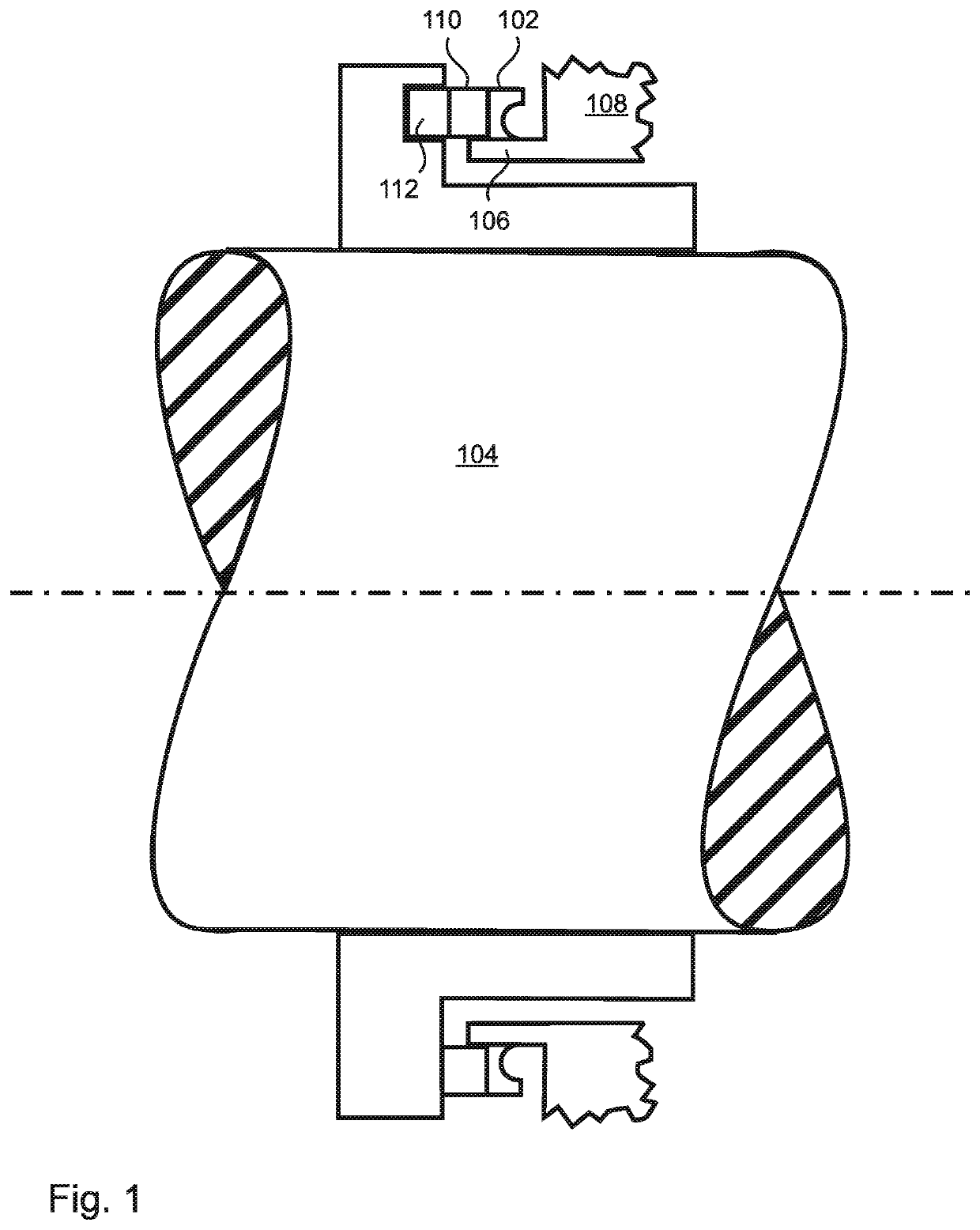
Figure 1 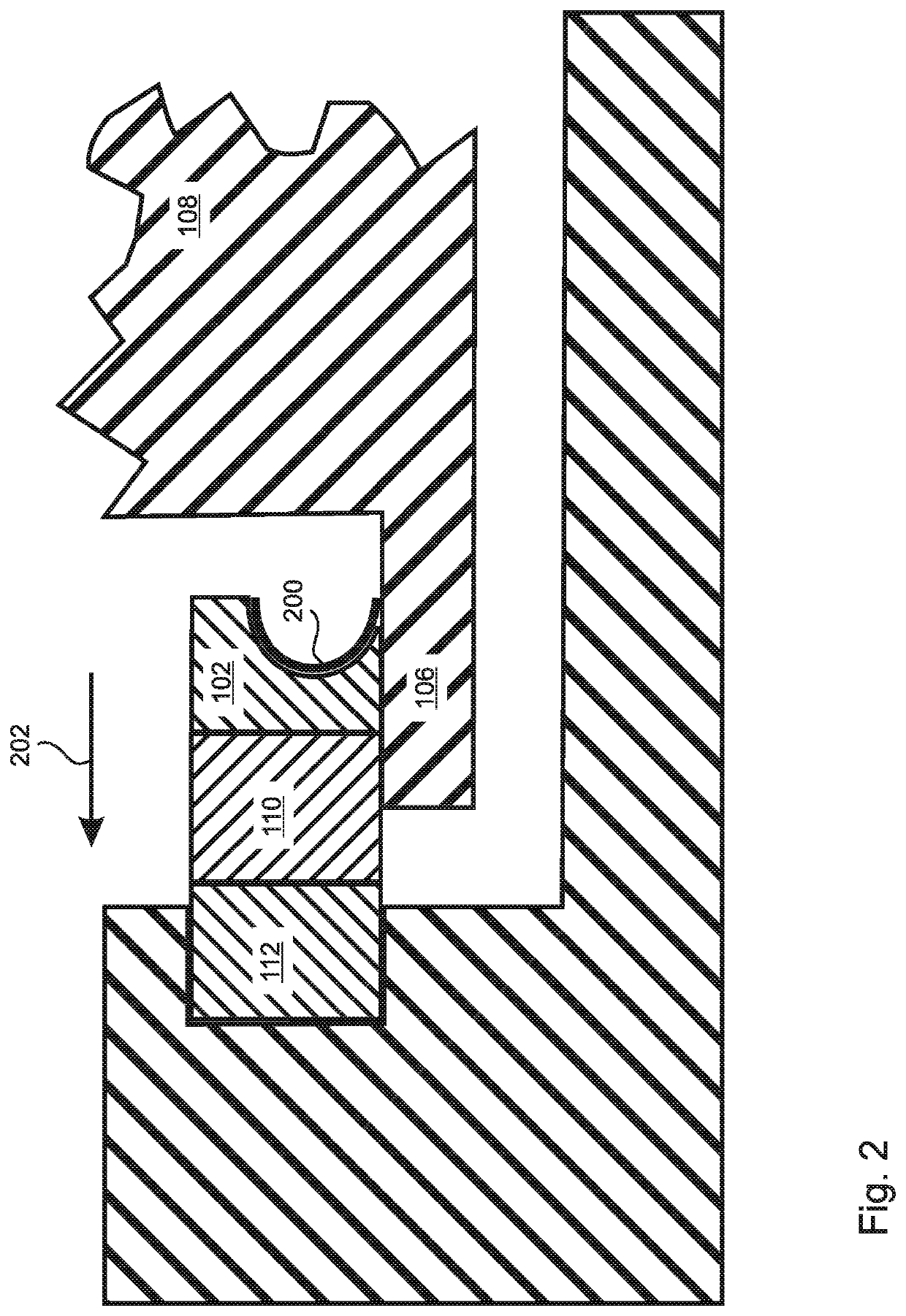
Figure 2 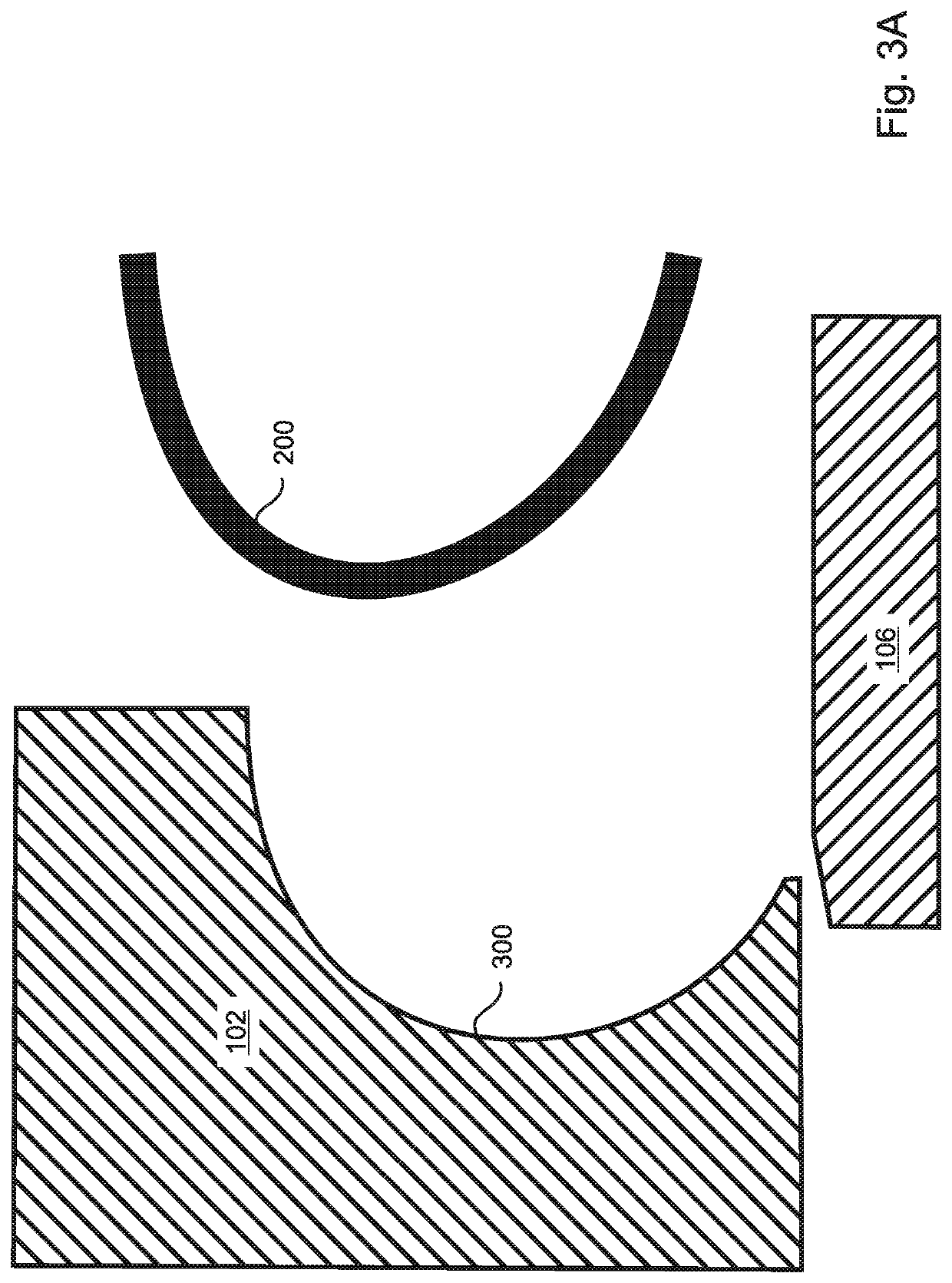
Figure 3
Abstract
Description
STATEMENT OF GOVERNMENT INTEREST
[0001] This invention was made under CRADA 1872.00.00 between Flowserve and Sandia National Labs operated for the United States Department of Energy. The Government may have certain rights in this invention.FIELD OF THE INVENTION
[0002] The invention relates to rotating shaft seals, and more particularly, to rotating shaft mechanical seals.BACKGROUND OF THE INVENTION
[0003] A mechanical seal is a seal that is formed by close proximity of two flat, annular, non-contacting seal faces, usually referred to as a static seal face and a rotating seal face, in that one face is typically static and sealed to a housing, while the other face is sealed to a rotating shaft and rotates with the shaft. The two seal faces are annular, and coaxial with the rotating shaft, whereby the long axis of the shaft is also the common axis of the annular seal faces.
[0004] Traditionally the two seal faces are lapped flat to a very high degree of flatness, which allows the faces to be ...
Examples
Embodiment Construction
[0045]The present invention is a high temperature, high pressure static seal design that extends the operating temperature range of a mechanical seal beyond existing limits, and which preferably facilitates axial movement of an associated seal face. With reference to FIGS. 1 and 2, the novel seal design includes an annular sealing gasket 200 and a backing plate 102 that surround an underlying cylindrical sealing surface, which can be the outer surface of the rotating shaft 104 or of a collar 106 that surrounds the rotating shaft and is fixed to either the shaft 104 or to the housing 108. In the embodiment of FIGS. 1 and 2, the sealing surface is a collar 106 that surrounds the shaft 104, but is static and fixed to the housing 108. The backing plate 102 is sealed to an associated seal face 110, which in FIGS. 1 and 2 is the static seal face 110, which forms a seal with the other seal face 112, which in FIGS. 1 and 2 is the rotating seal face 112. Although no specific mechanism is sho...