
Phonetic-based text input method
a text input and phonetic technology, applied in the field of transliteration, can solve the problems of many of the early text-based operating systems not being able to fully display the complex characters and symbols of scripts and alphabets used to write languages, and developers from different countries failing to use standardized tools to create systems that provided multi-language suppor
Patent Information
- Authority / Receiving Office
- US · United States
- Patent Type
- Applications(United States)
- Current Assignee / Owner
- Publication Date
- 2005-08-18
Smart Images
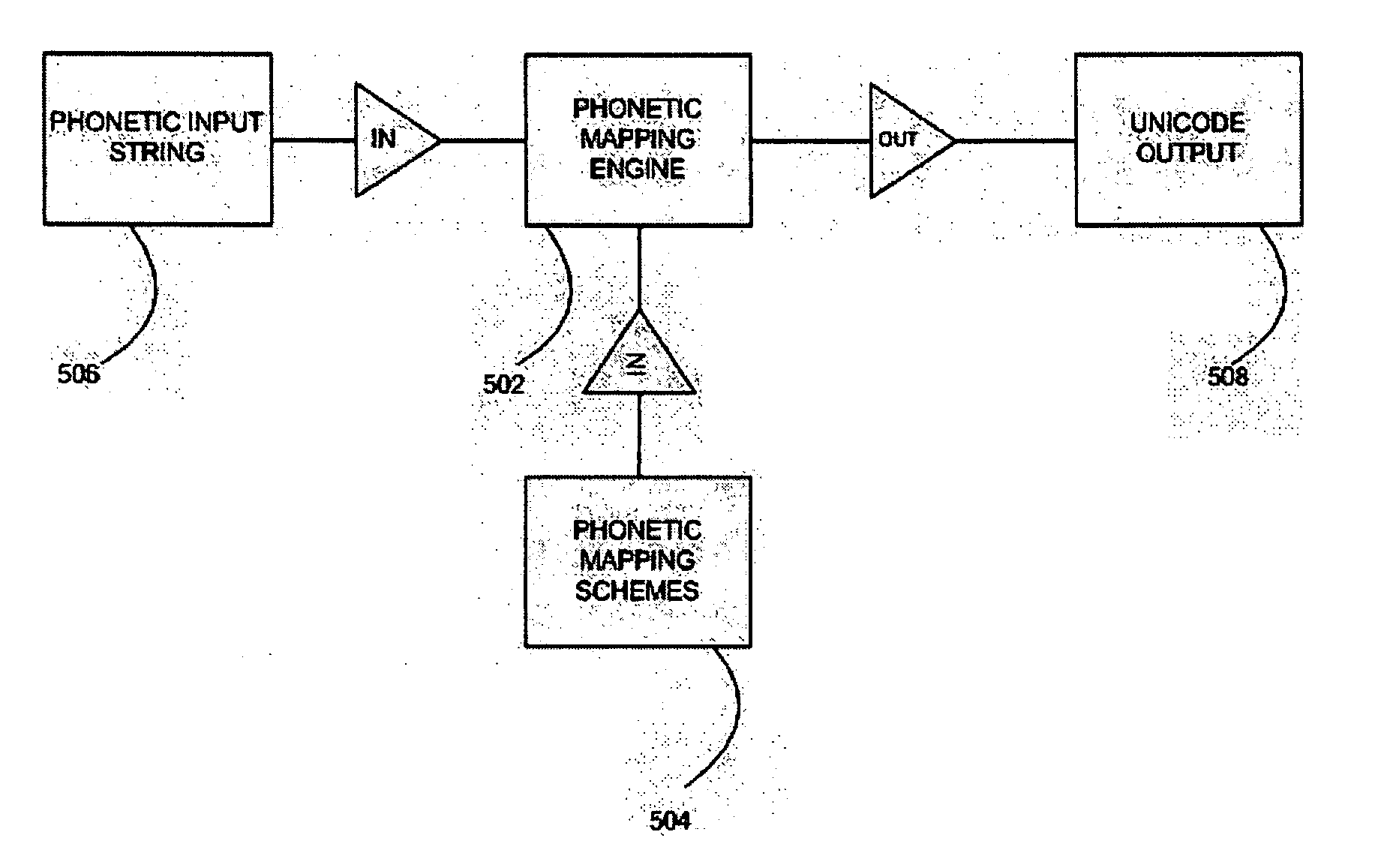
Figure 1 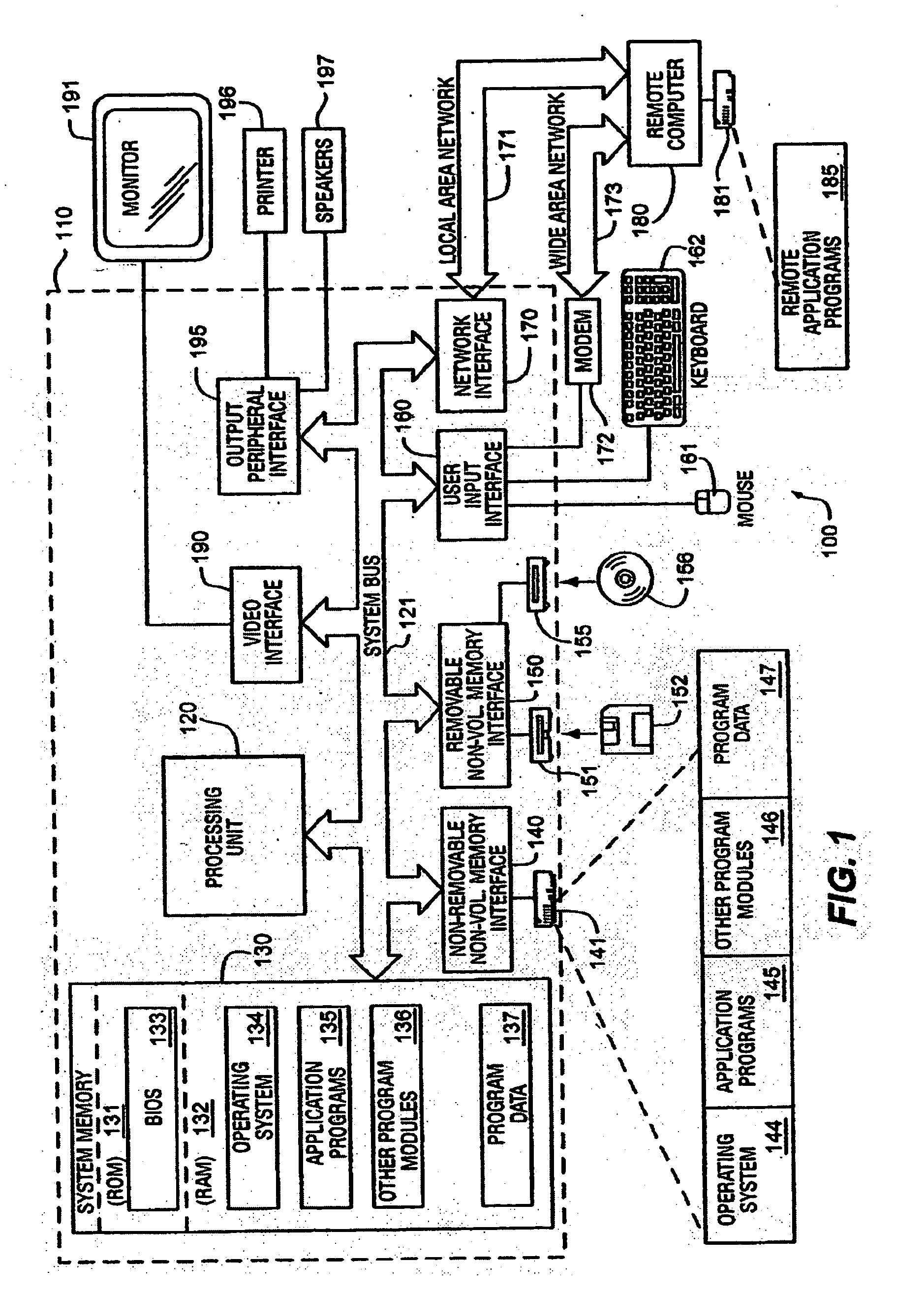
Figure 2 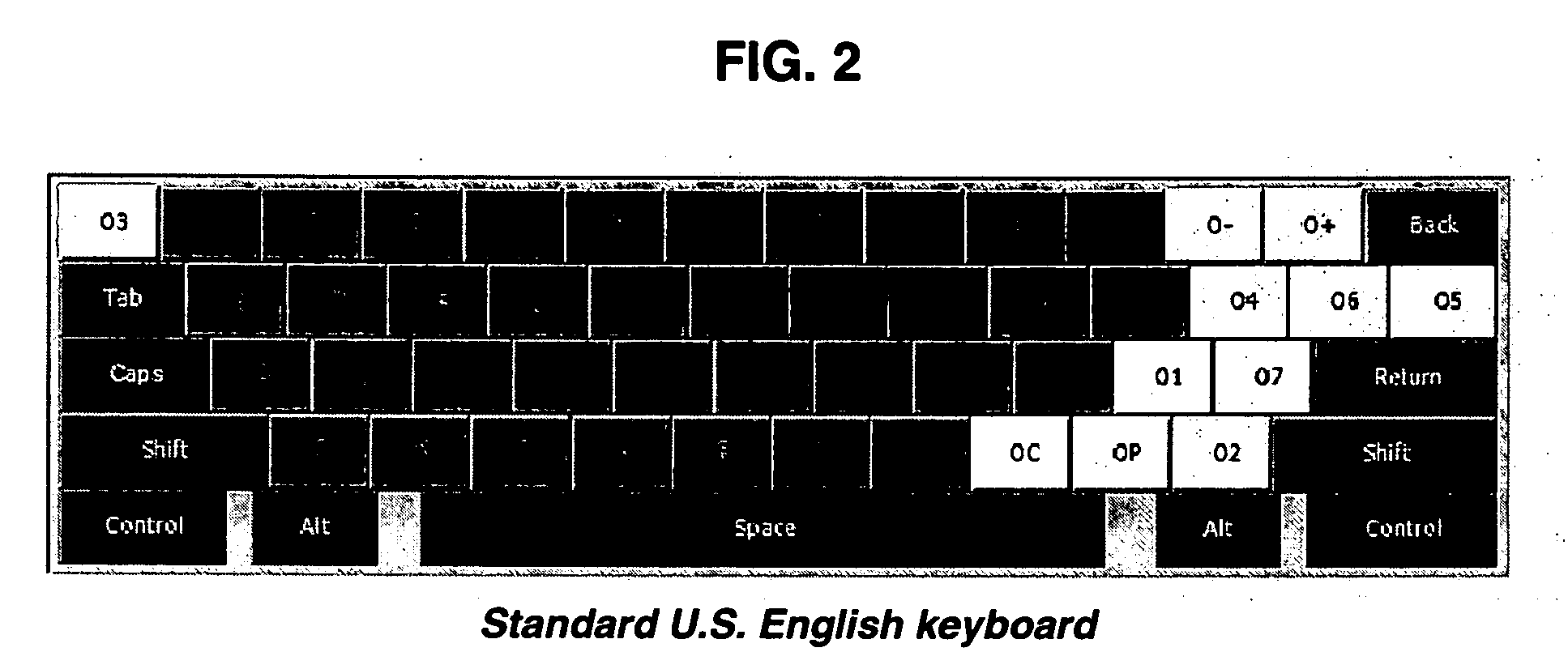
Figure 3
Abstract
Description
BACKGROUND OF THE INVENTION
[0001] 1. FIELD OF THE INVENTION
[0002] The present invention relates to the transliteration of user input into a computing device. More specifically, the invention provides methods for inputting language into a computing device based on a phonetic-based scheme.
[0003] 1. Description of Related Art
[0004] One of the early challenges that faced operating systems developers was how to make operating systems work with many different languages and scripts to allow persons from various different cultures to use the system effectively in their native language.
[0005] Early operating systems were typically exclusively text-based and were only able to display characters from the Latin alphabet, i.e., the standard “a b c d . . . ” alphabet used to write the English and other Western European languages. These early systems were unable to display the complex characters and symbols from scripts and alphabets used to write languages such as Chinese, Japanese, Russian,...
Examples
Embodiment Construction
[0027] In the following description of the various embodiments, reference is made to the accompanying drawings, which form a part hereof, and in which is shown by way of illustration various embodiments in which the invention may be practiced. It is to be understood that other embodiments may be utilized and structural and functional modifications may be made without departing from the scope of the present invention.
[0028]FIG. 1 illustrates an example of a suitable computing system environment 100 on which the invention may be implemented. The computing system environment 100 is only one example of a suitable computing environment and is not intended to suggest any limitation as to the scope of use or functionality of the invention. Neither should the computing environment 100 be interpreted as having any dependency or requirement relating to any one or combination of components illustrated in the exemplary operating environment 100.
[0029] The invention is operational with numerou...