

Method and apparatus for controlling friction between a fluid and a body
a technology of fluid and body, applied in the direction of special-purpose vessels, vessel construction, transportation and packaging, etc., can solve the problems of high friction between the device or structure and the fluid, underwater vehicles such as submarines or torpedoes, and experience a high level of friction, so as to reduce the friction between the fluid and the body, reduce the detrimental drag effect of friction, and reduce the effect of friction
Patent Information
- Authority / Receiving Office
- US · United States
- Patent Type
- Applications(United States)
- Current Assignee / Owner
- Publication Date
- 2008-10-02
- Estimated Expiration
- Not applicable · inactive patent
Smart Images
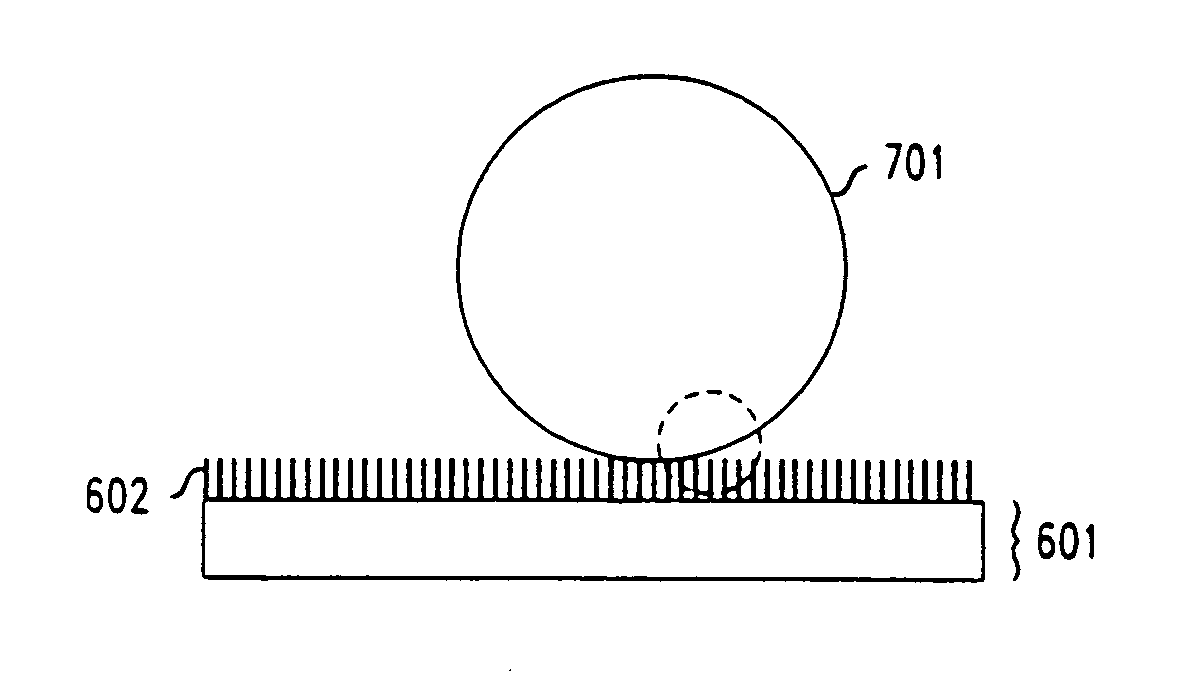
Figure 1 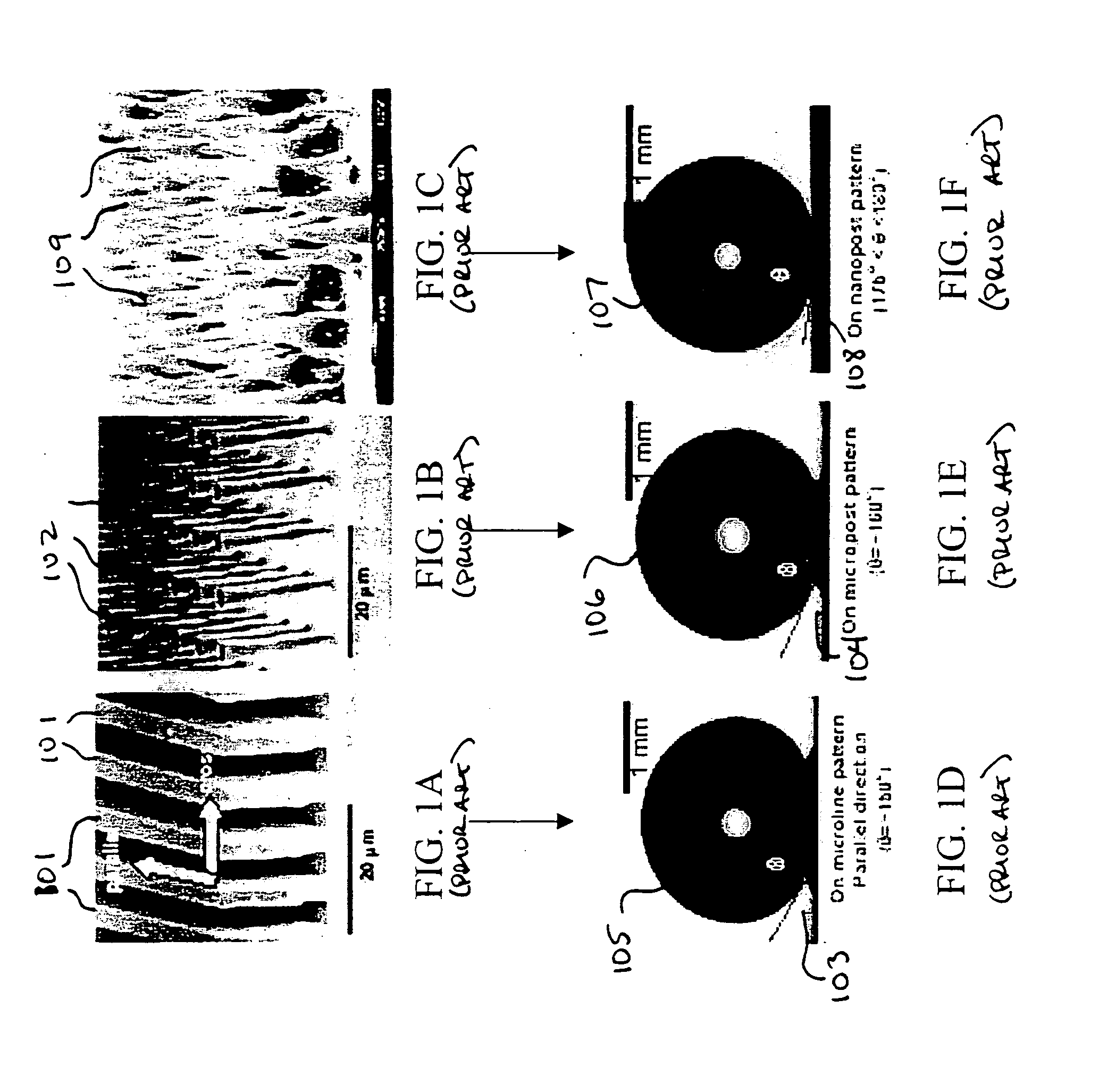
Figure 2 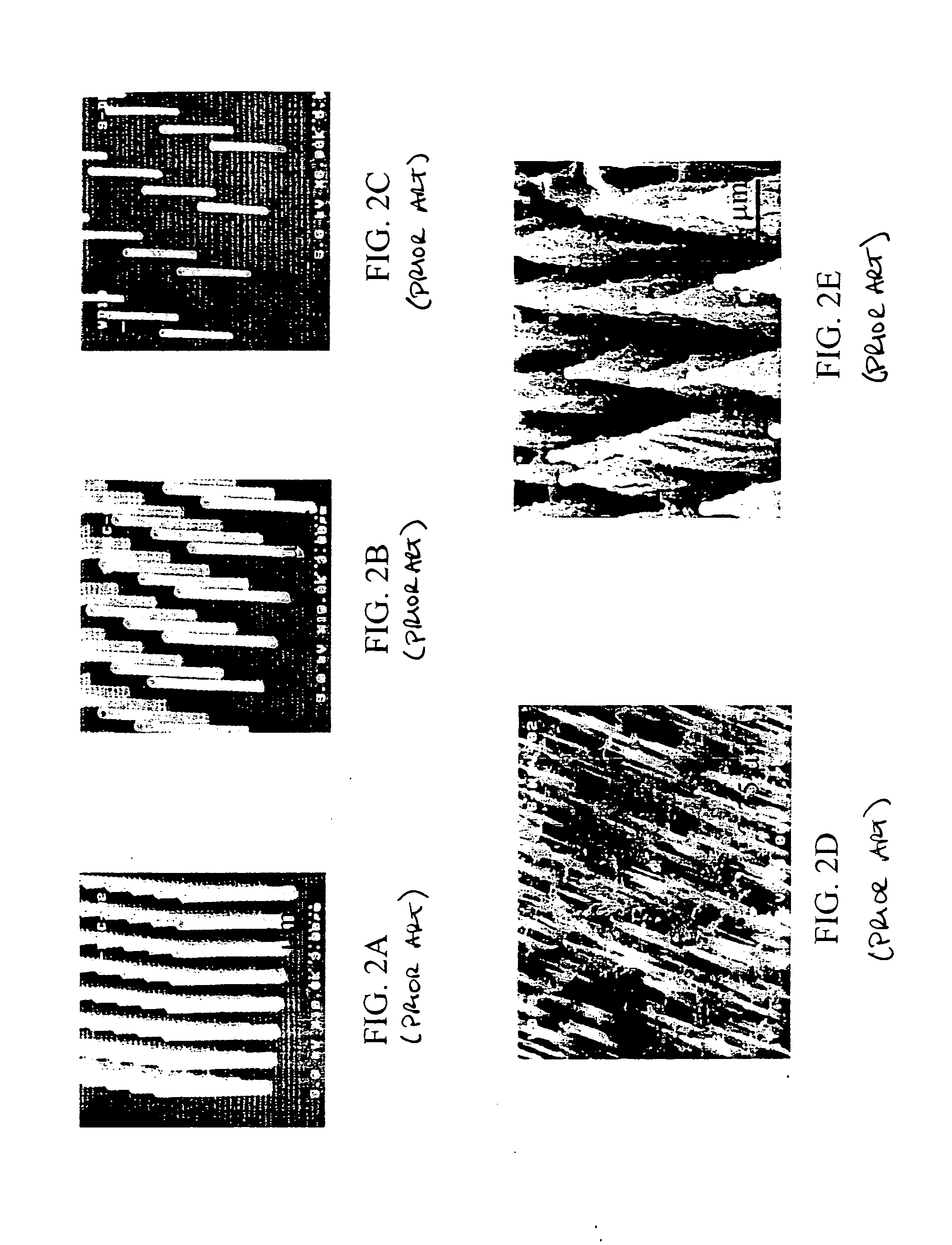
Figure 3
Abstract
Description
CROSS REFERENCE TO RELATED APPLICATIONS
[0001] This application claims priority to U.S. Provisional Patent Application, Ser. No. ______, entitled Method and Apparatus for Reducing Friction Between a Fluid and a Body, filed Aug. 22, 2003.FIELD OF THE INVENTION
[0002] The present invention relates generally to reducing friction on moving bodies and, more particularly, controlling such friction by using extremely small, predetermined surface features disposed on the surface of the body.BACKGROUND OF THE INVENTION
[0003] Many beneficial devices or structures in myriad applications are characterized at least in part by having a surface that moves through or is in contact with at least one fluid. In many cases, friction between the device or structure and the fluid is of paramount concern. For example, underwater vehicles (such as submarines or torpedoes), which are capable of maneuvering partially or entirely under water, experience a high level of friction due to the contact between the water...
Examples
Embodiment Construction
[0023]Reducing the friction between a fluid and a body moving through that fluid is highly desirable in many situations. We have realized that such reductions may be achieved by using nanostructured or microstructured surfaces on such bodies. To date, nanostructures and / or microstructures have primarily been used in microfluidics applications (for example, small amounts of fluid disposed, illustratively, in a channel) to reduce the flow resistance exerted on the droplet. These applications are useful in understanding how nanostructures or microstructures can be used to reduce flow resistance of a liquid in contact with the surface. One such application is described in “Nanostructured Surfaces for Dramatic Reduction of Flow Resistance in Droplet-based Microfluidics”, J. Kim and C. J. Kim, IEEE Conf. MEMS, Las Vegas, Nev., January 2002, pp. 479-482, which is hereby incorporated by reference herein in its entirety. The Kim reference teaches that, by finely patterning the surface in con...