
Access Control Systems Vs RFID: Which Offers Better Authentication?
FEB 27, 20269 MIN READ
Generate Your Research Report Instantly with AI Agent
Patsnap Eureka helps you evaluate technical feasibility & market potential.
Access Control Authentication Technology Background and Objectives
Access control authentication has evolved significantly since the early mechanical lock systems of the 19th century. The transition from physical keys to electronic systems began in the 1960s with magnetic stripe cards, followed by the introduction of proximity cards in the 1980s. Radio Frequency Identification (RFID) technology emerged as a revolutionary advancement in the 1990s, offering contactless authentication capabilities that transformed security paradigms across industries.
The fundamental distinction between traditional access control systems and RFID-based solutions lies in their authentication mechanisms and operational methodologies. Conventional access control encompasses various technologies including keypads, biometric scanners, smart cards with contact interfaces, and magnetic stripe readers. These systems typically require direct physical interaction or contact between the credential and the reader device.
RFID technology operates through electromagnetic fields to automatically identify and track tags attached to objects or embedded in credentials. This contactless approach enables authentication at varying distances, depending on the frequency band utilized. Low Frequency (LF), High Frequency (HF), and Ultra High Frequency (UHF) RFID systems each offer distinct advantages in terms of read range, data capacity, and environmental resilience.
The primary objective of comparing these authentication approaches centers on determining optimal security effectiveness, user convenience, implementation costs, and long-term scalability. Organizations seek solutions that balance robust security measures with operational efficiency while maintaining cost-effectiveness and future adaptability.
Contemporary security requirements demand multi-layered authentication strategies that can withstand sophisticated attack vectors including cloning, eavesdropping, and replay attacks. The evaluation framework must consider factors such as encryption capabilities, mutual authentication protocols, tamper resistance, and integration flexibility with existing infrastructure systems.
The strategic goal involves identifying which technology platform provides superior authentication reliability while meeting specific organizational requirements including throughput capacity, environmental conditions, maintenance demands, and regulatory compliance standards. This analysis aims to establish clear guidelines for technology selection based on quantifiable security metrics and operational performance indicators.
The fundamental distinction between traditional access control systems and RFID-based solutions lies in their authentication mechanisms and operational methodologies. Conventional access control encompasses various technologies including keypads, biometric scanners, smart cards with contact interfaces, and magnetic stripe readers. These systems typically require direct physical interaction or contact between the credential and the reader device.
RFID technology operates through electromagnetic fields to automatically identify and track tags attached to objects or embedded in credentials. This contactless approach enables authentication at varying distances, depending on the frequency band utilized. Low Frequency (LF), High Frequency (HF), and Ultra High Frequency (UHF) RFID systems each offer distinct advantages in terms of read range, data capacity, and environmental resilience.
The primary objective of comparing these authentication approaches centers on determining optimal security effectiveness, user convenience, implementation costs, and long-term scalability. Organizations seek solutions that balance robust security measures with operational efficiency while maintaining cost-effectiveness and future adaptability.
Contemporary security requirements demand multi-layered authentication strategies that can withstand sophisticated attack vectors including cloning, eavesdropping, and replay attacks. The evaluation framework must consider factors such as encryption capabilities, mutual authentication protocols, tamper resistance, and integration flexibility with existing infrastructure systems.
The strategic goal involves identifying which technology platform provides superior authentication reliability while meeting specific organizational requirements including throughput capacity, environmental conditions, maintenance demands, and regulatory compliance standards. This analysis aims to establish clear guidelines for technology selection based on quantifiable security metrics and operational performance indicators.
Market Demand Analysis for Access Control and RFID Solutions
The global access control market demonstrates robust growth momentum driven by escalating security concerns across multiple sectors. Enterprise facilities, government buildings, healthcare institutions, and educational campuses increasingly prioritize sophisticated authentication mechanisms to protect sensitive areas and valuable assets. This heightened security awareness stems from rising incidents of unauthorized access, data breaches, and physical security threats that have prompted organizations to invest substantially in advanced access control infrastructure.
RFID technology has captured significant market attention due to its contactless operation capabilities and enhanced user convenience. The technology's ability to provide seamless authentication without physical contact has become particularly valuable in post-pandemic environments where hygiene considerations influence purchasing decisions. Industries such as hospitality, retail, and corporate offices show strong preference for RFID-enabled solutions that streamline employee and visitor access while maintaining security protocols.
Traditional access control systems maintain substantial market presence, particularly in high-security environments where multi-factor authentication and granular access permissions are essential. Financial institutions, defense facilities, and critical infrastructure operators continue to rely on comprehensive access control platforms that integrate biometric verification, card-based authentication, and real-time monitoring capabilities. These sectors prioritize security robustness over convenience, driving demand for sophisticated access control architectures.
Market segmentation reveals distinct preferences across different industry verticals. Small and medium enterprises increasingly adopt RFID solutions for their cost-effectiveness and ease of deployment, while large corporations and government entities favor comprehensive access control systems that offer extensive customization and integration capabilities. Geographic variations also influence market dynamics, with developed regions emphasizing advanced security features and emerging markets focusing on cost-efficient authentication solutions.
The convergence trend between access control and RFID technologies creates new market opportunities as vendors develop hybrid solutions that combine the strengths of both approaches. This technological integration addresses diverse customer requirements by offering scalable authentication platforms that can adapt to varying security levels and operational needs across different organizational contexts.
RFID technology has captured significant market attention due to its contactless operation capabilities and enhanced user convenience. The technology's ability to provide seamless authentication without physical contact has become particularly valuable in post-pandemic environments where hygiene considerations influence purchasing decisions. Industries such as hospitality, retail, and corporate offices show strong preference for RFID-enabled solutions that streamline employee and visitor access while maintaining security protocols.
Traditional access control systems maintain substantial market presence, particularly in high-security environments where multi-factor authentication and granular access permissions are essential. Financial institutions, defense facilities, and critical infrastructure operators continue to rely on comprehensive access control platforms that integrate biometric verification, card-based authentication, and real-time monitoring capabilities. These sectors prioritize security robustness over convenience, driving demand for sophisticated access control architectures.
Market segmentation reveals distinct preferences across different industry verticals. Small and medium enterprises increasingly adopt RFID solutions for their cost-effectiveness and ease of deployment, while large corporations and government entities favor comprehensive access control systems that offer extensive customization and integration capabilities. Geographic variations also influence market dynamics, with developed regions emphasizing advanced security features and emerging markets focusing on cost-efficient authentication solutions.
The convergence trend between access control and RFID technologies creates new market opportunities as vendors develop hybrid solutions that combine the strengths of both approaches. This technological integration addresses diverse customer requirements by offering scalable authentication platforms that can adapt to varying security levels and operational needs across different organizational contexts.
Current State and Challenges of Authentication Technologies
Authentication technologies have evolved significantly over the past decades, with access control systems and RFID emerging as two dominant paradigms. Traditional access control systems encompass a broad spectrum of authentication methods including password-based systems, biometric verification, smart cards, and multi-factor authentication protocols. These systems have matured through continuous refinement, offering sophisticated security layers and integration capabilities with enterprise infrastructure.
RFID technology represents a specialized subset of contactless authentication, utilizing electromagnetic fields to automatically identify and track tags attached to objects or embedded in credentials. Modern RFID implementations span multiple frequency ranges, from low-frequency systems operating at 125-134 kHz to ultra-high frequency solutions at 860-960 MHz, each offering distinct advantages in terms of read range, data capacity, and environmental resilience.
Current access control deployments face mounting pressure from evolving security threats and user experience expectations. Legacy systems often struggle with scalability limitations, particularly in large enterprise environments where managing thousands of users across multiple facilities becomes operationally complex. Integration challenges persist when attempting to unify disparate authentication methods within existing IT infrastructure, leading to security gaps and administrative overhead.
RFID-based authentication confronts specific technical constraints that impact widespread adoption. Signal interference from metallic surfaces and electromagnetic environments can compromise read reliability, while the limited computational capacity of passive RFID tags restricts the implementation of advanced cryptographic protocols. Privacy concerns surrounding unauthorized tag reading and potential tracking capabilities have also emerged as significant barriers to deployment in sensitive applications.
Interoperability remains a critical challenge across both technology domains. Proprietary protocols and vendor-specific implementations create ecosystem fragmentation, limiting organizations' flexibility in selecting optimal solutions. The absence of universal standards for credential formats and communication protocols complicates multi-vendor deployments and increases long-term maintenance costs.
Security vulnerabilities continue to surface in both traditional access control and RFID systems. Credential cloning, replay attacks, and man-in-the-middle exploits pose ongoing threats that require continuous monitoring and countermeasure development. The balance between security robustness and user convenience remains delicate, as overly complex authentication procedures can lead to user resistance and potential security bypasses.
Emerging requirements for mobile integration and cloud-based management are reshaping authentication technology landscapes. Organizations increasingly demand seamless integration with smartphones and IoT devices, while maintaining centralized policy management and audit capabilities across distributed environments.
RFID technology represents a specialized subset of contactless authentication, utilizing electromagnetic fields to automatically identify and track tags attached to objects or embedded in credentials. Modern RFID implementations span multiple frequency ranges, from low-frequency systems operating at 125-134 kHz to ultra-high frequency solutions at 860-960 MHz, each offering distinct advantages in terms of read range, data capacity, and environmental resilience.
Current access control deployments face mounting pressure from evolving security threats and user experience expectations. Legacy systems often struggle with scalability limitations, particularly in large enterprise environments where managing thousands of users across multiple facilities becomes operationally complex. Integration challenges persist when attempting to unify disparate authentication methods within existing IT infrastructure, leading to security gaps and administrative overhead.
RFID-based authentication confronts specific technical constraints that impact widespread adoption. Signal interference from metallic surfaces and electromagnetic environments can compromise read reliability, while the limited computational capacity of passive RFID tags restricts the implementation of advanced cryptographic protocols. Privacy concerns surrounding unauthorized tag reading and potential tracking capabilities have also emerged as significant barriers to deployment in sensitive applications.
Interoperability remains a critical challenge across both technology domains. Proprietary protocols and vendor-specific implementations create ecosystem fragmentation, limiting organizations' flexibility in selecting optimal solutions. The absence of universal standards for credential formats and communication protocols complicates multi-vendor deployments and increases long-term maintenance costs.
Security vulnerabilities continue to surface in both traditional access control and RFID systems. Credential cloning, replay attacks, and man-in-the-middle exploits pose ongoing threats that require continuous monitoring and countermeasure development. The balance between security robustness and user convenience remains delicate, as overly complex authentication procedures can lead to user resistance and potential security bypasses.
Emerging requirements for mobile integration and cloud-based management are reshaping authentication technology landscapes. Organizations increasingly demand seamless integration with smartphones and IoT devices, while maintaining centralized policy management and audit capabilities across distributed environments.
Current Authentication Solutions Comparison
01 RFID-based access control authentication methods
Access control systems utilize RFID technology to authenticate users through contactless identification. The system reads RFID tags or cards carried by users and verifies their credentials against a database to grant or deny access. This method provides convenient and secure authentication by eliminating the need for physical keys or manual input of credentials.- RFID-based access control authentication methods: Access control systems utilize RFID technology to authenticate users through contactless identification. The system reads RFID tags or cards carried by users and verifies their credentials against a database to grant or deny access. This method provides convenient and secure authentication by eliminating the need for physical keys or manual input of credentials.
- Multi-factor authentication in RFID access control: Enhanced security measures combine RFID authentication with additional verification factors such as biometric data, PIN codes, or mobile device authentication. This layered approach significantly improves security by requiring multiple forms of identification before granting access, reducing the risk of unauthorized entry through stolen or cloned RFID credentials.
- Encrypted communication protocols for RFID systems: Security protocols implement encryption and secure communication channels between RFID readers and tags to prevent unauthorized interception or cloning of credentials. These systems employ cryptographic algorithms and challenge-response mechanisms to ensure that authentication data cannot be easily compromised during transmission.
- Mobile integration with RFID access control: Modern access control systems integrate mobile devices as virtual RFID credentials, allowing smartphones to communicate with readers through NFC or Bluetooth technology. This approach provides flexibility and convenience while maintaining security standards, enabling remote credential management and temporary access provisioning.
- Centralized management and monitoring systems: Comprehensive access control platforms provide centralized management capabilities for monitoring entry events, managing user credentials, and generating audit trails. These systems enable administrators to configure access permissions, track usage patterns, and respond to security incidents in real-time across multiple access points and facilities.
02 Multi-factor authentication in RFID access control
Enhanced security is achieved by combining RFID authentication with additional verification factors. The system may require biometric data, PIN codes, or mobile device verification in conjunction with RFID credentials. This layered approach significantly reduces unauthorized access risks and provides stronger protection for sensitive areas.Expand Specific Solutions03 Encrypted communication protocols for RFID systems
Security measures are implemented to protect data transmission between RFID readers and tags through encryption algorithms. The communication protocols ensure that credential information cannot be intercepted or cloned by unauthorized parties. Advanced cryptographic methods are employed to maintain the integrity and confidentiality of authentication data.Expand Specific Solutions04 Mobile integration with RFID access control
Modern access control systems integrate mobile devices as RFID credential carriers, allowing smartphones to function as virtual access cards. Users can manage their credentials through mobile applications and utilize near-field communication capabilities for authentication. This approach provides flexibility and enables remote credential management and real-time access monitoring.Expand Specific Solutions05 Centralized management and monitoring systems
Comprehensive access control platforms provide centralized administration of RFID authentication across multiple locations. The systems enable real-time monitoring of access events, user management, and generation of audit trails. Administrators can remotely configure access permissions, track entry patterns, and respond to security incidents through unified interfaces.Expand Specific Solutions
Major Players in Access Control and RFID Industry
The access control systems versus RFID authentication landscape represents a mature market experiencing technological convergence and integration. The industry has evolved from traditional mechanical locks to sophisticated digital solutions, with the market reaching multi-billion dollar valuations globally. Technology maturity varies significantly across players, with established giants like ASSA ABLOY AB, Honeywell International, and Motorola Solutions leading in comprehensive access control platforms, while companies like IBM and Cisco Technology drive cloud-based and network-integrated solutions. RFID specialists such as Shenzhen Cykeo Information Technology focus on identification technologies, whereas emerging players like ISONAS pioneer IP-to-the-door innovations. The competitive landscape shows consolidation among traditional security providers while new entrants leverage IoT, AI, and mobile technologies to create hybrid authentication systems that combine multiple verification methods for enhanced security.
ASSA ABLOY AB
Technical Solution: ASSA ABLOY offers comprehensive access control solutions that integrate both traditional RFID technology and advanced biometric authentication systems. Their HID Global division provides multi-technology readers that support various RFID frequencies (125 kHz, 13.56 MHz, and 860-960 MHz) while incorporating additional authentication factors like PIN codes and biometrics. The company's Aperio wireless lock technology enables retrofit installations without extensive wiring, supporting both RFID cards and mobile credentials through Bluetooth and NFC protocols. Their solutions feature end-to-end encryption, mutual authentication protocols, and centralized management platforms that can handle thousands of access points across multiple facilities.
Strengths: Market leader with extensive product portfolio, strong encryption capabilities, scalable enterprise solutions. Weaknesses: Higher cost compared to basic RFID systems, complex implementation for large-scale deployments.
Honeywell International Technologies Ltd.
Technical Solution: Honeywell's access control systems utilize a hybrid approach combining RFID technology with advanced authentication mechanisms including biometric verification and smart card integration. Their Pro-Watch security management platform supports multiple credential types including proximity cards, smart cards, and mobile credentials, while providing real-time monitoring and analytics capabilities. The system incorporates anti-passback features, time-zone restrictions, and multi-factor authentication protocols to enhance security beyond basic RFID functionality. Honeywell's solutions also feature integration with video surveillance and intrusion detection systems, creating a comprehensive security ecosystem that addresses the limitations of standalone RFID systems.
Strengths: Integrated security ecosystem, robust analytics capabilities, enterprise-grade scalability. Weaknesses: Requires significant infrastructure investment, complex configuration and maintenance requirements.
Core Technologies in Access Control vs RFID Authentication
Radio frequency identification (RFID) tag, interrogator, and method for authentication between the RFID tag and the interrogator
PatentInactiveUS20140023195A1
Innovation
- The proposed solution involves using a challenge command that includes random interrogator information for initializing an encryption engine and challenge interrogator information for authentication, allowing for simultaneous initialization and authentication processes, thereby reducing the overall authentication time. This involves transmitting a challenge command to the RFID tag, receiving and decrypting encrypted data, and re-encrypting and re-transmitting successful authentication information.


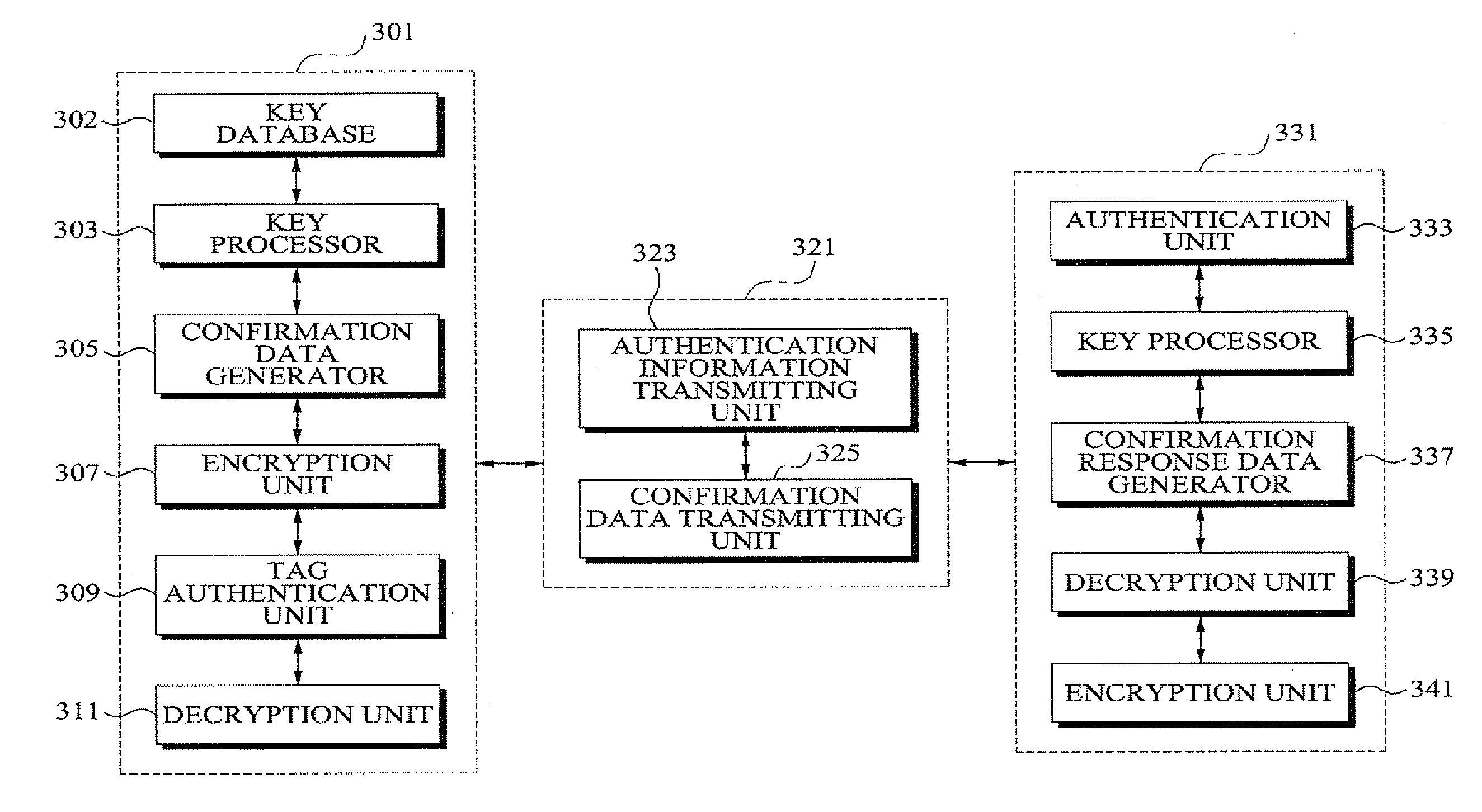
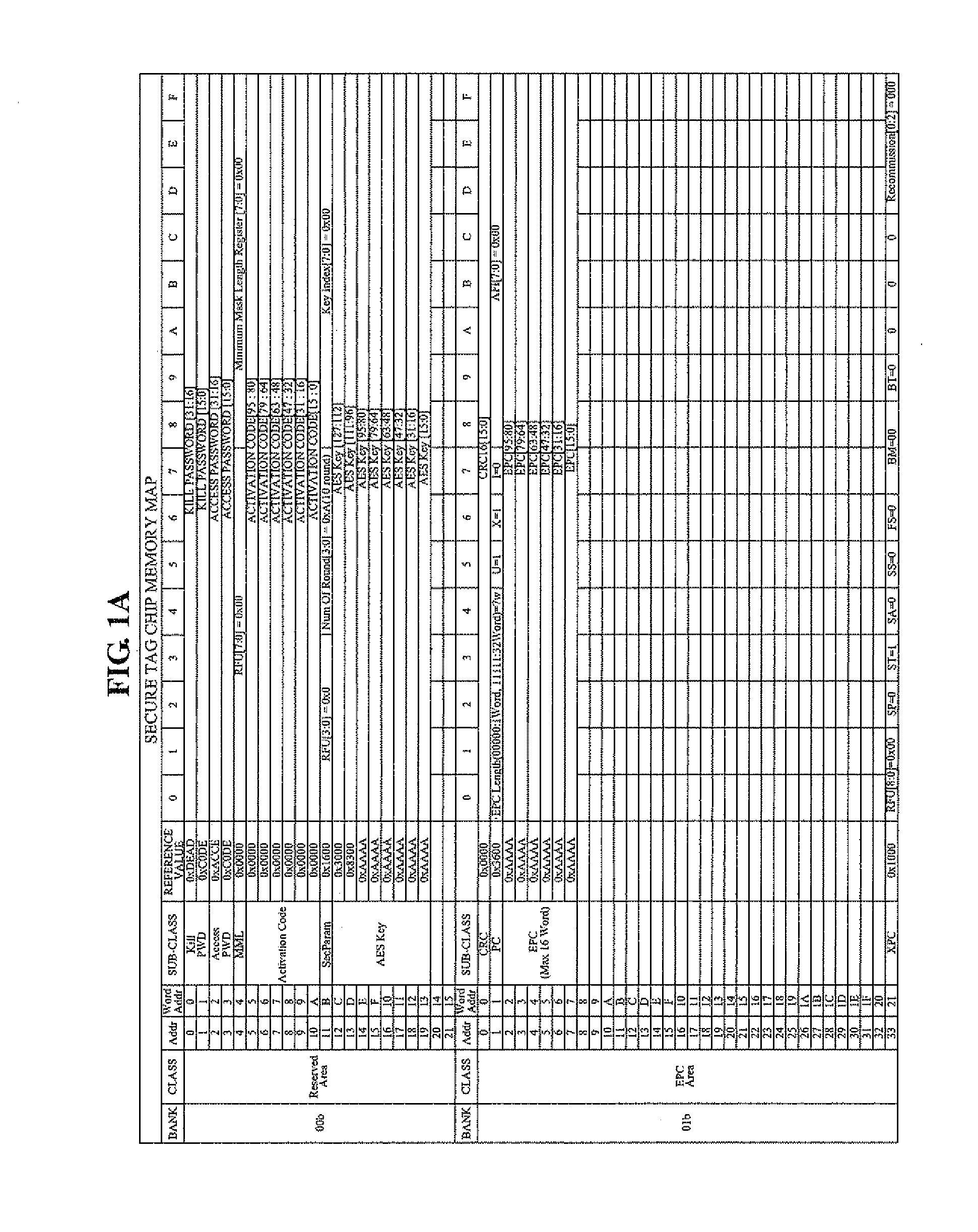
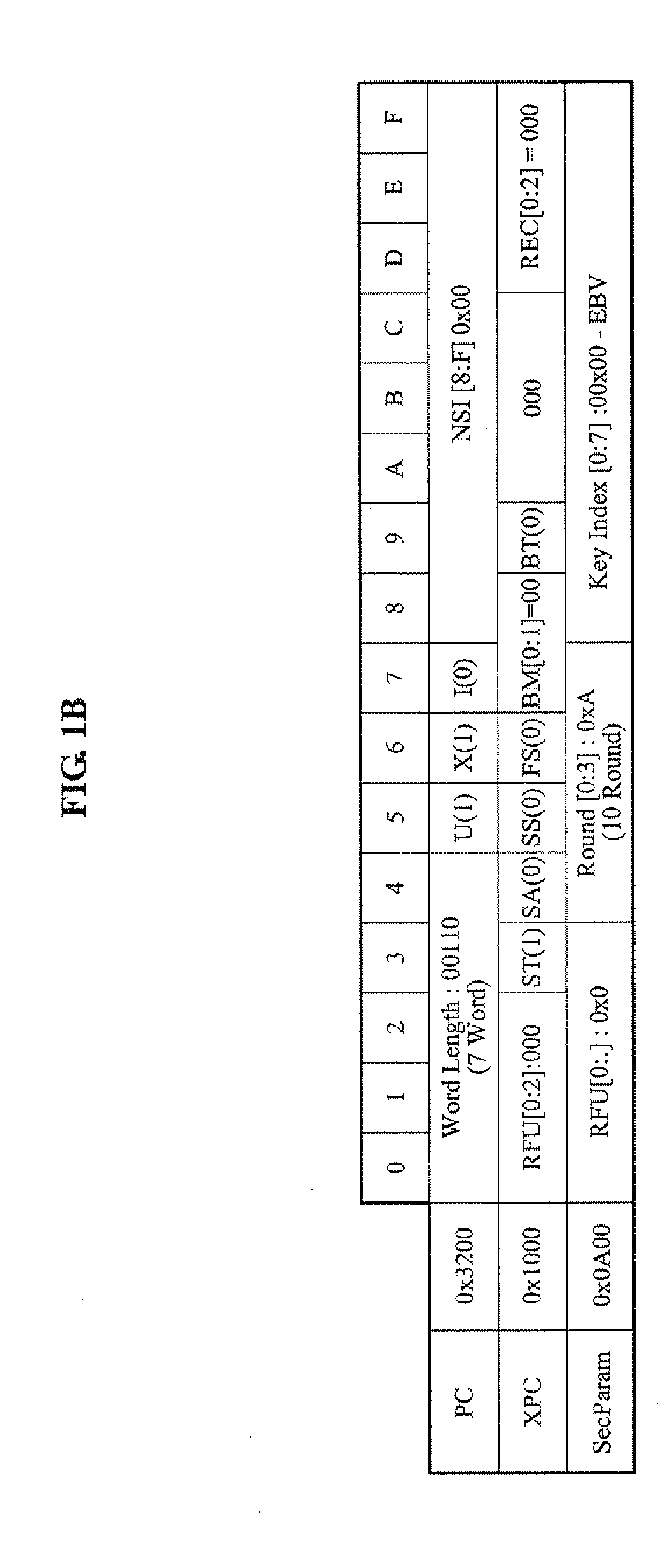
Radio frequency identification (RFID) authentication apparatus having authentication function and method thereof
PatentInactiveUS20100014673A1
Innovation
- An RFID authentication apparatus and method utilizing an Advanced Encryption Standard (AES) key processor to generate and manage keys, encrypt confirmation data, and decrypt response data for authenticating RFID tags, ensuring the tags' authenticity through comparison of encrypted and decrypted confirmation data.

Security Standards and Compliance Requirements
Access control systems and RFID technologies must adhere to stringent security standards and compliance requirements to ensure robust authentication mechanisms. The landscape of regulatory frameworks governing these technologies encompasses multiple international and industry-specific standards that dictate implementation protocols, security measures, and operational guidelines.
ISO/IEC 27001 serves as the foundational information security management standard, establishing comprehensive requirements for implementing, maintaining, and continuously improving information security management systems. Both access control systems and RFID implementations must demonstrate compliance with this standard's risk assessment methodologies and security control frameworks. The standard mandates regular security audits, vulnerability assessments, and incident response procedures that directly impact authentication system design and deployment.
NIST Cybersecurity Framework provides detailed guidelines for access control implementations, particularly through its Special Publication 800-63 series covering digital identity guidelines. These publications establish authentication assurance levels, credential management requirements, and multi-factor authentication protocols that significantly influence the comparative evaluation of traditional access control versus RFID-based systems. The framework's emphasis on identity proofing and credential lifecycle management creates specific compliance obligations for organizations deploying either technology.
Industry-specific regulations further complicate the compliance landscape. HIPAA requirements for healthcare environments demand specific authentication protocols and audit trails that may favor certain technological approaches. Similarly, PCI DSS standards for payment card industry applications impose strict access control requirements that influence technology selection decisions. Financial services organizations must comply with regulations such as SOX and Basel III, which mandate robust authentication mechanisms and comprehensive access logging capabilities.
GDPR and similar privacy regulations introduce additional compliance considerations, particularly regarding biometric data processing and personal information protection. These requirements significantly impact RFID implementations that collect and process personal identifiers, creating potential compliance advantages for traditional access control systems in certain deployment scenarios.
Federal Information Processing Standards, particularly FIPS 140-2 and FIPS 201, establish cryptographic and authentication requirements for government and contractor environments. These standards specify approved encryption algorithms, key management procedures, and authentication token requirements that directly influence the comparative security posture of different access control technologies.
The evolving regulatory landscape continues to introduce new compliance requirements, including emerging standards for IoT security and connected device authentication, which particularly affect RFID-based access control implementations in smart building and industrial environments.
ISO/IEC 27001 serves as the foundational information security management standard, establishing comprehensive requirements for implementing, maintaining, and continuously improving information security management systems. Both access control systems and RFID implementations must demonstrate compliance with this standard's risk assessment methodologies and security control frameworks. The standard mandates regular security audits, vulnerability assessments, and incident response procedures that directly impact authentication system design and deployment.
NIST Cybersecurity Framework provides detailed guidelines for access control implementations, particularly through its Special Publication 800-63 series covering digital identity guidelines. These publications establish authentication assurance levels, credential management requirements, and multi-factor authentication protocols that significantly influence the comparative evaluation of traditional access control versus RFID-based systems. The framework's emphasis on identity proofing and credential lifecycle management creates specific compliance obligations for organizations deploying either technology.
Industry-specific regulations further complicate the compliance landscape. HIPAA requirements for healthcare environments demand specific authentication protocols and audit trails that may favor certain technological approaches. Similarly, PCI DSS standards for payment card industry applications impose strict access control requirements that influence technology selection decisions. Financial services organizations must comply with regulations such as SOX and Basel III, which mandate robust authentication mechanisms and comprehensive access logging capabilities.
GDPR and similar privacy regulations introduce additional compliance considerations, particularly regarding biometric data processing and personal information protection. These requirements significantly impact RFID implementations that collect and process personal identifiers, creating potential compliance advantages for traditional access control systems in certain deployment scenarios.
Federal Information Processing Standards, particularly FIPS 140-2 and FIPS 201, establish cryptographic and authentication requirements for government and contractor environments. These standards specify approved encryption algorithms, key management procedures, and authentication token requirements that directly influence the comparative security posture of different access control technologies.
The evolving regulatory landscape continues to introduce new compliance requirements, including emerging standards for IoT security and connected device authentication, which particularly affect RFID-based access control implementations in smart building and industrial environments.
Cost-Benefit Analysis of Authentication Technologies
The economic evaluation of authentication technologies requires a comprehensive assessment of both initial investments and long-term operational expenses. Traditional access control systems typically demand substantial upfront capital for hardware infrastructure, including card readers, control panels, servers, and networking equipment. Installation costs further amplify the initial financial burden, particularly in large-scale deployments requiring extensive wiring and system integration.
RFID-based authentication presents a different cost structure, with relatively lower hardware costs for basic proximity readers but potentially higher expenses for advanced features like encryption and anti-cloning capabilities. The scalability factor significantly impacts cost considerations, as RFID systems generally offer more flexible expansion options without requiring complete infrastructure overhauls.
Operational expenses reveal distinct patterns between these technologies. Access control systems incur ongoing costs through software licensing, maintenance contracts, and periodic hardware upgrades. Database management and user administration require dedicated IT resources, contributing to the total cost of ownership. System downtime and technical support represent additional operational burdens that must be factored into long-term financial planning.
RFID authentication demonstrates superior cost efficiency in high-volume applications due to reduced administrative overhead and simplified user management. The contactless nature of RFID technology minimizes wear-related maintenance costs compared to traditional card-based systems that experience mechanical degradation over time.
Security investment considerations highlight the trade-off between cost and protection levels. Advanced authentication features such as biometric integration, multi-factor authentication, and encrypted communication protocols command premium pricing but deliver enhanced security value. Organizations must balance security requirements against budget constraints while considering potential losses from security breaches.
Return on investment analysis indicates that RFID systems typically achieve faster payback periods in environments with high user volumes and frequent access events. The reduced administrative burden and improved operational efficiency contribute to measurable cost savings over traditional access control implementations, making RFID authentication economically advantageous for most enterprise applications.
RFID-based authentication presents a different cost structure, with relatively lower hardware costs for basic proximity readers but potentially higher expenses for advanced features like encryption and anti-cloning capabilities. The scalability factor significantly impacts cost considerations, as RFID systems generally offer more flexible expansion options without requiring complete infrastructure overhauls.
Operational expenses reveal distinct patterns between these technologies. Access control systems incur ongoing costs through software licensing, maintenance contracts, and periodic hardware upgrades. Database management and user administration require dedicated IT resources, contributing to the total cost of ownership. System downtime and technical support represent additional operational burdens that must be factored into long-term financial planning.
RFID authentication demonstrates superior cost efficiency in high-volume applications due to reduced administrative overhead and simplified user management. The contactless nature of RFID technology minimizes wear-related maintenance costs compared to traditional card-based systems that experience mechanical degradation over time.
Security investment considerations highlight the trade-off between cost and protection levels. Advanced authentication features such as biometric integration, multi-factor authentication, and encrypted communication protocols command premium pricing but deliver enhanced security value. Organizations must balance security requirements against budget constraints while considering potential losses from security breaches.
Return on investment analysis indicates that RFID systems typically achieve faster payback periods in environments with high user volumes and frequent access events. The reduced administrative burden and improved operational efficiency contribute to measurable cost savings over traditional access control implementations, making RFID authentication economically advantageous for most enterprise applications.
Unlock deeper insights with Patsnap Eureka Quick Research — get a full tech report to explore trends and direct your research. Try now!
Generate Your Research Report Instantly with AI Agent
Supercharge your innovation with Patsnap Eureka AI Agent Platform!