Active Memory vs Disk Storage: Speed and Efficiency
MAR 7, 20268 MIN READ
Generate Your Research Report Instantly with AI Agent
Patsnap Eureka helps you evaluate technical feasibility & market potential.
Memory Storage Technology Background and Performance Goals
Memory storage technology has undergone a revolutionary transformation since the inception of computing systems in the mid-20th century. The fundamental dichotomy between active memory and disk storage emerged from the inherent trade-offs between speed, capacity, and cost that have shaped computer architecture for decades. Early computing systems relied heavily on magnetic drum storage and tape systems, which provided substantial capacity but suffered from significant access latency due to their mechanical nature.
The evolution of semiconductor-based random access memory (RAM) in the 1970s marked a pivotal shift toward high-speed data access, establishing the foundation for modern active memory systems. Simultaneously, the development of hard disk drives (HDDs) created a parallel storage paradigm optimized for large-capacity, persistent data storage. This dual-tier approach became the cornerstone of hierarchical storage systems, where active memory serves as a high-speed buffer while disk storage provides vast, non-volatile capacity.
Contemporary memory storage technology continues to evolve along multiple trajectories, driven by the exponential growth in data generation and processing demands. The emergence of solid-state drives (SSDs) has begun to blur the traditional boundaries between active memory and disk storage, offering significantly improved access speeds compared to mechanical drives while maintaining non-volatile characteristics. Advanced memory technologies such as DDR5 RAM, high-bandwidth memory (HBM), and emerging non-volatile memory solutions like 3D XPoint represent the cutting edge of active memory development.
The primary performance goals driving current memory storage technology development center on achieving optimal balance between access speed, storage density, power efficiency, and cost-effectiveness. Active memory systems target sub-nanosecond access latencies and multi-gigabyte per second bandwidth capabilities to support increasingly demanding computational workloads. Concurrently, disk storage technologies aim to maximize capacity while minimizing access times through innovations in interface protocols, caching mechanisms, and storage media optimization.
Future technological objectives focus on convergence solutions that combine the speed advantages of active memory with the capacity and persistence benefits of traditional disk storage, ultimately creating unified storage architectures that can dynamically adapt to varying performance requirements across diverse computing applications.
The evolution of semiconductor-based random access memory (RAM) in the 1970s marked a pivotal shift toward high-speed data access, establishing the foundation for modern active memory systems. Simultaneously, the development of hard disk drives (HDDs) created a parallel storage paradigm optimized for large-capacity, persistent data storage. This dual-tier approach became the cornerstone of hierarchical storage systems, where active memory serves as a high-speed buffer while disk storage provides vast, non-volatile capacity.
Contemporary memory storage technology continues to evolve along multiple trajectories, driven by the exponential growth in data generation and processing demands. The emergence of solid-state drives (SSDs) has begun to blur the traditional boundaries between active memory and disk storage, offering significantly improved access speeds compared to mechanical drives while maintaining non-volatile characteristics. Advanced memory technologies such as DDR5 RAM, high-bandwidth memory (HBM), and emerging non-volatile memory solutions like 3D XPoint represent the cutting edge of active memory development.
The primary performance goals driving current memory storage technology development center on achieving optimal balance between access speed, storage density, power efficiency, and cost-effectiveness. Active memory systems target sub-nanosecond access latencies and multi-gigabyte per second bandwidth capabilities to support increasingly demanding computational workloads. Concurrently, disk storage technologies aim to maximize capacity while minimizing access times through innovations in interface protocols, caching mechanisms, and storage media optimization.
Future technological objectives focus on convergence solutions that combine the speed advantages of active memory with the capacity and persistence benefits of traditional disk storage, ultimately creating unified storage architectures that can dynamically adapt to varying performance requirements across diverse computing applications.
Market Demand for High-Speed Data Storage Solutions
The global data storage market is experiencing unprecedented growth driven by the exponential increase in data generation across industries. Organizations worldwide are generating massive volumes of data through digital transformation initiatives, IoT deployments, artificial intelligence applications, and cloud computing adoption. This surge in data creation has created an urgent need for storage solutions that can deliver both high-speed access and efficient data management capabilities.
Enterprise applications are increasingly demanding real-time data processing capabilities to support critical business operations. Financial trading systems require microsecond-level response times for transaction processing, while autonomous vehicles need instantaneous access to navigation and safety data. Similarly, healthcare systems processing medical imaging and patient records demand rapid data retrieval to support life-critical decisions. These applications are driving significant market demand for storage solutions that can bridge the performance gap between traditional disk storage and active memory systems.
The gaming and entertainment industry represents another major growth driver for high-speed storage solutions. Modern video games with complex graphics and immersive experiences require rapid loading of large asset files, while streaming platforms need efficient content delivery systems to serve millions of concurrent users. Virtual and augmented reality applications further amplify these requirements, demanding storage systems capable of delivering seamless, low-latency experiences.
Cloud service providers are experiencing intense pressure to optimize their infrastructure costs while maintaining superior performance standards. The economics of cloud computing depend heavily on efficient resource utilization, making the speed-efficiency balance in storage systems a critical competitive factor. Hybrid storage architectures that intelligently manage data placement between active memory and disk storage are becoming essential for maintaining profitability while meeting customer performance expectations.
Emerging technologies such as edge computing and 5G networks are creating new market segments with unique storage requirements. Edge computing deployments need compact, high-performance storage solutions that can operate reliably in distributed environments. The proliferation of smart cities, industrial IoT, and connected devices is generating demand for storage systems that can handle diverse workloads with varying performance and capacity requirements.
The market is also witnessing growing interest in sustainable technology solutions. Organizations are increasingly evaluating storage systems based on their energy efficiency and environmental impact, creating opportunities for innovative solutions that optimize the balance between performance and power consumption in active memory versus disk storage configurations.
Enterprise applications are increasingly demanding real-time data processing capabilities to support critical business operations. Financial trading systems require microsecond-level response times for transaction processing, while autonomous vehicles need instantaneous access to navigation and safety data. Similarly, healthcare systems processing medical imaging and patient records demand rapid data retrieval to support life-critical decisions. These applications are driving significant market demand for storage solutions that can bridge the performance gap between traditional disk storage and active memory systems.
The gaming and entertainment industry represents another major growth driver for high-speed storage solutions. Modern video games with complex graphics and immersive experiences require rapid loading of large asset files, while streaming platforms need efficient content delivery systems to serve millions of concurrent users. Virtual and augmented reality applications further amplify these requirements, demanding storage systems capable of delivering seamless, low-latency experiences.
Cloud service providers are experiencing intense pressure to optimize their infrastructure costs while maintaining superior performance standards. The economics of cloud computing depend heavily on efficient resource utilization, making the speed-efficiency balance in storage systems a critical competitive factor. Hybrid storage architectures that intelligently manage data placement between active memory and disk storage are becoming essential for maintaining profitability while meeting customer performance expectations.
Emerging technologies such as edge computing and 5G networks are creating new market segments with unique storage requirements. Edge computing deployments need compact, high-performance storage solutions that can operate reliably in distributed environments. The proliferation of smart cities, industrial IoT, and connected devices is generating demand for storage systems that can handle diverse workloads with varying performance and capacity requirements.
The market is also witnessing growing interest in sustainable technology solutions. Organizations are increasingly evaluating storage systems based on their energy efficiency and environmental impact, creating opportunities for innovative solutions that optimize the balance between performance and power consumption in active memory versus disk storage configurations.
Current State and Challenges of Memory vs Disk Technologies
The contemporary landscape of memory and disk storage technologies presents a complex dichotomy between performance and capacity requirements. Active memory technologies, primarily represented by DRAM and emerging non-volatile memory solutions, continue to dominate high-speed computing applications despite significant cost constraints. Current DRAM implementations achieve access latencies in the range of 10-100 nanoseconds, while modern SSDs operate at microsecond levels, creating a substantial performance gap that influences system architecture decisions.
Traditional disk storage has undergone remarkable transformation with the widespread adoption of solid-state drives, yet mechanical hard drives persist in enterprise environments due to their superior cost-per-gigabyte ratios. The current market demonstrates a clear segmentation where NVMe SSDs serve performance-critical applications, SATA SSDs address mainstream computing needs, and high-capacity HDDs remain essential for bulk storage requirements. This tiered approach reflects the ongoing challenge of balancing speed, capacity, and economic viability.
Memory hierarchy optimization represents one of the most significant technical challenges facing modern computing systems. The growing disparity between processor speeds and storage access times, commonly referred to as the memory wall, continues to widen despite technological advances. Current solutions rely heavily on multi-level caching strategies and predictive algorithms, yet these approaches introduce complexity and potential points of failure that impact overall system reliability.
Emerging memory technologies such as 3D XPoint, MRAM, and ReRAM promise to bridge the performance gap between volatile and non-volatile storage, but face substantial manufacturing and scaling challenges. These technologies currently exhibit higher costs per bit compared to established solutions while offering intermediate performance characteristics that may not justify their premium pricing in many applications.
Power consumption and thermal management present increasingly critical constraints in both memory and storage subsystems. Modern data centers allocate significant portions of their power budgets to memory refresh operations and storage controller functions, driving demand for more energy-efficient solutions. The challenge intensifies with the proliferation of edge computing and mobile applications where power efficiency directly impacts operational feasibility.
Scalability limitations in current memory architectures pose fundamental challenges for next-generation computing workloads. The physical constraints of memory bus architectures and the increasing complexity of multi-socket systems create bottlenecks that cannot be resolved through simple capacity increases. Similarly, storage systems face bandwidth limitations that restrict their ability to serve modern applications requiring high-throughput data access patterns.
Traditional disk storage has undergone remarkable transformation with the widespread adoption of solid-state drives, yet mechanical hard drives persist in enterprise environments due to their superior cost-per-gigabyte ratios. The current market demonstrates a clear segmentation where NVMe SSDs serve performance-critical applications, SATA SSDs address mainstream computing needs, and high-capacity HDDs remain essential for bulk storage requirements. This tiered approach reflects the ongoing challenge of balancing speed, capacity, and economic viability.
Memory hierarchy optimization represents one of the most significant technical challenges facing modern computing systems. The growing disparity between processor speeds and storage access times, commonly referred to as the memory wall, continues to widen despite technological advances. Current solutions rely heavily on multi-level caching strategies and predictive algorithms, yet these approaches introduce complexity and potential points of failure that impact overall system reliability.
Emerging memory technologies such as 3D XPoint, MRAM, and ReRAM promise to bridge the performance gap between volatile and non-volatile storage, but face substantial manufacturing and scaling challenges. These technologies currently exhibit higher costs per bit compared to established solutions while offering intermediate performance characteristics that may not justify their premium pricing in many applications.
Power consumption and thermal management present increasingly critical constraints in both memory and storage subsystems. Modern data centers allocate significant portions of their power budgets to memory refresh operations and storage controller functions, driving demand for more energy-efficient solutions. The challenge intensifies with the proliferation of edge computing and mobile applications where power efficiency directly impacts operational feasibility.
Scalability limitations in current memory architectures pose fundamental challenges for next-generation computing workloads. The physical constraints of memory bus architectures and the increasing complexity of multi-socket systems create bottlenecks that cannot be resolved through simple capacity increases. Similarly, storage systems face bandwidth limitations that restrict their ability to serve modern applications requiring high-throughput data access patterns.
Current Solutions for Memory-Disk Performance Optimization
01 Cache memory systems for improving data access speed
Cache memory systems are implemented to bridge the speed gap between active memory and disk storage. These systems utilize high-speed cache memory to store frequently accessed data, reducing the need to access slower disk storage. Multi-level cache hierarchies can be employed to optimize data retrieval performance. The cache management algorithms determine which data should be retained in cache based on access patterns and frequency, significantly improving overall system efficiency and response times.- Cache memory systems for improving data access speed: Cache memory systems are implemented to bridge the speed gap between active memory and disk storage. These systems utilize high-speed cache memory to store frequently accessed data, reducing the need to access slower disk storage. Multi-level cache hierarchies can be employed to optimize data retrieval performance. The cache management algorithms determine which data should be retained in cache based on access patterns and frequency, significantly improving overall system efficiency and response times.
- Memory management techniques for optimizing storage efficiency: Advanced memory management techniques are utilized to optimize the allocation and utilization of both active memory and disk storage resources. These techniques include dynamic memory allocation, garbage collection, and memory compression algorithms. By efficiently managing memory resources, systems can reduce unnecessary disk access operations and improve overall performance. Memory management systems also implement strategies for data migration between different storage tiers based on access frequency and data importance.
- Hybrid storage architectures combining memory and disk technologies: Hybrid storage architectures integrate both memory-based and disk-based storage technologies to achieve optimal balance between speed and capacity. These systems employ intelligent data placement algorithms that automatically determine whether data should reside in fast active memory or slower disk storage based on access patterns. The architecture includes mechanisms for seamless data movement between storage tiers, ensuring that frequently accessed data remains in high-speed memory while less critical data is stored on disk.
- Data prefetching and predictive loading mechanisms: Predictive data loading mechanisms are implemented to anticipate future data access needs and proactively transfer data from disk storage to active memory. These systems analyze historical access patterns and use predictive algorithms to determine which data blocks are likely to be accessed next. By prefetching data before it is actually requested, the system can mask the latency associated with disk access operations and provide near-memory-speed performance for sequential and predictable access patterns.
- Storage virtualization and tiered storage management: Storage virtualization technologies abstract the physical differences between memory and disk storage, presenting a unified storage interface to applications. Tiered storage management systems automatically classify data based on performance requirements and access frequency, then assign data to appropriate storage tiers. These systems implement policies for automatic data migration between tiers, ensuring that hot data resides in fast memory while cold data is moved to cost-effective disk storage. Performance monitoring and analytics guide the optimization of data placement decisions.
02 Memory management techniques for optimizing storage allocation
Advanced memory management techniques are utilized to efficiently allocate and manage data between active memory and disk storage. These techniques include dynamic memory allocation, memory paging, and virtual memory systems that allow programs to use more memory than physically available. Memory controllers implement algorithms to predict data access patterns and preload data from disk to active memory, minimizing latency. These methods ensure optimal utilization of both fast active memory and larger capacity disk storage.Expand Specific Solutions03 Hybrid storage systems combining memory and disk technologies
Hybrid storage architectures integrate both active memory and disk storage to leverage the advantages of each technology. These systems automatically tier data based on access frequency, keeping hot data in fast memory while storing cold data on disk. Intelligent algorithms monitor data usage patterns and dynamically migrate data between storage tiers. This approach provides a balance between the speed of active memory and the capacity and cost-effectiveness of disk storage, optimizing both performance and efficiency.Expand Specific Solutions04 Data compression and deduplication for storage efficiency
Data compression and deduplication techniques are employed to maximize storage efficiency in both active memory and disk storage systems. These methods reduce the amount of physical storage required by eliminating redundant data and compressing information without significant loss of access speed. Real-time compression algorithms can be applied to data before writing to disk, while deduplication identifies and removes duplicate data blocks. These techniques effectively increase the usable capacity of storage systems and reduce the performance gap between memory and disk by minimizing data transfer volumes.Expand Specific Solutions05 Prefetching and predictive loading mechanisms
Prefetching and predictive loading mechanisms anticipate future data access needs and proactively load data from disk storage into active memory. These systems analyze historical access patterns, application behavior, and user activities to predict which data will be needed next. By loading data into memory before it is actually requested, these mechanisms effectively hide disk latency and improve overall system responsiveness. Advanced algorithms can adapt to changing access patterns and optimize prefetching strategies to maximize hit rates while minimizing unnecessary data transfers.Expand Specific Solutions
Core Innovations in Memory-Storage Speed Enhancement
Apparatus and Method of Wear Leveling for Storage Class Memory Using Address Cache
PatentActiveUS20190102111A1
Innovation
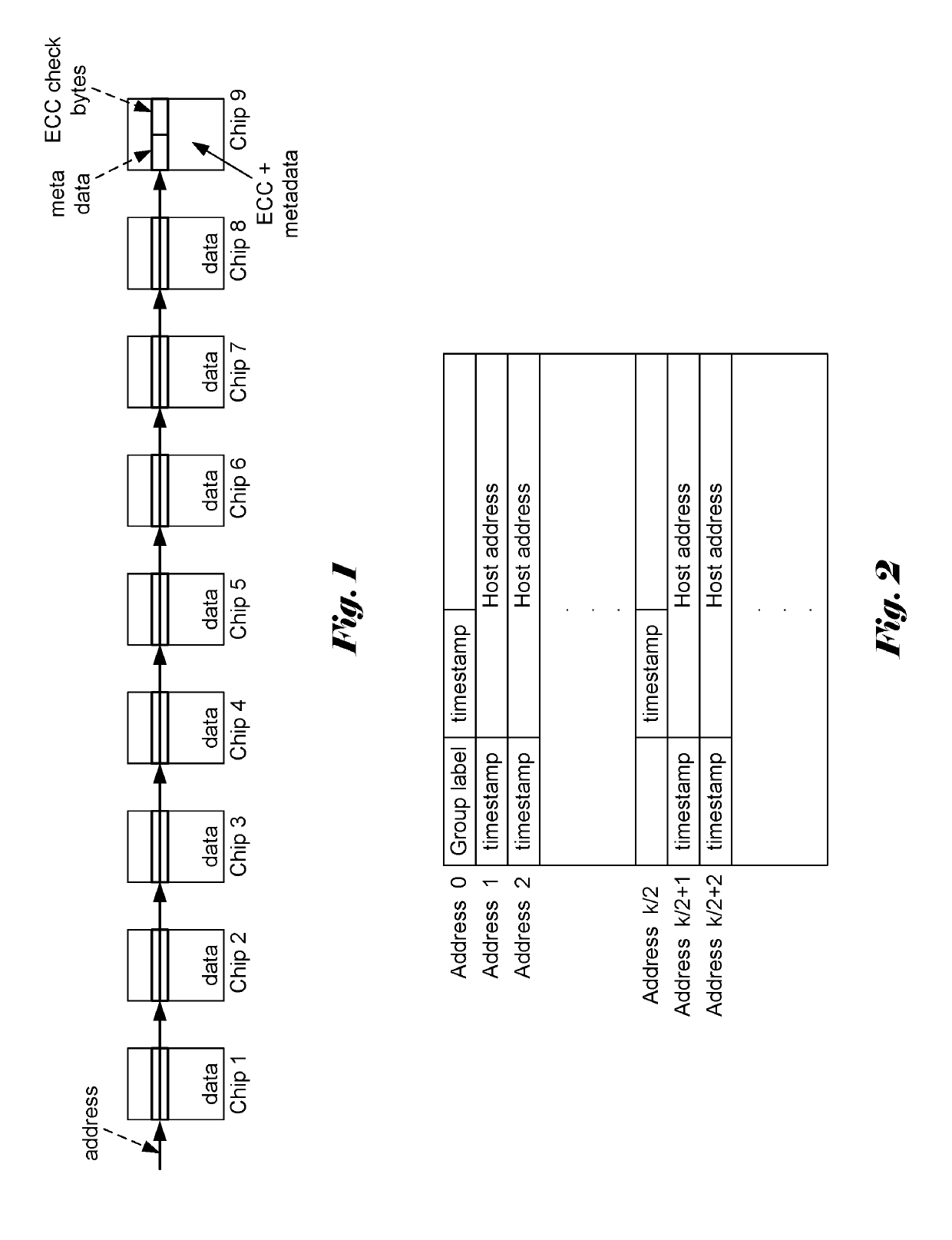
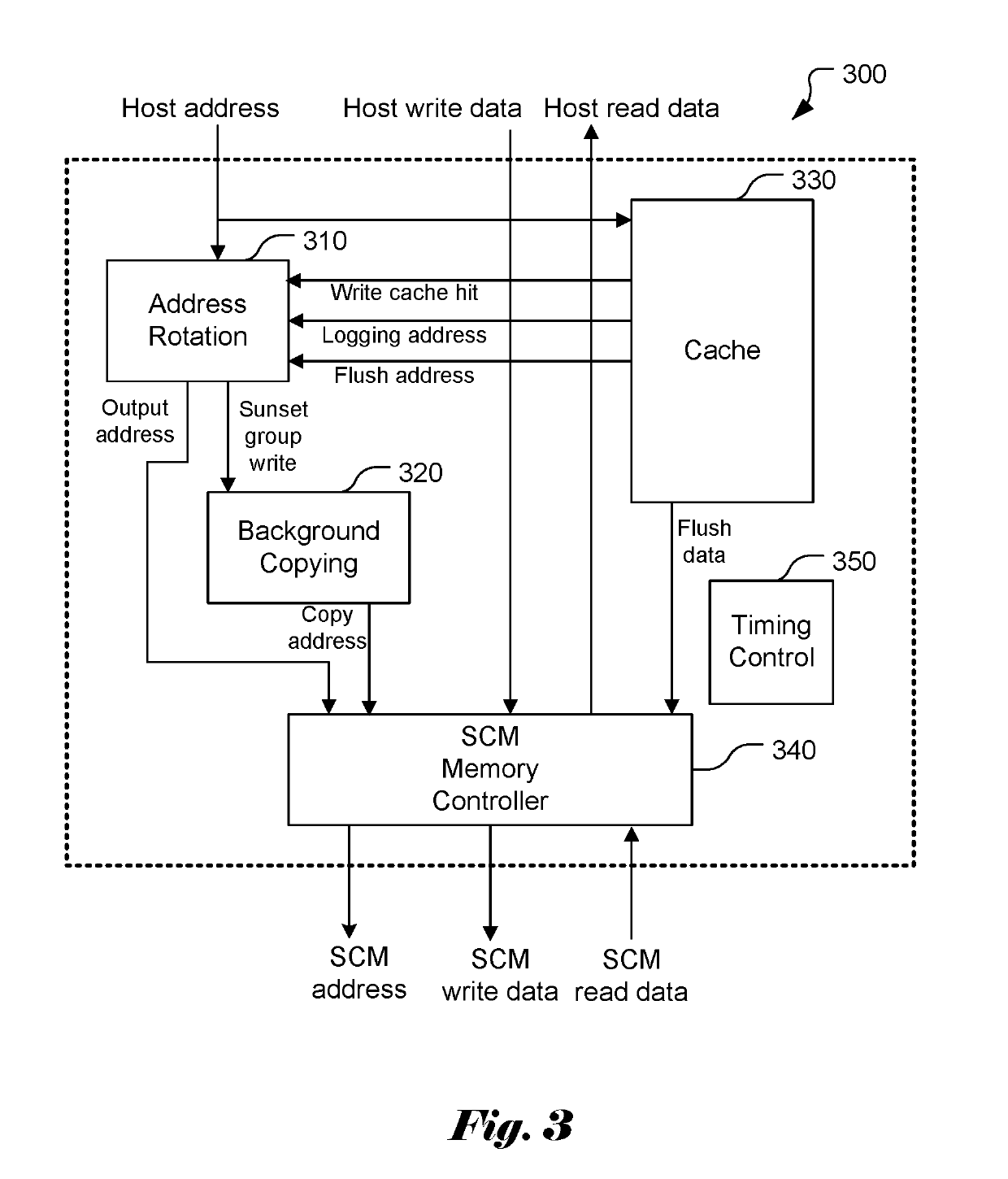
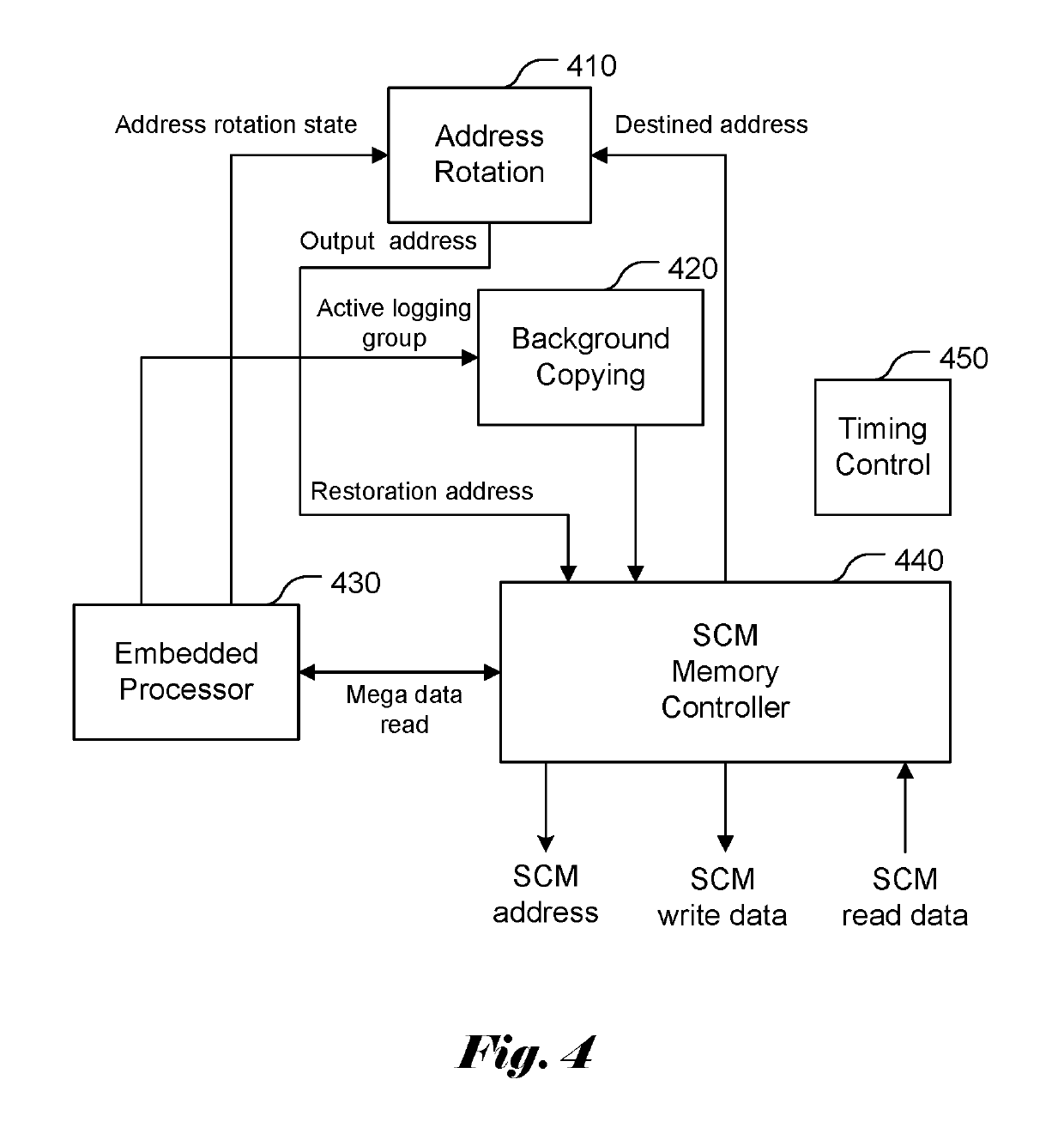
- A wear leveling method combining cache filtering and address rotation, where an address cache determines whether to write to a designated or destined location based on cache hits and misses, and address rotation maps input addresses to output addresses with redundant groups for long-term wear leveling, while also handling damaged locations and ECC check bytes.

Apparatus and Method of Bad Location Management for Storage Class Memory Using Distributed Pointers
PatentActiveUS20210081107A1
Innovation
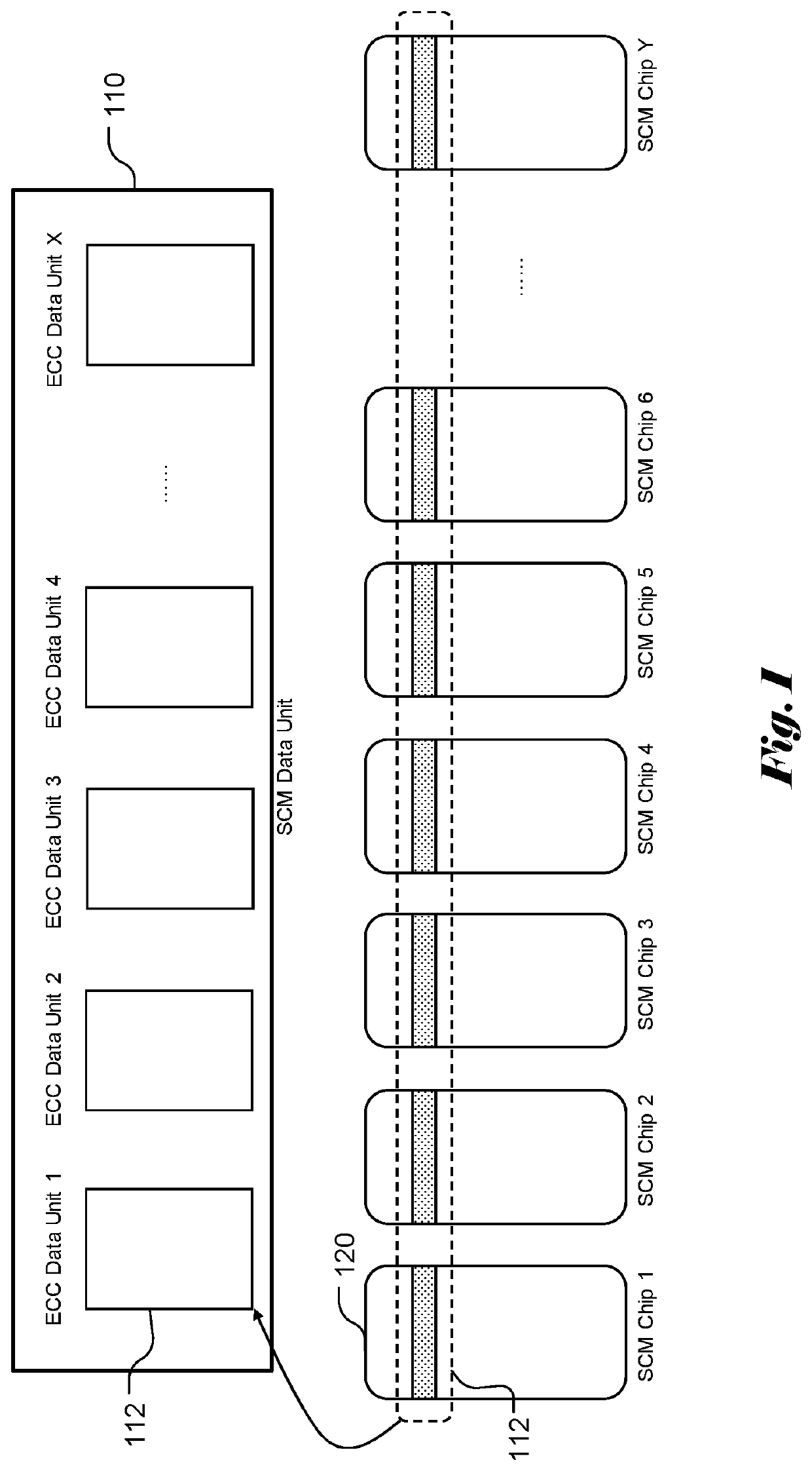
- The proposed solution involves a bad location management technique using distributed pointers to link failure locations with replacement locations, allowing for efficient data retrieval and storage by categorizing SCM data units into 'good', 'mostly good', and 'mostly bad' classes, and utilizing a reserved space for error correction and data redirection.


Energy Efficiency Standards for Storage Technologies
Energy efficiency has emerged as a critical consideration in storage technology evaluation, driven by escalating data center operational costs and environmental sustainability requirements. The stark contrast between active memory and disk storage extends beyond performance metrics to encompass power consumption patterns that significantly impact total cost of ownership. Current industry standards are evolving to address the growing demand for energy-conscious storage solutions across enterprise and consumer markets.
Active memory technologies, including DRAM and emerging non-volatile memory solutions, typically consume 2-5 watts per gigabyte during active operations, with power consumption scaling linearly with capacity and access frequency. Modern DDR4 and DDR5 modules incorporate advanced power management features such as dynamic voltage scaling and selective refresh mechanisms to optimize energy utilization during varying workload conditions.
Traditional hard disk drives demonstrate fundamentally different energy profiles, consuming 6-12 watts during active operation regardless of capacity, with significant power draw attributed to mechanical components including spindle motors and actuator assemblies. Enterprise-class drives often implement sophisticated power management protocols, including aggressive spin-down policies and variable RPM control to balance performance requirements with energy conservation objectives.
Solid-state drives represent an intermediate solution, consuming 2-8 watts during peak operations while offering substantially lower idle power consumption compared to mechanical alternatives. Advanced SSD controllers implement dynamic power scaling, background operation scheduling, and thermal management algorithms to optimize energy efficiency across diverse usage patterns.
Regulatory frameworks are increasingly establishing mandatory energy efficiency benchmarks for storage technologies. The Energy Star program has expanded coverage to include storage devices, while European Union regulations mandate specific power consumption thresholds for data center equipment. These standards typically focus on performance-per-watt metrics, idle power consumption limits, and power management capability requirements.
Emerging standards emphasize holistic energy assessment methodologies that consider manufacturing energy costs, operational efficiency throughout product lifecycles, and end-of-life recycling impacts. Industry consortiums are developing standardized testing protocols to enable accurate energy efficiency comparisons across different storage technologies and vendor implementations.
Active memory technologies, including DRAM and emerging non-volatile memory solutions, typically consume 2-5 watts per gigabyte during active operations, with power consumption scaling linearly with capacity and access frequency. Modern DDR4 and DDR5 modules incorporate advanced power management features such as dynamic voltage scaling and selective refresh mechanisms to optimize energy utilization during varying workload conditions.
Traditional hard disk drives demonstrate fundamentally different energy profiles, consuming 6-12 watts during active operation regardless of capacity, with significant power draw attributed to mechanical components including spindle motors and actuator assemblies. Enterprise-class drives often implement sophisticated power management protocols, including aggressive spin-down policies and variable RPM control to balance performance requirements with energy conservation objectives.
Solid-state drives represent an intermediate solution, consuming 2-8 watts during peak operations while offering substantially lower idle power consumption compared to mechanical alternatives. Advanced SSD controllers implement dynamic power scaling, background operation scheduling, and thermal management algorithms to optimize energy efficiency across diverse usage patterns.
Regulatory frameworks are increasingly establishing mandatory energy efficiency benchmarks for storage technologies. The Energy Star program has expanded coverage to include storage devices, while European Union regulations mandate specific power consumption thresholds for data center equipment. These standards typically focus on performance-per-watt metrics, idle power consumption limits, and power management capability requirements.
Emerging standards emphasize holistic energy assessment methodologies that consider manufacturing energy costs, operational efficiency throughout product lifecycles, and end-of-life recycling impacts. Industry consortiums are developing standardized testing protocols to enable accurate energy efficiency comparisons across different storage technologies and vendor implementations.
Data Security Considerations in Memory-Storage Architecture
The fundamental architectural differences between active memory and disk storage create distinct security vulnerabilities that require comprehensive evaluation. Active memory systems, including RAM and cache hierarchies, operate at high speeds but lack inherent persistence, making them susceptible to cold boot attacks, memory dumps, and side-channel exploitations. Conversely, disk storage systems provide data persistence but introduce different attack vectors through physical access, data recovery techniques, and file system vulnerabilities.
Memory-based security threats primarily stem from the volatile nature of active memory components. Advanced persistent threats can exploit memory allocation patterns, buffer overflows, and speculative execution vulnerabilities like Meltdown and Spectre. These attacks leverage the high-speed access characteristics of memory systems to extract sensitive information before security mechanisms can respond effectively. Additionally, memory forensics techniques enable attackers to recover encryption keys, passwords, and confidential data from system memory even after apparent deletion.
Disk storage security challenges encompass both logical and physical attack vectors. Data remanence issues allow recovery of supposedly deleted information through magnetic force microscopy and specialized recovery tools. Solid-state drives introduce unique concerns related to wear leveling algorithms and garbage collection processes that may leave data traces in inaccessible storage areas. Furthermore, disk encryption implementations must balance security strength with performance requirements, often creating implementation vulnerabilities.
Hybrid memory-storage architectures compound security complexity by creating multiple attack surfaces across different storage tiers. Data migration between memory and storage layers introduces timing-based vulnerabilities and potential information leakage during transfer processes. Cache coherency protocols and memory mapping mechanisms can inadvertently expose sensitive data across privilege boundaries, requiring sophisticated access control implementations.
Modern security frameworks must address cross-layer vulnerabilities through hardware-assisted security features, memory encryption technologies, and secure boot processes. Trusted execution environments and hardware security modules provide isolated computing spaces that protect critical operations from both memory and storage-based attacks, establishing foundational security principles for next-generation memory-storage architectures.
Memory-based security threats primarily stem from the volatile nature of active memory components. Advanced persistent threats can exploit memory allocation patterns, buffer overflows, and speculative execution vulnerabilities like Meltdown and Spectre. These attacks leverage the high-speed access characteristics of memory systems to extract sensitive information before security mechanisms can respond effectively. Additionally, memory forensics techniques enable attackers to recover encryption keys, passwords, and confidential data from system memory even after apparent deletion.
Disk storage security challenges encompass both logical and physical attack vectors. Data remanence issues allow recovery of supposedly deleted information through magnetic force microscopy and specialized recovery tools. Solid-state drives introduce unique concerns related to wear leveling algorithms and garbage collection processes that may leave data traces in inaccessible storage areas. Furthermore, disk encryption implementations must balance security strength with performance requirements, often creating implementation vulnerabilities.
Hybrid memory-storage architectures compound security complexity by creating multiple attack surfaces across different storage tiers. Data migration between memory and storage layers introduces timing-based vulnerabilities and potential information leakage during transfer processes. Cache coherency protocols and memory mapping mechanisms can inadvertently expose sensitive data across privilege boundaries, requiring sophisticated access control implementations.
Modern security frameworks must address cross-layer vulnerabilities through hardware-assisted security features, memory encryption technologies, and secure boot processes. Trusted execution environments and hardware security modules provide isolated computing spaces that protect critical operations from both memory and storage-based attacks, establishing foundational security principles for next-generation memory-storage architectures.
Unlock deeper insights with Patsnap Eureka Quick Research — get a full tech report to explore trends and direct your research. Try now!
Generate Your Research Report Instantly with AI Agent
Supercharge your innovation with Patsnap Eureka AI Agent Platform!