Analyze ECM Durability Based on Real-World Usage Data
MAR 27, 20269 MIN READ
Generate Your Research Report Instantly with AI Agent
PatSnap Eureka helps you evaluate technical feasibility & market potential.
ECM Durability Background and Technical Objectives
Engine Control Modules (ECMs) represent critical electronic components in modern automotive systems, serving as the central processing units that manage engine operations, emissions control, and performance optimization. As vehicles increasingly rely on sophisticated electronic systems, ECM reliability has become paramount to overall vehicle dependability and customer satisfaction. The evolution from mechanical engine management to electronic control systems has transformed ECMs into complex computing platforms that must withstand harsh automotive environments while maintaining precise operational accuracy.
The automotive industry has witnessed a dramatic shift toward electrification and advanced driver assistance systems, placing unprecedented demands on ECM performance and longevity. Traditional durability assessment methods, primarily based on laboratory testing and accelerated aging protocols, have proven insufficient for capturing the complexity of real-world operating conditions. These conventional approaches often fail to account for the diverse usage patterns, environmental variations, and operational stresses that ECMs encounter across different geographical regions and driving behaviors.
Real-world usage data analysis has emerged as a transformative approach to understanding ECM durability characteristics. This methodology leverages telematics systems, onboard diagnostics, and fleet management platforms to collect comprehensive operational data from vehicles in actual service conditions. The integration of big data analytics and machine learning techniques enables manufacturers to identify failure patterns, predict component degradation, and optimize design parameters based on empirical evidence rather than theoretical models.
The primary technical objective centers on developing robust analytical frameworks that can process vast quantities of real-world operational data to extract meaningful durability insights. This involves establishing correlations between environmental factors, usage patterns, and ECM performance degradation over extended service periods. Key focus areas include thermal cycling analysis, vibration exposure assessment, electrical stress evaluation, and contamination impact studies derived from actual field conditions.
Advanced data mining techniques aim to identify previously unknown failure modes and degradation mechanisms that may not manifest in controlled laboratory environments. The objective extends to creating predictive models capable of forecasting ECM lifespan under specific operating conditions, enabling proactive maintenance strategies and improved warranty management. Additionally, the analysis seeks to establish design optimization guidelines that enhance ECM robustness against real-world stressors while maintaining cost-effectiveness and performance requirements.
The ultimate goal involves transforming traditional reactive maintenance approaches into predictive, data-driven strategies that maximize ECM operational life while minimizing unexpected failures and associated costs.
The automotive industry has witnessed a dramatic shift toward electrification and advanced driver assistance systems, placing unprecedented demands on ECM performance and longevity. Traditional durability assessment methods, primarily based on laboratory testing and accelerated aging protocols, have proven insufficient for capturing the complexity of real-world operating conditions. These conventional approaches often fail to account for the diverse usage patterns, environmental variations, and operational stresses that ECMs encounter across different geographical regions and driving behaviors.
Real-world usage data analysis has emerged as a transformative approach to understanding ECM durability characteristics. This methodology leverages telematics systems, onboard diagnostics, and fleet management platforms to collect comprehensive operational data from vehicles in actual service conditions. The integration of big data analytics and machine learning techniques enables manufacturers to identify failure patterns, predict component degradation, and optimize design parameters based on empirical evidence rather than theoretical models.
The primary technical objective centers on developing robust analytical frameworks that can process vast quantities of real-world operational data to extract meaningful durability insights. This involves establishing correlations between environmental factors, usage patterns, and ECM performance degradation over extended service periods. Key focus areas include thermal cycling analysis, vibration exposure assessment, electrical stress evaluation, and contamination impact studies derived from actual field conditions.
Advanced data mining techniques aim to identify previously unknown failure modes and degradation mechanisms that may not manifest in controlled laboratory environments. The objective extends to creating predictive models capable of forecasting ECM lifespan under specific operating conditions, enabling proactive maintenance strategies and improved warranty management. Additionally, the analysis seeks to establish design optimization guidelines that enhance ECM robustness against real-world stressors while maintaining cost-effectiveness and performance requirements.
The ultimate goal involves transforming traditional reactive maintenance approaches into predictive, data-driven strategies that maximize ECM operational life while minimizing unexpected failures and associated costs.
Market Demand for Enhanced ECM Reliability
The automotive industry is experiencing unprecedented pressure to enhance Electronic Control Module (ECM) reliability as vehicles become increasingly dependent on electronic systems. Modern vehicles contain dozens of ECMs controlling critical functions from engine management to safety systems, making their durability a paramount concern for manufacturers, suppliers, and consumers alike.
Fleet operators represent a significant market segment driving demand for enhanced ECM reliability. Commercial vehicle operators face substantial financial losses when ECM failures result in vehicle downtime, emergency repairs, and missed delivery schedules. These operators are increasingly demanding extended warranty periods and proven durability metrics based on real-world performance data rather than laboratory testing alone.
The automotive aftermarket presents another substantial opportunity for ECM reliability solutions. As vehicle lifespans extend beyond traditional replacement cycles, aftermarket suppliers require ECMs that maintain performance integrity throughout extended service periods. This market segment values comprehensive durability analysis that can predict failure modes and optimize maintenance schedules.
Regulatory pressures are intensifying market demand for enhanced ECM reliability. Emissions regulations require ECMs to maintain precise control parameters throughout vehicle lifetime, while safety regulations mandate consistent performance of safety-critical systems. Manufacturers must demonstrate compliance through robust durability testing and real-world performance validation.
Consumer expectations have evolved significantly regarding electronic system reliability. Modern vehicle buyers expect seamless electronic functionality throughout ownership periods, with minimal maintenance requirements. This expectation creates market pressure for manufacturers to invest in advanced durability analysis methodologies that can identify and address potential failure modes before market introduction.
The electric vehicle transition amplifies ECM reliability requirements. Electric vehicles rely more heavily on electronic control systems for battery management, thermal control, and power distribution. These applications demand higher reliability standards and more sophisticated durability analysis approaches to ensure safe and reliable operation across diverse operating conditions.
Insurance companies and financial institutions are increasingly factoring ECM reliability into risk assessments and warranty programs. These stakeholders require quantifiable durability metrics derived from real-world usage data to accurately assess long-term reliability risks and establish appropriate coverage terms.
Fleet operators represent a significant market segment driving demand for enhanced ECM reliability. Commercial vehicle operators face substantial financial losses when ECM failures result in vehicle downtime, emergency repairs, and missed delivery schedules. These operators are increasingly demanding extended warranty periods and proven durability metrics based on real-world performance data rather than laboratory testing alone.
The automotive aftermarket presents another substantial opportunity for ECM reliability solutions. As vehicle lifespans extend beyond traditional replacement cycles, aftermarket suppliers require ECMs that maintain performance integrity throughout extended service periods. This market segment values comprehensive durability analysis that can predict failure modes and optimize maintenance schedules.
Regulatory pressures are intensifying market demand for enhanced ECM reliability. Emissions regulations require ECMs to maintain precise control parameters throughout vehicle lifetime, while safety regulations mandate consistent performance of safety-critical systems. Manufacturers must demonstrate compliance through robust durability testing and real-world performance validation.
Consumer expectations have evolved significantly regarding electronic system reliability. Modern vehicle buyers expect seamless electronic functionality throughout ownership periods, with minimal maintenance requirements. This expectation creates market pressure for manufacturers to invest in advanced durability analysis methodologies that can identify and address potential failure modes before market introduction.
The electric vehicle transition amplifies ECM reliability requirements. Electric vehicles rely more heavily on electronic control systems for battery management, thermal control, and power distribution. These applications demand higher reliability standards and more sophisticated durability analysis approaches to ensure safe and reliable operation across diverse operating conditions.
Insurance companies and financial institutions are increasingly factoring ECM reliability into risk assessments and warranty programs. These stakeholders require quantifiable durability metrics derived from real-world usage data to accurately assess long-term reliability risks and establish appropriate coverage terms.
Current ECM Durability Challenges and Real-World Limitations
Engine Control Modules face significant durability challenges in real-world automotive applications, where operating conditions far exceed laboratory testing parameters. Traditional ECM testing relies heavily on controlled environments that fail to capture the complexity of actual vehicle usage patterns, leading to substantial gaps between predicted and actual component lifespans.
Thermal stress represents one of the most critical durability challenges for ECMs. Real-world temperature fluctuations can range from -40°C to 125°C, with rapid thermal cycling occurring during engine start-stop operations. These extreme temperature variations cause differential expansion and contraction of electronic components, leading to solder joint fatigue, wire bond failures, and semiconductor degradation that laboratory accelerated testing often underestimates.
Vibration and mechanical stress pose additional significant challenges. ECMs mounted in engine compartments experience multi-directional vibrations ranging from low-frequency engine harmonics to high-frequency road-induced oscillations. The cumulative effect of millions of vibration cycles creates micro-fractures in circuit boards, component leads, and connector interfaces, resulting in intermittent failures that are difficult to predict through standard testing protocols.
Electrical stress factors in real-world environments present complex durability challenges. Voltage transients from alternator load dumps, electromagnetic interference from various vehicle systems, and power supply fluctuations create operating conditions that exceed design specifications. These electrical anomalies can cause latch-up conditions in microprocessors, degradation of input/output circuits, and premature aging of power management components.
Environmental contamination significantly impacts ECM durability in ways that laboratory testing struggles to replicate. Exposure to salt spray, fuel vapors, hydraulic fluids, and particulate matter creates corrosive conditions that affect connector integrity and circuit board performance. Moisture ingress through sealing systems leads to electrochemical corrosion and insulation breakdown, particularly in harsh operating environments.
Current durability assessment methodologies show substantial limitations when compared to real-world failure patterns. Accelerated life testing protocols often fail to account for the synergistic effects of multiple stress factors occurring simultaneously. The interaction between thermal cycling, vibration, and chemical exposure creates failure modes that single-factor testing cannot predict, resulting in significant discrepancies between laboratory predictions and field performance data.
Thermal stress represents one of the most critical durability challenges for ECMs. Real-world temperature fluctuations can range from -40°C to 125°C, with rapid thermal cycling occurring during engine start-stop operations. These extreme temperature variations cause differential expansion and contraction of electronic components, leading to solder joint fatigue, wire bond failures, and semiconductor degradation that laboratory accelerated testing often underestimates.
Vibration and mechanical stress pose additional significant challenges. ECMs mounted in engine compartments experience multi-directional vibrations ranging from low-frequency engine harmonics to high-frequency road-induced oscillations. The cumulative effect of millions of vibration cycles creates micro-fractures in circuit boards, component leads, and connector interfaces, resulting in intermittent failures that are difficult to predict through standard testing protocols.
Electrical stress factors in real-world environments present complex durability challenges. Voltage transients from alternator load dumps, electromagnetic interference from various vehicle systems, and power supply fluctuations create operating conditions that exceed design specifications. These electrical anomalies can cause latch-up conditions in microprocessors, degradation of input/output circuits, and premature aging of power management components.
Environmental contamination significantly impacts ECM durability in ways that laboratory testing struggles to replicate. Exposure to salt spray, fuel vapors, hydraulic fluids, and particulate matter creates corrosive conditions that affect connector integrity and circuit board performance. Moisture ingress through sealing systems leads to electrochemical corrosion and insulation breakdown, particularly in harsh operating environments.
Current durability assessment methodologies show substantial limitations when compared to real-world failure patterns. Accelerated life testing protocols often fail to account for the synergistic effects of multiple stress factors occurring simultaneously. The interaction between thermal cycling, vibration, and chemical exposure creates failure modes that single-factor testing cannot predict, resulting in significant discrepancies between laboratory predictions and field performance data.
Existing Real-World Data Analysis Solutions for ECM
01 Material composition and structural design for ECM durability
Enhanced durability of extracellular matrix (ECM) materials can be achieved through specific material compositions and structural designs. This includes the use of cross-linking agents, polymer blends, and reinforcement materials that improve mechanical strength and resistance to degradation. The structural architecture of ECM scaffolds can be optimized to withstand physiological stresses while maintaining biocompatibility and functionality over extended periods.- Material composition and structural design for ECM durability: Enhanced durability of extracellular matrix (ECM) materials can be achieved through specific material compositions and structural designs. This includes the use of cross-linking agents, polymer blends, and reinforcement materials that improve mechanical strength and resistance to degradation. The structural architecture of ECM scaffolds can be optimized to withstand physiological stresses while maintaining biological functionality.
- Chemical modification and cross-linking techniques: Chemical modification methods such as cross-linking can significantly enhance ECM durability by creating stronger intermolecular bonds. Various cross-linking agents and techniques can be employed to improve the mechanical properties and resistance to enzymatic degradation. These modifications help maintain the structural integrity of ECM materials over extended periods while preserving biocompatibility.
- Biological and enzymatic stabilization methods: Stabilization of ECM materials against biological degradation involves the use of enzyme inhibitors, protective coatings, or biological agents that prevent premature breakdown. These methods help maintain the functional properties of ECM scaffolds in biological environments by reducing susceptibility to proteolytic enzymes and other degradative factors. The approach ensures long-term stability while supporting cellular activities.
- Processing and manufacturing techniques for enhanced durability: Advanced processing and manufacturing methods can improve ECM durability through controlled fabrication parameters, sterilization techniques, and post-processing treatments. These techniques optimize the physical and mechanical properties of ECM materials while ensuring consistency and reliability. Manufacturing processes can be tailored to produce ECM products with specific durability characteristics suitable for different applications.
- Testing and evaluation methods for ECM durability assessment: Comprehensive testing protocols and evaluation methods are essential for assessing ECM durability under various conditions. These include mechanical testing, accelerated aging studies, and in vitro or in vivo degradation assessments. Standardized testing methods help predict long-term performance and ensure that ECM materials meet required durability specifications for clinical or industrial applications.
02 Chemical modification and cross-linking techniques
Chemical modification methods enhance ECM durability by introducing cross-links between protein chains or incorporating stabilizing agents. These techniques can include enzymatic cross-linking, chemical cross-linking with aldehydes or carbodiimides, and photochemical cross-linking. Such modifications improve resistance to enzymatic degradation and mechanical stress while preserving the biological properties of the ECM.Expand Specific Solutions03 Coating and surface treatment methods
Surface treatments and coating technologies can significantly improve ECM durability by providing protective barriers against degradation. These methods include applying biocompatible polymeric coatings, surface functionalization with protective molecules, and layer-by-layer assembly techniques. Such treatments help maintain structural integrity and extend the functional lifespan of ECM-based materials in biological environments.Expand Specific Solutions04 Sterilization and preservation techniques
Appropriate sterilization and preservation methods are critical for maintaining ECM durability during storage and application. These techniques include controlled dehydration, lyophilization, gamma irradiation, and chemical sterilization methods that minimize structural damage while ensuring sterility. Proper preservation protocols help maintain the mechanical properties and biological activity of ECM materials over time.Expand Specific Solutions05 Incorporation of bioactive agents and stabilizers
The integration of bioactive agents and stabilizing compounds can enhance ECM durability by promoting tissue integration and preventing degradation. This includes the incorporation of growth factors, antimicrobial agents, antioxidants, and enzyme inhibitors. These additives work synergistically to protect the ECM structure from biological and chemical degradation while supporting tissue regeneration and long-term functionality.Expand Specific Solutions
Key Players in ECM and Automotive Electronics Industry
The ECM durability analysis market is in a mature growth stage, driven by increasing demand for reliable electronic control modules across automotive, industrial, and consumer electronics sectors. The market demonstrates significant scale with established players spanning semiconductor manufacturers, automotive suppliers, and research institutions. Technology maturity varies considerably across participants, with semiconductor leaders like Samsung Electronics, STMicroelectronics, and NXP USA representing advanced chip-level durability solutions, while automotive giants such as Robert Bosch GmbH and Johnson Controls Technology Co. focus on system-level integration and real-world testing methodologies. Research institutions including China Electric Power Research Institute and Huazhong University of Science & Technology contribute fundamental durability modeling and testing protocols. Industrial equipment manufacturers like Caterpillar and Schneider Electric USA provide field-tested durability insights from harsh operating environments. The competitive landscape shows convergence toward data-driven durability prediction models, with companies increasingly leveraging IoT sensors and machine learning algorithms to analyze real-world usage patterns and predict ECM failure modes more accurately.
Samsung Electronics Co., Ltd.
Technical Solution: Samsung has developed ECM durability analysis solutions leveraging their expertise in memory and storage technologies critical to automotive ECMs. Their approach focuses on analyzing NAND flash memory degradation patterns in ECMs using real-world write/erase cycle data collected from vehicle fleets. The system employs advanced wear leveling algorithms and predictive analytics to assess memory health and predict potential data corruption or system failures. Samsung's solution includes specialized firmware that monitors memory usage patterns, temperature cycling effects, and data retention characteristics under actual driving conditions, providing comprehensive durability assessments that inform both maintenance schedules and next-generation ECM memory architecture design.
Strengths: Leading memory technology expertise and robust data analytics capabilities for storage-related failures. Weaknesses: Primarily focused on memory components rather than complete ECM system analysis.
NXP USA, Inc.
Technical Solution: NXP has developed advanced ECM durability assessment methodologies focusing on semiconductor-level reliability analysis using real-world usage data. Their approach utilizes embedded health monitoring circuits within ECM processors that continuously track critical parameters such as junction temperature, power cycling stress, and electromigration effects. The company employs physics-based failure models combined with machine learning algorithms to analyze field data and predict component degradation patterns. NXP's solution includes specialized diagnostic software that processes telemetry data from connected vehicles to identify usage patterns that may accelerate ECM aging, enabling proactive maintenance scheduling and design optimization for future ECM generations.
Strengths: Deep semiconductor expertise and integrated hardware-software solutions for real-time monitoring. Weaknesses: Limited to NXP-based ECM systems and requires significant computational resources for data processing.
Core Innovations in ECM Durability Assessment Methods
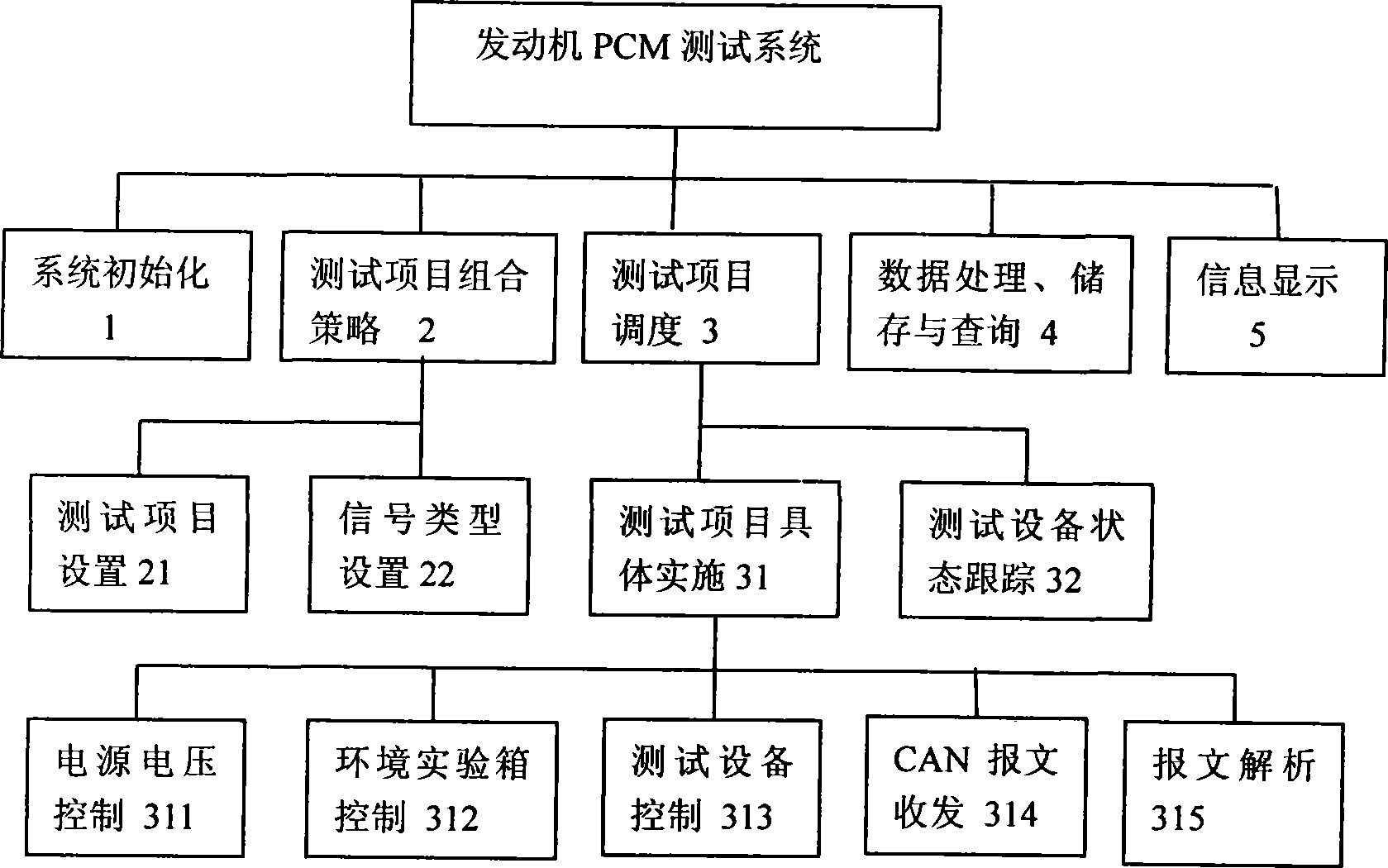
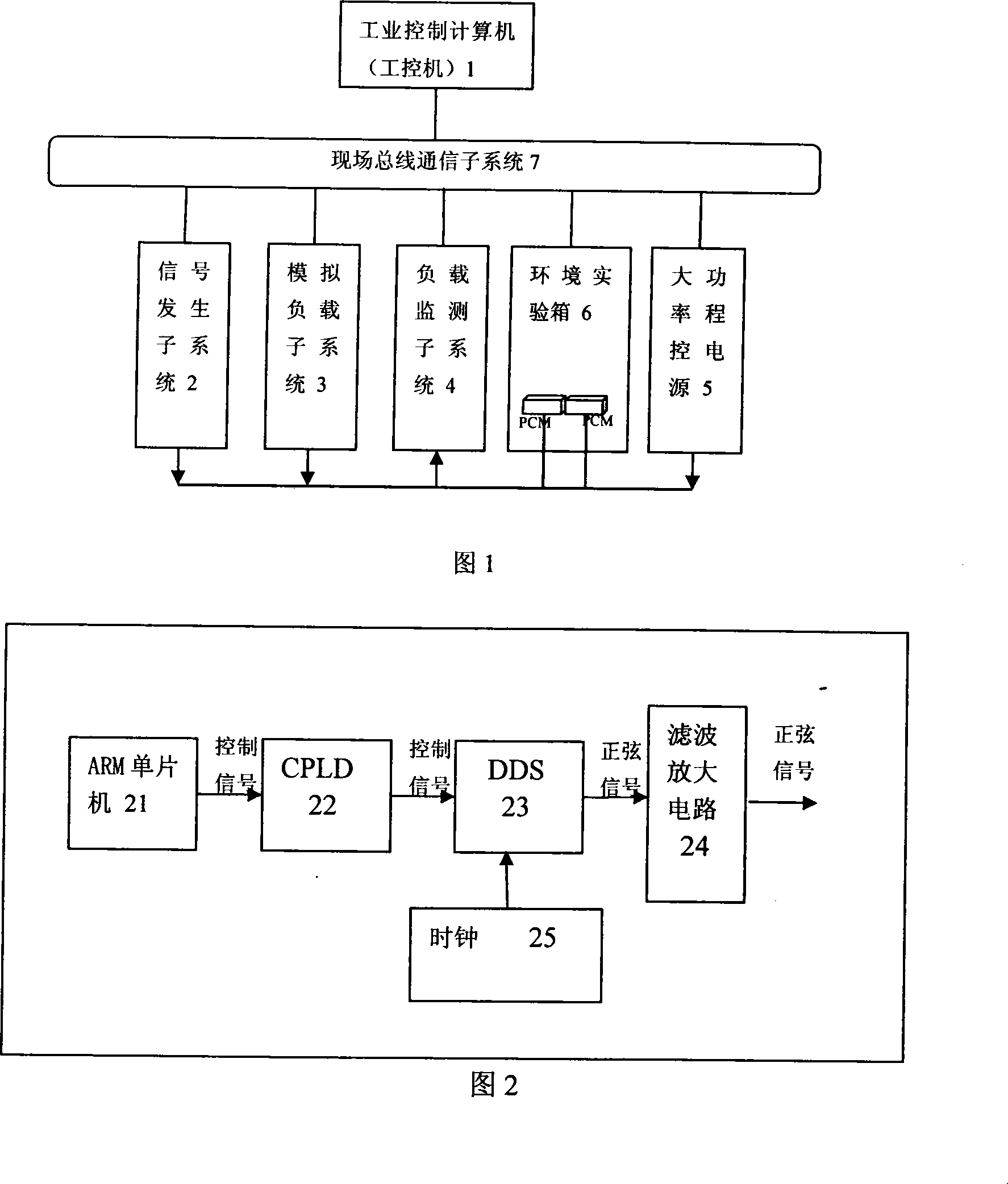
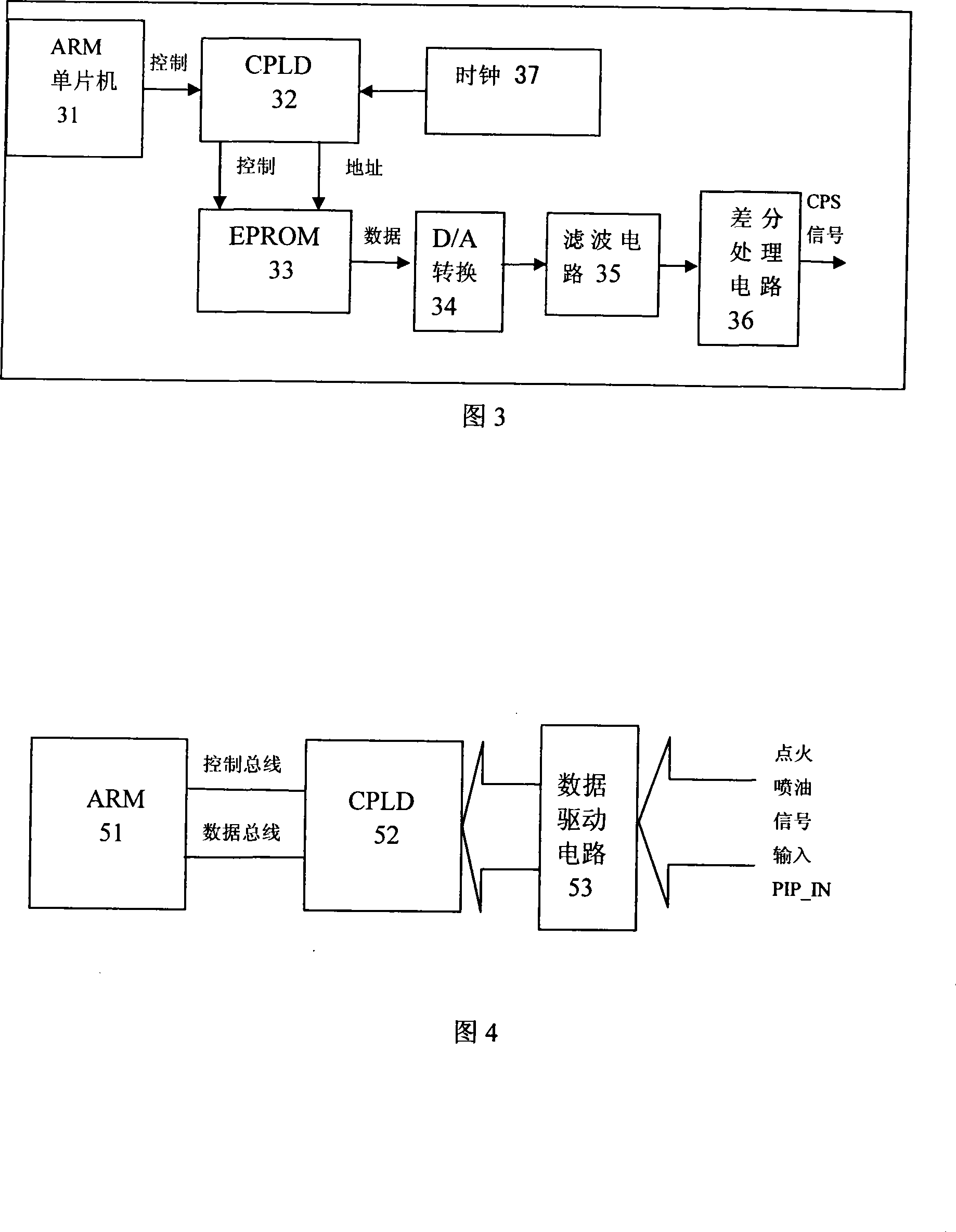
Engine control module environment durability test all-purpose platform and test method
PatentInactiveCN101216371B
Innovation
- A general platform for PCM environmental durability testing based on EFI engine control technology, embedded computer technology, virtual instrument technology and reliability assessment theory with modular structure and multi-layer fieldbus network communication protocol is designed. It adopts simulation testing technology and virtual The instrument platform realizes a system with high openness, intelligence and practicality.

A method to extend lifespan of an electronic control unit (ECU) and the ECU thereof
PatentWO2023020783A1
Innovation
- The ECU employs modules like ECU Service Life Calculator, Flash Age Calculator, Flash Memory Mapping Manager, and Function Restriction Update Decider to calculate the remaining service life of flash cells by considering these parameters, map functions to flash cells, and restrict operations to extend the lifespan by monitoring write cycles and communicating the predicted lifespan to users.


Automotive Safety Standards for ECM Durability
Automotive safety standards for ECM durability have evolved significantly to address the critical role of Electronic Control Modules in vehicle safety systems. These standards establish comprehensive frameworks that ensure ECMs can withstand harsh operational environments while maintaining reliable performance throughout their intended service life. The primary regulatory bodies, including ISO, SAE, and regional automotive authorities, have developed stringent requirements that manufacturers must meet to ensure ECM reliability in safety-critical applications.
The ISO 26262 functional safety standard serves as the cornerstone for ECM durability requirements, establishing Automotive Safety Integrity Levels (ASIL) that directly correlate with durability expectations. ECMs classified under ASIL C and ASIL D categories face the most stringent durability requirements, as failures in these systems could result in severe injury or fatalities. These standards mandate specific testing protocols, including accelerated aging tests, thermal cycling, vibration resistance, and electromagnetic compatibility assessments.
Temperature-related durability standards represent a critical aspect of ECM safety requirements. Standards such as AEC-Q100 specify operating temperature ranges from -40°C to +150°C for automotive-grade components, with additional requirements for thermal shock resistance and long-term high-temperature storage. These specifications ensure ECMs maintain functionality across diverse climate conditions and under extreme thermal stress scenarios that occur in real-world automotive applications.
Vibration and mechanical stress standards address the harsh mechanical environment that ECMs encounter during vehicle operation. Standards like ISO 16750-3 define specific vibration profiles and shock resistance requirements that ECMs must withstand without degradation in performance. These requirements encompass random vibration testing, sine sweep testing, and mechanical shock testing that simulate real-world road conditions, engine vibrations, and impact scenarios.
Electromagnetic compatibility standards ensure ECM durability against electrical interference and power supply variations. ISO 11452 series standards define immunity requirements against radiated and conducted electromagnetic disturbances, while ISO 7637 addresses electrical transient immunity. These standards are crucial for maintaining ECM functionality in the increasingly complex electromagnetic environment of modern vehicles equipped with multiple electronic systems.
The integration of real-world usage data into safety standards represents an emerging trend in ECM durability assessment. Standards organizations are beginning to incorporate field failure data and operational stress analysis into their requirements, enabling more accurate prediction of ECM performance under actual usage conditions rather than relying solely on laboratory testing protocols.
The ISO 26262 functional safety standard serves as the cornerstone for ECM durability requirements, establishing Automotive Safety Integrity Levels (ASIL) that directly correlate with durability expectations. ECMs classified under ASIL C and ASIL D categories face the most stringent durability requirements, as failures in these systems could result in severe injury or fatalities. These standards mandate specific testing protocols, including accelerated aging tests, thermal cycling, vibration resistance, and electromagnetic compatibility assessments.
Temperature-related durability standards represent a critical aspect of ECM safety requirements. Standards such as AEC-Q100 specify operating temperature ranges from -40°C to +150°C for automotive-grade components, with additional requirements for thermal shock resistance and long-term high-temperature storage. These specifications ensure ECMs maintain functionality across diverse climate conditions and under extreme thermal stress scenarios that occur in real-world automotive applications.
Vibration and mechanical stress standards address the harsh mechanical environment that ECMs encounter during vehicle operation. Standards like ISO 16750-3 define specific vibration profiles and shock resistance requirements that ECMs must withstand without degradation in performance. These requirements encompass random vibration testing, sine sweep testing, and mechanical shock testing that simulate real-world road conditions, engine vibrations, and impact scenarios.
Electromagnetic compatibility standards ensure ECM durability against electrical interference and power supply variations. ISO 11452 series standards define immunity requirements against radiated and conducted electromagnetic disturbances, while ISO 7637 addresses electrical transient immunity. These standards are crucial for maintaining ECM functionality in the increasingly complex electromagnetic environment of modern vehicles equipped with multiple electronic systems.
The integration of real-world usage data into safety standards represents an emerging trend in ECM durability assessment. Standards organizations are beginning to incorporate field failure data and operational stress analysis into their requirements, enabling more accurate prediction of ECM performance under actual usage conditions rather than relying solely on laboratory testing protocols.
Environmental Impact of ECM Lifecycle Management
The environmental impact of ECM lifecycle management represents a critical consideration in modern automotive engineering, particularly as the industry shifts toward sustainable manufacturing and operation practices. ECM durability analysis based on real-world usage data provides essential insights into the environmental footprint throughout the entire product lifecycle, from raw material extraction to end-of-life disposal.
Manufacturing phase environmental considerations encompass the carbon footprint associated with semiconductor fabrication, printed circuit board production, and housing materials. Real-world durability data enables manufacturers to optimize component selection and design parameters, potentially extending service life and reducing the frequency of replacement cycles. Extended ECM operational lifespans directly correlate with reduced environmental impact through decreased manufacturing demand and associated resource consumption.
Operational environmental impact analysis reveals significant correlations between ECM performance degradation and vehicle emissions efficiency. Real-world usage data demonstrates that ECM failures or performance deterioration can lead to suboptimal engine control strategies, resulting in increased fuel consumption and elevated exhaust emissions. Predictive durability models based on actual field data enable proactive maintenance scheduling, maintaining optimal environmental performance throughout the vehicle's operational life.
End-of-life management considerations become increasingly important as ECM complexity and integration density continue to advance. Real-world durability analysis provides crucial data for developing circular economy strategies, including component refurbishment, material recovery, and recycling optimization. Understanding actual failure modes and degradation patterns enables the development of more effective disassembly processes and material separation techniques.
The integration of environmental impact assessment with durability analysis creates opportunities for developing eco-design principles specific to ECM development. Real-world performance data supports the identification of over-engineered components that can be optimized without compromising reliability, while simultaneously reducing material usage and manufacturing energy requirements. This data-driven approach enables the automotive industry to balance performance requirements with environmental responsibility, supporting broader sustainability objectives while maintaining technological advancement trajectories.
Manufacturing phase environmental considerations encompass the carbon footprint associated with semiconductor fabrication, printed circuit board production, and housing materials. Real-world durability data enables manufacturers to optimize component selection and design parameters, potentially extending service life and reducing the frequency of replacement cycles. Extended ECM operational lifespans directly correlate with reduced environmental impact through decreased manufacturing demand and associated resource consumption.
Operational environmental impact analysis reveals significant correlations between ECM performance degradation and vehicle emissions efficiency. Real-world usage data demonstrates that ECM failures or performance deterioration can lead to suboptimal engine control strategies, resulting in increased fuel consumption and elevated exhaust emissions. Predictive durability models based on actual field data enable proactive maintenance scheduling, maintaining optimal environmental performance throughout the vehicle's operational life.
End-of-life management considerations become increasingly important as ECM complexity and integration density continue to advance. Real-world durability analysis provides crucial data for developing circular economy strategies, including component refurbishment, material recovery, and recycling optimization. Understanding actual failure modes and degradation patterns enables the development of more effective disassembly processes and material separation techniques.
The integration of environmental impact assessment with durability analysis creates opportunities for developing eco-design principles specific to ECM development. Real-world performance data supports the identification of over-engineered components that can be optimized without compromising reliability, while simultaneously reducing material usage and manufacturing energy requirements. This data-driven approach enables the automotive industry to balance performance requirements with environmental responsibility, supporting broader sustainability objectives while maintaining technological advancement trajectories.
Unlock deeper insights with PatSnap Eureka Quick Research — get a full tech report to explore trends and direct your research. Try now!
Generate Your Research Report Instantly with AI Agent
Supercharge your innovation with PatSnap Eureka AI Agent Platform!