

How to Maximize Battery Lifespan with Control Module Edits
MAR 27, 20269 MIN READ
Generate Your Research Report Instantly with AI Agent
PatSnap Eureka helps you evaluate technical feasibility & market potential.
Battery Control Module Technology Background and Objectives
Battery control modules have evolved significantly since the early adoption of rechargeable battery systems in consumer electronics and automotive applications. Initially, basic charge controllers provided rudimentary voltage regulation and overcurrent protection. The transition from simple analog circuits to sophisticated digital control systems marked a pivotal shift in the 1990s, enabling more precise monitoring and management of battery parameters.
The development trajectory accelerated with the proliferation of lithium-ion batteries, which demanded more sophisticated control algorithms due to their sensitivity to charging conditions and thermal management requirements. Early control modules focused primarily on safety functions, preventing overcharging and thermal runaway. However, as battery costs remained high and environmental concerns grew, the emphasis shifted toward optimizing battery longevity through intelligent control strategies.
Modern battery control modules integrate advanced microprocessors, real-time monitoring sensors, and adaptive algorithms that continuously assess battery health indicators. These systems track parameters including state of charge, state of health, internal resistance, temperature gradients, and cycle count. The evolution from reactive protection systems to predictive management platforms represents a fundamental paradigm shift in battery technology.
The primary objective of contemporary battery control module technology centers on maximizing usable battery lifespan through intelligent parameter optimization. This involves implementing dynamic charging profiles that adapt to battery aging characteristics, environmental conditions, and usage patterns. Advanced control modules aim to minimize degradation mechanisms such as lithium plating, electrolyte decomposition, and active material loss through precise voltage and current regulation.
Secondary objectives include enhancing energy efficiency, improving thermal management, and enabling predictive maintenance capabilities. Control modules increasingly incorporate machine learning algorithms to optimize charging strategies based on historical usage data and real-time performance metrics. The integration of communication protocols allows for remote monitoring and over-the-air updates, enabling continuous improvement of control algorithms.
The ultimate goal extends beyond individual battery optimization to system-level performance enhancement, where control modules coordinate with broader energy management systems to achieve optimal operational efficiency while preserving long-term battery health across diverse application scenarios.
The development trajectory accelerated with the proliferation of lithium-ion batteries, which demanded more sophisticated control algorithms due to their sensitivity to charging conditions and thermal management requirements. Early control modules focused primarily on safety functions, preventing overcharging and thermal runaway. However, as battery costs remained high and environmental concerns grew, the emphasis shifted toward optimizing battery longevity through intelligent control strategies.
Modern battery control modules integrate advanced microprocessors, real-time monitoring sensors, and adaptive algorithms that continuously assess battery health indicators. These systems track parameters including state of charge, state of health, internal resistance, temperature gradients, and cycle count. The evolution from reactive protection systems to predictive management platforms represents a fundamental paradigm shift in battery technology.
The primary objective of contemporary battery control module technology centers on maximizing usable battery lifespan through intelligent parameter optimization. This involves implementing dynamic charging profiles that adapt to battery aging characteristics, environmental conditions, and usage patterns. Advanced control modules aim to minimize degradation mechanisms such as lithium plating, electrolyte decomposition, and active material loss through precise voltage and current regulation.
Secondary objectives include enhancing energy efficiency, improving thermal management, and enabling predictive maintenance capabilities. Control modules increasingly incorporate machine learning algorithms to optimize charging strategies based on historical usage data and real-time performance metrics. The integration of communication protocols allows for remote monitoring and over-the-air updates, enabling continuous improvement of control algorithms.
The ultimate goal extends beyond individual battery optimization to system-level performance enhancement, where control modules coordinate with broader energy management systems to achieve optimal operational efficiency while preserving long-term battery health across diverse application scenarios.
Market Demand for Extended Battery Life Solutions
The global battery market is experiencing unprecedented growth driven by the rapid expansion of electric vehicles, consumer electronics, and renewable energy storage systems. As battery-powered devices become increasingly integral to daily life and industrial operations, the demand for solutions that extend battery lifespan has emerged as a critical market driver. Extended battery life directly translates to reduced replacement costs, improved device reliability, and enhanced user satisfaction across multiple sectors.
Electric vehicle manufacturers represent one of the most significant demand sources for battery lifespan optimization technologies. Vehicle manufacturers are actively seeking control module solutions that can intelligently manage charging cycles, temperature regulation, and discharge patterns to maximize battery longevity. The automotive sector's emphasis on warranty periods and total cost of ownership has created substantial market pressure for advanced battery management systems that can deliver measurable lifespan improvements.
Consumer electronics manufacturers face intense competition to differentiate their products through superior battery performance. Smartphones, laptops, tablets, and wearable devices all benefit from control module enhancements that optimize power consumption patterns and charging algorithms. The market demand in this sector is driven by consumer expectations for devices that maintain battery performance over extended periods without requiring frequent replacements.
Industrial and commercial applications present another substantial market segment demanding extended battery life solutions. Backup power systems, telecommunications infrastructure, medical devices, and IoT sensors require reliable long-term battery performance. These applications often operate in challenging environments where battery replacement is costly or logistically complex, making lifespan optimization technologies particularly valuable.
The renewable energy storage market has emerged as a rapidly growing demand source for battery lifespan solutions. Grid-scale energy storage systems and residential solar installations require batteries that can withstand thousands of charge-discharge cycles while maintaining capacity. Control module technologies that optimize charging patterns and prevent degradation-causing conditions are essential for the economic viability of these systems.
Market research indicates strong growth potential for battery management solutions across all sectors. The increasing awareness of environmental sustainability has further amplified demand, as extended battery life reduces electronic waste and resource consumption. Companies are willing to invest in advanced control module technologies that demonstrate clear return on investment through reduced battery replacement costs and improved system reliability.
Electric vehicle manufacturers represent one of the most significant demand sources for battery lifespan optimization technologies. Vehicle manufacturers are actively seeking control module solutions that can intelligently manage charging cycles, temperature regulation, and discharge patterns to maximize battery longevity. The automotive sector's emphasis on warranty periods and total cost of ownership has created substantial market pressure for advanced battery management systems that can deliver measurable lifespan improvements.
Consumer electronics manufacturers face intense competition to differentiate their products through superior battery performance. Smartphones, laptops, tablets, and wearable devices all benefit from control module enhancements that optimize power consumption patterns and charging algorithms. The market demand in this sector is driven by consumer expectations for devices that maintain battery performance over extended periods without requiring frequent replacements.
Industrial and commercial applications present another substantial market segment demanding extended battery life solutions. Backup power systems, telecommunications infrastructure, medical devices, and IoT sensors require reliable long-term battery performance. These applications often operate in challenging environments where battery replacement is costly or logistically complex, making lifespan optimization technologies particularly valuable.
The renewable energy storage market has emerged as a rapidly growing demand source for battery lifespan solutions. Grid-scale energy storage systems and residential solar installations require batteries that can withstand thousands of charge-discharge cycles while maintaining capacity. Control module technologies that optimize charging patterns and prevent degradation-causing conditions are essential for the economic viability of these systems.
Market research indicates strong growth potential for battery management solutions across all sectors. The increasing awareness of environmental sustainability has further amplified demand, as extended battery life reduces electronic waste and resource consumption. Companies are willing to invest in advanced control module technologies that demonstrate clear return on investment through reduced battery replacement costs and improved system reliability.
Current Battery Management Challenges and Technical Barriers
Battery management systems face significant thermal regulation challenges that directly impact battery lifespan optimization. Excessive heat generation during charging and discharging cycles creates thermal stress on lithium-ion cells, leading to accelerated degradation of electrode materials and electrolyte decomposition. Current control modules often lack sophisticated thermal modeling capabilities, resulting in suboptimal temperature management strategies that fail to maintain batteries within ideal operating ranges of 15-25°C.
State-of-charge estimation accuracy remains a critical technical barrier in maximizing battery longevity. Existing control algorithms frequently rely on simplified voltage-based measurements that introduce estimation errors of 5-15%, particularly under dynamic load conditions. These inaccuracies lead to overcharging or deep discharge scenarios that significantly reduce cycle life. The challenge intensifies with battery aging, as internal resistance changes and capacity fade alter the fundamental electrochemical characteristics used for SOC calculations.
Cell balancing inefficiencies represent another major obstacle in current battery management implementations. Passive balancing methods commonly employed in control modules dissipate excess energy as heat, creating additional thermal stress while failing to address capacity mismatches effectively. Active balancing systems, while more efficient, face complexity barriers in real-time implementation due to computational limitations and increased hardware costs.
Charging protocol optimization presents substantial technical challenges for control module developers. Traditional constant current-constant voltage charging methods often prioritize charging speed over longevity, creating conditions that accelerate lithium plating and solid electrolyte interface layer growth. Current control systems lack adaptive charging algorithms that can dynamically adjust charging parameters based on real-time battery health indicators and environmental conditions.
Communication protocol limitations between battery management systems and external devices create barriers to implementing advanced lifespan optimization strategies. Legacy CAN bus systems often lack sufficient bandwidth for transmitting detailed battery analytics, while newer protocols face compatibility issues with existing vehicle architectures. This communication bottleneck prevents the implementation of cloud-based battery health monitoring and predictive maintenance algorithms that could significantly enhance lifespan management.
Safety regulation compliance adds complexity to control module modifications aimed at maximizing battery lifespan. Automotive safety standards such as ISO 26262 require extensive validation of any control algorithm changes, creating development barriers for implementing innovative lifespan optimization techniques. The challenge lies in balancing aggressive optimization strategies with mandatory safety margins and fault tolerance requirements.
State-of-charge estimation accuracy remains a critical technical barrier in maximizing battery longevity. Existing control algorithms frequently rely on simplified voltage-based measurements that introduce estimation errors of 5-15%, particularly under dynamic load conditions. These inaccuracies lead to overcharging or deep discharge scenarios that significantly reduce cycle life. The challenge intensifies with battery aging, as internal resistance changes and capacity fade alter the fundamental electrochemical characteristics used for SOC calculations.
Cell balancing inefficiencies represent another major obstacle in current battery management implementations. Passive balancing methods commonly employed in control modules dissipate excess energy as heat, creating additional thermal stress while failing to address capacity mismatches effectively. Active balancing systems, while more efficient, face complexity barriers in real-time implementation due to computational limitations and increased hardware costs.
Charging protocol optimization presents substantial technical challenges for control module developers. Traditional constant current-constant voltage charging methods often prioritize charging speed over longevity, creating conditions that accelerate lithium plating and solid electrolyte interface layer growth. Current control systems lack adaptive charging algorithms that can dynamically adjust charging parameters based on real-time battery health indicators and environmental conditions.
Communication protocol limitations between battery management systems and external devices create barriers to implementing advanced lifespan optimization strategies. Legacy CAN bus systems often lack sufficient bandwidth for transmitting detailed battery analytics, while newer protocols face compatibility issues with existing vehicle architectures. This communication bottleneck prevents the implementation of cloud-based battery health monitoring and predictive maintenance algorithms that could significantly enhance lifespan management.
Safety regulation compliance adds complexity to control module modifications aimed at maximizing battery lifespan. Automotive safety standards such as ISO 26262 require extensive validation of any control algorithm changes, creating development barriers for implementing innovative lifespan optimization techniques. The challenge lies in balancing aggressive optimization strategies with mandatory safety margins and fault tolerance requirements.
Current Control Module Optimization Solutions
01 Battery management systems for lifespan optimization
Advanced battery management systems (BMS) can be implemented to monitor and control various parameters such as voltage, current, temperature, and state of charge. These systems employ algorithms to optimize charging and discharging cycles, prevent overcharging or deep discharge, and balance cell voltages. By intelligently managing these factors, the battery management system can significantly extend the operational lifespan of battery packs and maintain their performance over time.- Battery management systems for lifespan optimization: Advanced battery management systems (BMS) can be implemented to monitor and control various parameters such as voltage, current, temperature, and state of charge. These systems employ algorithms to optimize charging and discharging cycles, prevent overcharging or deep discharge, and balance cell voltages. By intelligently managing these factors, the battery management system can significantly extend the operational lifespan of the battery while maintaining performance and safety standards.
- Thermal management techniques for battery longevity: Effective thermal management is crucial for extending battery lifespan as temperature extremes can accelerate degradation. Various cooling and heating systems can be integrated to maintain optimal operating temperatures. These may include liquid cooling systems, phase change materials, heat pipes, or active thermal control mechanisms. Proper thermal regulation prevents thermal runaway, reduces capacity fade, and maintains consistent performance throughout the battery's lifecycle.
- Advanced electrode materials and compositions: The selection and formulation of electrode materials play a critical role in determining battery lifespan. Novel cathode and anode materials with improved structural stability, reduced volume expansion during cycling, and enhanced ionic conductivity can be utilized. These materials may include modified lithium compounds, silicon-based anodes, or composite structures that resist degradation mechanisms such as particle cracking and electrolyte decomposition, thereby extending the number of charge-discharge cycles.
- Electrolyte optimization and additives: The electrolyte composition significantly impacts battery degradation rates and overall lifespan. Optimized electrolyte formulations may include specific solvents, salts, and functional additives that form stable solid electrolyte interphase layers, suppress side reactions, and improve ionic transport. These formulations can reduce capacity loss over time, minimize internal resistance growth, and enhance the battery's ability to withstand repeated cycling under various operating conditions.
- Charging protocols and cycle management strategies: Implementing optimized charging protocols and cycle management strategies can substantially improve battery lifespan. These approaches may include multi-stage charging algorithms, pulse charging techniques, adaptive charging rates based on battery state, and strategic depth-of-discharge limitations. By controlling how energy is delivered to and extracted from the battery, these methods reduce stress on battery components, minimize lithium plating, and slow down degradation mechanisms that occur during normal operation.
02 Thermal management techniques for battery longevity
Effective thermal management is crucial for extending battery lifespan as temperature extremes can accelerate degradation. Various cooling and heating systems can be integrated to maintain optimal operating temperatures. These may include liquid cooling systems, phase change materials, heat pipes, or active temperature control mechanisms. Proper thermal regulation prevents thermal runaway, reduces capacity fade, and maintains consistent performance throughout the battery's lifecycle.Expand Specific Solutions03 Advanced electrode materials and compositions
The selection and formulation of electrode materials play a critical role in determining battery lifespan. Novel cathode and anode materials with improved structural stability, reduced volume expansion during cycling, and enhanced ionic conductivity can be utilized. These materials may include modified lithium compounds, silicon-based anodes, or composite structures that resist degradation. The use of protective coatings and additives in electrode formulations can further minimize side reactions and extend cycle life.Expand Specific Solutions04 Electrolyte optimization and additives
The electrolyte composition significantly impacts battery degradation mechanisms and overall lifespan. Optimized electrolyte formulations can include specific solvents, salts, and functional additives that form stable solid electrolyte interphase layers, suppress dendrite formation, and improve ionic transport. These formulations can enhance the electrochemical stability window and reduce parasitic reactions that contribute to capacity loss over repeated charge-discharge cycles.Expand Specific Solutions05 Charging protocols and cycle management
Implementing optimized charging protocols and cycle management strategies can substantially improve battery lifespan. These approaches may include multi-stage charging algorithms, pulse charging techniques, or adaptive charging rates based on battery state and environmental conditions. Limiting charging to partial state of charge ranges, avoiding extreme voltage levels, and controlling charging speeds can reduce stress on battery components and minimize degradation mechanisms that occur during cycling.Expand Specific Solutions
Major Players in Battery Management System Industry
The battery lifespan optimization through control module edits represents a rapidly evolving technological landscape driven by the convergence of automotive electrification, consumer electronics advancement, and industrial IoT applications. The market is experiencing significant growth, particularly in electric vehicle and portable device sectors, with major players like Samsung Electronics, Samsung SDI, and LG Chem leading battery technology development. Technology maturity varies across segments, with established companies such as Intel, Bosch, and Renesas providing sophisticated control systems and power management solutions. Automotive manufacturers including Renault, Ford, and emerging EV specialists like Beijing Electric Vehicle are integrating advanced battery management systems. The competitive landscape shows strong consolidation around key technologies, with companies like Hitachi, NEC, and Philips contributing industrial-grade solutions, while specialized firms like Getac focus on rugged applications requiring extended battery performance optimization.
Samsung SDI Co., Ltd.
Technical Solution: Samsung SDI implements advanced Battery Management System (BMS) with intelligent control modules that utilize machine learning algorithms to optimize charging patterns and thermal management. Their technology incorporates real-time state-of-health monitoring, adaptive charging protocols that adjust voltage and current based on battery temperature and age, and predictive analytics to prevent overcharging and deep discharge cycles. The control modules feature multi-layer safety mechanisms including cell balancing, thermal runaway prevention, and dynamic power allocation to extend battery lifespan by up to 30% compared to conventional systems.
Strengths: Industry-leading BMS technology with proven track record in automotive and energy storage applications, extensive R&D capabilities, strong integration with battery chemistry optimization. Weaknesses: High implementation costs, complex system architecture requiring specialized maintenance expertise.
Robert Bosch GmbH
Technical Solution: Bosch implements comprehensive battery management solutions through their advanced control modules that feature intelligent charging algorithms, thermal management systems, and predictive maintenance capabilities. Their technology utilizes sophisticated sensor networks to monitor battery parameters in real-time, implementing dynamic charging profiles that adapt to battery condition, temperature, and usage patterns. The control modules incorporate machine learning algorithms for predictive analytics, enabling proactive maintenance scheduling and optimal charging strategies. Bosch's approach includes integration with vehicle systems for holistic energy management and implementation of safety protocols to prevent battery degradation through controlled charging and discharging cycles.
Strengths: Extensive automotive industry experience, robust system integration capabilities, comprehensive safety and reliability standards. Weaknesses: Higher complexity in system configuration, potential compatibility issues with non-Bosch components.
Core Patents in Battery Lifespan Extension Technologies
Battery system and control method thereof
PatentActiveCN109450051A
Innovation
- A battery system is designed in which each battery module is dynamically adjusted through the battery manager, including a voltage detection module, a current detection module, a life cycle prediction module and a life cycle optimization adjustment module. The switching circuit is collaboratively controlled through the communication bus. According to the battery According to the life cycle, voltage and current, the number of battery modules and battery branches is adjusted to optimize the operation of the battery system.


Charging method and mobile terminal
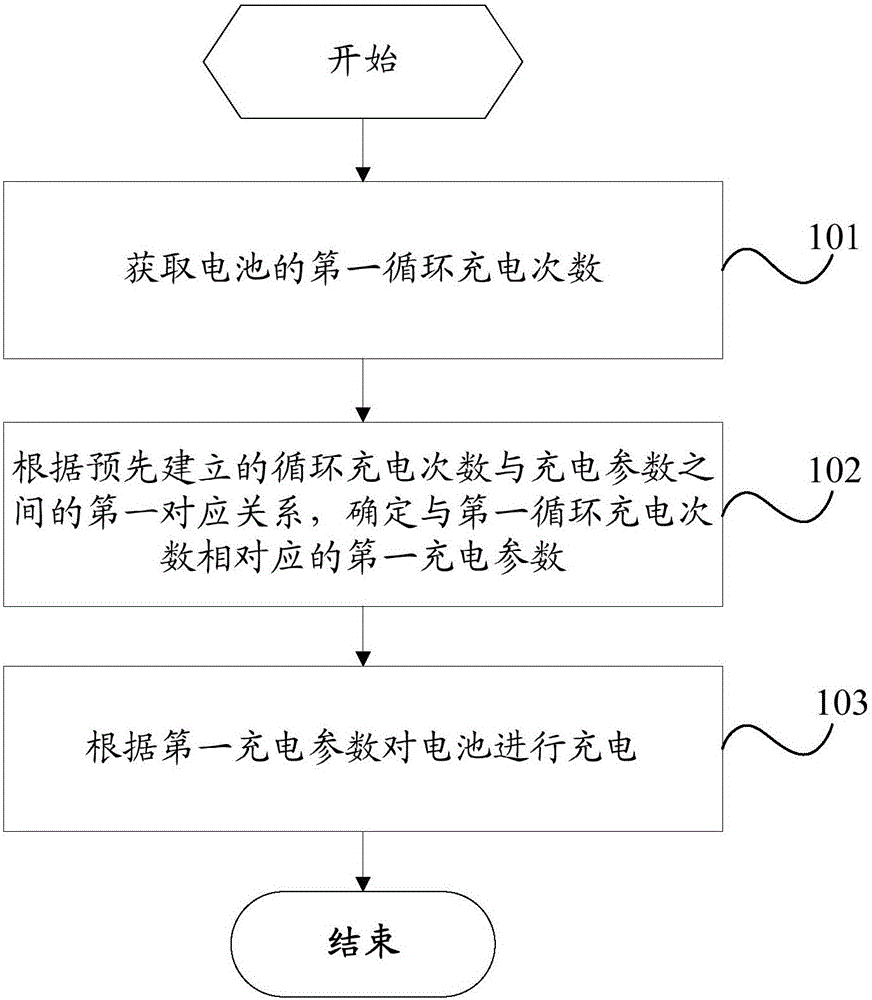
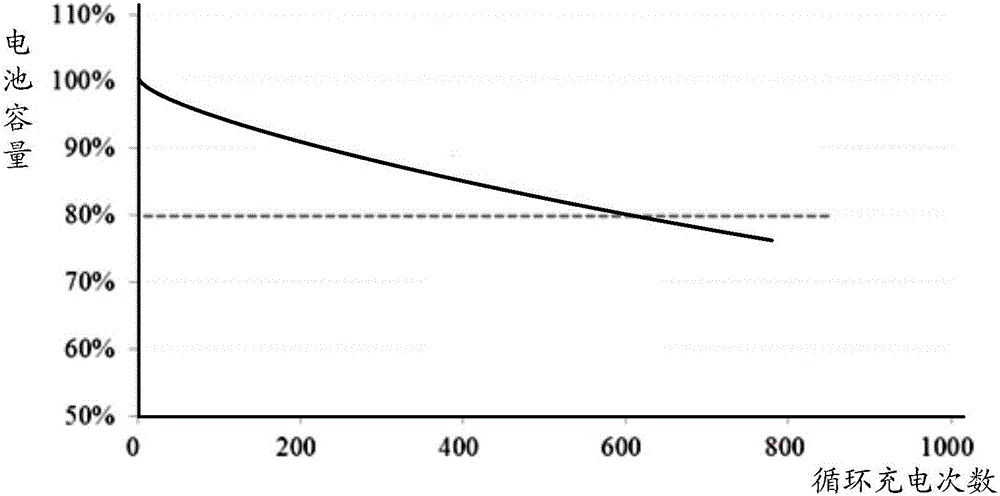
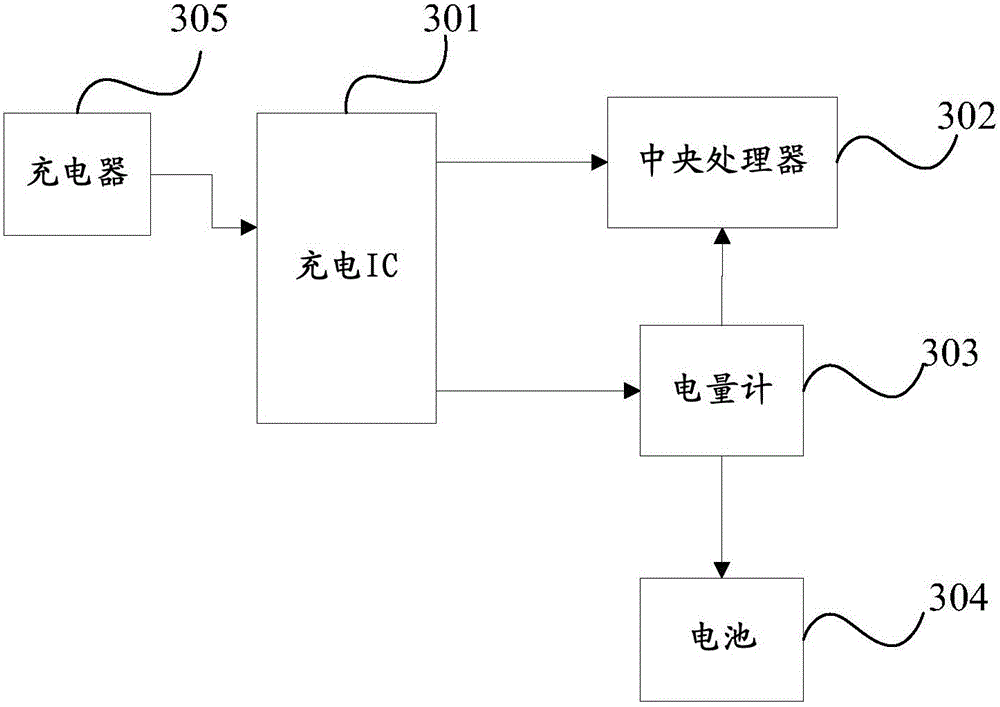
PatentActiveCN105958588A
Innovation
- By obtaining the number of cycle charges of the battery, and based on the pre-established correspondence between the number of cycle charges and charging parameters, the charging parameters, such as charging current and cut-off voltage, are dynamically adjusted to adapt to the aging of the battery and extend battery life.

Safety Standards for Battery Management Systems
Battery management systems operating through control module edits must adhere to stringent safety standards to prevent catastrophic failures while maximizing battery lifespan. The International Electrotechnical Commission (IEC) 62619 standard establishes fundamental safety requirements for lithium-ion battery systems, mandating comprehensive protection against overcharge, over-discharge, and thermal runaway conditions. These standards become particularly critical when implementing advanced control algorithms that modify charging profiles and discharge parameters.
The Underwriters Laboratories (UL) 2580 standard specifically addresses battery systems in electric vehicles, requiring extensive testing protocols for control module modifications. Any software-based adjustments to charging algorithms must undergo rigorous validation to ensure compliance with temperature monitoring, voltage regulation, and current limiting requirements. The standard mandates fail-safe mechanisms that automatically revert to conservative operating modes when anomalous conditions are detected.
Functional safety standards, particularly ISO 26262 for automotive applications, establish systematic approaches for developing safety-critical control software. Battery management control modules must implement redundant monitoring systems and diagnostic capabilities to detect potential hazards before they escalate. The standard requires comprehensive hazard analysis and risk assessment for any control parameter modifications that could impact battery safety or longevity.
The IEC 61508 standard provides the foundational framework for functional safety in electronic systems, establishing Safety Integrity Levels (SIL) that determine the required reliability of safety functions. Control module edits targeting battery lifespan optimization must maintain appropriate SIL ratings while implementing advanced features such as adaptive charging algorithms and predictive maintenance protocols.
Regional safety certifications, including CE marking in Europe and FCC compliance in North America, impose additional requirements for electromagnetic compatibility and environmental protection. These standards ensure that control module modifications do not introduce interference or vulnerability to external electromagnetic disturbances that could compromise battery safety systems.
Emerging standards such as IEEE 2686 address the specific challenges of battery management system cybersecurity, recognizing that control module connectivity introduces potential attack vectors. These standards mandate secure communication protocols, authentication mechanisms, and intrusion detection capabilities to protect against malicious modifications to battery control parameters.
The Underwriters Laboratories (UL) 2580 standard specifically addresses battery systems in electric vehicles, requiring extensive testing protocols for control module modifications. Any software-based adjustments to charging algorithms must undergo rigorous validation to ensure compliance with temperature monitoring, voltage regulation, and current limiting requirements. The standard mandates fail-safe mechanisms that automatically revert to conservative operating modes when anomalous conditions are detected.
Functional safety standards, particularly ISO 26262 for automotive applications, establish systematic approaches for developing safety-critical control software. Battery management control modules must implement redundant monitoring systems and diagnostic capabilities to detect potential hazards before they escalate. The standard requires comprehensive hazard analysis and risk assessment for any control parameter modifications that could impact battery safety or longevity.
The IEC 61508 standard provides the foundational framework for functional safety in electronic systems, establishing Safety Integrity Levels (SIL) that determine the required reliability of safety functions. Control module edits targeting battery lifespan optimization must maintain appropriate SIL ratings while implementing advanced features such as adaptive charging algorithms and predictive maintenance protocols.
Regional safety certifications, including CE marking in Europe and FCC compliance in North America, impose additional requirements for electromagnetic compatibility and environmental protection. These standards ensure that control module modifications do not introduce interference or vulnerability to external electromagnetic disturbances that could compromise battery safety systems.
Emerging standards such as IEEE 2686 address the specific challenges of battery management system cybersecurity, recognizing that control module connectivity introduces potential attack vectors. These standards mandate secure communication protocols, authentication mechanisms, and intrusion detection capabilities to protect against malicious modifications to battery control parameters.
Environmental Impact of Battery Lifecycle Management
The environmental implications of battery lifecycle management through control module optimization represent a critical intersection of technological advancement and ecological responsibility. Modern battery systems, particularly lithium-ion technologies, carry significant environmental footprints throughout their operational lifespan, from raw material extraction to end-of-life disposal. Control module edits that maximize battery lifespan directly contribute to reducing these environmental burdens by extending the useful life of existing battery systems and delaying the need for replacement units.
Extending battery lifespan through intelligent control algorithms substantially reduces the frequency of battery replacement cycles, thereby minimizing the environmental impact associated with manufacturing new batteries. The production of lithium-ion batteries involves energy-intensive processes and the extraction of rare earth materials, including lithium, cobalt, and nickel, which often result in significant carbon emissions and ecological disruption. By implementing sophisticated charge management protocols and thermal regulation systems, control modules can effectively double or triple battery operational lifespans, proportionally reducing the environmental cost per unit of energy storage capacity.
The reduction in battery waste generation represents another crucial environmental benefit of lifespan optimization strategies. Electronic waste, particularly from battery systems, poses significant challenges for waste management infrastructure due to the presence of toxic materials and complex recycling requirements. Extended battery lifecycles through control module enhancements directly translate to reduced volumes of hazardous waste entering disposal streams, alleviating pressure on recycling facilities and reducing the risk of environmental contamination from improperly disposed battery components.
Carbon footprint reduction emerges as a primary environmental advantage of maximizing battery lifespan through control system optimization. The embedded carbon cost of battery manufacturing typically represents 60-70% of the total lifecycle carbon footprint. By extending operational lifespans, the amortized carbon cost per year of operation decreases significantly, contributing to overall greenhouse gas emission reductions in applications ranging from electric vehicles to grid-scale energy storage systems.
Resource conservation benefits extend beyond immediate waste reduction to encompass broader supply chain sustainability considerations. The global demand for battery materials continues to escalate, placing increasing pressure on finite mineral resources and sensitive ecosystems where extraction occurs. Lifespan optimization through control module technologies effectively increases the efficiency of resource utilization, reducing the per-unit environmental impact of critical materials and supporting more sustainable resource management practices across the battery supply chain.
Extending battery lifespan through intelligent control algorithms substantially reduces the frequency of battery replacement cycles, thereby minimizing the environmental impact associated with manufacturing new batteries. The production of lithium-ion batteries involves energy-intensive processes and the extraction of rare earth materials, including lithium, cobalt, and nickel, which often result in significant carbon emissions and ecological disruption. By implementing sophisticated charge management protocols and thermal regulation systems, control modules can effectively double or triple battery operational lifespans, proportionally reducing the environmental cost per unit of energy storage capacity.
The reduction in battery waste generation represents another crucial environmental benefit of lifespan optimization strategies. Electronic waste, particularly from battery systems, poses significant challenges for waste management infrastructure due to the presence of toxic materials and complex recycling requirements. Extended battery lifecycles through control module enhancements directly translate to reduced volumes of hazardous waste entering disposal streams, alleviating pressure on recycling facilities and reducing the risk of environmental contamination from improperly disposed battery components.
Carbon footprint reduction emerges as a primary environmental advantage of maximizing battery lifespan through control system optimization. The embedded carbon cost of battery manufacturing typically represents 60-70% of the total lifecycle carbon footprint. By extending operational lifespans, the amortized carbon cost per year of operation decreases significantly, contributing to overall greenhouse gas emission reductions in applications ranging from electric vehicles to grid-scale energy storage systems.
Resource conservation benefits extend beyond immediate waste reduction to encompass broader supply chain sustainability considerations. The global demand for battery materials continues to escalate, placing increasing pressure on finite mineral resources and sensitive ecosystems where extraction occurs. Lifespan optimization through control module technologies effectively increases the efficiency of resource utilization, reducing the per-unit environmental impact of critical materials and supporting more sustainable resource management practices across the battery supply chain.
Unlock deeper insights with PatSnap Eureka Quick Research — get a full tech report to explore trends and direct your research. Try now!
Generate Your Research Report Instantly with AI Agent
Supercharge your innovation with PatSnap Eureka AI Agent Platform!