Engine Control Module vs Magneto Resistance Sensor: Sensitivity
MAR 27, 20268 MIN READ
Generate Your Research Report Instantly with AI Agent
PatSnap Eureka helps you evaluate technical feasibility & market potential.
ECM vs MR Sensor Sensitivity Background and Objectives
The automotive industry has undergone significant transformation over the past decades, with electronic control systems becoming increasingly sophisticated to meet stringent emission standards, fuel efficiency requirements, and performance expectations. Engine Control Modules have evolved from simple mechanical systems to complex electronic units capable of processing multiple sensor inputs and executing precise control algorithms in real-time.
Magnetoresistive sensors represent a critical advancement in automotive sensing technology, offering superior sensitivity and reliability compared to traditional Hall effect sensors. These sensors utilize the magnetoresistive effect, where electrical resistance changes in response to magnetic field variations, enabling precise detection of position, speed, and angular measurements essential for engine management systems.
The sensitivity relationship between ECMs and MR sensors has become a focal point of automotive engineering research, as modern engines demand increasingly precise control over fuel injection timing, ignition sequences, and valve operations. Enhanced sensor sensitivity directly translates to improved engine performance, reduced emissions, and better fuel economy, making this technological synergy crucial for next-generation powertrain systems.
Current market demands for autonomous vehicles, hybrid powertrains, and stricter environmental regulations have intensified the need for ultra-sensitive sensor systems. The integration challenges between high-resolution MR sensors and advanced ECM processing capabilities present both opportunities and technical hurdles that require systematic investigation and optimization.
The primary objective of this research focuses on establishing optimal sensitivity parameters for MR sensors when interfaced with modern ECMs, ensuring reliable signal transmission while minimizing noise interference and electromagnetic compatibility issues. This involves analyzing signal-to-noise ratios, response times, and temperature stability across various operating conditions.
Secondary objectives include developing standardized testing methodologies for evaluating ECM-MR sensor sensitivity performance, identifying potential failure modes related to sensitivity degradation, and establishing design guidelines for future sensor-controller integration architectures that maximize system reliability and performance efficiency.
Magnetoresistive sensors represent a critical advancement in automotive sensing technology, offering superior sensitivity and reliability compared to traditional Hall effect sensors. These sensors utilize the magnetoresistive effect, where electrical resistance changes in response to magnetic field variations, enabling precise detection of position, speed, and angular measurements essential for engine management systems.
The sensitivity relationship between ECMs and MR sensors has become a focal point of automotive engineering research, as modern engines demand increasingly precise control over fuel injection timing, ignition sequences, and valve operations. Enhanced sensor sensitivity directly translates to improved engine performance, reduced emissions, and better fuel economy, making this technological synergy crucial for next-generation powertrain systems.
Current market demands for autonomous vehicles, hybrid powertrains, and stricter environmental regulations have intensified the need for ultra-sensitive sensor systems. The integration challenges between high-resolution MR sensors and advanced ECM processing capabilities present both opportunities and technical hurdles that require systematic investigation and optimization.
The primary objective of this research focuses on establishing optimal sensitivity parameters for MR sensors when interfaced with modern ECMs, ensuring reliable signal transmission while minimizing noise interference and electromagnetic compatibility issues. This involves analyzing signal-to-noise ratios, response times, and temperature stability across various operating conditions.
Secondary objectives include developing standardized testing methodologies for evaluating ECM-MR sensor sensitivity performance, identifying potential failure modes related to sensitivity degradation, and establishing design guidelines for future sensor-controller integration architectures that maximize system reliability and performance efficiency.
Market Demand for High-Precision Engine Control Systems
The automotive industry is experiencing unprecedented demand for high-precision engine control systems, driven by increasingly stringent emission regulations and fuel efficiency standards worldwide. Modern vehicles require sophisticated engine management capabilities that can respond to real-time operating conditions with exceptional accuracy. This demand has intensified the focus on sensor sensitivity optimization, particularly in the relationship between Engine Control Modules and Magneto Resistance Sensors, where precise signal detection and processing directly impact overall system performance.
Regulatory frameworks across major automotive markets are establishing more demanding requirements for emission control and fuel economy. The European Union's Euro 7 standards and similar regulations in North America and Asia are pushing manufacturers toward advanced engine control technologies that can maintain optimal combustion parameters under varying operating conditions. These regulations create substantial market pressure for engine control systems capable of processing sensor data with enhanced precision and reduced latency.
The electric vehicle transition paradoxically increases demand for high-precision engine control in hybrid powertrains, where seamless coordination between internal combustion engines and electric motors requires exceptional control accuracy. Hybrid systems demand engine control modules that can rapidly adjust to changing power distribution requirements, making sensor sensitivity a critical performance differentiator in this growing market segment.
Commercial vehicle manufacturers represent another significant demand driver, as fleet operators increasingly prioritize fuel efficiency and maintenance cost reduction. Heavy-duty applications require engine control systems that can maintain performance across extended operating periods while adapting to varying load conditions. The sensitivity of magneto resistance sensors in these applications directly affects the system's ability to detect subtle changes in engine parameters that indicate maintenance needs or performance optimization opportunities.
Emerging markets are contributing to demand growth as automotive manufacturers expand production in regions with developing regulatory frameworks. These markets often require cost-effective solutions that maintain high precision, creating opportunities for innovative approaches to engine control system design that balance performance requirements with manufacturing economics.
The aftermarket segment also demonstrates growing demand for precision engine control upgrades, particularly in performance and racing applications where enhanced sensor sensitivity can provide competitive advantages through more precise engine tuning capabilities.
Regulatory frameworks across major automotive markets are establishing more demanding requirements for emission control and fuel economy. The European Union's Euro 7 standards and similar regulations in North America and Asia are pushing manufacturers toward advanced engine control technologies that can maintain optimal combustion parameters under varying operating conditions. These regulations create substantial market pressure for engine control systems capable of processing sensor data with enhanced precision and reduced latency.
The electric vehicle transition paradoxically increases demand for high-precision engine control in hybrid powertrains, where seamless coordination between internal combustion engines and electric motors requires exceptional control accuracy. Hybrid systems demand engine control modules that can rapidly adjust to changing power distribution requirements, making sensor sensitivity a critical performance differentiator in this growing market segment.
Commercial vehicle manufacturers represent another significant demand driver, as fleet operators increasingly prioritize fuel efficiency and maintenance cost reduction. Heavy-duty applications require engine control systems that can maintain performance across extended operating periods while adapting to varying load conditions. The sensitivity of magneto resistance sensors in these applications directly affects the system's ability to detect subtle changes in engine parameters that indicate maintenance needs or performance optimization opportunities.
Emerging markets are contributing to demand growth as automotive manufacturers expand production in regions with developing regulatory frameworks. These markets often require cost-effective solutions that maintain high precision, creating opportunities for innovative approaches to engine control system design that balance performance requirements with manufacturing economics.
The aftermarket segment also demonstrates growing demand for precision engine control upgrades, particularly in performance and racing applications where enhanced sensor sensitivity can provide competitive advantages through more precise engine tuning capabilities.
Current ECM-MR Sensor Integration Challenges
The integration of Engine Control Modules (ECM) with Magnetoresistive (MR) sensors presents several critical challenges that significantly impact overall system sensitivity and performance. These challenges stem from the fundamental differences in operational characteristics between digital control systems and analog sensor technologies, creating complex interface requirements that must be carefully managed.
Signal conditioning represents one of the most significant integration hurdles. MR sensors typically output low-amplitude analog signals that require precise amplification and filtering before reaching the ECM's analog-to-digital converters. The sensitivity mismatch between sensor output levels and ECM input requirements often necessitates additional signal conditioning circuits, introducing potential noise sources and signal degradation pathways that can compromise measurement accuracy.
Electromagnetic interference (EMI) poses another substantial challenge in ECM-MR sensor integration. The high-frequency switching operations within ECMs generate electromagnetic fields that can interfere with the sensitive magnetic field measurements of MR sensors. This interference manifests as signal noise, offset drift, and reduced signal-to-noise ratios, directly impacting the system's ability to detect subtle changes in magnetic field strength.
Temperature compensation emerges as a critical technical obstacle due to the different thermal characteristics of ECM components and MR sensors. While ECMs typically operate effectively across wide temperature ranges, MR sensors exhibit temperature-dependent sensitivity variations that require sophisticated compensation algorithms. The integration challenge lies in developing real-time correction mechanisms that can account for both component-specific and system-level thermal effects.
Timing synchronization between ECM processing cycles and MR sensor sampling rates creates additional complexity. ECMs operate on fixed computational cycles optimized for engine control algorithms, while optimal MR sensor performance may require different sampling frequencies. Misaligned timing can result in aliasing effects, missed detection events, and reduced overall system responsiveness.
Power supply compatibility issues further complicate integration efforts. ECMs and MR sensors often have different voltage and current requirements, necessitating careful power management design to ensure stable operation while minimizing power consumption and heat generation that could affect sensor sensitivity.
Signal conditioning represents one of the most significant integration hurdles. MR sensors typically output low-amplitude analog signals that require precise amplification and filtering before reaching the ECM's analog-to-digital converters. The sensitivity mismatch between sensor output levels and ECM input requirements often necessitates additional signal conditioning circuits, introducing potential noise sources and signal degradation pathways that can compromise measurement accuracy.
Electromagnetic interference (EMI) poses another substantial challenge in ECM-MR sensor integration. The high-frequency switching operations within ECMs generate electromagnetic fields that can interfere with the sensitive magnetic field measurements of MR sensors. This interference manifests as signal noise, offset drift, and reduced signal-to-noise ratios, directly impacting the system's ability to detect subtle changes in magnetic field strength.
Temperature compensation emerges as a critical technical obstacle due to the different thermal characteristics of ECM components and MR sensors. While ECMs typically operate effectively across wide temperature ranges, MR sensors exhibit temperature-dependent sensitivity variations that require sophisticated compensation algorithms. The integration challenge lies in developing real-time correction mechanisms that can account for both component-specific and system-level thermal effects.
Timing synchronization between ECM processing cycles and MR sensor sampling rates creates additional complexity. ECMs operate on fixed computational cycles optimized for engine control algorithms, while optimal MR sensor performance may require different sampling frequencies. Misaligned timing can result in aliasing effects, missed detection events, and reduced overall system responsiveness.
Power supply compatibility issues further complicate integration efforts. ECMs and MR sensors often have different voltage and current requirements, necessitating careful power management design to ensure stable operation while minimizing power consumption and heat generation that could affect sensor sensitivity.
Existing ECM-MR Sensor Sensitivity Solutions
01 Optimization of magnetoresistive element structure and geometry
The sensitivity of magnetoresistance sensors can be enhanced by optimizing the structural design and geometric parameters of the magnetoresistive elements. This includes adjusting the thickness, width, and length ratios of the sensing layers, as well as the arrangement and spacing of multiple elements. Proper geometric configuration can maximize the resistance change in response to magnetic field variations, thereby improving overall sensor sensitivity and signal-to-noise ratio.- Optimization of magnetoresistive element structure and geometry: The sensitivity of magnetoresistance sensors can be enhanced by optimizing the structural design and geometric configuration of the magnetoresistive elements. This includes adjusting the shape, dimensions, and arrangement of the sensing layers to maximize the magnetoresistive effect. Specific configurations such as layer thickness ratios, element width, and spacing between elements can significantly impact the sensor's ability to detect magnetic field changes. Advanced geometries and multi-layer structures are employed to achieve higher sensitivity while maintaining stability and reducing noise.
- Material composition and film properties enhancement: The selection and optimization of magnetic materials used in the sensor layers directly affects sensitivity performance. This involves using specific alloys, controlling crystalline structure, and optimizing the magnetic properties of ferromagnetic and antiferromagnetic layers. The composition of materials, including the use of particular transition metals and their combinations, can be tailored to achieve desired magnetic characteristics. Film deposition techniques and post-processing treatments are employed to enhance material properties such as coercivity, anisotropy, and magnetoresistance ratio.
- Bias magnetic field optimization and control: Implementing appropriate bias magnetic fields is crucial for improving sensor sensitivity and linearity. This includes the use of permanent magnets, exchange bias structures, or current-induced bias fields to set the optimal operating point of the magnetoresistive element. The magnitude and direction of the bias field can be carefully controlled to maximize the sensor's response to external magnetic fields while minimizing hysteresis and improving signal-to-noise ratio. Various biasing schemes and configurations are employed to achieve stable and sensitive operation across different field ranges.
- Signal processing and circuit design improvements: Enhanced sensitivity can be achieved through advanced signal processing techniques and optimized circuit designs. This includes the implementation of differential sensing configurations, bridge circuits, and amplification stages that reduce common-mode noise and enhance the magnetoresistive signal. Temperature compensation circuits, offset cancellation methods, and feedback control systems are integrated to improve measurement accuracy and stability. Digital signal processing algorithms and calibration techniques further enhance the effective sensitivity by extracting weak signals from noise.
- Shielding and noise reduction techniques: Implementing effective shielding structures and noise reduction methods is essential for improving the sensitivity of magnetoresistance sensors. This involves the use of magnetic shields to isolate the sensing element from unwanted external magnetic interference, as well as electrical shielding to reduce electromagnetic noise. Structural designs that minimize thermal noise, Johnson noise, and flicker noise contribute to better signal quality. Packaging techniques and material selection for surrounding structures also play a role in maintaining high sensitivity by reducing environmental influences and mechanical stress effects.
02 Material composition and layer stack optimization
Selecting appropriate magnetic and non-magnetic materials for the sensor layers significantly impacts sensitivity. The composition of ferromagnetic layers, spacer layers, and pinning layers can be optimized to achieve higher magnetoresistance ratios. Advanced material combinations and multilayer structures with specific crystallographic orientations enhance the magnetic response characteristics and increase the sensitivity to external magnetic fields.Expand Specific Solutions03 Bias magnetic field configuration and control
Implementing proper bias magnetic field configurations is crucial for optimizing sensor sensitivity. This involves using permanent magnets, bias coils, or integrated magnetic structures to establish an optimal operating point for the magnetoresistive elements. The bias field linearizes the sensor response and positions the operating point at the maximum sensitivity region of the transfer curve, enabling detection of weak magnetic field changes.Expand Specific Solutions04 Bridge circuit configuration and differential sensing
Utilizing bridge circuit configurations, such as Wheatstone bridge arrangements with multiple magnetoresistive elements, enhances sensitivity through differential sensing. This approach cancels common-mode noise and temperature effects while amplifying the magnetic signal. The balanced bridge design with properly oriented sensing elements provides improved linearity and higher output voltage for a given magnetic field change.Expand Specific Solutions05 Signal processing and noise reduction techniques
Implementing advanced signal processing methods and noise reduction techniques improves the effective sensitivity of magnetoresistance sensors. This includes amplification circuits with optimized gain stages, filtering to remove unwanted frequency components, and compensation circuits for temperature drift. Digital signal processing algorithms can further enhance weak signal detection and improve the minimum detectable magnetic field threshold.Expand Specific Solutions
Key Players in ECM and MR Sensor Technology
The Engine Control Module versus Magneto Resistance Sensor sensitivity technology represents a mature automotive electronics market experiencing steady growth driven by increasing vehicle electrification and autonomous driving demands. The industry is in its consolidation phase with established players dominating through extensive R&D investments and manufacturing capabilities. Key technology leaders include Infineon Technologies AG, Robert Bosch GmbH, and Continental Automotive GmbH providing comprehensive ECM solutions, while specialized sensor manufacturers like MultiDimension Technology, TDK Corp., and Allegro MicroSystems LLC focus on advanced magnetoresistive sensing technologies. Major automotive OEMs including Toyota Motor Corp., Ford Motor Co., and Honda Motor Co. drive innovation requirements, supported by tier-one suppliers like Hyundai Mobis and Schaeffler Technologies AG, creating a competitive ecosystem where technological differentiation centers on sensor accuracy, power efficiency, and integration capabilities.
Infineon Technologies AG
Technical Solution: Infineon develops advanced magnetoresistive sensor technologies with high sensitivity for automotive applications. Their TMR (Tunneling Magnetoresistance) sensors achieve sensitivity levels below 1 mT with temperature compensation algorithms integrated into their engine control modules. The company's sensor solutions feature differential measurement techniques and advanced signal conditioning circuits that enhance sensitivity while reducing noise interference. Their automotive-grade sensors operate reliably across temperature ranges from -40°C to 150°C, making them suitable for harsh engine environments where precise magnetic field detection is critical for position sensing and speed measurement applications.
Strengths: Industry-leading TMR technology with exceptional sensitivity and temperature stability. Weaknesses: Higher cost compared to traditional Hall sensors and complex manufacturing processes.
Robert Bosch GmbH
Technical Solution: Bosch implements sophisticated magnetoresistive sensor architectures in their engine control systems, utilizing AMR (Anisotropic Magnetoresistance) and GMR (Giant Magnetoresistance) technologies. Their sensors achieve sensitivity improvements of up to 10x compared to conventional Hall sensors, with integrated signal processing capabilities that enable detection of magnetic field changes as small as 0.1 mT. The company's engine control modules incorporate advanced filtering algorithms and temperature compensation mechanisms to maintain consistent sensitivity across varying operating conditions. Their sensor fusion approach combines multiple magnetoresistive elements to enhance overall system sensitivity and reliability.
Strengths: Comprehensive automotive expertise with proven reliability and extensive temperature compensation. Weaknesses: Proprietary solutions may limit customization options and integration flexibility.
Core Patents in MR Sensor Sensitivity Enhancement
Controller for and method of controlling internal combustion engine
PatentInactiveUS20120053819A1
Innovation
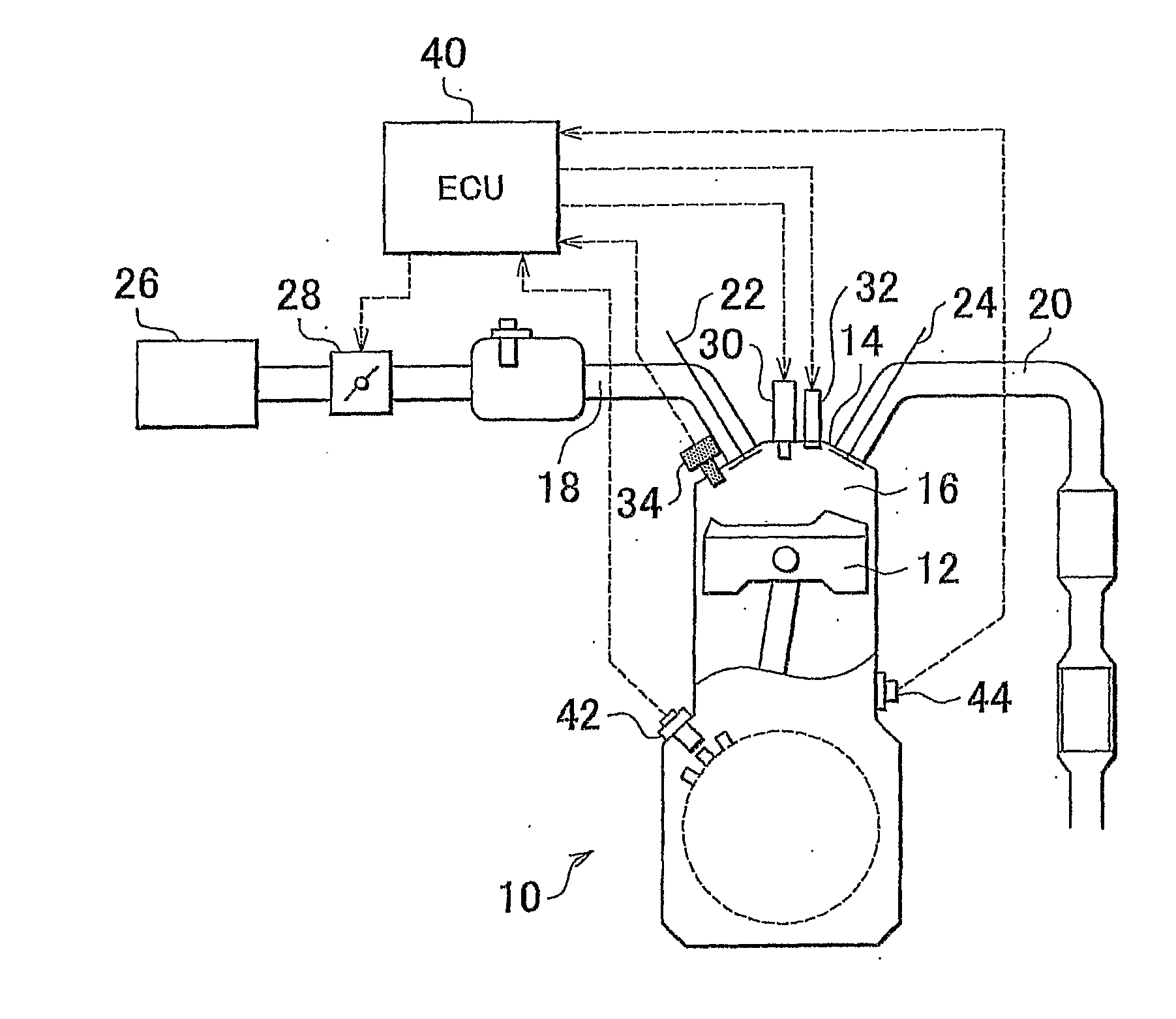
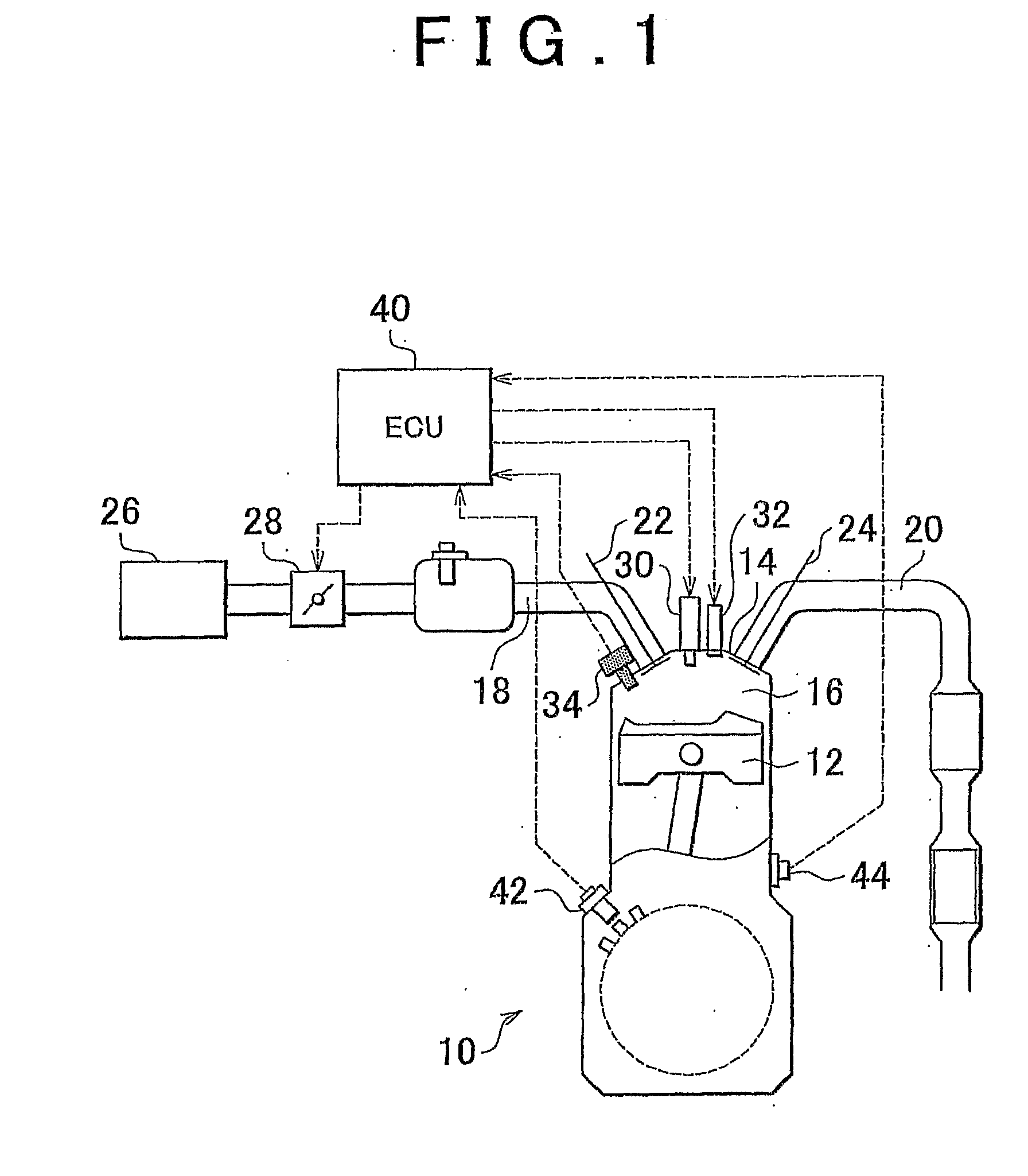
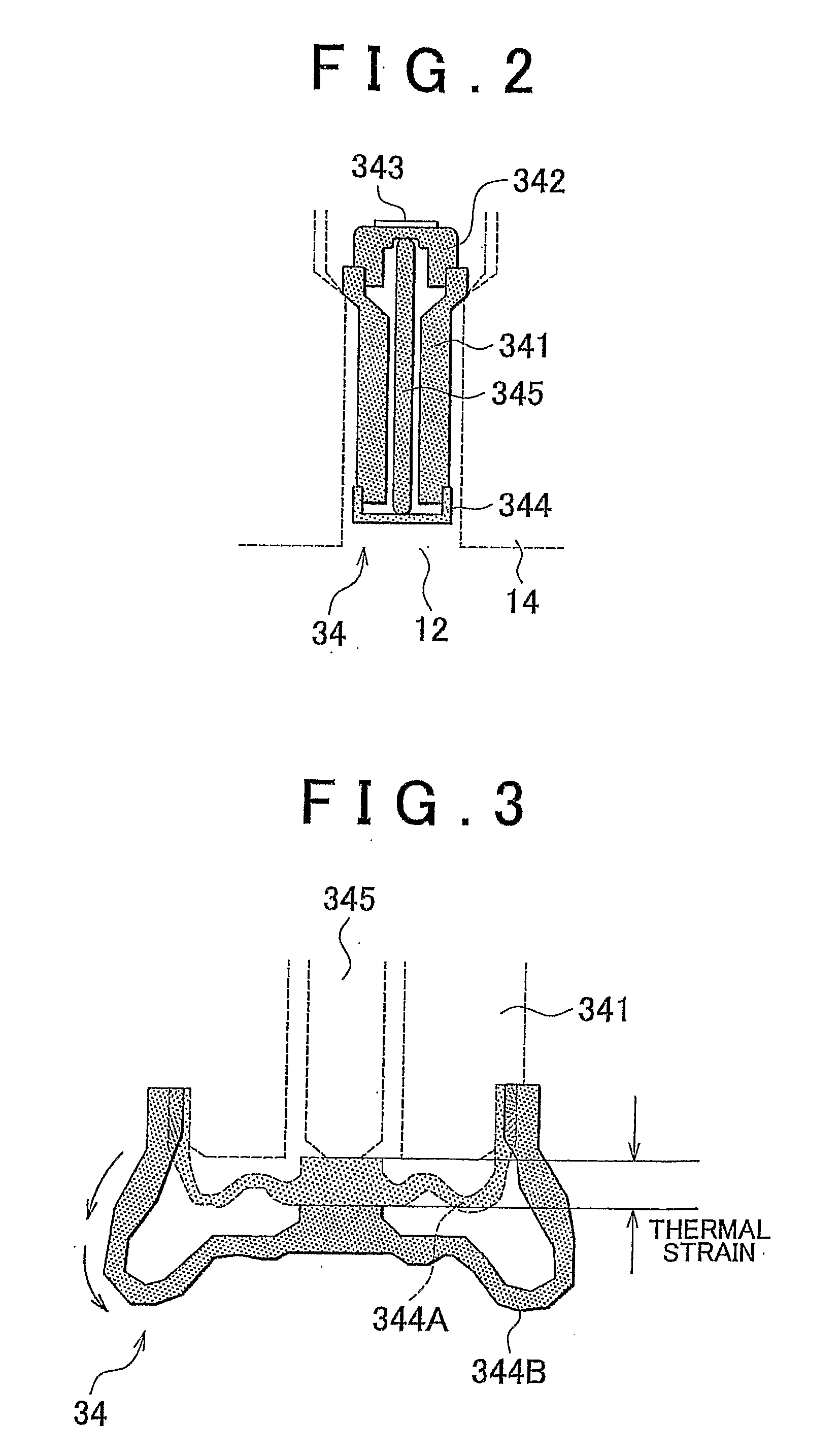
- An internal combustion engine controller that calculates and corrects heat generation amount errors using a correlation between heat generation and crank angles, incorporating a heat generation amount calculation section, error calculation section, and actual heat generation amount calculation, allowing for precise correction of thermal strain-induced errors through simple computational methods.

Magneto-resistive sensor device and magnetic bias regulator circuit, along with systems and methods incorporating same
PatentWO2016090222A1
Innovation
- A magnetic bias regulator circuit is implemented to maintain a constant overall magnetic field at the MTJ sensor by dynamically adjusting the internal magnetic bias current based on sensor feedback, ensuring quasi-linear operation by canceling external alternating magnetic fields.


Automotive Safety Standards for Sensor Systems
Automotive safety standards for sensor systems represent a critical framework governing the integration and performance requirements of sensing technologies in modern vehicles. These standards establish mandatory protocols for sensor reliability, accuracy, and fail-safe mechanisms, particularly relevant when evaluating the sensitivity characteristics of Engine Control Modules (ECMs) and Magneto Resistance Sensors (MRS) in automotive applications.
The International Organization for Standardization (ISO) 26262 serves as the primary functional safety standard for automotive electrical and electronic systems, defining Safety Integrity Levels (SIL) that directly impact sensor sensitivity requirements. Under this framework, sensors must demonstrate consistent performance across specified operating ranges, with particular emphasis on detection thresholds and response times that ensure vehicle safety under all conditions.
Magneto resistance sensors, when integrated with engine control systems, must comply with ISO 11452 electromagnetic compatibility standards, which establish sensitivity baselines for magnetic field detection while maintaining immunity to electromagnetic interference. These standards mandate specific sensitivity ranges typically between 0.5 to 50 mT, ensuring reliable crankshaft and camshaft position detection across varying environmental conditions.
The Society of Automotive Engineers (SAE) J1939 protocol further defines communication standards between ECMs and sensor networks, establishing data integrity requirements that directly correlate with sensor sensitivity specifications. This standard ensures that minute variations in magnetic field strength are accurately transmitted and processed, maintaining engine timing precision within microsecond tolerances.
European automotive safety regulations, particularly ECE R10 and ECE R118, impose additional constraints on sensor sensitivity parameters, requiring validation through standardized testing procedures including temperature cycling, vibration resistance, and electromagnetic pulse exposure. These regulations mandate that sensor systems maintain operational sensitivity within ±2% deviation across temperature ranges from -40°C to +125°C.
Compliance with these automotive safety standards necessitates rigorous calibration protocols for magneto resistance sensors, ensuring that sensitivity thresholds align with ECM processing capabilities while maintaining fail-safe operation modes when sensor performance degrades beyond acceptable parameters.
The International Organization for Standardization (ISO) 26262 serves as the primary functional safety standard for automotive electrical and electronic systems, defining Safety Integrity Levels (SIL) that directly impact sensor sensitivity requirements. Under this framework, sensors must demonstrate consistent performance across specified operating ranges, with particular emphasis on detection thresholds and response times that ensure vehicle safety under all conditions.
Magneto resistance sensors, when integrated with engine control systems, must comply with ISO 11452 electromagnetic compatibility standards, which establish sensitivity baselines for magnetic field detection while maintaining immunity to electromagnetic interference. These standards mandate specific sensitivity ranges typically between 0.5 to 50 mT, ensuring reliable crankshaft and camshaft position detection across varying environmental conditions.
The Society of Automotive Engineers (SAE) J1939 protocol further defines communication standards between ECMs and sensor networks, establishing data integrity requirements that directly correlate with sensor sensitivity specifications. This standard ensures that minute variations in magnetic field strength are accurately transmitted and processed, maintaining engine timing precision within microsecond tolerances.
European automotive safety regulations, particularly ECE R10 and ECE R118, impose additional constraints on sensor sensitivity parameters, requiring validation through standardized testing procedures including temperature cycling, vibration resistance, and electromagnetic pulse exposure. These regulations mandate that sensor systems maintain operational sensitivity within ±2% deviation across temperature ranges from -40°C to +125°C.
Compliance with these automotive safety standards necessitates rigorous calibration protocols for magneto resistance sensors, ensuring that sensitivity thresholds align with ECM processing capabilities while maintaining fail-safe operation modes when sensor performance degrades beyond acceptable parameters.
Environmental Impact of Advanced Engine Control
Advanced engine control systems incorporating high-sensitivity magnetoresistive sensors represent a significant technological advancement in automotive engineering, yet their environmental implications require comprehensive evaluation. The enhanced precision of these sensors in detecting engine parameters leads to more accurate fuel injection timing, combustion optimization, and emission control strategies, directly contributing to reduced environmental footprint.
The implementation of magnetoresistive sensors in engine control modules enables real-time monitoring of critical parameters with unprecedented accuracy. This enhanced sensitivity allows for micro-adjustments in fuel delivery and ignition timing, resulting in more complete combustion processes. Consequently, vehicles equipped with these advanced systems demonstrate measurable reductions in carbon dioxide emissions, typically ranging from 8-15% compared to conventional control systems.
Particulate matter emissions experience substantial reduction through improved combustion control enabled by high-sensitivity sensor feedback. The precise detection capabilities allow engine control modules to maintain optimal air-fuel ratios across varying operating conditions, minimizing the formation of harmful particulates. This advancement particularly benefits diesel engines, where particulate emissions have historically posed significant environmental challenges.
Nitrogen oxide emissions, another critical environmental concern, are effectively managed through advanced sensor integration. The enhanced sensitivity of magnetoresistive sensors enables more precise exhaust gas recirculation control and selective catalytic reduction system optimization. These improvements result in NOx emission reductions of up to 25% in modern engine applications.
The manufacturing and lifecycle environmental impact of advanced engine control systems presents a complex trade-off scenario. While the production of high-sensitivity magnetoresistive sensors requires specialized materials and processes with associated environmental costs, the operational benefits significantly outweigh these initial impacts. Lifecycle assessments indicate that the environmental benefits achieved through improved engine efficiency and reduced emissions compensate for manufacturing impacts within 12-18 months of vehicle operation.
Resource consumption patterns shift with advanced engine control implementation, as more precise fuel management reduces overall petroleum consumption. Fleet-wide adoption of these technologies could contribute to substantial reductions in fossil fuel demand, supporting broader environmental sustainability objectives while maintaining vehicle performance standards.
The implementation of magnetoresistive sensors in engine control modules enables real-time monitoring of critical parameters with unprecedented accuracy. This enhanced sensitivity allows for micro-adjustments in fuel delivery and ignition timing, resulting in more complete combustion processes. Consequently, vehicles equipped with these advanced systems demonstrate measurable reductions in carbon dioxide emissions, typically ranging from 8-15% compared to conventional control systems.
Particulate matter emissions experience substantial reduction through improved combustion control enabled by high-sensitivity sensor feedback. The precise detection capabilities allow engine control modules to maintain optimal air-fuel ratios across varying operating conditions, minimizing the formation of harmful particulates. This advancement particularly benefits diesel engines, where particulate emissions have historically posed significant environmental challenges.
Nitrogen oxide emissions, another critical environmental concern, are effectively managed through advanced sensor integration. The enhanced sensitivity of magnetoresistive sensors enables more precise exhaust gas recirculation control and selective catalytic reduction system optimization. These improvements result in NOx emission reductions of up to 25% in modern engine applications.
The manufacturing and lifecycle environmental impact of advanced engine control systems presents a complex trade-off scenario. While the production of high-sensitivity magnetoresistive sensors requires specialized materials and processes with associated environmental costs, the operational benefits significantly outweigh these initial impacts. Lifecycle assessments indicate that the environmental benefits achieved through improved engine efficiency and reduced emissions compensate for manufacturing impacts within 12-18 months of vehicle operation.
Resource consumption patterns shift with advanced engine control implementation, as more precise fuel management reduces overall petroleum consumption. Fleet-wide adoption of these technologies could contribute to substantial reductions in fossil fuel demand, supporting broader environmental sustainability objectives while maintaining vehicle performance standards.
Unlock deeper insights with PatSnap Eureka Quick Research — get a full tech report to explore trends and direct your research. Try now!
Generate Your Research Report Instantly with AI Agent
Supercharge your innovation with PatSnap Eureka AI Agent Platform!