

Analyzing Electrostatic Motor Actuator Limits for Extended Durability
MAY 18, 20269 MIN READ
Generate Your Research Report Instantly with AI Agent
PatSnap Eureka helps you evaluate technical feasibility & market potential.
Electrostatic Motor Background and Durability Targets
Electrostatic motors represent a unique class of actuators that harness electrostatic forces to generate mechanical motion, distinguishing themselves from traditional electromagnetic motors through their fundamental operating principles. These devices utilize the attractive and repulsive forces between electrically charged surfaces to create rotational or linear motion, offering distinct advantages in specific applications where conventional motors face limitations.
The historical development of electrostatic motors traces back to the early experiments with static electricity in the 18th century, with Benjamin Franklin and others demonstrating primitive electrostatic machines. However, practical applications remained limited due to technological constraints in materials science and power electronics. The resurgence of interest in electrostatic actuation emerged in the late 20th century, driven by advances in microfabrication techniques and the growing demand for precision actuators in MEMS applications.
Modern electrostatic motors have evolved through several technological generations, progressing from simple capacitive structures to sophisticated multi-phase designs incorporating advanced dielectric materials and precision manufacturing techniques. The integration of high-voltage power electronics and sophisticated control algorithms has enabled these motors to achieve performance levels previously considered impractical for electrostatic actuation systems.
Contemporary applications span diverse fields including micro-robotics, precision positioning systems, aerospace mechanisms, and biomedical devices. The inherent advantages of electrostatic motors, such as their ability to operate in vacuum environments, generate high torque at low speeds, and provide precise positioning control, make them particularly valuable in specialized applications where electromagnetic interference must be minimized.
Durability targets for electrostatic motor actuators are increasingly demanding as applications expand into mission-critical systems requiring extended operational lifespans. Current industry standards typically specify operational lifetimes ranging from 10,000 to 100,000 cycles for standard applications, while aerospace and medical applications may require millions of cycles with minimal performance degradation.
The primary durability challenges stem from dielectric breakdown, surface wear due to electrostatic attraction forces, and degradation of electrode materials under high electric field stress. Achieving extended durability requires careful consideration of material selection, surface treatments, and operational parameter optimization to minimize these failure mechanisms while maintaining performance specifications.
The historical development of electrostatic motors traces back to the early experiments with static electricity in the 18th century, with Benjamin Franklin and others demonstrating primitive electrostatic machines. However, practical applications remained limited due to technological constraints in materials science and power electronics. The resurgence of interest in electrostatic actuation emerged in the late 20th century, driven by advances in microfabrication techniques and the growing demand for precision actuators in MEMS applications.
Modern electrostatic motors have evolved through several technological generations, progressing from simple capacitive structures to sophisticated multi-phase designs incorporating advanced dielectric materials and precision manufacturing techniques. The integration of high-voltage power electronics and sophisticated control algorithms has enabled these motors to achieve performance levels previously considered impractical for electrostatic actuation systems.
Contemporary applications span diverse fields including micro-robotics, precision positioning systems, aerospace mechanisms, and biomedical devices. The inherent advantages of electrostatic motors, such as their ability to operate in vacuum environments, generate high torque at low speeds, and provide precise positioning control, make them particularly valuable in specialized applications where electromagnetic interference must be minimized.
Durability targets for electrostatic motor actuators are increasingly demanding as applications expand into mission-critical systems requiring extended operational lifespans. Current industry standards typically specify operational lifetimes ranging from 10,000 to 100,000 cycles for standard applications, while aerospace and medical applications may require millions of cycles with minimal performance degradation.
The primary durability challenges stem from dielectric breakdown, surface wear due to electrostatic attraction forces, and degradation of electrode materials under high electric field stress. Achieving extended durability requires careful consideration of material selection, surface treatments, and operational parameter optimization to minimize these failure mechanisms while maintaining performance specifications.
Market Demand for Long-Life Electrostatic Actuators
The global market for long-life electrostatic actuators is experiencing significant growth driven by increasing demands for precision positioning systems across multiple industries. Aerospace and defense sectors represent the largest market segment, where electrostatic actuators are essential for satellite attitude control, telescope positioning, and guidance systems requiring decades of reliable operation without maintenance. The stringent reliability requirements in space applications have created a premium market willing to invest in extended durability solutions.
Industrial automation represents another substantial market driver, particularly in semiconductor manufacturing and precision instrumentation. The semiconductor industry's continuous push toward smaller feature sizes and higher precision demands actuators capable of nanometer-level positioning accuracy over extended operational periods. Clean room environments favor electrostatic actuators due to their non-magnetic operation and minimal particle generation compared to traditional electromagnetic alternatives.
The medical device sector shows increasing adoption of long-life electrostatic actuators in surgical robotics, diagnostic equipment, and implantable devices. The biocompatibility and precise control characteristics of electrostatic systems make them particularly suitable for applications requiring long-term reliability within the human body or critical medical procedures where failure is not acceptable.
Emerging applications in autonomous vehicles and advanced driver assistance systems are creating new market opportunities. Electrostatic actuators are being integrated into LiDAR systems, camera stabilization mechanisms, and sensor positioning systems where extended operational life directly impacts vehicle safety and maintenance costs.
The renewable energy sector, particularly solar tracking systems and wind turbine control mechanisms, represents a growing market segment. These applications require actuators capable of operating reliably for decades in harsh environmental conditions while maintaining precise positioning accuracy to optimize energy generation efficiency.
Market demand is increasingly focused on actuators capable of operating beyond traditional lifecycle limits, with customers seeking solutions that can function reliably for millions of cycles without performance degradation. This demand is driving research into advanced materials, improved electrode designs, and innovative control strategies to extend operational durability while maintaining the inherent advantages of electrostatic actuation technology.
Industrial automation represents another substantial market driver, particularly in semiconductor manufacturing and precision instrumentation. The semiconductor industry's continuous push toward smaller feature sizes and higher precision demands actuators capable of nanometer-level positioning accuracy over extended operational periods. Clean room environments favor electrostatic actuators due to their non-magnetic operation and minimal particle generation compared to traditional electromagnetic alternatives.
The medical device sector shows increasing adoption of long-life electrostatic actuators in surgical robotics, diagnostic equipment, and implantable devices. The biocompatibility and precise control characteristics of electrostatic systems make them particularly suitable for applications requiring long-term reliability within the human body or critical medical procedures where failure is not acceptable.
Emerging applications in autonomous vehicles and advanced driver assistance systems are creating new market opportunities. Electrostatic actuators are being integrated into LiDAR systems, camera stabilization mechanisms, and sensor positioning systems where extended operational life directly impacts vehicle safety and maintenance costs.
The renewable energy sector, particularly solar tracking systems and wind turbine control mechanisms, represents a growing market segment. These applications require actuators capable of operating reliably for decades in harsh environmental conditions while maintaining precise positioning accuracy to optimize energy generation efficiency.
Market demand is increasingly focused on actuators capable of operating beyond traditional lifecycle limits, with customers seeking solutions that can function reliably for millions of cycles without performance degradation. This demand is driving research into advanced materials, improved electrode designs, and innovative control strategies to extend operational durability while maintaining the inherent advantages of electrostatic actuation technology.
Current Limitations and Durability Challenges
Electrostatic motor actuators face significant operational constraints that fundamentally limit their widespread adoption in demanding applications. The primary challenge stems from the inherently low force density compared to electromagnetic counterparts, requiring substantially higher voltages to achieve comparable torque outputs. This voltage requirement, typically ranging from hundreds to thousands of volts, introduces complex insulation challenges and increases the risk of dielectric breakdown, particularly in humid or contaminated environments.
Dielectric degradation represents one of the most critical durability concerns for electrostatic actuators. Prolonged exposure to high electric fields causes gradual deterioration of insulating materials, leading to reduced breakdown voltage and eventual failure. This phenomenon is exacerbated by partial discharge activities that occur at microscopic air gaps or material imperfections, creating localized heating and chemical decomposition that progressively weakens the dielectric structure.
Surface contamination poses another substantial limitation, as electrostatic actuators are highly sensitive to dust, moisture, and ionic contaminants that can create unwanted conductive paths. These contaminants not only reduce actuator efficiency but also accelerate wear through electrochemical corrosion and surface tracking. The accumulation of particles on electrode surfaces alters the electric field distribution, leading to non-uniform force generation and potential hot spots that compromise long-term reliability.
Mechanical wear mechanisms in electrostatic actuators differ significantly from traditional motors but remain equally problematic. The constant attraction and repulsion forces between electrodes can cause mechanical fatigue in supporting structures, particularly at high operating frequencies. Additionally, the precise air gaps required for optimal performance are susceptible to dimensional changes due to thermal expansion, mechanical settling, and material creep over extended operating periods.
Temperature stability presents ongoing challenges, as electrostatic actuator performance is highly dependent on material properties that vary with temperature. Dielectric constants, mechanical dimensions, and material conductivities all exhibit temperature coefficients that affect actuator characteristics. Thermal cycling can induce mechanical stress in multi-material assemblies, leading to delamination or cracking at interfaces between different materials with mismatched thermal expansion coefficients.
Power consumption efficiency remains a persistent limitation, particularly during dynamic operations where capacitive charging and discharging losses become significant. While static holding power can be minimal, the energy required for rapid position changes or high-frequency operations often exceeds that of comparable electromagnetic systems, limiting battery-powered applications and increasing thermal management requirements.
Dielectric degradation represents one of the most critical durability concerns for electrostatic actuators. Prolonged exposure to high electric fields causes gradual deterioration of insulating materials, leading to reduced breakdown voltage and eventual failure. This phenomenon is exacerbated by partial discharge activities that occur at microscopic air gaps or material imperfections, creating localized heating and chemical decomposition that progressively weakens the dielectric structure.
Surface contamination poses another substantial limitation, as electrostatic actuators are highly sensitive to dust, moisture, and ionic contaminants that can create unwanted conductive paths. These contaminants not only reduce actuator efficiency but also accelerate wear through electrochemical corrosion and surface tracking. The accumulation of particles on electrode surfaces alters the electric field distribution, leading to non-uniform force generation and potential hot spots that compromise long-term reliability.
Mechanical wear mechanisms in electrostatic actuators differ significantly from traditional motors but remain equally problematic. The constant attraction and repulsion forces between electrodes can cause mechanical fatigue in supporting structures, particularly at high operating frequencies. Additionally, the precise air gaps required for optimal performance are susceptible to dimensional changes due to thermal expansion, mechanical settling, and material creep over extended operating periods.
Temperature stability presents ongoing challenges, as electrostatic actuator performance is highly dependent on material properties that vary with temperature. Dielectric constants, mechanical dimensions, and material conductivities all exhibit temperature coefficients that affect actuator characteristics. Thermal cycling can induce mechanical stress in multi-material assemblies, leading to delamination or cracking at interfaces between different materials with mismatched thermal expansion coefficients.
Power consumption efficiency remains a persistent limitation, particularly during dynamic operations where capacitive charging and discharging losses become significant. While static holding power can be minimal, the energy required for rapid position changes or high-frequency operations often exceeds that of comparable electromagnetic systems, limiting battery-powered applications and increasing thermal management requirements.
Current Durability Enhancement Solutions
01 Electrostatic discharge protection mechanisms
Implementation of protective circuits and grounding systems to prevent damage from electrostatic discharge events. These mechanisms include surge protection devices, conductive pathways, and shielding techniques that help maintain actuator functionality over extended operational periods by preventing electrical damage to sensitive components.- Electrostatic discharge protection mechanisms: Implementation of protective circuits and grounding systems to prevent damage from electrostatic discharge events. These mechanisms include surge protection devices, conductive pathways, and shielding techniques that help maintain actuator functionality over extended operational periods by preventing electrical damage to sensitive components.
- Material selection for enhanced durability: Use of specialized materials and coatings that resist wear, corrosion, and electrical degradation in electrostatic motor actuators. These materials include conductive polymers, ceramic composites, and metal alloys that maintain their properties under repeated electrical stress and mechanical operation, extending the overall lifespan of the actuator system.
- Structural design optimization for longevity: Engineering approaches focused on mechanical design improvements to reduce stress concentrations and wear patterns in electrostatic actuators. This includes optimized bearing systems, flexible coupling mechanisms, and reinforced housing structures that distribute operational loads more effectively and minimize fatigue-related failures.
- Control system enhancements for reliability: Advanced control algorithms and feedback systems that monitor actuator performance and adjust operating parameters to prevent overload conditions. These systems include real-time diagnostics, adaptive control strategies, and fail-safe mechanisms that protect the actuator from conditions that could reduce its operational lifetime.
- Environmental protection and sealing technologies: Protective measures against environmental factors such as moisture, dust, and temperature variations that can affect electrostatic motor actuator performance. These include hermetic sealing techniques, environmental barriers, and climate control systems that maintain optimal operating conditions and prevent degradation from external factors.
02 Material selection for enhanced durability
Use of specialized materials and coatings that resist wear, corrosion, and electrical degradation in electrostatic motor actuators. These materials include conductive polymers, ceramic composites, and metal alloys that maintain their properties under repeated electrical stress and mechanical operation, extending the overall lifespan of the actuator system.Expand Specific Solutions03 Structural design optimization for longevity
Engineering approaches focused on mechanical design improvements to reduce stress concentrations and wear patterns in electrostatic actuators. This includes optimized geometry, reinforcement structures, and load distribution mechanisms that minimize mechanical fatigue and ensure consistent performance throughout the actuator's operational life.Expand Specific Solutions04 Environmental protection and sealing
Implementation of protective enclosures and sealing systems to shield electrostatic motor actuators from environmental factors such as moisture, dust, and temperature variations. These protection methods include hermetic sealing, environmental barriers, and climate control systems that prevent degradation of electrical and mechanical components.Expand Specific Solutions05 Control system reliability and fault tolerance
Development of robust control electronics and feedback systems that maintain actuator performance even under adverse conditions. These systems incorporate redundancy, error detection, self-diagnostic capabilities, and adaptive control algorithms that compensate for component aging and maintain operational reliability over extended periods.Expand Specific Solutions
Key Players in Electrostatic Actuator Industry
The electrostatic motor actuator industry is in an emerging growth phase, driven by increasing demand for precision motion control in automotive, industrial automation, and consumer electronics applications. The market demonstrates significant expansion potential as manufacturers seek energy-efficient alternatives to traditional electromagnetic motors. Technology maturity varies considerably across market players, with established industrial giants like Robert Bosch GmbH, FANUC Corp., and Toyota Motor Corp. leading advanced development through substantial R&D investments and integrated manufacturing capabilities. Automotive suppliers including Valeo companies and Schaeffler Technologies AG & Co. KG are actively developing electrostatic solutions for vehicle applications, while specialized firms like Sonceboz SA and ETO Magnetic GmbH focus on niche precision applications. Japanese manufacturers such as NEC Corp., SANYO Electric, and ZEON Corp. contribute materials science and electronic control expertise. The competitive landscape reflects a transition from experimental prototypes to commercial viability, with durability and reliability remaining key technical challenges requiring continued innovation in materials, control systems, and manufacturing processes across all participating companies.
Robert Bosch GmbH
Technical Solution: Bosch has developed advanced electrostatic motor actuator systems with integrated wear-resistant materials and optimized electrode configurations to extend operational durability. Their technology incorporates multi-layer dielectric structures with enhanced breakdown voltage characteristics, achieving over 10 million actuation cycles in automotive applications. The company utilizes proprietary surface treatment processes to minimize electrostatic discharge effects and implements intelligent control algorithms that dynamically adjust voltage levels based on environmental conditions and usage patterns to prevent premature degradation.
Strengths: Extensive automotive industry experience, robust manufacturing capabilities, proven reliability in harsh environments. Weaknesses: Higher cost compared to conventional solutions, complex integration requirements.
FANUC Corp.
Technical Solution: FANUC specializes in precision electrostatic actuators for industrial automation with focus on extended durability through advanced materials engineering. Their actuator systems feature ceramic-based electrode materials and specialized coatings that resist electrostatic erosion, enabling continuous operation for over 50 million cycles. The technology incorporates real-time monitoring systems that track actuator performance parameters and predict maintenance needs, while utilizing adaptive control strategies to optimize voltage waveforms and reduce stress on critical components during high-frequency operations.
Strengths: Superior precision control, excellent reliability in industrial environments, comprehensive monitoring capabilities. Weaknesses: Limited to industrial applications, high initial investment costs.
Core Patents in Electrostatic Motor Longevity
Electrostatic motor with clearance maintaining structure
PatentInactiveUS7372186B2
Innovation
- The introduction of protuberances on the film-like members, which can be made of low-friction materials, to maintain a predetermined clearance without the need for fine grains, ensuring proper alignment and motion without hindrance.
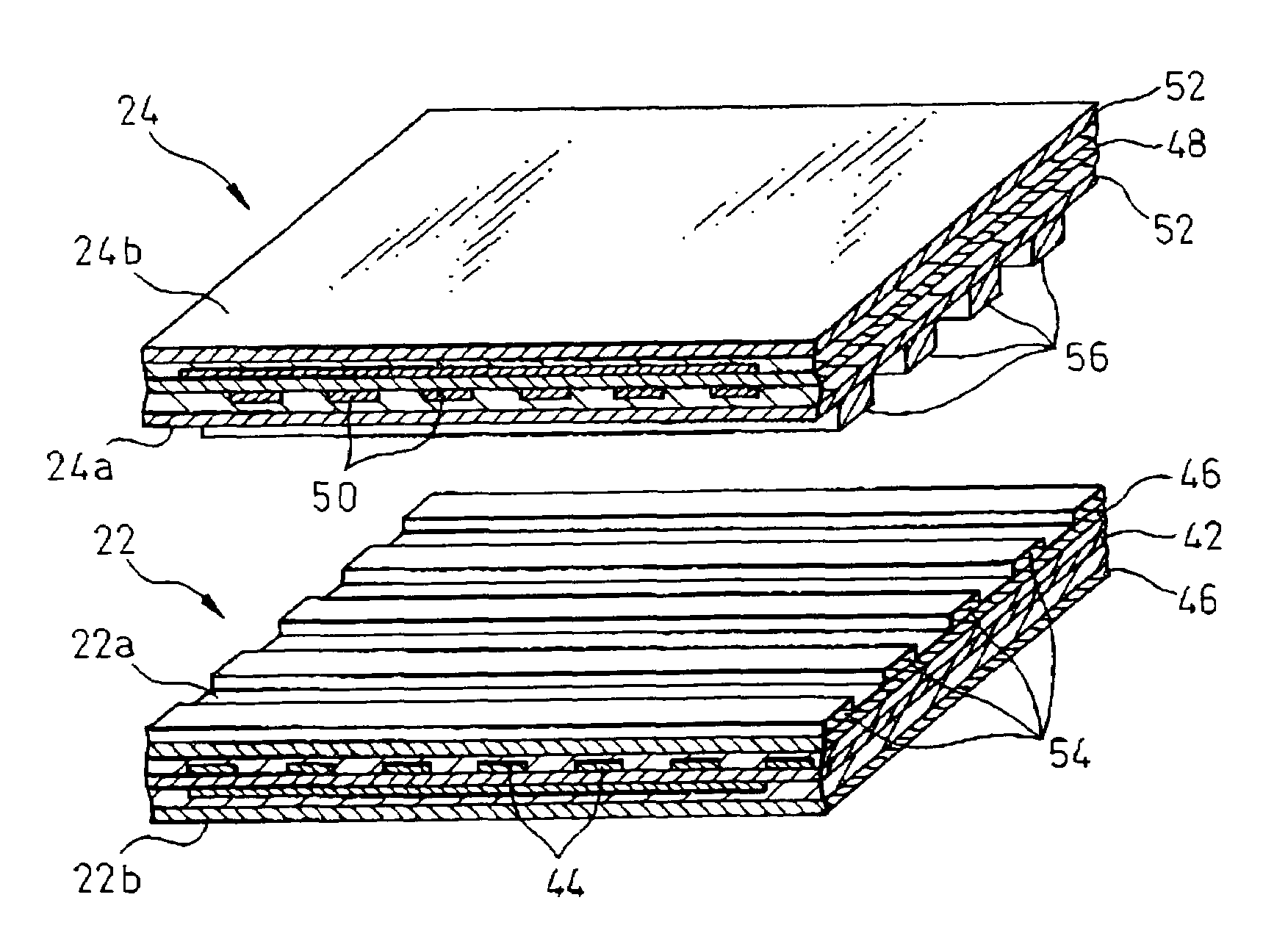
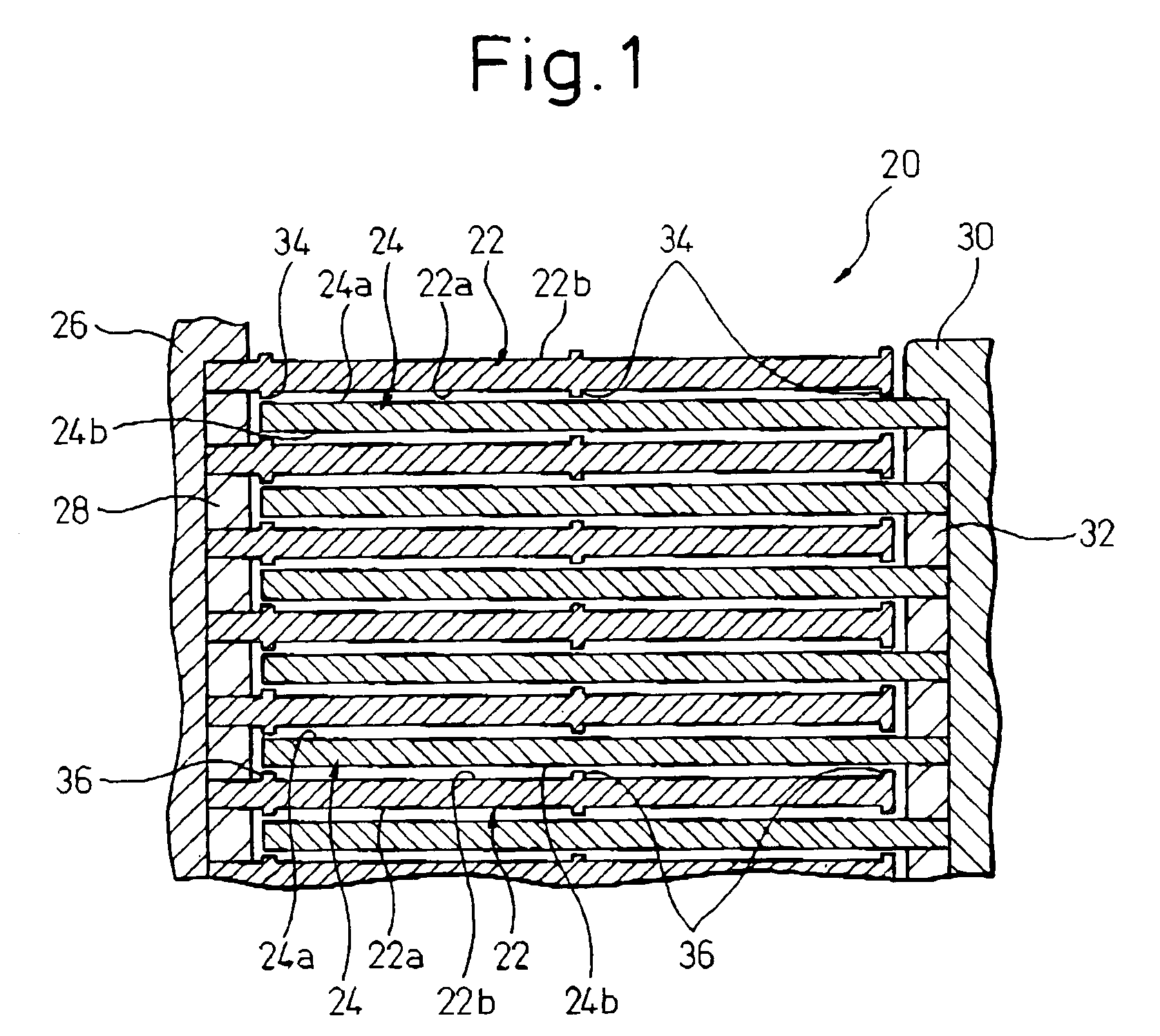
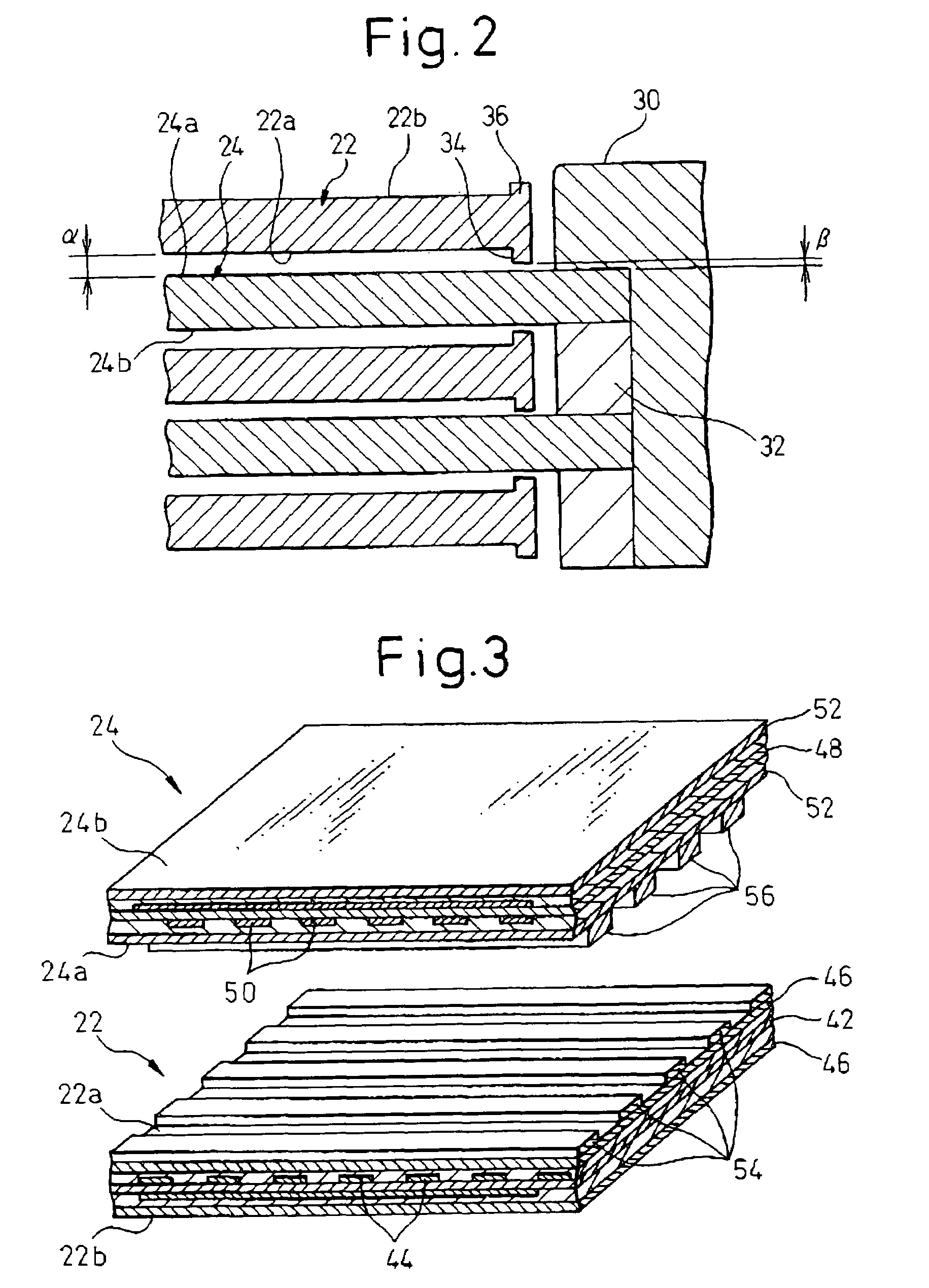

Electrostatic actuator having multilayer structure
PatentWO2020241387A1
Innovation
- A multilayer electrostatic actuator structure with laminated electrode films, each comprising an elastic layer, insulating layers, and a conductor layer, where the elastic layer's Young's modulus is lower than the insulating layer's, and the spring constant increases with stretching, ensuring insulation is maintained through insulating layers even with deformation, and allowing for a sufficient stroke.


Material Science Advances for Motor Components
The advancement of material science has become a critical enabler for extending the operational lifespan of electrostatic motor actuators. Traditional materials used in these systems often suffer from degradation mechanisms that limit their long-term reliability, particularly under continuous electrostatic stress conditions. Recent breakthroughs in engineered materials are addressing these fundamental limitations through innovative approaches to material composition and structural design.
Advanced dielectric materials represent a significant leap forward in motor component durability. Next-generation ceramic composites, incorporating nanostructured additives such as aluminum oxide and silicon carbide particles, demonstrate superior breakdown voltage characteristics and enhanced resistance to electrical aging. These materials maintain their dielectric properties over extended operational periods, reducing the risk of catastrophic failure due to dielectric breakdown.
Conductive materials for electrostatic motor components have evolved beyond conventional metals to include advanced carbon-based composites and conductive polymers. Graphene-enhanced copper alloys exhibit reduced surface oxidation and improved electrical conductivity stability over time. These materials address the critical issue of contact resistance variation, which significantly impacts motor performance consistency throughout its operational lifetime.
Surface engineering technologies have emerged as game-changing solutions for component longevity. Atomic layer deposition techniques enable the creation of ultra-thin protective coatings that prevent material degradation while maintaining essential electrical properties. Diamond-like carbon coatings and specialized fluoropolymer treatments provide exceptional resistance to wear and environmental factors that traditionally compromise motor component integrity.
Smart materials integration introduces self-monitoring capabilities within motor components. Shape memory alloys and piezoelectric materials embedded within structural elements can provide real-time feedback on component stress levels and potential failure modes. This advancement enables predictive maintenance strategies that significantly extend overall system durability.
The development of hybrid material systems combines multiple advanced materials to create synergistic effects. Layered structures incorporating both high-performance dielectrics and conductive elements optimize electrical field distribution while minimizing stress concentrations that lead to premature failure. These engineered material systems represent the future direction for achieving extended durability in electrostatic motor applications.
Advanced dielectric materials represent a significant leap forward in motor component durability. Next-generation ceramic composites, incorporating nanostructured additives such as aluminum oxide and silicon carbide particles, demonstrate superior breakdown voltage characteristics and enhanced resistance to electrical aging. These materials maintain their dielectric properties over extended operational periods, reducing the risk of catastrophic failure due to dielectric breakdown.
Conductive materials for electrostatic motor components have evolved beyond conventional metals to include advanced carbon-based composites and conductive polymers. Graphene-enhanced copper alloys exhibit reduced surface oxidation and improved electrical conductivity stability over time. These materials address the critical issue of contact resistance variation, which significantly impacts motor performance consistency throughout its operational lifetime.
Surface engineering technologies have emerged as game-changing solutions for component longevity. Atomic layer deposition techniques enable the creation of ultra-thin protective coatings that prevent material degradation while maintaining essential electrical properties. Diamond-like carbon coatings and specialized fluoropolymer treatments provide exceptional resistance to wear and environmental factors that traditionally compromise motor component integrity.
Smart materials integration introduces self-monitoring capabilities within motor components. Shape memory alloys and piezoelectric materials embedded within structural elements can provide real-time feedback on component stress levels and potential failure modes. This advancement enables predictive maintenance strategies that significantly extend overall system durability.
The development of hybrid material systems combines multiple advanced materials to create synergistic effects. Layered structures incorporating both high-performance dielectrics and conductive elements optimize electrical field distribution while minimizing stress concentrations that lead to premature failure. These engineered material systems represent the future direction for achieving extended durability in electrostatic motor applications.
Reliability Testing Standards for Electrostatic Motors
The establishment of comprehensive reliability testing standards for electrostatic motors represents a critical foundation for ensuring extended operational durability and performance consistency. Current industry practices lack unified protocols specifically tailored to the unique operational characteristics of electrostatic actuators, creating significant gaps in quality assurance and performance validation methodologies.
International standards organizations, including IEC and IEEE, have begun developing preliminary frameworks for electrostatic motor testing, though these remain largely adapted from conventional electromagnetic motor standards. The IEC 60034 series provides baseline electrical machine testing protocols, while IEEE 112 offers efficiency testing methodologies that require substantial modification for electrostatic applications. These adaptations must account for the fundamentally different operating principles, voltage requirements, and failure modes inherent to electrostatic systems.
Accelerated life testing protocols specifically designed for electrostatic motors focus on high-voltage stress testing, dielectric breakdown assessment, and electrode degradation evaluation. Standard test conditions typically involve continuous operation at 150% of rated voltage for 1000-hour cycles, with periodic measurements of capacitance drift, leakage current, and mechanical output consistency. Temperature cycling between -40°C and +85°C evaluates thermal stress resistance, while humidity exposure testing at 85% relative humidity assesses moisture-related degradation mechanisms.
Mechanical endurance testing standards emphasize cyclic loading protocols that simulate real-world operational patterns. These tests typically involve millions of actuation cycles at varying force levels, measuring parameters such as displacement accuracy, response time consistency, and mechanical wear patterns. Vibration testing according to MIL-STD-810 specifications ensures reliability under dynamic environmental conditions commonly encountered in aerospace and automotive applications.
Electrical safety standards for electrostatic motors require specialized high-voltage testing protocols, including partial discharge measurement, insulation resistance verification, and arc tracking resistance evaluation. These tests must be conducted at voltages significantly higher than conventional motor standards, often exceeding 10kV, necessitating specialized test equipment and safety procedures.
Quality assurance frameworks incorporate statistical process control methodologies specifically adapted for electrostatic motor manufacturing variability. These standards define acceptable tolerance ranges for critical parameters such as electrode gap uniformity, dielectric layer thickness consistency, and surface roughness specifications that directly impact long-term reliability and performance stability.
International standards organizations, including IEC and IEEE, have begun developing preliminary frameworks for electrostatic motor testing, though these remain largely adapted from conventional electromagnetic motor standards. The IEC 60034 series provides baseline electrical machine testing protocols, while IEEE 112 offers efficiency testing methodologies that require substantial modification for electrostatic applications. These adaptations must account for the fundamentally different operating principles, voltage requirements, and failure modes inherent to electrostatic systems.
Accelerated life testing protocols specifically designed for electrostatic motors focus on high-voltage stress testing, dielectric breakdown assessment, and electrode degradation evaluation. Standard test conditions typically involve continuous operation at 150% of rated voltage for 1000-hour cycles, with periodic measurements of capacitance drift, leakage current, and mechanical output consistency. Temperature cycling between -40°C and +85°C evaluates thermal stress resistance, while humidity exposure testing at 85% relative humidity assesses moisture-related degradation mechanisms.
Mechanical endurance testing standards emphasize cyclic loading protocols that simulate real-world operational patterns. These tests typically involve millions of actuation cycles at varying force levels, measuring parameters such as displacement accuracy, response time consistency, and mechanical wear patterns. Vibration testing according to MIL-STD-810 specifications ensures reliability under dynamic environmental conditions commonly encountered in aerospace and automotive applications.
Electrical safety standards for electrostatic motors require specialized high-voltage testing protocols, including partial discharge measurement, insulation resistance verification, and arc tracking resistance evaluation. These tests must be conducted at voltages significantly higher than conventional motor standards, often exceeding 10kV, necessitating specialized test equipment and safety procedures.
Quality assurance frameworks incorporate statistical process control methodologies specifically adapted for electrostatic motor manufacturing variability. These standards define acceptable tolerance ranges for critical parameters such as electrode gap uniformity, dielectric layer thickness consistency, and surface roughness specifications that directly impact long-term reliability and performance stability.
Unlock deeper insights with PatSnap Eureka Quick Research — get a full tech report to explore trends and direct your research. Try now!
Generate Your Research Report Instantly with AI Agent
Supercharge your innovation with PatSnap Eureka AI Agent Platform!