

Optimizing Electrostatic Motor Placement in Multi-Axis Systems
MAY 18, 20269 MIN READ
Generate Your Research Report Instantly with AI Agent
PatSnap Eureka helps you evaluate technical feasibility & market potential.
Electrostatic Motor Multi-Axis Background and Objectives
Electrostatic motors represent a paradigm shift in precision motion control technology, utilizing electrostatic forces rather than electromagnetic principles to generate mechanical motion. These motors operate through the controlled application of electric fields between stationary and moving electrodes, creating attractive and repulsive forces that drive rotational or linear movement. The fundamental advantage lies in their ability to provide extremely precise positioning with minimal power consumption and reduced electromagnetic interference.
The evolution of electrostatic motor technology traces back to early 20th-century research, but significant breakthroughs emerged in the 1980s with advances in microfabrication techniques and high-voltage control systems. Initial applications focused on single-axis positioning systems in semiconductor manufacturing and precision instrumentation. However, the increasing demand for complex multi-dimensional motion control has driven the development toward multi-axis configurations.
Multi-axis electrostatic motor systems present unique challenges in motor placement optimization due to the intricate interplay between electric field distributions, mechanical coupling effects, and thermal management considerations. Unlike traditional electromagnetic motors, electrostatic motors exhibit highly localized force generation patterns that can significantly influence neighboring actuators when improperly positioned. The spatial arrangement directly impacts system performance, including positioning accuracy, response time, and overall reliability.
The primary objective of optimizing electrostatic motor placement in multi-axis systems centers on achieving maximum performance efficiency while minimizing cross-axis interference. This involves developing sophisticated placement algorithms that account for electric field interactions, mechanical resonance patterns, and thermal distribution effects. The goal extends beyond simple geometric optimization to encompass dynamic performance characteristics under varying operational conditions.
Contemporary research aims to establish comprehensive design methodologies that enable engineers to systematically determine optimal motor configurations for specific multi-axis applications. This includes developing predictive models for field interaction analysis, establishing standardized placement criteria, and creating automated optimization tools that can handle complex multi-variable scenarios while maintaining system stability and precision requirements across all operational axes.
The evolution of electrostatic motor technology traces back to early 20th-century research, but significant breakthroughs emerged in the 1980s with advances in microfabrication techniques and high-voltage control systems. Initial applications focused on single-axis positioning systems in semiconductor manufacturing and precision instrumentation. However, the increasing demand for complex multi-dimensional motion control has driven the development toward multi-axis configurations.
Multi-axis electrostatic motor systems present unique challenges in motor placement optimization due to the intricate interplay between electric field distributions, mechanical coupling effects, and thermal management considerations. Unlike traditional electromagnetic motors, electrostatic motors exhibit highly localized force generation patterns that can significantly influence neighboring actuators when improperly positioned. The spatial arrangement directly impacts system performance, including positioning accuracy, response time, and overall reliability.
The primary objective of optimizing electrostatic motor placement in multi-axis systems centers on achieving maximum performance efficiency while minimizing cross-axis interference. This involves developing sophisticated placement algorithms that account for electric field interactions, mechanical resonance patterns, and thermal distribution effects. The goal extends beyond simple geometric optimization to encompass dynamic performance characteristics under varying operational conditions.
Contemporary research aims to establish comprehensive design methodologies that enable engineers to systematically determine optimal motor configurations for specific multi-axis applications. This includes developing predictive models for field interaction analysis, establishing standardized placement criteria, and creating automated optimization tools that can handle complex multi-variable scenarios while maintaining system stability and precision requirements across all operational axes.
Market Demand for Multi-Axis Electrostatic Systems
The market demand for multi-axis electrostatic systems is experiencing significant growth driven by the increasing need for precision positioning and motion control across various high-tech industries. These systems offer unique advantages including ultra-high precision, minimal electromagnetic interference, and exceptional responsiveness, making them particularly valuable in applications where traditional electromagnetic motors fall short.
Semiconductor manufacturing represents one of the most substantial demand drivers for multi-axis electrostatic systems. The industry's continuous push toward smaller feature sizes and higher precision requirements has created an urgent need for positioning systems capable of nanometer-level accuracy. Wafer inspection equipment, lithography systems, and advanced packaging machinery increasingly rely on electrostatic motor configurations to achieve the required positioning precision while maintaining clean room compatibility.
The precision instrumentation sector demonstrates growing adoption of multi-axis electrostatic systems, particularly in scientific research applications. High-resolution microscopy, spectroscopy equipment, and metrology instruments require positioning systems that can operate without generating magnetic fields or vibrations that could compromise measurement accuracy. The demand in this sector is particularly strong for systems capable of coordinating multiple axes simultaneously while maintaining exceptional stability.
Aerospace and defense applications constitute another significant market segment, where the vacuum compatibility and radiation resistance of electrostatic systems provide distinct advantages. Satellite positioning mechanisms, space-based telescopes, and precision guidance systems increasingly incorporate multi-axis electrostatic motor arrangements to achieve reliable operation in harsh environments where conventional motors would fail.
The medical device industry shows emerging demand for electrostatic systems in advanced surgical robotics and diagnostic equipment. The precise control capabilities and biocompatibility of electrostatic motors make them suitable for applications requiring both high precision and safety in proximity to sensitive biological systems.
Market growth is further accelerated by the miniaturization trend across multiple industries. As devices become smaller and more compact, the space efficiency and scalability of electrostatic motor systems become increasingly valuable. The ability to integrate multiple axes within confined spaces while maintaining independent control represents a key competitive advantage driving adoption rates.
Regional demand patterns show concentration in technology-intensive markets, with particularly strong growth in areas with established semiconductor and precision manufacturing industries. The market trajectory indicates sustained expansion as emerging applications in quantum computing, advanced materials research, and next-generation manufacturing processes continue to emerge.
Semiconductor manufacturing represents one of the most substantial demand drivers for multi-axis electrostatic systems. The industry's continuous push toward smaller feature sizes and higher precision requirements has created an urgent need for positioning systems capable of nanometer-level accuracy. Wafer inspection equipment, lithography systems, and advanced packaging machinery increasingly rely on electrostatic motor configurations to achieve the required positioning precision while maintaining clean room compatibility.
The precision instrumentation sector demonstrates growing adoption of multi-axis electrostatic systems, particularly in scientific research applications. High-resolution microscopy, spectroscopy equipment, and metrology instruments require positioning systems that can operate without generating magnetic fields or vibrations that could compromise measurement accuracy. The demand in this sector is particularly strong for systems capable of coordinating multiple axes simultaneously while maintaining exceptional stability.
Aerospace and defense applications constitute another significant market segment, where the vacuum compatibility and radiation resistance of electrostatic systems provide distinct advantages. Satellite positioning mechanisms, space-based telescopes, and precision guidance systems increasingly incorporate multi-axis electrostatic motor arrangements to achieve reliable operation in harsh environments where conventional motors would fail.
The medical device industry shows emerging demand for electrostatic systems in advanced surgical robotics and diagnostic equipment. The precise control capabilities and biocompatibility of electrostatic motors make them suitable for applications requiring both high precision and safety in proximity to sensitive biological systems.
Market growth is further accelerated by the miniaturization trend across multiple industries. As devices become smaller and more compact, the space efficiency and scalability of electrostatic motor systems become increasingly valuable. The ability to integrate multiple axes within confined spaces while maintaining independent control represents a key competitive advantage driving adoption rates.
Regional demand patterns show concentration in technology-intensive markets, with particularly strong growth in areas with established semiconductor and precision manufacturing industries. The market trajectory indicates sustained expansion as emerging applications in quantum computing, advanced materials research, and next-generation manufacturing processes continue to emerge.
Current State of Electrostatic Motor Placement Technologies
The current landscape of electrostatic motor placement technologies in multi-axis systems represents a rapidly evolving field characterized by significant technological diversity and varying levels of maturity across different application domains. Contemporary approaches primarily focus on addressing the fundamental challenges of electromagnetic interference, thermal management, and mechanical coupling between multiple motor units operating in close proximity.
Modern electrostatic motor placement strategies predominantly rely on computational optimization algorithms that consider multiple variables simultaneously. These include spatial constraints, electrical field interactions, mechanical resonance frequencies, and thermal dissipation patterns. Current implementations typically employ finite element analysis combined with genetic algorithms or particle swarm optimization to determine optimal positioning configurations.
The aerospace and precision manufacturing sectors have emerged as primary drivers of technological advancement in this domain. Leading manufacturers have developed proprietary placement methodologies that integrate real-time feedback systems with predictive modeling capabilities. These systems continuously monitor motor performance parameters and adjust positioning strategies to maintain optimal operational efficiency across varying load conditions.
Contemporary technical solutions face several persistent limitations that constrain widespread adoption. Cross-coupling effects between adjacent motors remain a significant challenge, particularly in high-density configurations where spatial constraints limit separation distances. Current mitigation strategies include advanced shielding techniques, synchronized control algorithms, and adaptive positioning systems that dynamically adjust motor orientations based on operational requirements.
The integration of artificial intelligence and machine learning algorithms represents the most significant recent advancement in placement optimization technologies. These systems analyze historical performance data, environmental conditions, and operational patterns to predict optimal placement configurations for specific applications. However, implementation complexity and computational resource requirements continue to limit practical deployment in cost-sensitive applications.
Existing technological approaches demonstrate considerable variation in effectiveness depending on system scale and application requirements. Small-scale precision systems benefit from deterministic placement algorithms that prioritize accuracy over computational efficiency, while large-scale industrial applications favor robust solutions that emphasize reliability and maintenance accessibility over absolute performance optimization.
Modern electrostatic motor placement strategies predominantly rely on computational optimization algorithms that consider multiple variables simultaneously. These include spatial constraints, electrical field interactions, mechanical resonance frequencies, and thermal dissipation patterns. Current implementations typically employ finite element analysis combined with genetic algorithms or particle swarm optimization to determine optimal positioning configurations.
The aerospace and precision manufacturing sectors have emerged as primary drivers of technological advancement in this domain. Leading manufacturers have developed proprietary placement methodologies that integrate real-time feedback systems with predictive modeling capabilities. These systems continuously monitor motor performance parameters and adjust positioning strategies to maintain optimal operational efficiency across varying load conditions.
Contemporary technical solutions face several persistent limitations that constrain widespread adoption. Cross-coupling effects between adjacent motors remain a significant challenge, particularly in high-density configurations where spatial constraints limit separation distances. Current mitigation strategies include advanced shielding techniques, synchronized control algorithms, and adaptive positioning systems that dynamically adjust motor orientations based on operational requirements.
The integration of artificial intelligence and machine learning algorithms represents the most significant recent advancement in placement optimization technologies. These systems analyze historical performance data, environmental conditions, and operational patterns to predict optimal placement configurations for specific applications. However, implementation complexity and computational resource requirements continue to limit practical deployment in cost-sensitive applications.
Existing technological approaches demonstrate considerable variation in effectiveness depending on system scale and application requirements. Small-scale precision systems benefit from deterministic placement algorithms that prioritize accuracy over computational efficiency, while large-scale industrial applications favor robust solutions that emphasize reliability and maintenance accessibility over absolute performance optimization.
Existing Multi-Axis Motor Placement Solutions
01 Motor positioning for vibration reduction and noise control
Optimization techniques focus on strategic placement of electrostatic motors to minimize vibration transmission and reduce operational noise. This involves analyzing mounting configurations, isolation systems, and structural coupling effects to achieve optimal performance while maintaining system stability and reducing unwanted mechanical disturbances.- Motor positioning and mounting configurations: Various mounting configurations and positioning strategies for electrostatic motors to optimize performance and efficiency. These approaches focus on the physical placement and orientation of motors within systems to achieve optimal operational characteristics. The configurations consider factors such as mechanical stability, thermal management, and accessibility for maintenance while ensuring proper alignment and support structures.
- Electromagnetic field optimization through placement: Techniques for optimizing electromagnetic field distribution by strategically positioning electrostatic motors. This involves analyzing field interactions and minimizing interference between components while maximizing field strength and uniformity. The optimization considers the spatial arrangement of motors to achieve desired electromagnetic characteristics and reduce unwanted field effects that could impact performance.
- Multi-motor array configurations: Methods for arranging multiple electrostatic motors in coordinated arrays or clusters to achieve enhanced performance through collective operation. These configurations involve determining optimal spacing, synchronization, and control strategies for multiple motor units working together. The arrangements consider load distribution, redundancy, and scalability while maintaining system efficiency and reliability.
- Integration with control and sensing systems: Approaches for integrating electrostatic motors with control electronics and sensing systems through optimized placement strategies. This includes positioning motors relative to control circuits, sensors, and feedback systems to minimize signal interference and maximize control precision. The integration considers electromagnetic compatibility, signal integrity, and real-time control requirements for optimal system performance.
- Thermal and mechanical optimization: Placement strategies that optimize thermal management and mechanical performance of electrostatic motor systems. These methods focus on heat dissipation, vibration control, and mechanical stress distribution through strategic positioning. The optimization considers thermal pathways, cooling requirements, structural integrity, and dynamic loading conditions to ensure reliable long-term operation and prevent performance degradation.
02 Spatial arrangement for electromagnetic field optimization
Motor placement strategies that consider electromagnetic field interactions and interference patterns to maximize efficiency and minimize cross-coupling effects. This includes positioning multiple motors to avoid field cancellation, optimizing electrode spacing, and managing electrostatic field distribution for enhanced performance.Expand Specific Solutions03 Thermal management through strategic motor positioning
Placement optimization considering heat dissipation requirements and thermal management. This involves positioning motors to facilitate proper cooling, prevent thermal buildup, and maintain optimal operating temperatures while ensuring adequate airflow and heat transfer pathways.Expand Specific Solutions04 Integration with control systems and sensor networks
Motor placement strategies that optimize integration with feedback control systems, position sensors, and monitoring equipment. This includes considerations for signal routing, sensor accessibility, control loop performance, and real-time monitoring capabilities while maintaining system responsiveness and accuracy.Expand Specific Solutions05 Mechanical packaging and space utilization optimization
Placement techniques focused on maximizing space efficiency and mechanical integration within constrained environments. This involves compact arrangement strategies, multi-axis positioning considerations, and mechanical interface optimization to achieve maximum functionality within limited physical space while maintaining accessibility for maintenance.Expand Specific Solutions
Key Players in Electrostatic Motor Industry
The electrostatic motor placement optimization in multi-axis systems represents an emerging technology sector currently in its early development stage, characterized by significant growth potential and evolving market dynamics. The market remains relatively nascent with substantial opportunities for expansion as industries increasingly adopt precision automation solutions. Technology maturity varies considerably across market participants, with established industrial giants like FANUC Corp., Siemens AG, and Toyota Motor Corp. leading advanced research and implementation capabilities, while automotive manufacturers including BMW AG, Daimler Truck AG, and Renault SA focus on integration applications. Academic institutions such as Korea Advanced Institute of Science & Technology and research organizations like Central Research Institute of Electric Power Industry contribute foundational research, creating a diverse ecosystem where traditional automation leaders collaborate with automotive innovators to advance electrostatic motor technologies for enhanced multi-axis system performance and energy efficiency.
FANUC Corp.
Technical Solution: FANUC has pioneered electrostatic motor placement optimization through their CNC control systems, specifically designed for multi-axis machining centers. Their approach utilizes machine learning algorithms to analyze vibration patterns and thermal effects across multiple axes, automatically determining optimal motor positioning to minimize mechanical interference. The system features real-time adaptive control that continuously monitors axis performance and adjusts motor placement parameters to maintain precision. Their technology includes proprietary algorithms for coordinated motion control that ensures synchronized operation across all axes while minimizing energy consumption and mechanical stress.
Strengths: Industry-leading CNC expertise, robust machine learning integration, excellent precision control capabilities. Weaknesses: Primarily focused on machining applications, high cost of implementation, requires specialized technical expertise for optimization.
Toyota Motor Corp.
Technical Solution: Toyota has developed electrostatic motor placement optimization systems for their advanced manufacturing robotics and automotive assembly lines. Their multi-axis control technology focuses on coordinated robot arm movements with optimized motor positioning to reduce cycle times and improve assembly precision. The system employs Toyota Production System principles integrated with electrostatic motor control, utilizing lean manufacturing concepts to minimize waste in motor placement and operation. Their approach includes predictive maintenance algorithms that optimize motor placement based on wear patterns and operational efficiency metrics across multiple production axes.
Strengths: Lean manufacturing integration, proven automotive industry reliability, comprehensive production system optimization. Weaknesses: Primarily automotive-focused applications, limited availability for external customers, requires integration with Toyota's proprietary systems.
Core Patents in Electrostatic Motor Optimization
Electrostatic motor with clearance maintaining structure
PatentInactiveUS7372186B2
Innovation
- The introduction of protuberances on the film-like members, which can be made of low-friction materials, to maintain a predetermined clearance without the need for fine grains, ensuring proper alignment and motion without hindrance.
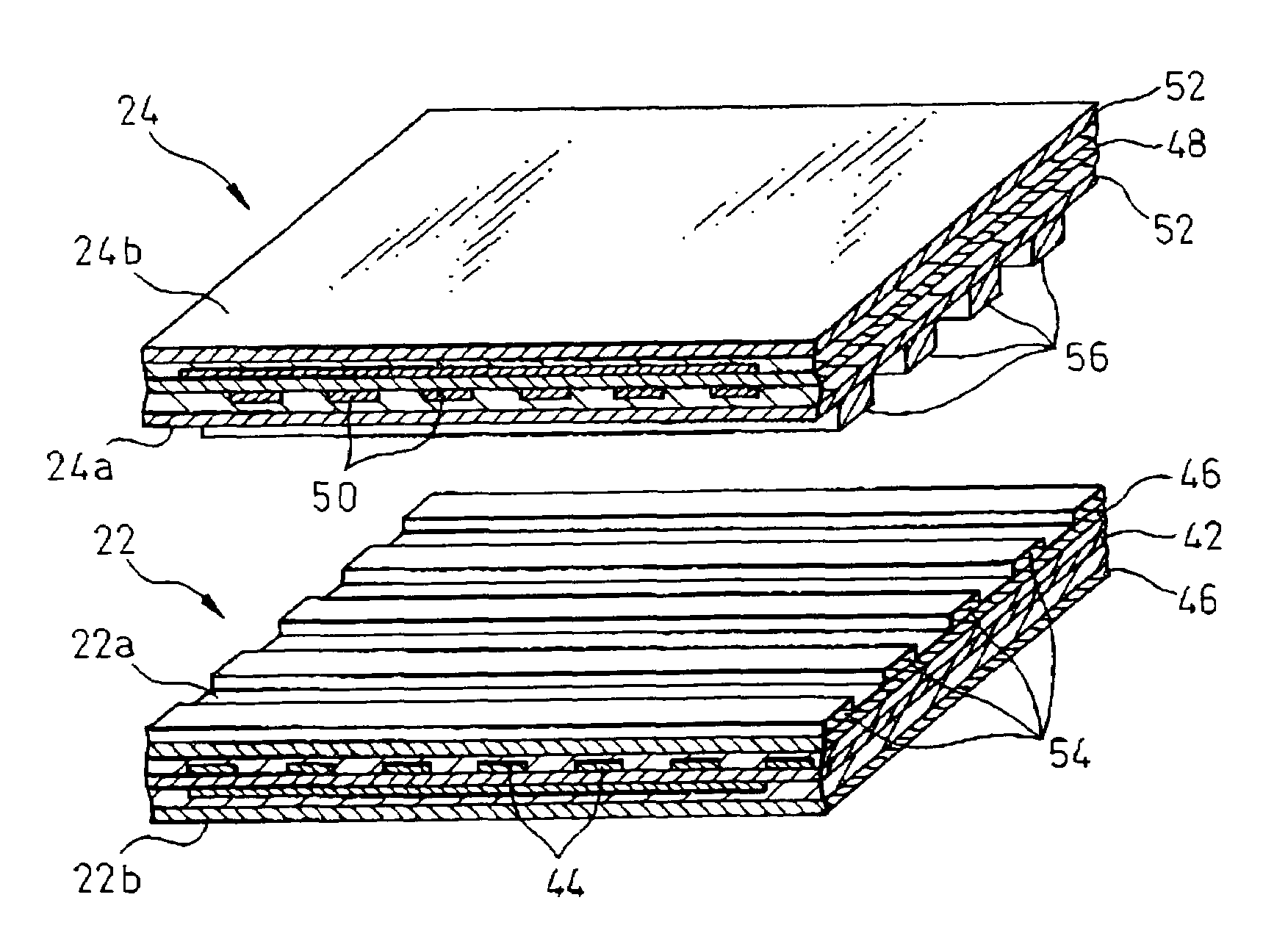
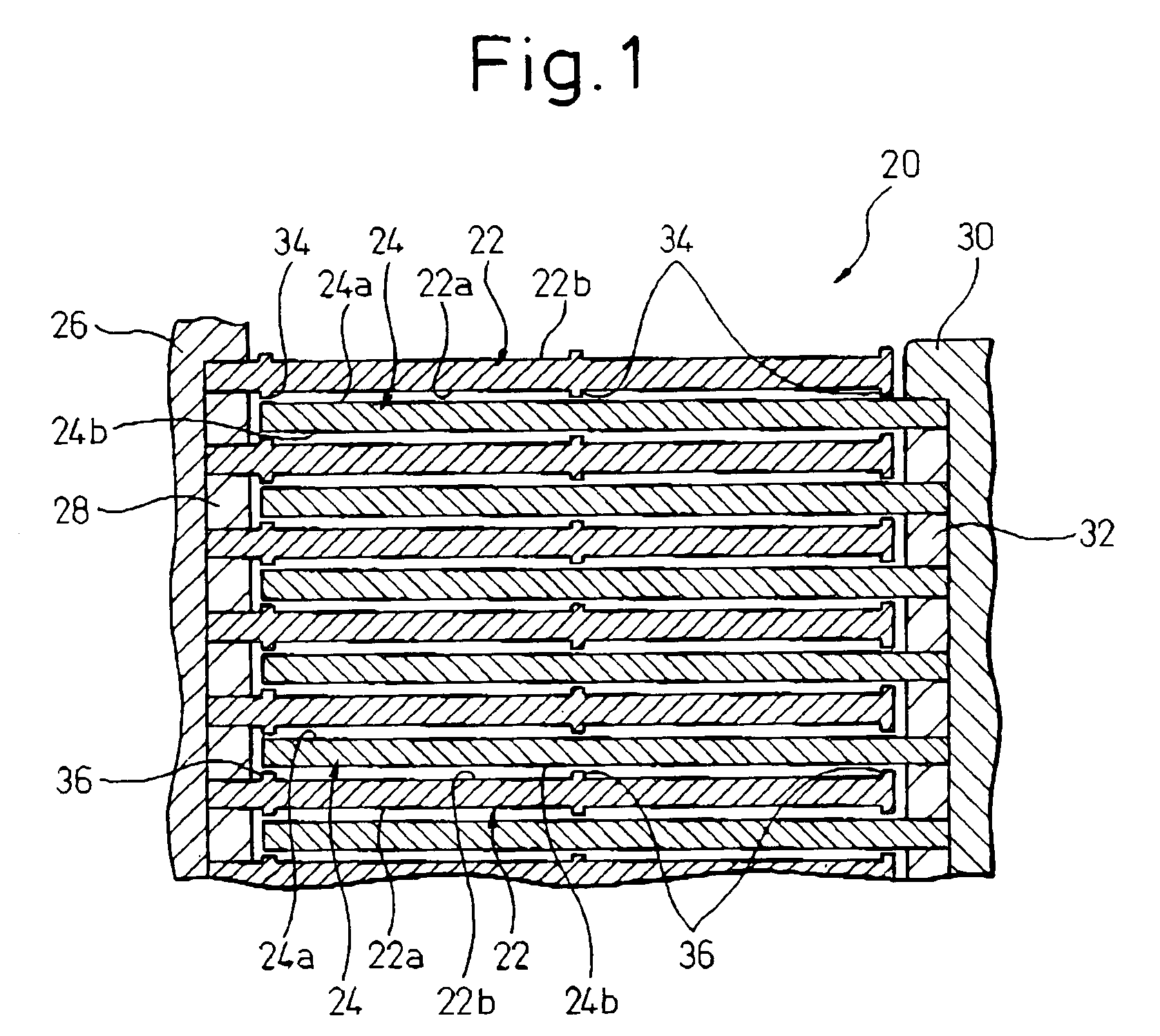
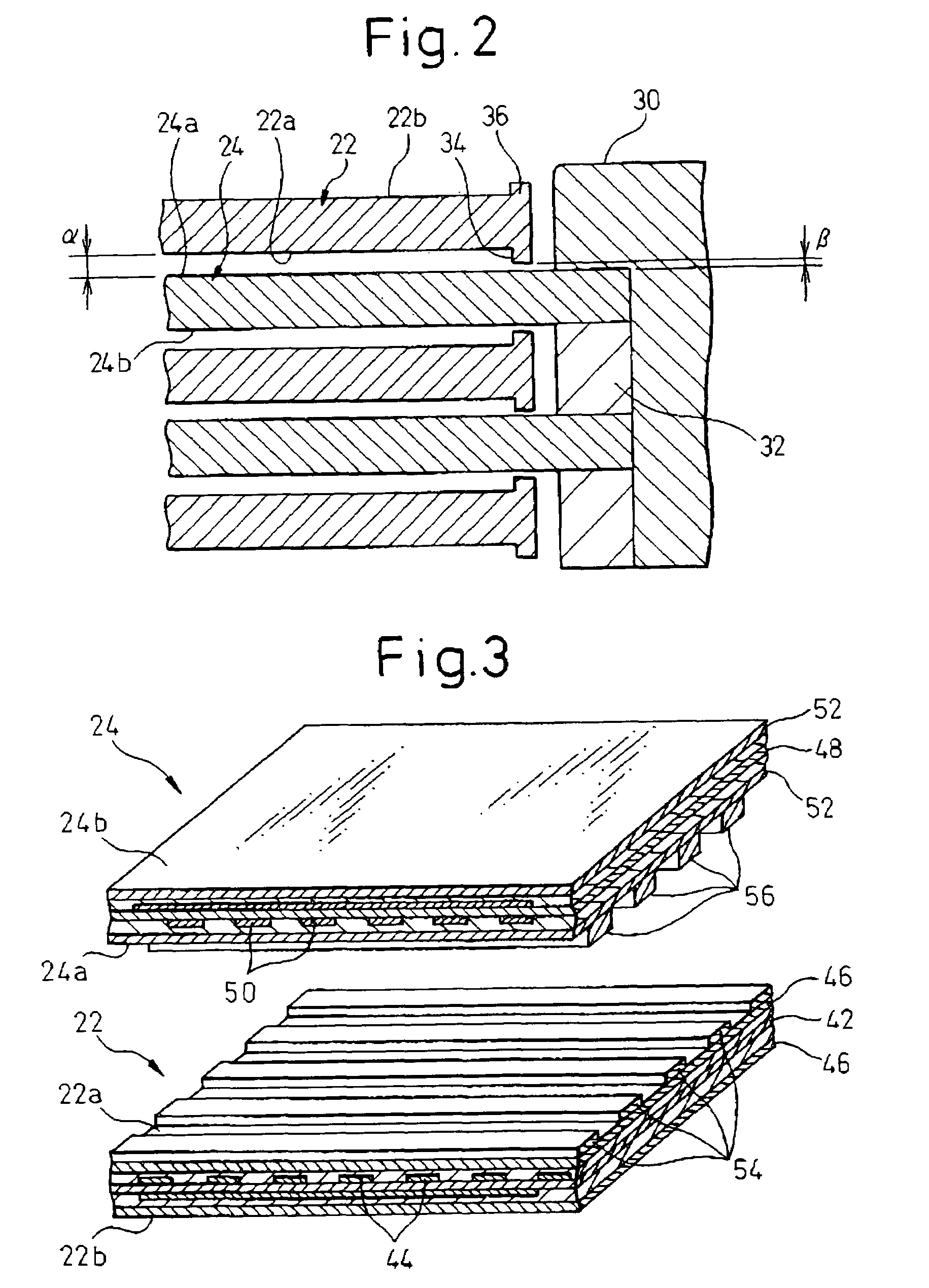

High efficiency alternating and direct current electrostatic motor
PatentInactiveUS6353276B1
Innovation
- The design features a stator and rotor with specifically arranged elongated teeth on cylindrical members, allowing for efficient electric field utilization without physical contact, using a three-phase voltage supply to reduce voltage requirements and eliminate the need for transformers, and operates as a capacitive load to balance power factors.


Electromagnetic Interference Mitigation Strategies
Electromagnetic interference (EMI) represents a critical challenge in multi-axis electrostatic motor systems, where multiple actuators operating simultaneously can generate complex interference patterns that degrade system performance. The high-frequency switching characteristics of electrostatic motors, combined with their proximity in multi-axis configurations, create electromagnetic fields that can couple with adjacent components, leading to position errors, control instability, and reduced precision.
Shielding strategies form the primary defense against EMI propagation in electrostatic motor systems. Faraday cage implementations using conductive enclosures around individual motor units effectively contain electromagnetic emissions while preventing external interference from affecting motor operation. Advanced shielding materials, including mu-metal composites and ferrite-loaded polymers, provide frequency-selective attenuation that targets specific interference bands commonly generated by electrostatic actuators.
Grounding architecture plays a fundamental role in EMI mitigation, requiring careful consideration of ground loop formation and impedance management. Star grounding configurations minimize circulating currents between motor units, while dedicated ground planes provide low-impedance return paths for high-frequency currents. Proper grounding implementation reduces common-mode noise and prevents ground potential differences that can introduce positioning errors in precision applications.
Filtering techniques address EMI at both source and susceptible circuit levels through strategic component placement and circuit design. Common-mode chokes installed on motor drive lines attenuate differential-mode interference, while capacitive filtering networks suppress high-frequency noise components. Active filtering solutions using operational amplifiers can provide adaptive EMI suppression that responds to varying interference conditions during multi-axis operation.
Cable routing and connector design significantly influence EMI susceptibility in multi-axis systems. Twisted-pair configurations for motor control signals reduce magnetic field coupling, while maintaining adequate separation distances between power and signal cables prevents crosstalk. Shielded cable assemblies with proper termination techniques ensure electromagnetic compatibility while preserving signal integrity across the operational frequency spectrum.
Advanced mitigation approaches incorporate spread-spectrum techniques and synchronized switching protocols that distribute electromagnetic energy across broader frequency ranges, reducing peak interference amplitudes. These methods, combined with intelligent motor sequencing algorithms, minimize simultaneous switching events that typically generate the highest EMI levels in multi-axis electrostatic motor systems.
Shielding strategies form the primary defense against EMI propagation in electrostatic motor systems. Faraday cage implementations using conductive enclosures around individual motor units effectively contain electromagnetic emissions while preventing external interference from affecting motor operation. Advanced shielding materials, including mu-metal composites and ferrite-loaded polymers, provide frequency-selective attenuation that targets specific interference bands commonly generated by electrostatic actuators.
Grounding architecture plays a fundamental role in EMI mitigation, requiring careful consideration of ground loop formation and impedance management. Star grounding configurations minimize circulating currents between motor units, while dedicated ground planes provide low-impedance return paths for high-frequency currents. Proper grounding implementation reduces common-mode noise and prevents ground potential differences that can introduce positioning errors in precision applications.
Filtering techniques address EMI at both source and susceptible circuit levels through strategic component placement and circuit design. Common-mode chokes installed on motor drive lines attenuate differential-mode interference, while capacitive filtering networks suppress high-frequency noise components. Active filtering solutions using operational amplifiers can provide adaptive EMI suppression that responds to varying interference conditions during multi-axis operation.
Cable routing and connector design significantly influence EMI susceptibility in multi-axis systems. Twisted-pair configurations for motor control signals reduce magnetic field coupling, while maintaining adequate separation distances between power and signal cables prevents crosstalk. Shielded cable assemblies with proper termination techniques ensure electromagnetic compatibility while preserving signal integrity across the operational frequency spectrum.
Advanced mitigation approaches incorporate spread-spectrum techniques and synchronized switching protocols that distribute electromagnetic energy across broader frequency ranges, reducing peak interference amplitudes. These methods, combined with intelligent motor sequencing algorithms, minimize simultaneous switching events that typically generate the highest EMI levels in multi-axis electrostatic motor systems.
Thermal Management in Dense Motor Arrays
Thermal management in dense motor arrays represents a critical engineering challenge that directly impacts system performance, reliability, and operational lifespan. When multiple electrostatic motors are positioned in close proximity within multi-axis systems, heat generation becomes concentrated, creating thermal hotspots that can lead to performance degradation, component failure, and reduced system efficiency. The compact nature of modern multi-axis systems exacerbates this challenge, as traditional cooling methods may not provide adequate heat dissipation.
The primary thermal concerns in dense electrostatic motor configurations stem from several sources. Resistive losses in motor windings generate continuous heat during operation, while switching losses in power electronics contribute additional thermal load. High-frequency operation, common in precision positioning applications, intensifies these effects through increased switching frequencies and eddy current losses. The cumulative effect creates thermal gradients that can cause mechanical stress, affect material properties, and compromise positioning accuracy.
Effective thermal management strategies must address both active and passive cooling approaches. Active cooling solutions include forced air convection systems, liquid cooling circuits, and thermoelectric coolers strategically positioned to remove heat from critical components. Micro-channel cooling plates and heat pipes offer efficient heat transfer mechanisms for space-constrained applications. Advanced thermal interface materials and phase-change materials provide enhanced heat conduction pathways between motors and cooling systems.
Passive thermal management relies on optimized mechanical design and material selection. Heat sink integration, thermal spreading plates, and strategic placement of thermally conductive materials help distribute heat loads more evenly. Motor housing design plays a crucial role, with finned surfaces and optimized geometries enhancing natural convection. Thermal isolation techniques prevent heat transfer between adjacent motors, reducing cross-coupling effects that can compromise individual motor performance.
Temperature monitoring and control systems enable dynamic thermal management through real-time feedback. Distributed temperature sensors provide comprehensive thermal mapping, while adaptive control algorithms adjust motor operation parameters based on thermal conditions. Predictive thermal modeling allows proactive management strategies, preventing thermal overload conditions before they impact system performance. Integration with overall system control enables coordinated thermal management across multiple motor arrays, optimizing global thermal performance while maintaining individual motor specifications.
The primary thermal concerns in dense electrostatic motor configurations stem from several sources. Resistive losses in motor windings generate continuous heat during operation, while switching losses in power electronics contribute additional thermal load. High-frequency operation, common in precision positioning applications, intensifies these effects through increased switching frequencies and eddy current losses. The cumulative effect creates thermal gradients that can cause mechanical stress, affect material properties, and compromise positioning accuracy.
Effective thermal management strategies must address both active and passive cooling approaches. Active cooling solutions include forced air convection systems, liquid cooling circuits, and thermoelectric coolers strategically positioned to remove heat from critical components. Micro-channel cooling plates and heat pipes offer efficient heat transfer mechanisms for space-constrained applications. Advanced thermal interface materials and phase-change materials provide enhanced heat conduction pathways between motors and cooling systems.
Passive thermal management relies on optimized mechanical design and material selection. Heat sink integration, thermal spreading plates, and strategic placement of thermally conductive materials help distribute heat loads more evenly. Motor housing design plays a crucial role, with finned surfaces and optimized geometries enhancing natural convection. Thermal isolation techniques prevent heat transfer between adjacent motors, reducing cross-coupling effects that can compromise individual motor performance.
Temperature monitoring and control systems enable dynamic thermal management through real-time feedback. Distributed temperature sensors provide comprehensive thermal mapping, while adaptive control algorithms adjust motor operation parameters based on thermal conditions. Predictive thermal modeling allows proactive management strategies, preventing thermal overload conditions before they impact system performance. Integration with overall system control enables coordinated thermal management across multiple motor arrays, optimizing global thermal performance while maintaining individual motor specifications.
Unlock deeper insights with PatSnap Eureka Quick Research — get a full tech report to explore trends and direct your research. Try now!
Generate Your Research Report Instantly with AI Agent
Supercharge your innovation with PatSnap Eureka AI Agent Platform!