

Improving Electrostatic Motor Lifespan Through Advanced Lubrication Techniques
MAY 18, 20269 MIN READ
Generate Your Research Report Instantly with AI Agent
PatSnap Eureka helps you evaluate technical feasibility & market potential.
Electrostatic Motor Technology Background and Lifespan Goals
Electrostatic motors represent a unique class of electric machines that operate on the principle of electrostatic forces rather than electromagnetic induction. These motors utilize high-voltage electric fields to create attractive and repulsive forces between charged surfaces, generating rotational motion without the need for magnetic materials or current-carrying conductors. The fundamental operating mechanism involves creating controlled electrostatic fields between stationary stators and rotating rotors, where voltage differentials produce the necessary torque for mechanical operation.
The historical development of electrostatic motors traces back to the early 18th century with Benjamin Franklin's experiments, but practical applications emerged much later due to technological limitations. Modern electrostatic motors have gained renewed interest in specialized applications where their unique characteristics offer distinct advantages over conventional electromagnetic motors. These applications include micro-electromechanical systems (MEMS), precision positioning systems, cleanroom environments, and space applications where magnetic interference must be minimized.
Current electrostatic motor technology faces significant challenges in achieving extended operational lifespans, primarily due to mechanical wear, surface degradation, and inadequate lubrication systems. Traditional lubrication methods often prove incompatible with the high-voltage operating environment, leading to premature failure of critical components. The electrostatic fields can cause lubricant breakdown, contamination accumulation, and accelerated wear of bearing surfaces and rotor-stator interfaces.
The primary lifespan goals for modern electrostatic motors center on achieving operational durability comparable to conventional motors while maintaining their inherent advantages. Industry targets typically aim for continuous operation periods exceeding 10,000 hours under normal operating conditions, with some specialized applications requiring lifespans of 50,000 hours or more. These goals necessitate addressing fundamental tribological challenges through advanced lubrication techniques that can withstand high-voltage environments while providing effective wear protection.
Advanced lubrication research focuses on developing specialized lubricants with enhanced dielectric properties, improved thermal stability, and superior anti-wear characteristics. The integration of nanotechnology, ionic liquids, and solid lubricant systems represents promising approaches to extending electrostatic motor lifespan while maintaining operational efficiency and reliability in demanding applications.
The historical development of electrostatic motors traces back to the early 18th century with Benjamin Franklin's experiments, but practical applications emerged much later due to technological limitations. Modern electrostatic motors have gained renewed interest in specialized applications where their unique characteristics offer distinct advantages over conventional electromagnetic motors. These applications include micro-electromechanical systems (MEMS), precision positioning systems, cleanroom environments, and space applications where magnetic interference must be minimized.
Current electrostatic motor technology faces significant challenges in achieving extended operational lifespans, primarily due to mechanical wear, surface degradation, and inadequate lubrication systems. Traditional lubrication methods often prove incompatible with the high-voltage operating environment, leading to premature failure of critical components. The electrostatic fields can cause lubricant breakdown, contamination accumulation, and accelerated wear of bearing surfaces and rotor-stator interfaces.
The primary lifespan goals for modern electrostatic motors center on achieving operational durability comparable to conventional motors while maintaining their inherent advantages. Industry targets typically aim for continuous operation periods exceeding 10,000 hours under normal operating conditions, with some specialized applications requiring lifespans of 50,000 hours or more. These goals necessitate addressing fundamental tribological challenges through advanced lubrication techniques that can withstand high-voltage environments while providing effective wear protection.
Advanced lubrication research focuses on developing specialized lubricants with enhanced dielectric properties, improved thermal stability, and superior anti-wear characteristics. The integration of nanotechnology, ionic liquids, and solid lubricant systems represents promising approaches to extending electrostatic motor lifespan while maintaining operational efficiency and reliability in demanding applications.
Market Demand for Long-Life Electrostatic Motors
The global electrostatic motor market is experiencing unprecedented growth driven by increasing demands for precision positioning systems, micro-robotics, and advanced manufacturing equipment. Industries requiring ultra-precise motion control, such as semiconductor fabrication, optical instrument manufacturing, and biomedical device production, are actively seeking motor solutions that can deliver consistent performance over extended operational periods without degradation.
Traditional electromagnetic motors face significant limitations in applications requiring minimal electromagnetic interference, ultra-high precision, and operation in sensitive environments. Electrostatic motors offer inherent advantages including zero magnetic field generation, exceptional positioning accuracy, and reduced electromagnetic noise. However, their widespread adoption has been constrained by reliability concerns, particularly regarding mechanical wear and operational lifespan.
The semiconductor industry represents the largest market segment for long-life electrostatic motors, where equipment downtime costs can reach substantial levels per hour. Photolithography systems, wafer inspection equipment, and precision alignment mechanisms require motors capable of millions of operational cycles without performance degradation. Similarly, the growing field of micro-electromechanical systems manufacturing demands actuators that maintain nanometer-level precision throughout their operational lifetime.
Aerospace and defense applications constitute another critical market segment, where system reliability directly impacts mission success. Satellite positioning systems, guidance mechanisms, and precision instrumentation require motors that can operate reliably for years without maintenance. The harsh operating environments and inaccessibility of these systems make extended lifespan a fundamental requirement rather than a desirable feature.
The medical device industry is increasingly adopting electrostatic motors for surgical robotics, diagnostic equipment, and implantable devices. These applications demand not only extended operational life but also consistent performance characteristics throughout the device lifetime. Regulatory requirements in medical applications further emphasize the importance of proven long-term reliability data.
Market research indicates that end-users are willing to invest significantly in motor technologies that demonstrate proven longevity and reduced maintenance requirements. The total cost of ownership calculations increasingly favor solutions with extended operational lifespans, even when initial acquisition costs are higher. This economic driver is particularly pronounced in automated manufacturing environments where unplanned maintenance can disrupt entire production lines.
Emerging applications in quantum computing, advanced scientific instrumentation, and next-generation manufacturing processes are creating new market opportunities for ultra-reliable electrostatic motors. These cutting-edge applications often require operational lifespans measured in decades rather than years, establishing new benchmarks for motor reliability and durability expectations.
Traditional electromagnetic motors face significant limitations in applications requiring minimal electromagnetic interference, ultra-high precision, and operation in sensitive environments. Electrostatic motors offer inherent advantages including zero magnetic field generation, exceptional positioning accuracy, and reduced electromagnetic noise. However, their widespread adoption has been constrained by reliability concerns, particularly regarding mechanical wear and operational lifespan.
The semiconductor industry represents the largest market segment for long-life electrostatic motors, where equipment downtime costs can reach substantial levels per hour. Photolithography systems, wafer inspection equipment, and precision alignment mechanisms require motors capable of millions of operational cycles without performance degradation. Similarly, the growing field of micro-electromechanical systems manufacturing demands actuators that maintain nanometer-level precision throughout their operational lifetime.
Aerospace and defense applications constitute another critical market segment, where system reliability directly impacts mission success. Satellite positioning systems, guidance mechanisms, and precision instrumentation require motors that can operate reliably for years without maintenance. The harsh operating environments and inaccessibility of these systems make extended lifespan a fundamental requirement rather than a desirable feature.
The medical device industry is increasingly adopting electrostatic motors for surgical robotics, diagnostic equipment, and implantable devices. These applications demand not only extended operational life but also consistent performance characteristics throughout the device lifetime. Regulatory requirements in medical applications further emphasize the importance of proven long-term reliability data.
Market research indicates that end-users are willing to invest significantly in motor technologies that demonstrate proven longevity and reduced maintenance requirements. The total cost of ownership calculations increasingly favor solutions with extended operational lifespans, even when initial acquisition costs are higher. This economic driver is particularly pronounced in automated manufacturing environments where unplanned maintenance can disrupt entire production lines.
Emerging applications in quantum computing, advanced scientific instrumentation, and next-generation manufacturing processes are creating new market opportunities for ultra-reliable electrostatic motors. These cutting-edge applications often require operational lifespans measured in decades rather than years, establishing new benchmarks for motor reliability and durability expectations.
Current Lubrication Challenges in Electrostatic Motors
Electrostatic motors face significant lubrication challenges that directly impact their operational lifespan and performance reliability. Unlike conventional electromagnetic motors, electrostatic motors operate through electrostatic forces between charged surfaces, creating unique tribological conditions that conventional lubrication approaches struggle to address effectively.
The primary challenge stems from the extremely close proximity required between rotor and stator surfaces, typically maintaining air gaps of only a few micrometers. This tight tolerance creates severe constraints on lubricant selection and application methods, as traditional liquid lubricants can cause electrical breakdown or interfere with the electrostatic field distribution essential for motor operation.
Electrical compatibility represents another critical challenge, as most conventional lubricants exhibit conductive properties that can compromise the motor's electrostatic operation. The lubricant must maintain high dielectric strength while providing adequate tribological protection, creating a narrow selection window for suitable materials. Additionally, the high voltage environment can cause lubricant degradation through electrochemical reactions, leading to the formation of conductive particles or chemical byproducts that further compromise motor performance.
Contamination control poses substantial difficulties in electrostatic motor lubrication systems. The strong electrostatic fields can attract and accumulate particulate matter, including dust, debris, and lubricant degradation products. These contaminants not only affect the lubricant's performance but can also cause electrical arcing, surface damage, and premature wear of critical components.
Temperature management challenges arise from the limited heat dissipation capabilities of electrostatic motors combined with the thermal sensitivity of suitable lubricants. The confined spaces and minimal material contact create localized hot spots that can cause lubricant breakdown, while the electrostatic operation generates additional thermal stress through dielectric heating effects.
Distribution and replenishment of lubricants present unique obstacles due to the motor's sealed design requirements and the need to maintain precise electrostatic field configurations. Traditional lubrication delivery systems may interfere with the motor's electrical operation or compromise the controlled environment necessary for optimal performance.
The primary challenge stems from the extremely close proximity required between rotor and stator surfaces, typically maintaining air gaps of only a few micrometers. This tight tolerance creates severe constraints on lubricant selection and application methods, as traditional liquid lubricants can cause electrical breakdown or interfere with the electrostatic field distribution essential for motor operation.
Electrical compatibility represents another critical challenge, as most conventional lubricants exhibit conductive properties that can compromise the motor's electrostatic operation. The lubricant must maintain high dielectric strength while providing adequate tribological protection, creating a narrow selection window for suitable materials. Additionally, the high voltage environment can cause lubricant degradation through electrochemical reactions, leading to the formation of conductive particles or chemical byproducts that further compromise motor performance.
Contamination control poses substantial difficulties in electrostatic motor lubrication systems. The strong electrostatic fields can attract and accumulate particulate matter, including dust, debris, and lubricant degradation products. These contaminants not only affect the lubricant's performance but can also cause electrical arcing, surface damage, and premature wear of critical components.
Temperature management challenges arise from the limited heat dissipation capabilities of electrostatic motors combined with the thermal sensitivity of suitable lubricants. The confined spaces and minimal material contact create localized hot spots that can cause lubricant breakdown, while the electrostatic operation generates additional thermal stress through dielectric heating effects.
Distribution and replenishment of lubricants present unique obstacles due to the motor's sealed design requirements and the need to maintain precise electrostatic field configurations. Traditional lubrication delivery systems may interfere with the motor's electrical operation or compromise the controlled environment necessary for optimal performance.
Current Advanced Lubrication Solutions for Motors
01 Bearing and mechanical component optimization for extended lifespan
Electrostatic motor lifespan can be significantly improved through the optimization of bearing systems and mechanical components. Advanced bearing technologies, including magnetic bearings and low-friction materials, reduce wear and mechanical stress. Precision manufacturing techniques and improved material selection for rotating components help minimize degradation over time. These mechanical enhancements reduce maintenance requirements and extend operational life by addressing the primary sources of mechanical failure in electrostatic motor systems.- Bearing and mechanical component optimization for extended motor life: Electrostatic motors can achieve extended lifespan through improved bearing systems and mechanical component design. Advanced bearing technologies, precision manufacturing of rotating components, and optimized mechanical interfaces reduce wear and friction. These improvements minimize mechanical degradation over time and enhance the overall durability of the motor system.
- Insulation materials and dielectric breakdown prevention: The longevity of electrostatic motors heavily depends on the quality and stability of insulation materials used in their construction. Advanced dielectric materials with high breakdown voltage and thermal stability prevent electrical failures. Proper insulation design and material selection protect against voltage stress, moisture ingress, and temperature fluctuations that could lead to premature motor failure.
- Control system and power management for lifespan enhancement: Sophisticated control systems and power management strategies significantly impact electrostatic motor lifespan. Advanced control algorithms optimize operating parameters, prevent overloading, and manage power delivery efficiently. These systems monitor motor performance in real-time and adjust operating conditions to minimize stress and extend operational life.
- Environmental protection and sealing technologies: Environmental factors such as humidity, dust, and temperature variations can significantly affect electrostatic motor lifespan. Advanced sealing technologies, protective coatings, and environmental isolation systems prevent contamination and moisture ingress. These protective measures maintain optimal operating conditions and prevent degradation of sensitive components.
- Material degradation monitoring and predictive maintenance: Modern electrostatic motors incorporate monitoring systems that track material degradation and predict maintenance needs. These systems use sensors and diagnostic algorithms to assess component condition, detect early signs of wear, and schedule preventive maintenance. Predictive maintenance approaches help maximize motor lifespan by addressing issues before they lead to failure.
02 Insulation material enhancement and dielectric breakdown prevention
The longevity of electrostatic motors heavily depends on the quality and durability of insulation materials used in their construction. Advanced dielectric materials with superior breakdown voltage characteristics and resistance to electrical stress are employed to prevent premature failure. Specialized coating technologies and multi-layer insulation systems provide enhanced protection against electrical degradation. These improvements in insulation design help maintain electrical integrity over extended operational periods and prevent catastrophic failures due to dielectric breakdown.Expand Specific Solutions03 Environmental protection and contamination resistance
Environmental factors significantly impact electrostatic motor lifespan, requiring specialized protection mechanisms. Sealed enclosures and environmental barriers protect sensitive components from moisture, dust, and chemical contaminants. Advanced filtration systems and hermetic sealing techniques prevent the ingress of particles that could cause electrical shorts or mechanical interference. Temperature control systems and thermal management solutions help maintain optimal operating conditions, preventing thermal stress and component degradation that could reduce motor lifespan.Expand Specific Solutions04 Control system optimization and operational parameter management
Sophisticated control systems play a crucial role in extending electrostatic motor lifespan by optimizing operational parameters and preventing stress conditions. Advanced monitoring systems track performance metrics and detect early signs of degradation, enabling predictive maintenance. Intelligent control algorithms adjust operating voltages and frequencies to minimize electrical stress while maintaining performance. These systems also implement protective measures such as overcurrent protection and voltage regulation to prevent damage from electrical transients and operational anomalies.Expand Specific Solutions05 Material science advances and component durability improvements
Recent advances in material science have led to the development of specialized materials that significantly enhance electrostatic motor component durability. High-performance polymers and composite materials offer superior resistance to electrical stress and mechanical wear. Nanostructured materials and surface treatments provide enhanced conductivity control and reduced degradation rates. These material innovations address fundamental limitations in traditional electrostatic motor designs, resulting in components that maintain their properties over extended operational periods and resist common failure modes.Expand Specific Solutions
Key Players in Electrostatic Motor and Lubrication Industry
The electrostatic motor lubrication technology sector represents an emerging niche within the broader motor and lubrication industries, currently in early development stages with significant growth potential driven by increasing demand for precision motors in aerospace, automotive, and industrial applications. The market remains fragmented with established bearing and lubrication specialists like Svenska Kullagerfabriken AB and ExxonMobil Technology & Engineering Co. leveraging their traditional expertise, while motor manufacturers such as NIDEC Corp., Innomotics GmbH, and DENSO Corp. integrate advanced lubrication solutions into their electrostatic motor designs. Technology maturity varies significantly across players, with specialized lubrication companies like Hans Jensen Lubricators A/S and Peak Foster Technology Co. developing targeted solutions, academic institutions including Zhejiang University of Technology and University of Florida conducting fundamental research, and automotive-focused companies like Jing-Jin Electric Technologies and Scania CV AB exploring applications for electric vehicle systems, creating a diverse ecosystem where traditional mechanical engineering converges with emerging electrostatic motor technologies.
Svenska Kullagerfabriken AB
Technical Solution: SKF has developed advanced lubrication solutions specifically for electrostatic motor applications, including specialized synthetic lubricants with enhanced dielectric properties and extended operational temperature ranges. Their approach focuses on nano-structured lubricant formulations that maintain electrical insulation while providing superior mechanical protection. The company has implemented condition monitoring systems that track lubricant degradation in real-time, enabling predictive maintenance strategies. Their lubrication technology incorporates anti-static additives that prevent charge accumulation while maintaining optimal viscosity characteristics across varying operational conditions.
Strengths: Global leader in bearing and lubrication technology with extensive R&D capabilities and proven track record in industrial applications. Weaknesses: Solutions may be cost-prohibitive for smaller-scale electrostatic motor applications and require specialized handling procedures.
ExxonMobil Technology & Engineering Co.
Technical Solution: ExxonMobil has developed proprietary synthetic lubricant formulations specifically engineered for electrostatic motor environments, featuring enhanced dielectric strength and thermal stability. Their advanced lubrication technology utilizes molecular engineering to create lubricants with superior electrical insulation properties while maintaining excellent mechanical performance. The company's approach includes specialized base oils combined with proprietary additive packages that resist electrical breakdown and extend motor lifespan. Their lubricants demonstrate exceptional performance in high-voltage environments and provide consistent protection against electrical discharge damage.
Strengths: Extensive expertise in synthetic lubricant chemistry and large-scale manufacturing capabilities with global distribution network. Weaknesses: Limited focus on specialized electrostatic motor applications compared to broader industrial lubricant markets.
Core Patents in Electrostatic Motor Lubrication Systems
Electrostatic motor
PatentInactiveUS20050212382A1
Innovation
- The introduction of minute projections on the facing surfaces of the stator and slider electrode members maintains a clearance through contact, reducing frictional force and using an insulating liquid like dimethylpolysiloxane or fluorocarbon to further minimize friction, with the projections being shaped to reduce contact pressure and arranged to maintain consistent intervals.
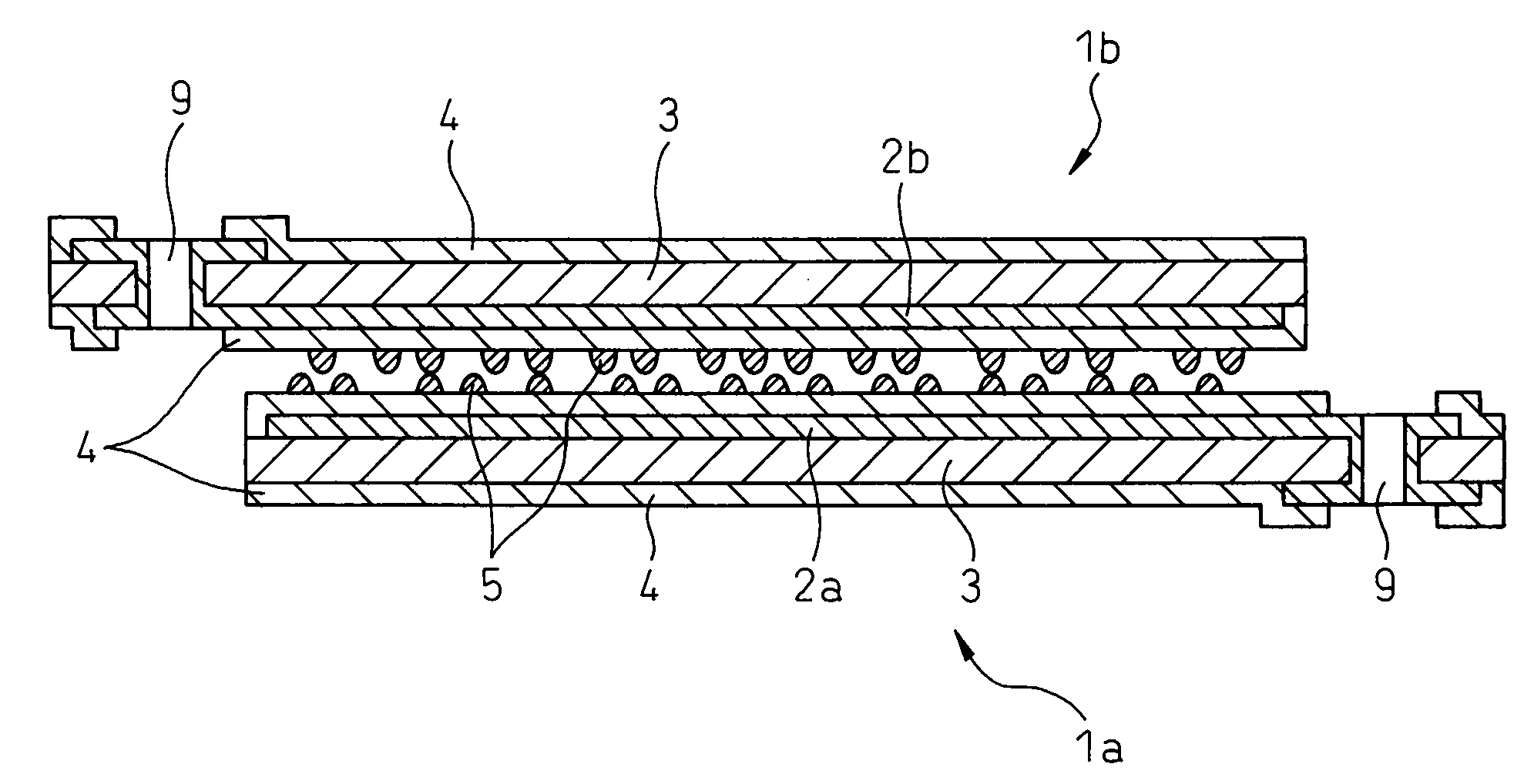
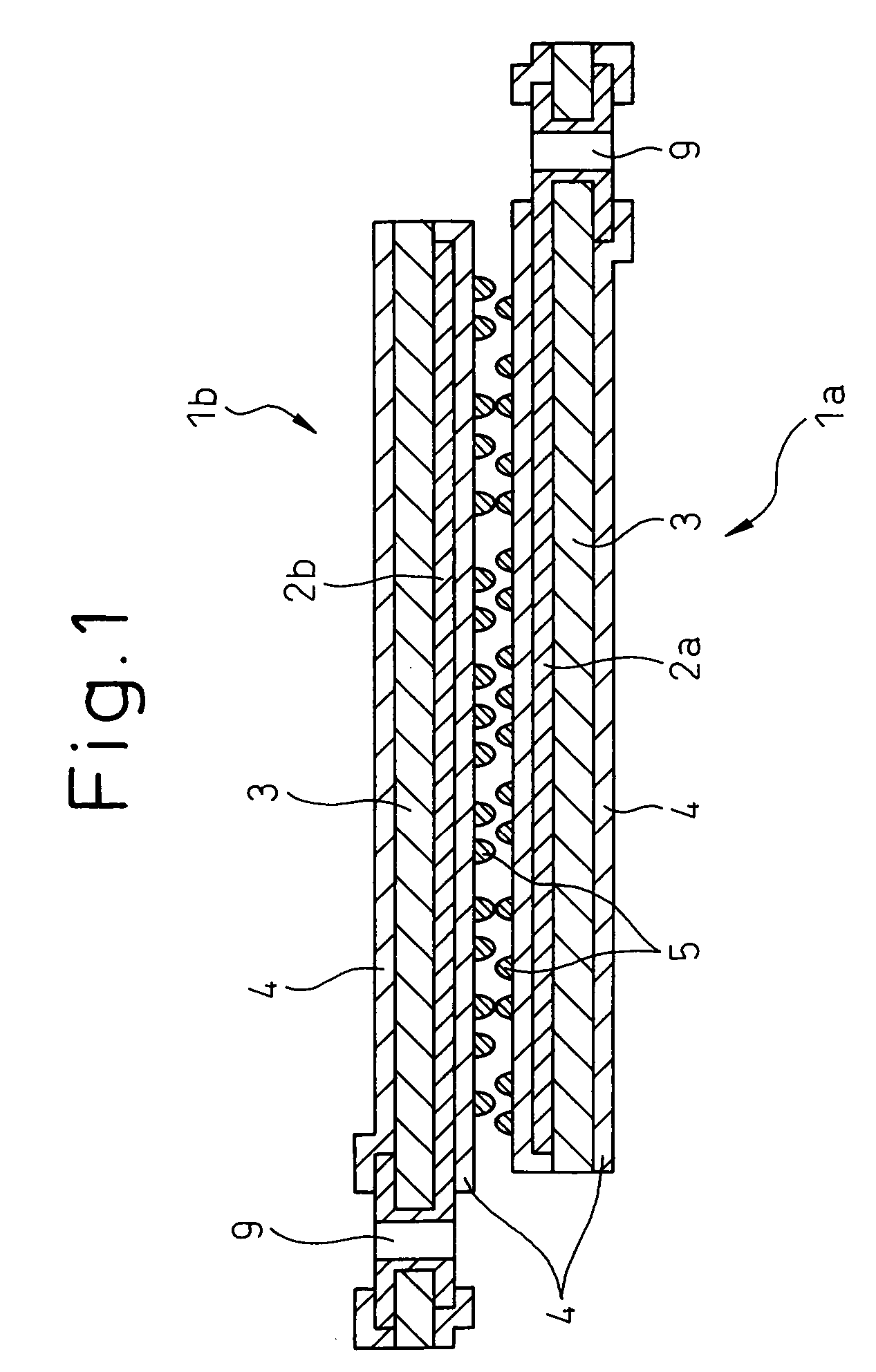
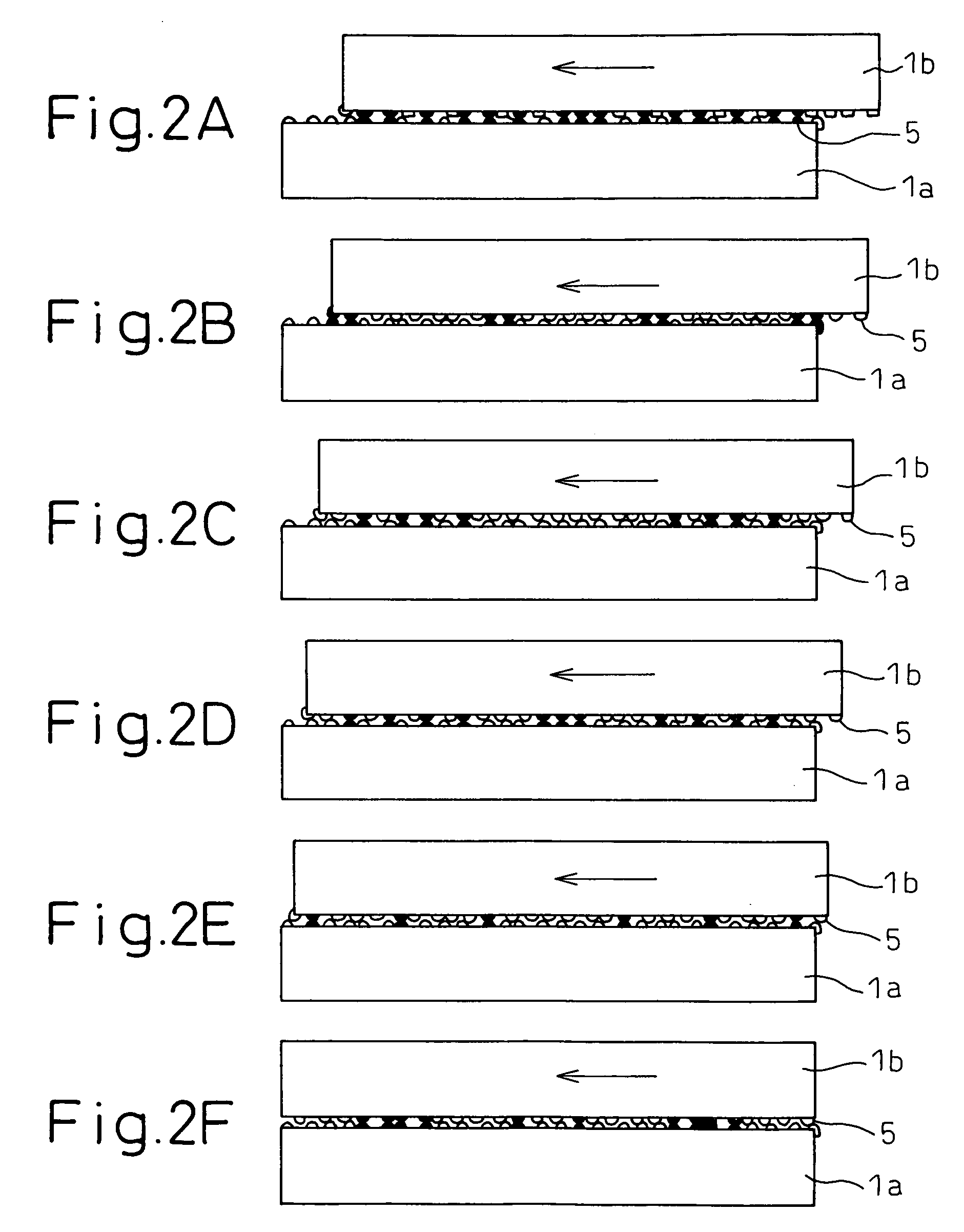

Electrostatic Motor
PatentActiveUS20210184599A1
Innovation
- The design incorporates a cylindrical rotor and stator with electrets and electrodes, surrounded by a dielectric fluid under pressure, which enhances torque generation and efficiency, reducing weight and power consumption by using electret materials and thin conductive electrodes.


Environmental Standards for Motor Lubricants
Environmental standards for motor lubricants have become increasingly stringent as regulatory bodies worldwide recognize the critical importance of sustainable industrial practices. The European Union's REACH regulation establishes comprehensive requirements for chemical substances, including lubricants used in electrostatic motors, mandating detailed safety data and environmental impact assessments. Similarly, the U.S. Environmental Protection Agency's guidelines under the Toxic Substances Control Act impose strict controls on lubricant formulations, particularly those containing synthetic compounds that may persist in environmental systems.
International standards organizations have developed specific protocols for evaluating lubricant environmental performance. ISO 14040 series provides life cycle assessment frameworks that manufacturers must consider when developing advanced lubrication solutions for electrostatic motors. These standards require comprehensive evaluation of environmental impacts from raw material extraction through disposal, ensuring that lifespan improvements do not compromise ecological sustainability.
Biodegradability requirements represent a fundamental aspect of modern lubricant standards. The OECD 301 test series establishes minimum biodegradation rates, typically requiring 60% degradation within 28 days under standardized conditions. For electrostatic motor applications, this creates unique challenges as high-performance synthetic lubricants often exhibit enhanced stability that conflicts with rapid biodegradation requirements. Advanced formulations must balance molecular stability for extended motor operation with environmental breakdown characteristics.
Toxicity thresholds defined by various regulatory frameworks directly influence lubricant composition strategies. The Globally Harmonized System of Classification establishes standardized criteria for aquatic toxicity, with LC50 values serving as key benchmarks for acceptable environmental impact levels. These requirements particularly affect the selection of base oils and additive packages in advanced lubrication systems designed for electrostatic motor applications.
Emerging regulations focus on microplastic generation and persistent organic pollutants, areas of growing concern for synthetic lubricant formulations. The Stockholm Convention's restrictions on persistent organic pollutants increasingly influence the development of next-generation lubricants, requiring manufacturers to demonstrate that advanced formulations do not contribute to long-term environmental contamination while maintaining superior performance characteristics essential for extended electrostatic motor lifespan.
International standards organizations have developed specific protocols for evaluating lubricant environmental performance. ISO 14040 series provides life cycle assessment frameworks that manufacturers must consider when developing advanced lubrication solutions for electrostatic motors. These standards require comprehensive evaluation of environmental impacts from raw material extraction through disposal, ensuring that lifespan improvements do not compromise ecological sustainability.
Biodegradability requirements represent a fundamental aspect of modern lubricant standards. The OECD 301 test series establishes minimum biodegradation rates, typically requiring 60% degradation within 28 days under standardized conditions. For electrostatic motor applications, this creates unique challenges as high-performance synthetic lubricants often exhibit enhanced stability that conflicts with rapid biodegradation requirements. Advanced formulations must balance molecular stability for extended motor operation with environmental breakdown characteristics.
Toxicity thresholds defined by various regulatory frameworks directly influence lubricant composition strategies. The Globally Harmonized System of Classification establishes standardized criteria for aquatic toxicity, with LC50 values serving as key benchmarks for acceptable environmental impact levels. These requirements particularly affect the selection of base oils and additive packages in advanced lubrication systems designed for electrostatic motor applications.
Emerging regulations focus on microplastic generation and persistent organic pollutants, areas of growing concern for synthetic lubricant formulations. The Stockholm Convention's restrictions on persistent organic pollutants increasingly influence the development of next-generation lubricants, requiring manufacturers to demonstrate that advanced formulations do not contribute to long-term environmental contamination while maintaining superior performance characteristics essential for extended electrostatic motor lifespan.
Reliability Testing Standards for Motor Lifespan
Reliability testing standards for electrostatic motor lifespan evaluation have evolved significantly to address the unique challenges posed by advanced lubrication techniques. The International Electrotechnical Commission (IEC) 60034 series provides foundational guidelines, while specialized standards such as IEEE 112 and NEMA MG-1 offer specific protocols for motor performance assessment. These standards establish baseline methodologies for accelerated aging tests, thermal cycling procedures, and mechanical stress evaluations that are particularly relevant when implementing novel lubrication systems.
Contemporary testing protocols emphasize multi-parameter monitoring approaches that simultaneously track electrical performance degradation, mechanical wear patterns, and lubrication system effectiveness. The ASTM D6425 standard specifically addresses lubricant performance evaluation under electrical stress conditions, which is crucial for electrostatic motors where high voltage fields interact directly with lubrication films. Additionally, ISO 281 bearing life calculation methods have been adapted to incorporate the enhanced performance characteristics of advanced synthetic lubricants and nano-additives.
Accelerated life testing methodologies, particularly those outlined in MIL-STD-781, provide statistical frameworks for predicting long-term reliability based on controlled stress conditions. These protocols typically involve elevated temperature operations, increased voltage stress, and mechanical loading cycles that compress years of operational wear into months of testing. The Arrhenius acceleration model remains the primary tool for extrapolating high-temperature test results to normal operating conditions, though modifications are necessary when evaluating temperature-sensitive advanced lubricants.
Emerging testing standards are incorporating real-time condition monitoring techniques, including vibration analysis per ISO 10816, oil analysis following ASTM D6224 protocols, and partial discharge measurements according to IEC 60270. These continuous monitoring approaches enable more accurate assessment of gradual degradation processes that traditional pass-fail testing might miss, particularly important when evaluating the long-term stability of advanced lubrication formulations under electrostatic field exposure.
Contemporary testing protocols emphasize multi-parameter monitoring approaches that simultaneously track electrical performance degradation, mechanical wear patterns, and lubrication system effectiveness. The ASTM D6425 standard specifically addresses lubricant performance evaluation under electrical stress conditions, which is crucial for electrostatic motors where high voltage fields interact directly with lubrication films. Additionally, ISO 281 bearing life calculation methods have been adapted to incorporate the enhanced performance characteristics of advanced synthetic lubricants and nano-additives.
Accelerated life testing methodologies, particularly those outlined in MIL-STD-781, provide statistical frameworks for predicting long-term reliability based on controlled stress conditions. These protocols typically involve elevated temperature operations, increased voltage stress, and mechanical loading cycles that compress years of operational wear into months of testing. The Arrhenius acceleration model remains the primary tool for extrapolating high-temperature test results to normal operating conditions, though modifications are necessary when evaluating temperature-sensitive advanced lubricants.
Emerging testing standards are incorporating real-time condition monitoring techniques, including vibration analysis per ISO 10816, oil analysis following ASTM D6224 protocols, and partial discharge measurements according to IEC 60270. These continuous monitoring approaches enable more accurate assessment of gradual degradation processes that traditional pass-fail testing might miss, particularly important when evaluating the long-term stability of advanced lubrication formulations under electrostatic field exposure.
Unlock deeper insights with PatSnap Eureka Quick Research — get a full tech report to explore trends and direct your research. Try now!
Generate Your Research Report Instantly with AI Agent
Supercharge your innovation with PatSnap Eureka AI Agent Platform!