Assessing Active Memory Expansion in Distributed Computing
MAR 7, 20268 MIN READ
Generate Your Research Report Instantly with AI Agent
Patsnap Eureka helps you evaluate technical feasibility & market potential.
Active Memory Expansion Background and Objectives
Active memory expansion in distributed computing represents a paradigm shift from traditional static memory allocation models to dynamic, scalable memory management systems that can adapt to varying computational demands across distributed nodes. This technology emerged from the fundamental limitations of conventional memory architectures, where fixed memory boundaries often create bottlenecks in large-scale distributed applications, particularly in data-intensive workloads such as big data analytics, machine learning, and real-time processing systems.
The evolution of active memory expansion has been driven by the exponential growth in data volumes and the increasing complexity of distributed applications. Traditional memory management approaches, which rely on pre-allocated memory pools and static partitioning, have proven inadequate for modern distributed environments where workload patterns are highly dynamic and unpredictable. The technology addresses critical challenges including memory fragmentation, uneven memory utilization across nodes, and the inability to efficiently share memory resources in heterogeneous distributed systems.
The core concept revolves around creating intelligent memory management layers that can dynamically expand, contract, and redistribute memory resources across distributed computing nodes based on real-time demand patterns. This involves sophisticated algorithms for memory prediction, allocation optimization, and cross-node memory sharing mechanisms that maintain data consistency while maximizing resource utilization efficiency.
The primary technical objectives of active memory expansion include achieving seamless memory scalability without application-level modifications, minimizing memory access latency in distributed environments, and implementing fault-tolerant memory management that can handle node failures gracefully. Additionally, the technology aims to optimize memory bandwidth utilization across network interconnects and provide transparent memory virtualization that abstracts physical memory boundaries from distributed applications.
From a performance perspective, active memory expansion targets significant improvements in memory utilization efficiency, typically aiming for 80-90% utilization rates compared to 40-60% in traditional systems. The technology also seeks to reduce memory-related application bottlenecks by 30-50% while maintaining sub-millisecond memory access latencies for local operations and minimizing network-based memory access overhead to acceptable thresholds for distributed workloads.
The evolution of active memory expansion has been driven by the exponential growth in data volumes and the increasing complexity of distributed applications. Traditional memory management approaches, which rely on pre-allocated memory pools and static partitioning, have proven inadequate for modern distributed environments where workload patterns are highly dynamic and unpredictable. The technology addresses critical challenges including memory fragmentation, uneven memory utilization across nodes, and the inability to efficiently share memory resources in heterogeneous distributed systems.
The core concept revolves around creating intelligent memory management layers that can dynamically expand, contract, and redistribute memory resources across distributed computing nodes based on real-time demand patterns. This involves sophisticated algorithms for memory prediction, allocation optimization, and cross-node memory sharing mechanisms that maintain data consistency while maximizing resource utilization efficiency.
The primary technical objectives of active memory expansion include achieving seamless memory scalability without application-level modifications, minimizing memory access latency in distributed environments, and implementing fault-tolerant memory management that can handle node failures gracefully. Additionally, the technology aims to optimize memory bandwidth utilization across network interconnects and provide transparent memory virtualization that abstracts physical memory boundaries from distributed applications.
From a performance perspective, active memory expansion targets significant improvements in memory utilization efficiency, typically aiming for 80-90% utilization rates compared to 40-60% in traditional systems. The technology also seeks to reduce memory-related application bottlenecks by 30-50% while maintaining sub-millisecond memory access latencies for local operations and minimizing network-based memory access overhead to acceptable thresholds for distributed workloads.
Market Demand for Distributed Memory Solutions
The distributed computing landscape is experiencing unprecedented growth driven by the exponential increase in data generation and processing requirements across industries. Organizations are grappling with massive datasets that traditional centralized computing architectures cannot efficiently handle, creating substantial demand for distributed memory solutions that can scale horizontally while maintaining performance consistency.
Cloud computing adoption has fundamentally transformed how enterprises approach memory management, with businesses increasingly requiring dynamic memory allocation capabilities that can adapt to fluctuating workloads. The rise of big data analytics, machine learning applications, and real-time processing systems has intensified the need for memory solutions that can seamlessly expand across distributed nodes without compromising data integrity or access speeds.
Enterprise customers are particularly focused on solutions that offer transparent memory expansion capabilities, allowing applications to access extended memory pools without requiring significant code modifications. This demand stems from the substantial costs associated with application refactoring and the need to maintain compatibility with existing software ecosystems while achieving improved performance metrics.
The emergence of edge computing has created additional market pressure for distributed memory solutions that can operate effectively across geographically dispersed infrastructure. Organizations deploying Internet of Things applications, autonomous systems, and content delivery networks require memory architectures that can maintain low latency while providing consistent performance across distributed edge nodes.
Financial services, healthcare, and telecommunications sectors represent particularly strong demand drivers, as these industries process massive volumes of time-sensitive data requiring immediate access to expanded memory resources. The regulatory requirements in these sectors also necessitate memory solutions that can provide robust data governance and compliance capabilities across distributed environments.
Market research indicates growing interest in memory solutions that can integrate seamlessly with containerized applications and microservices architectures. Organizations adopting DevOps practices and continuous deployment methodologies require memory expansion capabilities that can automatically scale with application demands while maintaining cost efficiency and operational simplicity across their distributed computing infrastructure.
Cloud computing adoption has fundamentally transformed how enterprises approach memory management, with businesses increasingly requiring dynamic memory allocation capabilities that can adapt to fluctuating workloads. The rise of big data analytics, machine learning applications, and real-time processing systems has intensified the need for memory solutions that can seamlessly expand across distributed nodes without compromising data integrity or access speeds.
Enterprise customers are particularly focused on solutions that offer transparent memory expansion capabilities, allowing applications to access extended memory pools without requiring significant code modifications. This demand stems from the substantial costs associated with application refactoring and the need to maintain compatibility with existing software ecosystems while achieving improved performance metrics.
The emergence of edge computing has created additional market pressure for distributed memory solutions that can operate effectively across geographically dispersed infrastructure. Organizations deploying Internet of Things applications, autonomous systems, and content delivery networks require memory architectures that can maintain low latency while providing consistent performance across distributed edge nodes.
Financial services, healthcare, and telecommunications sectors represent particularly strong demand drivers, as these industries process massive volumes of time-sensitive data requiring immediate access to expanded memory resources. The regulatory requirements in these sectors also necessitate memory solutions that can provide robust data governance and compliance capabilities across distributed environments.
Market research indicates growing interest in memory solutions that can integrate seamlessly with containerized applications and microservices architectures. Organizations adopting DevOps practices and continuous deployment methodologies require memory expansion capabilities that can automatically scale with application demands while maintaining cost efficiency and operational simplicity across their distributed computing infrastructure.
Current State of Memory Expansion Technologies
Memory expansion technologies in distributed computing environments have evolved significantly over the past decade, driven by the exponential growth in data processing requirements and the limitations of traditional memory architectures. Current implementations primarily focus on three main approaches: hardware-based solutions, software-defined memory management, and hybrid architectures that combine both methodologies.
Hardware-based memory expansion solutions currently dominate enterprise-level distributed systems. Intel's Optane DC Persistent Memory represents a breakthrough in bridging the gap between volatile DRAM and non-volatile storage, offering near-DRAM performance with storage-class persistence. Similarly, Samsung's Z-NAND and Micron's 3D XPoint technologies provide high-density, low-latency memory solutions that enable active memory expansion without significant performance degradation.
Software-defined approaches have gained substantial traction through technologies like Redis Enterprise's Active-Active clustering and Apache Ignite's distributed memory architecture. These solutions leverage intelligent data placement algorithms and real-time synchronization mechanisms to create seamless memory pools across distributed nodes. VMware's vSphere memory management and Microsoft's Azure Memory optimization services exemplify how virtualization layers can abstract physical memory limitations.
Container orchestration platforms, particularly Kubernetes with its memory resource management capabilities, have revolutionized how distributed applications handle memory expansion. Technologies like Docker's memory constraints and containerd's resource allocation mechanisms enable dynamic memory scaling based on workload demands. These platforms integrate with memory expansion solutions to provide automated resource provisioning and load balancing.
Emerging technologies such as Compute Express Link (CXL) and Gen-Z interconnect standards are reshaping memory expansion possibilities by enabling high-bandwidth, low-latency connections between processing units and memory resources. These standards facilitate memory disaggregation, allowing distributed systems to treat remote memory as local resources with minimal performance penalties.
Current challenges include latency optimization across distributed memory pools, consistency maintenance in active-active configurations, and cost-effectiveness of large-scale deployments. Network bandwidth limitations and data locality issues continue to impact the practical implementation of memory expansion technologies in geographically distributed environments.
Hardware-based memory expansion solutions currently dominate enterprise-level distributed systems. Intel's Optane DC Persistent Memory represents a breakthrough in bridging the gap between volatile DRAM and non-volatile storage, offering near-DRAM performance with storage-class persistence. Similarly, Samsung's Z-NAND and Micron's 3D XPoint technologies provide high-density, low-latency memory solutions that enable active memory expansion without significant performance degradation.
Software-defined approaches have gained substantial traction through technologies like Redis Enterprise's Active-Active clustering and Apache Ignite's distributed memory architecture. These solutions leverage intelligent data placement algorithms and real-time synchronization mechanisms to create seamless memory pools across distributed nodes. VMware's vSphere memory management and Microsoft's Azure Memory optimization services exemplify how virtualization layers can abstract physical memory limitations.
Container orchestration platforms, particularly Kubernetes with its memory resource management capabilities, have revolutionized how distributed applications handle memory expansion. Technologies like Docker's memory constraints and containerd's resource allocation mechanisms enable dynamic memory scaling based on workload demands. These platforms integrate with memory expansion solutions to provide automated resource provisioning and load balancing.
Emerging technologies such as Compute Express Link (CXL) and Gen-Z interconnect standards are reshaping memory expansion possibilities by enabling high-bandwidth, low-latency connections between processing units and memory resources. These standards facilitate memory disaggregation, allowing distributed systems to treat remote memory as local resources with minimal performance penalties.
Current challenges include latency optimization across distributed memory pools, consistency maintenance in active-active configurations, and cost-effectiveness of large-scale deployments. Network bandwidth limitations and data locality issues continue to impact the practical implementation of memory expansion technologies in geographically distributed environments.
Existing Active Memory Expansion Solutions
01 Virtual memory expansion techniques
Methods and systems for expanding available memory by using virtual memory techniques that map physical memory addresses to extended address spaces. These techniques allow systems to access more memory than physically available by utilizing disk storage or other secondary storage as an extension of RAM. The virtual memory management includes address translation mechanisms and page table management to efficiently handle memory requests beyond physical capacity.- Virtual memory expansion techniques: Methods and systems for expanding available memory by using virtual memory techniques that map physical memory addresses to extended address spaces. These techniques allow systems to access more memory than physically available by utilizing disk storage or other secondary storage as an extension of RAM. The virtual memory management includes address translation mechanisms and page table structures to efficiently manage the expanded memory space.
- Memory compression and decompression for capacity expansion: Technologies that compress data stored in memory to effectively increase available memory capacity. These methods employ various compression algorithms to reduce the physical memory footprint of stored data, allowing more information to be held in the same physical memory space. The systems include hardware and software components for real-time compression and decompression operations to maintain system performance while expanding effective memory capacity.
- Tiered memory architecture with active memory management: Hierarchical memory systems that utilize multiple memory tiers with different performance characteristics and capacities. Active memory management algorithms dynamically move data between faster, smaller memory and slower, larger memory based on access patterns and usage frequency. This approach optimizes both performance and capacity by keeping frequently accessed data in high-speed memory while expanding total available memory through additional tiers.
- Memory pooling and sharing mechanisms: Systems that enable multiple processes or virtual machines to share and dynamically allocate memory from a common pool, effectively expanding available memory for each entity. These mechanisms include memory ballooning, memory overcommitment, and dynamic memory allocation techniques that allow flexible distribution of physical memory resources. The technology improves memory utilization efficiency and provides the appearance of expanded memory to individual processes.
- Non-volatile memory as active memory extension: Architectures that incorporate non-volatile memory technologies such as flash memory or persistent memory as an active extension of main memory. These systems treat non-volatile storage as byte-addressable memory rather than traditional block storage, providing larger memory capacity with persistence characteristics. The integration includes memory controllers and software layers that manage the performance differences between volatile and non-volatile memory while presenting a unified expanded memory space.
02 Dynamic memory allocation and management
Systems that dynamically allocate and manage memory resources to expand available memory capacity during runtime. These approaches include intelligent memory controllers that can reallocate unused memory segments, compress data in memory, and optimize memory usage patterns. The dynamic management allows for flexible memory expansion without requiring physical hardware changes, improving system performance and resource utilization.Expand Specific Solutions03 Memory compression and decompression mechanisms
Techniques for expanding effective memory capacity through real-time compression of data stored in memory. These mechanisms compress inactive or less frequently accessed memory pages to create additional space for active processes. The compression algorithms are optimized for speed to minimize performance impact, and decompression occurs transparently when compressed data is accessed. This approach effectively multiplies available memory without additional hardware.Expand Specific Solutions04 Hierarchical memory architecture with expansion capabilities
Multi-tiered memory architectures that incorporate different memory types and storage levels to provide expandable memory capacity. These systems utilize a hierarchy of fast cache memory, main memory, and slower but larger storage tiers. Intelligent controllers manage data movement between tiers based on access patterns and priority, effectively expanding the active memory pool while maintaining performance. The architecture supports seamless scaling of memory resources.Expand Specific Solutions05 Memory pooling and sharing across multiple devices
Technologies that enable memory expansion by pooling and sharing memory resources across multiple computing devices or nodes. These systems create a distributed memory pool that can be accessed by different processors or systems, effectively expanding the available memory for each participant. The approach includes protocols for memory access coordination, data consistency management, and low-latency communication between nodes to ensure efficient utilization of the shared memory pool.Expand Specific Solutions
Key Players in Memory and Distributed Computing
The active memory expansion in distributed computing field represents a rapidly evolving market driven by increasing data-intensive workloads and cloud computing demands. The industry is in a growth phase with significant market expansion, as organizations require enhanced memory capabilities for real-time processing and analytics. Technology maturity varies across segments, with established players like Intel, AMD, and NVIDIA leading processor-based solutions, while Samsung and Micron dominate memory hardware. IBM and Oracle provide enterprise-level distributed systems, and emerging companies like MemVerge pioneer memory-converged infrastructure. Pure Storage and specialized firms focus on storage optimization. The competitive landscape shows consolidation trends, with traditional semiconductor giants competing against innovative startups developing novel memory architectures and distributed computing frameworks for next-generation applications.
International Business Machines Corp.
Technical Solution: IBM develops comprehensive active memory expansion solutions through their Power Systems architecture and z/OS mainframe platforms. Their approach leverages hardware-assisted memory compression and intelligent memory tiering technologies that can dynamically expand available memory by 2-4x in distributed environments. The company's Active Memory Expansion feature uses real-time compression algorithms to increase effective memory capacity without requiring additional physical RAM modules. Their solution integrates seamlessly with distributed computing frameworks like Apache Spark and Hadoop, providing transparent memory scaling across cluster nodes. IBM's memory expansion technology includes predictive analytics to anticipate memory demands and proactively allocate resources, ensuring optimal performance in large-scale distributed applications.
Strengths: Mature enterprise-grade solutions with proven scalability in mission-critical environments, strong integration with existing enterprise infrastructure. Weaknesses: Higher cost compared to open-source alternatives, complex configuration requirements for optimal performance.
Micron Technology, Inc.
Technical Solution: Micron focuses on hardware-level active memory expansion through their innovative memory technologies including 3D XPoint and high-bandwidth memory solutions. Their approach centers on developing next-generation memory architectures that provide near-DRAM performance with significantly larger capacity, enabling effective memory expansion in distributed systems. Micron's Optane persistent memory technology allows systems to treat storage as extended memory, creating a memory hierarchy that can expand active memory pools by orders of magnitude. Their solutions are particularly effective in distributed computing scenarios where memory bandwidth and latency are critical factors. The company's memory expansion technologies include intelligent caching mechanisms and wear-leveling algorithms that optimize performance across distributed nodes while maintaining data consistency and reliability.
Strengths: Leading-edge hardware technology with superior performance characteristics, strong partnerships with major system vendors. Weaknesses: Limited software ecosystem compared to pure software solutions, higher hardware costs for deployment.
Core Innovations in Distributed Memory Management
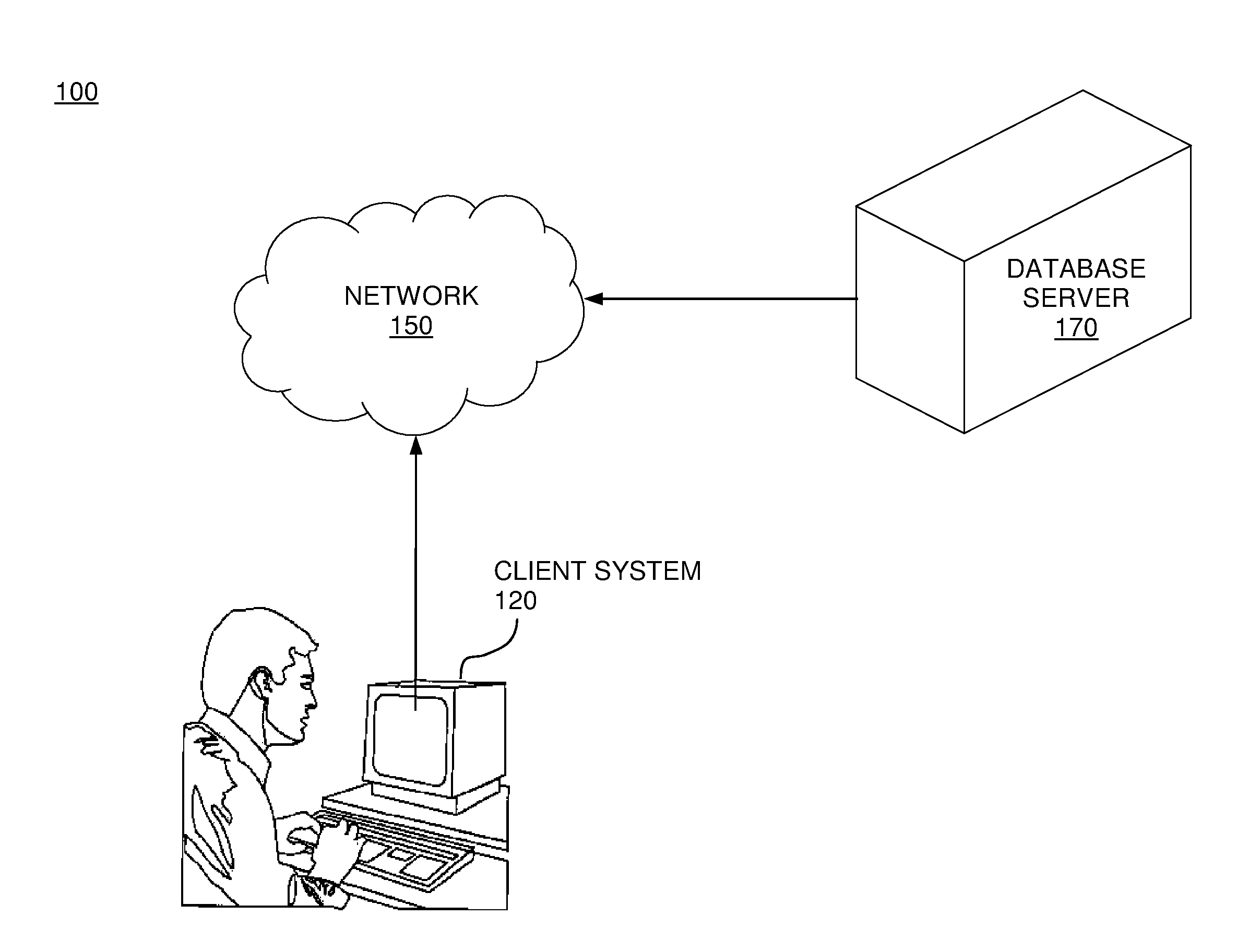
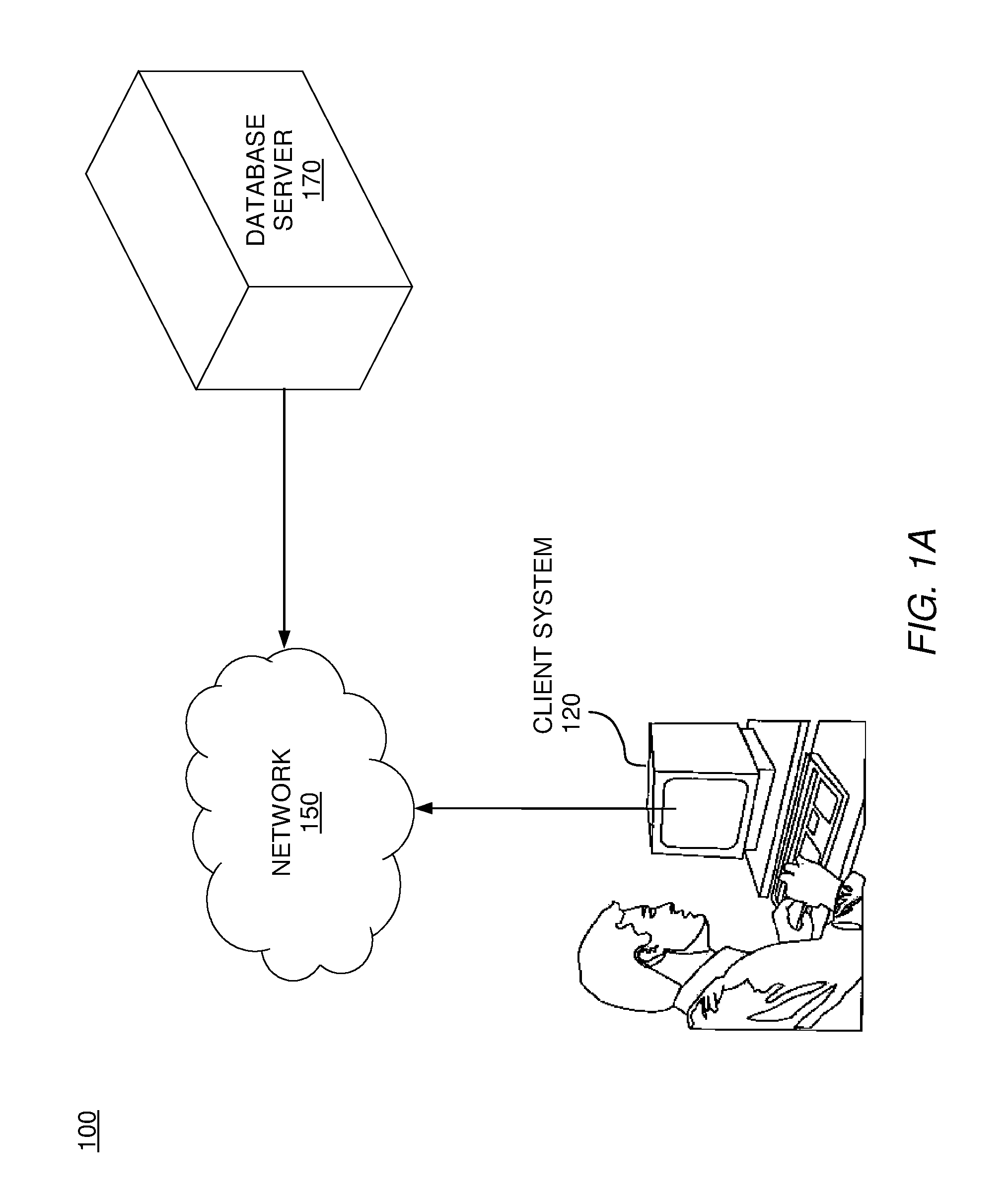
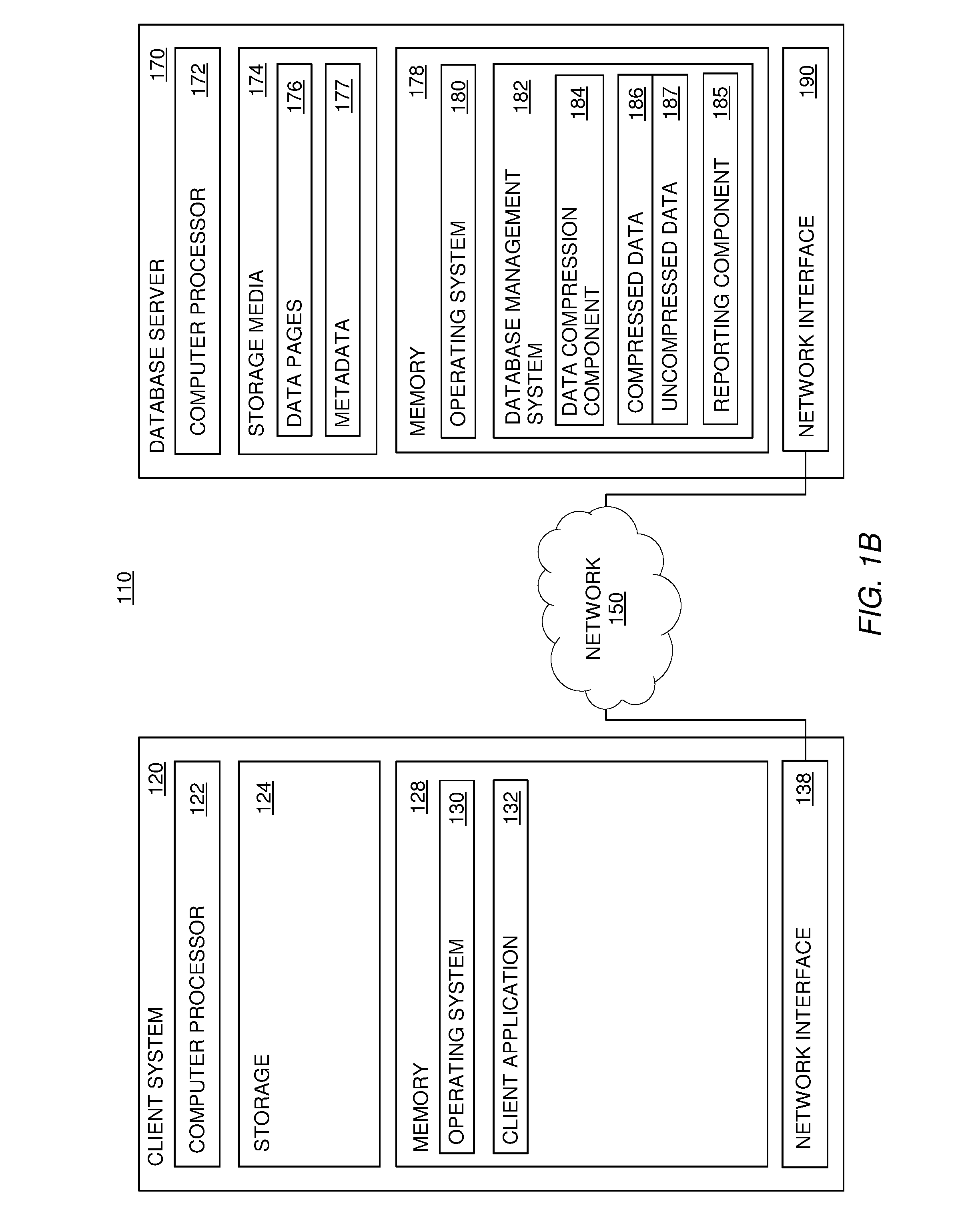
Active memory expansion and rdbms meta data and tooling
PatentInactiveUS20120109908A1
Innovation
- Implement a method that identifies indicatory data associated with retrieved data to determine whether to compress it, using compression criteria to selectively compress data based on metadata, query types, and access frequencies, thereby optimizing memory usage and reducing processing time.

Method and apparatus for memory integrated management of cluster system
PatentActiveUS12118394B2
Innovation
- A method and apparatus for memory integrated management in a cluster system that allocates high-performance DRAM and high-integration memory across multiple physical nodes to maximize throughput by profiling memory access patterns and distributing memory resources efficiently, ensuring optimal performance and capacity utilization.


Performance Benchmarking and Assessment Metrics
Performance benchmarking for active memory expansion in distributed computing requires a comprehensive framework that addresses both quantitative metrics and qualitative assessment criteria. The evaluation methodology must capture the dynamic nature of memory allocation, data movement patterns, and system responsiveness under varying workload conditions.
Memory utilization efficiency serves as a primary metric, measuring the ratio of actively used expanded memory to total allocated memory resources. This metric reveals how effectively the system leverages additional memory capacity and identifies potential waste in resource allocation. Complementary to this, memory access latency measurements across local and remote memory segments provide insights into the performance trade-offs inherent in distributed memory architectures.
Throughput benchmarks focus on data processing rates under different memory expansion scenarios. These assessments examine how memory bandwidth scales with increased capacity and evaluate the impact of network-attached memory on overall system performance. Critical measurements include sustained data transfer rates, peak bandwidth utilization, and degradation patterns under concurrent access scenarios.
System scalability metrics evaluate performance consistency as memory expansion scales across distributed nodes. These benchmarks assess linear scalability assumptions and identify bottlenecks that emerge at different expansion levels. Load balancing effectiveness becomes crucial when measuring how evenly memory resources distribute across the computing cluster.
Application-specific performance indicators provide context-aware evaluation criteria. Different workload types exhibit varying sensitivity to memory expansion characteristics, requiring tailored benchmark suites that reflect real-world usage patterns. Database operations, scientific computing tasks, and machine learning workloads each demand specialized assessment approaches.
Reliability and fault tolerance metrics examine system behavior during memory node failures or network partitions. These assessments measure recovery times, data consistency maintenance, and performance degradation under adverse conditions. The evaluation framework must also consider energy efficiency metrics, measuring power consumption per unit of expanded memory capacity and overall system energy overhead introduced by distributed memory management protocols.
Memory utilization efficiency serves as a primary metric, measuring the ratio of actively used expanded memory to total allocated memory resources. This metric reveals how effectively the system leverages additional memory capacity and identifies potential waste in resource allocation. Complementary to this, memory access latency measurements across local and remote memory segments provide insights into the performance trade-offs inherent in distributed memory architectures.
Throughput benchmarks focus on data processing rates under different memory expansion scenarios. These assessments examine how memory bandwidth scales with increased capacity and evaluate the impact of network-attached memory on overall system performance. Critical measurements include sustained data transfer rates, peak bandwidth utilization, and degradation patterns under concurrent access scenarios.
System scalability metrics evaluate performance consistency as memory expansion scales across distributed nodes. These benchmarks assess linear scalability assumptions and identify bottlenecks that emerge at different expansion levels. Load balancing effectiveness becomes crucial when measuring how evenly memory resources distribute across the computing cluster.
Application-specific performance indicators provide context-aware evaluation criteria. Different workload types exhibit varying sensitivity to memory expansion characteristics, requiring tailored benchmark suites that reflect real-world usage patterns. Database operations, scientific computing tasks, and machine learning workloads each demand specialized assessment approaches.
Reliability and fault tolerance metrics examine system behavior during memory node failures or network partitions. These assessments measure recovery times, data consistency maintenance, and performance degradation under adverse conditions. The evaluation framework must also consider energy efficiency metrics, measuring power consumption per unit of expanded memory capacity and overall system energy overhead introduced by distributed memory management protocols.
Security Implications in Distributed Memory Systems
Active memory expansion in distributed computing environments introduces significant security vulnerabilities that require comprehensive assessment and mitigation strategies. The distributed nature of memory systems creates multiple attack vectors, including unauthorized access to remote memory segments, data interception during memory transfers, and potential exploitation of memory management protocols.
Memory access control becomes particularly challenging when implementing active memory expansion across distributed nodes. Traditional access control mechanisms designed for local memory systems may prove inadequate for distributed architectures. The expansion of memory boundaries across network segments necessitates robust authentication and authorization frameworks to prevent unauthorized memory access attempts. Malicious actors could potentially exploit weak access controls to gain unauthorized access to sensitive data stored in expanded memory regions.
Data integrity risks emerge as a critical concern when memory contents traverse network infrastructure during expansion operations. Network-based attacks such as man-in-the-middle interceptions, packet modification, and replay attacks pose substantial threats to memory data consistency. The temporal gap between memory write operations and their propagation across distributed nodes creates windows of vulnerability where data corruption or unauthorized modifications could occur undetected.
Encryption and secure communication protocols become essential components for protecting distributed memory systems. However, the performance overhead associated with cryptographic operations may conflict with the low-latency requirements of active memory expansion. Balancing security requirements with performance optimization presents ongoing challenges for system architects implementing distributed memory solutions.
Side-channel attacks represent another significant security consideration in distributed memory environments. Memory access patterns, timing variations, and power consumption characteristics across distributed nodes could potentially leak sensitive information to adversaries. The expanded attack surface created by distributed memory systems amplifies the potential impact of such vulnerabilities.
Memory isolation mechanisms must be enhanced to address the unique challenges of distributed environments. Traditional memory protection schemes may require substantial modifications to maintain security boundaries when memory resources span multiple physical locations. The complexity of maintaining consistent security policies across heterogeneous distributed nodes adds additional layers of security considerations that must be carefully evaluated during system design and implementation phases.
Memory access control becomes particularly challenging when implementing active memory expansion across distributed nodes. Traditional access control mechanisms designed for local memory systems may prove inadequate for distributed architectures. The expansion of memory boundaries across network segments necessitates robust authentication and authorization frameworks to prevent unauthorized memory access attempts. Malicious actors could potentially exploit weak access controls to gain unauthorized access to sensitive data stored in expanded memory regions.
Data integrity risks emerge as a critical concern when memory contents traverse network infrastructure during expansion operations. Network-based attacks such as man-in-the-middle interceptions, packet modification, and replay attacks pose substantial threats to memory data consistency. The temporal gap between memory write operations and their propagation across distributed nodes creates windows of vulnerability where data corruption or unauthorized modifications could occur undetected.
Encryption and secure communication protocols become essential components for protecting distributed memory systems. However, the performance overhead associated with cryptographic operations may conflict with the low-latency requirements of active memory expansion. Balancing security requirements with performance optimization presents ongoing challenges for system architects implementing distributed memory solutions.
Side-channel attacks represent another significant security consideration in distributed memory environments. Memory access patterns, timing variations, and power consumption characteristics across distributed nodes could potentially leak sensitive information to adversaries. The expanded attack surface created by distributed memory systems amplifies the potential impact of such vulnerabilities.
Memory isolation mechanisms must be enhanced to address the unique challenges of distributed environments. Traditional memory protection schemes may require substantial modifications to maintain security boundaries when memory resources span multiple physical locations. The complexity of maintaining consistent security policies across heterogeneous distributed nodes adds additional layers of security considerations that must be carefully evaluated during system design and implementation phases.
Unlock deeper insights with Patsnap Eureka Quick Research — get a full tech report to explore trends and direct your research. Try now!
Generate Your Research Report Instantly with AI Agent
Supercharge your innovation with Patsnap Eureka AI Agent Platform!