Assessing Notch Filter Performance in Power Grids
MAR 17, 202610 MIN READ
Generate Your Research Report Instantly with AI Agent
PatSnap Eureka helps you evaluate technical feasibility & market potential.
Notch Filter Technology Background and Grid Integration Goals
Notch filters represent a specialized category of frequency-selective circuits designed to attenuate specific frequency components while allowing other frequencies to pass through with minimal distortion. In power grid applications, these filters have evolved from simple passive LC circuits to sophisticated active and adaptive filtering systems. The fundamental principle involves creating a high-impedance path at the target frequency, typically achieved through resonant circuit configurations that produce deep nulls in the frequency response.
The historical development of notch filtering in power systems traces back to the 1960s when harmonic distortion became a significant concern with the proliferation of nonlinear loads. Early implementations focused on single-frequency rejection, primarily targeting the dominant harmonics such as the 5th and 7th orders. As power electronics advanced, the complexity of harmonic spectra increased, driving the evolution toward multi-notch and tunable filter architectures.
Modern power grids face unprecedented challenges from distributed energy resources, electric vehicle charging infrastructure, and advanced power electronic converters. These elements introduce complex harmonic patterns, interharmonics, and time-varying disturbances that traditional filtering approaches struggle to address effectively. The integration of renewable energy sources has particularly intensified the need for adaptive filtering solutions capable of responding to dynamic grid conditions.
Contemporary notch filter technologies encompass several architectural approaches, including passive tuned filters, active power filters with notch characteristics, and hybrid configurations combining both methodologies. Digital signal processing techniques have enabled the development of adaptive notch filters that can automatically adjust their center frequency and bandwidth based on real-time grid measurements.
The primary objectives for notch filter integration in modern power grids center on maintaining power quality standards while ensuring system stability and efficiency. Key goals include achieving harmonic compliance with international standards such as IEEE 519 and IEC 61000, minimizing total harmonic distortion below acceptable thresholds, and preventing resonance conditions that could amplify existing harmonics. Additionally, these systems must demonstrate robust performance across varying load conditions, maintain selectivity to avoid affecting fundamental frequency components, and provide cost-effective solutions for both utility-scale and distributed applications.
Grid integration goals also emphasize the need for intelligent filtering systems capable of coordinating with other power quality devices and grid management systems. This includes seamless integration with smart grid infrastructure, real-time communication capabilities for centralized control, and the ability to adapt filtering characteristics based on grid topology changes and operational requirements.
The historical development of notch filtering in power systems traces back to the 1960s when harmonic distortion became a significant concern with the proliferation of nonlinear loads. Early implementations focused on single-frequency rejection, primarily targeting the dominant harmonics such as the 5th and 7th orders. As power electronics advanced, the complexity of harmonic spectra increased, driving the evolution toward multi-notch and tunable filter architectures.
Modern power grids face unprecedented challenges from distributed energy resources, electric vehicle charging infrastructure, and advanced power electronic converters. These elements introduce complex harmonic patterns, interharmonics, and time-varying disturbances that traditional filtering approaches struggle to address effectively. The integration of renewable energy sources has particularly intensified the need for adaptive filtering solutions capable of responding to dynamic grid conditions.
Contemporary notch filter technologies encompass several architectural approaches, including passive tuned filters, active power filters with notch characteristics, and hybrid configurations combining both methodologies. Digital signal processing techniques have enabled the development of adaptive notch filters that can automatically adjust their center frequency and bandwidth based on real-time grid measurements.
The primary objectives for notch filter integration in modern power grids center on maintaining power quality standards while ensuring system stability and efficiency. Key goals include achieving harmonic compliance with international standards such as IEEE 519 and IEC 61000, minimizing total harmonic distortion below acceptable thresholds, and preventing resonance conditions that could amplify existing harmonics. Additionally, these systems must demonstrate robust performance across varying load conditions, maintain selectivity to avoid affecting fundamental frequency components, and provide cost-effective solutions for both utility-scale and distributed applications.
Grid integration goals also emphasize the need for intelligent filtering systems capable of coordinating with other power quality devices and grid management systems. This includes seamless integration with smart grid infrastructure, real-time communication capabilities for centralized control, and the ability to adapt filtering characteristics based on grid topology changes and operational requirements.
Power Grid Harmonic Filtering Market Demand Analysis
The global power grid harmonic filtering market is experiencing unprecedented growth driven by the increasing complexity of modern electrical systems and the proliferation of nonlinear loads. Industrial facilities, data centers, renewable energy installations, and electric vehicle charging infrastructure are generating significant harmonic distortion that requires sophisticated filtering solutions. The transition toward smart grids and distributed energy resources has amplified the need for precise harmonic mitigation technologies, particularly notch filters that can target specific frequency components.
Regulatory frameworks worldwide are becoming increasingly stringent regarding power quality standards. IEEE 519, IEC 61000 series, and regional grid codes mandate strict harmonic limits, compelling utilities and industrial operators to invest in advanced filtering technologies. These regulations are driving substantial demand for notch filter solutions that can effectively attenuate problematic harmonics while maintaining system stability and efficiency.
The renewable energy sector represents a particularly dynamic market segment for harmonic filtering solutions. Wind farms, solar installations, and energy storage systems utilize power electronic converters that generate characteristic harmonics requiring targeted mitigation. Notch filters are becoming essential components in these applications due to their ability to selectively eliminate specific harmonic frequencies without affecting fundamental power flow.
Industrial manufacturing facilities constitute another major demand driver, as variable frequency drives, arc furnaces, and automated production equipment create complex harmonic profiles. The growing emphasis on energy efficiency and power quality in industrial processes is accelerating adoption of sophisticated filtering technologies. Mining operations, steel production, and chemical processing industries are investing heavily in harmonic mitigation solutions to ensure equipment reliability and regulatory compliance.
The data center and telecommunications infrastructure market is experiencing rapid expansion, creating substantial opportunities for harmonic filtering technologies. These facilities require exceptional power quality to maintain critical operations, driving demand for high-performance notch filters capable of addressing multiple harmonic frequencies simultaneously.
Emerging markets in Asia-Pacific, Latin America, and Africa are witnessing significant infrastructure development and industrialization, creating new demand centers for power quality solutions. The modernization of aging electrical infrastructure in developed regions is simultaneously driving replacement and upgrade cycles for existing filtering equipment.
Market growth is further supported by technological advancements in active and hybrid filtering solutions that incorporate notch filtering capabilities. The integration of digital control systems and real-time monitoring capabilities is enhancing the value proposition of modern harmonic filtering solutions, encouraging broader market adoption across diverse applications.
Regulatory frameworks worldwide are becoming increasingly stringent regarding power quality standards. IEEE 519, IEC 61000 series, and regional grid codes mandate strict harmonic limits, compelling utilities and industrial operators to invest in advanced filtering technologies. These regulations are driving substantial demand for notch filter solutions that can effectively attenuate problematic harmonics while maintaining system stability and efficiency.
The renewable energy sector represents a particularly dynamic market segment for harmonic filtering solutions. Wind farms, solar installations, and energy storage systems utilize power electronic converters that generate characteristic harmonics requiring targeted mitigation. Notch filters are becoming essential components in these applications due to their ability to selectively eliminate specific harmonic frequencies without affecting fundamental power flow.
Industrial manufacturing facilities constitute another major demand driver, as variable frequency drives, arc furnaces, and automated production equipment create complex harmonic profiles. The growing emphasis on energy efficiency and power quality in industrial processes is accelerating adoption of sophisticated filtering technologies. Mining operations, steel production, and chemical processing industries are investing heavily in harmonic mitigation solutions to ensure equipment reliability and regulatory compliance.
The data center and telecommunications infrastructure market is experiencing rapid expansion, creating substantial opportunities for harmonic filtering technologies. These facilities require exceptional power quality to maintain critical operations, driving demand for high-performance notch filters capable of addressing multiple harmonic frequencies simultaneously.
Emerging markets in Asia-Pacific, Latin America, and Africa are witnessing significant infrastructure development and industrialization, creating new demand centers for power quality solutions. The modernization of aging electrical infrastructure in developed regions is simultaneously driving replacement and upgrade cycles for existing filtering equipment.
Market growth is further supported by technological advancements in active and hybrid filtering solutions that incorporate notch filtering capabilities. The integration of digital control systems and real-time monitoring capabilities is enhancing the value proposition of modern harmonic filtering solutions, encouraging broader market adoption across diverse applications.
Current Notch Filter Performance Challenges in Power Systems
Power grid systems worldwide face mounting challenges in maintaining optimal notch filter performance as electrical networks become increasingly complex and dynamic. Traditional notch filters, designed to eliminate specific harmonic frequencies, struggle to adapt to the evolving characteristics of modern power systems where renewable energy integration, variable loads, and power electronic devices create unpredictable harmonic profiles.
The primary challenge lies in the fixed-frequency nature of conventional notch filters, which are typically tuned for specific harmonic orders such as 5th, 7th, or 11th harmonics. However, contemporary power grids experience frequency variations due to distributed generation sources like wind and solar farms, causing harmonic frequencies to shift and reducing filter effectiveness. This frequency drift phenomenon significantly compromises the filter's ability to maintain precise notch characteristics.
Harmonic pollution has intensified with the proliferation of non-linear loads including variable frequency drives, LED lighting systems, and electric vehicle charging stations. These devices generate complex harmonic spectra that extend beyond traditional harmonic orders, creating inter-harmonic and sub-harmonic components that conventional notch filters cannot adequately address. The resulting harmonic distortion levels often exceed IEEE 519 standards, leading to power quality degradation.
Temperature-induced parameter variations present another critical challenge affecting notch filter performance. Passive filter components, particularly capacitors and inductors, exhibit significant parameter drift under varying environmental conditions. These variations alter the filter's resonant frequency and quality factor, potentially transforming the filter from a harmonic sink into a harmonic source under certain operating conditions.
Grid impedance variations further complicate notch filter performance assessment. The background impedance of power systems changes continuously due to switching operations, load variations, and network reconfigurations. These impedance fluctuations affect the filter's interaction with the grid, potentially causing resonance conditions that amplify rather than attenuate specific harmonic frequencies.
Aging infrastructure compounds these challenges as filter components degrade over time, leading to gradual performance deterioration. Capacitor aging, in particular, results in capacitance reduction and increased equivalent series resistance, shifting the filter's characteristics away from design specifications. This degradation often goes undetected until significant power quality issues emerge.
The integration of smart grid technologies introduces additional complexity through rapid load switching and bidirectional power flows. These dynamic conditions create transient phenomena that can overwhelm traditional notch filter designs, requiring more sophisticated control strategies and real-time adaptation capabilities to maintain effective harmonic mitigation performance.
The primary challenge lies in the fixed-frequency nature of conventional notch filters, which are typically tuned for specific harmonic orders such as 5th, 7th, or 11th harmonics. However, contemporary power grids experience frequency variations due to distributed generation sources like wind and solar farms, causing harmonic frequencies to shift and reducing filter effectiveness. This frequency drift phenomenon significantly compromises the filter's ability to maintain precise notch characteristics.
Harmonic pollution has intensified with the proliferation of non-linear loads including variable frequency drives, LED lighting systems, and electric vehicle charging stations. These devices generate complex harmonic spectra that extend beyond traditional harmonic orders, creating inter-harmonic and sub-harmonic components that conventional notch filters cannot adequately address. The resulting harmonic distortion levels often exceed IEEE 519 standards, leading to power quality degradation.
Temperature-induced parameter variations present another critical challenge affecting notch filter performance. Passive filter components, particularly capacitors and inductors, exhibit significant parameter drift under varying environmental conditions. These variations alter the filter's resonant frequency and quality factor, potentially transforming the filter from a harmonic sink into a harmonic source under certain operating conditions.
Grid impedance variations further complicate notch filter performance assessment. The background impedance of power systems changes continuously due to switching operations, load variations, and network reconfigurations. These impedance fluctuations affect the filter's interaction with the grid, potentially causing resonance conditions that amplify rather than attenuate specific harmonic frequencies.
Aging infrastructure compounds these challenges as filter components degrade over time, leading to gradual performance deterioration. Capacitor aging, in particular, results in capacitance reduction and increased equivalent series resistance, shifting the filter's characteristics away from design specifications. This degradation often goes undetected until significant power quality issues emerge.
The integration of smart grid technologies introduces additional complexity through rapid load switching and bidirectional power flows. These dynamic conditions create transient phenomena that can overwhelm traditional notch filter designs, requiring more sophisticated control strategies and real-time adaptation capabilities to maintain effective harmonic mitigation performance.
Existing Notch Filter Performance Assessment Methods
01 Active notch filter circuits with tunable frequency response
Active notch filters utilize operational amplifiers and adjustable components to achieve precise frequency rejection characteristics. These circuits can be tuned to target specific interference frequencies while maintaining signal integrity in adjacent frequency bands. The design incorporates feedback mechanisms and variable resistor-capacitor networks to optimize the depth and bandwidth of the notch response.- Notch filter circuit design and topology optimization: Various circuit topologies and design methodologies are employed to optimize notch filter performance, including active and passive filter configurations. These designs focus on achieving precise frequency rejection characteristics, improved quality factor, and enhanced selectivity. Circuit implementations may utilize operational amplifiers, resistor-capacitor networks, or integrated circuit approaches to create effective notch filtering with minimal signal distortion and optimal bandwidth control.
- Tunable and adaptive notch filter systems: Advanced notch filter implementations incorporate tuning mechanisms that allow dynamic adjustment of the notch frequency and bandwidth. These adaptive systems can automatically track and suppress interfering signals or noise at varying frequencies. The tuning capability enables the filter to maintain optimal performance across different operating conditions and applications, providing flexibility in signal processing scenarios where interference frequencies may change over time.
- Digital signal processing based notch filtering: Digital implementation of notch filters utilizes algorithms and computational methods to achieve frequency-selective rejection in the digital domain. These approaches offer advantages such as precise control over filter parameters, programmability, and the ability to implement complex transfer functions. Digital notch filters can be realized through various techniques including infinite impulse response and finite impulse response structures, enabling efficient noise cancellation and interference suppression in digital signal processing applications.
- Notch filter performance measurement and characterization: Methods and systems for evaluating notch filter performance involve measuring key parameters such as notch depth, bandwidth, center frequency accuracy, and insertion loss. Characterization techniques assess the filter's ability to reject unwanted frequencies while maintaining signal integrity in the passband. Performance metrics include quality factor, stopband attenuation, and phase response, which are critical for determining the effectiveness of the notch filter in specific applications.
- Multi-stage and cascaded notch filter architectures: Complex notch filtering requirements are addressed through multi-stage configurations where multiple notch filter sections are cascaded to achieve enhanced rejection characteristics or multiple notch frequencies. These architectures enable simultaneous suppression of several interfering signals or provide steeper rejection slopes and deeper notches. The cascaded approach allows for improved overall filter performance by combining the characteristics of individual stages while maintaining system stability and minimizing cumulative signal degradation.
02 Digital notch filter implementation with adaptive algorithms
Digital signal processing techniques enable the implementation of notch filters with adaptive capabilities that can automatically adjust to changing interference conditions. These filters employ algorithms that detect unwanted frequency components and dynamically modify filter coefficients to maximize rejection performance. The digital approach offers flexibility in filter design and allows for real-time parameter adjustment without hardware modifications.Expand Specific Solutions03 Multi-stage cascaded notch filter architectures
Cascading multiple notch filter stages enhances overall rejection performance and allows for targeting multiple interference frequencies simultaneously. This architecture improves the steepness of the rejection curve and increases the attenuation depth at the notch frequency. The multi-stage design can be optimized to minimize passband ripple while achieving superior stopband characteristics.Expand Specific Solutions04 Notch filter bandwidth optimization techniques
Controlling the quality factor and bandwidth of notch filters is critical for applications requiring selective frequency rejection without affecting nearby signal components. Techniques include adjusting component values, implementing variable quality factor circuits, and using specialized topologies that provide independent control over center frequency and bandwidth. These methods ensure optimal performance in applications with closely spaced frequency components.Expand Specific Solutions05 Temperature-stable notch filter designs
Temperature compensation techniques are employed to maintain consistent notch filter performance across varying environmental conditions. These designs incorporate temperature-stable components, compensation networks, and calibration methods to minimize frequency drift and maintain rejection depth. The approach ensures reliable operation in applications subject to temperature fluctuations while preserving the precision of the notch characteristics.Expand Specific Solutions
Key Players in Power Grid Filtering Solutions Industry
The notch filter performance assessment in power grids represents a mature technology sector experiencing steady growth driven by increasing grid modernization and renewable energy integration demands. The market demonstrates significant scale with established semiconductor leaders like Texas Instruments, NXP Semiconductors, Analog Devices International, and STMicroelectronics International dominating core filtering component development. Technology maturity varies across applications, with traditional power grid filtering being well-established while smart grid integration represents emerging opportunities. Defense contractors including Lockheed Martin, Raytheon, and Boeing contribute advanced filtering solutions for critical infrastructure protection. Telecommunications giants like Qualcomm, MediaTek, and Ericsson drive innovation in communication-enabled grid monitoring systems. The competitive landscape shows consolidation around major players with specialized companies like American Superconductor focusing on superconducting filter technologies, while research institutions including Naval Research Laboratory and various universities advance next-generation filtering methodologies for enhanced grid stability and power quality management.
GE Energy Power Conversion Technology Ltd.
Technical Solution: GE Energy develops advanced notch filter solutions specifically designed for power grid applications, utilizing adaptive digital signal processing algorithms to dynamically adjust filter parameters based on real-time grid conditions. Their technology incorporates multi-stage filtering architectures that can simultaneously target multiple harmonic frequencies while maintaining system stability. The solution features intelligent frequency tracking capabilities that automatically detect and suppress grid disturbances, power quality issues, and harmonic interference. GE's notch filters are integrated into their grid-tie inverters and power conversion systems, providing enhanced power quality management for renewable energy integration and industrial applications.
Strengths: Extensive power grid expertise and proven track record in large-scale deployments. Weaknesses: Higher cost compared to standard filtering solutions and complexity in configuration.
Analog Devices International Unlimited Co.
Technical Solution: Analog Devices offers sophisticated notch filter solutions through their precision analog signal chain products, including high-resolution ADCs with integrated digital filtering and specialized filter ICs designed for power system applications. Their technology features programmable notch filters with software-configurable center frequencies and Q factors, enabling precise suppression of power line interference and harmonic distortion. ADI's solutions incorporate advanced calibration algorithms that compensate for component variations and environmental effects, ensuring consistent filter performance across different operating conditions. The company provides complete signal conditioning solutions for power quality monitoring equipment, featuring multiple cascaded notch stages that can simultaneously reject multiple interference frequencies while preserving signal integrity.
Strengths: High precision analog performance and comprehensive signal chain solutions. Weaknesses: Higher complexity in design implementation and premium pricing for advanced features.
Core Innovations in Grid Notch Filter Design
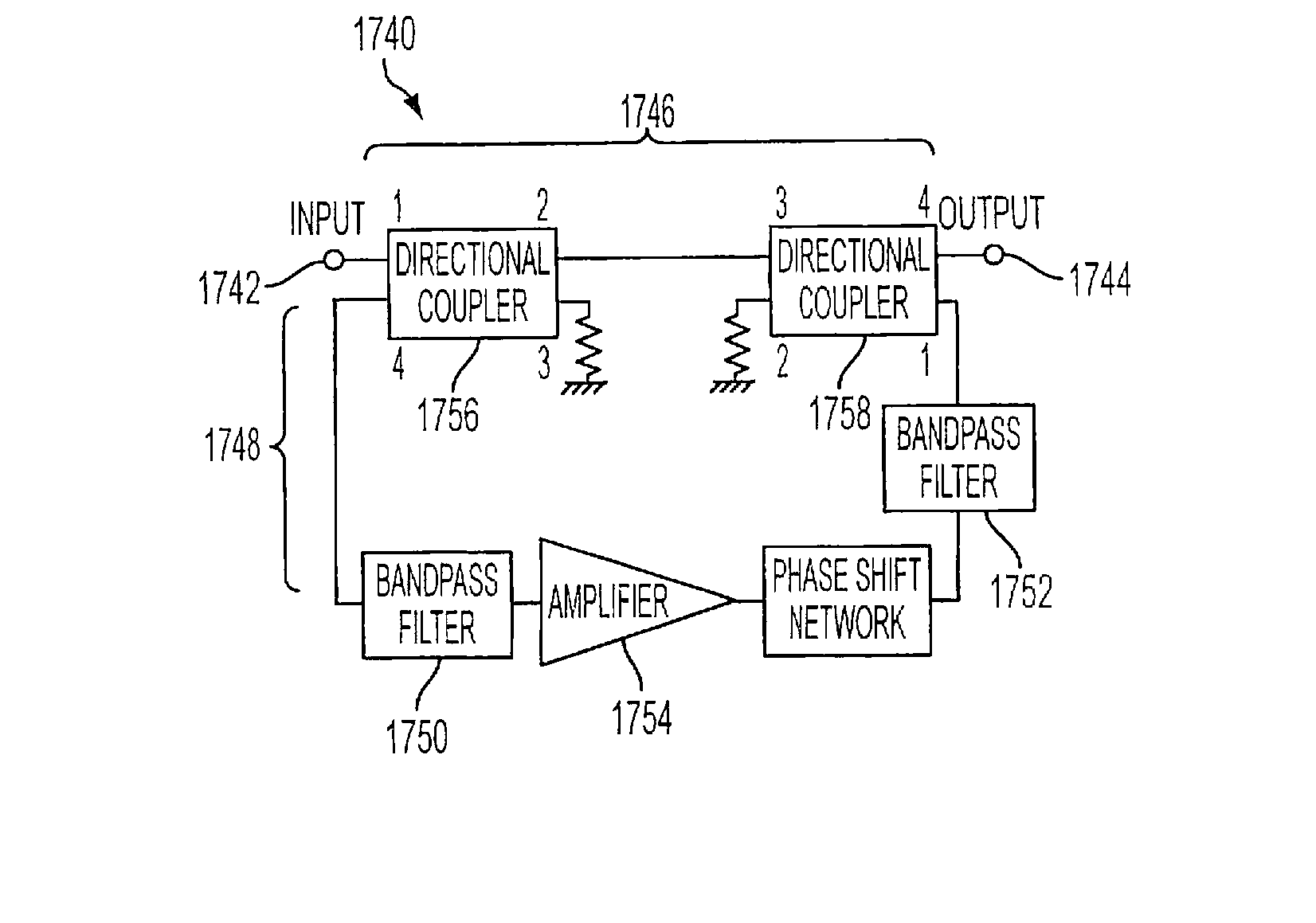
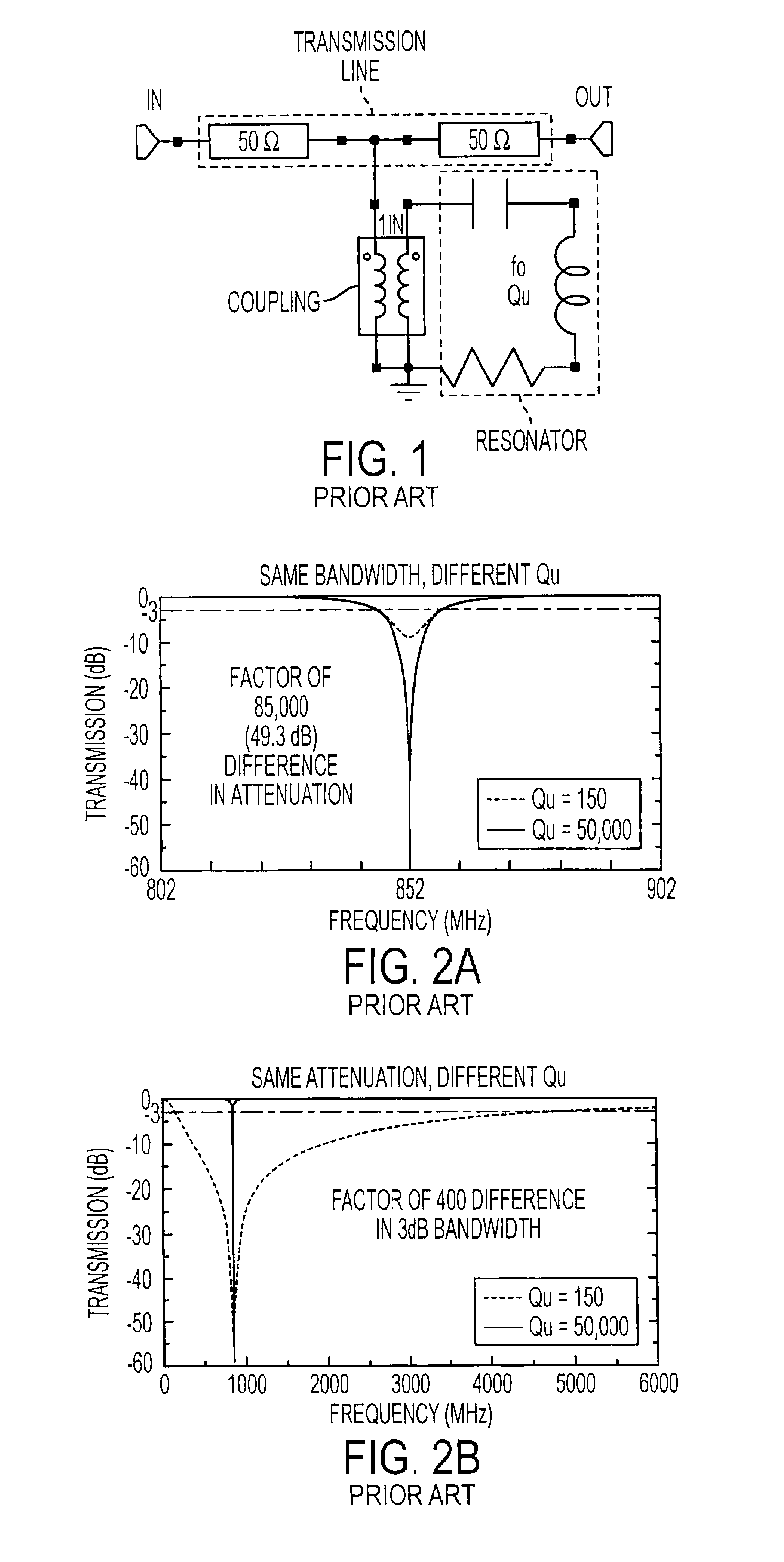
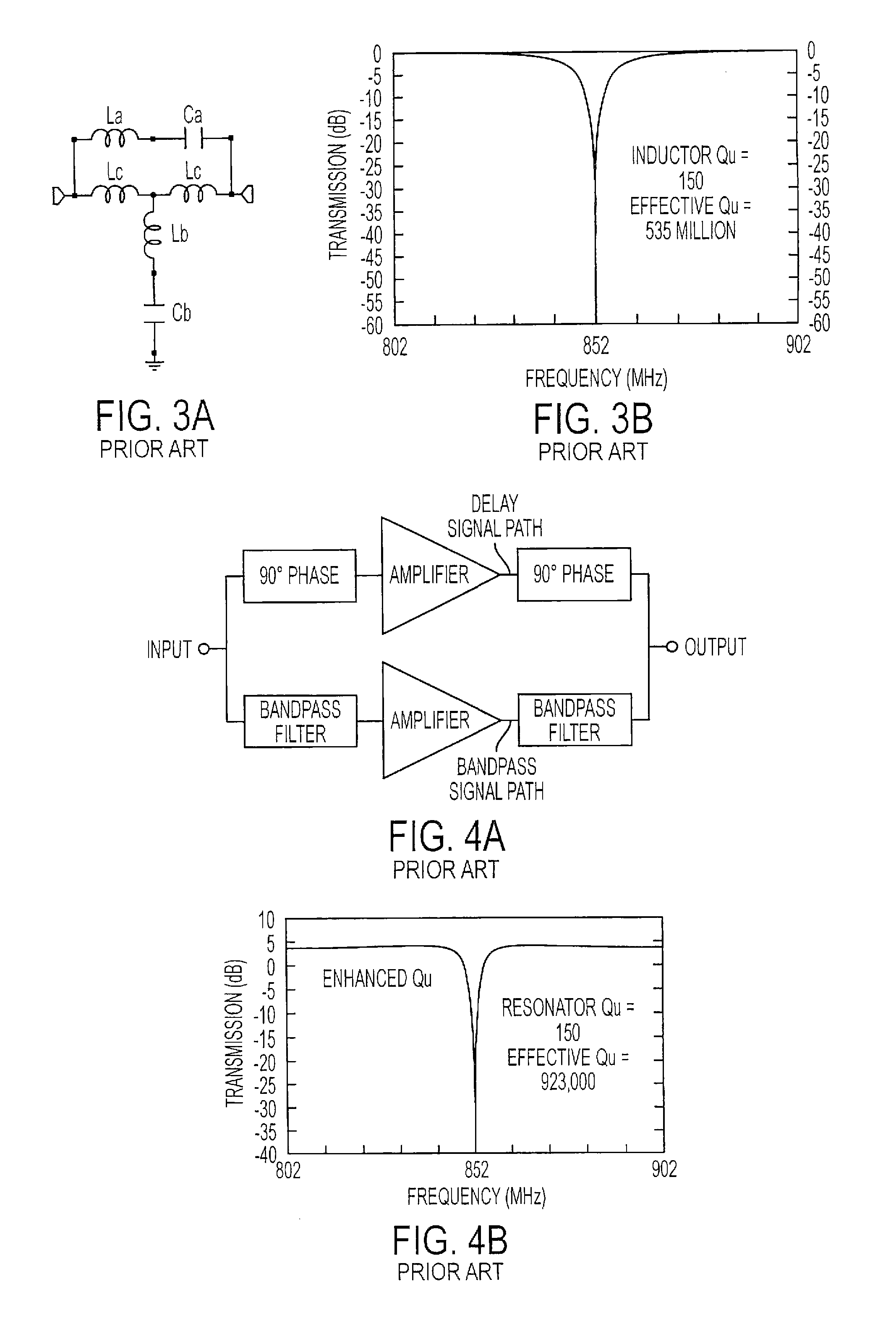
Narrow-band absorptive bandstop filter with multiple signal paths
PatentInactiveUS7323955B2
Innovation
- The development of an absorptive bandstop filter with frequency-dependent networks that provide independent stopband bandwidth and attenuation characteristics, allowing for tunability and reduced reflection, enabling infinite attenuation and low distortion across a broad frequency range without relying on high Qu resonators.

Grid Code Standards for Harmonic Filter Performance
Grid code standards serve as the fundamental regulatory framework governing harmonic filter performance in modern power systems. These standards establish mandatory technical requirements that utilities, independent power producers, and industrial consumers must adhere to when implementing notch filters and other harmonic mitigation technologies. The primary objective is to maintain power quality within acceptable limits while ensuring grid stability and equipment protection across interconnected networks.
International standards organizations have developed comprehensive guidelines that define permissible harmonic distortion levels and filter performance criteria. IEEE 519 remains the cornerstone standard in North America, specifying total harmonic distortion limits and individual harmonic current injection thresholds based on system voltage levels and short-circuit ratios. The standard establishes point-of-common-coupling requirements that directly influence notch filter design parameters and performance specifications.
European grid codes, particularly EN 50160 and IEC 61000 series, provide complementary frameworks emphasizing voltage quality and electromagnetic compatibility. These standards define harmonic voltage distortion limits at different voltage levels, ranging from low-voltage distribution networks to high-voltage transmission systems. The standards also specify measurement methodologies and assessment periods that utilities must employ when evaluating filter effectiveness.
Regional grid codes have evolved to address specific network characteristics and operational requirements. For instance, the European Network of Transmission System Operators has developed harmonized connection codes that mandate specific harmonic performance criteria for grid-connected equipment. These codes require detailed harmonic studies and filter performance validation before equipment commissioning, ensuring compliance with established distortion limits.
Compliance verification procedures outlined in grid codes typically require comprehensive testing protocols and continuous monitoring systems. Standards specify measurement equipment accuracy, data recording intervals, and statistical analysis methods for assessing long-term filter performance. Many jurisdictions now mandate real-time harmonic monitoring systems that can automatically detect filter degradation and trigger corrective actions when performance deviates from specified limits.
Recent grid code revisions have incorporated stricter requirements for renewable energy integration and power electronic equipment, recognizing their potential impact on harmonic distortion levels. These updates emphasize dynamic filter response capabilities and adaptive control systems that can maintain performance across varying operating conditions while meeting evolving grid stability requirements.
International standards organizations have developed comprehensive guidelines that define permissible harmonic distortion levels and filter performance criteria. IEEE 519 remains the cornerstone standard in North America, specifying total harmonic distortion limits and individual harmonic current injection thresholds based on system voltage levels and short-circuit ratios. The standard establishes point-of-common-coupling requirements that directly influence notch filter design parameters and performance specifications.
European grid codes, particularly EN 50160 and IEC 61000 series, provide complementary frameworks emphasizing voltage quality and electromagnetic compatibility. These standards define harmonic voltage distortion limits at different voltage levels, ranging from low-voltage distribution networks to high-voltage transmission systems. The standards also specify measurement methodologies and assessment periods that utilities must employ when evaluating filter effectiveness.
Regional grid codes have evolved to address specific network characteristics and operational requirements. For instance, the European Network of Transmission System Operators has developed harmonized connection codes that mandate specific harmonic performance criteria for grid-connected equipment. These codes require detailed harmonic studies and filter performance validation before equipment commissioning, ensuring compliance with established distortion limits.
Compliance verification procedures outlined in grid codes typically require comprehensive testing protocols and continuous monitoring systems. Standards specify measurement equipment accuracy, data recording intervals, and statistical analysis methods for assessing long-term filter performance. Many jurisdictions now mandate real-time harmonic monitoring systems that can automatically detect filter degradation and trigger corrective actions when performance deviates from specified limits.
Recent grid code revisions have incorporated stricter requirements for renewable energy integration and power electronic equipment, recognizing their potential impact on harmonic distortion levels. These updates emphasize dynamic filter response capabilities and adaptive control systems that can maintain performance across varying operating conditions while meeting evolving grid stability requirements.
Environmental Impact of Power Quality Enhancement
The implementation of notch filters in power grid systems presents significant environmental implications that extend beyond immediate power quality improvements. These specialized filtering devices contribute to environmental sustainability through multiple pathways, fundamentally altering the ecological footprint of electrical power distribution networks.
Energy efficiency enhancement represents the primary environmental benefit of notch filter deployment. By eliminating specific harmonic frequencies that cause power losses in transmission lines and electrical equipment, these filters reduce overall energy consumption across the grid infrastructure. Studies indicate that effective harmonic mitigation can decrease system losses by 3-8%, translating to substantial reductions in fossil fuel consumption at generation facilities and corresponding decreases in carbon dioxide emissions.
The reduction of electromagnetic interference through notch filtering creates cascading environmental benefits. Cleaner power signals minimize the need for oversized electrical equipment and reduce the frequency of premature component failures. This extended equipment lifespan directly correlates with reduced manufacturing demands, lower material consumption, and decreased electronic waste generation. Additionally, improved power quality reduces the necessity for backup power systems and redundant infrastructure.
Notch filters contribute to grid stability enhancement, enabling more efficient integration of renewable energy sources. By maintaining power quality standards during variable renewable generation periods, these filters facilitate higher penetration rates of solar and wind power systems. This improved renewable integration capability accelerates the transition away from carbon-intensive generation methods, supporting long-term decarbonization objectives.
The manufacturing and deployment of notch filter systems do present certain environmental considerations. Production processes require rare earth materials and specialized manufacturing techniques that generate industrial emissions. However, lifecycle assessments consistently demonstrate that operational environmental benefits significantly outweigh manufacturing impacts within 2-4 years of deployment.
Regional environmental impacts vary based on local grid characteristics and energy generation portfolios. Areas with high renewable penetration experience amplified environmental benefits, while regions dependent on coal-fired generation see more modest improvements. The cumulative effect of widespread notch filter adoption supports broader environmental policy objectives and climate change mitigation strategies.
Energy efficiency enhancement represents the primary environmental benefit of notch filter deployment. By eliminating specific harmonic frequencies that cause power losses in transmission lines and electrical equipment, these filters reduce overall energy consumption across the grid infrastructure. Studies indicate that effective harmonic mitigation can decrease system losses by 3-8%, translating to substantial reductions in fossil fuel consumption at generation facilities and corresponding decreases in carbon dioxide emissions.
The reduction of electromagnetic interference through notch filtering creates cascading environmental benefits. Cleaner power signals minimize the need for oversized electrical equipment and reduce the frequency of premature component failures. This extended equipment lifespan directly correlates with reduced manufacturing demands, lower material consumption, and decreased electronic waste generation. Additionally, improved power quality reduces the necessity for backup power systems and redundant infrastructure.
Notch filters contribute to grid stability enhancement, enabling more efficient integration of renewable energy sources. By maintaining power quality standards during variable renewable generation periods, these filters facilitate higher penetration rates of solar and wind power systems. This improved renewable integration capability accelerates the transition away from carbon-intensive generation methods, supporting long-term decarbonization objectives.
The manufacturing and deployment of notch filter systems do present certain environmental considerations. Production processes require rare earth materials and specialized manufacturing techniques that generate industrial emissions. However, lifecycle assessments consistently demonstrate that operational environmental benefits significantly outweigh manufacturing impacts within 2-4 years of deployment.
Regional environmental impacts vary based on local grid characteristics and energy generation portfolios. Areas with high renewable penetration experience amplified environmental benefits, while regions dependent on coal-fired generation see more modest improvements. The cumulative effect of widespread notch filter adoption supports broader environmental policy objectives and climate change mitigation strategies.
Unlock deeper insights with PatSnap Eureka Quick Research — get a full tech report to explore trends and direct your research. Try now!
Generate Your Research Report Instantly with AI Agent
Supercharge your innovation with PatSnap Eureka AI Agent Platform!