
Atomic Layer Deposition For Nanostructure Coating: Uniformity And Stability
MAY 13, 20269 MIN READ
Generate Your Research Report Instantly with AI Agent
Patsnap Eureka helps you evaluate technical feasibility & market potential.
ALD Nanocoating Technology Background and Objectives
Atomic Layer Deposition (ALD) has emerged as a pivotal thin-film deposition technique since its inception in the 1970s, originally developed by Tuomo Suntola for manufacturing electroluminescent displays. The technology has undergone significant evolution from its initial applications in microelectronics to becoming an indispensable tool for nanostructure coating across diverse industries including semiconductors, energy storage, catalysis, and biomedical devices.
The fundamental principle of ALD relies on sequential, self-limiting surface reactions that enable atomic-scale control over film thickness and composition. This unique characteristic positions ALD as the premier solution for achieving unprecedented uniformity and conformality in nanostructure coatings, addressing critical challenges that conventional deposition methods cannot adequately resolve.
The technological evolution of ALD has been driven by the relentless miniaturization demands in semiconductor manufacturing, where feature sizes have shrunk below 10 nanometers. Traditional physical and chemical vapor deposition techniques struggle to provide adequate step coverage and thickness uniformity at these scales, creating a technological gap that ALD uniquely fills through its layer-by-layer growth mechanism.
Current market drivers for ALD nanocoating technology stem from the exponential growth in applications requiring precise nanoscale control. The semiconductor industry continues to push Moore's Law boundaries, demanding conformal coatings for three-dimensional transistor architectures and advanced memory devices. Simultaneously, emerging applications in flexible electronics, quantum devices, and nanostructured energy systems require coating solutions that maintain structural integrity and performance at the nanoscale.
The primary objective of advancing ALD nanocoating technology centers on achieving superior uniformity across complex three-dimensional nanostructures while maintaining long-term stability under operational conditions. This encompasses developing precursor chemistry that enables complete surface saturation, optimizing process parameters for enhanced conformality, and establishing coating compositions that resist degradation mechanisms such as oxidation, diffusion, and mechanical stress.
Secondary objectives include expanding the material palette available for ALD processes, reducing processing temperatures to enable coating of temperature-sensitive substrates, and improving throughput to make the technology economically viable for large-scale manufacturing applications while preserving the atomic-level precision that defines ALD's competitive advantage.
The fundamental principle of ALD relies on sequential, self-limiting surface reactions that enable atomic-scale control over film thickness and composition. This unique characteristic positions ALD as the premier solution for achieving unprecedented uniformity and conformality in nanostructure coatings, addressing critical challenges that conventional deposition methods cannot adequately resolve.
The technological evolution of ALD has been driven by the relentless miniaturization demands in semiconductor manufacturing, where feature sizes have shrunk below 10 nanometers. Traditional physical and chemical vapor deposition techniques struggle to provide adequate step coverage and thickness uniformity at these scales, creating a technological gap that ALD uniquely fills through its layer-by-layer growth mechanism.
Current market drivers for ALD nanocoating technology stem from the exponential growth in applications requiring precise nanoscale control. The semiconductor industry continues to push Moore's Law boundaries, demanding conformal coatings for three-dimensional transistor architectures and advanced memory devices. Simultaneously, emerging applications in flexible electronics, quantum devices, and nanostructured energy systems require coating solutions that maintain structural integrity and performance at the nanoscale.
The primary objective of advancing ALD nanocoating technology centers on achieving superior uniformity across complex three-dimensional nanostructures while maintaining long-term stability under operational conditions. This encompasses developing precursor chemistry that enables complete surface saturation, optimizing process parameters for enhanced conformality, and establishing coating compositions that resist degradation mechanisms such as oxidation, diffusion, and mechanical stress.
Secondary objectives include expanding the material palette available for ALD processes, reducing processing temperatures to enable coating of temperature-sensitive substrates, and improving throughput to make the technology economically viable for large-scale manufacturing applications while preserving the atomic-level precision that defines ALD's competitive advantage.
Market Demand for Uniform Nanostructure Coatings
The semiconductor industry represents the largest and most demanding market segment for uniform nanostructure coatings achieved through atomic layer deposition. Advanced semiconductor devices require precise control over thin film properties at the nanoscale, where even minor variations in coating uniformity can significantly impact device performance and yield. The continuous miniaturization of transistors and the development of three-dimensional device architectures have intensified the need for conformal coatings that maintain consistent thickness and composition across complex topographies.
Photovoltaic applications constitute another rapidly expanding market driving demand for uniform ALD coatings. Solar cell manufacturers increasingly rely on precisely controlled thin films for passivation layers, transparent conductive oxides, and barrier coatings. The efficiency of photovoltaic devices directly correlates with the uniformity of these functional layers, making ALD an essential technology for next-generation solar panels seeking higher conversion efficiencies and improved durability.
The biomedical device sector presents substantial growth opportunities for uniform nanostructure coatings. Medical implants, drug delivery systems, and diagnostic devices require biocompatible coatings with exceptional uniformity to ensure consistent performance and safety. The ability of ALD to provide conformal coverage on complex geometries makes it particularly valuable for coating intricate medical device surfaces where traditional coating methods fail to achieve adequate uniformity.
Energy storage applications, particularly in battery and supercapacitor technologies, increasingly demand uniform nanostructure coatings to enhance performance and longevity. Electrode materials benefit from precisely controlled surface modifications that improve ion transport and prevent degradation. The growing electric vehicle market and grid-scale energy storage requirements are driving substantial investments in advanced coating technologies.
Optical and photonic applications represent an emerging market segment where coating uniformity directly impacts device functionality. Anti-reflective coatings, optical filters, and photonic crystals require exceptional thickness control and uniformity to achieve desired optical properties. The expanding telecommunications infrastructure and consumer electronics markets continue to fuel demand for high-performance optical coatings.
The aerospace and defense industries require uniform nanostructure coatings for protective applications where reliability and performance consistency are critical. These sectors value the superior conformality and precision that ALD provides for coating complex components operating under extreme conditions.
Photovoltaic applications constitute another rapidly expanding market driving demand for uniform ALD coatings. Solar cell manufacturers increasingly rely on precisely controlled thin films for passivation layers, transparent conductive oxides, and barrier coatings. The efficiency of photovoltaic devices directly correlates with the uniformity of these functional layers, making ALD an essential technology for next-generation solar panels seeking higher conversion efficiencies and improved durability.
The biomedical device sector presents substantial growth opportunities for uniform nanostructure coatings. Medical implants, drug delivery systems, and diagnostic devices require biocompatible coatings with exceptional uniformity to ensure consistent performance and safety. The ability of ALD to provide conformal coverage on complex geometries makes it particularly valuable for coating intricate medical device surfaces where traditional coating methods fail to achieve adequate uniformity.
Energy storage applications, particularly in battery and supercapacitor technologies, increasingly demand uniform nanostructure coatings to enhance performance and longevity. Electrode materials benefit from precisely controlled surface modifications that improve ion transport and prevent degradation. The growing electric vehicle market and grid-scale energy storage requirements are driving substantial investments in advanced coating technologies.
Optical and photonic applications represent an emerging market segment where coating uniformity directly impacts device functionality. Anti-reflective coatings, optical filters, and photonic crystals require exceptional thickness control and uniformity to achieve desired optical properties. The expanding telecommunications infrastructure and consumer electronics markets continue to fuel demand for high-performance optical coatings.
The aerospace and defense industries require uniform nanostructure coatings for protective applications where reliability and performance consistency are critical. These sectors value the superior conformality and precision that ALD provides for coating complex components operating under extreme conditions.
Current ALD Uniformity and Stability Challenges
Atomic Layer Deposition faces significant uniformity challenges across multiple dimensional scales, from wafer-level to feature-level coating consistency. Large-area substrates often exhibit thickness variations exceeding 5% due to non-uniform precursor distribution, temperature gradients, and reactor design limitations. These variations become particularly pronounced in batch processing systems where substrate positioning and gas flow dynamics create localized deposition rate differences.
Temperature uniformity represents a critical bottleneck in ALD processes, as even minor thermal variations of 2-3°C can result in substantial growth rate disparities. Substrate heating systems frequently generate hot spots and cold zones, leading to non-uniform nucleation densities and growth kinetics. This thermal non-uniformity becomes more severe in large-scale production environments where maintaining precise temperature control across entire substrate surfaces proves technically challenging.
Precursor delivery systems introduce additional uniformity complications through inadequate mixing, insufficient purging times, and reactor geometry constraints. Gas flow patterns often create preferential deposition zones, particularly in high-aspect-ratio structures where precursor penetration becomes diffusion-limited. Sequential precursor exposure timing variations further exacerbate these issues, resulting in incomplete surface reactions and non-stoichiometric film compositions.
Stability challenges manifest primarily through film degradation mechanisms including oxidation, crystallization, and interfacial reactions with underlying substrates. Many ALD-deposited materials exhibit poor thermal stability, undergoing phase transitions or compositional changes when exposed to elevated temperatures during subsequent processing steps. This instability particularly affects ultra-thin films where interfacial effects dominate bulk properties.
Long-term stability issues emerge from intrinsic stress development within deposited films, leading to delamination, cracking, or morphological changes over extended periods. Environmental factors such as humidity, atmospheric exposure, and chemical compatibility with adjacent materials significantly impact coating longevity. These stability concerns become critical in applications requiring extended operational lifetimes or exposure to harsh environmental conditions.
Process reproducibility remains problematic due to reactor conditioning effects, precursor aging, and equipment drift over time. Chamber contamination from previous depositions can alter surface chemistry and nucleation behavior, while precursor decomposition products accumulate on reactor walls, affecting subsequent deposition cycles. These factors collectively contribute to batch-to-batch variations that compromise manufacturing consistency and yield optimization efforts.
Temperature uniformity represents a critical bottleneck in ALD processes, as even minor thermal variations of 2-3°C can result in substantial growth rate disparities. Substrate heating systems frequently generate hot spots and cold zones, leading to non-uniform nucleation densities and growth kinetics. This thermal non-uniformity becomes more severe in large-scale production environments where maintaining precise temperature control across entire substrate surfaces proves technically challenging.
Precursor delivery systems introduce additional uniformity complications through inadequate mixing, insufficient purging times, and reactor geometry constraints. Gas flow patterns often create preferential deposition zones, particularly in high-aspect-ratio structures where precursor penetration becomes diffusion-limited. Sequential precursor exposure timing variations further exacerbate these issues, resulting in incomplete surface reactions and non-stoichiometric film compositions.
Stability challenges manifest primarily through film degradation mechanisms including oxidation, crystallization, and interfacial reactions with underlying substrates. Many ALD-deposited materials exhibit poor thermal stability, undergoing phase transitions or compositional changes when exposed to elevated temperatures during subsequent processing steps. This instability particularly affects ultra-thin films where interfacial effects dominate bulk properties.
Long-term stability issues emerge from intrinsic stress development within deposited films, leading to delamination, cracking, or morphological changes over extended periods. Environmental factors such as humidity, atmospheric exposure, and chemical compatibility with adjacent materials significantly impact coating longevity. These stability concerns become critical in applications requiring extended operational lifetimes or exposure to harsh environmental conditions.
Process reproducibility remains problematic due to reactor conditioning effects, precursor aging, and equipment drift over time. Chamber contamination from previous depositions can alter surface chemistry and nucleation behavior, while precursor decomposition products accumulate on reactor walls, affecting subsequent deposition cycles. These factors collectively contribute to batch-to-batch variations that compromise manufacturing consistency and yield optimization efforts.
Existing ALD Solutions for Nanostructure Applications
01 Temperature control and thermal uniformity in ALD processes
Maintaining precise temperature control across the substrate surface is critical for achieving uniform atomic layer deposition. Temperature variations can lead to non-uniform growth rates and film thickness variations. Advanced heating systems and thermal management techniques are employed to ensure consistent temperature distribution during the deposition process, which directly impacts the uniformity and quality of the deposited films.- Temperature control and thermal uniformity in ALD processes: Maintaining precise temperature control and thermal uniformity across the substrate surface is critical for achieving uniform atomic layer deposition. Temperature variations can lead to non-uniform growth rates and film thickness variations. Advanced heating systems and temperature monitoring techniques are employed to ensure consistent thermal conditions throughout the deposition chamber, enabling better control over film properties and thickness uniformity.
- Precursor delivery and gas flow optimization: Uniform precursor delivery and optimized gas flow patterns are essential for achieving consistent atomic layer deposition across large substrate areas. Proper gas distribution systems, flow controllers, and chamber design help ensure that precursors reach all areas of the substrate uniformly. This includes managing gas residence time, flow velocities, and pressure distributions to minimize thickness variations and improve overall deposition uniformity.
- Substrate positioning and rotation mechanisms: Precise substrate positioning and rotation systems play a crucial role in achieving uniform atomic layer deposition. These mechanisms ensure that all areas of the substrate receive equal exposure to precursors and reaction conditions. Advanced positioning systems can compensate for chamber geometry effects and help maintain consistent deposition rates across the entire substrate surface, particularly important for large-area applications.
- Process parameter monitoring and control systems: Real-time monitoring and control of critical process parameters such as pressure, flow rates, and timing sequences are vital for maintaining ALD stability and uniformity. Advanced control systems use feedback mechanisms to adjust process conditions dynamically, ensuring consistent film quality and thickness. These systems help detect and correct deviations in real-time, preventing defects and maintaining process repeatability.
- Chamber design and surface treatment for stability: Optimized chamber design and proper surface treatments of reactor components are fundamental for achieving long-term ALD process stability. This includes selecting appropriate materials for chamber walls, implementing effective cleaning procedures, and designing chamber geometries that promote uniform gas distribution. Surface conditioning and passivation techniques help prevent unwanted reactions and maintain consistent process conditions over extended operation periods.
02 Precursor delivery and gas flow optimization
Uniform precursor distribution and optimized gas flow patterns are essential for achieving consistent film deposition across large substrate areas. Proper design of gas delivery systems, including showerhead configurations and flow dynamics, ensures that precursors reach all areas of the substrate uniformly. This includes managing precursor pulse timing, purge cycles, and maintaining stable gas flow rates throughout the deposition process.Expand Specific Solutions03 Substrate positioning and rotation mechanisms
Precise substrate positioning and rotation systems help compensate for inherent non-uniformities in the deposition chamber. Rotating or moving substrates during deposition can average out local variations in precursor concentration and temperature, leading to improved thickness uniformity. Advanced substrate handling systems incorporate multiple degrees of freedom to optimize film uniformity across different substrate sizes and geometries.Expand Specific Solutions04 Chamber design and reactor geometry optimization
The physical design of the deposition chamber significantly impacts uniformity and stability. Optimized reactor geometries, including chamber dimensions, gas inlet and outlet positioning, and internal surface treatments, contribute to uniform precursor distribution and stable process conditions. Advanced chamber designs incorporate features to minimize dead volumes, reduce particle generation, and maintain consistent process conditions across the substrate surface.Expand Specific Solutions05 Process monitoring and real-time control systems
Advanced monitoring and control systems enable real-time adjustment of process parameters to maintain uniformity and stability. These systems track critical parameters such as film thickness, deposition rate, and process conditions across multiple points on the substrate. Feedback control mechanisms automatically adjust process variables to compensate for drift and maintain consistent deposition characteristics throughout extended production runs.Expand Specific Solutions
Key Players in ALD Equipment and Materials Industry
The atomic layer deposition (ALD) for nanostructure coating market is experiencing significant growth driven by increasing demand for precise thin-film applications in semiconductors, electronics, and emerging technologies. The industry is in a mature development stage with established players like Lam Research Corp., Corning Inc., and IBM leading technological advancement alongside specialized ALD equipment manufacturers such as Picosun Oy, Sundew Technologies LLC, and SUPERALD LLC. Technology maturity varies across applications, with semiconductor processing showing high maturity through companies like Advanced Micro Fabrication Equipment Inc. China and Mattson Technology Inc., while emerging applications in biotechnology and industrial coatings remain in development phases. Research institutions including Huazhong University of Science & Technology, Harvard College, and Technical University of Berlin continue advancing fundamental ALD science, particularly focusing on uniformity and stability challenges. The competitive landscape demonstrates strong collaboration between equipment manufacturers, material suppliers like 3M Innovative Properties Co., and research organizations, indicating a robust ecosystem supporting continued innovation in precision nanostructure coating applications across multiple high-tech sectors.
Lam Research Corp.
Technical Solution: Lam Research has developed advanced ALD systems with enhanced precursor delivery mechanisms and optimized chamber designs for nanostructure coating applications. Their technology focuses on achieving exceptional uniformity through precise temperature control, optimized gas flow dynamics, and advanced plasma-enhanced ALD processes. The company's solutions incorporate real-time monitoring systems that ensure consistent layer thickness across complex 3D nanostructures, with uniformity variations typically below 2% across 300mm wafers. Their ALD systems feature multi-zone heating capabilities and sophisticated precursor management systems that maintain stable deposition conditions throughout extended processing cycles, ensuring both uniformity and long-term stability of the deposited films.
Strengths: Industry-leading uniformity control, robust equipment design, extensive process optimization capabilities. Weaknesses: High equipment costs, complex maintenance requirements, limited flexibility for research applications.
Picosun Oy
Technical Solution: Picosun specializes in thermal and plasma-enhanced ALD systems specifically designed for nanostructure coating applications. Their PICOPLATFORM series offers exceptional conformality and uniformity for complex 3D structures through optimized reactor designs and precise process control algorithms. The company's technology emphasizes low-temperature processing capabilities, enabling coating of temperature-sensitive nanostructures while maintaining excellent film quality and stability. Their systems incorporate advanced precursor chemistry and delivery systems that ensure uniform coverage even in high-aspect-ratio structures, with demonstrated thickness uniformity better than 1.5% on nanostructured surfaces. The stability of their ALD processes is enhanced through proprietary chamber conditioning protocols and real-time process monitoring systems.
Strengths: Excellent conformality on complex geometries, low-temperature processing capabilities, specialized nanostructure expertise. Weaknesses: Limited market presence compared to larger competitors, smaller product portfolio, higher per-unit costs.
Core Innovations in ALD Uniformity and Stability Control
Atomic layer deposition derived protective coatings for calcium fluoride optical components
PatentPendingUS20250369105A1
Innovation
- The use of atomic layer deposition (ALD) processes to apply conformal coatings, such as magnesium fluoride (MgF2) coatings, directly onto calcium fluoride surfaces, enabling simultaneous coating of all surfaces in a single deposition run, with thicknesses ranging from a few nanometers to less than 50 nm, and reduces mechanical stability issues, and improves product yield and reduces mechanical and thermal damage.


Atomic layer deposition powder coating
PatentInactiveUS20110200822A1
Innovation
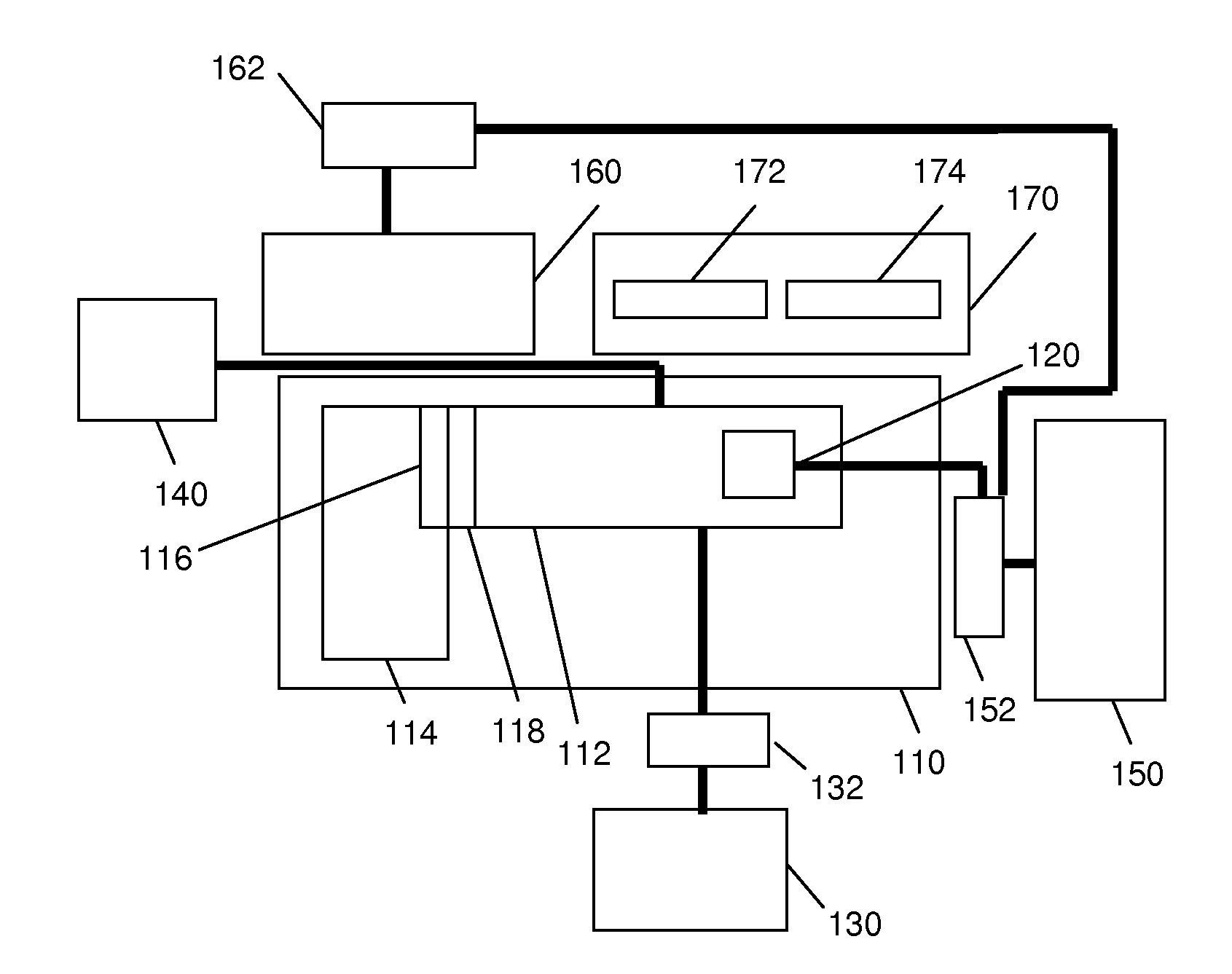
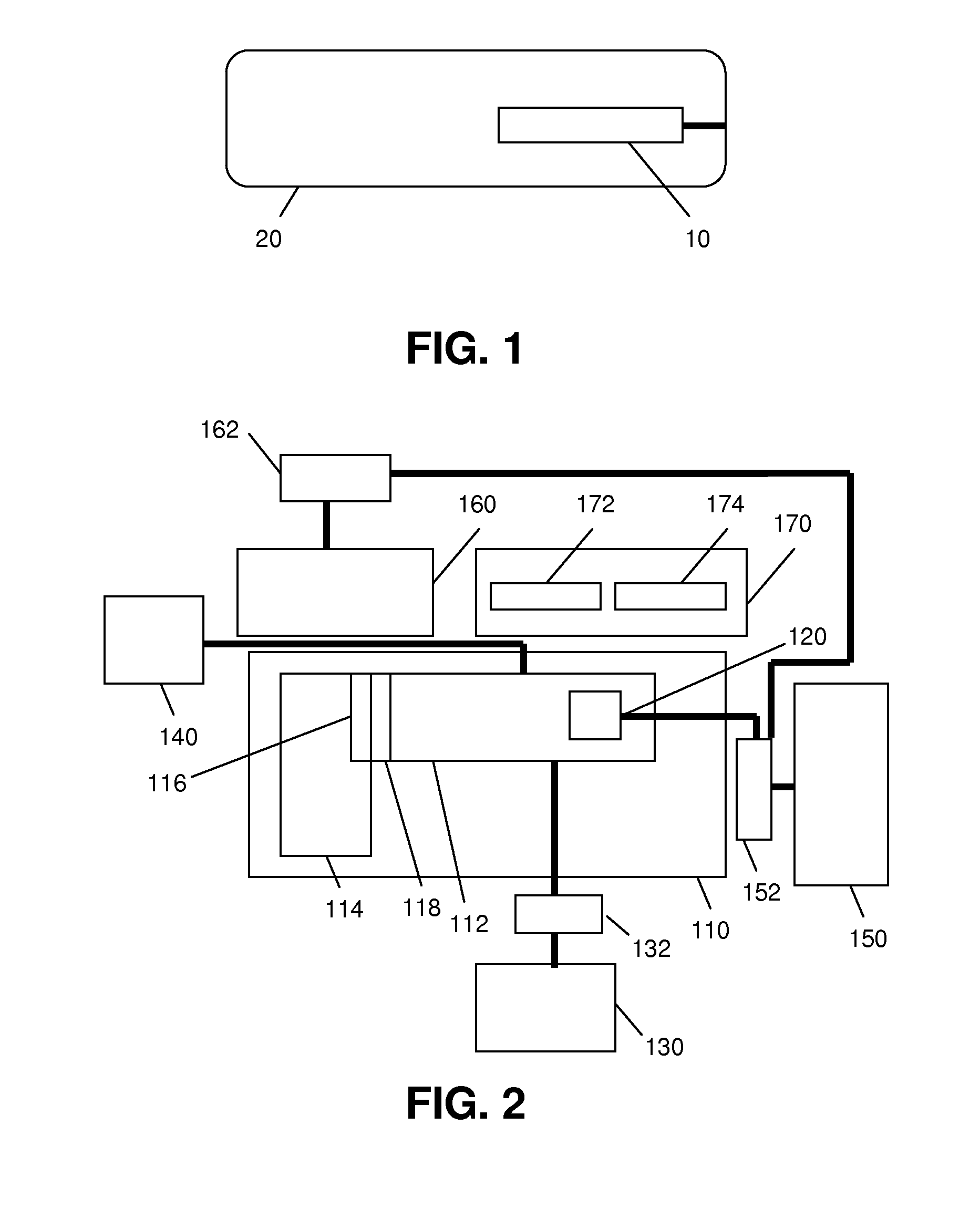
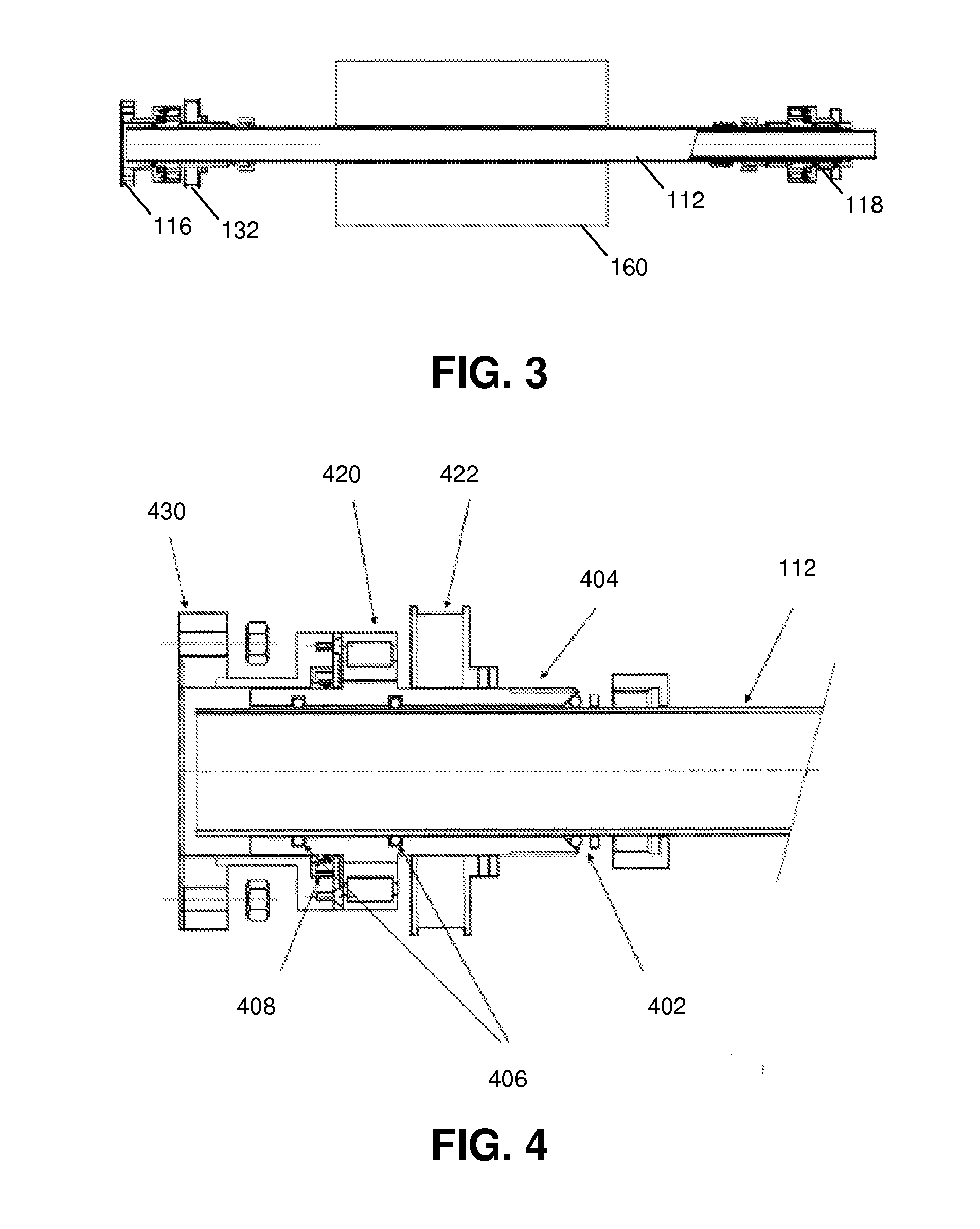
- A system comprising a rotatable dielectric tube under vacuum with mechanical agitation and RF plasma enhancement, allowing for conformal coating of small objects by decoupling gas flow and pressure, enabling efficient plasma-enhanced deposition with precise control of temperature and precursor distribution.

Environmental and Safety Regulations for ALD Processes
The environmental and safety regulatory landscape for Atomic Layer Deposition processes has become increasingly stringent as the technology scales from laboratory research to industrial manufacturing. Regulatory frameworks primarily focus on chemical handling, emission control, and workplace safety standards that directly impact ALD implementation for nanostructure coating applications.
Chemical precursor management represents the most critical regulatory aspect of ALD operations. Many ALD precursors, including trimethylaluminum, titanium tetrachloride, and various metal-organic compounds, are classified as hazardous materials under international chemical safety standards. The Registration, Evaluation, Authorization and Restriction of Chemicals regulation in Europe and the Toxic Substances Control Act in the United States mandate comprehensive documentation of precursor usage, storage protocols, and disposal procedures.
Emission control regulations significantly influence ALD system design and operation parameters. Volatile organic compound emissions from precursor delivery systems and reaction byproducts must comply with local air quality standards. The implementation of advanced scrubbing systems and thermal oxidizers has become mandatory in many jurisdictions, particularly for high-volume manufacturing facilities processing large substrate areas.
Workplace exposure limits for ALD-related chemicals are governed by occupational safety and health administrations globally. Time-weighted average exposure limits and short-term exposure limits have been established for common precursors, requiring sophisticated ventilation systems and personal protective equipment protocols. These regulations directly impact facility design costs and operational procedures for nanostructure coating production lines.
Environmental impact assessments are increasingly required for new ALD facilities, particularly those targeting semiconductor and advanced materials manufacturing. These assessments evaluate potential groundwater contamination, soil impact, and long-term environmental effects of chemical storage and waste generation. Compliance often necessitates implementation of secondary containment systems and groundwater monitoring programs.
Waste management regulations for ALD processes encompass both solid and liquid waste streams generated during coating operations. Spent precursor containers, contaminated substrates, and cleaning solvents require specialized disposal methods that comply with hazardous waste transportation and treatment regulations. The development of closed-loop precursor recovery systems has emerged as both an environmental compliance strategy and cost reduction measure for large-scale nanostructure coating operations.
Chemical precursor management represents the most critical regulatory aspect of ALD operations. Many ALD precursors, including trimethylaluminum, titanium tetrachloride, and various metal-organic compounds, are classified as hazardous materials under international chemical safety standards. The Registration, Evaluation, Authorization and Restriction of Chemicals regulation in Europe and the Toxic Substances Control Act in the United States mandate comprehensive documentation of precursor usage, storage protocols, and disposal procedures.
Emission control regulations significantly influence ALD system design and operation parameters. Volatile organic compound emissions from precursor delivery systems and reaction byproducts must comply with local air quality standards. The implementation of advanced scrubbing systems and thermal oxidizers has become mandatory in many jurisdictions, particularly for high-volume manufacturing facilities processing large substrate areas.
Workplace exposure limits for ALD-related chemicals are governed by occupational safety and health administrations globally. Time-weighted average exposure limits and short-term exposure limits have been established for common precursors, requiring sophisticated ventilation systems and personal protective equipment protocols. These regulations directly impact facility design costs and operational procedures for nanostructure coating production lines.
Environmental impact assessments are increasingly required for new ALD facilities, particularly those targeting semiconductor and advanced materials manufacturing. These assessments evaluate potential groundwater contamination, soil impact, and long-term environmental effects of chemical storage and waste generation. Compliance often necessitates implementation of secondary containment systems and groundwater monitoring programs.
Waste management regulations for ALD processes encompass both solid and liquid waste streams generated during coating operations. Spent precursor containers, contaminated substrates, and cleaning solvents require specialized disposal methods that comply with hazardous waste transportation and treatment regulations. The development of closed-loop precursor recovery systems has emerged as both an environmental compliance strategy and cost reduction measure for large-scale nanostructure coating operations.
Quality Control Standards for ALD Nanocoating Applications
Quality control standards for ALD nanocoating applications represent a critical framework ensuring consistent performance and reliability across diverse industrial implementations. These standards encompass comprehensive measurement protocols, acceptance criteria, and validation procedures specifically tailored to address the unique challenges of atomic layer deposition processes at nanoscale dimensions.
Thickness uniformity standards constitute the primary quality metric, typically requiring less than 2% variation across substrate surfaces for critical applications. Advanced metrology techniques including spectroscopic ellipsometry, X-ray reflectometry, and transmission electron microscopy serve as standard measurement methods. Industry specifications commonly demand sub-angstrom precision in thickness control, with real-time monitoring capabilities to detect deviations during deposition cycles.
Surface morphology and roughness parameters form another essential quality dimension, with atomic force microscopy serving as the primary characterization tool. Standards typically specify root mean square roughness values below 0.5 nm for high-performance applications, ensuring optimal interface properties and subsequent processing compatibility.
Chemical composition verification protocols mandate comprehensive elemental analysis through techniques such as X-ray photoelectron spectroscopy and secondary ion mass spectrometry. Acceptable impurity levels are typically defined below 1 atomic percent for most applications, with stricter requirements for semiconductor and optical devices.
Adhesion strength testing follows standardized procedures including tape tests, scratch tests, and thermal cycling protocols. Minimum adhesion values are application-specific, ranging from 10 MPa for protective coatings to over 50 MPa for structural applications.
Environmental stability requirements encompass temperature cycling, humidity exposure, and chemical resistance testing. Standards typically mandate performance retention after 1000 thermal cycles between operating temperature extremes, with less than 5% degradation in key properties.
Process repeatability standards require statistical process control implementation, with capability indices exceeding 1.33 for critical parameters. Documentation protocols mandate comprehensive traceability records, including precursor purity certificates, chamber condition logs, and post-deposition characterization data for each production batch.
Thickness uniformity standards constitute the primary quality metric, typically requiring less than 2% variation across substrate surfaces for critical applications. Advanced metrology techniques including spectroscopic ellipsometry, X-ray reflectometry, and transmission electron microscopy serve as standard measurement methods. Industry specifications commonly demand sub-angstrom precision in thickness control, with real-time monitoring capabilities to detect deviations during deposition cycles.
Surface morphology and roughness parameters form another essential quality dimension, with atomic force microscopy serving as the primary characterization tool. Standards typically specify root mean square roughness values below 0.5 nm for high-performance applications, ensuring optimal interface properties and subsequent processing compatibility.
Chemical composition verification protocols mandate comprehensive elemental analysis through techniques such as X-ray photoelectron spectroscopy and secondary ion mass spectrometry. Acceptable impurity levels are typically defined below 1 atomic percent for most applications, with stricter requirements for semiconductor and optical devices.
Adhesion strength testing follows standardized procedures including tape tests, scratch tests, and thermal cycling protocols. Minimum adhesion values are application-specific, ranging from 10 MPa for protective coatings to over 50 MPa for structural applications.
Environmental stability requirements encompass temperature cycling, humidity exposure, and chemical resistance testing. Standards typically mandate performance retention after 1000 thermal cycles between operating temperature extremes, with less than 5% degradation in key properties.
Process repeatability standards require statistical process control implementation, with capability indices exceeding 1.33 for critical parameters. Documentation protocols mandate comprehensive traceability records, including precursor purity certificates, chamber condition logs, and post-deposition characterization data for each production batch.
Unlock deeper insights with Patsnap Eureka Quick Research — get a full tech report to explore trends and direct your research. Try now!
Generate Your Research Report Instantly with AI Agent
Supercharge your innovation with Patsnap Eureka AI Agent Platform!