
Augmenting Data for Sensor Networks: Latency vs Reliability
FEB 27, 20268 MIN READ
Generate Your Research Report Instantly with AI Agent
Patsnap Eureka helps you evaluate technical feasibility & market potential.
Sensor Network Data Augmentation Background and Objectives
Sensor networks have emerged as fundamental infrastructure components across diverse domains, from industrial automation and environmental monitoring to smart cities and healthcare systems. These distributed systems comprise numerous interconnected sensing devices that collect, process, and transmit data to enable real-time decision-making and system optimization. However, the inherent limitations of sensor networks, including hardware constraints, environmental interference, and communication bottlenecks, often result in incomplete, noisy, or missing data that compromises system performance and reliability.
Data augmentation in sensor networks represents a critical technological approach to address these fundamental challenges by enhancing the quality, completeness, and utility of collected sensor data. Unlike traditional data augmentation techniques used in machine learning applications, sensor network data augmentation must operate under strict real-time constraints while maintaining data integrity and system reliability. This creates a complex optimization problem where latency and reliability requirements often conflict with each other.
The evolution of sensor network technologies has been driven by the exponential growth in Internet of Things deployments and the increasing demand for autonomous systems. Early sensor networks focused primarily on basic data collection and transmission, but modern applications require sophisticated data processing capabilities that can handle dynamic environments, sensor failures, and varying quality of service requirements. The integration of edge computing and artificial intelligence has opened new possibilities for intelligent data augmentation strategies.
Current technological objectives center on developing adaptive data augmentation frameworks that can dynamically balance latency and reliability based on application-specific requirements. Key goals include minimizing end-to-end data delivery latency while ensuring sufficient data quality for critical decision-making processes. This involves implementing intelligent algorithms that can predict sensor failures, interpolate missing data points, and optimize communication protocols to reduce transmission delays.
The fundamental challenge lies in creating systems that can maintain high reliability standards without sacrificing the low-latency performance essential for time-critical applications. Advanced techniques such as predictive modeling, distributed processing, and adaptive sampling are being explored to achieve optimal trade-offs between these competing objectives while ensuring scalable and cost-effective implementations across various sensor network deployments.
Data augmentation in sensor networks represents a critical technological approach to address these fundamental challenges by enhancing the quality, completeness, and utility of collected sensor data. Unlike traditional data augmentation techniques used in machine learning applications, sensor network data augmentation must operate under strict real-time constraints while maintaining data integrity and system reliability. This creates a complex optimization problem where latency and reliability requirements often conflict with each other.
The evolution of sensor network technologies has been driven by the exponential growth in Internet of Things deployments and the increasing demand for autonomous systems. Early sensor networks focused primarily on basic data collection and transmission, but modern applications require sophisticated data processing capabilities that can handle dynamic environments, sensor failures, and varying quality of service requirements. The integration of edge computing and artificial intelligence has opened new possibilities for intelligent data augmentation strategies.
Current technological objectives center on developing adaptive data augmentation frameworks that can dynamically balance latency and reliability based on application-specific requirements. Key goals include minimizing end-to-end data delivery latency while ensuring sufficient data quality for critical decision-making processes. This involves implementing intelligent algorithms that can predict sensor failures, interpolate missing data points, and optimize communication protocols to reduce transmission delays.
The fundamental challenge lies in creating systems that can maintain high reliability standards without sacrificing the low-latency performance essential for time-critical applications. Advanced techniques such as predictive modeling, distributed processing, and adaptive sampling are being explored to achieve optimal trade-offs between these competing objectives while ensuring scalable and cost-effective implementations across various sensor network deployments.
Market Demand for Enhanced Sensor Network Performance
The global sensor network market is experiencing unprecedented growth driven by the proliferation of Internet of Things applications across multiple industries. Industrial automation, smart cities, healthcare monitoring, and environmental sensing applications are creating substantial demand for sensor networks that can deliver both low latency and high reliability. Manufacturing facilities require real-time monitoring systems with millisecond response times to prevent equipment failures, while maintaining data integrity for critical safety operations.
Healthcare applications represent a particularly demanding segment where sensor networks must balance ultra-low latency for emergency alerts with absolute reliability for patient monitoring systems. Wearable devices and remote patient monitoring solutions require continuous data transmission with minimal delay, yet cannot afford data loss that could compromise patient safety. This dual requirement is driving significant investment in advanced sensor network architectures.
Smart city infrastructure deployments are scaling rapidly, with traffic management systems, environmental monitoring networks, and public safety applications requiring robust sensor networks. These implementations demand real-time responsiveness for traffic optimization while ensuring reliable data collection for long-term urban planning decisions. The challenge lies in managing thousands of distributed sensors while maintaining consistent performance across varying network conditions.
The automotive industry's transition toward autonomous vehicles is creating substantial market pressure for sensor networks that can simultaneously achieve microsecond-level latency for collision avoidance while maintaining fault-tolerant communication for navigation systems. Vehicle-to-everything communication protocols must handle massive data volumes with stringent timing requirements, driving innovation in sensor network optimization techniques.
Enterprise demand is increasingly focused on adaptive sensor networks that can dynamically adjust their operation based on application requirements. Organizations seek solutions that can prioritize low latency for time-critical operations while switching to high-reliability modes for data-intensive tasks. This flexibility requirement is reshaping product development priorities across the sensor network ecosystem.
Energy sector applications, including smart grid monitoring and renewable energy management, require sensor networks capable of handling both immediate control responses and long-term data analytics. Power grid stability depends on instantaneous fault detection, while energy optimization relies on comprehensive data collection over extended periods.
Healthcare applications represent a particularly demanding segment where sensor networks must balance ultra-low latency for emergency alerts with absolute reliability for patient monitoring systems. Wearable devices and remote patient monitoring solutions require continuous data transmission with minimal delay, yet cannot afford data loss that could compromise patient safety. This dual requirement is driving significant investment in advanced sensor network architectures.
Smart city infrastructure deployments are scaling rapidly, with traffic management systems, environmental monitoring networks, and public safety applications requiring robust sensor networks. These implementations demand real-time responsiveness for traffic optimization while ensuring reliable data collection for long-term urban planning decisions. The challenge lies in managing thousands of distributed sensors while maintaining consistent performance across varying network conditions.
The automotive industry's transition toward autonomous vehicles is creating substantial market pressure for sensor networks that can simultaneously achieve microsecond-level latency for collision avoidance while maintaining fault-tolerant communication for navigation systems. Vehicle-to-everything communication protocols must handle massive data volumes with stringent timing requirements, driving innovation in sensor network optimization techniques.
Enterprise demand is increasingly focused on adaptive sensor networks that can dynamically adjust their operation based on application requirements. Organizations seek solutions that can prioritize low latency for time-critical operations while switching to high-reliability modes for data-intensive tasks. This flexibility requirement is reshaping product development priorities across the sensor network ecosystem.
Energy sector applications, including smart grid monitoring and renewable energy management, require sensor networks capable of handling both immediate control responses and long-term data analytics. Power grid stability depends on instantaneous fault detection, while energy optimization relies on comprehensive data collection over extended periods.
Current State and Latency-Reliability Trade-offs
The current landscape of sensor network data augmentation reveals a fundamental tension between achieving low latency and maintaining high reliability. Traditional sensor networks have primarily focused on optimizing either transmission speed or data integrity, but rarely both simultaneously. This dichotomy stems from the inherent constraints of wireless communication protocols and the computational limitations of sensor nodes.
Contemporary sensor networks predominantly employ three main approaches to address latency-reliability trade-offs. The first approach prioritizes ultra-low latency through direct transmission protocols, sacrificing redundancy and error correction mechanisms. These systems achieve sub-millisecond response times but suffer from packet loss rates exceeding 15% in challenging environments.
The second prevalent approach emphasizes reliability through multi-hop routing and extensive error correction. These networks implement acknowledgment-based protocols and redundant data paths, achieving reliability rates above 99.5%. However, this comes at the cost of significantly increased latency, often exceeding 100 milliseconds for end-to-end transmission.
A third emerging approach attempts to balance both requirements through adaptive protocols that dynamically adjust transmission parameters based on network conditions. These systems monitor channel quality, node battery levels, and traffic patterns to optimize the latency-reliability trade-off in real-time. Current implementations achieve moderate success, maintaining 95% reliability while keeping average latency below 50 milliseconds.
The primary technical challenges constraining current solutions include limited computational resources at sensor nodes, unpredictable wireless channel conditions, and energy consumption constraints. Most existing protocols struggle to maintain optimal performance across varying environmental conditions and network topologies.
Recent developments in machine learning-based network optimization and edge computing integration show promise for addressing these limitations. However, practical deployment remains limited due to the complexity of implementation and the heterogeneous nature of existing sensor network infrastructures.
Contemporary sensor networks predominantly employ three main approaches to address latency-reliability trade-offs. The first approach prioritizes ultra-low latency through direct transmission protocols, sacrificing redundancy and error correction mechanisms. These systems achieve sub-millisecond response times but suffer from packet loss rates exceeding 15% in challenging environments.
The second prevalent approach emphasizes reliability through multi-hop routing and extensive error correction. These networks implement acknowledgment-based protocols and redundant data paths, achieving reliability rates above 99.5%. However, this comes at the cost of significantly increased latency, often exceeding 100 milliseconds for end-to-end transmission.
A third emerging approach attempts to balance both requirements through adaptive protocols that dynamically adjust transmission parameters based on network conditions. These systems monitor channel quality, node battery levels, and traffic patterns to optimize the latency-reliability trade-off in real-time. Current implementations achieve moderate success, maintaining 95% reliability while keeping average latency below 50 milliseconds.
The primary technical challenges constraining current solutions include limited computational resources at sensor nodes, unpredictable wireless channel conditions, and energy consumption constraints. Most existing protocols struggle to maintain optimal performance across varying environmental conditions and network topologies.
Recent developments in machine learning-based network optimization and edge computing integration show promise for addressing these limitations. However, practical deployment remains limited due to the complexity of implementation and the heterogeneous nature of existing sensor network infrastructures.
Existing Data Augmentation Solutions for Sensor Networks
01 Time-sensitive networking and deterministic communication protocols
Implementation of time-sensitive networking (TSN) mechanisms and deterministic communication protocols to ensure predictable latency and reliable data transmission in sensor networks. These approaches utilize synchronized clocks, traffic scheduling, and priority-based queuing to minimize jitter and guarantee bounded latency for critical sensor data. The methods enable real-time communication with deterministic behavior, making them suitable for industrial automation and mission-critical applications.- Time-sensitive networking and deterministic communication protocols: Implementation of time-sensitive networking (TSN) mechanisms and deterministic communication protocols to reduce latency and improve reliability in sensor networks. These approaches utilize synchronized time scheduling, traffic shaping, and priority-based transmission to ensure predictable data delivery with minimal delays. The methods enable real-time communication by allocating dedicated time slots and bandwidth for critical sensor data transmission.
- Redundancy and multi-path routing mechanisms: Deployment of redundant communication paths and multi-path routing strategies to enhance network reliability and reduce packet loss. These techniques involve establishing multiple transmission routes between sensor nodes and gateways, allowing automatic failover when primary paths fail. The approach improves fault tolerance by dynamically selecting optimal paths based on network conditions and link quality metrics.
- Quality of Service (QoS) management and traffic prioritization: Implementation of quality of service mechanisms that prioritize critical sensor data and allocate network resources based on application requirements. These systems classify traffic into different priority levels and apply scheduling algorithms to ensure low-latency transmission for time-critical data while maintaining overall network efficiency. The approach includes bandwidth reservation and congestion control techniques.
- Edge computing and distributed processing architectures: Utilization of edge computing nodes and distributed processing frameworks to reduce end-to-end latency by processing sensor data closer to the source. This architecture minimizes the need for data transmission to centralized servers by performing local analytics and filtering at edge devices. The approach reduces network congestion and improves response times for latency-sensitive applications.
- Adaptive transmission power control and energy-efficient protocols: Development of adaptive transmission power control mechanisms and energy-efficient communication protocols that balance latency, reliability, and power consumption in sensor networks. These methods dynamically adjust transmission parameters based on channel conditions, distance, and battery levels to maintain reliable communication while optimizing energy usage. The protocols include sleep scheduling and duty cycling to extend network lifetime without compromising performance.
02 Redundancy and multi-path routing mechanisms
Deployment of redundant communication paths and multi-path routing strategies to enhance network reliability and fault tolerance. These techniques involve establishing multiple transmission routes between sensor nodes and gateways, enabling automatic failover when primary paths fail. The redundancy mechanisms improve overall network availability and ensure continuous data delivery even in the presence of node failures or link disruptions.Expand Specific Solutions03 Quality of Service (QoS) management and traffic prioritization
Implementation of QoS management frameworks that classify and prioritize different types of sensor data based on criticality and latency requirements. These systems employ traffic shaping, bandwidth allocation, and priority queuing to ensure that time-critical sensor information receives preferential treatment over less urgent data. The QoS mechanisms help maintain low latency for high-priority traffic while optimizing overall network resource utilization.Expand Specific Solutions04 Error detection and correction mechanisms
Integration of advanced error detection and correction techniques to improve data reliability in sensor networks. These methods include forward error correction, automatic repeat request protocols, and checksum verification to identify and recover from transmission errors. The error handling mechanisms reduce packet loss and ensure data integrity, particularly in noisy or interference-prone wireless environments.Expand Specific Solutions05 Adaptive transmission scheduling and resource allocation
Development of adaptive scheduling algorithms and dynamic resource allocation strategies that optimize network performance based on real-time conditions. These approaches adjust transmission timing, power levels, and channel assignments to minimize latency while maintaining reliability. The adaptive mechanisms respond to changing network conditions, traffic patterns, and interference levels to ensure consistent performance across varying operational scenarios.Expand Specific Solutions
Key Players in Sensor Network and Data Processing Industry
The sensor network data augmentation field addressing latency versus reliability trade-offs represents a rapidly evolving market in the early growth stage, driven by increasing IoT deployments and edge computing demands. The market demonstrates significant expansion potential as organizations seek optimized sensor network performance across diverse applications. Technology maturity varies considerably among key players, with established telecommunications giants like Huawei Technologies, Ericsson, and T-Mobile US leading in network infrastructure solutions, while technology innovators such as NVIDIA and Samsung Electronics advance AI-driven optimization approaches. Academic institutions including Zhejiang University and Central South University contribute foundational research, creating a competitive landscape where traditional networking expertise intersects with emerging AI and edge computing capabilities to address the fundamental challenge of balancing real-time responsiveness with data transmission reliability.
Robert Bosch GmbH
Technical Solution: Bosch has developed sophisticated sensor network solutions that address latency-reliability challenges through their extensive automotive and industrial sensor expertise. Their approach combines MEMS sensor technology with intelligent data processing algorithms that perform real-time data augmentation at the sensor level. Bosch implements adaptive sampling techniques that dynamically adjust data collection rates based on environmental conditions and application criticality. Their solution utilizes distributed processing architectures where sensor clusters perform local data fusion and validation before transmission, reducing latency while maintaining high reliability standards. The company's automotive-grade sensors incorporate built-in redundancy and self-diagnostic capabilities that ensure continuous operation even in harsh environments. Bosch's IoT platform integrates machine learning algorithms that can predict sensor failures and automatically switch to backup systems, maintaining data flow continuity while minimizing service interruptions.
Strengths: Extensive sensor manufacturing experience, automotive-grade reliability standards, strong industrial automation expertise. Weaknesses: Higher costs compared to consumer-grade solutions, complex integration requirements for non-automotive applications.
Telefonaktiebolaget LM Ericsson
Technical Solution: Ericsson's sensor network data augmentation strategy focuses on leveraging their telecommunications infrastructure expertise to optimize the latency-reliability balance. Their solution utilizes network slicing technology in 5G networks to create dedicated channels for sensor data with guaranteed latency and reliability parameters. The company implements intelligent edge computing nodes that perform real-time data augmentation and filtering, reducing unnecessary network traffic while maintaining data quality. Ericsson's approach includes predictive algorithms that anticipate network congestion and automatically adjust data transmission priorities and routes. Their platform supports massive IoT deployments with adaptive data compression and aggregation techniques that preserve critical information while minimizing bandwidth usage. The solution incorporates advanced network analytics to continuously optimize the trade-off between latency and reliability based on application-specific requirements and network conditions.
Strengths: Extensive telecommunications infrastructure expertise, advanced 5G capabilities, global network deployment experience. Weaknesses: Limited direct sensor hardware manufacturing, dependency on third-party sensor providers, focus primarily on network-level solutions.
Core Technologies in Latency-Reliability Optimization
Transmission and reception devices processing composed pilot signals
PatentActiveUS20190013914A1
Innovation
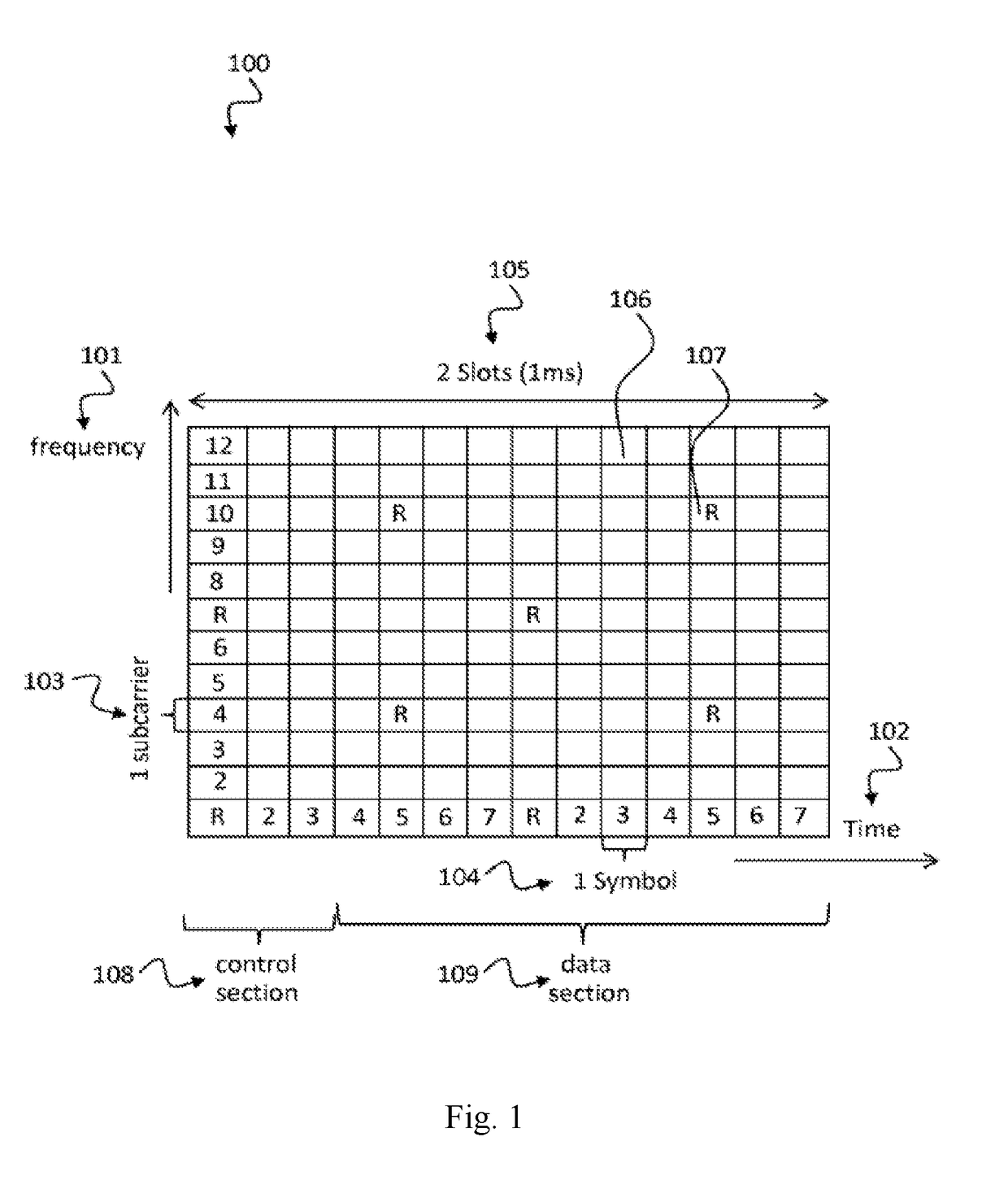
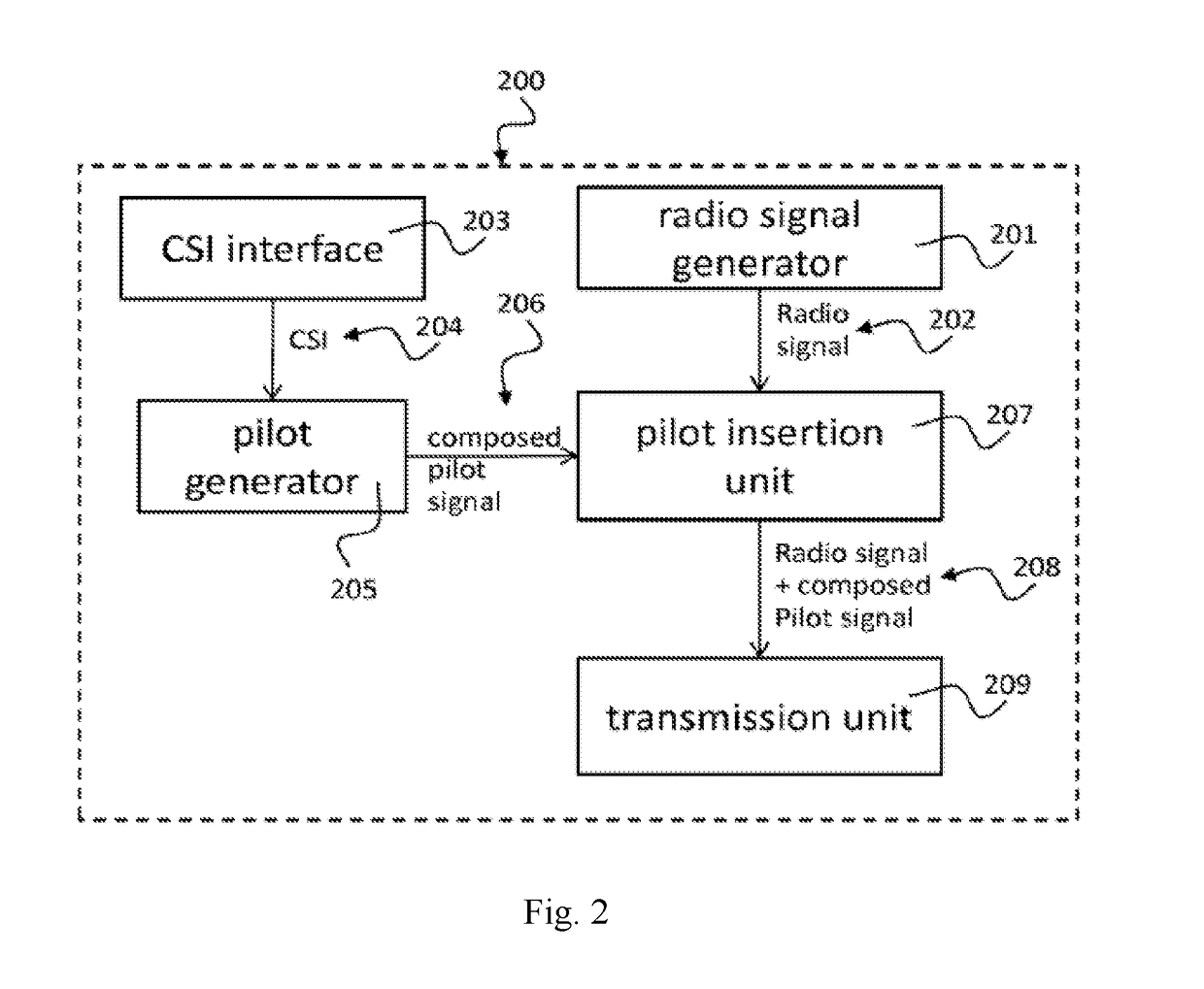
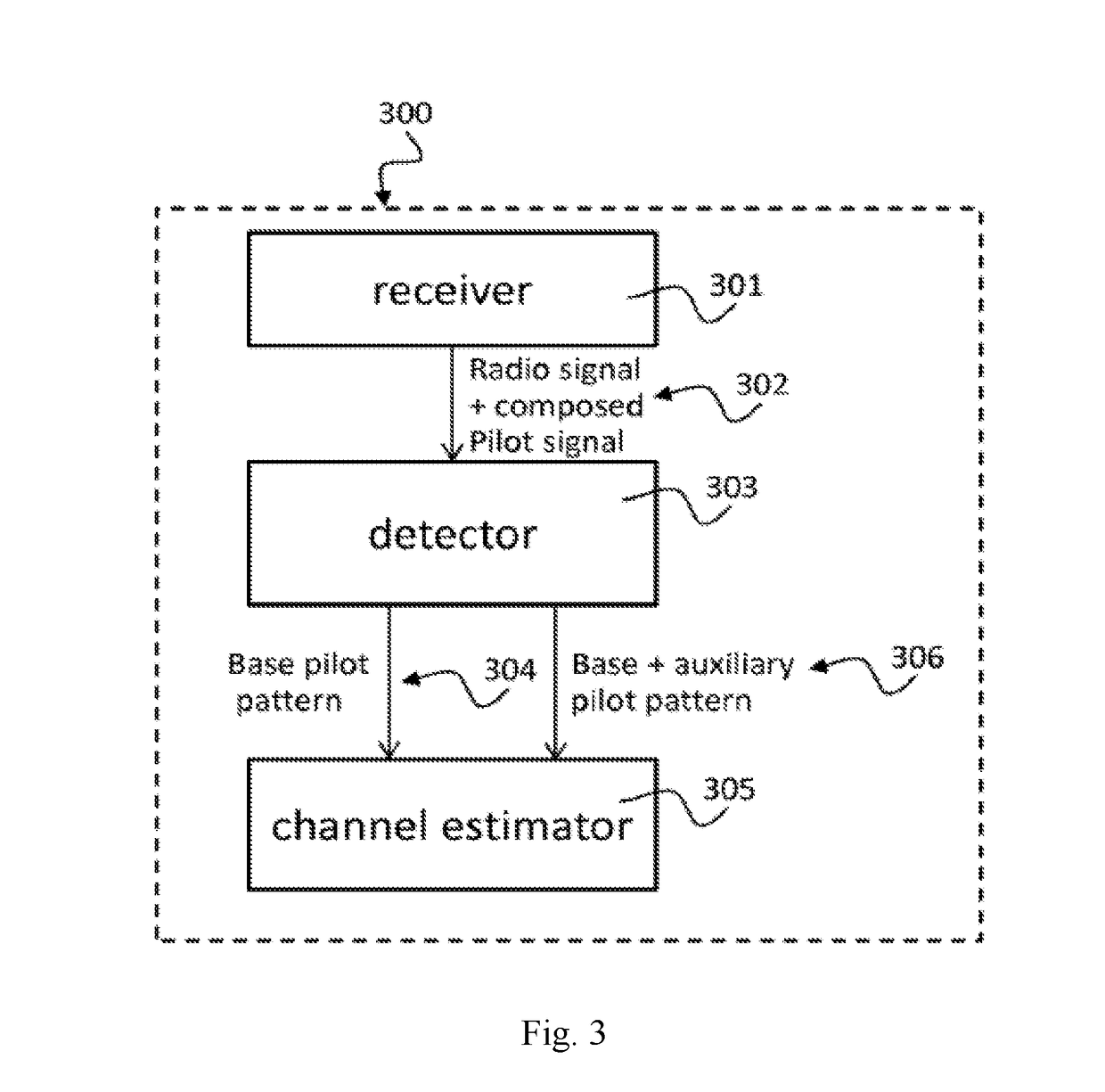
- Adaptive pilot density adjustment in time and frequency based on latency deadlines and channel statistics, using a constrained optimization function to balance reliability, latency, and throughput, with the transmitter selecting from predefined pilot patterns and the receiver blindly detecting the pattern to minimize signaling overhead.

Communication method, transmitter/receiver node, and related computer program
PatentWO2011055058A1
Innovation
- A communication method where nodes are assigned specific time intervals for message transmission and reception on a shared radio channel, reducing over-listening and energy consumption, and a collaborative detection method where nodes share measurement data to enhance detection reliability and reduce ambiguity.


Edge Computing Integration for Real-time Processing
Edge computing represents a paradigmatic shift in addressing the fundamental tension between latency and reliability in sensor network data augmentation. By deploying computational resources closer to data sources, edge computing architectures enable real-time processing capabilities that significantly reduce the round-trip delays inherent in traditional cloud-centric approaches. This proximity-based processing model allows sensor networks to perform immediate data validation, filtering, and preliminary analysis at the network edge, thereby minimizing the latency penalties associated with remote data transmission.
The integration of edge computing nodes within sensor network infrastructures creates distributed processing clusters that can handle time-critical operations locally. These edge nodes typically feature lightweight processing units, memory storage, and communication interfaces optimized for low-power consumption while maintaining sufficient computational capacity for real-time analytics. The strategic placement of these nodes enables immediate response to sensor data anomalies, threshold violations, or pattern recognition requirements without waiting for centralized processing confirmation.
Real-time processing capabilities at the edge facilitate sophisticated data augmentation techniques that were previously constrained by network latency limitations. Machine learning inference models deployed on edge devices can perform instantaneous data quality assessment, outlier detection, and predictive interpolation for missing sensor readings. This local intelligence enables the system to make immediate decisions about data reliability while simultaneously preparing augmented datasets for upstream transmission.
The architectural benefits extend beyond mere latency reduction to encompass enhanced system resilience and fault tolerance. Edge computing nodes can maintain operational continuity during network connectivity disruptions, ensuring that critical sensor data processing continues uninterrupted. This distributed processing model creates multiple points of redundancy, where individual edge nodes can compensate for failed sensors or communication links through intelligent data reconstruction and validation algorithms.
Furthermore, edge computing integration enables adaptive processing strategies that dynamically balance computational loads based on real-time network conditions and data quality requirements. Advanced edge orchestration systems can redistribute processing tasks among available nodes, optimizing both latency performance and reliability metrics according to application-specific priorities and resource constraints.
The integration of edge computing nodes within sensor network infrastructures creates distributed processing clusters that can handle time-critical operations locally. These edge nodes typically feature lightweight processing units, memory storage, and communication interfaces optimized for low-power consumption while maintaining sufficient computational capacity for real-time analytics. The strategic placement of these nodes enables immediate response to sensor data anomalies, threshold violations, or pattern recognition requirements without waiting for centralized processing confirmation.
Real-time processing capabilities at the edge facilitate sophisticated data augmentation techniques that were previously constrained by network latency limitations. Machine learning inference models deployed on edge devices can perform instantaneous data quality assessment, outlier detection, and predictive interpolation for missing sensor readings. This local intelligence enables the system to make immediate decisions about data reliability while simultaneously preparing augmented datasets for upstream transmission.
The architectural benefits extend beyond mere latency reduction to encompass enhanced system resilience and fault tolerance. Edge computing nodes can maintain operational continuity during network connectivity disruptions, ensuring that critical sensor data processing continues uninterrupted. This distributed processing model creates multiple points of redundancy, where individual edge nodes can compensate for failed sensors or communication links through intelligent data reconstruction and validation algorithms.
Furthermore, edge computing integration enables adaptive processing strategies that dynamically balance computational loads based on real-time network conditions and data quality requirements. Advanced edge orchestration systems can redistribute processing tasks among available nodes, optimizing both latency performance and reliability metrics according to application-specific priorities and resource constraints.
Quality of Service Standards for Sensor Networks
Quality of Service (QoS) standards for sensor networks have evolved to address the fundamental trade-off between latency and reliability in data augmentation scenarios. These standards establish comprehensive frameworks that define acceptable performance thresholds, service level agreements, and operational parameters for different application domains. The IEEE 802.15.4 standard serves as a foundational specification, providing MAC layer protocols that support both time-critical and reliability-critical applications through adaptive channel access mechanisms.
The International Telecommunication Union (ITU-T) has developed complementary standards focusing on end-to-end QoS metrics, including packet delivery ratio, average delay, jitter, and energy efficiency. These metrics form the basis for evaluating sensor network performance in data augmentation contexts where additional synthetic or processed data must be transmitted alongside raw sensor readings. The standards categorize applications into distinct service classes: real-time critical, near real-time, and best-effort services, each with specific latency and reliability requirements.
Industrial automation standards such as ISA-100.11a and WirelessHART have established stringent QoS requirements for process control applications, mandating sub-100ms latency for critical control loops while maintaining 99.9% reliability. These standards incorporate redundancy mechanisms, multi-path routing, and time-synchronized mesh protocols to achieve simultaneous low-latency and high-reliability objectives in data-augmented environments.
The IETF's 6LoWPAN and CoAP protocols extend QoS concepts to IPv6-based sensor networks, enabling differentiated services through header compression and application-layer quality indicators. These standards support adaptive data augmentation strategies where QoS parameters dynamically adjust based on network conditions and application priorities.
Emerging standards from organizations like ETSI and 3GPP are addressing massive IoT deployments, introducing concepts such as network slicing and edge computing integration. These developments enable sensor networks to maintain QoS guarantees while processing augmented data streams at network edges, reducing core network congestion and improving overall system responsiveness.
The International Telecommunication Union (ITU-T) has developed complementary standards focusing on end-to-end QoS metrics, including packet delivery ratio, average delay, jitter, and energy efficiency. These metrics form the basis for evaluating sensor network performance in data augmentation contexts where additional synthetic or processed data must be transmitted alongside raw sensor readings. The standards categorize applications into distinct service classes: real-time critical, near real-time, and best-effort services, each with specific latency and reliability requirements.
Industrial automation standards such as ISA-100.11a and WirelessHART have established stringent QoS requirements for process control applications, mandating sub-100ms latency for critical control loops while maintaining 99.9% reliability. These standards incorporate redundancy mechanisms, multi-path routing, and time-synchronized mesh protocols to achieve simultaneous low-latency and high-reliability objectives in data-augmented environments.
The IETF's 6LoWPAN and CoAP protocols extend QoS concepts to IPv6-based sensor networks, enabling differentiated services through header compression and application-layer quality indicators. These standards support adaptive data augmentation strategies where QoS parameters dynamically adjust based on network conditions and application priorities.
Emerging standards from organizations like ETSI and 3GPP are addressing massive IoT deployments, introducing concepts such as network slicing and edge computing integration. These developments enable sensor networks to maintain QoS guarantees while processing augmented data streams at network edges, reducing core network congestion and improving overall system responsiveness.
Unlock deeper insights with Patsnap Eureka Quick Research — get a full tech report to explore trends and direct your research. Try now!
Generate Your Research Report Instantly with AI Agent
Supercharge your innovation with Patsnap Eureka AI Agent Platform!