

Autonomous Databases in Enterprise Data Management
MAR 17, 20269 MIN READ
Generate Your Research Report Instantly with AI Agent
PatSnap Eureka helps you evaluate technical feasibility & market potential.
Autonomous Database Technology Background and Enterprise Goals
Autonomous databases represent a paradigm shift in enterprise data management, emerging from decades of evolution in database technology. The concept builds upon traditional relational database management systems, incorporating artificial intelligence and machine learning capabilities to create self-managing, self-securing, and self-repairing database systems. This technological advancement addresses the growing complexity of enterprise data environments and the increasing demand for real-time data processing capabilities.
The historical development of autonomous databases can be traced back to the early 2000s when database vendors began exploring automated tuning and optimization features. However, the true breakthrough came with the convergence of cloud computing, advanced analytics, and AI technologies in the 2010s. Major technology providers recognized the need to reduce human intervention in database operations while simultaneously improving performance, security, and reliability.
Enterprise organizations today face unprecedented data management challenges, including exponential data growth, complex regulatory compliance requirements, and the need for 24/7 availability. Traditional database administration approaches require significant human expertise and are prone to errors, leading to potential security vulnerabilities and performance bottlenecks. The autonomous database technology addresses these pain points by leveraging machine learning algorithms to automatically perform routine maintenance tasks, optimize query performance, and detect security threats.
The primary technical objectives of autonomous database implementation in enterprise environments include achieving zero-downtime operations through automated patching and updates, eliminating human errors in database configuration and tuning, and providing predictive analytics for capacity planning and performance optimization. Additionally, these systems aim to deliver enhanced security through continuous monitoring and automatic threat detection, while reducing total cost of ownership through decreased administrative overhead.
From a strategic perspective, enterprises seek to leverage autonomous databases to accelerate digital transformation initiatives, enable real-time decision-making capabilities, and improve overall operational efficiency. The technology supports modern application architectures, including microservices and containerized environments, while providing seamless integration with existing enterprise systems and cloud infrastructure platforms.
The historical development of autonomous databases can be traced back to the early 2000s when database vendors began exploring automated tuning and optimization features. However, the true breakthrough came with the convergence of cloud computing, advanced analytics, and AI technologies in the 2010s. Major technology providers recognized the need to reduce human intervention in database operations while simultaneously improving performance, security, and reliability.
Enterprise organizations today face unprecedented data management challenges, including exponential data growth, complex regulatory compliance requirements, and the need for 24/7 availability. Traditional database administration approaches require significant human expertise and are prone to errors, leading to potential security vulnerabilities and performance bottlenecks. The autonomous database technology addresses these pain points by leveraging machine learning algorithms to automatically perform routine maintenance tasks, optimize query performance, and detect security threats.
The primary technical objectives of autonomous database implementation in enterprise environments include achieving zero-downtime operations through automated patching and updates, eliminating human errors in database configuration and tuning, and providing predictive analytics for capacity planning and performance optimization. Additionally, these systems aim to deliver enhanced security through continuous monitoring and automatic threat detection, while reducing total cost of ownership through decreased administrative overhead.
From a strategic perspective, enterprises seek to leverage autonomous databases to accelerate digital transformation initiatives, enable real-time decision-making capabilities, and improve overall operational efficiency. The technology supports modern application architectures, including microservices and containerized environments, while providing seamless integration with existing enterprise systems and cloud infrastructure platforms.
Market Demand for Self-Managing Database Solutions
The enterprise database management landscape is experiencing unprecedented transformation driven by exponential data growth, increasing operational complexity, and mounting pressure for cost optimization. Organizations across industries are grappling with database environments that have become increasingly difficult to manage manually, creating substantial demand for autonomous database solutions that can self-tune, self-secure, and self-repair without human intervention.
Digital transformation initiatives have fundamentally altered enterprise data requirements, with organizations now managing diverse workloads spanning transactional processing, analytics, machine learning, and real-time decision-making systems. Traditional database administration approaches struggle to keep pace with these evolving demands, particularly as enterprises seek to reduce total cost of ownership while maintaining high performance and availability standards.
The shortage of skilled database administrators represents a critical market driver, as organizations face difficulties recruiting and retaining qualified personnel capable of managing complex database infrastructures. This talent gap has intensified interest in self-managing solutions that can reduce dependency on specialized human expertise while delivering consistent operational excellence.
Cloud adoption patterns have significantly influenced market demand, with enterprises increasingly seeking database solutions that can seamlessly operate across hybrid and multi-cloud environments. Self-managing capabilities become essential in these distributed architectures, where manual oversight across multiple platforms proves impractical and error-prone.
Regulatory compliance requirements continue to expand across sectors, particularly in financial services, healthcare, and government organizations. Autonomous databases offer automated security patching, encryption management, and audit trail generation, addressing compliance challenges while reducing the risk of human error in security-critical operations.
Performance optimization demands have intensified as enterprises process larger data volumes with stricter latency requirements. Self-tuning capabilities that automatically adjust database configurations, optimize query execution plans, and manage resource allocation have become increasingly valuable for maintaining competitive advantage in data-driven business environments.
Cost pressures from economic uncertainties have accelerated adoption of solutions that promise operational efficiency gains. Organizations view autonomous database technologies as strategic investments that can deliver long-term cost reductions through automated operations, reduced downtime, and optimized resource utilization across their data management infrastructure.
Digital transformation initiatives have fundamentally altered enterprise data requirements, with organizations now managing diverse workloads spanning transactional processing, analytics, machine learning, and real-time decision-making systems. Traditional database administration approaches struggle to keep pace with these evolving demands, particularly as enterprises seek to reduce total cost of ownership while maintaining high performance and availability standards.
The shortage of skilled database administrators represents a critical market driver, as organizations face difficulties recruiting and retaining qualified personnel capable of managing complex database infrastructures. This talent gap has intensified interest in self-managing solutions that can reduce dependency on specialized human expertise while delivering consistent operational excellence.
Cloud adoption patterns have significantly influenced market demand, with enterprises increasingly seeking database solutions that can seamlessly operate across hybrid and multi-cloud environments. Self-managing capabilities become essential in these distributed architectures, where manual oversight across multiple platforms proves impractical and error-prone.
Regulatory compliance requirements continue to expand across sectors, particularly in financial services, healthcare, and government organizations. Autonomous databases offer automated security patching, encryption management, and audit trail generation, addressing compliance challenges while reducing the risk of human error in security-critical operations.
Performance optimization demands have intensified as enterprises process larger data volumes with stricter latency requirements. Self-tuning capabilities that automatically adjust database configurations, optimize query execution plans, and manage resource allocation have become increasingly valuable for maintaining competitive advantage in data-driven business environments.
Cost pressures from economic uncertainties have accelerated adoption of solutions that promise operational efficiency gains. Organizations view autonomous database technologies as strategic investments that can deliver long-term cost reductions through automated operations, reduced downtime, and optimized resource utilization across their data management infrastructure.
Current State and Challenges of Autonomous Database Systems
Autonomous database systems have emerged as a transformative technology in enterprise data management, representing a significant evolution from traditional database administration models. These systems leverage artificial intelligence and machine learning algorithms to automate routine database operations including provisioning, tuning, patching, upgrading, and backup processes. Leading cloud providers such as Oracle, Amazon Web Services, Microsoft Azure, and Google Cloud have developed sophisticated autonomous database offerings that promise to reduce operational overhead while improving performance and reliability.
The current landscape reveals substantial progress in automated database optimization and self-healing capabilities. Modern autonomous databases can automatically adjust memory allocation, optimize query execution plans, and implement performance tuning without human intervention. These systems continuously monitor workload patterns and adapt configurations in real-time to maintain optimal performance levels. Additionally, they incorporate predictive analytics to anticipate potential issues and proactively implement corrective measures before problems impact business operations.
Despite significant technological advances, autonomous database systems face several critical challenges that limit widespread enterprise adoption. Security and compliance concerns remain paramount, as organizations struggle with data sovereignty issues and regulatory requirements when migrating sensitive workloads to autonomous platforms. Many enterprises operate in highly regulated industries where data residency and audit trail requirements create complex implementation scenarios that current autonomous solutions cannot fully address.
Performance predictability presents another substantial challenge, particularly for mission-critical applications with stringent service level agreements. While autonomous systems excel at handling routine optimization tasks, they may struggle with complex, application-specific performance requirements that demand deep domain expertise. The black-box nature of some autonomous optimization algorithms creates transparency issues, making it difficult for database administrators to understand and validate system decisions.
Integration complexity with existing enterprise infrastructure poses significant implementation barriers. Legacy systems, hybrid cloud environments, and complex data architectures often require extensive customization that conflicts with the standardized approach of autonomous database platforms. Organizations frequently encounter compatibility issues when attempting to migrate specialized applications or integrate with existing data pipelines and analytics frameworks.
Cost management and vendor lock-in concerns also influence adoption decisions. While autonomous databases promise operational cost reductions through automation, the pricing models of cloud-based autonomous services can result in unexpected expenses, particularly for organizations with variable workloads or specific performance requirements. The proprietary nature of autonomous database technologies creates dependency risks that enterprises must carefully evaluate against long-term strategic objectives.
The current landscape reveals substantial progress in automated database optimization and self-healing capabilities. Modern autonomous databases can automatically adjust memory allocation, optimize query execution plans, and implement performance tuning without human intervention. These systems continuously monitor workload patterns and adapt configurations in real-time to maintain optimal performance levels. Additionally, they incorporate predictive analytics to anticipate potential issues and proactively implement corrective measures before problems impact business operations.
Despite significant technological advances, autonomous database systems face several critical challenges that limit widespread enterprise adoption. Security and compliance concerns remain paramount, as organizations struggle with data sovereignty issues and regulatory requirements when migrating sensitive workloads to autonomous platforms. Many enterprises operate in highly regulated industries where data residency and audit trail requirements create complex implementation scenarios that current autonomous solutions cannot fully address.
Performance predictability presents another substantial challenge, particularly for mission-critical applications with stringent service level agreements. While autonomous systems excel at handling routine optimization tasks, they may struggle with complex, application-specific performance requirements that demand deep domain expertise. The black-box nature of some autonomous optimization algorithms creates transparency issues, making it difficult for database administrators to understand and validate system decisions.
Integration complexity with existing enterprise infrastructure poses significant implementation barriers. Legacy systems, hybrid cloud environments, and complex data architectures often require extensive customization that conflicts with the standardized approach of autonomous database platforms. Organizations frequently encounter compatibility issues when attempting to migrate specialized applications or integrate with existing data pipelines and analytics frameworks.
Cost management and vendor lock-in concerns also influence adoption decisions. While autonomous databases promise operational cost reductions through automation, the pricing models of cloud-based autonomous services can result in unexpected expenses, particularly for organizations with variable workloads or specific performance requirements. The proprietary nature of autonomous database technologies creates dependency risks that enterprises must carefully evaluate against long-term strategic objectives.
Current Autonomous Database Implementation Solutions
01 Automated database management and self-tuning capabilities
Autonomous databases incorporate automated management features that enable self-tuning, self-patching, and self-repair capabilities without human intervention. These systems can automatically optimize database performance by adjusting parameters, managing resources, and implementing configuration changes based on workload patterns. The automation reduces manual administrative tasks and minimizes human errors while ensuring optimal database operation.- Automated database management and self-tuning capabilities: Autonomous databases incorporate automated management features that enable self-tuning, self-patching, and self-repair capabilities without human intervention. These systems can automatically optimize database performance by adjusting parameters, managing resources, and implementing configuration changes based on workload patterns. The automation reduces manual administrative tasks and minimizes human errors while maintaining optimal database performance.
- Machine learning-based query optimization and performance tuning: Advanced autonomous database systems utilize machine learning algorithms to analyze query patterns, predict performance bottlenecks, and automatically optimize query execution plans. These intelligent systems learn from historical data and usage patterns to make proactive decisions about indexing, caching, and resource allocation. The machine learning components continuously improve database performance by adapting to changing workloads and user behaviors.
- Automated backup, recovery and data protection mechanisms: Autonomous databases implement automated backup and recovery systems that ensure data integrity and availability without manual scheduling or intervention. These systems can automatically detect failures, initiate recovery procedures, and restore data to consistent states. The automated protection mechanisms include continuous data replication, point-in-time recovery capabilities, and intelligent backup scheduling based on data criticality and change rates.
- Self-scaling and resource provisioning automation: Autonomous database systems feature dynamic resource allocation capabilities that automatically scale computing, storage, and memory resources based on workload demands. These systems monitor resource utilization patterns and can elastically expand or contract capacity to maintain performance levels while optimizing costs. The self-scaling mechanisms enable databases to handle varying workloads without manual intervention or service disruptions.
- Automated security management and threat detection: Autonomous databases incorporate automated security features including threat detection, vulnerability assessment, and automatic patching of security vulnerabilities. These systems continuously monitor for suspicious activities, unauthorized access attempts, and potential security breaches. The automated security mechanisms can apply security patches, update encryption protocols, and enforce access controls without requiring manual security administration.
02 Machine learning-based query optimization and performance tuning
Advanced machine learning algorithms are employed to analyze query patterns, predict performance bottlenecks, and automatically optimize database queries. These systems learn from historical data and usage patterns to make intelligent decisions about indexing, caching, and query execution plans. The technology enables continuous performance improvement through adaptive learning mechanisms that respond to changing workload characteristics.Expand Specific Solutions03 Autonomous security and threat detection mechanisms
Security features in autonomous databases include automated threat detection, vulnerability assessment, and real-time protection against cyber attacks. These systems continuously monitor database activities, identify suspicious patterns, and automatically implement security patches and updates. The technology provides proactive defense mechanisms that can detect and respond to security threats without manual intervention.Expand Specific Solutions04 Automated backup, recovery and data replication systems
Autonomous databases implement intelligent backup and recovery mechanisms that automatically schedule backups, manage storage, and ensure data integrity. These systems can perform continuous data replication across multiple locations and automatically recover from failures with minimal downtime. The technology includes predictive failure detection and automated failover capabilities to maintain high availability.Expand Specific Solutions05 Cloud-native architecture and resource scaling automation
Modern autonomous databases are designed with cloud-native architectures that enable automatic resource scaling based on demand. These systems can dynamically allocate computing resources, storage capacity, and network bandwidth without service interruption. The technology supports elastic scaling capabilities that optimize cost efficiency while maintaining performance requirements through intelligent workload management.Expand Specific Solutions
Key Players in Autonomous Database Market
The autonomous database market in enterprise data management is experiencing rapid evolution, transitioning from early adoption to mainstream implementation across industries. The market demonstrates substantial growth potential, driven by increasing demand for self-managing, self-securing, and self-repairing database systems that reduce operational overhead. Technology maturity varies significantly among key players, with Oracle leading through its Autonomous Database Cloud services, while IBM leverages AI-driven automation in Db2. Microsoft integrates autonomous capabilities into Azure SQL, and SAP incorporates intelligent features into HANA. Cloud-native providers like Snowflake are advancing autonomous data warehousing, while emerging players such as OceanBase and ThoughtSpot focus on distributed and analytics-driven autonomous solutions. The competitive landscape shows established enterprise vendors competing against specialized cloud providers, creating a dynamic environment where traditional database management is being transformed through machine learning and AI-powered automation technologies.
International Business Machines Corp.
Technical Solution: IBM's autonomous database solutions utilize AI-powered Db2 with integrated Watson capabilities for intelligent workload management and predictive maintenance[6][8]. The system employs cognitive computing to analyze historical performance data and automatically optimize storage allocation, memory management, and query processing paths[7]. IBM's approach includes automated schema evolution and intelligent data lifecycle management that adapts to changing business requirements without manual intervention[9]. The platform features self-healing capabilities through continuous health monitoring and automatic remediation of system anomalies, supported by advanced machine learning models trained on enterprise workload patterns[10].
Strengths: Strong AI integration with Watson technology and comprehensive enterprise support ecosystem. Weaknesses: Complex implementation process and higher total cost of ownership compared to cloud-native alternatives.
Oracle International Corp.
Technical Solution: Oracle Autonomous Database leverages machine learning algorithms to automatically perform database tuning, security patching, and backup operations without human intervention[1][3]. The system continuously monitors workload patterns and automatically adjusts performance parameters, indexes, and resource allocation to optimize query execution[2]. It provides self-securing capabilities through automatic encryption, access controls, and threat detection mechanisms that adapt to emerging security patterns[4]. The platform integrates advanced anomaly detection to identify and resolve performance bottlenecks proactively, while maintaining 99.995% availability through automated failover and recovery processes[5].
Strengths: Industry-leading automation capabilities with comprehensive self-management features and proven enterprise reliability. Weaknesses: High licensing costs and potential vendor lock-in concerns for large-scale deployments.
Core Technologies in Self-Tuning Database Systems
Self-managing database architecture
PatentInactiveUS7526508B2
Innovation
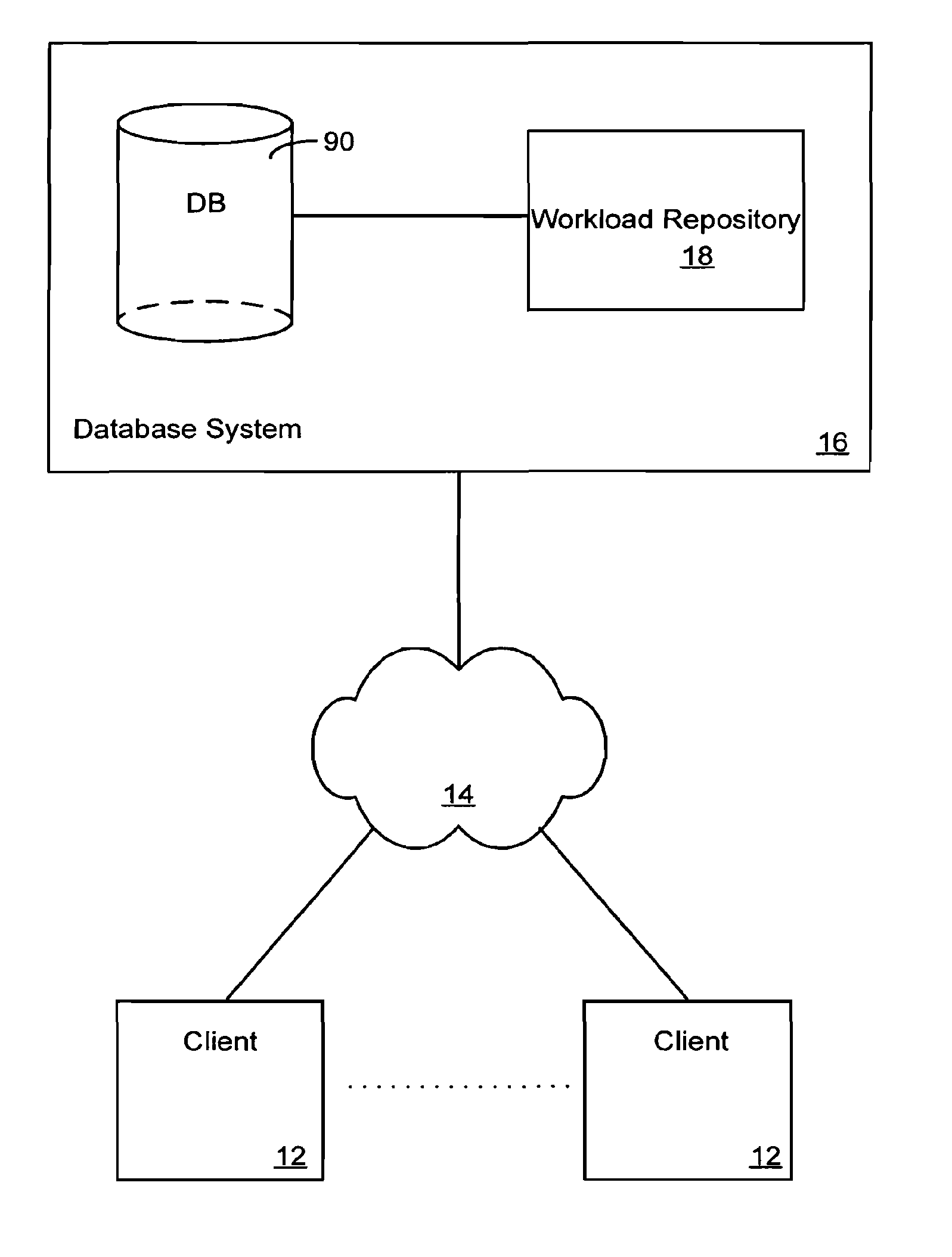
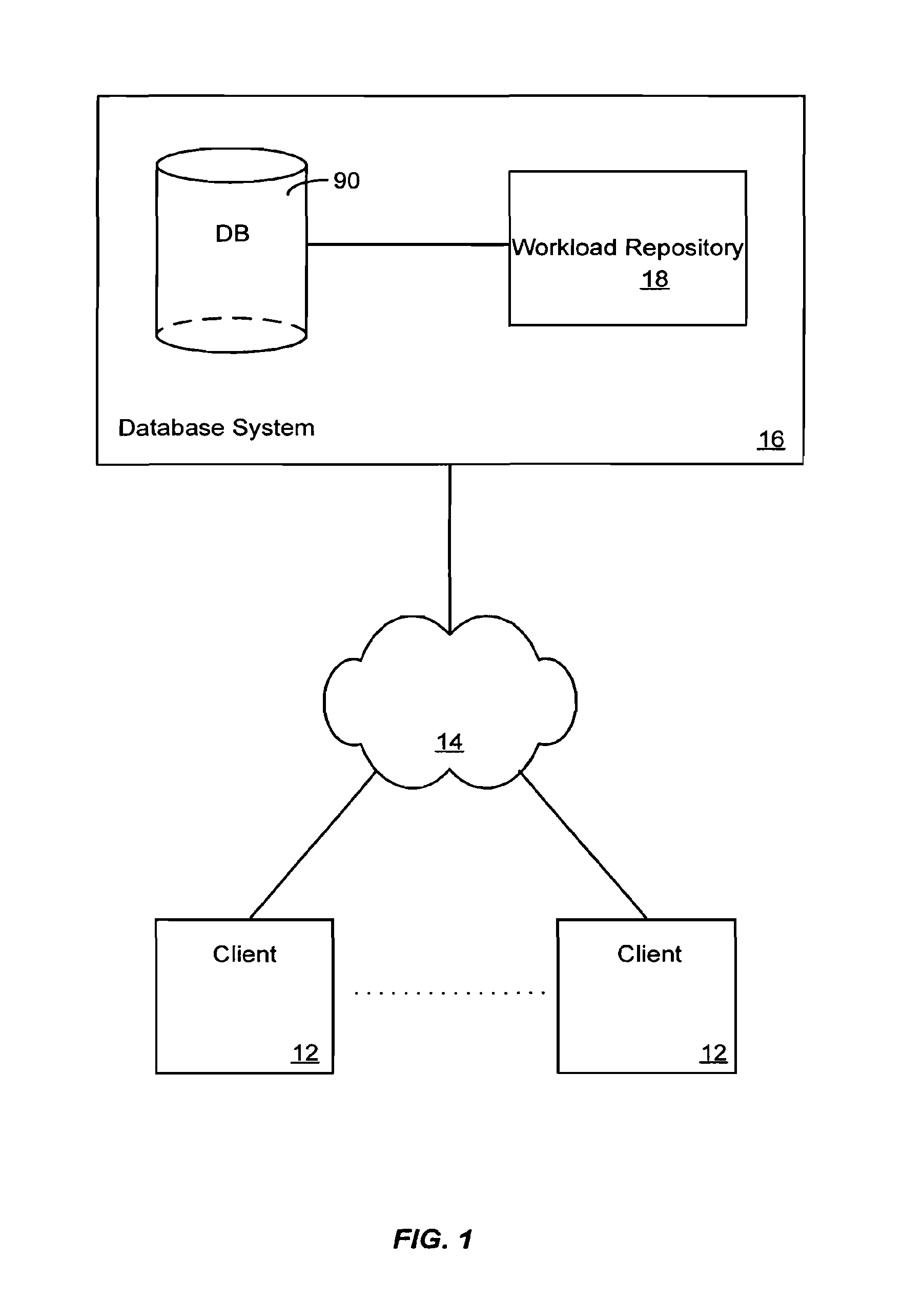
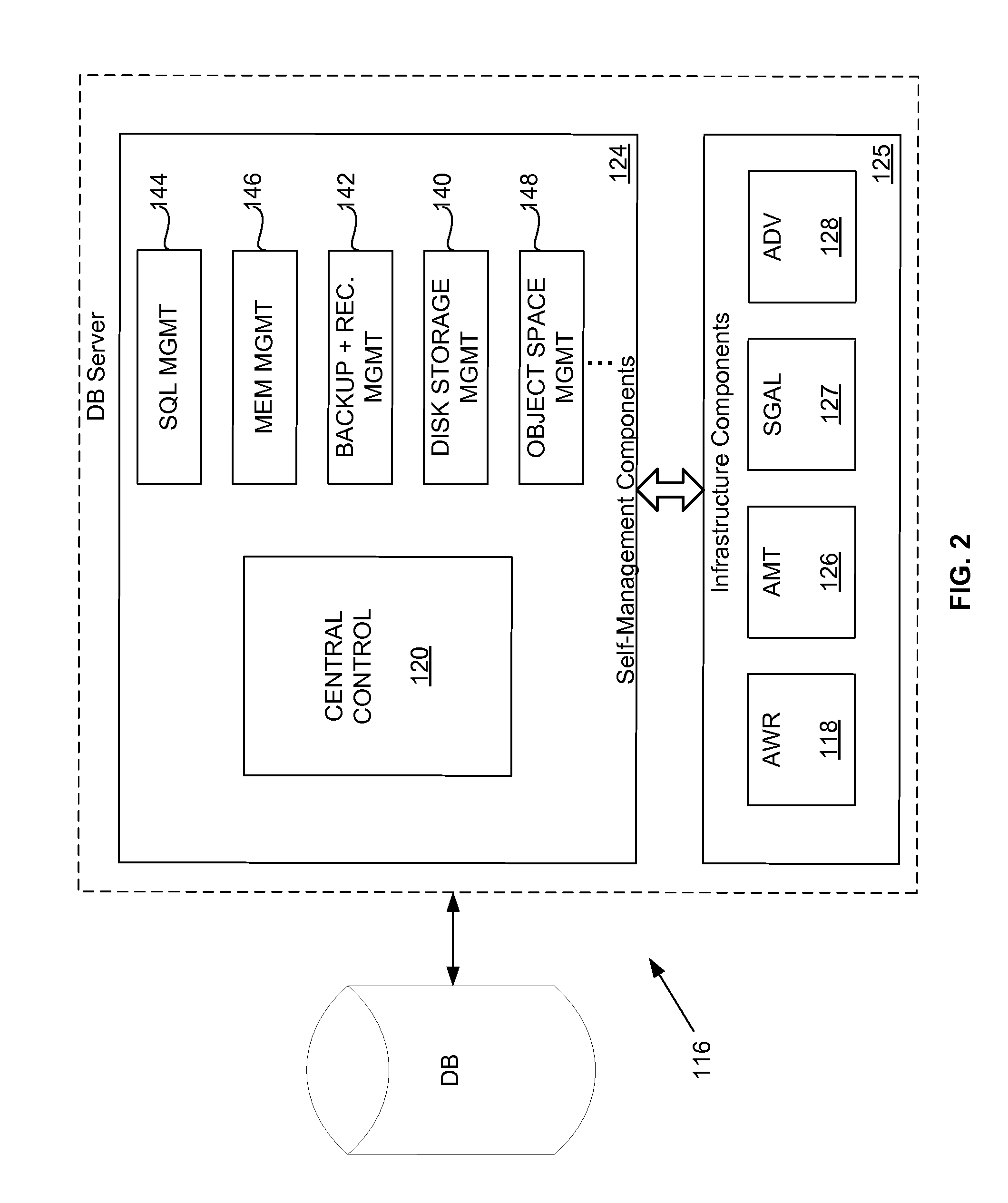
- A self-managing database system with integrated components such as an Automatic Workload Repository, Automatic Maintenance Tasks, Server-generated Alerts, and a Uniform Advisory component, along with a central management control module like the Automatic Database Diagnostic Monitor, which automatically collects and analyzes statistics, performs maintenance, alerts administrators of issues, and provides recommendations for improvement.

Automatic enterprise database and query optimization
PatentPendingUS20250307240A1
Innovation
- An automated software module analyzes user queries for patterns of good or poor practices, assigns scores, and implements enforcement mechanisms such as throttling or notifications to improve query efficiency, using machine learning to optimize database structures and partitions.


Data Governance and Compliance in Autonomous Systems
Data governance in autonomous database systems represents a paradigm shift from traditional manual oversight to intelligent, self-regulating frameworks. These systems must establish comprehensive policies that define data ownership, access rights, and usage parameters while maintaining the flexibility to adapt to changing business requirements. The autonomous nature of these databases necessitates embedded governance mechanisms that can make real-time decisions about data classification, retention, and access control without human intervention.
Regulatory compliance presents unique challenges in autonomous environments, particularly regarding data privacy regulations such as GDPR, CCPA, and industry-specific standards like HIPAA or SOX. Autonomous databases must incorporate compliance rules directly into their operational logic, ensuring that data processing activities automatically adhere to regulatory requirements. This includes implementing automated data anonymization, encryption protocols, and audit trail generation that can demonstrate compliance during regulatory examinations.
The implementation of policy enforcement mechanisms in autonomous systems requires sophisticated rule engines capable of interpreting complex governance policies and translating them into executable database operations. These systems must balance strict compliance requirements with operational efficiency, ensuring that governance controls do not impede legitimate business processes. Machine learning algorithms play a crucial role in identifying potential policy violations and adapting enforcement strategies based on emerging patterns and threats.
Audit and monitoring capabilities in autonomous databases extend beyond traditional logging mechanisms to include intelligent anomaly detection and predictive compliance analytics. These systems continuously monitor data access patterns, identify unusual activities, and generate comprehensive audit reports that satisfy regulatory requirements. The autonomous nature enables real-time compliance monitoring and immediate corrective actions when policy violations are detected.
Cross-jurisdictional compliance presents additional complexity as autonomous databases must navigate varying regulatory landscapes across different geographical regions. These systems require sophisticated policy management frameworks that can automatically apply appropriate compliance rules based on data location, user jurisdiction, and applicable regulatory frameworks, ensuring consistent governance across global enterprise operations.
Regulatory compliance presents unique challenges in autonomous environments, particularly regarding data privacy regulations such as GDPR, CCPA, and industry-specific standards like HIPAA or SOX. Autonomous databases must incorporate compliance rules directly into their operational logic, ensuring that data processing activities automatically adhere to regulatory requirements. This includes implementing automated data anonymization, encryption protocols, and audit trail generation that can demonstrate compliance during regulatory examinations.
The implementation of policy enforcement mechanisms in autonomous systems requires sophisticated rule engines capable of interpreting complex governance policies and translating them into executable database operations. These systems must balance strict compliance requirements with operational efficiency, ensuring that governance controls do not impede legitimate business processes. Machine learning algorithms play a crucial role in identifying potential policy violations and adapting enforcement strategies based on emerging patterns and threats.
Audit and monitoring capabilities in autonomous databases extend beyond traditional logging mechanisms to include intelligent anomaly detection and predictive compliance analytics. These systems continuously monitor data access patterns, identify unusual activities, and generate comprehensive audit reports that satisfy regulatory requirements. The autonomous nature enables real-time compliance monitoring and immediate corrective actions when policy violations are detected.
Cross-jurisdictional compliance presents additional complexity as autonomous databases must navigate varying regulatory landscapes across different geographical regions. These systems require sophisticated policy management frameworks that can automatically apply appropriate compliance rules based on data location, user jurisdiction, and applicable regulatory frameworks, ensuring consistent governance across global enterprise operations.
Security Implications of Autonomous Database Deployment
The deployment of autonomous databases in enterprise environments introduces a complex security landscape that requires comprehensive evaluation and strategic planning. While these systems promise enhanced operational efficiency through machine learning-driven automation, they simultaneously create new attack vectors and security considerations that traditional database security frameworks may not adequately address.
Data encryption represents a fundamental security pillar in autonomous database deployments. Organizations must implement end-to-end encryption strategies that encompass data at rest, in transit, and during processing. Advanced encryption key management becomes particularly critical as autonomous systems require seamless access to encrypted data while maintaining strict access controls. The challenge intensifies when considering multi-cloud deployments where encryption keys must be managed across different cloud providers and regulatory jurisdictions.
Access control mechanisms in autonomous databases require sophisticated identity and access management frameworks. Traditional role-based access control models must evolve to accommodate machine learning algorithms that may need dynamic access patterns to optimize database performance. Zero-trust security architectures become essential, ensuring that every access request is authenticated and authorized regardless of its origin, whether from human users or automated processes.
The autonomous nature of these systems introduces unique vulnerabilities related to algorithm manipulation and adversarial attacks. Malicious actors may attempt to poison training data or manipulate machine learning models to compromise database security or extract sensitive information. Organizations must implement robust model validation processes and continuous monitoring systems to detect anomalous behavior patterns that could indicate security breaches.
Compliance and regulatory considerations become increasingly complex in autonomous database environments. Organizations operating under regulations such as GDPR, HIPAA, or SOX must ensure that automated decision-making processes maintain audit trails and provide explainable outcomes. The challenge lies in balancing the black-box nature of some machine learning algorithms with regulatory requirements for transparency and accountability.
Network security assumes heightened importance as autonomous databases often require extensive connectivity to cloud services, APIs, and external data sources for optimal performance. Implementing secure network segmentation, intrusion detection systems, and real-time threat monitoring becomes crucial to prevent lateral movement of potential attackers within the enterprise infrastructure.
Data encryption represents a fundamental security pillar in autonomous database deployments. Organizations must implement end-to-end encryption strategies that encompass data at rest, in transit, and during processing. Advanced encryption key management becomes particularly critical as autonomous systems require seamless access to encrypted data while maintaining strict access controls. The challenge intensifies when considering multi-cloud deployments where encryption keys must be managed across different cloud providers and regulatory jurisdictions.
Access control mechanisms in autonomous databases require sophisticated identity and access management frameworks. Traditional role-based access control models must evolve to accommodate machine learning algorithms that may need dynamic access patterns to optimize database performance. Zero-trust security architectures become essential, ensuring that every access request is authenticated and authorized regardless of its origin, whether from human users or automated processes.
The autonomous nature of these systems introduces unique vulnerabilities related to algorithm manipulation and adversarial attacks. Malicious actors may attempt to poison training data or manipulate machine learning models to compromise database security or extract sensitive information. Organizations must implement robust model validation processes and continuous monitoring systems to detect anomalous behavior patterns that could indicate security breaches.
Compliance and regulatory considerations become increasingly complex in autonomous database environments. Organizations operating under regulations such as GDPR, HIPAA, or SOX must ensure that automated decision-making processes maintain audit trails and provide explainable outcomes. The challenge lies in balancing the black-box nature of some machine learning algorithms with regulatory requirements for transparency and accountability.
Network security assumes heightened importance as autonomous databases often require extensive connectivity to cloud services, APIs, and external data sources for optimal performance. Implementing secure network segmentation, intrusion detection systems, and real-time threat monitoring becomes crucial to prevent lateral movement of potential attackers within the enterprise infrastructure.
Unlock deeper insights with PatSnap Eureka Quick Research — get a full tech report to explore trends and direct your research. Try now!
Generate Your Research Report Instantly with AI Agent
Supercharge your innovation with PatSnap Eureka AI Agent Platform!