

How Autonomous Databases Reduce Operational Complexity
MAR 17, 20269 MIN READ
Generate Your Research Report Instantly with AI Agent
PatSnap Eureka helps you evaluate technical feasibility & market potential.
Autonomous Database Evolution and Operational Goals
The evolution of autonomous databases represents a paradigm shift from traditional database management approaches that relied heavily on manual intervention and specialized expertise. Early database systems required extensive human oversight for routine tasks such as performance tuning, security patching, backup scheduling, and capacity planning. These manual processes not only consumed significant operational resources but also introduced potential points of failure and inconsistency.
The journey toward database autonomy began with the recognition that many database administration tasks follow predictable patterns and could be automated through intelligent algorithms. Initial automation efforts focused on basic maintenance tasks like automated backups and simple performance monitoring. However, these early solutions still required substantial human intervention for complex decision-making processes.
The emergence of machine learning and artificial intelligence technologies catalyzed a more comprehensive approach to database automation. Modern autonomous databases leverage advanced algorithms to continuously monitor system performance, predict potential issues, and automatically implement corrective measures without human intervention. This evolution has fundamentally transformed the operational landscape by eliminating the need for routine manual tasks that previously consumed significant administrative overhead.
Contemporary autonomous database systems are designed with three primary operational goals that directly address complexity reduction. The first goal centers on self-driving capabilities, where the database automatically handles provisioning, scaling, and performance optimization without requiring specialized database administrator expertise. This eliminates the complexity associated with manual capacity planning and performance tuning procedures.
The second operational goal focuses on self-securing mechanisms that automatically apply security patches, encrypt sensitive data, and monitor for potential threats. This autonomous security approach reduces the operational burden of maintaining compliance standards and protecting against evolving cybersecurity risks, which traditionally required dedicated security expertise and continuous monitoring.
The third goal emphasizes self-repairing functionality, enabling the database to automatically detect and resolve performance bottlenecks, hardware failures, and data corruption issues. This capability significantly reduces system downtime and eliminates the complexity of manual troubleshooting procedures that often required extensive technical knowledge and time-intensive diagnostic processes.
These evolutionary developments have collectively established autonomous databases as a strategic solution for organizations seeking to minimize operational complexity while maintaining high-performance, secure, and reliable data management systems. The technology represents a fundamental shift toward intelligent, self-managing infrastructure that reduces dependency on specialized human expertise.
The journey toward database autonomy began with the recognition that many database administration tasks follow predictable patterns and could be automated through intelligent algorithms. Initial automation efforts focused on basic maintenance tasks like automated backups and simple performance monitoring. However, these early solutions still required substantial human intervention for complex decision-making processes.
The emergence of machine learning and artificial intelligence technologies catalyzed a more comprehensive approach to database automation. Modern autonomous databases leverage advanced algorithms to continuously monitor system performance, predict potential issues, and automatically implement corrective measures without human intervention. This evolution has fundamentally transformed the operational landscape by eliminating the need for routine manual tasks that previously consumed significant administrative overhead.
Contemporary autonomous database systems are designed with three primary operational goals that directly address complexity reduction. The first goal centers on self-driving capabilities, where the database automatically handles provisioning, scaling, and performance optimization without requiring specialized database administrator expertise. This eliminates the complexity associated with manual capacity planning and performance tuning procedures.
The second operational goal focuses on self-securing mechanisms that automatically apply security patches, encrypt sensitive data, and monitor for potential threats. This autonomous security approach reduces the operational burden of maintaining compliance standards and protecting against evolving cybersecurity risks, which traditionally required dedicated security expertise and continuous monitoring.
The third goal emphasizes self-repairing functionality, enabling the database to automatically detect and resolve performance bottlenecks, hardware failures, and data corruption issues. This capability significantly reduces system downtime and eliminates the complexity of manual troubleshooting procedures that often required extensive technical knowledge and time-intensive diagnostic processes.
These evolutionary developments have collectively established autonomous databases as a strategic solution for organizations seeking to minimize operational complexity while maintaining high-performance, secure, and reliable data management systems. The technology represents a fundamental shift toward intelligent, self-managing infrastructure that reduces dependency on specialized human expertise.
Market Demand for Simplified Database Operations
The enterprise database management landscape is experiencing unprecedented demand for operational simplification as organizations grapple with increasingly complex data environments. Traditional database administration requires specialized expertise, extensive manual intervention, and continuous monitoring, creating significant operational overhead that many organizations struggle to manage effectively.
Modern enterprises are generating data at exponential rates, with database workloads becoming more unpredictable and resource-intensive. This growth has created a critical gap between the complexity of database operations and the availability of skilled database administrators. Organizations frequently face challenges in maintaining optimal performance, ensuring security compliance, and managing routine maintenance tasks without dedicated expertise.
The financial implications of complex database operations are substantial. Organizations typically allocate significant portions of their IT budgets to database administration, including personnel costs, training expenses, and system downtime. The scarcity of qualified database professionals has further intensified these cost pressures, with specialized skills commanding premium compensation while remaining difficult to retain.
Cloud adoption has amplified the demand for simplified database operations. As enterprises migrate to hybrid and multi-cloud environments, they require database solutions that can seamlessly adapt to varying workloads without manual intervention. The traditional approach of reactive database management is increasingly inadequate for supporting digital transformation initiatives that demand real-time responsiveness and scalability.
Regulatory compliance requirements across industries have added another layer of complexity to database operations. Organizations must ensure consistent security policies, automated backup procedures, and audit trail maintenance while minimizing human error risks. The manual processes traditionally associated with compliance management are becoming unsustainable as regulatory frameworks continue to evolve.
The emergence of artificial intelligence and machine learning applications has created new performance requirements that traditional database management approaches cannot efficiently address. These workloads demand dynamic resource allocation, intelligent query optimization, and predictive maintenance capabilities that exceed the scope of conventional database administration practices.
Market research indicates strong enterprise preference for database solutions that can self-manage routine operations, automatically optimize performance, and provide predictive insights without requiring deep technical expertise. This demand spans across industries, from financial services requiring high-availability systems to healthcare organizations managing sensitive patient data under strict regulatory constraints.
Modern enterprises are generating data at exponential rates, with database workloads becoming more unpredictable and resource-intensive. This growth has created a critical gap between the complexity of database operations and the availability of skilled database administrators. Organizations frequently face challenges in maintaining optimal performance, ensuring security compliance, and managing routine maintenance tasks without dedicated expertise.
The financial implications of complex database operations are substantial. Organizations typically allocate significant portions of their IT budgets to database administration, including personnel costs, training expenses, and system downtime. The scarcity of qualified database professionals has further intensified these cost pressures, with specialized skills commanding premium compensation while remaining difficult to retain.
Cloud adoption has amplified the demand for simplified database operations. As enterprises migrate to hybrid and multi-cloud environments, they require database solutions that can seamlessly adapt to varying workloads without manual intervention. The traditional approach of reactive database management is increasingly inadequate for supporting digital transformation initiatives that demand real-time responsiveness and scalability.
Regulatory compliance requirements across industries have added another layer of complexity to database operations. Organizations must ensure consistent security policies, automated backup procedures, and audit trail maintenance while minimizing human error risks. The manual processes traditionally associated with compliance management are becoming unsustainable as regulatory frameworks continue to evolve.
The emergence of artificial intelligence and machine learning applications has created new performance requirements that traditional database management approaches cannot efficiently address. These workloads demand dynamic resource allocation, intelligent query optimization, and predictive maintenance capabilities that exceed the scope of conventional database administration practices.
Market research indicates strong enterprise preference for database solutions that can self-manage routine operations, automatically optimize performance, and provide predictive insights without requiring deep technical expertise. This demand spans across industries, from financial services requiring high-availability systems to healthcare organizations managing sensitive patient data under strict regulatory constraints.
Current Database Complexity Challenges and Limitations
Traditional database management systems present numerous operational complexities that significantly burden IT organizations across industries. These challenges stem from the inherently manual nature of database administration tasks, which require specialized expertise and continuous monitoring to maintain optimal performance and security.
Performance tuning represents one of the most persistent challenges in database operations. Database administrators must continuously monitor query execution plans, index utilization, and resource allocation patterns to identify bottlenecks. This process involves analyzing complex execution statistics, adjusting configuration parameters, and implementing optimization strategies that often require deep technical knowledge and years of experience to master effectively.
Security management adds another layer of complexity, as databases contain sensitive business-critical information requiring robust protection mechanisms. Organizations must implement comprehensive access controls, encryption protocols, and audit trails while ensuring compliance with evolving regulatory requirements. The manual configuration of security policies, user privileges, and data protection measures creates opportunities for human error and potential vulnerabilities.
Backup and recovery operations demand meticulous planning and execution to ensure business continuity. Traditional approaches require administrators to design backup schedules, monitor backup completion status, and regularly test recovery procedures. The complexity increases exponentially in distributed environments where data consistency across multiple nodes must be maintained during both normal operations and disaster recovery scenarios.
Capacity planning and resource allocation present ongoing challenges as workload patterns evolve unpredictably. Database administrators must forecast storage requirements, memory utilization, and processing capacity needs while balancing performance objectives with cost constraints. This requires continuous monitoring of system metrics and proactive scaling decisions that often involve significant manual intervention and potential service disruptions.
Patch management and software updates introduce additional operational overhead, as organizations must carefully coordinate maintenance windows, test compatibility, and ensure minimal downtime. The process becomes particularly complex in high-availability environments where rolling updates must be orchestrated across multiple database instances while maintaining service continuity.
These operational complexities result in increased total cost of ownership, higher risk of human error, and reduced organizational agility in responding to changing business requirements.
Performance tuning represents one of the most persistent challenges in database operations. Database administrators must continuously monitor query execution plans, index utilization, and resource allocation patterns to identify bottlenecks. This process involves analyzing complex execution statistics, adjusting configuration parameters, and implementing optimization strategies that often require deep technical knowledge and years of experience to master effectively.
Security management adds another layer of complexity, as databases contain sensitive business-critical information requiring robust protection mechanisms. Organizations must implement comprehensive access controls, encryption protocols, and audit trails while ensuring compliance with evolving regulatory requirements. The manual configuration of security policies, user privileges, and data protection measures creates opportunities for human error and potential vulnerabilities.
Backup and recovery operations demand meticulous planning and execution to ensure business continuity. Traditional approaches require administrators to design backup schedules, monitor backup completion status, and regularly test recovery procedures. The complexity increases exponentially in distributed environments where data consistency across multiple nodes must be maintained during both normal operations and disaster recovery scenarios.
Capacity planning and resource allocation present ongoing challenges as workload patterns evolve unpredictably. Database administrators must forecast storage requirements, memory utilization, and processing capacity needs while balancing performance objectives with cost constraints. This requires continuous monitoring of system metrics and proactive scaling decisions that often involve significant manual intervention and potential service disruptions.
Patch management and software updates introduce additional operational overhead, as organizations must carefully coordinate maintenance windows, test compatibility, and ensure minimal downtime. The process becomes particularly complex in high-availability environments where rolling updates must be orchestrated across multiple database instances while maintaining service continuity.
These operational complexities result in increased total cost of ownership, higher risk of human error, and reduced organizational agility in responding to changing business requirements.
Current Solutions for Database Operational Simplification
01 Automated database management and self-tuning capabilities
Autonomous databases incorporate automated management features that reduce operational complexity by eliminating manual tuning and optimization tasks. These systems can automatically adjust configurations, optimize query performance, and manage resources without human intervention. Self-tuning capabilities include automatic indexing, memory management, and workload optimization that adapt to changing database conditions in real-time.- Automated database management and self-tuning capabilities: Autonomous databases incorporate automated management features that reduce operational complexity by eliminating manual tuning and optimization tasks. These systems can automatically adjust configurations, optimize query performance, and manage resources without human intervention. Self-tuning capabilities include automatic indexing, memory management, and workload optimization that adapt to changing database conditions in real-time.
- Automated backup, recovery and patching operations: Systems that automatically handle backup scheduling, data recovery procedures, and security patching to minimize downtime and reduce administrative overhead. These automated operations ensure data protection and system availability while eliminating the need for manual intervention in routine maintenance tasks. The automation includes continuous backup processes, point-in-time recovery capabilities, and seamless patch deployment without service interruption.
- Machine learning-based performance optimization: Integration of machine learning algorithms to predict and prevent performance issues, automatically optimize database operations, and reduce complexity in managing large-scale database systems. These intelligent systems learn from historical patterns to proactively address potential bottlenecks and optimize resource allocation. The technology enables predictive analytics for capacity planning and automated decision-making for performance tuning.
- Simplified provisioning and deployment automation: Technologies that streamline database provisioning, configuration, and deployment processes through automation, reducing the time and expertise required for database setup and management. These solutions provide template-based deployment, automated configuration validation, and rapid scaling capabilities. The automation extends to multi-cloud environments and hybrid infrastructure scenarios.
- Monitoring and diagnostic automation systems: Advanced monitoring frameworks that automatically detect anomalies, diagnose issues, and provide actionable insights to reduce operational complexity. These systems employ real-time analytics and automated alerting mechanisms to identify performance degradation and system failures before they impact operations. The diagnostic capabilities include root cause analysis and automated remediation suggestions.
02 Intelligent workload monitoring and performance optimization
Advanced monitoring systems continuously track database performance metrics and workload patterns to identify bottlenecks and optimization opportunities. These systems employ machine learning algorithms to predict performance issues before they occur and automatically implement corrective measures. The monitoring framework provides real-time insights into query execution, resource utilization, and system health to maintain optimal database performance.Expand Specific Solutions03 Automated backup, recovery and high availability mechanisms
Autonomous databases implement automated backup strategies and recovery procedures that minimize data loss risks and reduce administrative overhead. These systems provide continuous data protection with point-in-time recovery capabilities and automated failover mechanisms. High availability features ensure business continuity through redundancy, replication, and automatic fault detection and correction without manual intervention.Expand Specific Solutions04 Security automation and compliance management
Automated security features include threat detection, vulnerability assessment, and automatic patching to protect against security risks. The system continuously monitors for suspicious activities and implements security policies without manual configuration. Compliance management tools automatically enforce regulatory requirements and generate audit reports, reducing the complexity of maintaining security standards across database environments.Expand Specific Solutions05 Cloud-native architecture and resource scaling
Cloud-native autonomous databases leverage elastic infrastructure to automatically scale resources based on workload demands. These systems dynamically allocate computing power, storage, and memory to handle varying traffic patterns without manual intervention. The architecture supports multi-tenant environments with isolated resource management and automated provisioning capabilities that simplify deployment and reduce operational overhead.Expand Specific Solutions
Key Players in Autonomous Database Market
The autonomous database market is experiencing rapid growth as organizations seek to reduce operational complexity through self-managing, self-securing, and self-repairing database systems. The industry is in a mature expansion phase, with the global market reaching approximately $7.8 billion and projected to grow at 22% CAGR through 2028. Technology maturity varies significantly among key players: Oracle leads with its pioneering Autonomous Database platform, while cloud giants Microsoft, Google, and IBM offer competing solutions with varying degrees of automation. Snowflake and MongoDB provide specialized autonomous capabilities for data warehousing and NoSQL respectively. Traditional enterprise vendors like Huawei, Salesforce, and Nutanix are integrating autonomous features into their broader platforms, while financial institutions like Bank of America drive adoption through implementation. The competitive landscape shows established database vendors maintaining advantages in core automation, while cloud providers leverage infrastructure scale and AI capabilities to deliver comprehensive autonomous database solutions.
Snowflake, Inc.
Technical Solution: Snowflake's autonomous database architecture eliminates traditional database administration tasks through automatic scaling, maintenance-free operations, and intelligent resource management. The system automatically handles compute and storage scaling based on query complexity and data volume, manages data clustering and partitioning strategies, and provides automated performance optimization without manual tuning. It offers zero-maintenance architecture with automatic software updates, built-in data protection features, and intelligent query optimization that adapts to changing workload patterns. The platform reduces operational complexity through simplified user management, automated cost optimization, and seamless multi-cloud deployment capabilities.
Strengths: True separation of compute and storage with excellent scalability and multi-cloud support. Weaknesses: Higher costs for continuous workloads and limited support for transactional processing compared to traditional OLTP databases.
Microsoft Technology Licensing LLC
Technical Solution: Microsoft Azure SQL Database implements autonomous capabilities through intelligent query processing, automatic tuning recommendations, and adaptive query processing features. The system utilizes machine learning models to analyze query patterns and automatically create or drop indexes based on workload characteristics. It provides automated backup management, point-in-time recovery, and intelligent threat detection that reduces administrative overhead. The platform offers automatic scaling capabilities, performance insights dashboard, and integration with Azure monitoring services to minimize operational complexity while maintaining high availability and security standards.
Strengths: Strong integration with Microsoft ecosystem and competitive pricing model. Weaknesses: Limited customization options compared to on-premises solutions and dependency on Azure infrastructure.
Core Innovations in Database Self-Management Technologies
Self-managing database architecture
PatentInactiveUS7526508B2
Innovation
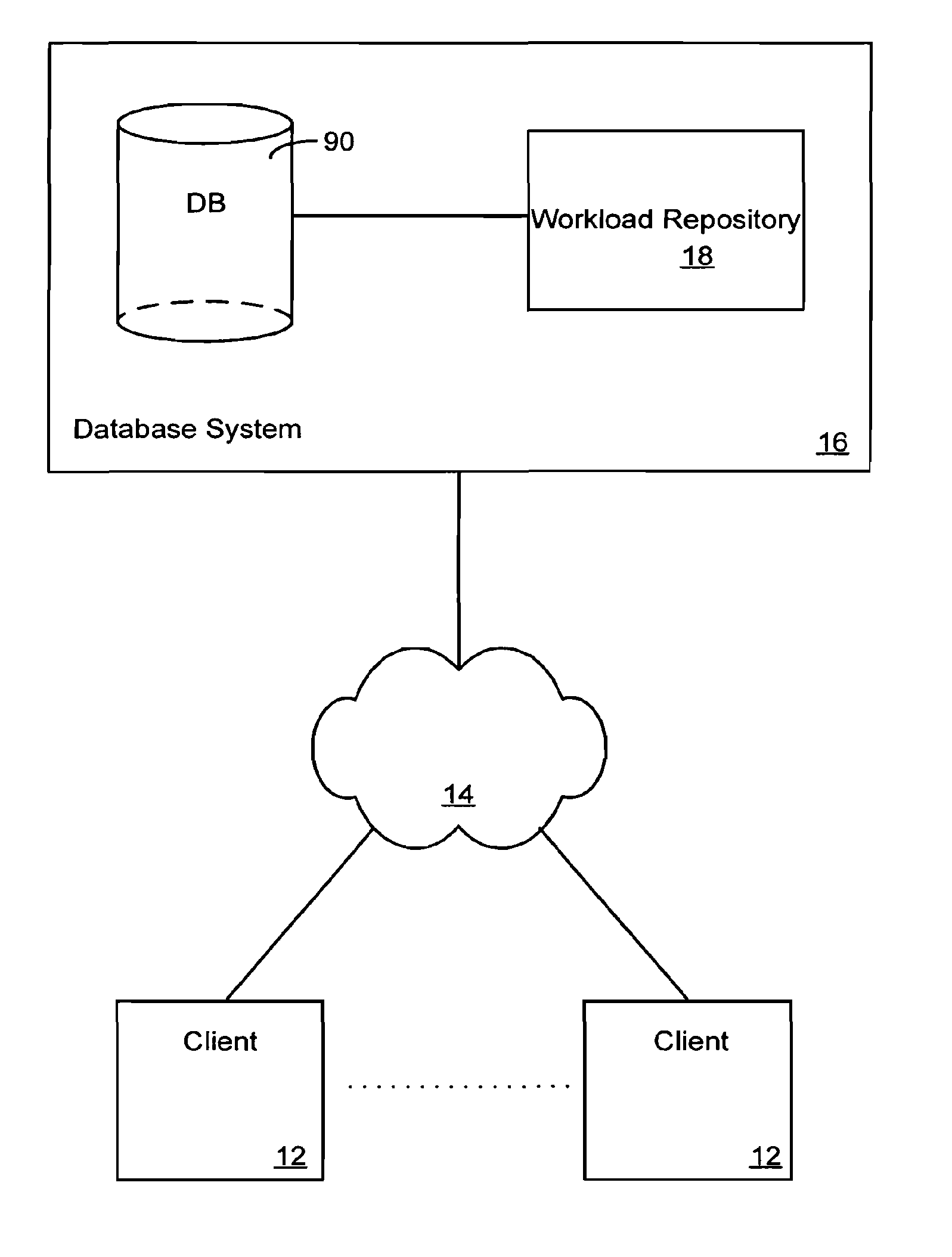
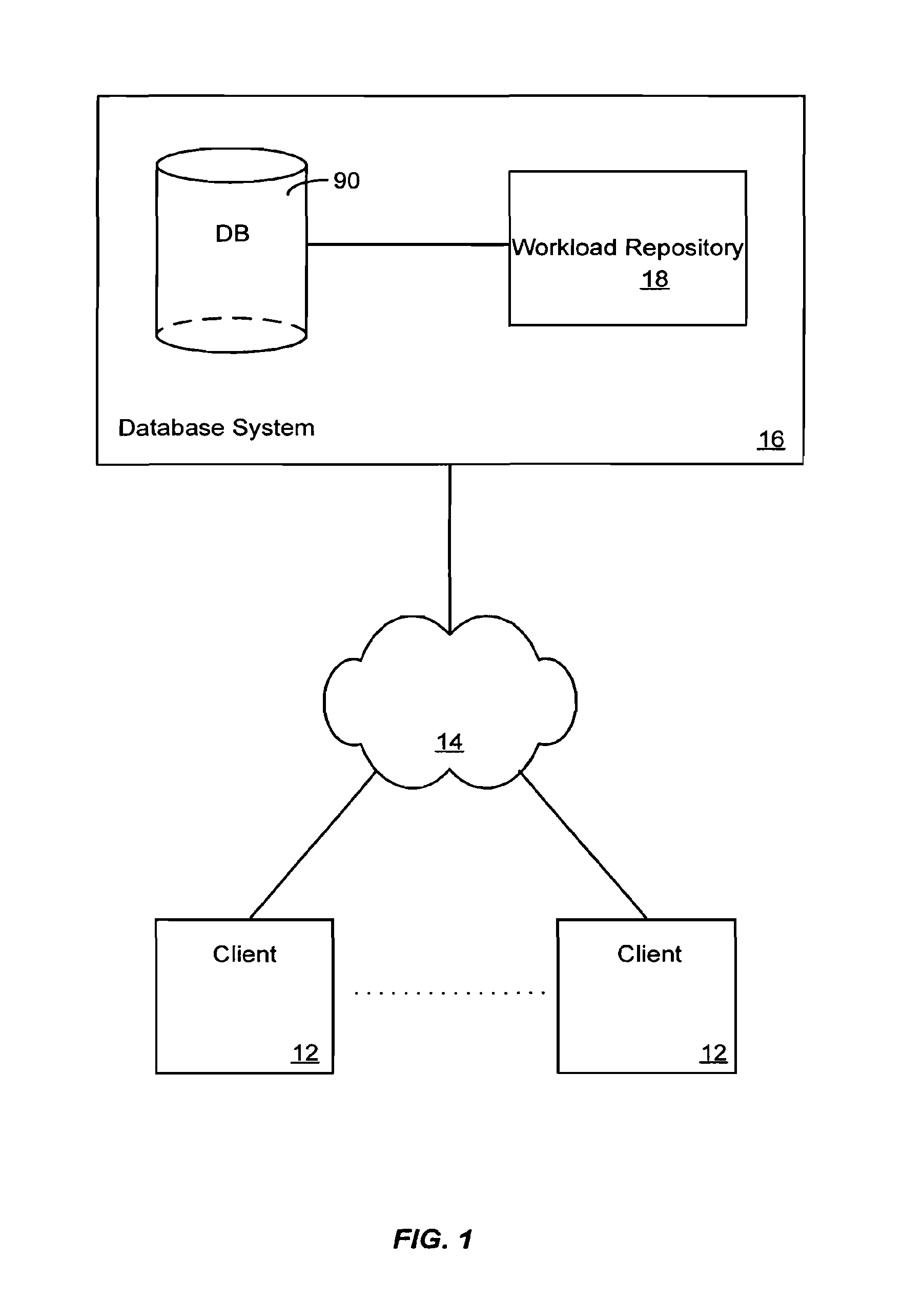
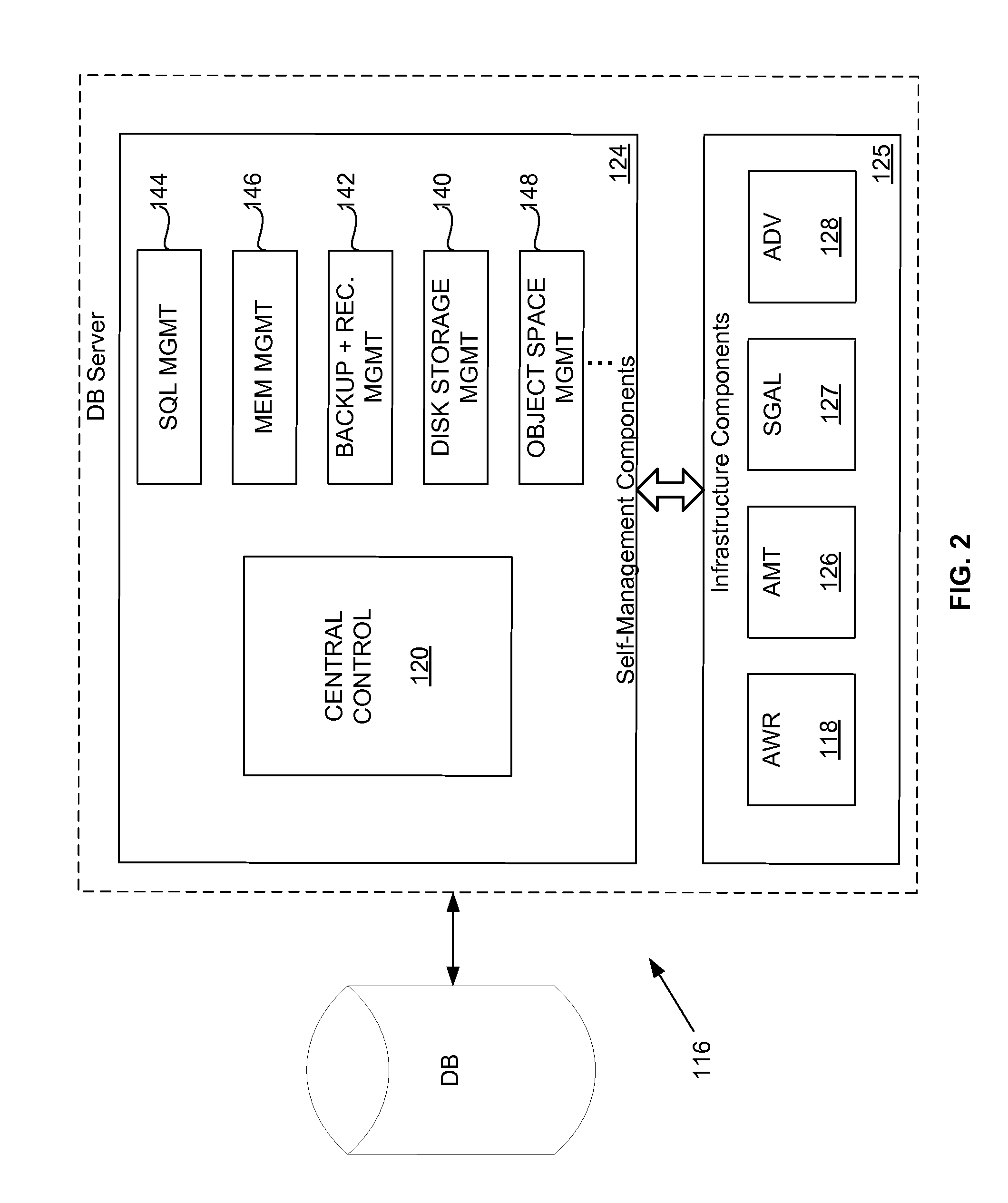
- A self-managing database system with integrated components such as an Automatic Workload Repository, Automatic Maintenance Tasks, Server-generated Alerts, and a Uniform Advisory component, along with a central management control module like the Automatic Database Diagnostic Monitor, which automatically collects and analyzes statistics, performs maintenance, alerts administrators of issues, and provides recommendations for improvement.

Self-managing database architecture
PatentWO2005024669A1
Innovation
- A self-managing database architecture that integrates various components with a central management control, including an Automatic Workload Repository, Automatic Maintenance Tasks, Server-generated Alerts, and a Uniform Advisory component, allowing the database to automatically collect and analyze statistics, correct issues, and provide recommendations for performance improvement.


Data Privacy and Security Compliance Framework
Autonomous databases implement comprehensive data privacy and security compliance frameworks that significantly reduce operational complexity through automated governance mechanisms. These systems integrate built-in compliance controls that automatically enforce regulatory requirements such as GDPR, HIPAA, and SOX without requiring manual intervention from database administrators. The framework continuously monitors data access patterns, automatically applies encryption protocols, and maintains detailed audit trails that satisfy regulatory documentation requirements.
The automated compliance architecture eliminates the need for organizations to manually configure and maintain complex security policies across multiple database instances. Traditional database environments require dedicated security teams to implement role-based access controls, configure encryption settings, and establish monitoring protocols for each compliance requirement. Autonomous databases streamline this process by providing pre-configured compliance templates that automatically adapt to specific regulatory frameworks based on data classification and organizational requirements.
Data masking and anonymization capabilities within autonomous databases further reduce operational overhead by automatically identifying sensitive data elements and applying appropriate protection measures. The system employs machine learning algorithms to detect personally identifiable information, financial data, and other sensitive content, then automatically applies masking techniques during non-production activities. This eliminates the manual effort typically required to identify, classify, and protect sensitive data across development, testing, and analytics environments.
Continuous compliance monitoring represents another critical aspect of complexity reduction, as autonomous databases automatically track regulatory changes and update security configurations accordingly. The system maintains real-time compliance dashboards that provide immediate visibility into security posture and regulatory adherence status. Automated alerting mechanisms notify administrators of potential compliance violations before they escalate into serious security incidents, reducing the reactive workload associated with compliance management.
The integration of advanced threat detection capabilities within the compliance framework enables autonomous databases to identify and respond to security anomalies without human intervention. Machine learning models analyze user behavior patterns, query execution characteristics, and data access trends to detect potential security breaches or unauthorized activities. This proactive approach significantly reduces the operational burden of security monitoring while maintaining robust protection against evolving cyber threats.
The automated compliance architecture eliminates the need for organizations to manually configure and maintain complex security policies across multiple database instances. Traditional database environments require dedicated security teams to implement role-based access controls, configure encryption settings, and establish monitoring protocols for each compliance requirement. Autonomous databases streamline this process by providing pre-configured compliance templates that automatically adapt to specific regulatory frameworks based on data classification and organizational requirements.
Data masking and anonymization capabilities within autonomous databases further reduce operational overhead by automatically identifying sensitive data elements and applying appropriate protection measures. The system employs machine learning algorithms to detect personally identifiable information, financial data, and other sensitive content, then automatically applies masking techniques during non-production activities. This eliminates the manual effort typically required to identify, classify, and protect sensitive data across development, testing, and analytics environments.
Continuous compliance monitoring represents another critical aspect of complexity reduction, as autonomous databases automatically track regulatory changes and update security configurations accordingly. The system maintains real-time compliance dashboards that provide immediate visibility into security posture and regulatory adherence status. Automated alerting mechanisms notify administrators of potential compliance violations before they escalate into serious security incidents, reducing the reactive workload associated with compliance management.
The integration of advanced threat detection capabilities within the compliance framework enables autonomous databases to identify and respond to security anomalies without human intervention. Machine learning models analyze user behavior patterns, query execution characteristics, and data access trends to detect potential security breaches or unauthorized activities. This proactive approach significantly reduces the operational burden of security monitoring while maintaining robust protection against evolving cyber threats.
Cost-Benefit Analysis of Autonomous Database Adoption
The economic evaluation of autonomous database adoption reveals compelling financial advantages that extend beyond simple cost reduction. Organizations typically experience a 30-40% decrease in total cost of ownership within the first two years of implementation. This reduction stems primarily from eliminated manual database administration tasks, reduced downtime incidents, and optimized resource utilization through intelligent automation.
Initial investment considerations include licensing costs, migration expenses, and staff training programs. While autonomous database solutions often carry premium pricing compared to traditional systems, the upfront costs are typically offset by operational savings within 12-18 months. Migration costs vary significantly based on database complexity and data volume, ranging from $50,000 for small enterprises to several million dollars for large-scale implementations.
Operational cost benefits manifest through multiple channels. Labor cost reductions represent the most significant savings, as autonomous systems eliminate routine maintenance tasks, patch management, and performance tuning activities. Organizations report 60-80% reduction in database administration workload, allowing IT teams to focus on strategic initiatives rather than routine maintenance. Additionally, automated backup and recovery processes reduce the risk of human error, which historically accounts for 70% of database-related incidents.
Performance optimization capabilities generate substantial indirect benefits. Autonomous systems continuously monitor and adjust database configurations, resulting in 20-30% improvement in query performance and application response times. This enhancement translates to increased productivity across business operations and improved customer satisfaction metrics.
Risk mitigation represents another critical benefit dimension. Autonomous databases provide built-in security features, automated patching, and predictive failure detection, significantly reducing the probability of costly security breaches or system failures. The average cost of database downtime ranges from $5,000 to $50,000 per hour, making reliability improvements particularly valuable for mission-critical applications.
Return on investment calculations demonstrate positive outcomes across various organizational sizes. Small to medium enterprises typically achieve ROI within 18 months, while large enterprises with complex database environments may require 24-36 months to realize full benefits. However, the cumulative savings over a five-year period often exceed 200-300% of initial investment costs, making autonomous database adoption a financially sound strategic decision for most organizations.
Initial investment considerations include licensing costs, migration expenses, and staff training programs. While autonomous database solutions often carry premium pricing compared to traditional systems, the upfront costs are typically offset by operational savings within 12-18 months. Migration costs vary significantly based on database complexity and data volume, ranging from $50,000 for small enterprises to several million dollars for large-scale implementations.
Operational cost benefits manifest through multiple channels. Labor cost reductions represent the most significant savings, as autonomous systems eliminate routine maintenance tasks, patch management, and performance tuning activities. Organizations report 60-80% reduction in database administration workload, allowing IT teams to focus on strategic initiatives rather than routine maintenance. Additionally, automated backup and recovery processes reduce the risk of human error, which historically accounts for 70% of database-related incidents.
Performance optimization capabilities generate substantial indirect benefits. Autonomous systems continuously monitor and adjust database configurations, resulting in 20-30% improvement in query performance and application response times. This enhancement translates to increased productivity across business operations and improved customer satisfaction metrics.
Risk mitigation represents another critical benefit dimension. Autonomous databases provide built-in security features, automated patching, and predictive failure detection, significantly reducing the probability of costly security breaches or system failures. The average cost of database downtime ranges from $5,000 to $50,000 per hour, making reliability improvements particularly valuable for mission-critical applications.
Return on investment calculations demonstrate positive outcomes across various organizational sizes. Small to medium enterprises typically achieve ROI within 18 months, while large enterprises with complex database environments may require 24-36 months to realize full benefits. However, the cumulative savings over a five-year period often exceed 200-300% of initial investment costs, making autonomous database adoption a financially sound strategic decision for most organizations.
Unlock deeper insights with PatSnap Eureka Quick Research — get a full tech report to explore trends and direct your research. Try now!
Generate Your Research Report Instantly with AI Agent
Supercharge your innovation with PatSnap Eureka AI Agent Platform!