

Autonomous Database Infrastructure for Modern Analytics
MAR 17, 20269 MIN READ
Generate Your Research Report Instantly with AI Agent
PatSnap Eureka helps you evaluate technical feasibility & market potential.
Autonomous Database Background and Analytics Goals
The evolution of database systems has undergone significant transformation from traditional relational databases to modern autonomous platforms designed for analytics workloads. Early database architectures required extensive manual configuration, tuning, and maintenance, creating operational overhead and potential performance bottlenecks. The emergence of cloud computing and big data analytics has fundamentally shifted requirements toward self-managing, self-optimizing database infrastructures capable of handling diverse analytical workloads with minimal human intervention.
Autonomous database technology represents a paradigm shift in database management, incorporating artificial intelligence and machine learning algorithms to automate routine administrative tasks. This evolution addresses critical challenges in modern data environments, including the complexity of managing heterogeneous data sources, the need for real-time analytics processing, and the demand for elastic scalability. The technology has progressed from basic automation features to sophisticated self-healing and self-securing capabilities.
The development trajectory of autonomous databases has been driven by the exponential growth in data volumes and the increasing complexity of analytical queries. Organizations now require database systems that can automatically adapt to changing workload patterns, optimize query performance dynamically, and scale resources based on demand fluctuations. This technological advancement has been particularly accelerated by advances in machine learning algorithms and cloud-native architectures.
Modern analytics goals center on achieving real-time insights from massive datasets while maintaining high availability and performance consistency. The primary objectives include eliminating manual database administration overhead, reducing operational costs, and improving system reliability through automated fault detection and recovery mechanisms. Additionally, autonomous databases aim to democratize advanced analytics by reducing the technical expertise required for database management.
The strategic importance of autonomous database infrastructure lies in its ability to support complex analytical workloads including machine learning model training, real-time streaming analytics, and multi-dimensional data processing. These systems must seamlessly integrate with modern data architectures, supporting both structured and unstructured data formats while providing consistent performance across varying computational demands. The ultimate goal is creating a self-sufficient database ecosystem that enables organizations to focus on deriving business value from data rather than managing underlying infrastructure complexities.
Autonomous database technology represents a paradigm shift in database management, incorporating artificial intelligence and machine learning algorithms to automate routine administrative tasks. This evolution addresses critical challenges in modern data environments, including the complexity of managing heterogeneous data sources, the need for real-time analytics processing, and the demand for elastic scalability. The technology has progressed from basic automation features to sophisticated self-healing and self-securing capabilities.
The development trajectory of autonomous databases has been driven by the exponential growth in data volumes and the increasing complexity of analytical queries. Organizations now require database systems that can automatically adapt to changing workload patterns, optimize query performance dynamically, and scale resources based on demand fluctuations. This technological advancement has been particularly accelerated by advances in machine learning algorithms and cloud-native architectures.
Modern analytics goals center on achieving real-time insights from massive datasets while maintaining high availability and performance consistency. The primary objectives include eliminating manual database administration overhead, reducing operational costs, and improving system reliability through automated fault detection and recovery mechanisms. Additionally, autonomous databases aim to democratize advanced analytics by reducing the technical expertise required for database management.
The strategic importance of autonomous database infrastructure lies in its ability to support complex analytical workloads including machine learning model training, real-time streaming analytics, and multi-dimensional data processing. These systems must seamlessly integrate with modern data architectures, supporting both structured and unstructured data formats while providing consistent performance across varying computational demands. The ultimate goal is creating a self-sufficient database ecosystem that enables organizations to focus on deriving business value from data rather than managing underlying infrastructure complexities.
Market Demand for Self-Managing Database Solutions
The modern enterprise landscape is experiencing unprecedented data growth, with organizations generating and collecting vast amounts of information from diverse sources including IoT devices, mobile applications, cloud services, and traditional business systems. This exponential data expansion has created significant challenges for traditional database management approaches, where manual administration, performance tuning, and maintenance tasks consume substantial IT resources and expertise.
Enterprise decision-makers increasingly recognize that conventional database infrastructure cannot adequately support the velocity, variety, and volume demands of contemporary analytics workloads. Organizations require real-time insights from streaming data, complex analytical queries across heterogeneous datasets, and seamless scalability to accommodate fluctuating computational demands. These requirements have intensified the need for database solutions that can automatically optimize performance, manage resources, and adapt to changing workload patterns without human intervention.
The shortage of skilled database administrators and the rising complexity of multi-cloud environments further amplify market demand for autonomous database technologies. Companies across industries are seeking solutions that can reduce operational overhead while maintaining high availability, security, and performance standards. Financial services firms need real-time fraud detection capabilities, retail organizations require dynamic inventory optimization, and healthcare institutions demand instant access to patient data analytics.
Cloud adoption has accelerated this trend, as organizations migrate from on-premises infrastructure to hybrid and multi-cloud architectures. These environments demand database solutions capable of automatic provisioning, elastic scaling, and intelligent workload distribution across different cloud platforms. The complexity of managing databases across multiple environments has made self-managing capabilities not just desirable but essential for operational efficiency.
Market research indicates strong enterprise willingness to invest in autonomous database infrastructure, driven by the potential for significant cost reduction in database administration, improved application performance, and faster time-to-insight for business analytics. Organizations are particularly interested in solutions that can automatically detect and resolve performance bottlenecks, optimize query execution plans, and implement security patches without service disruption.
The demand extends beyond large enterprises to mid-market companies that lack extensive database expertise but require sophisticated analytics capabilities to remain competitive. These organizations seek turnkey solutions that provide enterprise-grade database functionality with minimal administrative burden, making autonomous database infrastructure an attractive proposition for democratizing advanced data management capabilities across different market segments.
Enterprise decision-makers increasingly recognize that conventional database infrastructure cannot adequately support the velocity, variety, and volume demands of contemporary analytics workloads. Organizations require real-time insights from streaming data, complex analytical queries across heterogeneous datasets, and seamless scalability to accommodate fluctuating computational demands. These requirements have intensified the need for database solutions that can automatically optimize performance, manage resources, and adapt to changing workload patterns without human intervention.
The shortage of skilled database administrators and the rising complexity of multi-cloud environments further amplify market demand for autonomous database technologies. Companies across industries are seeking solutions that can reduce operational overhead while maintaining high availability, security, and performance standards. Financial services firms need real-time fraud detection capabilities, retail organizations require dynamic inventory optimization, and healthcare institutions demand instant access to patient data analytics.
Cloud adoption has accelerated this trend, as organizations migrate from on-premises infrastructure to hybrid and multi-cloud architectures. These environments demand database solutions capable of automatic provisioning, elastic scaling, and intelligent workload distribution across different cloud platforms. The complexity of managing databases across multiple environments has made self-managing capabilities not just desirable but essential for operational efficiency.
Market research indicates strong enterprise willingness to invest in autonomous database infrastructure, driven by the potential for significant cost reduction in database administration, improved application performance, and faster time-to-insight for business analytics. Organizations are particularly interested in solutions that can automatically detect and resolve performance bottlenecks, optimize query execution plans, and implement security patches without service disruption.
The demand extends beyond large enterprises to mid-market companies that lack extensive database expertise but require sophisticated analytics capabilities to remain competitive. These organizations seek turnkey solutions that provide enterprise-grade database functionality with minimal administrative burden, making autonomous database infrastructure an attractive proposition for democratizing advanced data management capabilities across different market segments.
Current State of Autonomous Database Technologies
The autonomous database landscape has experienced significant evolution over the past decade, with major cloud providers and database vendors establishing distinct technological approaches. Oracle pioneered the autonomous database concept with its Autonomous Database Cloud service, introducing self-driving, self-securing, and self-repairing capabilities that fundamentally redefined database management paradigms. This foundational work established the benchmark for autonomous operations in enterprise environments.
Amazon Web Services has developed a comprehensive autonomous database ecosystem through services like Amazon Aurora Serverless, Amazon RDS Performance Insights, and automated backup solutions. Their approach emphasizes seamless scalability and intelligent resource allocation, leveraging machine learning algorithms to optimize query performance and predict workload patterns. Microsoft Azure has similarly invested in autonomous capabilities through Azure SQL Database's intelligent performance features and automated tuning mechanisms.
Google Cloud Platform distinguishes itself through BigQuery's serverless architecture and Cloud SQL's intelligent scaling capabilities. Their autonomous infrastructure particularly excels in analytics workloads, incorporating advanced machine learning models for query optimization and resource prediction. The integration with Google's AI/ML ecosystem provides unique advantages for modern analytics applications.
Current autonomous database technologies face several persistent challenges that limit their full potential. Performance optimization remains complex, particularly for mixed workload environments where transactional and analytical operations compete for resources. Security automation, while advanced, still requires human oversight for complex threat scenarios and compliance requirements. Cost optimization algorithms, though sophisticated, often struggle with unpredictable workload spikes and multi-tenant resource allocation.
The geographical distribution of autonomous database capabilities reveals significant disparities. North American and European markets benefit from mature autonomous database offerings with comprehensive feature sets, while Asia-Pacific regions experience varying levels of service availability and localization. Emerging markets face additional constraints related to data sovereignty requirements and limited cloud infrastructure penetration.
Technical limitations persist across all major platforms, including incomplete automation of database schema evolution, limited cross-platform migration capabilities, and insufficient integration with legacy enterprise systems. These constraints particularly impact organizations with complex, heterogeneous database environments seeking to adopt autonomous technologies while maintaining operational continuity.
Amazon Web Services has developed a comprehensive autonomous database ecosystem through services like Amazon Aurora Serverless, Amazon RDS Performance Insights, and automated backup solutions. Their approach emphasizes seamless scalability and intelligent resource allocation, leveraging machine learning algorithms to optimize query performance and predict workload patterns. Microsoft Azure has similarly invested in autonomous capabilities through Azure SQL Database's intelligent performance features and automated tuning mechanisms.
Google Cloud Platform distinguishes itself through BigQuery's serverless architecture and Cloud SQL's intelligent scaling capabilities. Their autonomous infrastructure particularly excels in analytics workloads, incorporating advanced machine learning models for query optimization and resource prediction. The integration with Google's AI/ML ecosystem provides unique advantages for modern analytics applications.
Current autonomous database technologies face several persistent challenges that limit their full potential. Performance optimization remains complex, particularly for mixed workload environments where transactional and analytical operations compete for resources. Security automation, while advanced, still requires human oversight for complex threat scenarios and compliance requirements. Cost optimization algorithms, though sophisticated, often struggle with unpredictable workload spikes and multi-tenant resource allocation.
The geographical distribution of autonomous database capabilities reveals significant disparities. North American and European markets benefit from mature autonomous database offerings with comprehensive feature sets, while Asia-Pacific regions experience varying levels of service availability and localization. Emerging markets face additional constraints related to data sovereignty requirements and limited cloud infrastructure penetration.
Technical limitations persist across all major platforms, including incomplete automation of database schema evolution, limited cross-platform migration capabilities, and insufficient integration with legacy enterprise systems. These constraints particularly impact organizations with complex, heterogeneous database environments seeking to adopt autonomous technologies while maintaining operational continuity.
Existing Self-Managing Database Architectures
01 Automated database provisioning and configuration management
Autonomous database systems can automatically provision database instances and manage configurations without manual intervention. The system handles resource allocation, initialization, and setup processes through automated workflows. This includes dynamic scaling of compute and storage resources based on workload demands, automated patching, and configuration optimization to ensure optimal performance and availability.- Automated database provisioning and configuration management: Autonomous database systems can automatically provision database instances and manage configurations without manual intervention. The system handles resource allocation, initialization, and setup processes through automated workflows. This includes dynamic scaling of compute and storage resources based on workload demands, automated patching, and configuration optimization to ensure optimal performance and availability.
- Self-tuning and performance optimization mechanisms: The infrastructure incorporates machine learning algorithms and intelligent monitoring to automatically tune database performance. The system continuously analyzes query patterns, workload characteristics, and resource utilization to optimize execution plans and indexing strategies. Automated performance tuning eliminates the need for manual database administration tasks and ensures consistent optimal performance across varying workloads.
- Automated backup, recovery and high availability features: The autonomous database infrastructure provides automated backup scheduling, point-in-time recovery capabilities, and disaster recovery mechanisms. The system implements continuous data protection with automated failover and replication across multiple availability zones. Self-healing capabilities detect and automatically recover from failures, ensuring business continuity with minimal downtime and data loss.
- Security automation and threat detection: The infrastructure includes automated security features such as encryption at rest and in transit, automated patching of security vulnerabilities, and continuous threat monitoring. Machine learning models detect anomalous access patterns and potential security breaches in real-time. The system automatically applies security policies, manages access controls, and generates compliance reports without manual oversight.
- Cloud-native architecture and multi-tenancy support: The autonomous database infrastructure is designed with cloud-native principles, supporting containerization, microservices architecture, and multi-tenant deployments. The system provides resource isolation between tenants while optimizing overall resource utilization. It enables seamless integration with cloud services, supports hybrid and multi-cloud deployments, and provides APIs for programmatic management and orchestration of database instances.
02 Self-tuning and performance optimization capabilities
The infrastructure incorporates machine learning algorithms to continuously monitor database performance and automatically tune parameters for optimal operation. The system analyzes query patterns, workload characteristics, and resource utilization to make real-time adjustments. Performance bottlenecks are identified and resolved automatically through intelligent indexing, query optimization, and resource reallocation without requiring database administrator intervention.Expand Specific Solutions03 Automated backup, recovery and high availability mechanisms
The autonomous database infrastructure implements automated backup strategies with continuous data protection and point-in-time recovery capabilities. The system maintains multiple replicas across different availability zones and automatically handles failover scenarios. Recovery procedures are executed without manual intervention, ensuring business continuity and minimizing downtime through intelligent monitoring and automated remediation processes.Expand Specific Solutions04 Security automation and threat detection
The infrastructure includes automated security features such as encryption at rest and in transit, access control management, and vulnerability assessment. Machine learning models continuously monitor for suspicious activities and potential security threats, automatically applying patches and security updates. The system implements automated compliance checking and generates audit trails to ensure regulatory requirements are met without manual oversight.Expand Specific Solutions05 Cloud-native architecture and multi-tenancy support
The autonomous database infrastructure is designed with cloud-native principles, supporting containerization and microservices architecture. It enables efficient multi-tenant deployments with resource isolation and workload management across different tenants. The system provides elastic scalability, allowing seamless expansion or contraction of resources based on demand while maintaining performance isolation and security boundaries between different database instances.Expand Specific Solutions
Key Players in Autonomous Database Market
The autonomous database infrastructure for modern analytics market is experiencing rapid evolution, currently in a growth phase driven by increasing demand for self-managing, AI-powered database systems. The market demonstrates substantial scale with established players like Oracle International Corp. and IBM leading traditional database segments, while emerging companies such as ThoughtSpot and Dremio are pioneering cloud-native analytics platforms. Technology maturity varies significantly across the competitive landscape - Oracle and IBM represent mature, enterprise-grade solutions with decades of development, whereas newer entrants like Beijing Renda Jincang and General Data Technology are advancing rapidly in specialized autonomous capabilities. Chinese companies including Huawei Technologies and telecom giants like China Telecom are increasingly investing in autonomous infrastructure to support domestic digital transformation initiatives, creating a diverse ecosystem spanning from foundational database management to advanced analytics automation.
Oracle International Corp.
Technical Solution: Oracle's Autonomous Database represents a comprehensive self-managing database infrastructure that leverages machine learning algorithms for automatic tuning, patching, and scaling without human intervention. The system incorporates advanced analytics capabilities with built-in machine learning models, automated indexing, and intelligent query optimization. Oracle's solution provides self-securing features including automatic encryption, vulnerability assessments, and threat detection. The platform supports both transactional and analytical workloads through its converged database architecture, enabling real-time analytics on operational data. Oracle Autonomous Database delivers up to 99.995% availability and reduces database management costs by up to 80% through automation.
Strengths: Market-leading automation capabilities, proven enterprise reliability, comprehensive security features. Weaknesses: High licensing costs, vendor lock-in concerns, complex migration from legacy systems.
International Business Machines Corp.
Technical Solution: IBM's autonomous database infrastructure centers around Db2 with AI-powered automation and IBM Cloud Pak for Data platform. The solution integrates Watson AI capabilities for intelligent workload management, automated performance tuning, and predictive maintenance. IBM's approach emphasizes hybrid cloud deployment with seamless data integration across on-premises and cloud environments. The platform features automated backup and recovery, intelligent storage optimization, and self-healing capabilities. IBM's solution includes advanced analytics with built-in machine learning pipelines, natural language query processing, and automated data preparation tools. The infrastructure supports multi-cloud deployments and provides enterprise-grade governance and compliance features for modern analytics workloads.
Strengths: Strong hybrid cloud capabilities, enterprise-grade security and governance, comprehensive AI integration. Weaknesses: Complex implementation process, higher total cost of ownership, steep learning curve for administrators.
Core ML-Driven Database Automation Patents
Self-managing database architecture
PatentInactiveUS7526508B2
Innovation
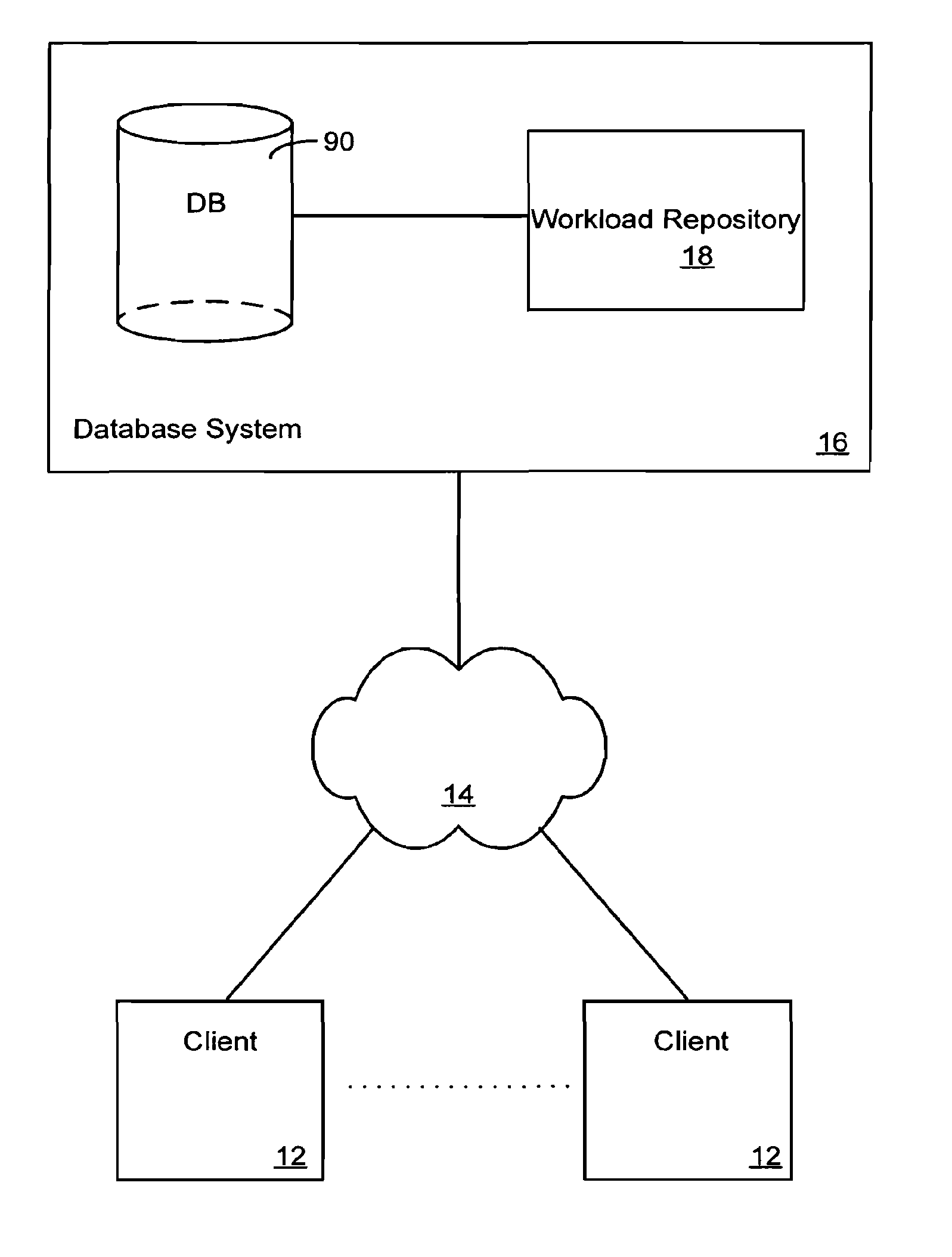
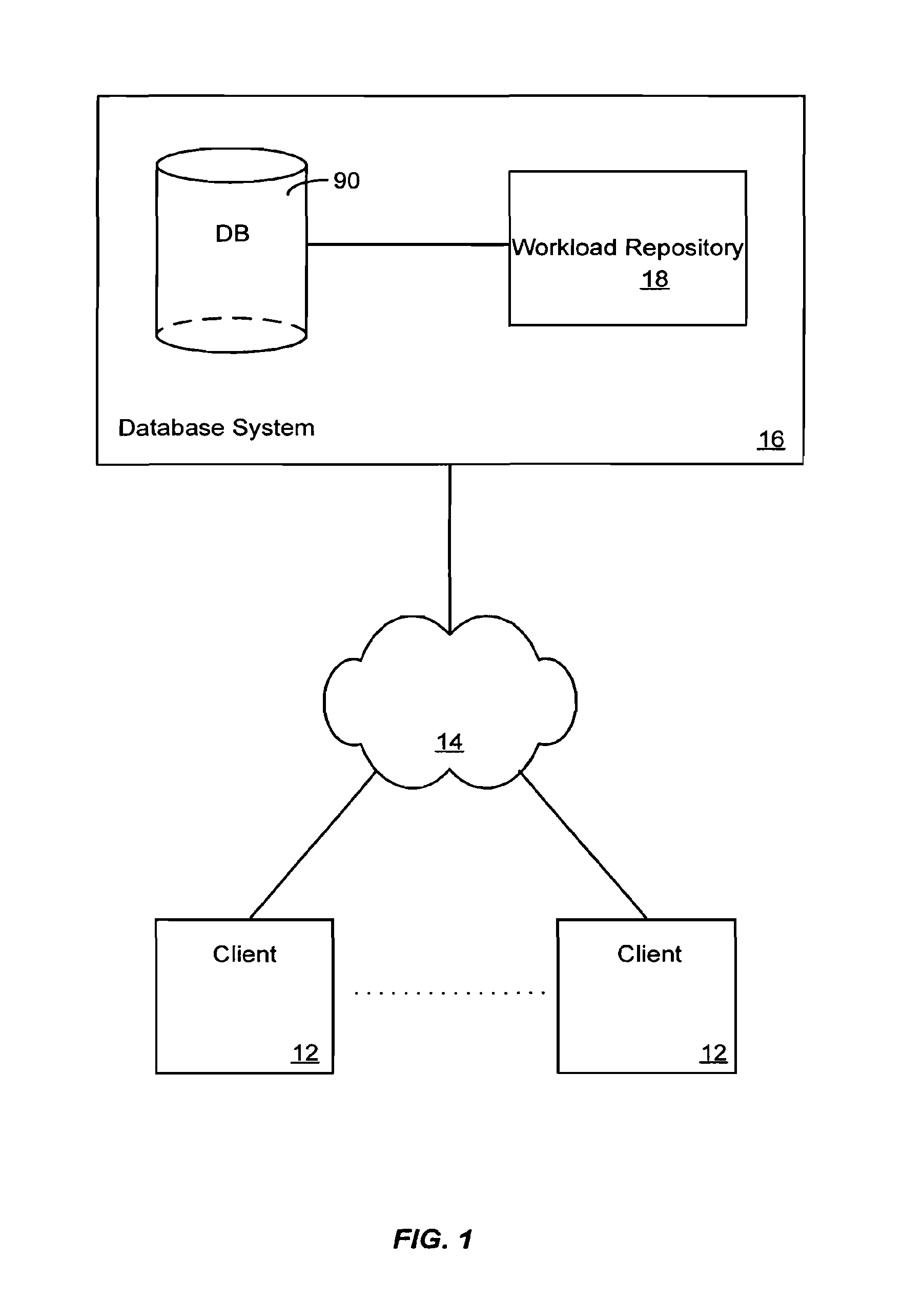
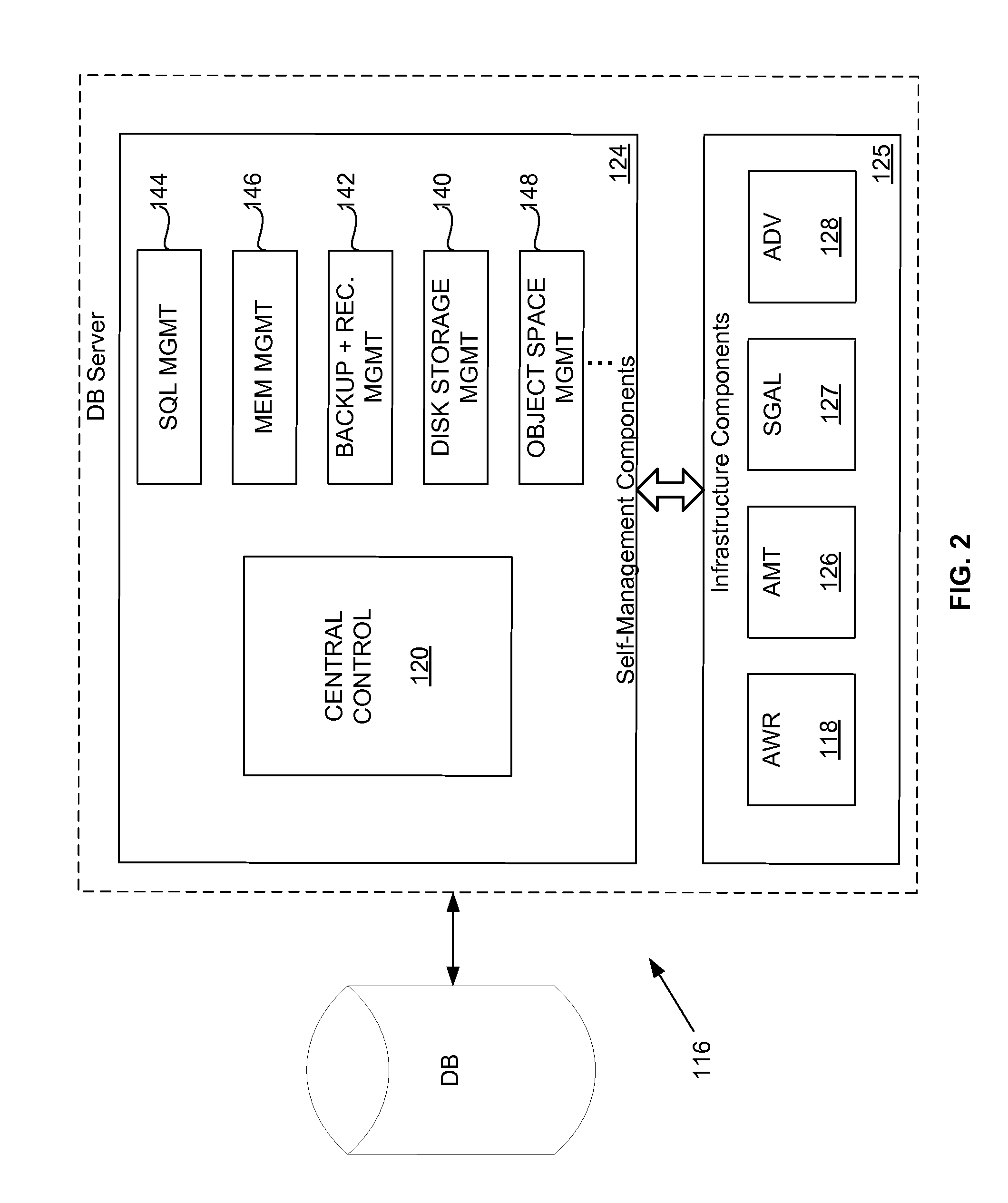
- A self-managing database system with integrated components such as an Automatic Workload Repository, Automatic Maintenance Tasks, Server-generated Alerts, and a Uniform Advisory component, along with a central management control module like the Automatic Database Diagnostic Monitor, which automatically collects and analyzes statistics, performs maintenance, alerts administrators of issues, and provides recommendations for improvement.

Rule-based autonomous database cloud service framework
PatentWO2019068002A1
Innovation
- A rule-based autonomous database cloud service framework that utilizes an asynchronous job framework and an event-based automatic rule engine to autonomously reconfigure databases, allowing for dynamic topology optimization and self-management through machine learning and asynchronous job execution.


Data Privacy Regulations for Autonomous Systems
The regulatory landscape for autonomous database systems presents a complex web of data privacy requirements that organizations must navigate when implementing modern analytics infrastructure. Current regulations such as the General Data Protection Regulation (GDPR) in Europe, the California Consumer Privacy Act (CCPA) in the United States, and emerging frameworks in Asia-Pacific regions establish fundamental principles for automated data processing systems. These regulations specifically address concerns about algorithmic decision-making, data subject rights, and the transparency requirements for systems that operate with minimal human intervention.
Autonomous database systems face unique compliance challenges due to their self-managing capabilities and continuous learning mechanisms. The automated nature of these systems raises questions about data controller responsibilities, particularly when databases automatically optimize queries, redistribute data, or make decisions about data retention and deletion. Regulatory frameworks increasingly require organizations to demonstrate explicit consent for automated processing, implement privacy-by-design principles, and maintain detailed audit trails of all system decisions affecting personal data.
Cross-border data transfer regulations significantly impact autonomous analytics infrastructure deployment strategies. Organizations must ensure that automated systems comply with data localization requirements while maintaining the global scalability that modern analytics demands. The emerging concept of "algorithmic accountability" requires autonomous systems to provide explainable decisions, particularly when processing personal data for analytics purposes.
Recent regulatory developments indicate a trend toward more stringent requirements for automated systems. The proposed EU AI Act introduces specific obligations for high-risk AI systems, which may include certain autonomous database applications. Similarly, sector-specific regulations in healthcare, finance, and telecommunications are evolving to address the unique risks posed by autonomous data processing systems.
Compliance frameworks are adapting to address the technical realities of autonomous systems, including requirements for continuous monitoring, automated privacy impact assessments, and real-time consent management. Organizations must implement governance structures that can oversee autonomous operations while ensuring regulatory compliance across multiple jurisdictions and evolving legal landscapes.
Autonomous database systems face unique compliance challenges due to their self-managing capabilities and continuous learning mechanisms. The automated nature of these systems raises questions about data controller responsibilities, particularly when databases automatically optimize queries, redistribute data, or make decisions about data retention and deletion. Regulatory frameworks increasingly require organizations to demonstrate explicit consent for automated processing, implement privacy-by-design principles, and maintain detailed audit trails of all system decisions affecting personal data.
Cross-border data transfer regulations significantly impact autonomous analytics infrastructure deployment strategies. Organizations must ensure that automated systems comply with data localization requirements while maintaining the global scalability that modern analytics demands. The emerging concept of "algorithmic accountability" requires autonomous systems to provide explainable decisions, particularly when processing personal data for analytics purposes.
Recent regulatory developments indicate a trend toward more stringent requirements for automated systems. The proposed EU AI Act introduces specific obligations for high-risk AI systems, which may include certain autonomous database applications. Similarly, sector-specific regulations in healthcare, finance, and telecommunications are evolving to address the unique risks posed by autonomous data processing systems.
Compliance frameworks are adapting to address the technical realities of autonomous systems, including requirements for continuous monitoring, automated privacy impact assessments, and real-time consent management. Organizations must implement governance structures that can oversee autonomous operations while ensuring regulatory compliance across multiple jurisdictions and evolving legal landscapes.
Cloud Security Standards for Self-Managing Databases
Cloud security standards for self-managing databases represent a critical framework that governs the protection of autonomous database infrastructures in modern analytics environments. These standards encompass comprehensive security protocols specifically designed to address the unique challenges posed by databases that operate with minimal human intervention while processing vast amounts of analytical data.
The foundation of cloud security standards for autonomous databases rests on multi-layered security architectures that integrate identity and access management, data encryption, network security, and continuous monitoring capabilities. Leading cloud providers have established frameworks such as AWS Security Framework, Microsoft Azure Security Benchmark, and Google Cloud Security Command Center, which provide specific guidelines for autonomous database deployments.
Data protection standards mandate end-to-end encryption for data at rest, in transit, and during processing phases. Advanced encryption standards including AES-256 and transparent data encryption ensure that sensitive analytical data remains protected even when databases perform autonomous optimization and maintenance tasks. Key management systems must comply with standards like FIPS 140-2 Level 3 to maintain cryptographic integrity.
Access control standards emphasize zero-trust security models where autonomous databases implement role-based access control, attribute-based access control, and just-in-time access provisioning. These standards require continuous authentication and authorization validation, ensuring that only legitimate users and processes can interact with the database infrastructure.
Compliance frameworks such as SOC 2 Type II, ISO 27001, and industry-specific regulations like GDPR and HIPAA establish mandatory security controls for autonomous database operations. These standards define audit trails, data lineage tracking, and automated compliance reporting mechanisms that self-managing databases must implement to maintain regulatory adherence.
Emerging standards focus on AI-driven security orchestration, where autonomous databases can detect, respond to, and mitigate security threats in real-time without human intervention, establishing new paradigms for proactive database security management.
The foundation of cloud security standards for autonomous databases rests on multi-layered security architectures that integrate identity and access management, data encryption, network security, and continuous monitoring capabilities. Leading cloud providers have established frameworks such as AWS Security Framework, Microsoft Azure Security Benchmark, and Google Cloud Security Command Center, which provide specific guidelines for autonomous database deployments.
Data protection standards mandate end-to-end encryption for data at rest, in transit, and during processing phases. Advanced encryption standards including AES-256 and transparent data encryption ensure that sensitive analytical data remains protected even when databases perform autonomous optimization and maintenance tasks. Key management systems must comply with standards like FIPS 140-2 Level 3 to maintain cryptographic integrity.
Access control standards emphasize zero-trust security models where autonomous databases implement role-based access control, attribute-based access control, and just-in-time access provisioning. These standards require continuous authentication and authorization validation, ensuring that only legitimate users and processes can interact with the database infrastructure.
Compliance frameworks such as SOC 2 Type II, ISO 27001, and industry-specific regulations like GDPR and HIPAA establish mandatory security controls for autonomous database operations. These standards define audit trails, data lineage tracking, and automated compliance reporting mechanisms that self-managing databases must implement to maintain regulatory adherence.
Emerging standards focus on AI-driven security orchestration, where autonomous databases can detect, respond to, and mitigate security threats in real-time without human intervention, establishing new paradigms for proactive database security management.
Unlock deeper insights with PatSnap Eureka Quick Research — get a full tech report to explore trends and direct your research. Try now!
Generate Your Research Report Instantly with AI Agent
Supercharge your innovation with PatSnap Eureka AI Agent Platform!