

Battery Additives in Biotechnology: Case Studies
APR 15, 20269 MIN READ
Generate Your Research Report Instantly with AI Agent
PatSnap Eureka helps you evaluate technical feasibility & market potential.
Battery Additive Biotech Background and Objectives
The convergence of battery technology and biotechnology represents a transformative frontier in energy storage solutions, driven by the urgent need for sustainable, high-performance, and environmentally compatible energy systems. This interdisciplinary field has emerged from decades of parallel developments in electrochemical energy storage and biological sciences, creating unprecedented opportunities for innovation in battery additive technologies.
Traditional battery additives have primarily relied on synthetic chemical compounds to enhance performance characteristics such as conductivity, stability, and cycle life. However, the integration of biotechnological approaches has opened new pathways for developing bio-derived, biocompatible, and biodegradable additives that address both performance and environmental sustainability challenges. This evolution reflects a broader shift toward green chemistry principles and circular economy models in energy storage technologies.
The historical development of battery additives in biotechnology can be traced through several key phases. Initial explorations focused on understanding how biological systems manage ion transport and energy conversion at the molecular level. Subsequent research investigated the potential of biomolecules such as proteins, peptides, and polysaccharides as functional components in battery systems. Recent advances have demonstrated the feasibility of engineering biological systems to produce specialized compounds tailored for specific battery applications.
Current technological objectives in this field encompass multiple dimensions of innovation. Primary goals include developing bio-based additives that can significantly improve battery performance metrics while maintaining cost-effectiveness and scalability. These objectives extend to creating additives that enhance safety profiles, reduce environmental impact throughout the product lifecycle, and enable new battery architectures previously unattainable with conventional materials.
The strategic importance of this technology lies in its potential to address critical limitations of existing battery systems while aligning with global sustainability imperatives. As energy storage demands continue to escalate across transportation, grid storage, and portable electronics applications, the development of advanced battery additives through biotechnological approaches represents a crucial pathway toward meeting these challenges with innovative, sustainable solutions.
Traditional battery additives have primarily relied on synthetic chemical compounds to enhance performance characteristics such as conductivity, stability, and cycle life. However, the integration of biotechnological approaches has opened new pathways for developing bio-derived, biocompatible, and biodegradable additives that address both performance and environmental sustainability challenges. This evolution reflects a broader shift toward green chemistry principles and circular economy models in energy storage technologies.
The historical development of battery additives in biotechnology can be traced through several key phases. Initial explorations focused on understanding how biological systems manage ion transport and energy conversion at the molecular level. Subsequent research investigated the potential of biomolecules such as proteins, peptides, and polysaccharides as functional components in battery systems. Recent advances have demonstrated the feasibility of engineering biological systems to produce specialized compounds tailored for specific battery applications.
Current technological objectives in this field encompass multiple dimensions of innovation. Primary goals include developing bio-based additives that can significantly improve battery performance metrics while maintaining cost-effectiveness and scalability. These objectives extend to creating additives that enhance safety profiles, reduce environmental impact throughout the product lifecycle, and enable new battery architectures previously unattainable with conventional materials.
The strategic importance of this technology lies in its potential to address critical limitations of existing battery systems while aligning with global sustainability imperatives. As energy storage demands continue to escalate across transportation, grid storage, and portable electronics applications, the development of advanced battery additives through biotechnological approaches represents a crucial pathway toward meeting these challenges with innovative, sustainable solutions.
Market Demand for Bio-Enhanced Battery Solutions
The global battery market is experiencing unprecedented growth driven by the accelerating transition toward renewable energy systems and electric mobility. Traditional lithium-ion batteries face increasing scrutiny regarding environmental sustainability, resource scarcity, and end-of-life disposal challenges. This context has created substantial market demand for bio-enhanced battery solutions that incorporate biotechnology-derived additives to improve performance while addressing environmental concerns.
Bio-enhanced battery solutions represent a convergence of biotechnology and energy storage, where biological materials and processes are leveraged to create more sustainable and efficient battery systems. The market demand stems from multiple sectors including electric vehicles, consumer electronics, grid-scale energy storage, and portable medical devices. Each sector presents unique requirements for energy density, charging speed, safety, and environmental compatibility that bio-enhanced solutions can potentially address.
The automotive industry represents the largest demand driver for bio-enhanced battery technologies. Electric vehicle manufacturers are actively seeking battery solutions that offer improved thermal stability, faster charging capabilities, and reduced environmental impact throughout the product lifecycle. Bio-derived additives such as lignin-based separators, cellulose-derived electrolytes, and protein-based binders are gaining attention for their potential to enhance battery safety while reducing dependence on synthetic materials.
Consumer electronics manufacturers are increasingly focused on sustainable product development to meet evolving regulatory requirements and consumer preferences. Bio-enhanced battery additives offer opportunities to improve device performance while supporting corporate sustainability goals. The demand is particularly strong for additives that can extend battery lifespan, reduce charging time, and enable safer operation in compact device form factors.
Grid-scale energy storage applications present another significant market opportunity for bio-enhanced battery solutions. Utility companies and renewable energy developers require cost-effective, long-duration storage systems with minimal environmental impact. Bio-derived battery additives that improve cycle life, reduce degradation, and enable operation across wider temperature ranges are particularly valued in this market segment.
The medical device sector demonstrates growing interest in bio-compatible battery solutions, especially for implantable devices and wearable health monitors. Bio-enhanced additives that improve biocompatibility while maintaining reliable performance characteristics address critical safety requirements in medical applications.
Market demand is further amplified by increasing regulatory pressure for sustainable manufacturing practices and circular economy principles. Government incentives for clean technology development and stricter environmental regulations are creating favorable conditions for bio-enhanced battery adoption across multiple industries.
Bio-enhanced battery solutions represent a convergence of biotechnology and energy storage, where biological materials and processes are leveraged to create more sustainable and efficient battery systems. The market demand stems from multiple sectors including electric vehicles, consumer electronics, grid-scale energy storage, and portable medical devices. Each sector presents unique requirements for energy density, charging speed, safety, and environmental compatibility that bio-enhanced solutions can potentially address.
The automotive industry represents the largest demand driver for bio-enhanced battery technologies. Electric vehicle manufacturers are actively seeking battery solutions that offer improved thermal stability, faster charging capabilities, and reduced environmental impact throughout the product lifecycle. Bio-derived additives such as lignin-based separators, cellulose-derived electrolytes, and protein-based binders are gaining attention for their potential to enhance battery safety while reducing dependence on synthetic materials.
Consumer electronics manufacturers are increasingly focused on sustainable product development to meet evolving regulatory requirements and consumer preferences. Bio-enhanced battery additives offer opportunities to improve device performance while supporting corporate sustainability goals. The demand is particularly strong for additives that can extend battery lifespan, reduce charging time, and enable safer operation in compact device form factors.
Grid-scale energy storage applications present another significant market opportunity for bio-enhanced battery solutions. Utility companies and renewable energy developers require cost-effective, long-duration storage systems with minimal environmental impact. Bio-derived battery additives that improve cycle life, reduce degradation, and enable operation across wider temperature ranges are particularly valued in this market segment.
The medical device sector demonstrates growing interest in bio-compatible battery solutions, especially for implantable devices and wearable health monitors. Bio-enhanced additives that improve biocompatibility while maintaining reliable performance characteristics address critical safety requirements in medical applications.
Market demand is further amplified by increasing regulatory pressure for sustainable manufacturing practices and circular economy principles. Government incentives for clean technology development and stricter environmental regulations are creating favorable conditions for bio-enhanced battery adoption across multiple industries.
Current State of Biotechnology in Battery Additives
The integration of biotechnology in battery additive development represents a rapidly evolving field that leverages biological systems and processes to enhance battery performance, sustainability, and manufacturing efficiency. Currently, this interdisciplinary approach encompasses several key technological domains, including bio-derived materials synthesis, enzymatic processing, and microbial production systems for battery components.
Bio-derived conductive additives have emerged as a significant area of development, with researchers successfully utilizing bacterial cellulose, chitosan derivatives, and lignin-based compounds as sustainable alternatives to traditional carbon-based additives. These materials demonstrate comparable or superior electrochemical properties while offering enhanced environmental compatibility and reduced production costs.
Enzymatic synthesis pathways are increasingly being employed to produce high-purity battery additives with precise molecular structures. Current applications include the use of oxidoreductases for creating conductive polymers and hydrolases for modifying surface properties of electrode materials. These biotechnological processes enable better control over additive characteristics compared to conventional chemical synthesis methods.
Microbial fermentation platforms have been successfully adapted for large-scale production of battery additives, particularly focusing on organic electrolyte components and binder materials. Genetically engineered microorganisms, primarily E. coli and yeast strains, are being utilized to produce specialized compounds that enhance ionic conductivity and thermal stability in battery systems.
The current technological landscape also includes significant advances in bio-templating approaches, where biological structures serve as scaffolds for creating nanostructured battery additives. Virus-based templates and bacterial biofilms are being explored for developing hierarchical electrode materials with improved surface area and charge transfer properties.
Despite these promising developments, several technical challenges persist in the field. Scalability remains a primary concern, as many biotechnological processes require optimization for industrial-scale production. Additionally, ensuring consistent quality and performance of bio-derived additives across different production batches continues to pose manufacturing challenges.
The regulatory landscape for biotechnology-derived battery additives is still evolving, with safety assessment protocols and environmental impact evaluations being developed specifically for these novel materials. Current research efforts are focused on establishing standardized testing methodologies and performance benchmarks for bio-based battery additives.
Recent technological breakthroughs include the development of self-healing battery additives using biological repair mechanisms and the creation of smart additives that respond to battery operating conditions through bio-inspired sensing mechanisms. These innovations represent the cutting edge of current biotechnological applications in battery technology.
Bio-derived conductive additives have emerged as a significant area of development, with researchers successfully utilizing bacterial cellulose, chitosan derivatives, and lignin-based compounds as sustainable alternatives to traditional carbon-based additives. These materials demonstrate comparable or superior electrochemical properties while offering enhanced environmental compatibility and reduced production costs.
Enzymatic synthesis pathways are increasingly being employed to produce high-purity battery additives with precise molecular structures. Current applications include the use of oxidoreductases for creating conductive polymers and hydrolases for modifying surface properties of electrode materials. These biotechnological processes enable better control over additive characteristics compared to conventional chemical synthesis methods.
Microbial fermentation platforms have been successfully adapted for large-scale production of battery additives, particularly focusing on organic electrolyte components and binder materials. Genetically engineered microorganisms, primarily E. coli and yeast strains, are being utilized to produce specialized compounds that enhance ionic conductivity and thermal stability in battery systems.
The current technological landscape also includes significant advances in bio-templating approaches, where biological structures serve as scaffolds for creating nanostructured battery additives. Virus-based templates and bacterial biofilms are being explored for developing hierarchical electrode materials with improved surface area and charge transfer properties.
Despite these promising developments, several technical challenges persist in the field. Scalability remains a primary concern, as many biotechnological processes require optimization for industrial-scale production. Additionally, ensuring consistent quality and performance of bio-derived additives across different production batches continues to pose manufacturing challenges.
The regulatory landscape for biotechnology-derived battery additives is still evolving, with safety assessment protocols and environmental impact evaluations being developed specifically for these novel materials. Current research efforts are focused on establishing standardized testing methodologies and performance benchmarks for bio-based battery additives.
Recent technological breakthroughs include the development of self-healing battery additives using biological repair mechanisms and the creation of smart additives that respond to battery operating conditions through bio-inspired sensing mechanisms. These innovations represent the cutting edge of current biotechnological applications in battery technology.
Existing Bio-Additive Solutions for Batteries
01 Electrolyte additives for improving battery performance
Various chemical compounds can be added to battery electrolytes to enhance overall performance characteristics. These additives help improve ionic conductivity, stabilize the electrolyte-electrode interface, and extend battery cycle life. Common types include film-forming additives, conductivity enhancers, and stabilizing agents that work synergistically to optimize battery operation under different conditions.- Electrolyte additives for improving battery performance: Various chemical compounds can be added to battery electrolytes to enhance overall performance characteristics. These additives help optimize ionic conductivity, improve charge-discharge efficiency, and extend battery cycle life. The additives work by modifying the electrolyte properties and creating favorable conditions for electrochemical reactions within the battery system.
- Film-forming additives for electrode protection: Specialized additives can form protective films on electrode surfaces during battery operation. These film-forming compounds create stable solid electrolyte interphase layers that prevent unwanted side reactions and electrode degradation. The protective films enhance battery safety and longevity by maintaining electrode integrity throughout charge-discharge cycles.
- Conductive additives for enhanced electron transport: Conductive materials are incorporated into battery electrodes to improve electrical conductivity and facilitate electron transfer. These additives create conductive networks within the electrode structure, reducing internal resistance and improving power output. The enhanced conductivity leads to better rate capability and overall battery performance.
- Stabilizing additives for thermal management: Thermal stabilizing compounds are added to battery systems to improve safety and prevent thermal runaway. These additives help maintain stable operation across wide temperature ranges and provide protection against overheating. The stabilizers work by controlling exothermic reactions and enhancing the thermal stability of battery components.
- Functional additives for capacity enhancement: Specific functional compounds can be incorporated to increase battery energy density and storage capacity. These additives optimize the utilization of active materials and improve the efficiency of charge storage mechanisms. The capacity-enhancing additives enable batteries to store more energy while maintaining structural stability and performance reliability.
02 Solid electrolyte interface (SEI) film-forming additives
Specialized additives are incorporated into battery systems to form stable and uniform protective films on electrode surfaces. These additives undergo preferential decomposition during initial charging cycles to create a passivation layer that prevents further electrolyte decomposition while allowing ion transport. The resulting interface layer significantly improves battery safety, reduces capacity fade, and enhances long-term cycling stability.Expand Specific Solutions03 Conductive additives for electrode materials
Carbon-based and other conductive materials are added to battery electrodes to improve electrical conductivity and facilitate electron transfer. These additives create conductive networks within the electrode matrix, reducing internal resistance and improving rate capability. Various forms including carbon black, graphene, carbon nanotubes, and conductive polymers can be utilized to enhance electrode performance and power density.Expand Specific Solutions04 Functional additives for lithium-ion battery safety enhancement
Safety-focused additives are designed to prevent thermal runaway and improve battery stability under extreme conditions. These compounds include flame retardants, overcharge protection agents, and thermal shutdown additives that activate under abnormal operating conditions. By incorporating these materials, batteries can better withstand abuse conditions such as overcharging, short-circuiting, and high-temperature exposure.Expand Specific Solutions05 Binder and dispersant additives for electrode fabrication
Polymeric binders and dispersing agents are essential additives in electrode manufacturing processes. These materials ensure uniform distribution of active materials and conductive additives while providing mechanical integrity to the electrode structure. Advanced binder systems improve adhesion between electrode components and current collectors, enhance flexibility, and maintain structural stability during repeated charge-discharge cycles.Expand Specific Solutions
Key Players in Bio-Battery Additive Industry
The battery additives biotechnology sector represents an emerging convergence market experiencing rapid growth, driven by increasing demand for enhanced battery performance in electric vehicles and energy storage systems. The industry is in its early-to-mid development stage, with market size expanding significantly as traditional battery manufacturers integrate biotechnology-derived additives to improve energy density, safety, and longevity. Technology maturity varies considerably across players, with established giants like Samsung SDI, LG Energy Solution, and BYD leading in commercial applications, while innovative companies such as Sion Power, Lyten, and NanoGraf are advancing breakthrough biotechnology solutions. Chemical specialists including BASF and Guangzhou Tinci Materials provide critical additive technologies, supported by research institutions like CNRS and Korea Research Institute of Chemical Technology driving fundamental innovations in bio-based battery enhancement materials.
Samsung SDI Co., Ltd.
Technical Solution: Samsung SDI has developed comprehensive battery additive technologies specifically for biotechnology applications, including advanced electrolyte additives, silicon-based anode enhancers, and thermal stability improvers. Their biotechnology-focused battery solutions incorporate specialized additives that ensure reliable performance in medical devices, laboratory equipment, and portable biotech instruments. The company's additive portfolio includes flame retardant materials, capacity retention enhancers, and low-temperature performance additives designed for critical biotechnology applications where battery failure could compromise sensitive biological samples or patient safety.
Strengths: Strong R&D capabilities and proven track record in high-performance battery technologies. Weaknesses: Limited focus on specialized biotech requirements compared to broader consumer electronics applications.
BASF Corp.
Technical Solution: BASF has developed advanced battery additive solutions including electrolyte stabilizers, conductive additives, and separator coatings for biotechnology applications. Their portfolio includes specialized lithium-ion battery additives that enhance performance in medical devices and biotech equipment. The company's additive technologies focus on improving battery safety, extending cycle life, and maintaining stable performance in temperature-sensitive biotechnology environments. BASF's research emphasizes bio-compatible materials that meet stringent regulatory requirements for medical and biotechnology applications, including specialized polymer-based additives and advanced electrolyte formulations.
Strengths: Extensive chemical expertise and regulatory compliance for biotech applications. Weaknesses: Higher cost compared to standard battery additives and longer development cycles for specialized applications.
Core Biotech Innovations in Battery Enhancement
Lithium secondary battery containing capsule for controlled-release of additives
PatentActiveEP1905118A1
Innovation
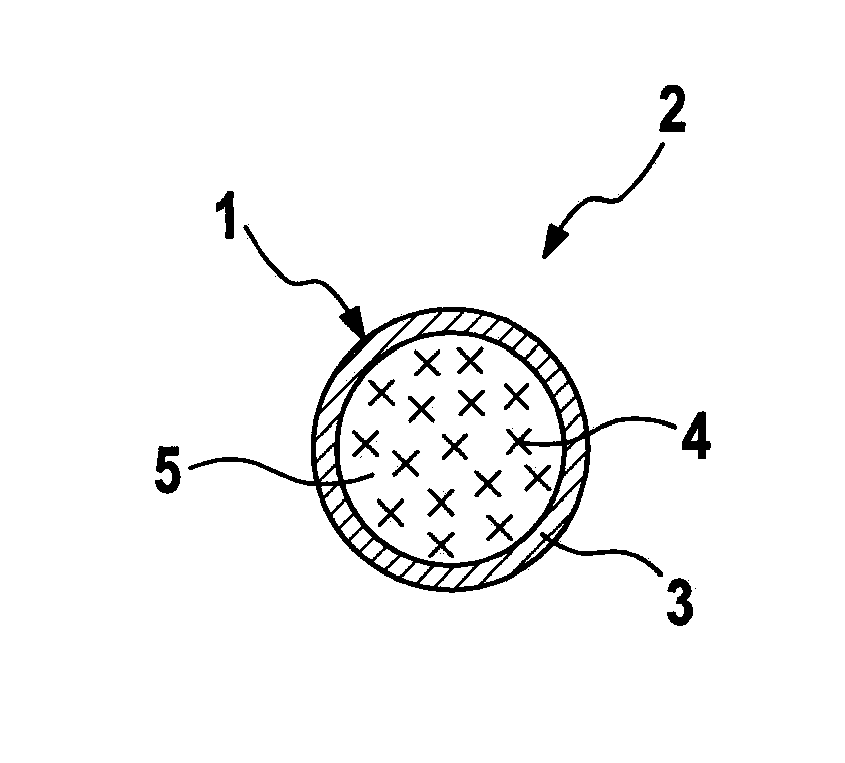
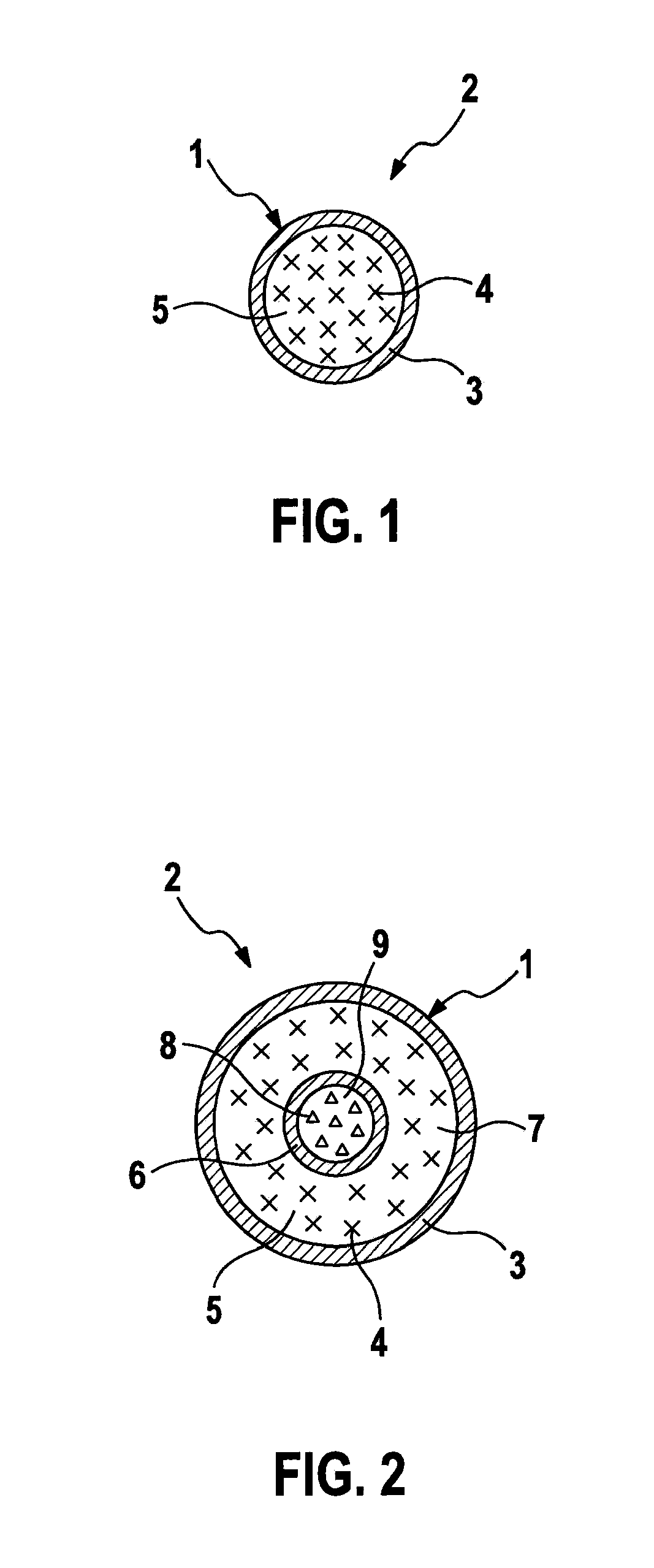
- Incorporating a controlled-release capsule into the electrolyte and/or electrode materials to continuously release necessary additives at a constant level, minimizing surplus additive reactions and maintaining optimal battery performance.
Additive for an electrolyte of a lithium-based secondary battery cell
PatentInactiveUS20150093635A1
Innovation
- The use of closed capsules filled with additives that release through diffusion, allowing for controlled and sustained delivery of additives into the electrolyte, adjusting concentration and release rate based on material, pore size, and temperature, ensuring consistent performance and safety.
Environmental Impact of Bio-Battery Additives
The environmental implications of bio-battery additives represent a critical consideration in the sustainable development of biotechnological energy storage solutions. Unlike conventional battery additives that often contain heavy metals and synthetic compounds, bio-based additives derived from organic materials present both opportunities and challenges for environmental stewardship.
Bio-battery additives typically demonstrate superior biodegradability compared to their synthetic counterparts. Organic polymers, natural enzymes, and biomolecules used as electrolyte enhancers or electrode modifiers can decompose through natural biological processes, reducing long-term environmental accumulation. This characteristic significantly minimizes the persistent pollution associated with traditional battery disposal, particularly in landfill environments where conventional additives can leach toxic substances into soil and groundwater systems.
The carbon footprint of bio-battery additives varies considerably depending on their source and production methods. Additives derived from agricultural waste or renewable biomass generally exhibit lower lifecycle carbon emissions compared to petroleum-based alternatives. However, additives requiring extensive purification processes or specialized cultivation may present higher energy consumption profiles during manufacturing phases.
Aquatic ecosystem impact assessments reveal that bio-battery additives typically exhibit reduced toxicity levels when released into water systems. Studies indicate that enzymatic additives and organic electrolyte enhancers demonstrate faster degradation rates in aquatic environments, minimizing bioaccumulation in marine food chains. Nevertheless, certain bio-additives may still affect water pH levels or nutrient balances, requiring careful monitoring during disposal processes.
The scalability of bio-additive production raises important sustainability questions regarding land use and resource allocation. Large-scale cultivation of biomass for additive production could potentially compete with food production systems or contribute to deforestation pressures. Additionally, the geographic distribution of suitable biomass sources may influence transportation-related environmental impacts.
Regulatory frameworks for bio-battery additives remain in developmental stages, with environmental impact assessments requiring standardized protocols for biodegradability testing, ecotoxicity evaluation, and lifecycle analysis. Current research emphasizes the need for comprehensive environmental monitoring systems to track the long-term effects of bio-additive deployment across different ecological contexts and disposal scenarios.
Bio-battery additives typically demonstrate superior biodegradability compared to their synthetic counterparts. Organic polymers, natural enzymes, and biomolecules used as electrolyte enhancers or electrode modifiers can decompose through natural biological processes, reducing long-term environmental accumulation. This characteristic significantly minimizes the persistent pollution associated with traditional battery disposal, particularly in landfill environments where conventional additives can leach toxic substances into soil and groundwater systems.
The carbon footprint of bio-battery additives varies considerably depending on their source and production methods. Additives derived from agricultural waste or renewable biomass generally exhibit lower lifecycle carbon emissions compared to petroleum-based alternatives. However, additives requiring extensive purification processes or specialized cultivation may present higher energy consumption profiles during manufacturing phases.
Aquatic ecosystem impact assessments reveal that bio-battery additives typically exhibit reduced toxicity levels when released into water systems. Studies indicate that enzymatic additives and organic electrolyte enhancers demonstrate faster degradation rates in aquatic environments, minimizing bioaccumulation in marine food chains. Nevertheless, certain bio-additives may still affect water pH levels or nutrient balances, requiring careful monitoring during disposal processes.
The scalability of bio-additive production raises important sustainability questions regarding land use and resource allocation. Large-scale cultivation of biomass for additive production could potentially compete with food production systems or contribute to deforestation pressures. Additionally, the geographic distribution of suitable biomass sources may influence transportation-related environmental impacts.
Regulatory frameworks for bio-battery additives remain in developmental stages, with environmental impact assessments requiring standardized protocols for biodegradability testing, ecotoxicity evaluation, and lifecycle analysis. Current research emphasizes the need for comprehensive environmental monitoring systems to track the long-term effects of bio-additive deployment across different ecological contexts and disposal scenarios.
Case Study Analysis Framework for Bio-Additives
The development of a comprehensive case study analysis framework for bio-additives in battery technology requires systematic evaluation methodologies that can effectively assess both technical performance and biotechnological integration aspects. This framework serves as a critical tool for understanding how biological components can enhance battery performance while maintaining sustainability objectives.
The analytical framework encompasses multiple evaluation dimensions, beginning with biocompatibility assessment protocols. These protocols examine how bio-additives interact with conventional battery materials, measuring parameters such as ionic conductivity enhancement, electrochemical stability, and long-term compatibility. The framework incorporates standardized testing procedures that evaluate additive performance across various battery chemistries, including lithium-ion, sodium-ion, and emerging solid-state configurations.
Performance benchmarking constitutes another essential component of the framework, establishing quantitative metrics for comparing bio-additive effectiveness against synthetic alternatives. Key performance indicators include capacity retention rates, cycle life extension, thermal stability improvements, and safety enhancement factors. The framework defines specific testing conditions and measurement protocols to ensure reproducible and comparable results across different research initiatives.
Environmental impact assessment forms a crucial evaluation criterion within the framework, addressing the sustainability advantages that bio-additives offer over traditional chemical additives. This assessment examines lifecycle environmental benefits, biodegradability characteristics, and carbon footprint reduction potential. The framework incorporates standardized environmental assessment methodologies adapted specifically for battery additive applications.
Economic viability analysis represents the final pillar of the framework, evaluating the commercial feasibility of bio-additive implementation. This analysis considers production scalability, cost-effectiveness compared to conventional additives, and market adoption potential. The framework provides structured approaches for conducting techno-economic assessments that account for both current market conditions and projected future scenarios.
The framework also establishes standardized documentation protocols for case study reporting, ensuring consistent data collection and presentation formats. These protocols facilitate comparative analysis across different bio-additive technologies and enable systematic knowledge accumulation within the field. Implementation guidelines provide researchers with clear methodological approaches for applying the framework to specific bio-additive case studies.
The analytical framework encompasses multiple evaluation dimensions, beginning with biocompatibility assessment protocols. These protocols examine how bio-additives interact with conventional battery materials, measuring parameters such as ionic conductivity enhancement, electrochemical stability, and long-term compatibility. The framework incorporates standardized testing procedures that evaluate additive performance across various battery chemistries, including lithium-ion, sodium-ion, and emerging solid-state configurations.
Performance benchmarking constitutes another essential component of the framework, establishing quantitative metrics for comparing bio-additive effectiveness against synthetic alternatives. Key performance indicators include capacity retention rates, cycle life extension, thermal stability improvements, and safety enhancement factors. The framework defines specific testing conditions and measurement protocols to ensure reproducible and comparable results across different research initiatives.
Environmental impact assessment forms a crucial evaluation criterion within the framework, addressing the sustainability advantages that bio-additives offer over traditional chemical additives. This assessment examines lifecycle environmental benefits, biodegradability characteristics, and carbon footprint reduction potential. The framework incorporates standardized environmental assessment methodologies adapted specifically for battery additive applications.
Economic viability analysis represents the final pillar of the framework, evaluating the commercial feasibility of bio-additive implementation. This analysis considers production scalability, cost-effectiveness compared to conventional additives, and market adoption potential. The framework provides structured approaches for conducting techno-economic assessments that account for both current market conditions and projected future scenarios.
The framework also establishes standardized documentation protocols for case study reporting, ensuring consistent data collection and presentation formats. These protocols facilitate comparative analysis across different bio-additive technologies and enable systematic knowledge accumulation within the field. Implementation guidelines provide researchers with clear methodological approaches for applying the framework to specific bio-additive case studies.
Unlock deeper insights with PatSnap Eureka Quick Research — get a full tech report to explore trends and direct your research. Try now!
Generate Your Research Report Instantly with AI Agent
Supercharge your innovation with PatSnap Eureka AI Agent Platform!