Maximizing Battery Output in Hot Climates with Additives
APR 15, 20269 MIN READ
Generate Your Research Report Instantly with AI Agent
PatSnap Eureka helps you evaluate technical feasibility & market potential.
Battery Hot Climate Performance Background and Objectives
Battery technology has undergone remarkable evolution since its inception, with lithium-ion batteries emerging as the dominant energy storage solution across multiple industries. The journey from early lead-acid systems to modern lithium-ion chemistries represents decades of continuous innovation driven by increasing demands for higher energy density, longer cycle life, and improved safety characteristics. This technological progression has been particularly accelerated by the rapid expansion of electric vehicles, renewable energy storage systems, and portable electronics markets.
The contemporary battery landscape faces unprecedented challenges as deployment scenarios increasingly involve extreme environmental conditions. High-temperature environments, ranging from desert regions to industrial applications, present significant obstacles to optimal battery performance. These conditions are becoming more prevalent due to climate change effects and the global expansion of battery-powered systems into previously untapped geographical markets.
Temperature-induced performance degradation represents one of the most critical technical barriers in modern battery applications. Elevated temperatures accelerate chemical degradation processes within battery cells, leading to reduced capacity, shortened lifespan, and potential safety hazards. The fundamental electrochemical processes governing battery operation become increasingly unstable as temperatures rise, resulting in accelerated electrolyte decomposition, active material degradation, and separator membrane deterioration.
Current research initiatives focus extensively on additive-based solutions to mitigate high-temperature performance losses. These approaches involve incorporating specialized chemical compounds into battery electrolytes, electrode materials, or separator components to enhance thermal stability and maintain electrochemical performance under elevated temperature conditions. The additive strategy represents a cost-effective pathway compared to complete battery chemistry redesign.
The primary objective centers on developing comprehensive additive formulations that can maintain battery output efficiency above 85% of room-temperature performance when operating in environments exceeding 45°C. Secondary objectives include extending cycle life by at least 30% under high-temperature conditions while ensuring compatibility with existing manufacturing processes and maintaining safety standards throughout the operational temperature range.
The contemporary battery landscape faces unprecedented challenges as deployment scenarios increasingly involve extreme environmental conditions. High-temperature environments, ranging from desert regions to industrial applications, present significant obstacles to optimal battery performance. These conditions are becoming more prevalent due to climate change effects and the global expansion of battery-powered systems into previously untapped geographical markets.
Temperature-induced performance degradation represents one of the most critical technical barriers in modern battery applications. Elevated temperatures accelerate chemical degradation processes within battery cells, leading to reduced capacity, shortened lifespan, and potential safety hazards. The fundamental electrochemical processes governing battery operation become increasingly unstable as temperatures rise, resulting in accelerated electrolyte decomposition, active material degradation, and separator membrane deterioration.
Current research initiatives focus extensively on additive-based solutions to mitigate high-temperature performance losses. These approaches involve incorporating specialized chemical compounds into battery electrolytes, electrode materials, or separator components to enhance thermal stability and maintain electrochemical performance under elevated temperature conditions. The additive strategy represents a cost-effective pathway compared to complete battery chemistry redesign.
The primary objective centers on developing comprehensive additive formulations that can maintain battery output efficiency above 85% of room-temperature performance when operating in environments exceeding 45°C. Secondary objectives include extending cycle life by at least 30% under high-temperature conditions while ensuring compatibility with existing manufacturing processes and maintaining safety standards throughout the operational temperature range.
Market Demand for High-Temperature Battery Solutions
The global battery market is experiencing unprecedented demand for high-temperature performance solutions, driven by the rapid expansion of electric vehicles, renewable energy storage systems, and portable electronics in hot climate regions. Traditional lithium-ion batteries suffer significant performance degradation when operating temperatures exceed 40°C, creating substantial market opportunities for advanced thermal-resistant battery technologies.
Electric vehicle manufacturers represent the largest demand segment, particularly in markets across the Middle East, Southeast Asia, Africa, and southwestern United States. These regions face unique challenges where ambient temperatures regularly exceed conventional battery operating ranges, leading to reduced driving range, accelerated capacity fade, and safety concerns. The automotive sector's push toward electrification in these markets has intensified the need for batteries that maintain consistent performance under extreme heat conditions.
Energy storage applications constitute another critical demand driver, especially for grid-scale installations in desert regions and tropical climates. Solar and wind farms in hot climates require battery systems capable of withstanding prolonged exposure to elevated temperatures while maintaining efficiency and longevity. The intermittent nature of renewable energy sources necessitates reliable storage solutions that can operate effectively regardless of environmental conditions.
Consumer electronics markets in hot climate regions also demonstrate growing demand for temperature-resilient battery solutions. Smartphones, tablets, and wearable devices frequently experience thermal throttling and reduced battery life in high-temperature environments, creating consumer dissatisfaction and warranty issues for manufacturers.
The military and aerospace sectors present specialized high-value market segments requiring batteries that function reliably in extreme temperature conditions. Defense applications in desert environments and space exploration missions demand battery technologies that can withstand temperature fluctuations while delivering consistent power output.
Industrial applications including mining equipment, oil and gas operations, and manufacturing facilities in hot climates represent emerging market opportunities. These sectors require robust battery solutions for backup power systems, portable equipment, and autonomous machinery operating in challenging thermal environments.
Market research indicates that regions with average annual temperatures above 30°C represent the fastest-growing segments for advanced battery technologies, with particular emphasis on solutions that can maintain performance efficiency above 80% at temperatures reaching 60°C.
Electric vehicle manufacturers represent the largest demand segment, particularly in markets across the Middle East, Southeast Asia, Africa, and southwestern United States. These regions face unique challenges where ambient temperatures regularly exceed conventional battery operating ranges, leading to reduced driving range, accelerated capacity fade, and safety concerns. The automotive sector's push toward electrification in these markets has intensified the need for batteries that maintain consistent performance under extreme heat conditions.
Energy storage applications constitute another critical demand driver, especially for grid-scale installations in desert regions and tropical climates. Solar and wind farms in hot climates require battery systems capable of withstanding prolonged exposure to elevated temperatures while maintaining efficiency and longevity. The intermittent nature of renewable energy sources necessitates reliable storage solutions that can operate effectively regardless of environmental conditions.
Consumer electronics markets in hot climate regions also demonstrate growing demand for temperature-resilient battery solutions. Smartphones, tablets, and wearable devices frequently experience thermal throttling and reduced battery life in high-temperature environments, creating consumer dissatisfaction and warranty issues for manufacturers.
The military and aerospace sectors present specialized high-value market segments requiring batteries that function reliably in extreme temperature conditions. Defense applications in desert environments and space exploration missions demand battery technologies that can withstand temperature fluctuations while delivering consistent power output.
Industrial applications including mining equipment, oil and gas operations, and manufacturing facilities in hot climates represent emerging market opportunities. These sectors require robust battery solutions for backup power systems, portable equipment, and autonomous machinery operating in challenging thermal environments.
Market research indicates that regions with average annual temperatures above 30°C represent the fastest-growing segments for advanced battery technologies, with particular emphasis on solutions that can maintain performance efficiency above 80% at temperatures reaching 60°C.
Current State and Thermal Challenges of Battery Additives
Battery additives represent a critical frontier in addressing thermal management challenges that significantly impact energy storage performance in elevated temperature environments. Current additive technologies encompass electrolyte stabilizers, thermal interface materials, and phase change compounds designed to mitigate heat-related degradation mechanisms. However, existing solutions face substantial limitations in maintaining optimal electrochemical performance when ambient temperatures exceed 40°C, particularly in applications such as electric vehicles operating in desert climates or stationary storage systems in tropical regions.
The primary thermal challenges confronting battery additive systems include accelerated electrolyte decomposition, increased internal resistance, and compromised ion transport kinetics at elevated temperatures. Conventional organic electrolyte additives, such as vinylene carbonate and fluoroethylene carbonate, demonstrate reduced effectiveness above 50°C, leading to rapid capacity fade and shortened cycle life. These thermal stress factors create cascading effects that compromise both immediate power output and long-term battery reliability.
Contemporary additive formulations struggle with thermal stability trade-offs, where compounds that enhance low-temperature performance often exhibit poor high-temperature characteristics. Solid electrolyte interphase forming additives, while effective at moderate temperatures, frequently decompose at elevated temperatures, generating gas evolution and increasing internal pressure. This thermal instability necessitates complex cooling systems that add weight, cost, and energy consumption to battery systems.
Recent developments in ceramic-polymer composite additives and ionic liquid-based electrolyte enhancers show promise for high-temperature applications, yet face scalability and cost challenges. These advanced materials require precise manufacturing processes and often exhibit compatibility issues with existing battery chemistries. The integration of thermally conductive additives, such as graphene oxide derivatives and boron nitride nanoparticles, presents additional challenges related to uniform dispersion and long-term electrochemical stability.
Current research efforts focus on developing multifunctional additives that simultaneously address thermal management, electrochemical performance, and safety requirements. However, the complex interactions between different additive components at elevated temperatures remain poorly understood, limiting the development of optimized formulations for extreme climate applications.
The primary thermal challenges confronting battery additive systems include accelerated electrolyte decomposition, increased internal resistance, and compromised ion transport kinetics at elevated temperatures. Conventional organic electrolyte additives, such as vinylene carbonate and fluoroethylene carbonate, demonstrate reduced effectiveness above 50°C, leading to rapid capacity fade and shortened cycle life. These thermal stress factors create cascading effects that compromise both immediate power output and long-term battery reliability.
Contemporary additive formulations struggle with thermal stability trade-offs, where compounds that enhance low-temperature performance often exhibit poor high-temperature characteristics. Solid electrolyte interphase forming additives, while effective at moderate temperatures, frequently decompose at elevated temperatures, generating gas evolution and increasing internal pressure. This thermal instability necessitates complex cooling systems that add weight, cost, and energy consumption to battery systems.
Recent developments in ceramic-polymer composite additives and ionic liquid-based electrolyte enhancers show promise for high-temperature applications, yet face scalability and cost challenges. These advanced materials require precise manufacturing processes and often exhibit compatibility issues with existing battery chemistries. The integration of thermally conductive additives, such as graphene oxide derivatives and boron nitride nanoparticles, presents additional challenges related to uniform dispersion and long-term electrochemical stability.
Current research efforts focus on developing multifunctional additives that simultaneously address thermal management, electrochemical performance, and safety requirements. However, the complex interactions between different additive components at elevated temperatures remain poorly understood, limiting the development of optimized formulations for extreme climate applications.
Existing Additive Solutions for Hot Climate Battery Performance
01 Battery output control and regulation systems
Technologies for controlling and regulating battery output involve systems that manage voltage and current delivery to ensure stable power supply. These systems include control circuits, feedback mechanisms, and power management units that monitor battery conditions and adjust output parameters accordingly. Such regulation helps maintain optimal performance and prevents damage from overcharging or excessive discharge.- Battery output control and regulation systems: Technologies for controlling and regulating battery output involve systems that manage voltage and current delivery to ensure stable power supply. These systems include control circuits, feedback mechanisms, and power management units that monitor battery performance and adjust output parameters accordingly. Such regulation helps maintain optimal battery performance across varying load conditions and prevents damage from over-discharge or excessive current draw.
- Battery output monitoring and measurement: Methods and devices for monitoring battery output parameters include sensors and measurement circuits that track voltage, current, power, and state of charge. These monitoring systems provide real-time data about battery performance and health, enabling predictive maintenance and efficient energy management. Advanced monitoring techniques may incorporate impedance spectroscopy, coulomb counting, and voltage profiling to accurately assess battery condition and remaining capacity.
- Battery output optimization and efficiency enhancement: Techniques for optimizing battery output focus on maximizing energy delivery efficiency and extending operational lifetime. These approaches include impedance matching, thermal management, and adaptive discharge strategies that adjust output characteristics based on load requirements and environmental conditions. Optimization methods may also involve cell balancing in multi-cell configurations and dynamic power allocation to improve overall system performance.
- Battery output interface and connection systems: Interface technologies for battery output encompass connector designs, terminal configurations, and coupling mechanisms that facilitate reliable power transfer. These systems ensure secure electrical connections while accommodating various form factors and application requirements. Advanced interface solutions may include smart connectors with integrated communication capabilities, hot-swappable designs, and protection features against reverse polarity or short circuits.
- Battery output conversion and conditioning: Power conversion and conditioning technologies transform battery output to meet specific voltage and current requirements of connected devices. These systems include DC-DC converters, inverters, and power conditioning circuits that provide stable, regulated power regardless of battery state. Conversion technologies enable batteries to supply power to devices with different electrical specifications while maintaining efficiency and minimizing losses through advanced switching techniques and filtering methods.
02 Battery output monitoring and measurement
Methods and devices for monitoring battery output parameters include sensors and measurement circuits that track voltage, current, temperature, and state of charge. These monitoring systems provide real-time data about battery performance and health, enabling predictive maintenance and efficient energy management. Advanced monitoring solutions can detect anomalies and provide alerts for potential issues.Expand Specific Solutions03 Battery output optimization and efficiency enhancement
Techniques for optimizing battery output focus on improving energy conversion efficiency and maximizing power delivery. These approaches include impedance matching, thermal management, and adaptive charging algorithms that adjust to varying load conditions. Optimization strategies help extend battery life and improve overall system performance.Expand Specific Solutions04 Multi-battery output management and distribution
Systems for managing output from multiple batteries involve coordination mechanisms that balance load distribution and ensure uniform discharge rates. These technologies include switching circuits, load balancing algorithms, and parallel connection management that optimize the combined output of battery arrays. Such systems are particularly important in high-power applications requiring multiple battery units.Expand Specific Solutions05 Battery output protection and safety mechanisms
Protection systems for battery output include safety circuits that prevent overcurrent, overvoltage, and short-circuit conditions. These mechanisms incorporate fuses, circuit breakers, and electronic protection devices that disconnect the battery when hazardous conditions are detected. Safety features ensure reliable operation and protect both the battery and connected devices from damage.Expand Specific Solutions
Key Players in Battery Additive and Thermal Solutions Industry
The battery additive technology for hot climate optimization represents a rapidly evolving sector within the broader energy storage industry, currently in its growth phase with significant market expansion driven by increasing electric vehicle adoption and renewable energy storage demands. The market demonstrates substantial scale potential, particularly in regions with extreme temperatures where conventional battery performance degrades significantly. Technology maturity varies considerably across market participants, with established players like Contemporary Amperex Technology (CATL), BYD, Samsung SDI, and LG Energy Solution leading in advanced thermal management solutions and electrolyte formulations. These companies have developed sophisticated additive technologies including thermal stabilizers and performance enhancers. Chemical specialists such as Guangzhou Tinci Materials, BASF Corp., and Mitsui Chemicals provide critical material innovations, while emerging players like Zhejiang Zhonglan New Energy and Ruipu Lanjun Energy focus on specialized applications. The competitive landscape shows a clear division between vertically integrated battery manufacturers with comprehensive R&D capabilities and specialized chemical companies developing targeted additive solutions, indicating a maturing but still rapidly innovating technological ecosystem.
BYD Co., Ltd.
Technical Solution: BYD has pioneered lithium iron phosphate (LiFePO4) battery technology with specialized electrolyte additives for hot climate applications. Their Blade Battery technology incorporates thermal-resistant additives including lithium bis(trifluoromethanesulfonyl)imide (LiTFSI) and ionic liquid components that maintain stability at temperatures up to 65°C. The company utilizes proprietary cooling plate designs integrated with phase change materials and develops custom electrolyte formulations with anti-oxidation additives to prevent capacity degradation in high-temperature environments. Their battery management systems include AI-driven thermal prediction algorithms that optimize power delivery while maintaining safety margins in extreme heat conditions.
Strengths: Cost-effective manufacturing, proven safety record, vertical integration capabilities. Weaknesses: Lower energy density compared to competitors, limited global market presence for specialized applications.
BASF Corp.
Technical Solution: BASF provides comprehensive electrolyte additive solutions specifically formulated for high-temperature battery applications. Their product portfolio includes flame-retardant additives, thermal stabilizers, and conductivity enhancers such as lithium bis(fluorosulfonyl)imide salts and specialized carbonate solvents. The company develops anti-gassing additives that prevent electrolyte decomposition at elevated temperatures and offers customized additive packages that maintain ionic conductivity while preventing thermal runaway. Their research focuses on novel polymer-based additives and ceramic nanoparticle dispersions that create protective layers on electrode surfaces, ensuring sustained battery performance in temperatures exceeding 55°C while maximizing power output efficiency.
Strengths: Extensive chemical expertise, global supply chain capabilities, comprehensive R&D resources. Weaknesses: Limited direct battery manufacturing experience, dependency on OEM partnerships for market access.
Core Innovations in Battery Thermal Additives Technology
Lithium ion battery electrolyte, lithium ion battery and application
PatentActiveCN110707360A
Innovation
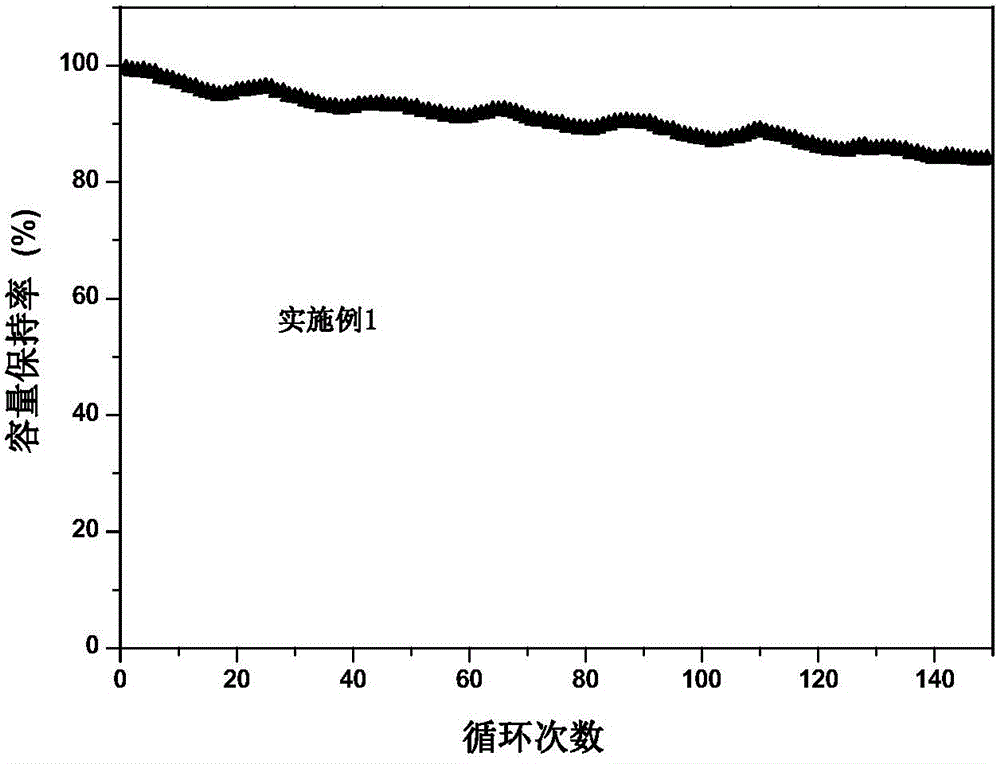
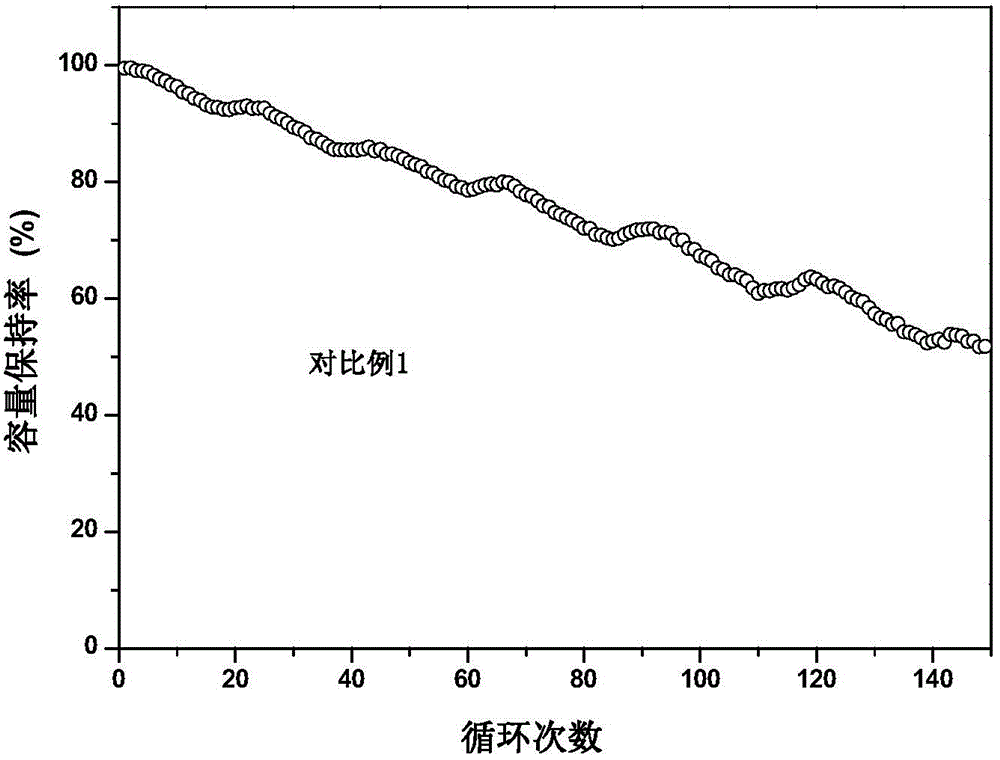
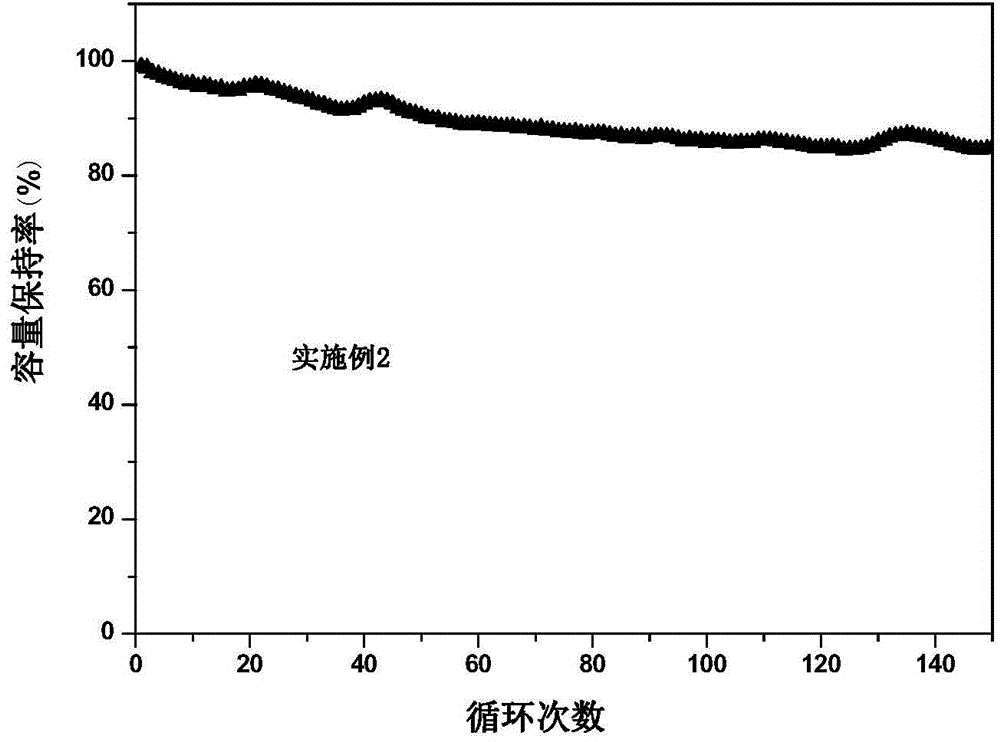
- Substituent imidazole covalent compounds with unsaturated olefinic bonds are used as additives to the electrolyte, combined with carbonate solvents and specific lithium salt systems to form an electrolyte with excellent high temperature for lithium-ion batteries.


High temperature and high voltage resisting electrolyte for lithium ion battery
PatentActiveCN104701571A
Innovation
- A non-aqueous electrolyte containing lithium salt, organic solvent and tris(trimethylsilyl) borate is used. Tris(trimethylsilyl)borate is used as an additive to combine with the lithium salt in the electrolyte to inhibit solvolysis and improve the interface impedance, thereby increasing High temperature and high pressure cycle performance of the battery.

Environmental Impact Assessment of Battery Additives
The environmental implications of battery additives designed for high-temperature performance present a complex landscape of ecological considerations that extend throughout the entire product lifecycle. As the demand for heat-resistant battery technologies intensifies, particularly in regions experiencing extreme temperatures due to climate change, the environmental footprint of specialized additives becomes increasingly critical to evaluate.
Manufacturing processes for high-temperature battery additives typically involve energy-intensive synthesis procedures and the use of rare earth elements or specialized chemical compounds. These production methods often generate significant carbon emissions and require substantial water resources for purification and cooling processes. The extraction of raw materials, particularly lithium compounds, ceramic nanoparticles, and advanced polymer precursors, can result in habitat disruption and soil contamination in mining regions.
The operational phase environmental impact varies significantly depending on additive composition and battery chemistry. Thermal management additives, while improving battery efficiency in hot climates, may alter the electrochemical behavior of cells, potentially affecting energy density and charging cycles. This could paradoxically lead to increased battery replacement frequency, thereby amplifying the overall environmental burden despite improved individual battery performance.
End-of-life considerations present perhaps the most significant environmental challenge. Many high-performance additives designed for thermal stability exhibit enhanced chemical resistance, making them more difficult to separate and recycle through conventional battery recycling processes. Ceramic-based thermal interface materials and cross-linked polymer additives often require specialized treatment methods that are not yet widely available in existing recycling infrastructure.
Emerging research indicates that bio-based additives and recyclable thermal management materials show promise for reducing environmental impact. However, these alternatives often face performance trade-offs in extreme temperature conditions. The development of closed-loop recycling systems specifically designed for additive-enhanced batteries represents a critical area for sustainable technology advancement.
Regulatory frameworks are evolving to address these environmental concerns, with increasing emphasis on lifecycle assessment requirements and extended producer responsibility for battery manufacturers incorporating specialized additives.
Manufacturing processes for high-temperature battery additives typically involve energy-intensive synthesis procedures and the use of rare earth elements or specialized chemical compounds. These production methods often generate significant carbon emissions and require substantial water resources for purification and cooling processes. The extraction of raw materials, particularly lithium compounds, ceramic nanoparticles, and advanced polymer precursors, can result in habitat disruption and soil contamination in mining regions.
The operational phase environmental impact varies significantly depending on additive composition and battery chemistry. Thermal management additives, while improving battery efficiency in hot climates, may alter the electrochemical behavior of cells, potentially affecting energy density and charging cycles. This could paradoxically lead to increased battery replacement frequency, thereby amplifying the overall environmental burden despite improved individual battery performance.
End-of-life considerations present perhaps the most significant environmental challenge. Many high-performance additives designed for thermal stability exhibit enhanced chemical resistance, making them more difficult to separate and recycle through conventional battery recycling processes. Ceramic-based thermal interface materials and cross-linked polymer additives often require specialized treatment methods that are not yet widely available in existing recycling infrastructure.
Emerging research indicates that bio-based additives and recyclable thermal management materials show promise for reducing environmental impact. However, these alternatives often face performance trade-offs in extreme temperature conditions. The development of closed-loop recycling systems specifically designed for additive-enhanced batteries represents a critical area for sustainable technology advancement.
Regulatory frameworks are evolving to address these environmental concerns, with increasing emphasis on lifecycle assessment requirements and extended producer responsibility for battery manufacturers incorporating specialized additives.
Safety Standards for High-Temperature Battery Applications
The development of safety standards for high-temperature battery applications has become increasingly critical as battery technologies advance into more demanding thermal environments. Current international standards such as IEC 62133, UL 1642, and UN 38.3 provide foundational safety requirements, but these frameworks require significant enhancement to address the unique challenges posed by extreme heat conditions and additive-enhanced battery systems.
Existing safety protocols primarily focus on standard operating temperatures, typically ranging from -20°C to 60°C. However, batteries operating in hot climates with performance-enhancing additives often encounter temperatures exceeding 70°C, creating gaps in current regulatory coverage. The integration of thermal management additives, electrolyte stabilizers, and conductive enhancers introduces new variables that existing standards do not adequately address.
Thermal runaway prevention represents the cornerstone of high-temperature battery safety standards. Enhanced protocols must establish stricter temperature monitoring requirements, including multi-point thermal sensing and predictive thermal modeling. Standards should mandate real-time temperature gradient analysis and automatic shutdown mechanisms when predetermined thermal thresholds are exceeded. The interaction between additives and thermal runaway propagation requires specific testing protocols to evaluate how chemical enhancers affect heat generation and dissipation patterns.
Additive-specific safety considerations demand new certification processes that evaluate the long-term stability and compatibility of chemical enhancers under sustained high-temperature exposure. Standards must address potential additive degradation products, their toxicity profiles, and environmental impact. Testing protocols should include accelerated aging studies under extreme thermal conditions to assess additive performance degradation and potential safety hazards over extended operational periods.
Ventilation and containment requirements for high-temperature battery systems necessitate enhanced safety measures. Standards should specify minimum ventilation rates, gas detection systems for potentially hazardous decomposition products, and containment protocols for thermal events. Emergency response procedures must account for the unique characteristics of additive-enhanced batteries, including specific fire suppression methods and personnel protection requirements during thermal incidents.
Existing safety protocols primarily focus on standard operating temperatures, typically ranging from -20°C to 60°C. However, batteries operating in hot climates with performance-enhancing additives often encounter temperatures exceeding 70°C, creating gaps in current regulatory coverage. The integration of thermal management additives, electrolyte stabilizers, and conductive enhancers introduces new variables that existing standards do not adequately address.
Thermal runaway prevention represents the cornerstone of high-temperature battery safety standards. Enhanced protocols must establish stricter temperature monitoring requirements, including multi-point thermal sensing and predictive thermal modeling. Standards should mandate real-time temperature gradient analysis and automatic shutdown mechanisms when predetermined thermal thresholds are exceeded. The interaction between additives and thermal runaway propagation requires specific testing protocols to evaluate how chemical enhancers affect heat generation and dissipation patterns.
Additive-specific safety considerations demand new certification processes that evaluate the long-term stability and compatibility of chemical enhancers under sustained high-temperature exposure. Standards must address potential additive degradation products, their toxicity profiles, and environmental impact. Testing protocols should include accelerated aging studies under extreme thermal conditions to assess additive performance degradation and potential safety hazards over extended operational periods.
Ventilation and containment requirements for high-temperature battery systems necessitate enhanced safety measures. Standards should specify minimum ventilation rates, gas detection systems for potentially hazardous decomposition products, and containment protocols for thermal events. Emergency response procedures must account for the unique characteristics of additive-enhanced batteries, including specific fire suppression methods and personnel protection requirements during thermal incidents.
Unlock deeper insights with PatSnap Eureka Quick Research — get a full tech report to explore trends and direct your research. Try now!
Generate Your Research Report Instantly with AI Agent
Supercharge your innovation with PatSnap Eureka AI Agent Platform!