
Battery Management ICs for Distributed Energy Systems: Efficiency Modeling
MAY 18, 20269 MIN READ
Generate Your Research Report Instantly with AI Agent
Patsnap Eureka helps you evaluate technical feasibility & market potential.
Battery Management IC Evolution and Efficiency Goals
Battery management integrated circuits have undergone significant transformation since their inception in the early 1990s, evolving from basic voltage monitoring devices to sophisticated multi-functional systems. The initial generation focused primarily on simple cell voltage measurement and basic protection functions, operating with limited accuracy and minimal integration capabilities. These early solutions were primarily designed for single-cell applications with efficiency rates typically ranging between 70-80%.
The second evolutionary phase, spanning the late 1990s to mid-2000s, introduced multi-cell monitoring capabilities and rudimentary balancing functions. During this period, manufacturers began incorporating analog-to-digital converters with higher resolution, enabling more precise voltage and temperature measurements. Efficiency improvements reached 85-90% as power management techniques became more refined, though thermal management remained a significant challenge.
The modern era of battery management ICs, beginning around 2010, marked a paradigm shift toward distributed energy system applications. Advanced digital signal processing, integrated communication protocols, and sophisticated algorithms enabled real-time optimization of charging and discharging cycles. Current-generation devices achieve efficiency levels exceeding 95% through innovative switching topologies and adaptive control mechanisms.
Contemporary efficiency goals for distributed energy systems center on achieving ultra-high conversion efficiency while maintaining robust safety margins. The industry targets overall system efficiency above 98%, with standby power consumption below 10 microamperes per cell. Advanced power stage designs utilizing gallium nitride and silicon carbide technologies are pushing efficiency boundaries further, particularly in high-voltage applications exceeding 800V.
Future efficiency objectives focus on intelligent predictive algorithms that optimize performance based on usage patterns, environmental conditions, and aging characteristics. The integration of machine learning capabilities aims to achieve dynamic efficiency optimization, potentially reaching theoretical limits of 99.5% under optimal operating conditions while extending battery lifespan through precision management protocols.
The second evolutionary phase, spanning the late 1990s to mid-2000s, introduced multi-cell monitoring capabilities and rudimentary balancing functions. During this period, manufacturers began incorporating analog-to-digital converters with higher resolution, enabling more precise voltage and temperature measurements. Efficiency improvements reached 85-90% as power management techniques became more refined, though thermal management remained a significant challenge.
The modern era of battery management ICs, beginning around 2010, marked a paradigm shift toward distributed energy system applications. Advanced digital signal processing, integrated communication protocols, and sophisticated algorithms enabled real-time optimization of charging and discharging cycles. Current-generation devices achieve efficiency levels exceeding 95% through innovative switching topologies and adaptive control mechanisms.
Contemporary efficiency goals for distributed energy systems center on achieving ultra-high conversion efficiency while maintaining robust safety margins. The industry targets overall system efficiency above 98%, with standby power consumption below 10 microamperes per cell. Advanced power stage designs utilizing gallium nitride and silicon carbide technologies are pushing efficiency boundaries further, particularly in high-voltage applications exceeding 800V.
Future efficiency objectives focus on intelligent predictive algorithms that optimize performance based on usage patterns, environmental conditions, and aging characteristics. The integration of machine learning capabilities aims to achieve dynamic efficiency optimization, potentially reaching theoretical limits of 99.5% under optimal operating conditions while extending battery lifespan through precision management protocols.
Market Demand for Distributed Energy Storage Solutions
The global distributed energy storage market is experiencing unprecedented growth driven by the accelerating transition toward renewable energy sources and the increasing need for grid stability. Solar and wind power installations continue to expand rapidly worldwide, creating substantial demand for energy storage solutions that can effectively manage intermittent power generation and ensure reliable electricity supply.
Residential energy storage systems represent one of the fastest-growing segments, fueled by declining battery costs and increasing consumer awareness of energy independence. Homeowners are increasingly investing in solar-plus-storage systems to reduce electricity bills, achieve backup power capabilities, and participate in grid services programs. This trend is particularly pronounced in regions with high electricity rates, frequent power outages, or favorable net metering policies.
Commercial and industrial applications are driving significant market expansion as businesses seek to optimize energy costs through peak shaving, load shifting, and demand charge management. Large-scale commercial facilities, manufacturing plants, and data centers are implementing distributed storage systems to enhance operational efficiency and reduce energy expenses. The growing adoption of electric vehicle charging infrastructure also creates additional demand for distributed storage solutions to manage charging loads and grid impacts.
Utility-scale distributed storage deployment is accelerating as grid operators recognize the value of strategically located storage assets for grid stabilization, frequency regulation, and transmission congestion relief. Distribution system operators are increasingly procuring distributed storage resources to defer costly grid infrastructure upgrades while improving system reliability and power quality.
Regulatory frameworks and financial incentives continue to shape market dynamics across different regions. Government policies promoting renewable energy integration, carbon reduction targets, and grid modernization initiatives are creating favorable conditions for distributed storage adoption. Investment tax credits, rebate programs, and performance-based incentives are reducing deployment barriers and accelerating market penetration.
The market demand for advanced battery management solutions is intensifying as system complexity increases and performance requirements become more stringent. Distributed energy systems require sophisticated control algorithms, real-time monitoring capabilities, and predictive maintenance features to maximize efficiency and ensure long-term reliability. This creates substantial opportunities for innovative battery management IC technologies that can deliver superior performance, enhanced safety, and optimized system economics in distributed energy applications.
Residential energy storage systems represent one of the fastest-growing segments, fueled by declining battery costs and increasing consumer awareness of energy independence. Homeowners are increasingly investing in solar-plus-storage systems to reduce electricity bills, achieve backup power capabilities, and participate in grid services programs. This trend is particularly pronounced in regions with high electricity rates, frequent power outages, or favorable net metering policies.
Commercial and industrial applications are driving significant market expansion as businesses seek to optimize energy costs through peak shaving, load shifting, and demand charge management. Large-scale commercial facilities, manufacturing plants, and data centers are implementing distributed storage systems to enhance operational efficiency and reduce energy expenses. The growing adoption of electric vehicle charging infrastructure also creates additional demand for distributed storage solutions to manage charging loads and grid impacts.
Utility-scale distributed storage deployment is accelerating as grid operators recognize the value of strategically located storage assets for grid stabilization, frequency regulation, and transmission congestion relief. Distribution system operators are increasingly procuring distributed storage resources to defer costly grid infrastructure upgrades while improving system reliability and power quality.
Regulatory frameworks and financial incentives continue to shape market dynamics across different regions. Government policies promoting renewable energy integration, carbon reduction targets, and grid modernization initiatives are creating favorable conditions for distributed storage adoption. Investment tax credits, rebate programs, and performance-based incentives are reducing deployment barriers and accelerating market penetration.
The market demand for advanced battery management solutions is intensifying as system complexity increases and performance requirements become more stringent. Distributed energy systems require sophisticated control algorithms, real-time monitoring capabilities, and predictive maintenance features to maximize efficiency and ensure long-term reliability. This creates substantial opportunities for innovative battery management IC technologies that can deliver superior performance, enhanced safety, and optimized system economics in distributed energy applications.
Current BMS IC Limitations in Distributed Systems
Current battery management integrated circuits (BMS ICs) face significant architectural constraints when deployed in distributed energy systems. Traditional BMS designs were primarily developed for centralized applications such as electric vehicles or stationary storage units, where a single controller manages a localized battery pack. However, distributed energy systems require coordination across multiple geographically dispersed storage nodes, creating fundamental scalability challenges that existing IC architectures struggle to address effectively.
Communication latency represents a critical bottleneck in distributed BMS implementations. Conventional BMS ICs rely on real-time data exchange for cell balancing and safety monitoring, but distributed systems introduce network delays that can range from milliseconds to seconds depending on communication infrastructure. This latency severely impacts the precision of state-of-charge calculations and thermal management algorithms, leading to suboptimal performance and potential safety risks across the distributed network.
Processing power limitations further constrain current BMS IC capabilities in distributed environments. Most existing chips are designed with computational resources sufficient for local battery management tasks but lack the processing capacity required for complex distributed algorithms. Advanced functions such as predictive analytics, machine learning-based optimization, and real-time system-wide coordination demand significantly higher computational throughput than current BMS ICs can provide.
Memory constraints pose another substantial limitation, particularly for efficiency modeling applications. Distributed systems generate vast amounts of operational data that must be stored, processed, and analyzed to optimize performance. Current BMS ICs typically feature limited onboard memory, restricting their ability to maintain historical data, implement sophisticated algorithms, or cache critical system parameters needed for accurate efficiency predictions.
Interoperability challenges plague existing BMS IC ecosystems when integration across diverse distributed platforms is required. Different manufacturers employ proprietary communication protocols, data formats, and control interfaces, creating compatibility barriers that prevent seamless system integration. This fragmentation forces system designers to implement costly translation layers or restrict component selection to single-vendor solutions.
Power consumption inefficiencies become magnified in distributed deployments where numerous BMS ICs operate simultaneously across the network. Current designs often prioritize functionality over energy efficiency, resulting in parasitic power losses that accumulate significantly when scaled across hundreds or thousands of distributed nodes, ultimately degrading overall system efficiency and economic viability.
Communication latency represents a critical bottleneck in distributed BMS implementations. Conventional BMS ICs rely on real-time data exchange for cell balancing and safety monitoring, but distributed systems introduce network delays that can range from milliseconds to seconds depending on communication infrastructure. This latency severely impacts the precision of state-of-charge calculations and thermal management algorithms, leading to suboptimal performance and potential safety risks across the distributed network.
Processing power limitations further constrain current BMS IC capabilities in distributed environments. Most existing chips are designed with computational resources sufficient for local battery management tasks but lack the processing capacity required for complex distributed algorithms. Advanced functions such as predictive analytics, machine learning-based optimization, and real-time system-wide coordination demand significantly higher computational throughput than current BMS ICs can provide.
Memory constraints pose another substantial limitation, particularly for efficiency modeling applications. Distributed systems generate vast amounts of operational data that must be stored, processed, and analyzed to optimize performance. Current BMS ICs typically feature limited onboard memory, restricting their ability to maintain historical data, implement sophisticated algorithms, or cache critical system parameters needed for accurate efficiency predictions.
Interoperability challenges plague existing BMS IC ecosystems when integration across diverse distributed platforms is required. Different manufacturers employ proprietary communication protocols, data formats, and control interfaces, creating compatibility barriers that prevent seamless system integration. This fragmentation forces system designers to implement costly translation layers or restrict component selection to single-vendor solutions.
Power consumption inefficiencies become magnified in distributed deployments where numerous BMS ICs operate simultaneously across the network. Current designs often prioritize functionality over energy efficiency, resulting in parasitic power losses that accumulate significantly when scaled across hundreds or thousands of distributed nodes, ultimately degrading overall system efficiency and economic viability.
Existing BMS IC Solutions for Distributed Applications
01 Power conversion and switching efficiency optimization
Battery management integrated circuits employ advanced power conversion techniques and optimized switching algorithms to minimize energy losses during charging and discharging processes. These systems utilize high-frequency switching regulators, synchronous rectification, and adaptive control methods to maximize power transfer efficiency while reducing heat generation and improving overall system performance.- Power conversion and switching efficiency optimization: Battery management integrated circuits employ advanced power conversion techniques and optimized switching algorithms to minimize energy losses during charging and discharging processes. These systems utilize sophisticated control methods to regulate voltage and current flow, ensuring maximum power transfer efficiency while reducing heat generation and power dissipation.
- Adaptive charging control algorithms: Advanced control algorithms dynamically adjust charging parameters based on battery conditions, temperature, and state of charge to optimize efficiency. These intelligent systems monitor battery health and implement adaptive strategies to maximize charging speed while maintaining battery longevity and preventing overcharging or thermal runaway conditions.
- Multi-cell balancing and monitoring systems: Sophisticated cell balancing circuits ensure uniform charge distribution across multiple battery cells, preventing capacity degradation and improving overall system efficiency. These monitoring systems continuously track individual cell voltages and temperatures, implementing corrective measures to maintain optimal performance across the entire battery pack.
- Low-power standby and sleep mode operations: Energy-efficient standby modes and ultra-low power consumption designs minimize parasitic losses when the battery management system is not actively charging or discharging. These implementations include intelligent wake-up circuits and power gating techniques that significantly reduce quiescent current draw while maintaining essential monitoring functions.
- Thermal management and protection circuits: Integrated thermal monitoring and protection systems optimize efficiency by preventing overheating and implementing temperature-based control strategies. These circuits include thermal shutdown mechanisms, temperature compensation algorithms, and heat dissipation optimization techniques that maintain peak performance across varying environmental conditions.
02 Voltage regulation and control circuits
Sophisticated voltage regulation mechanisms are implemented in battery management systems to maintain optimal operating voltages across different battery cells and modules. These circuits provide precise voltage control, load balancing, and dynamic adjustment capabilities to ensure consistent performance and prevent overcharging or undercharging conditions that could reduce battery efficiency.Expand Specific Solutions03 Thermal management and protection systems
Integrated thermal monitoring and management systems are crucial for maintaining battery management circuit efficiency by preventing overheating and optimizing operating temperatures. These systems include temperature sensors, thermal shutdown circuits, and active cooling control mechanisms that help maintain optimal performance while protecting the battery cells and management circuits from thermal damage.Expand Specific Solutions04 State estimation and monitoring algorithms
Advanced state estimation techniques and real-time monitoring algorithms enable precise tracking of battery parameters such as state of charge, state of health, and remaining capacity. These intelligent systems use sophisticated mathematical models and sensor fusion techniques to optimize charging profiles and discharge patterns, thereby maximizing overall system efficiency and battery lifespan.Expand Specific Solutions05 Communication interfaces and system integration
Modern battery management systems incorporate various communication protocols and interface standards to enable seamless integration with external systems and controllers. These communication capabilities allow for coordinated operation, remote monitoring, and system-level optimization that can significantly improve overall energy efficiency through intelligent load management and predictive control strategies.Expand Specific Solutions
Key Players in BMS IC and Energy Storage Industry
The battery management IC market for distributed energy systems is experiencing rapid growth driven by the global transition to renewable energy and grid modernization initiatives. The industry is in an expansion phase with significant market opportunities, as distributed energy resources require sophisticated battery management solutions for optimal performance and safety. Technology maturity varies considerably across market players, with established industrial giants like ABB Ltd., Hitachi Ltd., and Infineon Technologies Americas Corp. leading in proven, scalable solutions, while specialized companies such as Grace Connection Microelectronics Ltd. and Alelion Energy Systems AB focus on customized analog IC services and advanced lithium-ion technologies. Automotive leaders including Hyundai Mobis, BYD Co. Ltd., and Samsung SDI Co. Ltd. are leveraging their battery expertise to enter distributed energy markets. Research institutions like The Regents of the University of California and Electronics & Telecommunications Research Institute are advancing next-generation efficiency modeling techniques, while emerging players like Nanjing Sixiang New Energy Technology Co. Ltd. and PATHION Inc. are developing innovative solid-state and fire-resistant battery technologies that could reshape the competitive landscape.
ABB Ltd.
Technical Solution: ABB has developed comprehensive battery management solutions featuring specialized ICs designed for industrial distributed energy systems with focus on grid-scale applications. Their technology incorporates advanced power electronics with integrated monitoring and control functions, enabling precise efficiency modeling through continuous parameter estimation. The system utilizes distributed computing architecture where individual battery modules communicate performance data to central controllers for system-wide optimization. ABB's efficiency modeling algorithms account for power conversion losses, thermal effects, and electrochemical impedance variations to maintain optimal performance. Their solutions support various battery chemistries and can manage systems ranging from MW-scale installations to smaller distributed resources with standardized communication protocols.
Strengths: Strong industrial automation background, proven grid-scale deployment experience, robust communication infrastructure. Weaknesses: Higher complexity for smaller installations, premium pricing for advanced features.
Samsung SDI Co., Ltd.
Technical Solution: Samsung SDI has developed intelligent battery management systems that integrate proprietary ICs with advanced efficiency modeling capabilities for large-scale distributed energy applications. Their solution employs predictive analytics and cloud-based monitoring to optimize battery performance across distributed networks. The company's BMS architecture includes real-time impedance measurement, capacity fade modeling, and dynamic thermal compensation algorithms. Their efficiency modeling framework incorporates environmental factors, usage patterns, and aging characteristics to provide accurate performance predictions. The system supports scalable configurations from residential storage to grid-scale installations, with communication protocols enabling seamless integration into smart grid infrastructures.
Strengths: Extensive battery manufacturing experience, integrated hardware-software solutions, strong R&D capabilities in energy storage. Weaknesses: Limited market presence in non-Asian markets, dependency on proprietary battery chemistries.
Core Innovations in BMS IC Efficiency Modeling
Modeling power management for an integrated circuit
PatentInactiveUS7770142B1
Innovation
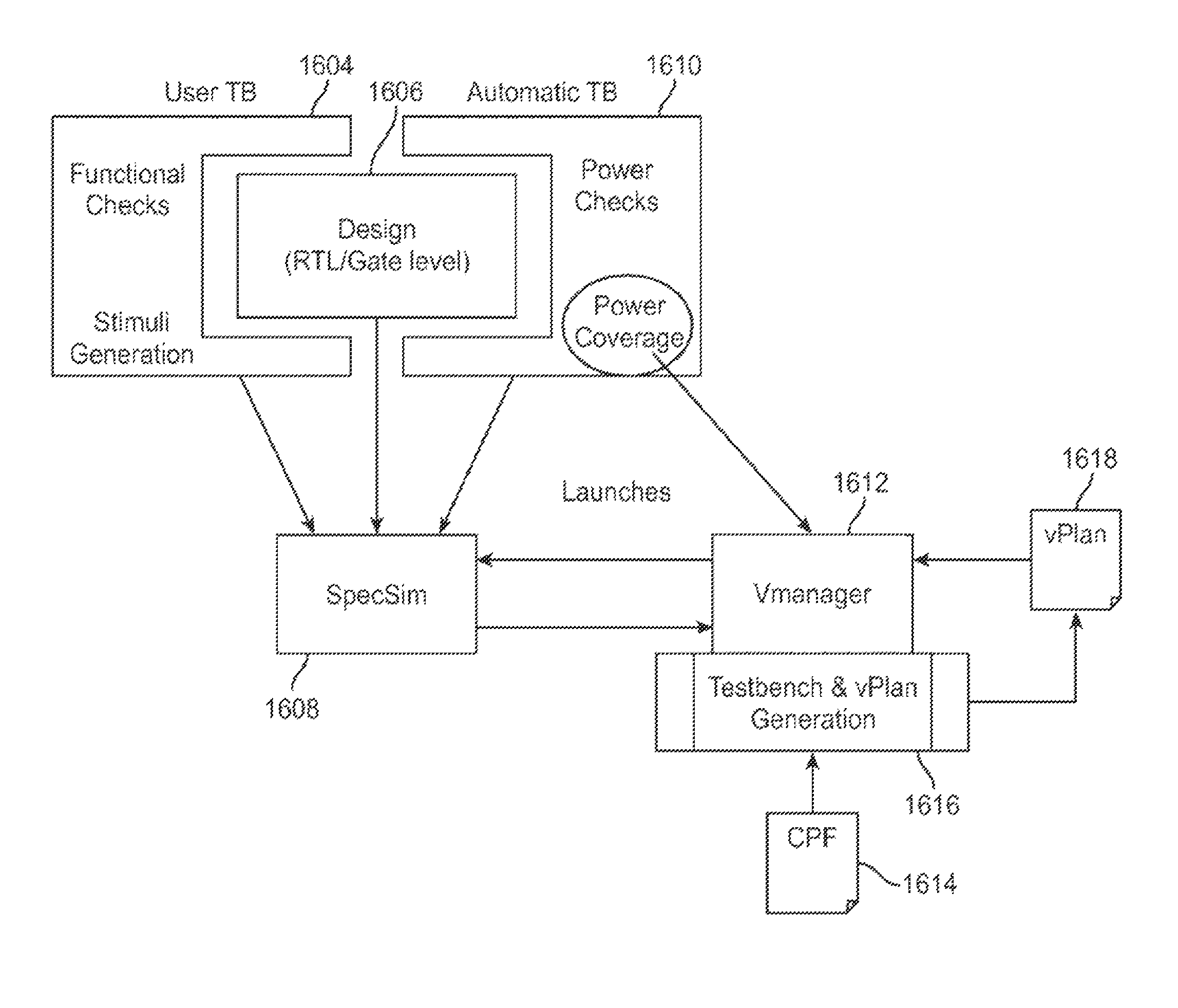
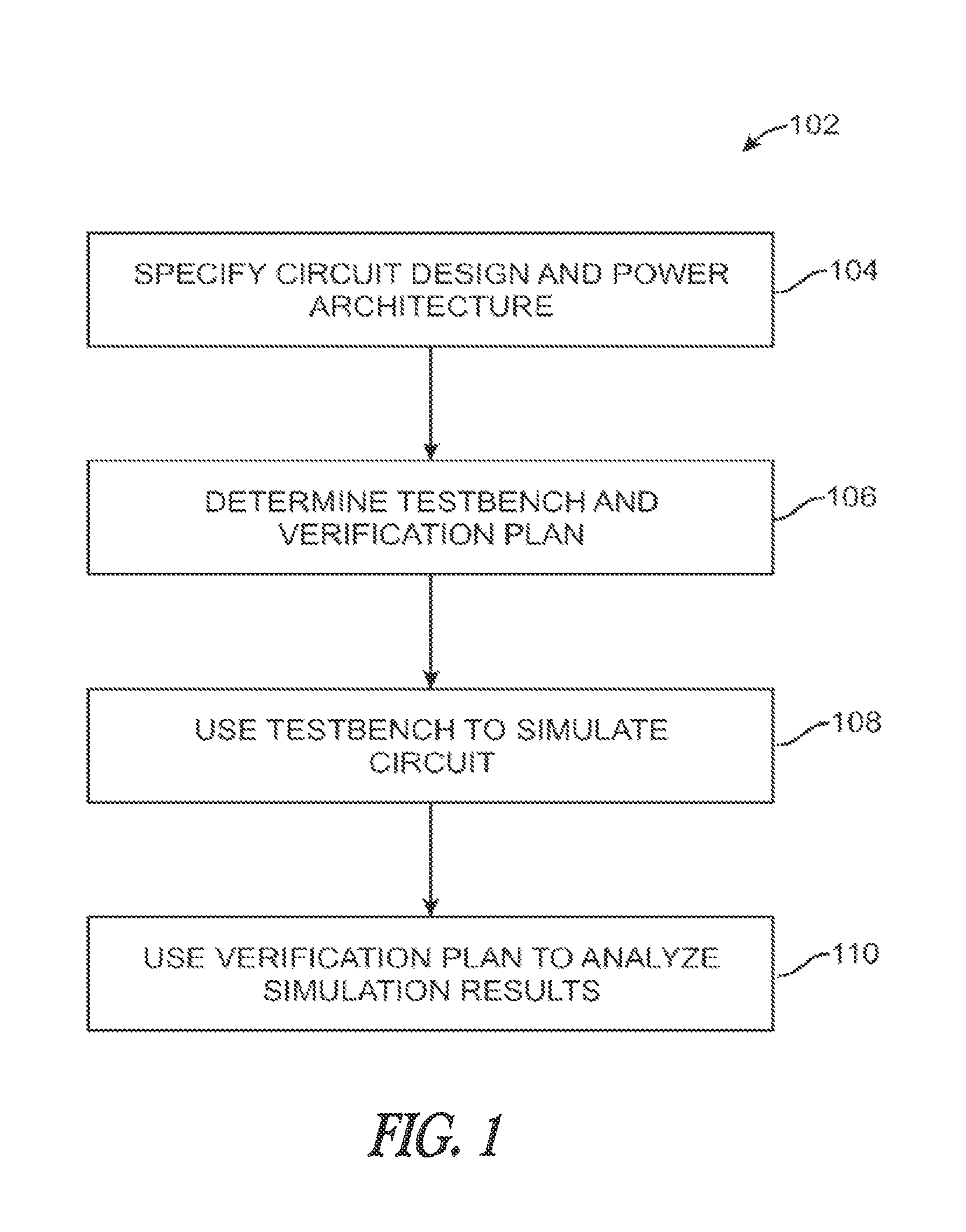
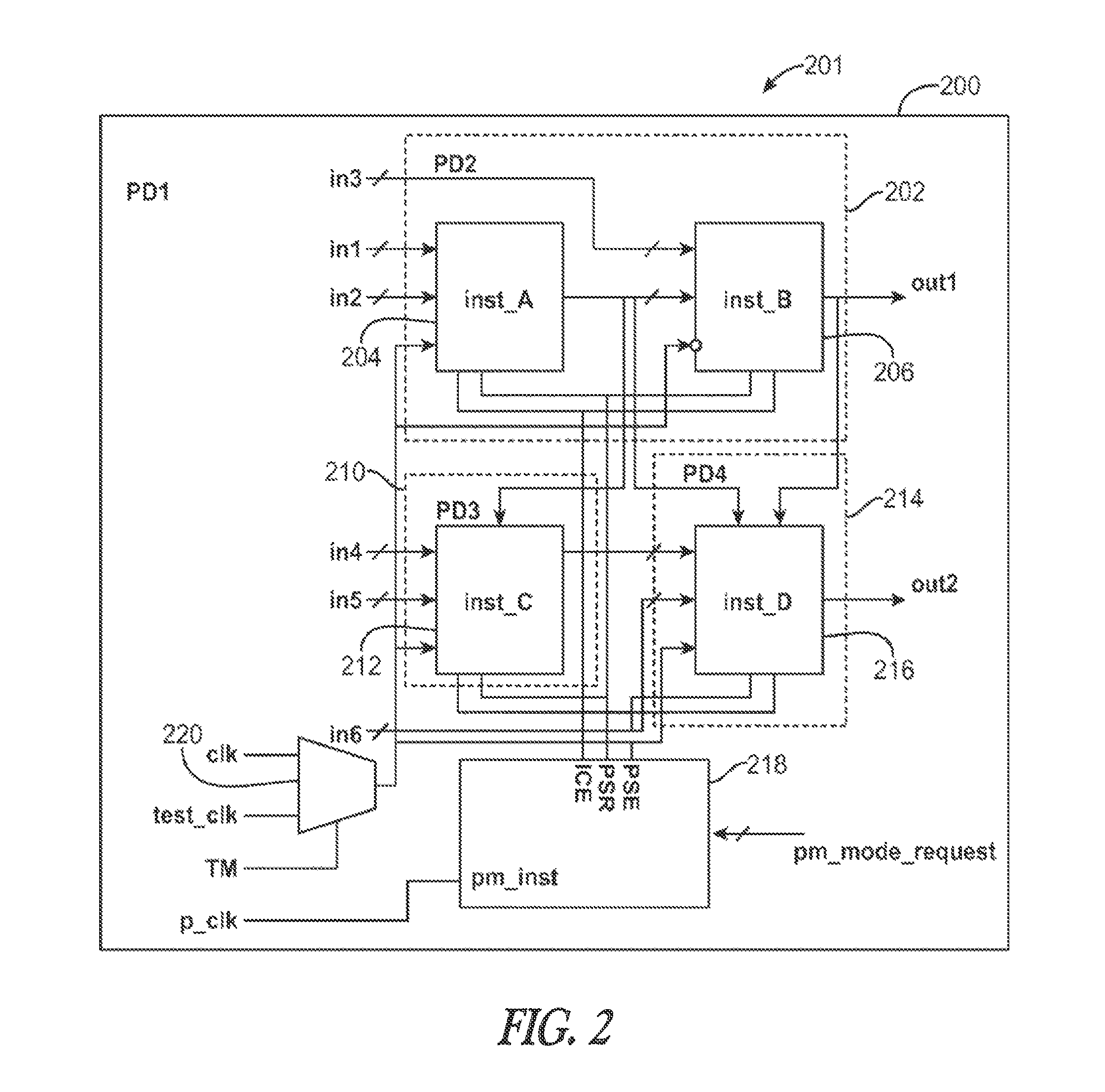
- A method for modeling power management in integrated circuits by specifying a power architecture with multiple power domains, determining a testbench for simulating power variations, and using a verification plan to evaluate simulation results, including control signals for power management and state retention, to ensure correct operation during power-on and power-off operations.

Energy and power management integrated circuit device
PatentInactiveUS20110062912A1
Innovation
- An energy and power management IC device that includes multiple energy conversion devices, an energy management IC for stabilizing energy, a storage device, and a power management IC for efficient distribution and control, allowing for semi-permanent use without battery replacement, utilizing energy sources like sunlight, thermoelectricity, and piezoelectricity.


Grid Integration Standards for Distributed Energy
The integration of distributed energy systems into existing electrical grids requires adherence to comprehensive standards that ensure safety, reliability, and operational efficiency. These standards serve as the foundation for seamless interconnection between battery management integrated circuits and grid infrastructure, establishing protocols for communication, control, and protection mechanisms.
IEEE 1547 represents the cornerstone standard for distributed energy resource interconnection, defining technical requirements for voltage regulation, frequency response, and islanding protection. This standard specifically addresses how battery management systems must respond to grid disturbances and maintain synchronization with utility operations. The recent updates to IEEE 1547.1 have introduced more stringent testing procedures for inverter-based resources, directly impacting how battery management ICs must be designed and validated.
IEC 61850 provides the communication protocol framework essential for distributed energy integration, enabling standardized data exchange between battery management systems and grid control centers. This standard defines the logical nodes and data objects that battery management ICs must support to facilitate real-time monitoring and control. The protocol's manufacturing message specification ensures interoperability across different vendor platforms, critical for large-scale distributed energy deployments.
UL 1741 establishes safety requirements for inverters and charge controllers used in distributed energy applications, directly influencing battery management IC design specifications. This standard mandates specific protection functions including overvoltage, undervoltage, and frequency deviation responses that must be implemented at the integrated circuit level. Compliance with UL 1741 ensures that battery management systems can safely disconnect from the grid during fault conditions while maintaining system integrity.
The emerging IEEE 2030 series addresses smart grid interoperability, establishing guidelines for bidirectional power flow management and advanced grid services. These standards define how battery management ICs must support grid stabilization functions including frequency regulation, voltage support, and peak shaving operations. The integration requirements specify communication latencies and response times that directly impact IC architecture and processing capabilities.
Regional variations in grid codes, such as NERC standards in North America and ENTSO-E requirements in Europe, create additional complexity for battery management IC development. These regional differences necessitate adaptive firmware capabilities and configurable protection settings to ensure global market compatibility while maintaining local grid stability requirements.
IEEE 1547 represents the cornerstone standard for distributed energy resource interconnection, defining technical requirements for voltage regulation, frequency response, and islanding protection. This standard specifically addresses how battery management systems must respond to grid disturbances and maintain synchronization with utility operations. The recent updates to IEEE 1547.1 have introduced more stringent testing procedures for inverter-based resources, directly impacting how battery management ICs must be designed and validated.
IEC 61850 provides the communication protocol framework essential for distributed energy integration, enabling standardized data exchange between battery management systems and grid control centers. This standard defines the logical nodes and data objects that battery management ICs must support to facilitate real-time monitoring and control. The protocol's manufacturing message specification ensures interoperability across different vendor platforms, critical for large-scale distributed energy deployments.
UL 1741 establishes safety requirements for inverters and charge controllers used in distributed energy applications, directly influencing battery management IC design specifications. This standard mandates specific protection functions including overvoltage, undervoltage, and frequency deviation responses that must be implemented at the integrated circuit level. Compliance with UL 1741 ensures that battery management systems can safely disconnect from the grid during fault conditions while maintaining system integrity.
The emerging IEEE 2030 series addresses smart grid interoperability, establishing guidelines for bidirectional power flow management and advanced grid services. These standards define how battery management ICs must support grid stabilization functions including frequency regulation, voltage support, and peak shaving operations. The integration requirements specify communication latencies and response times that directly impact IC architecture and processing capabilities.
Regional variations in grid codes, such as NERC standards in North America and ENTSO-E requirements in Europe, create additional complexity for battery management IC development. These regional differences necessitate adaptive firmware capabilities and configurable protection settings to ensure global market compatibility while maintaining local grid stability requirements.
Safety Protocols for Distributed Battery Systems
Safety protocols for distributed battery systems represent a critical framework ensuring operational integrity and risk mitigation across decentralized energy storage networks. These protocols encompass comprehensive safety measures designed to prevent thermal runaway, electrical hazards, and system failures that could compromise both equipment and personnel safety. The distributed nature of these systems introduces unique challenges requiring specialized safety approaches that differ significantly from centralized battery installations.
Thermal management protocols constitute the primary safety consideration, establishing temperature monitoring thresholds and automated response mechanisms. Advanced thermal sensors continuously monitor cell temperatures across distributed nodes, triggering immediate isolation procedures when predetermined limits are exceeded. Emergency cooling systems activate automatically, while communication protocols alert central monitoring stations to initiate coordinated response actions across the network.
Electrical safety protocols focus on arc fault detection, ground fault protection, and isolation procedures for individual battery modules. Distributed systems implement redundant safety circuits that can isolate compromised sections without affecting overall network operation. These protocols include automatic disconnect mechanisms, current limiting devices, and voltage monitoring systems that prevent dangerous electrical conditions from propagating throughout the distributed network.
Fire suppression and containment protocols address the unique challenges of protecting geographically dispersed battery installations. Each distributed node incorporates localized fire detection and suppression systems, typically utilizing clean agent suppressants suitable for electrical equipment. Containment protocols ensure that thermal events remain isolated to individual modules, preventing cascade failures across the distributed system.
Communication and monitoring protocols establish real-time safety data exchange between distributed nodes and central control systems. These protocols define emergency communication hierarchies, automated alert systems, and fail-safe communication modes that maintain safety oversight even during network disruptions. Standardized safety data formats ensure interoperability between different manufacturers' equipment within the distributed system.
Emergency response protocols outline coordinated procedures for addressing safety incidents across distributed installations. These include rapid isolation procedures, emergency personnel notification systems, and coordinated shutdown sequences that prioritize safety while minimizing system disruption. Regular protocol testing and validation ensure readiness for various emergency scenarios specific to distributed battery system configurations.
Thermal management protocols constitute the primary safety consideration, establishing temperature monitoring thresholds and automated response mechanisms. Advanced thermal sensors continuously monitor cell temperatures across distributed nodes, triggering immediate isolation procedures when predetermined limits are exceeded. Emergency cooling systems activate automatically, while communication protocols alert central monitoring stations to initiate coordinated response actions across the network.
Electrical safety protocols focus on arc fault detection, ground fault protection, and isolation procedures for individual battery modules. Distributed systems implement redundant safety circuits that can isolate compromised sections without affecting overall network operation. These protocols include automatic disconnect mechanisms, current limiting devices, and voltage monitoring systems that prevent dangerous electrical conditions from propagating throughout the distributed network.
Fire suppression and containment protocols address the unique challenges of protecting geographically dispersed battery installations. Each distributed node incorporates localized fire detection and suppression systems, typically utilizing clean agent suppressants suitable for electrical equipment. Containment protocols ensure that thermal events remain isolated to individual modules, preventing cascade failures across the distributed system.
Communication and monitoring protocols establish real-time safety data exchange between distributed nodes and central control systems. These protocols define emergency communication hierarchies, automated alert systems, and fail-safe communication modes that maintain safety oversight even during network disruptions. Standardized safety data formats ensure interoperability between different manufacturers' equipment within the distributed system.
Emergency response protocols outline coordinated procedures for addressing safety incidents across distributed installations. These include rapid isolation procedures, emergency personnel notification systems, and coordinated shutdown sequences that prioritize safety while minimizing system disruption. Regular protocol testing and validation ensure readiness for various emergency scenarios specific to distributed battery system configurations.
Unlock deeper insights with Patsnap Eureka Quick Research — get a full tech report to explore trends and direct your research. Try now!
Generate Your Research Report Instantly with AI Agent
Supercharge your innovation with Patsnap Eureka AI Agent Platform!