
How to Optimize Charge Equalization Logic in Battery Management ICs
MAY 18, 20269 MIN READ
Generate Your Research Report Instantly with AI Agent
Patsnap Eureka helps you evaluate technical feasibility & market potential.
Battery Management IC Charge Equalization Background and Goals
Battery management systems have evolved significantly since the early adoption of lithium-ion batteries in consumer electronics during the 1990s. Initially, simple voltage monitoring circuits provided basic protection against overcharge and overdischarge conditions. However, as battery pack complexity increased and applications expanded into electric vehicles, energy storage systems, and industrial equipment, the need for sophisticated charge equalization became paramount.
The fundamental challenge in multi-cell battery systems stems from inherent cell-to-cell variations in capacity, internal resistance, and self-discharge rates. These variations, even as small as 1-2%, can lead to significant imbalances over hundreds of charge-discharge cycles. Without proper equalization, weaker cells become bottlenecks that limit overall pack performance and accelerate degradation across the entire system.
Modern battery management ICs have transitioned from passive equalization methods, which simply dissipate excess energy through resistors, to active equalization techniques that redistribute energy between cells. This evolution reflects the growing demand for higher energy efficiency and extended battery life in applications where replacement costs are substantial and downtime is critical.
The primary technical objective of optimizing charge equalization logic centers on maximizing energy utilization while minimizing equalization time and power losses. Current industry standards target equalization currents ranging from 100mA to several amperes, depending on cell capacity and application requirements. Advanced algorithms must balance multiple competing factors: equalization speed, thermal management, component stress, and overall system efficiency.
Key performance metrics include equalization efficiency exceeding 85%, temperature rise limitations below 10°C during operation, and the ability to handle cell voltage differences up to 200mV without compromising safety. Additionally, modern systems require adaptive algorithms that can adjust equalization strategies based on battery aging, temperature variations, and usage patterns.
The strategic importance of this technology extends beyond immediate performance gains. As battery systems scale to support grid-level energy storage and next-generation electric vehicles with 800V+ architectures, equalization logic optimization becomes critical for achieving target lifespans of 15-20 years and maintaining capacity retention above 80% throughout operational life.
The fundamental challenge in multi-cell battery systems stems from inherent cell-to-cell variations in capacity, internal resistance, and self-discharge rates. These variations, even as small as 1-2%, can lead to significant imbalances over hundreds of charge-discharge cycles. Without proper equalization, weaker cells become bottlenecks that limit overall pack performance and accelerate degradation across the entire system.
Modern battery management ICs have transitioned from passive equalization methods, which simply dissipate excess energy through resistors, to active equalization techniques that redistribute energy between cells. This evolution reflects the growing demand for higher energy efficiency and extended battery life in applications where replacement costs are substantial and downtime is critical.
The primary technical objective of optimizing charge equalization logic centers on maximizing energy utilization while minimizing equalization time and power losses. Current industry standards target equalization currents ranging from 100mA to several amperes, depending on cell capacity and application requirements. Advanced algorithms must balance multiple competing factors: equalization speed, thermal management, component stress, and overall system efficiency.
Key performance metrics include equalization efficiency exceeding 85%, temperature rise limitations below 10°C during operation, and the ability to handle cell voltage differences up to 200mV without compromising safety. Additionally, modern systems require adaptive algorithms that can adjust equalization strategies based on battery aging, temperature variations, and usage patterns.
The strategic importance of this technology extends beyond immediate performance gains. As battery systems scale to support grid-level energy storage and next-generation electric vehicles with 800V+ architectures, equalization logic optimization becomes critical for achieving target lifespans of 15-20 years and maintaining capacity retention above 80% throughout operational life.
Market Demand for Advanced Battery Management Systems
The global battery management system market is experiencing unprecedented growth driven by the rapid expansion of electric vehicles, energy storage systems, and portable electronics. Electric vehicle adoption represents the most significant demand driver, with automotive manufacturers increasingly prioritizing advanced battery management capabilities to enhance vehicle range, safety, and battery longevity. The automotive sector's transition toward electrification has created substantial pressure for more sophisticated charge equalization technologies that can maximize battery pack performance while ensuring operational safety.
Energy storage applications for renewable energy integration constitute another major demand segment. Grid-scale battery installations require precise charge equalization to maintain system reliability and extend operational lifespan. Industrial and residential energy storage systems demand robust battery management solutions capable of handling diverse charging scenarios and environmental conditions. These applications particularly benefit from optimized charge equalization logic that can adapt to varying load patterns and charging cycles.
Consumer electronics continue driving demand for compact, efficient battery management solutions. Smartphones, laptops, tablets, and wearable devices require increasingly sophisticated power management to support enhanced functionality while maintaining acceptable battery life. The miniaturization trend in consumer electronics places additional constraints on battery management IC design, necessitating more efficient charge equalization algorithms that operate within limited space and power budgets.
The market demonstrates strong preference for battery management systems offering enhanced safety features, improved energy efficiency, and extended battery lifespan. Regulatory requirements across different regions are becoming more stringent, particularly regarding battery safety and environmental impact. These regulations drive demand for advanced charge equalization technologies that can prevent thermal runaway, optimize charging efficiency, and support battery recycling initiatives.
Emerging applications in aerospace, medical devices, and industrial automation are creating specialized demand segments with unique requirements. These sectors often require battery management solutions capable of operating in extreme environments while maintaining high reliability standards. The diversity of application requirements is pushing the development of more flexible and configurable charge equalization solutions.
Market demand increasingly favors integrated solutions that combine multiple battery management functions within single ICs. Cost optimization pressures from manufacturers drive preference for solutions that deliver advanced charge equalization capabilities while minimizing component count and system complexity. This trend supports the development of more sophisticated on-chip algorithms and integrated sensing capabilities.
Energy storage applications for renewable energy integration constitute another major demand segment. Grid-scale battery installations require precise charge equalization to maintain system reliability and extend operational lifespan. Industrial and residential energy storage systems demand robust battery management solutions capable of handling diverse charging scenarios and environmental conditions. These applications particularly benefit from optimized charge equalization logic that can adapt to varying load patterns and charging cycles.
Consumer electronics continue driving demand for compact, efficient battery management solutions. Smartphones, laptops, tablets, and wearable devices require increasingly sophisticated power management to support enhanced functionality while maintaining acceptable battery life. The miniaturization trend in consumer electronics places additional constraints on battery management IC design, necessitating more efficient charge equalization algorithms that operate within limited space and power budgets.
The market demonstrates strong preference for battery management systems offering enhanced safety features, improved energy efficiency, and extended battery lifespan. Regulatory requirements across different regions are becoming more stringent, particularly regarding battery safety and environmental impact. These regulations drive demand for advanced charge equalization technologies that can prevent thermal runaway, optimize charging efficiency, and support battery recycling initiatives.
Emerging applications in aerospace, medical devices, and industrial automation are creating specialized demand segments with unique requirements. These sectors often require battery management solutions capable of operating in extreme environments while maintaining high reliability standards. The diversity of application requirements is pushing the development of more flexible and configurable charge equalization solutions.
Market demand increasingly favors integrated solutions that combine multiple battery management functions within single ICs. Cost optimization pressures from manufacturers drive preference for solutions that deliver advanced charge equalization capabilities while minimizing component count and system complexity. This trend supports the development of more sophisticated on-chip algorithms and integrated sensing capabilities.
Current State and Challenges of Charge Equalization Logic
The current landscape of charge equalization logic in battery management ICs presents a complex array of technological approaches, each with distinct advantages and limitations. Passive equalization remains the most widely adopted method due to its simplicity and cost-effectiveness. This approach utilizes resistive elements to dissipate excess energy from higher-charged cells, effectively balancing the pack through controlled energy loss. However, passive systems suffer from inherent inefficiency, converting excess energy to heat rather than redistributing it productively.
Active equalization technologies have emerged as more sophisticated alternatives, employing capacitive, inductive, or converter-based architectures to transfer energy between cells. Capacitive switching systems offer rapid equalization with minimal heat generation, while inductive methods provide galvanic isolation and enhanced safety. Converter-based approaches, including flyback and buck-boost topologies, enable flexible energy redistribution across multiple cells simultaneously.
Despite technological advances, several critical challenges persist in optimizing charge equalization logic. Timing coordination represents a fundamental obstacle, as equalization algorithms must balance speed with system stability. Aggressive equalization can introduce voltage oscillations and thermal stress, while conservative approaches may fail to maintain adequate cell balance during dynamic operating conditions.
Measurement accuracy limitations significantly impact equalization effectiveness. Voltage sensing precision, temperature compensation, and aging-related parameter drift create uncertainties that complicate optimal decision-making. Current battery management ICs typically achieve millivolt-level accuracy, but this precision may prove insufficient for advanced lithium-ion chemistries with narrow operating windows.
Control algorithm complexity poses another significant challenge. Modern equalization logic must consider multiple variables including state-of-charge estimation, temperature gradients, aging heterogeneity, and load profiles. Implementing sophisticated algorithms within the computational and memory constraints of cost-sensitive battery management ICs requires careful optimization and often involves trade-offs between performance and resource utilization.
Thermal management integration remains problematic, as equalization activities generate heat that can exacerbate cell imbalances. Current systems often lack adequate thermal feedback mechanisms, leading to suboptimal performance in high-temperature environments or during rapid charging scenarios.
Active equalization technologies have emerged as more sophisticated alternatives, employing capacitive, inductive, or converter-based architectures to transfer energy between cells. Capacitive switching systems offer rapid equalization with minimal heat generation, while inductive methods provide galvanic isolation and enhanced safety. Converter-based approaches, including flyback and buck-boost topologies, enable flexible energy redistribution across multiple cells simultaneously.
Despite technological advances, several critical challenges persist in optimizing charge equalization logic. Timing coordination represents a fundamental obstacle, as equalization algorithms must balance speed with system stability. Aggressive equalization can introduce voltage oscillations and thermal stress, while conservative approaches may fail to maintain adequate cell balance during dynamic operating conditions.
Measurement accuracy limitations significantly impact equalization effectiveness. Voltage sensing precision, temperature compensation, and aging-related parameter drift create uncertainties that complicate optimal decision-making. Current battery management ICs typically achieve millivolt-level accuracy, but this precision may prove insufficient for advanced lithium-ion chemistries with narrow operating windows.
Control algorithm complexity poses another significant challenge. Modern equalization logic must consider multiple variables including state-of-charge estimation, temperature gradients, aging heterogeneity, and load profiles. Implementing sophisticated algorithms within the computational and memory constraints of cost-sensitive battery management ICs requires careful optimization and often involves trade-offs between performance and resource utilization.
Thermal management integration remains problematic, as equalization activities generate heat that can exacerbate cell imbalances. Current systems often lack adequate thermal feedback mechanisms, leading to suboptimal performance in high-temperature environments or during rapid charging scenarios.
Existing Charge Equalization Solutions and Algorithms
01 Active cell balancing circuits and algorithms
Battery management systems employ active balancing circuits that can transfer energy between cells to equalize charge levels. These systems use sophisticated algorithms to monitor individual cell voltages and determine optimal charge redistribution strategies. The balancing logic includes decision-making processes for when to initiate balancing operations and how much energy to transfer between cells to maintain uniform charge distribution across the battery pack.- Active cell balancing circuits and control methods: Battery management systems employ active balancing circuits that can transfer energy between cells to equalize charge levels. These circuits use switching elements, inductors, and capacitors to redistribute charge from higher voltage cells to lower voltage cells, improving overall battery pack performance and extending battery life. The control logic monitors individual cell voltages and determines optimal balancing strategies.
- Passive cell balancing through resistive discharge: Passive balancing techniques utilize resistive elements to discharge higher voltage cells until all cells reach equilibrium. This method involves controlled discharge of excess energy through resistors, with the management system monitoring cell voltages and activating discharge circuits when voltage differences exceed predetermined thresholds. While simpler than active methods, this approach dissipates energy as heat.
- Voltage monitoring and measurement systems: Sophisticated voltage measurement circuits continuously monitor individual cell voltages within battery packs to detect imbalances. These systems employ precision analog-to-digital converters, multiplexers, and filtering circuits to accurately measure cell voltages and communicate this data to the central processing unit for balancing decisions. Advanced filtering and calibration techniques ensure measurement accuracy across temperature and aging variations.
- Intelligent balancing algorithms and control strategies: Advanced control algorithms determine optimal balancing strategies based on multiple parameters including cell voltages, temperatures, charge/discharge rates, and battery state of health. These algorithms can predict balancing requirements, optimize energy transfer efficiency, and adapt to different operating conditions. Machine learning and predictive modeling techniques enhance the intelligence of balancing decisions.
- Integrated circuit architectures for battery management: Specialized integrated circuits combine multiple functions including cell monitoring, balancing control, communication interfaces, and safety protection features in single chip solutions. These architectures integrate analog front-ends for voltage measurement, digital processing units for control algorithms, power switches for balancing circuits, and communication protocols for system integration. Advanced packaging and thermal management ensure reliable operation in automotive and industrial applications.
02 Passive balancing control methods
Passive balancing techniques utilize resistive discharge methods to equalize cell voltages by dissipating excess energy from higher-charged cells. The control logic determines which cells require balancing based on voltage thresholds and implements timing sequences for the discharge process. These methods include temperature monitoring and safety protocols to prevent overheating during the balancing operation.Expand Specific Solutions03 Multi-level charge equalization strategies
Advanced battery management systems implement hierarchical balancing approaches that operate at different levels within the battery pack structure. These strategies coordinate balancing operations between individual cells, cell groups, and battery modules to optimize overall pack performance. The logic includes priority-based algorithms that determine which level of balancing should be activated based on system conditions and performance requirements.Expand Specific Solutions04 Real-time monitoring and adaptive control
Battery management integrated circuits incorporate real-time monitoring capabilities that continuously assess cell conditions and adapt balancing strategies accordingly. The control logic processes multiple parameters including voltage, current, temperature, and state-of-charge to make dynamic balancing decisions. These systems feature predictive algorithms that anticipate balancing needs and adjust control parameters to maintain optimal battery performance throughout different operating conditions.Expand Specific Solutions05 Communication protocols and system integration
Modern battery management systems integrate sophisticated communication interfaces that enable coordination between multiple battery management units and external control systems. The equalization logic includes protocols for sharing balancing status information, coordinating system-wide balancing operations, and implementing safety interlocks. These systems support various communication standards and provide diagnostic capabilities for monitoring balancing performance and identifying potential issues.Expand Specific Solutions
Key Players in Battery Management IC Industry
The battery management IC charge equalization optimization market is experiencing rapid growth driven by the expanding electric vehicle and energy storage sectors. The industry is in a mature development stage with significant market expansion, particularly in Asia-Pacific regions. Technology maturity varies considerably among key players, with established companies like Panasonic Energy, LG Energy Solution, and Contemporary Amperex Technology leading in advanced battery management systems. Traditional automotive suppliers including Robert Bosch, Continental Automotive, and Siemens AG are leveraging their expertise to develop sophisticated charge balancing solutions. Asian manufacturers such as SK On, Sunwoda Electronic, and BAK Power Battery are rapidly advancing their technical capabilities. Research institutions like KAIST and Huazhong University of Science & Technology are contributing to algorithmic improvements and next-generation technologies, while semiconductor companies like Atmel provide essential IC components for implementation.
Robert Bosch GmbH
Technical Solution: Bosch implements intelligent charge equalization in their BMS solutions using model-based predictive control algorithms that optimize balancing energy flow across battery cells. Their approach employs real-time electrochemical impedance spectroscopy to assess individual cell health and adjust equalization parameters accordingly. The system features adaptive balancing current control that varies from 100mA to 5A per cell based on thermal conditions and charge state differences. Bosch's technology includes cloud-connected analytics that learn from fleet data to continuously improve equalization algorithms, reducing balancing time by up to 30% through optimized scheduling. Their BMS architecture supports both centralized and distributed balancing topologies, with intelligent switching between passive and active modes based on efficiency considerations and thermal constraints.
Strengths: Advanced model-based control with cloud analytics and flexible topology support. Weaknesses: Dependence on connectivity for optimal performance and complex calibration requirements.
Panasonic Energy Co. Ltd.
Technical Solution: Panasonic Energy employs precision voltage monitoring combined with temperature-compensated equalization algorithms in their battery management systems. Their approach uses high-resolution ADCs with 16-bit precision to detect voltage differences as small as 1mV between cells, enabling early intervention before significant imbalances develop. The system implements time-based equalization scheduling that operates during optimal thermal windows, typically during low-current periods to minimize heat generation. Panasonic's BMS features adaptive equalization current limiting based on cell temperature gradients, with maximum balancing currents of 2A per cell under ideal conditions. The technology includes predictive maintenance algorithms that use equalization frequency and duration data to estimate remaining battery life and recommend maintenance schedules for optimal performance.
Strengths: High-precision monitoring with temperature optimization and predictive maintenance capabilities. Weaknesses: Conservative balancing currents may result in longer equalization times for severely imbalanced packs.
Core Innovations in Charge Equalization Logic Optimization
Battery Management System with Integration of Voltage Sensor and Charge Equalizer
PatentActiveUS20100231166A1
Innovation
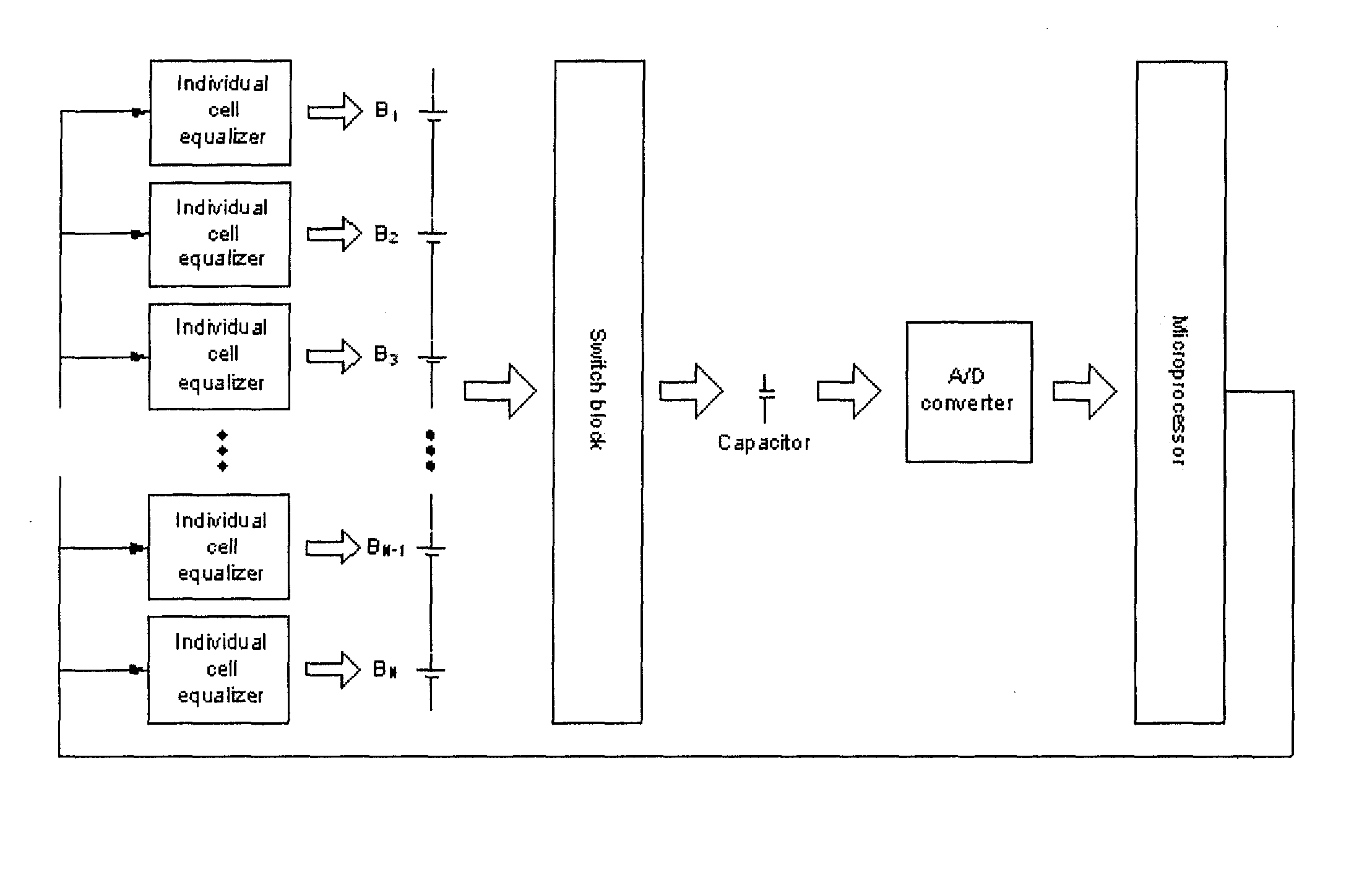
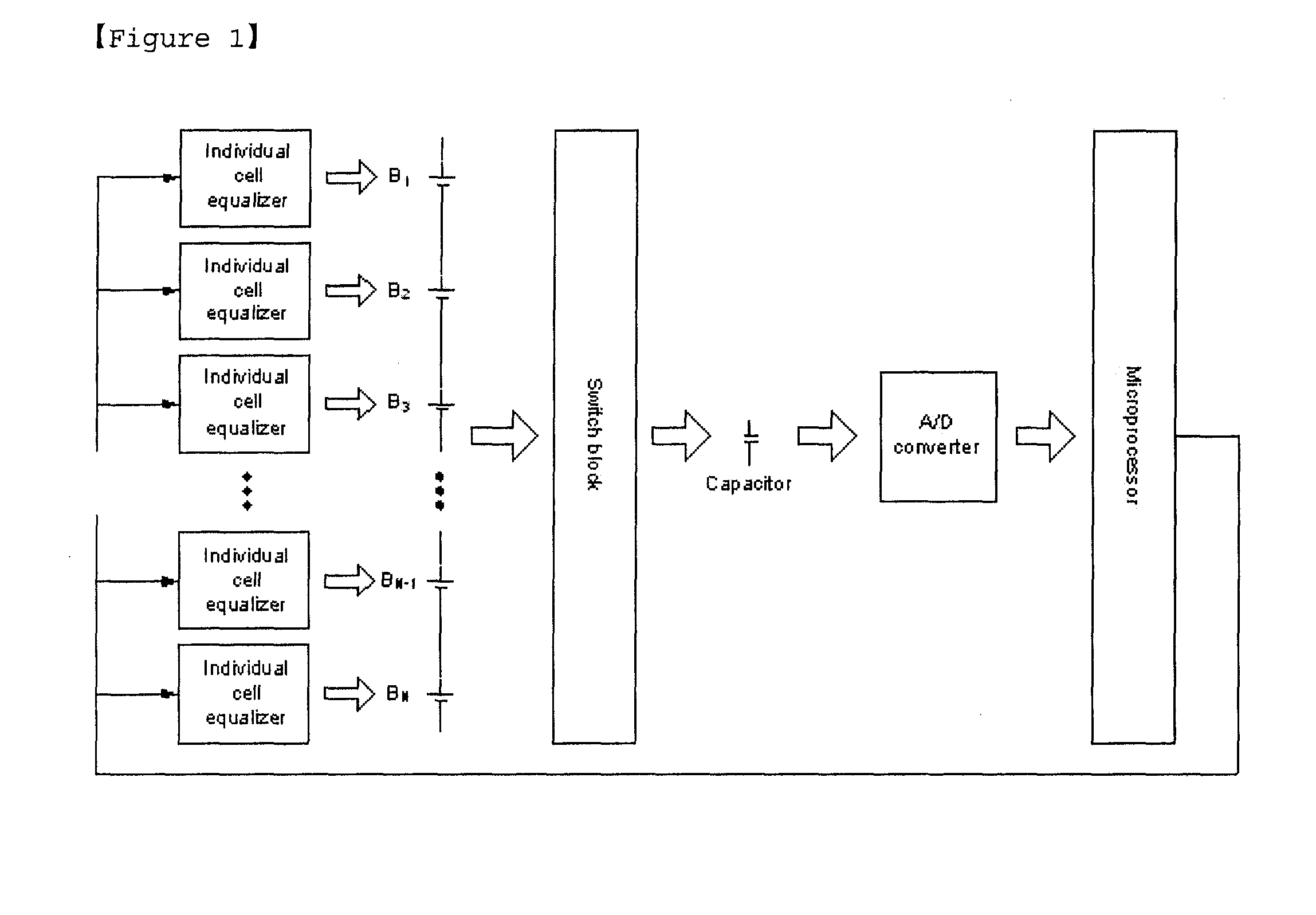
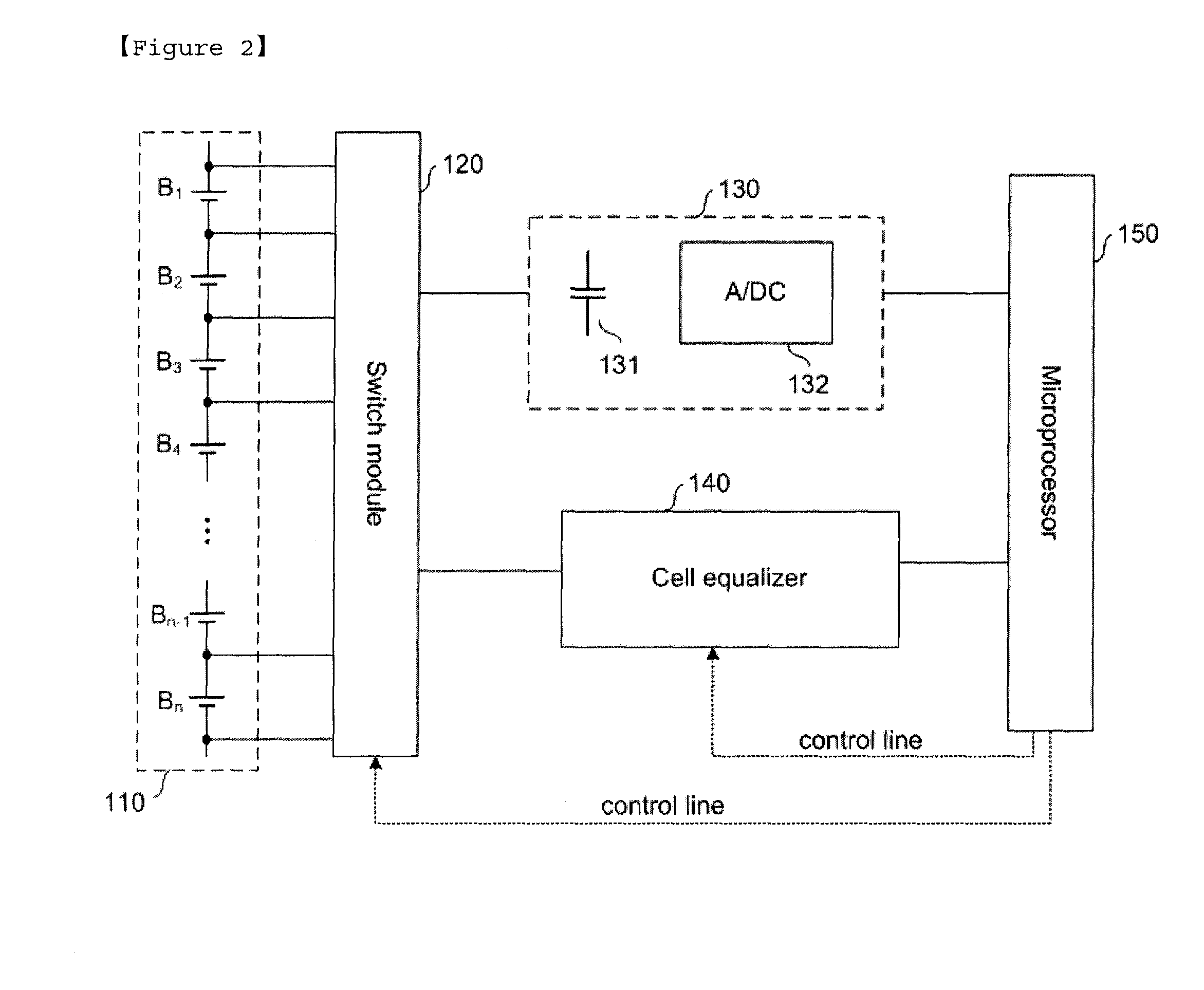
- A battery management system where a voltage sensor and charge equalizer are integrated with a switch module, allowing time-division sharing of the switch module between voltage sensing and charge equalization, reducing overall volume and stress on the switch module by connecting each battery in parallel to a single sensor and equalizer.

Charge equalization apparatus for a battery string
PatentActiveUS20170288422A1
Innovation
- A charge equalization apparatus using a single charge equalization converter and battery monitoring IC circuit to control multiple cells, modularizing batteries to reduce complexity, cost, and volume, while enhancing reliability by allowing independent attachment and detachment of slave modules and using a DC-DC converter for charge equalization.


Safety Standards and Regulations for Battery Management
Battery management systems must comply with a comprehensive framework of international and regional safety standards that govern the design, implementation, and operation of charge equalization circuits. The International Electrotechnical Commission (IEC) 62133 series establishes fundamental safety requirements for lithium-ion batteries and their management systems, mandating specific protection mechanisms against overcharge, overdischarge, and thermal runaway conditions that directly impact equalization logic design.
The Underwriters Laboratories (UL) 2054 and UL 1642 standards provide critical guidelines for battery pack safety, requiring charge equalization systems to incorporate fail-safe mechanisms and redundant protection layers. These standards specify maximum voltage tolerances, current limiting requirements, and thermal management protocols that equalization circuits must maintain during normal and fault conditions.
Automotive applications are governed by ISO 26262 functional safety standards, which classify battery management systems as safety-critical components requiring systematic hazard analysis and risk assessment. The standard mandates that charge equalization logic must achieve specific Automotive Safety Integrity Levels (ASIL), typically ASIL-C or ASIL-D, necessitating redundant monitoring systems and diagnostic capabilities to detect equalization circuit failures.
Regional regulations further constrain design parameters, with the European Union's Battery Regulation (EU) 2023/1542 establishing performance and safety requirements for industrial and automotive battery systems. The regulation emphasizes the need for robust state-of-charge monitoring and balancing mechanisms to ensure battery longevity and prevent safety hazards.
The United Nations Economic Commission for Europe (UNECE) Global Technical Regulation No. 20 specifically addresses electric vehicle battery safety, requiring charge equalization systems to prevent cell voltage deviations beyond specified thresholds and maintain system integrity under various environmental conditions.
Compliance with these standards necessitates incorporating specific design features into charge equalization logic, including voltage monitoring accuracy requirements, current limiting mechanisms, thermal protection protocols, and comprehensive diagnostic capabilities. These regulatory frameworks collectively shape the technical specifications and operational parameters that modern battery management ICs must satisfy to ensure market acceptance and operational safety.
The Underwriters Laboratories (UL) 2054 and UL 1642 standards provide critical guidelines for battery pack safety, requiring charge equalization systems to incorporate fail-safe mechanisms and redundant protection layers. These standards specify maximum voltage tolerances, current limiting requirements, and thermal management protocols that equalization circuits must maintain during normal and fault conditions.
Automotive applications are governed by ISO 26262 functional safety standards, which classify battery management systems as safety-critical components requiring systematic hazard analysis and risk assessment. The standard mandates that charge equalization logic must achieve specific Automotive Safety Integrity Levels (ASIL), typically ASIL-C or ASIL-D, necessitating redundant monitoring systems and diagnostic capabilities to detect equalization circuit failures.
Regional regulations further constrain design parameters, with the European Union's Battery Regulation (EU) 2023/1542 establishing performance and safety requirements for industrial and automotive battery systems. The regulation emphasizes the need for robust state-of-charge monitoring and balancing mechanisms to ensure battery longevity and prevent safety hazards.
The United Nations Economic Commission for Europe (UNECE) Global Technical Regulation No. 20 specifically addresses electric vehicle battery safety, requiring charge equalization systems to prevent cell voltage deviations beyond specified thresholds and maintain system integrity under various environmental conditions.
Compliance with these standards necessitates incorporating specific design features into charge equalization logic, including voltage monitoring accuracy requirements, current limiting mechanisms, thermal protection protocols, and comprehensive diagnostic capabilities. These regulatory frameworks collectively shape the technical specifications and operational parameters that modern battery management ICs must satisfy to ensure market acceptance and operational safety.
Thermal Management Considerations in Charge Equalization
Thermal management represents a critical aspect of charge equalization optimization in battery management ICs, as heat generation during cell balancing operations directly impacts system efficiency, component longevity, and safety performance. The equalization process inherently produces thermal energy through resistive losses in switching elements, current sensing circuits, and passive balancing resistors, creating localized hot spots that can compromise overall battery pack performance.
During active equalization cycles, power MOSFETs and switching regulators within the IC generate significant heat due to conduction and switching losses. The thermal resistance between the junction and ambient environment becomes a limiting factor for continuous operation, particularly in high-current balancing scenarios. Effective heat dissipation strategies must account for the dynamic nature of equalization loads, where thermal cycling can stress solder joints and wire bonds within the IC package.
Temperature gradients across the battery management IC can lead to performance variations in analog circuits, affecting the precision of voltage measurements and current control loops essential for equalization accuracy. Thermal drift in reference voltages and operational amplifiers introduces measurement errors that compound over extended balancing cycles, potentially resulting in suboptimal charge distribution among cells.
Advanced thermal management techniques include integrated temperature sensing arrays that provide real-time feedback for adaptive equalization algorithms. These sensors enable dynamic adjustment of balancing currents based on local temperature conditions, preventing thermal runaway while maximizing equalization efficiency. Sophisticated ICs incorporate thermal throttling mechanisms that automatically reduce balancing power when junction temperatures exceed predetermined thresholds.
Package-level innovations such as exposed thermal pads, copper-filled vias, and enhanced lead frame designs facilitate improved heat transfer from critical IC components to external heat sinks or PCB copper planes. Multi-layer PCB designs with dedicated thermal vias and ground planes provide additional thermal pathways, distributing heat more effectively across the system.
The integration of predictive thermal modeling within equalization algorithms represents an emerging approach, where anticipated heat generation influences balancing sequence optimization. This proactive thermal management strategy minimizes peak temperatures while maintaining equalization effectiveness, extending component lifespan and improving overall system reliability in demanding operational environments.
During active equalization cycles, power MOSFETs and switching regulators within the IC generate significant heat due to conduction and switching losses. The thermal resistance between the junction and ambient environment becomes a limiting factor for continuous operation, particularly in high-current balancing scenarios. Effective heat dissipation strategies must account for the dynamic nature of equalization loads, where thermal cycling can stress solder joints and wire bonds within the IC package.
Temperature gradients across the battery management IC can lead to performance variations in analog circuits, affecting the precision of voltage measurements and current control loops essential for equalization accuracy. Thermal drift in reference voltages and operational amplifiers introduces measurement errors that compound over extended balancing cycles, potentially resulting in suboptimal charge distribution among cells.
Advanced thermal management techniques include integrated temperature sensing arrays that provide real-time feedback for adaptive equalization algorithms. These sensors enable dynamic adjustment of balancing currents based on local temperature conditions, preventing thermal runaway while maximizing equalization efficiency. Sophisticated ICs incorporate thermal throttling mechanisms that automatically reduce balancing power when junction temperatures exceed predetermined thresholds.
Package-level innovations such as exposed thermal pads, copper-filled vias, and enhanced lead frame designs facilitate improved heat transfer from critical IC components to external heat sinks or PCB copper planes. Multi-layer PCB designs with dedicated thermal vias and ground planes provide additional thermal pathways, distributing heat more effectively across the system.
The integration of predictive thermal modeling within equalization algorithms represents an emerging approach, where anticipated heat generation influences balancing sequence optimization. This proactive thermal management strategy minimizes peak temperatures while maintaining equalization effectiveness, extending component lifespan and improving overall system reliability in demanding operational environments.
Unlock deeper insights with Patsnap Eureka Quick Research — get a full tech report to explore trends and direct your research. Try now!
Generate Your Research Report Instantly with AI Agent
Supercharge your innovation with Patsnap Eureka AI Agent Platform!