

Battery Preheating vs Standard Insulation in Subzero Environments
MAY 19, 20269 MIN READ
Generate Your Research Report Instantly with AI Agent
PatSnap Eureka helps you evaluate technical feasibility & market potential.
Battery Thermal Management Evolution and Subzero Objectives
Battery thermal management has undergone significant evolution since the early adoption of lithium-ion technology in consumer electronics during the 1990s. Initially, thermal considerations were primarily focused on preventing overheating during charging and discharging cycles. As battery applications expanded into automotive and energy storage systems, the scope of thermal management broadened to encompass both heating and cooling requirements across diverse operating environments.
The transition from passive thermal management approaches to active systems marked a pivotal development in the field. Early implementations relied heavily on standard insulation materials such as aerogel composites, vacuum panels, and multi-layer thermal barriers to maintain battery temperature within acceptable ranges. These solutions proved adequate for moderate climate conditions but demonstrated significant limitations in extreme temperature environments.
The emergence of electric vehicles as a mainstream transportation option accelerated innovation in battery thermal management. Cold climate performance became a critical differentiator, as traditional insulation-only approaches resulted in substantial capacity losses and reduced vehicle range during winter months. This challenge drove the development of active preheating systems, incorporating resistive heating elements, heat pumps, and thermal fluid circulation networks.
Contemporary battery thermal management systems have evolved into sophisticated multi-modal platforms that integrate both passive and active thermal control strategies. Modern preheating systems utilize predictive algorithms, ambient temperature sensors, and user behavior patterns to optimize energy consumption while ensuring optimal battery performance. These systems can initiate warming cycles while vehicles remain connected to grid power, minimizing the impact on driving range.
The technological progression has also encompassed advanced materials development, including phase change materials, thermally conductive polymers, and smart insulation systems with variable thermal properties. Integration of Internet of Things connectivity has enabled remote thermal management activation and real-time performance monitoring across diverse geographical locations.
Current objectives in subzero battery thermal management focus on achieving rapid warm-up capabilities while minimizing energy consumption penalties. Target specifications include maintaining battery temperatures above -10°C during extended cold exposure, achieving operational temperature within 5-10 minutes of activation, and limiting thermal management energy consumption to less than 5% of total battery capacity. These objectives drive ongoing research into more efficient heating technologies, improved insulation materials, and intelligent thermal management control systems.
The transition from passive thermal management approaches to active systems marked a pivotal development in the field. Early implementations relied heavily on standard insulation materials such as aerogel composites, vacuum panels, and multi-layer thermal barriers to maintain battery temperature within acceptable ranges. These solutions proved adequate for moderate climate conditions but demonstrated significant limitations in extreme temperature environments.
The emergence of electric vehicles as a mainstream transportation option accelerated innovation in battery thermal management. Cold climate performance became a critical differentiator, as traditional insulation-only approaches resulted in substantial capacity losses and reduced vehicle range during winter months. This challenge drove the development of active preheating systems, incorporating resistive heating elements, heat pumps, and thermal fluid circulation networks.
Contemporary battery thermal management systems have evolved into sophisticated multi-modal platforms that integrate both passive and active thermal control strategies. Modern preheating systems utilize predictive algorithms, ambient temperature sensors, and user behavior patterns to optimize energy consumption while ensuring optimal battery performance. These systems can initiate warming cycles while vehicles remain connected to grid power, minimizing the impact on driving range.
The technological progression has also encompassed advanced materials development, including phase change materials, thermally conductive polymers, and smart insulation systems with variable thermal properties. Integration of Internet of Things connectivity has enabled remote thermal management activation and real-time performance monitoring across diverse geographical locations.
Current objectives in subzero battery thermal management focus on achieving rapid warm-up capabilities while minimizing energy consumption penalties. Target specifications include maintaining battery temperatures above -10°C during extended cold exposure, achieving operational temperature within 5-10 minutes of activation, and limiting thermal management energy consumption to less than 5% of total battery capacity. These objectives drive ongoing research into more efficient heating technologies, improved insulation materials, and intelligent thermal management control systems.
Market Demand for Cold Weather Battery Solutions
The global shift toward electrification across multiple sectors has intensified the demand for reliable battery performance in extreme weather conditions. Electric vehicles represent the largest market segment driving this demand, as manufacturers face increasing pressure to deliver consistent performance regardless of climate. Consumer adoption of electric vehicles in northern regions remains constrained by range anxiety and performance degradation in cold weather, creating a substantial market opportunity for effective cold weather battery solutions.
Industrial applications constitute another significant demand driver, particularly in sectors such as renewable energy storage, telecommunications infrastructure, and heavy machinery operations in cold climates. Wind farms in northern territories require robust energy storage systems that maintain efficiency during winter months, while telecommunications towers in remote cold regions depend on backup battery systems that function reliably in subzero conditions.
The aerospace and defense sectors present specialized but high-value market segments for cold weather battery technologies. Military operations in arctic environments demand battery systems that can withstand extreme temperatures while maintaining operational readiness. Similarly, commercial aviation requires reliable battery performance for critical systems across varying altitude and temperature conditions.
Consumer electronics markets in cold climate regions drive demand for portable devices that maintain battery life during winter conditions. This includes everything from smartphones and laptops to outdoor recreational equipment and emergency devices. The growing popularity of outdoor activities and remote work arrangements has expanded this market segment significantly.
Geographic market concentration shows particularly strong demand in northern European countries, Canada, northern United States, Russia, and parts of Asia where subzero temperatures are common. These regions represent both established markets with existing infrastructure and emerging markets where electrification initiatives are expanding rapidly.
The renewable energy sector's expansion into colder climates has created additional demand for grid-scale energy storage solutions that can operate efficiently in low temperatures. Solar and wind installations in northern regions require battery backup systems that maintain performance throughout seasonal temperature variations, representing a growing market opportunity for specialized cold weather battery technologies.
Industrial applications constitute another significant demand driver, particularly in sectors such as renewable energy storage, telecommunications infrastructure, and heavy machinery operations in cold climates. Wind farms in northern territories require robust energy storage systems that maintain efficiency during winter months, while telecommunications towers in remote cold regions depend on backup battery systems that function reliably in subzero conditions.
The aerospace and defense sectors present specialized but high-value market segments for cold weather battery technologies. Military operations in arctic environments demand battery systems that can withstand extreme temperatures while maintaining operational readiness. Similarly, commercial aviation requires reliable battery performance for critical systems across varying altitude and temperature conditions.
Consumer electronics markets in cold climate regions drive demand for portable devices that maintain battery life during winter conditions. This includes everything from smartphones and laptops to outdoor recreational equipment and emergency devices. The growing popularity of outdoor activities and remote work arrangements has expanded this market segment significantly.
Geographic market concentration shows particularly strong demand in northern European countries, Canada, northern United States, Russia, and parts of Asia where subzero temperatures are common. These regions represent both established markets with existing infrastructure and emerging markets where electrification initiatives are expanding rapidly.
The renewable energy sector's expansion into colder climates has created additional demand for grid-scale energy storage solutions that can operate efficiently in low temperatures. Solar and wind installations in northern regions require battery backup systems that maintain performance throughout seasonal temperature variations, representing a growing market opportunity for specialized cold weather battery technologies.
Current Challenges in Subzero Battery Performance
Battery performance in subzero environments faces multiple interconnected challenges that significantly impact energy storage systems across various applications. The fundamental issue stems from the electrochemical processes within batteries becoming increasingly sluggish as temperatures drop, leading to reduced ionic conductivity and slower chemical reactions at the electrode interfaces.
Capacity degradation represents one of the most critical challenges, with lithium-ion batteries typically losing 20-50% of their nominal capacity when operating at temperatures below -10°C. This reduction occurs due to increased internal resistance and decreased electrolyte mobility, which restricts the flow of lithium ions between electrodes. The severity of capacity loss varies depending on battery chemistry, with lithium iron phosphate (LiFePO4) batteries experiencing more pronounced degradation compared to nickel-based chemistries.
Power delivery limitations constitute another significant obstacle in subzero conditions. Batteries struggle to provide adequate current output for high-power applications, as the increased internal resistance creates voltage drops that can trigger protection circuits or cause system shutdowns. This challenge is particularly problematic for electric vehicles during cold starts or when rapid acceleration is required.
Electrolyte freezing poses a severe operational constraint, especially for aqueous-based battery systems. When electrolytes approach their freezing points, crystal formation can cause permanent damage to battery components and create safety hazards. Even before complete freezing occurs, the viscosity increase of electrolytes significantly impairs ion transport mechanisms.
Thermal management complexity emerges as temperatures fluctuate, requiring sophisticated systems to maintain optimal operating ranges. The challenge lies in balancing energy consumption for heating against available battery capacity, creating a paradoxical situation where batteries need energy to generate the heat necessary for their own efficient operation.
Safety concerns intensify in subzero environments, as thermal runaway risks can increase due to uneven heating patterns and potential lithium plating during charging at low temperatures. Additionally, mechanical stress from thermal expansion and contraction cycles can compromise battery structural integrity over time.
Recovery time delays present operational challenges, as batteries require extended periods to reach optimal performance levels after exposure to extreme cold. This latency affects system responsiveness and can impact critical applications where immediate power availability is essential for safety or operational requirements.
Capacity degradation represents one of the most critical challenges, with lithium-ion batteries typically losing 20-50% of their nominal capacity when operating at temperatures below -10°C. This reduction occurs due to increased internal resistance and decreased electrolyte mobility, which restricts the flow of lithium ions between electrodes. The severity of capacity loss varies depending on battery chemistry, with lithium iron phosphate (LiFePO4) batteries experiencing more pronounced degradation compared to nickel-based chemistries.
Power delivery limitations constitute another significant obstacle in subzero conditions. Batteries struggle to provide adequate current output for high-power applications, as the increased internal resistance creates voltage drops that can trigger protection circuits or cause system shutdowns. This challenge is particularly problematic for electric vehicles during cold starts or when rapid acceleration is required.
Electrolyte freezing poses a severe operational constraint, especially for aqueous-based battery systems. When electrolytes approach their freezing points, crystal formation can cause permanent damage to battery components and create safety hazards. Even before complete freezing occurs, the viscosity increase of electrolytes significantly impairs ion transport mechanisms.
Thermal management complexity emerges as temperatures fluctuate, requiring sophisticated systems to maintain optimal operating ranges. The challenge lies in balancing energy consumption for heating against available battery capacity, creating a paradoxical situation where batteries need energy to generate the heat necessary for their own efficient operation.
Safety concerns intensify in subzero environments, as thermal runaway risks can increase due to uneven heating patterns and potential lithium plating during charging at low temperatures. Additionally, mechanical stress from thermal expansion and contraction cycles can compromise battery structural integrity over time.
Recovery time delays present operational challenges, as batteries require extended periods to reach optimal performance levels after exposure to extreme cold. This latency affects system responsiveness and can impact critical applications where immediate power availability is essential for safety or operational requirements.
Preheating vs Insulation Technology Comparison
01 Battery thermal management systems for low temperature operation
Advanced thermal management systems are designed to maintain optimal battery operating temperatures in subzero conditions. These systems include heating elements, insulation materials, and temperature control circuits that prevent battery performance degradation caused by extreme cold. The thermal management approach helps maintain electrolyte conductivity and reduces internal resistance that typically increases at low temperatures.- Battery thermal management systems for low temperature operation: Thermal management systems are designed to maintain optimal battery operating temperatures in subzero conditions. These systems include heating elements, insulation materials, and temperature control circuits that prevent battery performance degradation caused by extreme cold. The systems can actively warm the battery before use and maintain temperature during operation to ensure consistent power delivery.
- Cold-resistant battery chemistry and electrolyte formulations: Specialized electrolyte compositions and battery chemistries are developed to maintain ionic conductivity and electrochemical performance at low temperatures. These formulations include additives that prevent electrolyte freezing, improve ion mobility in cold conditions, and maintain stable electrode reactions. The chemistry modifications help batteries retain capacity and power output in subzero environments.
- Battery heating and preconditioning systems: Active heating systems are integrated into battery packs to precondition batteries before operation in cold environments. These systems use resistive heating elements, heat pumps, or waste heat recovery to bring batteries to optimal operating temperatures. The preconditioning process ensures batteries can deliver required performance immediately upon activation in subzero conditions.
- Insulation and packaging solutions for cold weather applications: Advanced insulation materials and packaging designs protect batteries from extreme cold temperatures. These solutions include vacuum insulation panels, phase change materials, and multi-layer thermal barriers that minimize heat loss. The packaging systems maintain battery temperature stability and reduce the energy required for active heating in cold environments.
- Battery management systems with cold weather optimization: Sophisticated battery management systems incorporate algorithms and control strategies specifically designed for cold weather operation. These systems monitor temperature, adjust charging parameters, control heating elements, and optimize power delivery based on ambient conditions. The management systems ensure safe operation while maximizing battery performance and lifespan in subzero environments.
02 Cold-resistant electrolyte formulations
Specialized electrolyte compositions are developed to maintain ionic conductivity and prevent freezing in subzero environments. These formulations often incorporate additives and solvents that have lower freezing points and maintain stable electrochemical properties at extremely low temperatures. The enhanced electrolyte systems ensure continued battery operation even when ambient temperatures drop significantly below freezing.Expand Specific Solutions03 Battery heating and preconditioning systems
Active heating systems and preconditioning technologies are implemented to warm batteries before and during operation in cold environments. These systems use various heating methods including resistive heating, inductive heating, and waste heat recovery to bring batteries to optimal operating temperatures. The preconditioning process ensures that batteries can deliver adequate power and capacity even when starting from subzero conditions.Expand Specific Solutions04 Low-temperature battery cell design and materials
Battery cells are specifically designed with materials and architectures optimized for cold weather performance. This includes electrode materials with enhanced low-temperature kinetics, separators that maintain porosity at low temperatures, and cell geometries that minimize thermal gradients. The specialized materials maintain structural integrity and electrochemical activity even under extreme cold conditions.Expand Specific Solutions05 Cold weather battery monitoring and control systems
Advanced monitoring and control systems are developed to track battery performance parameters and adjust operation strategies in subzero environments. These systems monitor temperature, voltage, current, and state of charge while implementing adaptive charging and discharging protocols optimized for cold conditions. The control algorithms help prevent damage from cold-induced stress while maximizing available battery performance.Expand Specific Solutions
Leading Companies in Battery Thermal Management
The battery preheating versus standard insulation technology landscape in subzero environments represents a rapidly evolving market driven by the expanding electric vehicle and energy storage sectors. The industry is in a growth phase, with significant market expansion fueled by cold climate adoption of EVs and renewable energy systems. Technology maturity varies considerably across market players, with established battery manufacturers like Contemporary Amperex Technology (CATL), BYD, and LG Chem leading advanced thermal management solutions, while automotive companies such as Geely and Beijing Electric Vehicle integrate these systems into vehicle platforms. Research institutions including Tsinghua University and Harbin Institute of Technology contribute fundamental research, particularly relevant given China's cold climate regions. The competitive landscape shows a clear division between component suppliers developing sophisticated preheating technologies and system integrators focusing on cost-effective insulation solutions, with market consolidation expected as performance standards mature.
Robert Bosch GmbH
Technical Solution: Bosch has engineered a comprehensive battery thermal management solution that combines resistive heating elements with advanced vacuum insulation panels for extreme cold applications. Their system utilizes predictive algorithms that initiate preheating based on weather forecasts and user patterns, reducing energy consumption by up to 30% compared to reactive heating systems. The solution incorporates multi-zone heating capability, allowing selective warming of battery sections based on usage requirements. Bosch's approach integrates seamlessly with vehicle HVAC systems, enabling waste heat recovery to supplement battery preheating. Their insulation technology features multi-layer aerogel composites that maintain thermal efficiency down to -40°C while adding minimal weight to the battery pack. Field testing in Arctic conditions has shown 35% improvement in cold-start reliability and 20% better energy retention compared to conventional thermal management systems.
Strengths: Predictive heating algorithms, excellent integration capabilities, proven automotive-grade reliability. Weaknesses: Dependency on external data sources for optimal performance, higher initial investment requirements.
Sungrow Power Supply Co., Ltd.
Technical Solution: Sungrow has engineered battery thermal management solutions primarily focused on energy storage systems operating in cold climates, incorporating both active preheating and advanced insulation technologies. Their system utilizes distributed PTC heating elements combined with intelligent control algorithms that optimize heating patterns based on battery chemistry and ambient conditions. The solution features multi-layer insulation systems using aerogel-enhanced materials that maintain thermal efficiency in temperatures down to -35°C. Sungrow's approach includes predictive heating capabilities that utilize weather data and load forecasting to minimize energy consumption while ensuring optimal battery performance. Their battery management system coordinates heating operations with grid demand patterns, achieving up to 20% improvement in cold-weather energy efficiency. The technology has been deployed in utility-scale installations across northern regions, demonstrating reliable performance and extended battery life in harsh winter conditions.
Strengths: Proven utility-scale deployment experience, excellent grid integration capabilities, robust cold-weather performance data. Weaknesses: Primarily focused on stationary applications, limited automotive market presence compared to competitors.
Key Patents in Battery Cold Weather Solutions
Battery heating methods and systems
PatentActiveUS20190252742A1
Innovation
- A preheating system comprising a current sensor, electrical switch, and temperature sensor connected in series with the battery, controlled by a microprocessor to manage joule heating through the battery's internal resistance, ensuring even heating without modifying existing battery geometries.


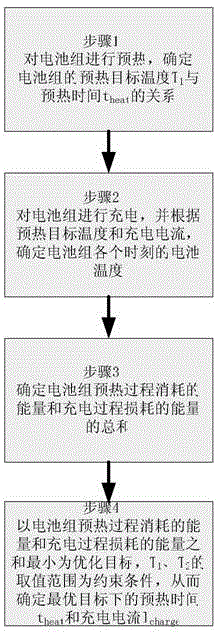
Preheating charging loss optimization battery pack charging method in low-temperature environment
PatentInactiveCN104409788A
Innovation
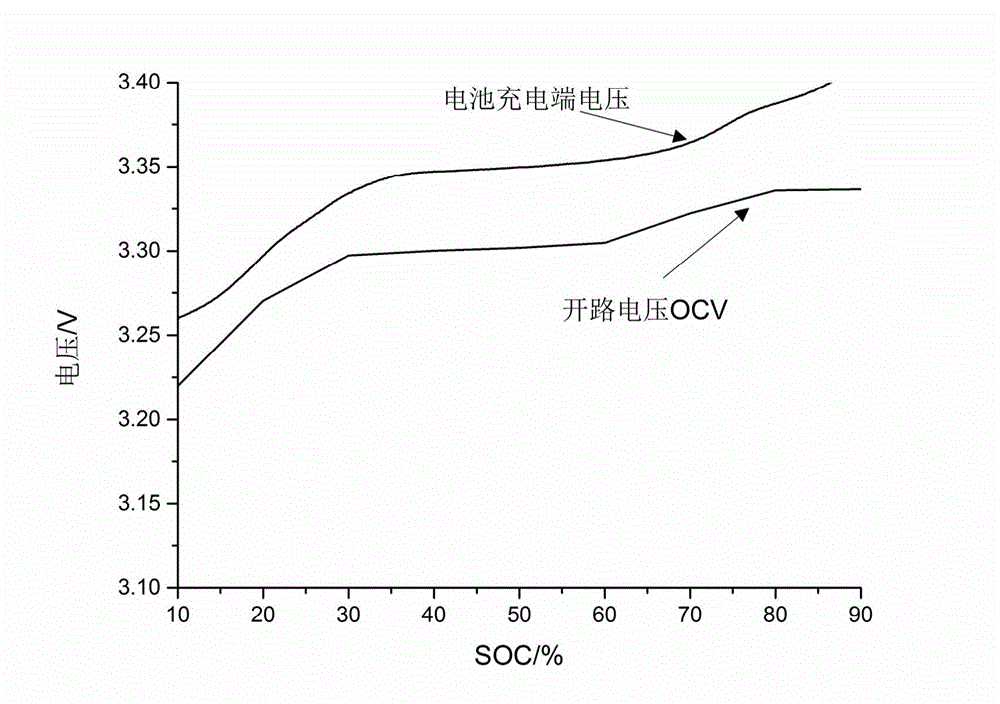
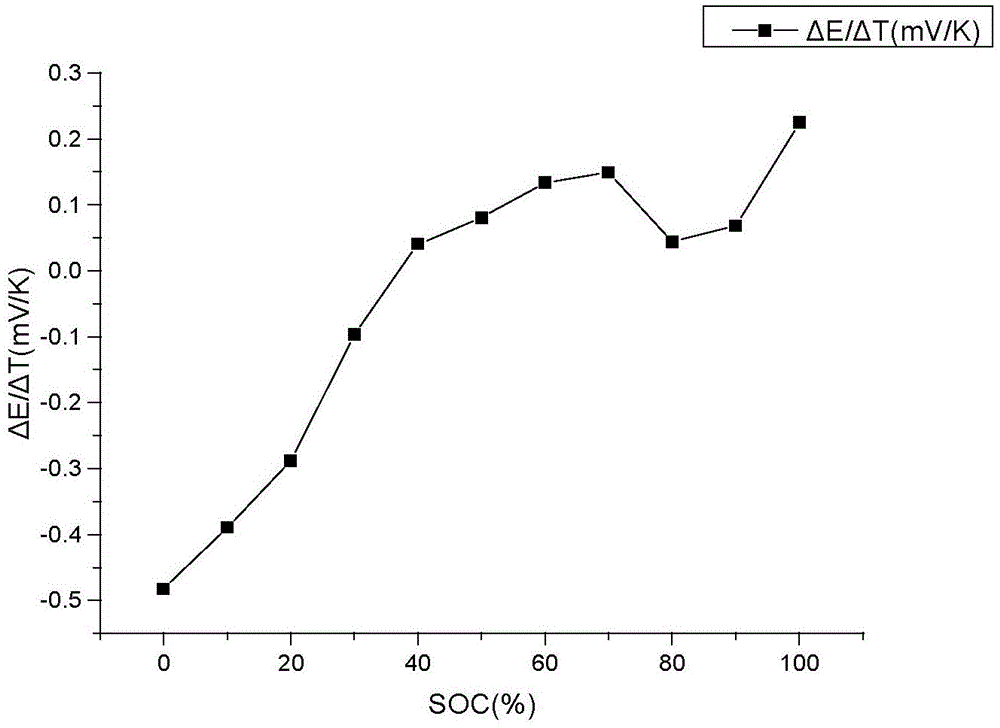
- By determining the preheating target temperature and charging current of the battery pack, using the energy balance equation and heat balance equation, the preheating time and energy consumption during the charging process are optimized, and the heating time and charging current are adjusted to optimize energy loss.

Safety Standards for Battery Thermal Systems
Battery thermal management systems operating in subzero environments must comply with stringent safety standards to ensure reliable performance and prevent catastrophic failures. The International Electrotechnical Commission (IEC) 62619 standard establishes fundamental safety requirements for lithium-ion battery systems, including thermal management protocols that directly impact both preheating and insulation strategies. This standard mandates specific temperature monitoring, thermal runaway prevention measures, and emergency shutdown procedures that manufacturers must integrate into their thermal management designs.
The Society of Automotive Engineers (SAE) J2464 standard specifically addresses battery thermal management in automotive applications, providing detailed guidelines for heating element placement, temperature sensor accuracy, and fail-safe mechanisms. For preheating systems, this standard requires redundant temperature monitoring with accuracy within ±2°C and mandates automatic shutdown capabilities when temperatures exceed predetermined thresholds. The standard also specifies minimum insulation requirements that complement active heating systems, ensuring thermal efficiency while maintaining safety margins.
Underwriters Laboratories (UL) 2580 certification has become increasingly critical for battery thermal systems, establishing comprehensive testing protocols for both active heating and passive insulation approaches. The standard requires extensive thermal abuse testing, including exposure to extreme temperature gradients and thermal shock conditions that simulate real-world subzero scenarios. Systems must demonstrate stable operation across temperature ranges from -40°C to +85°C while maintaining electrical isolation and preventing thermal runaway propagation.
European safety standards, particularly ECE R100 and UN 38.3, impose additional requirements for battery thermal systems in transportation applications. These regulations mandate specific fire suppression capabilities and require thermal management systems to maintain functionality during collision scenarios. The standards also establish minimum performance criteria for heating elements, including response time requirements and energy efficiency thresholds that influence the selection between active preheating and enhanced insulation strategies.
Emerging safety standards are beginning to address the unique challenges of rapid temperature cycling in preheating systems, focusing on material fatigue, electrical connection integrity, and long-term reliability under repeated thermal stress conditions.
The Society of Automotive Engineers (SAE) J2464 standard specifically addresses battery thermal management in automotive applications, providing detailed guidelines for heating element placement, temperature sensor accuracy, and fail-safe mechanisms. For preheating systems, this standard requires redundant temperature monitoring with accuracy within ±2°C and mandates automatic shutdown capabilities when temperatures exceed predetermined thresholds. The standard also specifies minimum insulation requirements that complement active heating systems, ensuring thermal efficiency while maintaining safety margins.
Underwriters Laboratories (UL) 2580 certification has become increasingly critical for battery thermal systems, establishing comprehensive testing protocols for both active heating and passive insulation approaches. The standard requires extensive thermal abuse testing, including exposure to extreme temperature gradients and thermal shock conditions that simulate real-world subzero scenarios. Systems must demonstrate stable operation across temperature ranges from -40°C to +85°C while maintaining electrical isolation and preventing thermal runaway propagation.
European safety standards, particularly ECE R100 and UN 38.3, impose additional requirements for battery thermal systems in transportation applications. These regulations mandate specific fire suppression capabilities and require thermal management systems to maintain functionality during collision scenarios. The standards also establish minimum performance criteria for heating elements, including response time requirements and energy efficiency thresholds that influence the selection between active preheating and enhanced insulation strategies.
Emerging safety standards are beginning to address the unique challenges of rapid temperature cycling in preheating systems, focusing on material fatigue, electrical connection integrity, and long-term reliability under repeated thermal stress conditions.
Environmental Impact of Battery Heating Solutions
The environmental implications of battery heating solutions in subzero conditions present a complex landscape of trade-offs between operational efficiency and ecological responsibility. Active preheating systems, while effective in maintaining battery performance, introduce significant energy consumption overhead that directly impacts carbon footprint calculations. These systems typically consume 15-25% additional energy compared to passive insulation approaches, translating to increased greenhouse gas emissions when powered by non-renewable energy sources.
Lifecycle assessment studies reveal that battery preheating technologies demonstrate varying environmental impacts depending on the energy source utilized. When powered by renewable energy grids, active heating systems show reduced long-term environmental burden due to extended battery lifespan and improved energy efficiency. Conversely, in regions heavily dependent on fossil fuel-based electricity generation, the immediate environmental cost of preheating can outweigh the benefits of enhanced battery performance.
Material considerations play a crucial role in environmental impact evaluation. Advanced insulation materials used in passive thermal management systems often incorporate synthetic polymers and aerogel composites that present end-of-life disposal challenges. However, these materials typically require no ongoing energy input during operation, resulting in lower operational carbon emissions. Active heating elements, while using conventional materials, demand continuous energy consumption that accumulates significant environmental impact over the system's operational lifetime.
The manufacturing phase environmental impact varies considerably between heating and insulation approaches. Preheating systems require additional electronic components, sensors, and control circuits that increase embodied carbon during production. Standard insulation solutions, despite potentially using specialized materials, generally demonstrate lower manufacturing-phase environmental impact due to simpler component requirements and reduced electronic complexity.
Regional climate considerations significantly influence the environmental equation. In extremely cold environments where battery failure rates are high without thermal management, the environmental cost of battery replacement and disposal may exceed the operational emissions of heating systems. This creates a threshold effect where active heating becomes environmentally justified in the most severe cold weather applications, while passive insulation remains preferable in moderate subzero conditions.
Lifecycle assessment studies reveal that battery preheating technologies demonstrate varying environmental impacts depending on the energy source utilized. When powered by renewable energy grids, active heating systems show reduced long-term environmental burden due to extended battery lifespan and improved energy efficiency. Conversely, in regions heavily dependent on fossil fuel-based electricity generation, the immediate environmental cost of preheating can outweigh the benefits of enhanced battery performance.
Material considerations play a crucial role in environmental impact evaluation. Advanced insulation materials used in passive thermal management systems often incorporate synthetic polymers and aerogel composites that present end-of-life disposal challenges. However, these materials typically require no ongoing energy input during operation, resulting in lower operational carbon emissions. Active heating elements, while using conventional materials, demand continuous energy consumption that accumulates significant environmental impact over the system's operational lifetime.
The manufacturing phase environmental impact varies considerably between heating and insulation approaches. Preheating systems require additional electronic components, sensors, and control circuits that increase embodied carbon during production. Standard insulation solutions, despite potentially using specialized materials, generally demonstrate lower manufacturing-phase environmental impact due to simpler component requirements and reduced electronic complexity.
Regional climate considerations significantly influence the environmental equation. In extremely cold environments where battery failure rates are high without thermal management, the environmental cost of battery replacement and disposal may exceed the operational emissions of heating systems. This creates a threshold effect where active heating becomes environmentally justified in the most severe cold weather applications, while passive insulation remains preferable in moderate subzero conditions.
Unlock deeper insights with PatSnap Eureka Quick Research — get a full tech report to explore trends and direct your research. Try now!
Generate Your Research Report Instantly with AI Agent
Supercharge your innovation with PatSnap Eureka AI Agent Platform!