

Comparing Passive Heat Retention vs Active Battery Preheating Systems
MAY 19, 20269 MIN READ
Generate Your Research Report Instantly with AI Agent
PatSnap Eureka helps you evaluate technical feasibility & market potential.
Battery Thermal Management Background and Objectives
Battery thermal management has emerged as one of the most critical challenges in modern electric vehicle development and energy storage applications. The fundamental issue stems from lithium-ion batteries' inherent sensitivity to temperature variations, which directly impacts their performance, safety, and longevity. At low temperatures, battery capacity can decrease by up to 40%, while charging rates become severely limited due to increased internal resistance and the risk of lithium plating.
The evolution of battery thermal management systems has progressed through distinct phases, beginning with basic air cooling methods in early electric vehicles to sophisticated liquid cooling systems in contemporary applications. However, cold weather operation remains a persistent challenge, particularly in regions experiencing sub-zero temperatures where battery performance degradation becomes most pronounced.
Two primary approaches have emerged to address cold-start scenarios: passive heat retention systems and active battery preheating systems. Passive systems focus on maintaining existing thermal energy through advanced insulation materials, phase change materials, and thermal mass optimization. These solutions aim to slow heat loss during vehicle dormancy periods, preserving battery temperature for extended durations without energy consumption.
Active preheating systems, conversely, employ external energy sources to elevate battery temperature before operation. These systems utilize various heating elements, including resistive heaters, heat pumps, and coolant-based heating circuits, often integrated with vehicle charging infrastructure or drawing power from the battery itself.
The technical objectives driving current research encompass multiple performance criteria. Primary goals include minimizing energy consumption during preheating processes, reducing cold-start time requirements, and maintaining optimal battery temperature ranges across diverse environmental conditions. Additionally, system integration complexity, cost-effectiveness, and reliability under extreme weather conditions represent crucial design considerations.
Contemporary development efforts focus on hybrid approaches that combine passive and active elements, leveraging predictive algorithms and smart grid integration to optimize preheating strategies. The ultimate objective involves achieving seamless cold-weather operation while minimizing energy penalties and preserving overall vehicle efficiency, thereby addressing one of the remaining barriers to widespread electric vehicle adoption in cold climate regions.
The evolution of battery thermal management systems has progressed through distinct phases, beginning with basic air cooling methods in early electric vehicles to sophisticated liquid cooling systems in contemporary applications. However, cold weather operation remains a persistent challenge, particularly in regions experiencing sub-zero temperatures where battery performance degradation becomes most pronounced.
Two primary approaches have emerged to address cold-start scenarios: passive heat retention systems and active battery preheating systems. Passive systems focus on maintaining existing thermal energy through advanced insulation materials, phase change materials, and thermal mass optimization. These solutions aim to slow heat loss during vehicle dormancy periods, preserving battery temperature for extended durations without energy consumption.
Active preheating systems, conversely, employ external energy sources to elevate battery temperature before operation. These systems utilize various heating elements, including resistive heaters, heat pumps, and coolant-based heating circuits, often integrated with vehicle charging infrastructure or drawing power from the battery itself.
The technical objectives driving current research encompass multiple performance criteria. Primary goals include minimizing energy consumption during preheating processes, reducing cold-start time requirements, and maintaining optimal battery temperature ranges across diverse environmental conditions. Additionally, system integration complexity, cost-effectiveness, and reliability under extreme weather conditions represent crucial design considerations.
Contemporary development efforts focus on hybrid approaches that combine passive and active elements, leveraging predictive algorithms and smart grid integration to optimize preheating strategies. The ultimate objective involves achieving seamless cold-weather operation while minimizing energy penalties and preserving overall vehicle efficiency, thereby addressing one of the remaining barriers to widespread electric vehicle adoption in cold climate regions.
Market Demand for Battery Preheating Solutions
The global battery preheating solutions market is experiencing unprecedented growth driven by the rapid expansion of electric vehicle adoption and the increasing deployment of energy storage systems in cold climate regions. Electric vehicle manufacturers are recognizing that battery thermal management directly impacts vehicle performance, driving range, and customer satisfaction, particularly in markets with harsh winter conditions such as Northern Europe, Canada, and northern regions of the United States and China.
The automotive sector represents the largest demand segment for battery preheating technologies, with electric vehicle sales continuing to surge globally. Consumer expectations for consistent vehicle performance regardless of ambient temperature conditions are pushing manufacturers to integrate sophisticated thermal management systems. Fleet operators, including delivery services, ride-sharing companies, and public transportation authorities, are particularly demanding reliable battery preheating solutions to maintain operational efficiency during cold weather periods.
Energy storage system deployments for grid-scale applications are creating substantial demand for battery preheating solutions in utility and industrial sectors. These large-scale installations require consistent performance across seasonal temperature variations to ensure grid stability and energy security. The growing integration of renewable energy sources necessitates reliable energy storage systems that can operate effectively in diverse climatic conditions.
The residential energy storage market is emerging as a significant demand driver, particularly in regions with extreme temperature variations. Homeowners investing in solar-plus-storage systems require battery solutions that maintain performance throughout winter months. This segment is increasingly sophisticated, with consumers seeking systems that optimize energy efficiency while ensuring reliable backup power capabilities.
Commercial and industrial applications are driving demand for robust battery preheating solutions in sectors including telecommunications, data centers, and emergency backup systems. These applications require high reliability and consistent performance, making effective thermal management critical for operational continuity.
Regional demand patterns reflect climatic conditions and electric vehicle adoption rates. Nordic countries, Canada, and northern regions of major economies show particularly strong demand for advanced battery preheating technologies. However, emerging markets with significant temperature variations are also contributing to growing demand as electrification accelerates globally.
The market is witnessing increasing demand for intelligent thermal management systems that can optimize energy consumption while maintaining battery performance. Customers are seeking solutions that balance preheating effectiveness with overall system efficiency, driving innovation in both passive and active thermal management approaches.
The automotive sector represents the largest demand segment for battery preheating technologies, with electric vehicle sales continuing to surge globally. Consumer expectations for consistent vehicle performance regardless of ambient temperature conditions are pushing manufacturers to integrate sophisticated thermal management systems. Fleet operators, including delivery services, ride-sharing companies, and public transportation authorities, are particularly demanding reliable battery preheating solutions to maintain operational efficiency during cold weather periods.
Energy storage system deployments for grid-scale applications are creating substantial demand for battery preheating solutions in utility and industrial sectors. These large-scale installations require consistent performance across seasonal temperature variations to ensure grid stability and energy security. The growing integration of renewable energy sources necessitates reliable energy storage systems that can operate effectively in diverse climatic conditions.
The residential energy storage market is emerging as a significant demand driver, particularly in regions with extreme temperature variations. Homeowners investing in solar-plus-storage systems require battery solutions that maintain performance throughout winter months. This segment is increasingly sophisticated, with consumers seeking systems that optimize energy efficiency while ensuring reliable backup power capabilities.
Commercial and industrial applications are driving demand for robust battery preheating solutions in sectors including telecommunications, data centers, and emergency backup systems. These applications require high reliability and consistent performance, making effective thermal management critical for operational continuity.
Regional demand patterns reflect climatic conditions and electric vehicle adoption rates. Nordic countries, Canada, and northern regions of major economies show particularly strong demand for advanced battery preheating technologies. However, emerging markets with significant temperature variations are also contributing to growing demand as electrification accelerates globally.
The market is witnessing increasing demand for intelligent thermal management systems that can optimize energy consumption while maintaining battery performance. Customers are seeking solutions that balance preheating effectiveness with overall system efficiency, driving innovation in both passive and active thermal management approaches.
Current State of Passive vs Active Heating Technologies
The current landscape of battery thermal management technologies presents two distinct approaches: passive heat retention systems and active battery preheating systems. Both technologies have evolved significantly over the past decade, driven by the rapid expansion of electric vehicle markets and energy storage applications in cold climate regions.
Passive heat retention systems represent the more mature and widely adopted approach in the industry. These systems primarily rely on advanced insulation materials, thermal mass optimization, and phase change materials to maintain battery temperature within operational ranges. Current implementations include vacuum-insulated panels, aerogel-based thermal barriers, and encapsulation systems using paraffin-based phase change materials. Major automotive manufacturers like Tesla, BMW, and Volkswagen have integrated sophisticated passive systems that can maintain battery temperatures for 8-12 hours in sub-zero conditions.
Active battery preheating systems have gained substantial momentum, particularly in northern European and North American markets. These systems employ electrical heating elements, coolant circulation networks, and heat pump technologies to actively warm battery cells before operation. Contemporary active systems typically consume 2-5% of total battery capacity during preheating cycles but can achieve optimal operating temperatures within 15-30 minutes in extreme cold conditions.
The technological maturity varies significantly between approaches. Passive systems have reached commercial stability with established supply chains and standardized components. Leading suppliers like Panasonic, CATL, and LG Energy Solution have developed integrated passive thermal management solutions that demonstrate consistent performance across diverse climate conditions. Manufacturing costs have decreased by approximately 40% over the past five years due to economies of scale and material innovations.
Active heating technologies are experiencing rapid advancement, particularly in heat pump integration and smart heating algorithms. Companies like Webasto, Eberspächer, and Mahle have developed sophisticated active systems that utilize waste heat recovery and predictive heating based on user behavior patterns. Recent innovations include resistive heating films directly integrated into battery cell structures and liquid heating systems that double as cooling circuits during operation.
Current deployment statistics indicate that passive systems dominate the market with approximately 75% adoption rate in electric vehicles, primarily due to lower complexity and cost considerations. However, active systems are gaining traction in premium vehicle segments and commercial applications where rapid deployment and consistent performance in extreme conditions justify higher implementation costs. The technology gap between passive and active approaches continues to narrow as both solutions incorporate hybrid elements and smart control systems.
Passive heat retention systems represent the more mature and widely adopted approach in the industry. These systems primarily rely on advanced insulation materials, thermal mass optimization, and phase change materials to maintain battery temperature within operational ranges. Current implementations include vacuum-insulated panels, aerogel-based thermal barriers, and encapsulation systems using paraffin-based phase change materials. Major automotive manufacturers like Tesla, BMW, and Volkswagen have integrated sophisticated passive systems that can maintain battery temperatures for 8-12 hours in sub-zero conditions.
Active battery preheating systems have gained substantial momentum, particularly in northern European and North American markets. These systems employ electrical heating elements, coolant circulation networks, and heat pump technologies to actively warm battery cells before operation. Contemporary active systems typically consume 2-5% of total battery capacity during preheating cycles but can achieve optimal operating temperatures within 15-30 minutes in extreme cold conditions.
The technological maturity varies significantly between approaches. Passive systems have reached commercial stability with established supply chains and standardized components. Leading suppliers like Panasonic, CATL, and LG Energy Solution have developed integrated passive thermal management solutions that demonstrate consistent performance across diverse climate conditions. Manufacturing costs have decreased by approximately 40% over the past five years due to economies of scale and material innovations.
Active heating technologies are experiencing rapid advancement, particularly in heat pump integration and smart heating algorithms. Companies like Webasto, Eberspächer, and Mahle have developed sophisticated active systems that utilize waste heat recovery and predictive heating based on user behavior patterns. Recent innovations include resistive heating films directly integrated into battery cell structures and liquid heating systems that double as cooling circuits during operation.
Current deployment statistics indicate that passive systems dominate the market with approximately 75% adoption rate in electric vehicles, primarily due to lower complexity and cost considerations. However, active systems are gaining traction in premium vehicle segments and commercial applications where rapid deployment and consistent performance in extreme conditions justify higher implementation costs. The technology gap between passive and active approaches continues to narrow as both solutions incorporate hybrid elements and smart control systems.
Existing Passive and Active Preheating Solutions
01 Thermal insulation materials and heat retention systems
Battery preheating systems utilize advanced thermal insulation materials to minimize heat loss and maintain optimal operating temperatures. These systems incorporate specialized insulating layers, thermal barriers, and heat retention structures that prevent thermal energy dissipation to the surrounding environment. The insulation systems are designed to create thermal boundaries that effectively trap generated heat within the battery compartment, ensuring consistent temperature maintenance during operation and standby periods.- Thermal insulation materials and heat retention systems: Battery preheating systems utilize advanced thermal insulation materials to minimize heat loss and maintain optimal operating temperatures. These systems incorporate specialized insulating layers, vacuum insulation panels, or aerogel materials to create effective thermal barriers. The insulation design helps retain generated heat within the battery compartment, reducing energy consumption required for continuous heating and improving overall system efficiency.
- Active heating element integration and control: Battery preheating systems employ various active heating elements such as resistive heaters, heating films, or heating plates strategically positioned around or within battery modules. These heating elements are controlled by sophisticated temperature management systems that monitor battery temperature and activate heating when needed. The integration includes precise placement of heating elements to ensure uniform heat distribution across all battery cells.
- Thermal management fluid circulation systems: Advanced battery preheating systems utilize liquid thermal management where heated fluids circulate through dedicated channels or cooling plates in contact with battery cells. These systems can use coolant, oil, or specialized heat transfer fluids that are heated externally and then pumped through the battery thermal management system. The circulation ensures even temperature distribution and can provide both heating and cooling capabilities.
- Phase change materials for thermal energy storage: Battery preheating systems incorporate phase change materials that can store and release thermal energy during phase transitions. These materials absorb heat when melting and release heat when solidifying, providing passive thermal regulation. The integration of phase change materials helps maintain stable temperatures, reduces heating system cycling, and provides thermal buffering during temperature fluctuations.
- Smart temperature sensing and predictive heating control: Modern battery preheating systems feature intelligent temperature monitoring networks with multiple sensors throughout the battery pack. These systems use predictive algorithms to anticipate heating needs based on environmental conditions, usage patterns, and battery state. The smart control systems can pre-emptively activate heating before temperatures drop too low, optimizing energy efficiency and ensuring batteries remain within optimal temperature ranges.
02 Active heating elements and thermal management
Active heating systems employ various heating elements such as resistive heaters, heating films, and thermal plates to provide controlled temperature elevation for battery systems. These heating mechanisms are strategically positioned to ensure uniform heat distribution across battery cells and modules. The systems incorporate temperature sensors and control circuits to regulate heating power and maintain target temperatures, preventing overheating while ensuring adequate thermal conditioning for optimal battery performance.Expand Specific Solutions03 Heat transfer enhancement and thermal conductivity optimization
Battery thermal management systems utilize heat transfer enhancement techniques including thermal interface materials, heat spreaders, and conductive pathways to improve heat distribution efficiency. These systems incorporate materials with high thermal conductivity and specialized geometries to facilitate rapid and uniform heat transfer throughout the battery pack. The optimization of thermal pathways ensures effective heat propagation from heating sources to battery cells while minimizing thermal gradients.Expand Specific Solutions04 Temperature control and monitoring systems
Sophisticated temperature control systems integrate sensors, controllers, and feedback mechanisms to maintain precise thermal conditions in battery preheating applications. These systems continuously monitor temperature variations across different zones and automatically adjust heating parameters to achieve target thermal profiles. The control algorithms optimize energy consumption while ensuring reliable temperature maintenance, incorporating safety features to prevent thermal runaway and overheating conditions.Expand Specific Solutions05 Energy-efficient preheating strategies and power management
Advanced preheating systems implement energy-efficient strategies that minimize power consumption while achieving effective thermal conditioning. These approaches include predictive heating algorithms, zone-based heating control, and waste heat recovery mechanisms that optimize energy utilization. The systems incorporate power management features that balance heating performance with energy efficiency, utilizing smart scheduling and adaptive control methods to reduce overall energy consumption during preheating operations.Expand Specific Solutions
Key Players in Battery Preheating Industry
The passive heat retention versus active battery preheating systems market represents a rapidly evolving segment within the broader automotive thermal management industry, currently in its growth phase as electric vehicle adoption accelerates globally. The market is experiencing significant expansion driven by increasing EV penetration and cold climate performance requirements, with the global automotive battery thermal management market projected to reach several billion dollars by 2030. Technology maturity varies considerably across market players, with established automotive suppliers like Robert Bosch GmbH, ZF Friedrichshafen AG, and BMW demonstrating advanced integrated thermal solutions, while emerging players such as GAC Aion and Chinese battery manufacturers like Zhejiang Hengyuan are rapidly developing competitive capabilities. Traditional automotive giants are leveraging decades of thermal management expertise, whereas newer entrants focus on innovative battery chemistry and smart thermal control algorithms, creating a dynamic competitive landscape where both passive insulation technologies and active heating systems are being refined for optimal energy efficiency and performance optimization.
Robert Bosch GmbH
Technical Solution: Bosch has developed comprehensive battery thermal management systems that integrate both passive and active preheating technologies. Their solution combines phase change materials (PCM) for passive heat retention with intelligent electric heating elements for active preheating. The system uses predictive algorithms to determine optimal preheating timing based on user patterns and weather conditions. Bosch's approach includes insulation materials with thermal conductivity as low as 0.02 W/mK for passive retention, while their active system can raise battery temperature by 15-20°C within 10-15 minutes. The technology incorporates smart energy management to minimize grid load during peak hours and can utilize renewable energy sources for preheating operations.
Strengths: Comprehensive integration of both technologies, proven automotive industry experience, advanced predictive algorithms. Weaknesses: Higher system complexity, increased manufacturing costs, requires sophisticated control systems.
GM Global Technology Operations LLC
Technical Solution: General Motors has implemented a dual-approach battery thermal management system in their Ultium platform, combining passive thermal retention through advanced insulation materials and active preheating via integrated heating elements. Their passive system utilizes aerogel-based insulation and vacuum-sealed battery enclosures to maintain temperature for extended periods. The active preheating system employs resistive heating elements strategically placed within the battery pack, capable of warming batteries from -20°C to optimal operating temperature (15-25°C) in approximately 20-30 minutes. GM's system includes remote activation capabilities through their mobile app, allowing users to precondition batteries while connected to grid power. The technology also incorporates waste heat recovery from other vehicle systems to supplement both passive retention and active heating processes.
Strengths: Proven deployment in commercial vehicles, integration with vehicle connectivity systems, waste heat recovery capabilities. Weaknesses: Limited to automotive applications, dependency on grid infrastructure for optimal performance.
Core Technologies in Battery Thermal Control
Battery heating methods and systems
PatentActiveUS20190252742A1
Innovation
- A preheating system comprising a current sensor, electrical switch, and temperature sensor connected in series with the battery, controlled by a microprocessor to manage joule heating through the battery's internal resistance, ensuring even heating without modifying existing battery geometries.


Thermal management matrix
PatentInactiveUS20120107662A1
Innovation
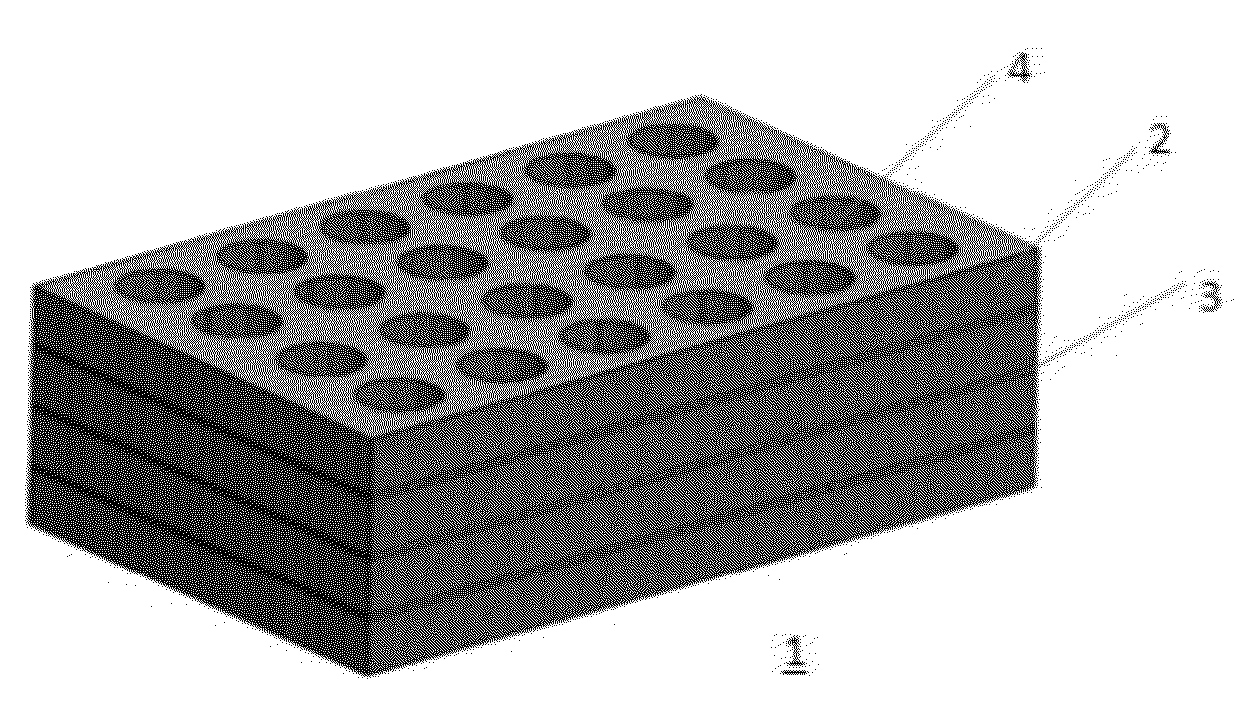
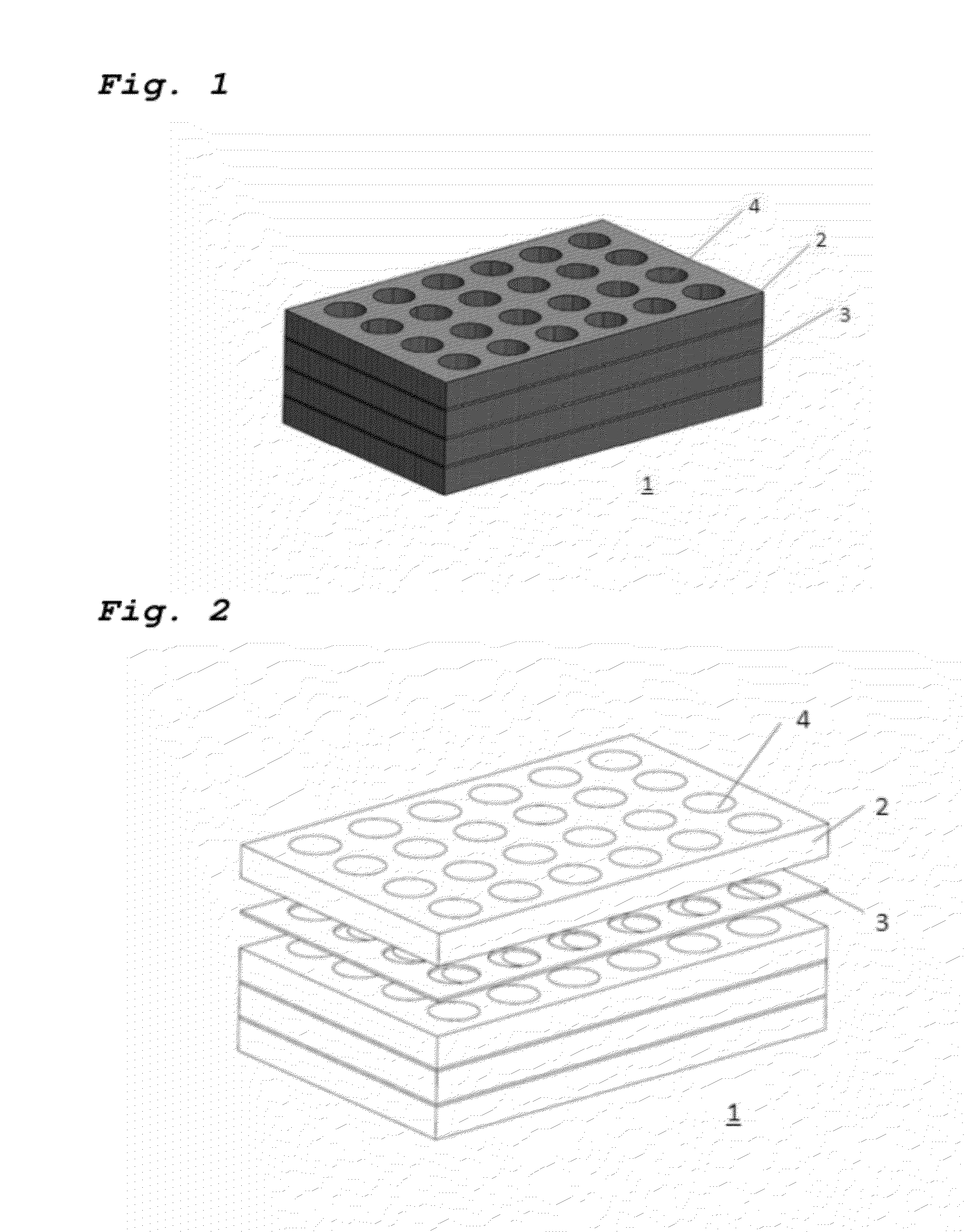
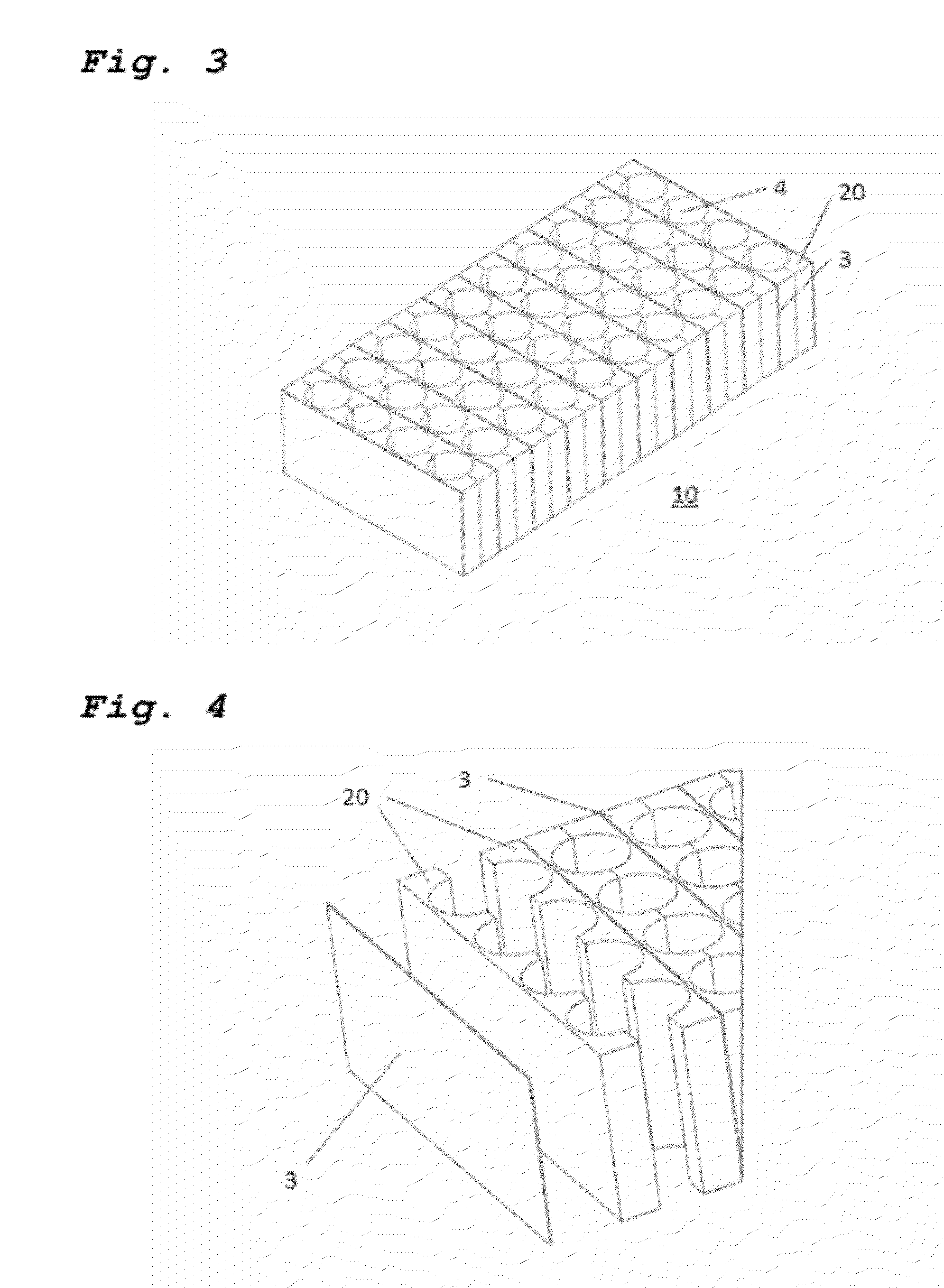
- A thermal management matrix using a sandwich-like structure of expanded graphite with varying in-plane thermal conductivity layers, including a higher conductivity foil layer for efficient heat dissipation, and optional phase change material infiltration, to form a lightweight, cost-effective, and adaptable solution for Li-ion battery thermal management.
Energy Efficiency Standards for Battery Systems
Energy efficiency standards for battery systems have become increasingly critical as the automotive industry transitions toward electrification, particularly in the context of thermal management solutions. Current regulatory frameworks primarily focus on overall vehicle energy consumption rather than specific subsystem efficiency metrics, creating gaps in standardized evaluation methods for comparing passive heat retention versus active battery preheating systems.
The International Electrotechnical Commission (IEC) has established foundational standards such as IEC 62660 series for lithium-ion battery performance testing, which includes thermal behavior assessments. However, these standards lack specific efficiency benchmarks for thermal management systems operating in cold weather conditions. The Society of Automotive Engineers (SAE) has developed complementary standards like SAE J2929 and SAE J2380, which address battery pack safety and performance but provide limited guidance on energy efficiency metrics for preheating systems.
European Union regulations under the Worldwide Harmonized Light Vehicles Test Procedure (WLTP) incorporate cold weather testing protocols, yet they primarily measure overall vehicle range degradation rather than thermal system efficiency. This approach fails to distinguish between the energy consumption characteristics of passive retention systems utilizing phase change materials or advanced insulation versus active heating systems employing resistive elements or heat pumps.
Emerging standards development initiatives are beginning to address these gaps through proposed metrics such as thermal efficiency ratios, energy recovery factors, and cold-start energy penalties. The United States Advanced Battery Consortium (USABC) has introduced preliminary guidelines suggesting that thermal management systems should consume no more than 5-8% of total battery capacity during cold weather operation, though implementation varies significantly between passive and active approaches.
Industry consensus is developing around standardized test conditions including ambient temperatures ranging from -30°C to -10°C, soak times of 8-12 hours, and specific heating target temperatures. These parameters enable meaningful comparison between passive systems that rely on thermal mass and insulation properties versus active systems that consume battery energy for heating elements or coolant circulation pumps.
Future standards development will likely incorporate lifecycle energy efficiency assessments, considering not only immediate heating energy consumption but also long-term battery degradation impacts and overall system durability under repeated thermal cycling conditions.
The International Electrotechnical Commission (IEC) has established foundational standards such as IEC 62660 series for lithium-ion battery performance testing, which includes thermal behavior assessments. However, these standards lack specific efficiency benchmarks for thermal management systems operating in cold weather conditions. The Society of Automotive Engineers (SAE) has developed complementary standards like SAE J2929 and SAE J2380, which address battery pack safety and performance but provide limited guidance on energy efficiency metrics for preheating systems.
European Union regulations under the Worldwide Harmonized Light Vehicles Test Procedure (WLTP) incorporate cold weather testing protocols, yet they primarily measure overall vehicle range degradation rather than thermal system efficiency. This approach fails to distinguish between the energy consumption characteristics of passive retention systems utilizing phase change materials or advanced insulation versus active heating systems employing resistive elements or heat pumps.
Emerging standards development initiatives are beginning to address these gaps through proposed metrics such as thermal efficiency ratios, energy recovery factors, and cold-start energy penalties. The United States Advanced Battery Consortium (USABC) has introduced preliminary guidelines suggesting that thermal management systems should consume no more than 5-8% of total battery capacity during cold weather operation, though implementation varies significantly between passive and active approaches.
Industry consensus is developing around standardized test conditions including ambient temperatures ranging from -30°C to -10°C, soak times of 8-12 hours, and specific heating target temperatures. These parameters enable meaningful comparison between passive systems that rely on thermal mass and insulation properties versus active systems that consume battery energy for heating elements or coolant circulation pumps.
Future standards development will likely incorporate lifecycle energy efficiency assessments, considering not only immediate heating energy consumption but also long-term battery degradation impacts and overall system durability under repeated thermal cycling conditions.
Cost-Benefit Analysis of Preheating Approaches
The economic evaluation of passive heat retention versus active battery preheating systems reveals significant differences in both initial investment requirements and long-term operational costs. Passive heat retention systems typically demonstrate lower upfront capital expenditure, with implementation costs ranging from $50-150 per vehicle depending on insulation materials and thermal management components. These systems primarily rely on advanced insulation materials, phase change materials, and thermal barriers that require minimal additional hardware beyond the battery pack design modifications.
Active battery preheating systems present substantially higher initial costs, typically ranging from $200-500 per vehicle due to the complexity of heating elements, control systems, sensors, and additional wiring harnesses. The integration of resistive heating elements, coolant-based heating circuits, or heat pump systems requires sophisticated thermal management controllers and safety monitoring equipment, contributing to the elevated capital investment.
Operational cost analysis reveals contrasting patterns between the two approaches. Passive systems incur negligible ongoing energy consumption costs since they operate without external power input during standby periods. However, they may result in indirect costs through reduced vehicle range in extreme cold conditions, potentially requiring more frequent charging cycles and associated electricity expenses.
Active preheating systems consume additional electrical energy, typically 1-3 kWh per preheating cycle depending on battery size and ambient temperature conditions. This translates to approximately $0.15-0.45 per preheating event based on average electricity rates. For vehicles experiencing daily cold-weather operation, annual energy costs can reach $50-150, representing a significant recurring expense over the system lifecycle.
The total cost of ownership analysis must consider maintenance requirements and system longevity. Passive systems generally exhibit superior durability with minimal maintenance needs due to fewer active components. Active systems require periodic inspection of heating elements, sensors, and control circuits, with potential replacement costs of $100-300 every 5-7 years.
Return on investment calculations demonstrate that passive systems typically achieve cost recovery within 2-3 years through improved battery performance and longevity, while active systems may require 4-6 years to offset higher initial and operational costs despite providing superior thermal management capabilities.
Active battery preheating systems present substantially higher initial costs, typically ranging from $200-500 per vehicle due to the complexity of heating elements, control systems, sensors, and additional wiring harnesses. The integration of resistive heating elements, coolant-based heating circuits, or heat pump systems requires sophisticated thermal management controllers and safety monitoring equipment, contributing to the elevated capital investment.
Operational cost analysis reveals contrasting patterns between the two approaches. Passive systems incur negligible ongoing energy consumption costs since they operate without external power input during standby periods. However, they may result in indirect costs through reduced vehicle range in extreme cold conditions, potentially requiring more frequent charging cycles and associated electricity expenses.
Active preheating systems consume additional electrical energy, typically 1-3 kWh per preheating cycle depending on battery size and ambient temperature conditions. This translates to approximately $0.15-0.45 per preheating event based on average electricity rates. For vehicles experiencing daily cold-weather operation, annual energy costs can reach $50-150, representing a significant recurring expense over the system lifecycle.
The total cost of ownership analysis must consider maintenance requirements and system longevity. Passive systems generally exhibit superior durability with minimal maintenance needs due to fewer active components. Active systems require periodic inspection of heating elements, sensors, and control circuits, with potential replacement costs of $100-300 every 5-7 years.
Return on investment calculations demonstrate that passive systems typically achieve cost recovery within 2-3 years through improved battery performance and longevity, while active systems may require 4-6 years to offset higher initial and operational costs despite providing superior thermal management capabilities.
Unlock deeper insights with PatSnap Eureka Quick Research — get a full tech report to explore trends and direct your research. Try now!
Generate Your Research Report Instantly with AI Agent
Supercharge your innovation with PatSnap Eureka AI Agent Platform!