

Optimize Battery Preheating Modules to Lower Total Warming Costs
MAY 19, 20269 MIN READ
Generate Your Research Report Instantly with AI Agent
PatSnap Eureka helps you evaluate technical feasibility & market potential.
Battery Preheating Technology Background and Objectives
Battery preheating technology has emerged as a critical component in electric vehicle thermal management systems, particularly in cold climate applications where low temperatures significantly impact battery performance and longevity. The technology's development can be traced back to early electric vehicle implementations in the 1990s, where researchers first identified the substantial performance degradation of lithium-ion batteries at sub-zero temperatures. Initial solutions were rudimentary, often involving simple resistive heating elements that consumed excessive energy and provided uneven temperature distribution.
The evolution of battery preheating systems has been driven by the fundamental electrochemical limitations of lithium-ion batteries in cold environments. At temperatures below 0°C, the electrolyte viscosity increases dramatically, ionic conductivity decreases, and lithium plating risks escalate during charging operations. These phenomena result in reduced available capacity, slower charging rates, and potential permanent battery damage. Early automotive manufacturers recognized that without effective thermal management, electric vehicles would face severe adoption barriers in northern climates.
Modern battery preheating technology encompasses various approaches, including resistive heating, heat pump systems, coolant-based thermal management, and phase change material integration. The technology has progressed from simple on-off heating systems to sophisticated predictive thermal management that utilizes ambient temperature forecasting, user behavior patterns, and grid connectivity to optimize preheating schedules. Advanced systems now incorporate multiple heating zones, temperature gradient management, and integration with cabin heating systems to maximize overall vehicle efficiency.
The primary objective of optimizing battery preheating modules centers on achieving the delicate balance between maintaining optimal battery operating temperatures and minimizing energy consumption. Current industry targets focus on reducing preheating energy consumption by 30-40% while maintaining battery performance within 95% of optimal temperature range operation. This optimization directly impacts vehicle range, charging efficiency, and overall user experience in cold weather conditions.
Contemporary research objectives emphasize developing intelligent preheating algorithms that can predict optimal heating schedules based on user patterns, weather forecasts, and grid energy pricing. The integration of machine learning approaches aims to create adaptive systems that continuously improve heating efficiency through operational data analysis. Additionally, the development of more efficient heating elements, improved thermal insulation materials, and waste heat recovery systems represents key technological advancement areas.
The ultimate goal extends beyond mere temperature maintenance to encompass comprehensive energy ecosystem optimization, where battery preheating systems contribute to grid stability through smart charging integration while minimizing the total cost of vehicle ownership through reduced energy consumption and extended battery life.
The evolution of battery preheating systems has been driven by the fundamental electrochemical limitations of lithium-ion batteries in cold environments. At temperatures below 0°C, the electrolyte viscosity increases dramatically, ionic conductivity decreases, and lithium plating risks escalate during charging operations. These phenomena result in reduced available capacity, slower charging rates, and potential permanent battery damage. Early automotive manufacturers recognized that without effective thermal management, electric vehicles would face severe adoption barriers in northern climates.
Modern battery preheating technology encompasses various approaches, including resistive heating, heat pump systems, coolant-based thermal management, and phase change material integration. The technology has progressed from simple on-off heating systems to sophisticated predictive thermal management that utilizes ambient temperature forecasting, user behavior patterns, and grid connectivity to optimize preheating schedules. Advanced systems now incorporate multiple heating zones, temperature gradient management, and integration with cabin heating systems to maximize overall vehicle efficiency.
The primary objective of optimizing battery preheating modules centers on achieving the delicate balance between maintaining optimal battery operating temperatures and minimizing energy consumption. Current industry targets focus on reducing preheating energy consumption by 30-40% while maintaining battery performance within 95% of optimal temperature range operation. This optimization directly impacts vehicle range, charging efficiency, and overall user experience in cold weather conditions.
Contemporary research objectives emphasize developing intelligent preheating algorithms that can predict optimal heating schedules based on user patterns, weather forecasts, and grid energy pricing. The integration of machine learning approaches aims to create adaptive systems that continuously improve heating efficiency through operational data analysis. Additionally, the development of more efficient heating elements, improved thermal insulation materials, and waste heat recovery systems represents key technological advancement areas.
The ultimate goal extends beyond mere temperature maintenance to encompass comprehensive energy ecosystem optimization, where battery preheating systems contribute to grid stability through smart charging integration while minimizing the total cost of vehicle ownership through reduced energy consumption and extended battery life.
Market Demand for Efficient Battery Thermal Management
The global electric vehicle market expansion has created unprecedented demand for sophisticated battery thermal management systems, with preheating modules emerging as a critical component for maintaining optimal battery performance across diverse climate conditions. This demand surge stems from the fundamental challenge that lithium-ion batteries face significant performance degradation in cold temperatures, directly impacting vehicle range, charging efficiency, and overall user experience.
Electric vehicle manufacturers are increasingly prioritizing thermal management solutions as consumer expectations for year-round reliability intensify. The automotive industry recognizes that effective battery preheating directly correlates with customer satisfaction and market adoption rates, particularly in regions experiencing harsh winter conditions. This recognition has transformed thermal management from an auxiliary feature to a core system requirement.
The commercial vehicle sector presents substantial growth opportunities for advanced battery thermal management technologies. Fleet operators demand consistent performance and predictable operating costs, making efficient preheating systems essential for maintaining operational schedules and reducing total cost of ownership. The logistics and delivery industries, experiencing rapid electrification, require reliable battery performance regardless of ambient temperature conditions.
Energy storage applications beyond transportation are driving additional market demand for efficient thermal management solutions. Grid-scale battery installations, residential energy storage systems, and industrial backup power applications all require sophisticated thermal control to maximize battery lifespan and maintain performance consistency. These applications often operate in uncontrolled environments where temperature fluctuations significantly impact system efficiency.
The growing emphasis on sustainability and energy efficiency has heightened market focus on optimizing preheating energy consumption. Organizations seek thermal management solutions that minimize parasitic energy losses while maintaining battery performance standards. This demand creates opportunities for innovative preheating technologies that reduce overall system energy requirements and operational costs.
Regulatory frameworks and performance standards are shaping market requirements for battery thermal management systems. Government agencies and industry organizations are establishing guidelines for battery performance in extreme temperatures, creating mandatory requirements for effective thermal management solutions. These regulations drive consistent demand across multiple market segments and geographic regions.
Electric vehicle manufacturers are increasingly prioritizing thermal management solutions as consumer expectations for year-round reliability intensify. The automotive industry recognizes that effective battery preheating directly correlates with customer satisfaction and market adoption rates, particularly in regions experiencing harsh winter conditions. This recognition has transformed thermal management from an auxiliary feature to a core system requirement.
The commercial vehicle sector presents substantial growth opportunities for advanced battery thermal management technologies. Fleet operators demand consistent performance and predictable operating costs, making efficient preheating systems essential for maintaining operational schedules and reducing total cost of ownership. The logistics and delivery industries, experiencing rapid electrification, require reliable battery performance regardless of ambient temperature conditions.
Energy storage applications beyond transportation are driving additional market demand for efficient thermal management solutions. Grid-scale battery installations, residential energy storage systems, and industrial backup power applications all require sophisticated thermal control to maximize battery lifespan and maintain performance consistency. These applications often operate in uncontrolled environments where temperature fluctuations significantly impact system efficiency.
The growing emphasis on sustainability and energy efficiency has heightened market focus on optimizing preheating energy consumption. Organizations seek thermal management solutions that minimize parasitic energy losses while maintaining battery performance standards. This demand creates opportunities for innovative preheating technologies that reduce overall system energy requirements and operational costs.
Regulatory frameworks and performance standards are shaping market requirements for battery thermal management systems. Government agencies and industry organizations are establishing guidelines for battery performance in extreme temperatures, creating mandatory requirements for effective thermal management solutions. These regulations drive consistent demand across multiple market segments and geographic regions.
Current State and Challenges in Battery Preheating Systems
Battery preheating systems have evolved significantly over the past decade, driven primarily by the rapid expansion of electric vehicle markets and energy storage applications. Current mainstream technologies predominantly rely on resistive heating elements, positive temperature coefficient (PTC) heaters, and heat pump systems integrated within battery thermal management architectures. These systems typically operate through direct electrical heating or coolant circulation methods to maintain optimal battery temperatures in cold environments.
The geographical distribution of advanced battery preheating technologies shows concentrated development in regions with harsh winter conditions, particularly in Northern Europe, North America, and parts of Asia. Leading automotive manufacturers in Germany, Sweden, and the United States have invested heavily in sophisticated thermal management solutions, while Chinese companies have focused on cost-effective implementations for mass market applications.
Despite technological advances, several critical challenges persist in current battery preheating implementations. Energy efficiency remains a primary concern, as conventional resistive heating systems can consume 15-25% of total battery capacity during cold weather operations. This significant energy drain directly impacts vehicle range and operational costs, creating a fundamental trade-off between battery performance and energy consumption.
Thermal uniformity across battery packs presents another substantial challenge. Current systems often struggle to achieve consistent temperature distribution, particularly in large-format battery assemblies used in commercial vehicles and grid storage applications. Temperature gradients within battery modules can lead to uneven cell degradation, reduced overall pack performance, and potential safety risks during charging and discharging cycles.
Response time optimization represents a critical technical hurdle, especially for applications requiring rapid deployment or emergency operations. Existing preheating systems typically require 10-30 minutes to achieve target temperatures, which may be inadequate for certain use cases. The balance between heating speed and energy consumption remains a complex engineering challenge that current solutions have not fully addressed.
Integration complexity with existing battery management systems poses additional constraints. Many current preheating modules operate as standalone systems with limited communication capabilities, preventing optimal coordination with overall vehicle thermal strategies. This isolation results in suboptimal energy utilization and missed opportunities for predictive heating based on usage patterns and environmental forecasts.
Cost considerations continue to limit widespread adoption of advanced preheating technologies. High-performance systems incorporating heat pumps or advanced materials can increase battery pack costs by 8-15%, making them economically challenging for cost-sensitive applications. The industry faces pressure to develop solutions that maintain performance benefits while achieving cost parity with conventional heating approaches.
The geographical distribution of advanced battery preheating technologies shows concentrated development in regions with harsh winter conditions, particularly in Northern Europe, North America, and parts of Asia. Leading automotive manufacturers in Germany, Sweden, and the United States have invested heavily in sophisticated thermal management solutions, while Chinese companies have focused on cost-effective implementations for mass market applications.
Despite technological advances, several critical challenges persist in current battery preheating implementations. Energy efficiency remains a primary concern, as conventional resistive heating systems can consume 15-25% of total battery capacity during cold weather operations. This significant energy drain directly impacts vehicle range and operational costs, creating a fundamental trade-off between battery performance and energy consumption.
Thermal uniformity across battery packs presents another substantial challenge. Current systems often struggle to achieve consistent temperature distribution, particularly in large-format battery assemblies used in commercial vehicles and grid storage applications. Temperature gradients within battery modules can lead to uneven cell degradation, reduced overall pack performance, and potential safety risks during charging and discharging cycles.
Response time optimization represents a critical technical hurdle, especially for applications requiring rapid deployment or emergency operations. Existing preheating systems typically require 10-30 minutes to achieve target temperatures, which may be inadequate for certain use cases. The balance between heating speed and energy consumption remains a complex engineering challenge that current solutions have not fully addressed.
Integration complexity with existing battery management systems poses additional constraints. Many current preheating modules operate as standalone systems with limited communication capabilities, preventing optimal coordination with overall vehicle thermal strategies. This isolation results in suboptimal energy utilization and missed opportunities for predictive heating based on usage patterns and environmental forecasts.
Cost considerations continue to limit widespread adoption of advanced preheating technologies. High-performance systems incorporating heat pumps or advanced materials can increase battery pack costs by 8-15%, making them economically challenging for cost-sensitive applications. The industry faces pressure to develop solutions that maintain performance benefits while achieving cost parity with conventional heating approaches.
Existing Battery Preheating Module Solutions
01 Battery thermal management systems with integrated heating modules
Advanced thermal management systems that incorporate dedicated heating modules to maintain optimal battery temperature during cold conditions. These systems utilize various heating elements and control mechanisms to ensure efficient battery operation while minimizing energy consumption and associated warming costs.- Battery thermal management systems with integrated heating modules: Advanced thermal management systems that incorporate dedicated heating modules to maintain optimal battery temperature during cold conditions. These systems utilize various heating elements and control mechanisms to ensure efficient battery performance while managing overall energy consumption and operational costs.
- Cost optimization strategies for battery preheating operations: Methods and systems designed to minimize the total warming costs associated with battery preheating by implementing intelligent control algorithms, energy-efficient heating strategies, and predictive heating schedules. These approaches balance heating effectiveness with energy consumption to reduce operational expenses.
- Electric vehicle battery warming systems and energy management: Specialized heating systems for electric vehicle batteries that focus on reducing energy consumption during preheating operations. These systems incorporate smart energy management features to optimize heating cycles and minimize impact on vehicle range and charging costs.
- Heating element configurations and thermal distribution methods: Various heating element designs and thermal distribution techniques used in battery preheating modules to achieve uniform temperature distribution while minimizing energy requirements. These configurations optimize heat transfer efficiency and reduce overall warming costs through improved thermal management.
- Temperature control systems and monitoring for cost-effective battery heating: Intelligent temperature control and monitoring systems that regulate battery heating operations to maintain optimal performance while controlling energy expenditure. These systems use sensors, feedback mechanisms, and adaptive control strategies to minimize heating costs while ensuring battery reliability.
02 Energy-efficient preheating control algorithms and methods
Sophisticated control algorithms designed to optimize the preheating process by monitoring battery temperature, ambient conditions, and energy consumption patterns. These methods help reduce total warming costs by implementing smart heating strategies that balance performance requirements with energy efficiency.Expand Specific Solutions03 Cost-effective heating element designs and configurations
Innovative heating element architectures that provide uniform heat distribution while minimizing power consumption and manufacturing costs. These designs focus on optimizing the placement, materials, and operational characteristics of heating components to achieve maximum efficiency in battery warming applications.Expand Specific Solutions04 Predictive heating systems based on usage patterns
Intelligent preheating systems that utilize predictive algorithms to anticipate heating needs based on historical usage data, weather forecasts, and user behavior patterns. These systems proactively manage battery temperature to reduce overall energy consumption and operational costs.Expand Specific Solutions05 Waste heat recovery and thermal optimization techniques
Technologies that capture and utilize waste heat from battery operation or external sources to supplement preheating requirements. These approaches include thermal storage systems, heat exchangers, and integrated thermal circuits that significantly reduce the total energy costs associated with battery warming.Expand Specific Solutions
Key Players in Battery Preheating and Thermal Solutions
The battery preheating module optimization market represents a rapidly evolving segment within the broader electric vehicle thermal management industry, currently in its growth phase as EV adoption accelerates globally. The market is experiencing significant expansion driven by increasing demand for cold-weather EV performance solutions, with substantial investments from major automotive and battery manufacturers. Technology maturity varies considerably across market participants, with established battery manufacturers like LG Energy Solution, Samsung SDI, and Panasonic Holdings leading in advanced thermal management systems, while automotive OEMs including Toyota, Hyundai, BMW, and BYD are integrating sophisticated preheating solutions into their EV platforms. Tier-1 suppliers such as Robert Bosch and Hyundai Mobis are developing specialized components, and emerging players like SK On are advancing next-generation battery thermal technologies. The competitive landscape shows a clear division between mature thermal management solutions from established players and innovative approaches from newer entrants, indicating a market transitioning from early adoption to mainstream implementation.
LG Energy Solution Ltd.
Technical Solution: LG Energy Solution has developed advanced battery thermal management systems that incorporate intelligent preheating modules with predictive algorithms. Their technology utilizes phase change materials (PCM) and resistive heating elements strategically positioned within battery packs to achieve optimal temperature distribution while minimizing energy consumption. The system employs machine learning algorithms to predict heating requirements based on ambient conditions, driving patterns, and battery state of charge, reducing preheating energy consumption by up to 25% compared to conventional methods. Their modular design allows for scalable implementation across different vehicle platforms and battery configurations.
Strengths: Market-leading battery technology expertise, proven thermal management solutions, strong automotive partnerships. Weaknesses: High initial implementation costs, dependency on complex control algorithms requiring continuous calibration.
Samsung SDI Co., Ltd.
Technical Solution: Samsung SDI has implemented a multi-zone heating approach for battery preheating optimization, utilizing thin-film heating elements integrated directly into battery cell structures. Their solution combines conductive heating with convective air circulation systems to achieve uniform temperature distribution across large battery packs. The technology incorporates real-time temperature monitoring with over 100 sensors per pack and adaptive heating control that adjusts power delivery based on individual cell temperatures. This approach reduces total warming time by 40% while maintaining energy efficiency through selective heating of critical battery zones only when needed.
Strengths: Advanced semiconductor technology integration, efficient multi-zone heating control, strong R&D capabilities in battery chemistry. Weaknesses: Complex manufacturing processes, higher component costs due to integrated heating elements.
Core Innovations in Low-Cost Battery Warming Technologies
Battery pack preheating method and system thereof
PatentActiveCN105356007A
Innovation
- By selecting the single cells of the battery pack to form a discharge module, coupling it to the input end of the DC/DC module, and coupling the output end of the DC/DC module to the charging module of the battery pack, so that the discharge module preheats the battery pack through discharge. , realize battery self-heating and avoid the use of additional heat transfer media and electric heating elements.
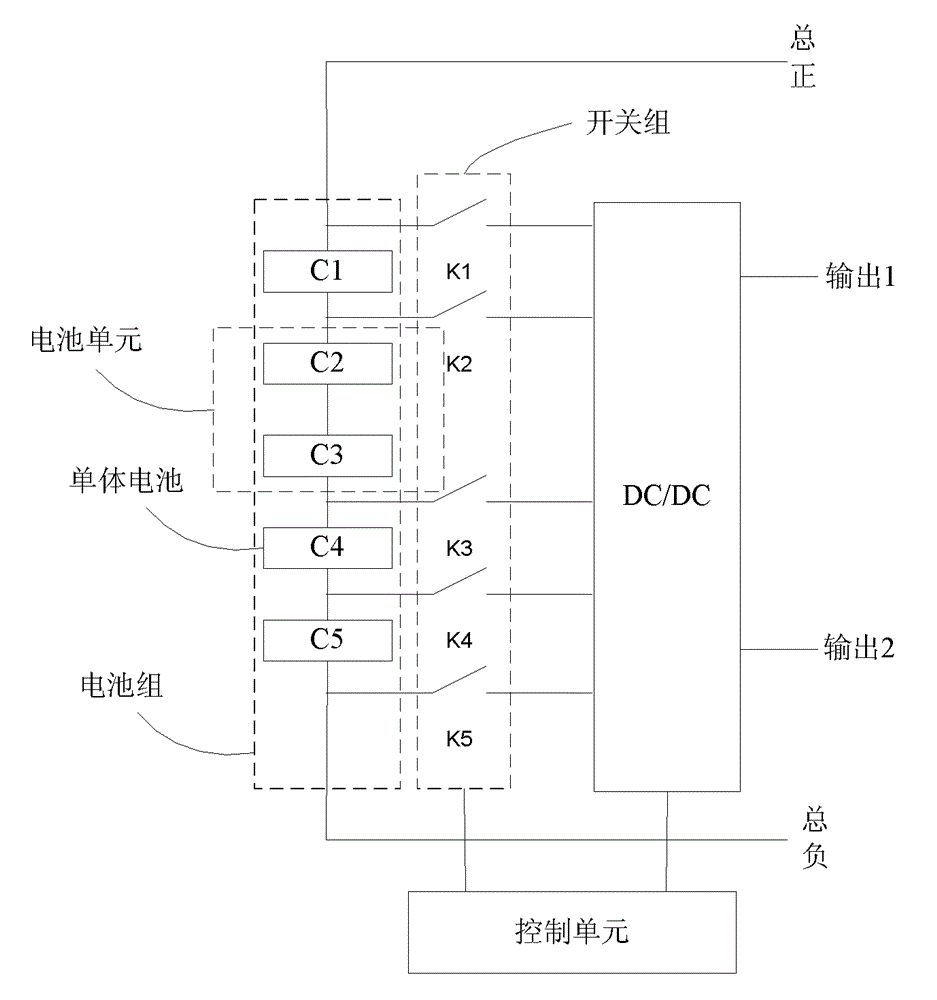
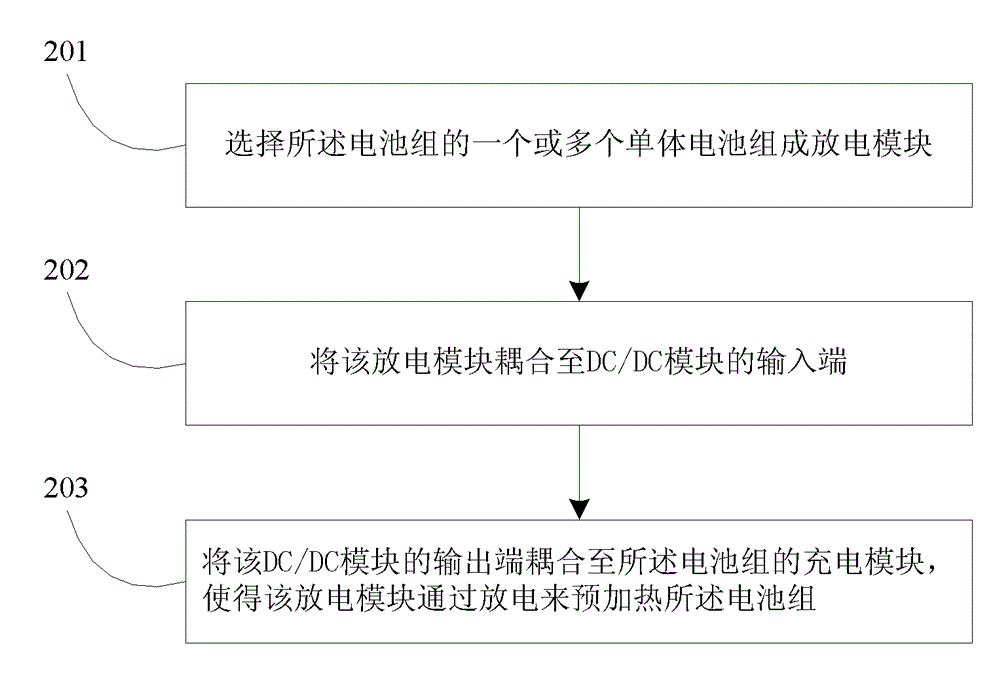
Battery preheating system comprising a first battery set, a second battery set, a current limiter, a first switch module, a second switch module, and a charge and discharge controller
PatentInactiveTW201725824A
Innovation
- A battery preheating system using two battery packs, switch modules, and a current limiter to alternately charge and discharge currents, monitoring temperature and impedance to stop heating when preset values are reached, and controlling voltage differences to balance battery power.


Energy Efficiency Standards for Battery Systems
Energy efficiency standards for battery systems have become increasingly critical as the automotive and energy storage industries face mounting pressure to reduce operational costs and environmental impact. Current regulatory frameworks, including the ISO 12405 series and IEC 62660 standards, establish baseline requirements for battery performance metrics, but specific guidelines for preheating module efficiency remain fragmented across different jurisdictions.
The European Union's Battery Regulation 2023/1542 introduces stringent energy efficiency requirements that directly impact preheating system design. These regulations mandate that auxiliary heating systems must demonstrate at least 85% energy conversion efficiency under standard operating conditions. Similar standards are emerging in North America through the SAE J2929 specification, which establishes testing protocols for thermal management system efficiency in electric vehicles.
Emerging efficiency standards specifically address preheating module optimization through multi-tiered performance criteria. Tier 1 standards focus on instantaneous heating efficiency, requiring systems to achieve target temperatures within specified timeframes while minimizing energy consumption. Tier 2 standards evaluate thermal retention capabilities, measuring how effectively preheating modules maintain optimal temperatures with minimal continuous energy input.
Advanced efficiency metrics now incorporate dynamic load management requirements, where preheating systems must demonstrate adaptive power consumption based on ambient conditions and battery state. These standards mandate integration with smart grid protocols, enabling preheating modules to optimize energy usage during off-peak hours and leverage renewable energy sources when available.
Compliance frameworks are evolving to include lifecycle efficiency assessments, evaluating preheating module performance degradation over extended operational periods. These standards require manufacturers to demonstrate sustained efficiency levels exceeding 80% after 10,000 heating cycles, ensuring long-term cost effectiveness and reliability in real-world applications.
Future efficiency standards are anticipated to incorporate artificial intelligence-driven optimization requirements, mandating predictive heating algorithms that minimize total energy consumption while maintaining battery performance. These emerging standards will likely establish benchmarks for machine learning integration and real-time efficiency optimization capabilities.
The European Union's Battery Regulation 2023/1542 introduces stringent energy efficiency requirements that directly impact preheating system design. These regulations mandate that auxiliary heating systems must demonstrate at least 85% energy conversion efficiency under standard operating conditions. Similar standards are emerging in North America through the SAE J2929 specification, which establishes testing protocols for thermal management system efficiency in electric vehicles.
Emerging efficiency standards specifically address preheating module optimization through multi-tiered performance criteria. Tier 1 standards focus on instantaneous heating efficiency, requiring systems to achieve target temperatures within specified timeframes while minimizing energy consumption. Tier 2 standards evaluate thermal retention capabilities, measuring how effectively preheating modules maintain optimal temperatures with minimal continuous energy input.
Advanced efficiency metrics now incorporate dynamic load management requirements, where preheating systems must demonstrate adaptive power consumption based on ambient conditions and battery state. These standards mandate integration with smart grid protocols, enabling preheating modules to optimize energy usage during off-peak hours and leverage renewable energy sources when available.
Compliance frameworks are evolving to include lifecycle efficiency assessments, evaluating preheating module performance degradation over extended operational periods. These standards require manufacturers to demonstrate sustained efficiency levels exceeding 80% after 10,000 heating cycles, ensuring long-term cost effectiveness and reliability in real-world applications.
Future efficiency standards are anticipated to incorporate artificial intelligence-driven optimization requirements, mandating predictive heating algorithms that minimize total energy consumption while maintaining battery performance. These emerging standards will likely establish benchmarks for machine learning integration and real-time efficiency optimization capabilities.
Cost-Benefit Analysis of Battery Preheating Optimization
The economic evaluation of battery preheating optimization reveals significant cost reduction potential across multiple operational dimensions. Initial investment costs for advanced preheating modules typically range from $200 to $500 per vehicle, depending on system complexity and heating capacity. However, these upfront expenses are offset by substantial operational savings within 18-24 months of deployment.
Energy consumption analysis demonstrates that optimized preheating systems reduce total warming costs by 25-40% compared to conventional approaches. Traditional resistive heating methods consume approximately 2-4 kWh per preheating cycle, while advanced solutions utilizing heat pumps or thermal management integration reduce this to 1.2-2.5 kWh. This translates to direct energy cost savings of $0.15-0.30 per heating cycle, accumulating to $150-300 annually for typical usage patterns.
Battery longevity improvements represent the most significant economic benefit. Optimized preheating reduces thermal stress and prevents deep discharge scenarios that accelerate capacity degradation. Studies indicate that proper preheating can extend battery life by 15-25%, translating to delayed replacement costs of $3,000-8,000 per vehicle. Additionally, maintained battery performance preserves vehicle resale value, with optimized systems showing 8-12% higher retained value after three years.
Operational efficiency gains contribute substantial indirect savings. Reduced preheating time decreases vehicle downtime by 30-50%, particularly valuable for commercial fleets where time represents direct revenue loss. Fleet operators report productivity improvements worth $200-500 per vehicle annually through faster deployment readiness and reduced charging infrastructure strain.
The total cost of ownership analysis reveals a compelling business case. While initial system costs average $350 per vehicle, cumulative five-year savings typically exceed $2,500 through combined energy, maintenance, and productivity benefits. Return on investment calculations show payback periods of 12-20 months, with net present value ranging from $1,800-3,200 over the system lifecycle, making optimization investments economically attractive across diverse operational contexts.
Energy consumption analysis demonstrates that optimized preheating systems reduce total warming costs by 25-40% compared to conventional approaches. Traditional resistive heating methods consume approximately 2-4 kWh per preheating cycle, while advanced solutions utilizing heat pumps or thermal management integration reduce this to 1.2-2.5 kWh. This translates to direct energy cost savings of $0.15-0.30 per heating cycle, accumulating to $150-300 annually for typical usage patterns.
Battery longevity improvements represent the most significant economic benefit. Optimized preheating reduces thermal stress and prevents deep discharge scenarios that accelerate capacity degradation. Studies indicate that proper preheating can extend battery life by 15-25%, translating to delayed replacement costs of $3,000-8,000 per vehicle. Additionally, maintained battery performance preserves vehicle resale value, with optimized systems showing 8-12% higher retained value after three years.
Operational efficiency gains contribute substantial indirect savings. Reduced preheating time decreases vehicle downtime by 30-50%, particularly valuable for commercial fleets where time represents direct revenue loss. Fleet operators report productivity improvements worth $200-500 per vehicle annually through faster deployment readiness and reduced charging infrastructure strain.
The total cost of ownership analysis reveals a compelling business case. While initial system costs average $350 per vehicle, cumulative five-year savings typically exceed $2,500 through combined energy, maintenance, and productivity benefits. Return on investment calculations show payback periods of 12-20 months, with net present value ranging from $1,800-3,200 over the system lifecycle, making optimization investments economically attractive across diverse operational contexts.
Unlock deeper insights with PatSnap Eureka Quick Research — get a full tech report to explore trends and direct your research. Try now!
Generate Your Research Report Instantly with AI Agent
Supercharge your innovation with PatSnap Eureka AI Agent Platform!