

Optimize Battery Preheating for Off-Grid Power Storage Units
MAY 19, 20269 MIN READ
Generate Your Research Report Instantly with AI Agent
PatSnap Eureka helps you evaluate technical feasibility & market potential.
Battery Preheating Technology Background and Objectives
Battery preheating technology has emerged as a critical component in energy storage systems, particularly for off-grid applications where reliable power delivery is essential regardless of environmental conditions. The fundamental challenge stems from the inherent temperature sensitivity of battery chemistry, where low-temperature environments significantly degrade battery performance, capacity, and lifespan. This phenomenon is particularly pronounced in lithium-ion batteries, which can experience up to 50% capacity reduction at temperatures below -10°C.
The evolution of battery preheating systems began with simple resistive heating elements but has progressed toward sophisticated thermal management solutions incorporating phase change materials, heat pumps, and intelligent control algorithms. Early implementations focused primarily on automotive applications, but the growing deployment of off-grid renewable energy systems has created new demands for robust preheating solutions that can operate autonomously in remote locations.
Off-grid power storage units face unique operational challenges that distinguish them from grid-connected or mobile applications. These systems must maintain optimal battery temperatures while minimizing energy consumption from the stored power itself, creating a delicate balance between thermal management and energy efficiency. The absence of external power sources means that preheating energy must be carefully allocated to avoid compromising the primary power delivery mission.
Current market drivers include the expansion of renewable energy installations in cold climates, increased deployment of backup power systems in critical infrastructure, and growing adoption of electric vehicles in northern regions. The International Energy Agency projects that cold-climate energy storage deployments will increase by 300% over the next decade, highlighting the urgency for effective preheating solutions.
The primary technical objectives for optimizing battery preheating in off-grid applications center on achieving maximum energy efficiency while maintaining battery performance and longevity. Key targets include reducing preheating energy consumption by 40-60% compared to conventional resistive heating methods, maintaining battery temperatures within optimal operating ranges of 15-25°C, and extending battery cycle life by minimizing thermal stress.
Advanced preheating systems aim to integrate predictive algorithms that anticipate temperature fluctuations based on weather forecasting and historical data patterns. These systems should demonstrate rapid response capabilities, achieving target temperatures within 30-60 minutes of activation while consuming less than 5% of total stored energy for thermal management operations.
The evolution of battery preheating systems began with simple resistive heating elements but has progressed toward sophisticated thermal management solutions incorporating phase change materials, heat pumps, and intelligent control algorithms. Early implementations focused primarily on automotive applications, but the growing deployment of off-grid renewable energy systems has created new demands for robust preheating solutions that can operate autonomously in remote locations.
Off-grid power storage units face unique operational challenges that distinguish them from grid-connected or mobile applications. These systems must maintain optimal battery temperatures while minimizing energy consumption from the stored power itself, creating a delicate balance between thermal management and energy efficiency. The absence of external power sources means that preheating energy must be carefully allocated to avoid compromising the primary power delivery mission.
Current market drivers include the expansion of renewable energy installations in cold climates, increased deployment of backup power systems in critical infrastructure, and growing adoption of electric vehicles in northern regions. The International Energy Agency projects that cold-climate energy storage deployments will increase by 300% over the next decade, highlighting the urgency for effective preheating solutions.
The primary technical objectives for optimizing battery preheating in off-grid applications center on achieving maximum energy efficiency while maintaining battery performance and longevity. Key targets include reducing preheating energy consumption by 40-60% compared to conventional resistive heating methods, maintaining battery temperatures within optimal operating ranges of 15-25°C, and extending battery cycle life by minimizing thermal stress.
Advanced preheating systems aim to integrate predictive algorithms that anticipate temperature fluctuations based on weather forecasting and historical data patterns. These systems should demonstrate rapid response capabilities, achieving target temperatures within 30-60 minutes of activation while consuming less than 5% of total stored energy for thermal management operations.
Off-Grid Energy Storage Market Demand Analysis
The off-grid energy storage market has experienced substantial growth driven by increasing demand for reliable power solutions in remote locations, emergency backup systems, and renewable energy integration. Remote telecommunications infrastructure, mining operations, and rural electrification projects represent primary demand drivers, where grid connectivity remains limited or unreliable. The proliferation of renewable energy installations, particularly solar and wind systems, has created significant demand for energy storage solutions that can operate independently from traditional power grids.
Market expansion is particularly pronounced in developing regions where grid infrastructure development lags behind economic growth. Industrial applications including oil and gas operations, construction sites, and temporary installations require robust off-grid power solutions capable of operating in extreme environmental conditions. The residential sector also contributes substantially through demand for backup power systems, recreational vehicle applications, and off-grid residential developments.
Battery preheating optimization addresses critical performance limitations that significantly impact market adoption. Cold weather conditions severely reduce battery efficiency and lifespan, creating substantial operational challenges for off-grid installations in northern climates and high-altitude locations. Current market solutions often suffer from reduced capacity, slower charging rates, and premature degradation when operating below optimal temperature ranges.
The commercial viability of off-grid energy storage systems depends heavily on maximizing battery performance across diverse environmental conditions. Inefficient preheating systems increase operational costs through higher energy consumption and reduced system reliability. Market demand increasingly focuses on intelligent preheating solutions that balance energy efficiency with performance optimization, particularly for lithium-ion and emerging battery chemistries.
Emerging applications in electric vehicle charging infrastructure, disaster response systems, and military deployments further expand market opportunities. These applications demand highly reliable energy storage systems capable of rapid deployment and consistent performance regardless of environmental conditions. The integration of smart grid technologies and IoT connectivity creates additional requirements for sophisticated battery management systems that can optimize preheating strategies based on real-time conditions and usage patterns.
Market growth projections indicate continued expansion driven by declining battery costs, improving energy density, and increasing recognition of energy storage as critical infrastructure. Regulatory support for renewable energy adoption and grid resilience initiatives further accelerates demand for advanced off-grid energy storage solutions with optimized thermal management capabilities.
Market expansion is particularly pronounced in developing regions where grid infrastructure development lags behind economic growth. Industrial applications including oil and gas operations, construction sites, and temporary installations require robust off-grid power solutions capable of operating in extreme environmental conditions. The residential sector also contributes substantially through demand for backup power systems, recreational vehicle applications, and off-grid residential developments.
Battery preheating optimization addresses critical performance limitations that significantly impact market adoption. Cold weather conditions severely reduce battery efficiency and lifespan, creating substantial operational challenges for off-grid installations in northern climates and high-altitude locations. Current market solutions often suffer from reduced capacity, slower charging rates, and premature degradation when operating below optimal temperature ranges.
The commercial viability of off-grid energy storage systems depends heavily on maximizing battery performance across diverse environmental conditions. Inefficient preheating systems increase operational costs through higher energy consumption and reduced system reliability. Market demand increasingly focuses on intelligent preheating solutions that balance energy efficiency with performance optimization, particularly for lithium-ion and emerging battery chemistries.
Emerging applications in electric vehicle charging infrastructure, disaster response systems, and military deployments further expand market opportunities. These applications demand highly reliable energy storage systems capable of rapid deployment and consistent performance regardless of environmental conditions. The integration of smart grid technologies and IoT connectivity creates additional requirements for sophisticated battery management systems that can optimize preheating strategies based on real-time conditions and usage patterns.
Market growth projections indicate continued expansion driven by declining battery costs, improving energy density, and increasing recognition of energy storage as critical infrastructure. Regulatory support for renewable energy adoption and grid resilience initiatives further accelerates demand for advanced off-grid energy storage solutions with optimized thermal management capabilities.
Current Battery Thermal Management Challenges
Battery thermal management in off-grid power storage systems faces significant operational challenges that directly impact system performance, safety, and longevity. The primary constraint stems from the inherent temperature sensitivity of lithium-ion batteries, which experience substantial capacity degradation and power output reduction when operating below optimal temperature ranges, typically between 15°C to 35°C.
Cold weather conditions present the most critical challenge for off-grid installations. When battery temperatures drop below 0°C, internal resistance increases exponentially, leading to voltage sag and reduced available capacity. This phenomenon is particularly problematic during winter months or in high-altitude deployments where ambient temperatures can remain below freezing for extended periods. The electrochemical reactions within battery cells slow dramatically, resulting in power delivery capabilities dropping by 20-50% compared to nominal operating conditions.
Energy consumption for thermal management creates a paradoxical situation in off-grid systems. Traditional heating methods consume significant power from the same battery bank they aim to protect, creating an energy deficit that can compromise overall system autonomy. This challenge becomes more acute during periods of limited renewable energy generation, such as consecutive cloudy days for solar installations or low wind periods for wind-powered systems.
Thermal uniformity across battery modules represents another critical challenge. Large-scale off-grid installations often feature distributed battery configurations where individual modules may experience different thermal conditions based on their physical location, ventilation exposure, and thermal mass. This non-uniform heating leads to cell imbalance, accelerated aging of colder cells, and reduced overall pack performance.
Control system complexity increases substantially when implementing effective thermal management. Current solutions struggle with predictive heating algorithms that can anticipate temperature drops while minimizing energy consumption. The lack of sophisticated thermal modeling and real-time optimization capabilities results in either over-heating, which wastes precious stored energy, or under-heating, which fails to maintain optimal battery performance.
Integration challenges with existing battery management systems further complicate thermal control implementation. Many off-grid installations utilize legacy BMS architectures that lack advanced thermal management capabilities, requiring costly system upgrades or complex retrofitting solutions. The coordination between thermal management and charge/discharge cycles remains poorly optimized in most current implementations.
Environmental factors unique to off-grid locations, including extreme temperature variations, humidity fluctuations, and limited maintenance accessibility, create additional constraints for thermal management system design and reliability.
Cold weather conditions present the most critical challenge for off-grid installations. When battery temperatures drop below 0°C, internal resistance increases exponentially, leading to voltage sag and reduced available capacity. This phenomenon is particularly problematic during winter months or in high-altitude deployments where ambient temperatures can remain below freezing for extended periods. The electrochemical reactions within battery cells slow dramatically, resulting in power delivery capabilities dropping by 20-50% compared to nominal operating conditions.
Energy consumption for thermal management creates a paradoxical situation in off-grid systems. Traditional heating methods consume significant power from the same battery bank they aim to protect, creating an energy deficit that can compromise overall system autonomy. This challenge becomes more acute during periods of limited renewable energy generation, such as consecutive cloudy days for solar installations or low wind periods for wind-powered systems.
Thermal uniformity across battery modules represents another critical challenge. Large-scale off-grid installations often feature distributed battery configurations where individual modules may experience different thermal conditions based on their physical location, ventilation exposure, and thermal mass. This non-uniform heating leads to cell imbalance, accelerated aging of colder cells, and reduced overall pack performance.
Control system complexity increases substantially when implementing effective thermal management. Current solutions struggle with predictive heating algorithms that can anticipate temperature drops while minimizing energy consumption. The lack of sophisticated thermal modeling and real-time optimization capabilities results in either over-heating, which wastes precious stored energy, or under-heating, which fails to maintain optimal battery performance.
Integration challenges with existing battery management systems further complicate thermal control implementation. Many off-grid installations utilize legacy BMS architectures that lack advanced thermal management capabilities, requiring costly system upgrades or complex retrofitting solutions. The coordination between thermal management and charge/discharge cycles remains poorly optimized in most current implementations.
Environmental factors unique to off-grid locations, including extreme temperature variations, humidity fluctuations, and limited maintenance accessibility, create additional constraints for thermal management system design and reliability.
Existing Battery Preheating Solutions
01 Thermal management systems for battery preheating
Battery preheating systems utilize thermal management technologies to maintain optimal operating temperatures. These systems incorporate heating elements, thermal sensors, and control circuits to regulate battery temperature during cold conditions. The thermal management approach ensures efficient battery performance and extends battery life by preventing temperature-related degradation.- Thermal management systems for battery preheating: Battery preheating systems utilize thermal management technologies to maintain optimal operating temperatures. These systems incorporate heating elements, thermal sensors, and control circuits to regulate battery temperature during cold conditions. The thermal management approach ensures efficient battery performance and extends battery life by preventing temperature-related degradation.
- Electric heating elements and resistive heating methods: Electric heating elements are integrated into battery systems to provide direct heating through resistive heating methods. These heating elements can be positioned strategically around or within battery modules to ensure uniform heat distribution. The resistive heating approach allows for precise temperature control and rapid heating response when batteries require preheating.
- Temperature control and monitoring systems: Advanced temperature control systems monitor battery conditions and automatically activate preheating when necessary. These systems use temperature sensors, control algorithms, and feedback mechanisms to maintain batteries within optimal temperature ranges. The monitoring systems can predict heating requirements and adjust heating intensity based on environmental conditions and battery status.
- Integrated heating structures and battery pack design: Battery packs are designed with integrated heating structures that optimize heat transfer and distribution throughout the battery system. These designs incorporate heating plates, thermal conductive materials, and specialized housing configurations to maximize heating efficiency. The integrated approach ensures uniform temperature distribution while maintaining compact battery pack dimensions.
- Smart preheating control algorithms and energy management: Intelligent control algorithms manage battery preheating operations to optimize energy consumption and heating effectiveness. These systems implement predictive heating strategies, energy-efficient heating schedules, and adaptive control methods based on usage patterns and environmental conditions. The smart control approach minimizes energy waste while ensuring batteries are ready for optimal performance.
02 Electric heating elements and resistive heating methods
Electric heating elements are integrated into battery systems to provide direct thermal energy transfer. Resistive heating methods use electrical current to generate heat through resistance materials positioned strategically around battery cells. These heating elements can be controlled electronically to achieve precise temperature regulation and rapid warming capabilities.Expand Specific Solutions03 Temperature control and monitoring systems
Advanced temperature control systems monitor battery conditions and automatically activate preheating functions when needed. These systems include temperature sensors, control algorithms, and feedback mechanisms to maintain optimal thermal conditions. The monitoring systems can detect temperature variations and adjust heating parameters accordingly to ensure consistent battery performance.Expand Specific Solutions04 Battery pack thermal insulation and heat distribution
Thermal insulation materials and heat distribution mechanisms are designed to optimize heat retention and uniform temperature distribution across battery packs. These systems include insulation layers, heat spreaders, and thermal interface materials that work together to maintain consistent temperatures throughout the battery assembly while minimizing heat loss to the environment.Expand Specific Solutions05 Integrated preheating circuits and power management
Integrated preheating circuits incorporate power management systems that efficiently control energy consumption during the heating process. These circuits include switching mechanisms, power converters, and energy optimization algorithms that balance heating requirements with overall system efficiency. The power management approach ensures effective preheating while minimizing energy waste.Expand Specific Solutions
Key Players in Battery Thermal Management Systems
The battery preheating optimization for off-grid power storage represents a rapidly evolving market segment within the broader energy storage industry, currently valued at approximately $15 billion globally and projected to reach $35 billion by 2030. The competitive landscape spans multiple industry verticals, with established automotive manufacturers like Toyota Motor Corp., BMW AG, and Great Wall Motor leveraging their electric vehicle battery expertise into stationary storage applications. Industrial conglomerates including Siemens AG, Robert Bosch GmbH, and Toshiba Corp. bring sophisticated thermal management technologies from their diverse portfolios. Chinese energy leaders such as State Grid Corp. of China, Sungrow Power Supply, and CHN Energy Investment Group dominate large-scale deployment capabilities. The technology maturity varies significantly across players, with automotive-focused companies like Panasonic and battery specialists like Lishen demonstrating advanced preheating algorithms, while traditional power companies are still developing integrated thermal optimization solutions for off-grid applications.
Robert Bosch GmbH
Technical Solution: Bosch has developed advanced battery thermal management systems that integrate intelligent preheating algorithms with predictive analytics for off-grid applications. Their solution utilizes phase change materials (PCM) combined with resistive heating elements to maintain optimal battery temperatures between 15-25°C in extreme conditions. The system features adaptive heating control that adjusts power consumption based on ambient temperature and battery state of charge, reducing energy waste by up to 30% compared to conventional heating methods. Their modular design allows scalable implementation across different battery pack sizes for various off-grid power storage applications.
Strengths: Proven automotive-grade reliability, energy-efficient adaptive control algorithms, modular scalable design. Weaknesses: Higher initial cost, complex integration requirements for existing systems.
Sungrow Power Supply Co., Ltd.
Technical Solution: Sungrow has implemented intelligent battery preheating solutions specifically designed for utility-scale off-grid energy storage systems. Their technology employs distributed heating elements with zone-based temperature control, enabling precise thermal management across large battery arrays. The system integrates weather forecasting data to proactively initiate preheating cycles, ensuring batteries maintain optimal performance during cold weather events. Their solution includes advanced thermal modeling algorithms that optimize heating patterns based on battery chemistry, ambient conditions, and expected load profiles, achieving up to 95% heating efficiency while minimizing parasitic power consumption.
Strengths: Utility-scale expertise, weather-predictive heating control, high heating efficiency optimization. Weaknesses: Limited experience in smaller off-grid applications, requires sophisticated control infrastructure.
Core Innovations in Battery Thermal Optimization
Battery heating methods and systems
PatentActiveUS20190252742A1
Innovation
- A preheating system comprising a current sensor, electrical switch, and temperature sensor connected in series with the battery, controlled by a microprocessor to manage joule heating through the battery's internal resistance, ensuring even heating without modifying existing battery geometries.


Preheating charging loss optimization battery pack charging method in low-temperature environment
PatentInactiveCN104409788A
Innovation
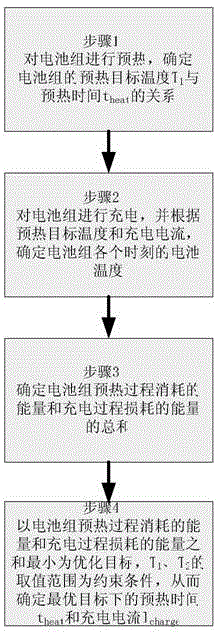
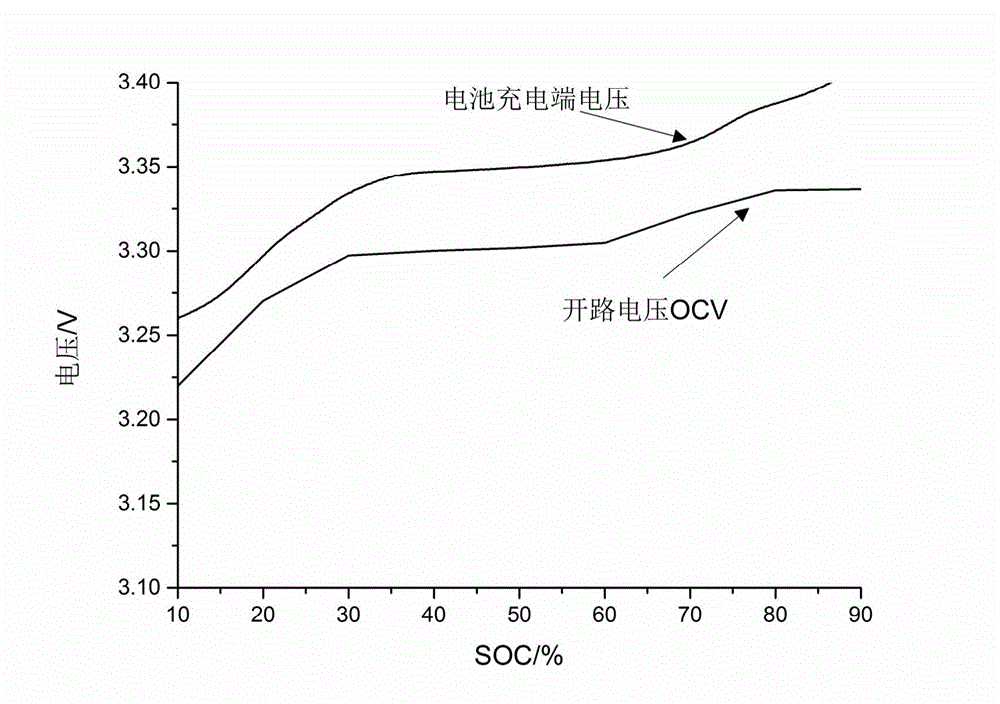
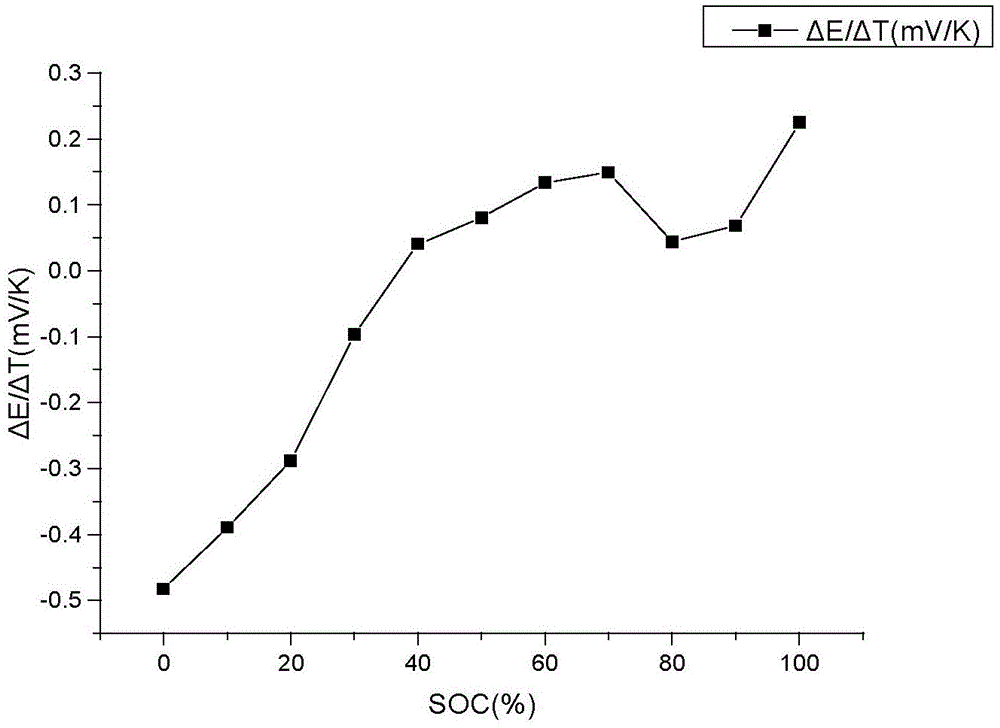
- By determining the preheating target temperature and charging current of the battery pack, using the energy balance equation and heat balance equation, the preheating time and energy consumption during the charging process are optimized, and the heating time and charging current are adjusted to optimize energy loss.

Energy Efficiency Standards for Battery Systems
Energy efficiency standards for battery systems have become increasingly critical as off-grid power storage applications expand globally. Current regulatory frameworks primarily focus on establishing minimum efficiency thresholds, thermal management requirements, and performance benchmarks that directly impact battery preheating optimization strategies. The International Electrotechnical Commission (IEC) 62619 standard sets fundamental safety and performance criteria, while IEEE 1679 provides guidelines for characterizing battery energy efficiency under various operating conditions.
Thermal efficiency standards specifically address preheating energy consumption, mandating that auxiliary heating systems should not exceed 3-5% of total system capacity during normal operation. These standards require battery management systems to maintain optimal temperature ranges while minimizing parasitic energy losses. The European Union's Battery Regulation 2023/1542 introduces stringent efficiency labeling requirements, compelling manufacturers to disclose preheating energy consumption data and implement smart thermal management protocols.
Regional variations in efficiency standards create complex compliance landscapes for off-grid applications. North American standards emphasize cold-weather performance metrics, requiring systems to maintain 80% capacity retention at temperatures as low as -20°C. Asian markets prioritize rapid heating capabilities with efficiency ratings, while European standards focus on lifecycle energy consumption optimization. These divergent requirements drive innovation in adaptive preheating algorithms and multi-zone thermal management systems.
Emerging efficiency standards are incorporating artificial intelligence-driven optimization requirements, mandating predictive preheating capabilities based on weather forecasting and usage patterns. Future regulations will likely establish dynamic efficiency thresholds that adjust based on ambient conditions, renewable energy availability, and grid independence duration. Compliance with these evolving standards necessitates sophisticated control systems capable of balancing thermal management efficiency with operational reliability in diverse off-grid environments.
Thermal efficiency standards specifically address preheating energy consumption, mandating that auxiliary heating systems should not exceed 3-5% of total system capacity during normal operation. These standards require battery management systems to maintain optimal temperature ranges while minimizing parasitic energy losses. The European Union's Battery Regulation 2023/1542 introduces stringent efficiency labeling requirements, compelling manufacturers to disclose preheating energy consumption data and implement smart thermal management protocols.
Regional variations in efficiency standards create complex compliance landscapes for off-grid applications. North American standards emphasize cold-weather performance metrics, requiring systems to maintain 80% capacity retention at temperatures as low as -20°C. Asian markets prioritize rapid heating capabilities with efficiency ratings, while European standards focus on lifecycle energy consumption optimization. These divergent requirements drive innovation in adaptive preheating algorithms and multi-zone thermal management systems.
Emerging efficiency standards are incorporating artificial intelligence-driven optimization requirements, mandating predictive preheating capabilities based on weather forecasting and usage patterns. Future regulations will likely establish dynamic efficiency thresholds that adjust based on ambient conditions, renewable energy availability, and grid independence duration. Compliance with these evolving standards necessitates sophisticated control systems capable of balancing thermal management efficiency with operational reliability in diverse off-grid environments.
Environmental Impact of Battery Thermal Management
Battery thermal management systems for off-grid power storage units present significant environmental considerations that extend beyond operational efficiency. The environmental footprint of these systems encompasses multiple dimensions, from energy consumption patterns to material lifecycle impacts and ecosystem interactions.
Energy consumption represents the most immediate environmental concern in battery preheating operations. Preheating systems typically consume 2-5% of total battery capacity during cold weather activation, directly impacting the carbon footprint of off-grid installations. This energy overhead becomes particularly significant in renewable energy systems where every kilowatt-hour represents finite environmental resources. Advanced thermal management strategies must balance preheating effectiveness against energy efficiency to minimize overall environmental impact.
Material selection for thermal management components carries substantial environmental implications. Traditional heating elements often rely on rare earth materials and energy-intensive manufacturing processes. Emerging bio-based phase change materials and recycled thermal interface materials offer promising alternatives with reduced environmental burdens. The lifecycle assessment of these materials reveals that sustainable thermal management solutions can reduce manufacturing emissions by up to 40% compared to conventional approaches.
Thermal pollution represents an often-overlooked environmental factor in battery thermal management. Heat dissipation from large-scale off-grid installations can create localized temperature variations affecting surrounding ecosystems. Proper thermal design must consider heat rejection pathways and their potential impact on soil temperature, vegetation growth patterns, and local wildlife habitats.
End-of-life considerations for thermal management systems require careful environmental planning. Battery thermal management components often contain materials that require specialized recycling processes. Designing systems with disassembly and material recovery in mind reduces long-term environmental impact and supports circular economy principles.
Climate adaptation strategies increasingly influence thermal management environmental assessments. As extreme weather events become more frequent, thermal systems must accommodate wider temperature ranges while maintaining environmental responsibility. This challenge drives innovation toward more resilient and environmentally conscious thermal management solutions that can adapt to changing climate conditions without compromising ecological integrity.
Energy consumption represents the most immediate environmental concern in battery preheating operations. Preheating systems typically consume 2-5% of total battery capacity during cold weather activation, directly impacting the carbon footprint of off-grid installations. This energy overhead becomes particularly significant in renewable energy systems where every kilowatt-hour represents finite environmental resources. Advanced thermal management strategies must balance preheating effectiveness against energy efficiency to minimize overall environmental impact.
Material selection for thermal management components carries substantial environmental implications. Traditional heating elements often rely on rare earth materials and energy-intensive manufacturing processes. Emerging bio-based phase change materials and recycled thermal interface materials offer promising alternatives with reduced environmental burdens. The lifecycle assessment of these materials reveals that sustainable thermal management solutions can reduce manufacturing emissions by up to 40% compared to conventional approaches.
Thermal pollution represents an often-overlooked environmental factor in battery thermal management. Heat dissipation from large-scale off-grid installations can create localized temperature variations affecting surrounding ecosystems. Proper thermal design must consider heat rejection pathways and their potential impact on soil temperature, vegetation growth patterns, and local wildlife habitats.
End-of-life considerations for thermal management systems require careful environmental planning. Battery thermal management components often contain materials that require specialized recycling processes. Designing systems with disassembly and material recovery in mind reduces long-term environmental impact and supports circular economy principles.
Climate adaptation strategies increasingly influence thermal management environmental assessments. As extreme weather events become more frequent, thermal systems must accommodate wider temperature ranges while maintaining environmental responsibility. This challenge drives innovation toward more resilient and environmentally conscious thermal management solutions that can adapt to changing climate conditions without compromising ecological integrity.
Unlock deeper insights with PatSnap Eureka Quick Research — get a full tech report to explore trends and direct your research. Try now!
Generate Your Research Report Instantly with AI Agent
Supercharge your innovation with PatSnap Eureka AI Agent Platform!