

Compare Fuel Additives for Direct Injection Engine Optimization
MAR 12, 20269 MIN READ
Generate Your Research Report Instantly with AI Agent
PatSnap Eureka helps you evaluate technical feasibility & market potential.
Fuel Additive Technology Background and DI Engine Goals
Fuel additive technology has evolved significantly since the early 20th century, initially focusing on octane enhancement and anti-knock properties for spark-ignition engines. The development trajectory accelerated during the 1970s energy crisis, driving innovations in combustion efficiency and emissions reduction. Modern fuel additives encompass a broad spectrum of chemical compounds designed to address specific engine performance challenges, including detergents, dispersants, antioxidants, metal deactivators, and combustion improvers.
The transition from port fuel injection to direct injection systems has fundamentally altered the landscape of fuel additive requirements. Traditional additives optimized for homogeneous fuel-air mixtures now face new challenges in heterogeneous combustion environments. Direct injection engines operate under significantly different thermodynamic conditions, with fuel being injected directly into the combustion chamber at high pressures, creating localized fuel-rich zones and complex spray patterns.
Contemporary direct injection engines pursue multiple optimization objectives that directly influence additive selection criteria. Primary performance targets include maximizing fuel economy through improved combustion efficiency, typically seeking 15-20% improvement over conventional port injection systems. Emissions reduction remains paramount, particularly addressing particulate matter formation inherent to direct injection combustion, while maintaining NOx levels within regulatory limits.
Power density enhancement represents another critical goal, with modern turbocharged direct injection engines delivering specific power outputs exceeding 100 kW/liter. This intensification demands additives capable of preventing injector fouling, managing deposit formation on intake valves, and maintaining combustion chamber cleanliness under extreme operating conditions. Engine durability considerations require additives to protect against wear, corrosion, and thermal degradation across extended service intervals.
The technological evolution has shifted from simple octane boosters to sophisticated multifunctional additive packages. Modern formulations must address the unique challenges of direct injection systems, including injector tip deposits, combustion chamber deposits, and intake valve deposits that occur without fuel washing. Advanced additive technologies now incorporate nanotechnology, bio-based components, and precision-engineered molecular structures to optimize performance across diverse operating conditions while meeting increasingly stringent environmental regulations.
The transition from port fuel injection to direct injection systems has fundamentally altered the landscape of fuel additive requirements. Traditional additives optimized for homogeneous fuel-air mixtures now face new challenges in heterogeneous combustion environments. Direct injection engines operate under significantly different thermodynamic conditions, with fuel being injected directly into the combustion chamber at high pressures, creating localized fuel-rich zones and complex spray patterns.
Contemporary direct injection engines pursue multiple optimization objectives that directly influence additive selection criteria. Primary performance targets include maximizing fuel economy through improved combustion efficiency, typically seeking 15-20% improvement over conventional port injection systems. Emissions reduction remains paramount, particularly addressing particulate matter formation inherent to direct injection combustion, while maintaining NOx levels within regulatory limits.
Power density enhancement represents another critical goal, with modern turbocharged direct injection engines delivering specific power outputs exceeding 100 kW/liter. This intensification demands additives capable of preventing injector fouling, managing deposit formation on intake valves, and maintaining combustion chamber cleanliness under extreme operating conditions. Engine durability considerations require additives to protect against wear, corrosion, and thermal degradation across extended service intervals.
The technological evolution has shifted from simple octane boosters to sophisticated multifunctional additive packages. Modern formulations must address the unique challenges of direct injection systems, including injector tip deposits, combustion chamber deposits, and intake valve deposits that occur without fuel washing. Advanced additive technologies now incorporate nanotechnology, bio-based components, and precision-engineered molecular structures to optimize performance across diverse operating conditions while meeting increasingly stringent environmental regulations.
Market Demand for Direct Injection Engine Fuel Additives
The global automotive industry is experiencing unprecedented transformation driven by increasingly stringent emission regulations and evolving consumer preferences for fuel-efficient vehicles. Direct injection engines have emerged as a critical technology in meeting these demands, offering superior fuel economy and reduced emissions compared to traditional port fuel injection systems. However, the unique operating characteristics of direct injection engines create specific challenges that fuel additives are uniquely positioned to address.
Regulatory pressures across major automotive markets are intensifying the demand for advanced fuel additive solutions. The European Union's Euro 7 emission standards and similar regulations in North America and Asia-Pacific regions are pushing automakers to optimize engine performance while minimizing environmental impact. These regulations specifically target particulate matter emissions and fuel efficiency improvements, areas where specialized fuel additives demonstrate significant value proposition.
The direct injection engine market itself represents a substantial growth opportunity, with widespread adoption across passenger vehicles, commercial trucks, and marine applications. This technology's inherent tendency toward carbon deposit formation, injector fouling, and combustion chamber contamination creates a persistent and expanding market for cleaning and performance-enhancing additives. Fleet operators and individual consumers are increasingly recognizing the economic benefits of preventive maintenance through additive use.
Market segmentation reveals distinct demand patterns across different additive categories. Detergent and dispersant additives command the largest market share, addressing the critical issue of injector cleanliness and fuel system maintenance. Anti-knock additives and combustion improvers represent growing segments as engine manufacturers push compression ratios higher to achieve better thermal efficiency. Corrosion inhibitors and thermal stability improvers are gaining traction in markets with varying fuel quality standards.
Geographic demand distribution reflects regional automotive production centers and regulatory environments. North American and European markets demonstrate strong demand for premium additive formulations, driven by advanced engine technologies and strict emission standards. Asian markets, particularly China and India, show rapid growth potential as direct injection technology adoption accelerates and fuel quality improvement initiatives expand.
The aftermarket segment presents significant opportunities as vehicle populations with direct injection engines mature. Independent service providers and automotive retailers are increasingly stocking specialized fuel additives, creating distribution channels that extend beyond traditional fuel blending applications. This trend indicates a shift toward consumer awareness and proactive engine maintenance practices.
Industrial and commercial applications represent an underexplored but promising market segment. Heavy-duty transportation, marine engines, and stationary power generation systems utilizing direct injection technology require specialized additive solutions tailored to their unique operating conditions and fuel consumption patterns.
Regulatory pressures across major automotive markets are intensifying the demand for advanced fuel additive solutions. The European Union's Euro 7 emission standards and similar regulations in North America and Asia-Pacific regions are pushing automakers to optimize engine performance while minimizing environmental impact. These regulations specifically target particulate matter emissions and fuel efficiency improvements, areas where specialized fuel additives demonstrate significant value proposition.
The direct injection engine market itself represents a substantial growth opportunity, with widespread adoption across passenger vehicles, commercial trucks, and marine applications. This technology's inherent tendency toward carbon deposit formation, injector fouling, and combustion chamber contamination creates a persistent and expanding market for cleaning and performance-enhancing additives. Fleet operators and individual consumers are increasingly recognizing the economic benefits of preventive maintenance through additive use.
Market segmentation reveals distinct demand patterns across different additive categories. Detergent and dispersant additives command the largest market share, addressing the critical issue of injector cleanliness and fuel system maintenance. Anti-knock additives and combustion improvers represent growing segments as engine manufacturers push compression ratios higher to achieve better thermal efficiency. Corrosion inhibitors and thermal stability improvers are gaining traction in markets with varying fuel quality standards.
Geographic demand distribution reflects regional automotive production centers and regulatory environments. North American and European markets demonstrate strong demand for premium additive formulations, driven by advanced engine technologies and strict emission standards. Asian markets, particularly China and India, show rapid growth potential as direct injection technology adoption accelerates and fuel quality improvement initiatives expand.
The aftermarket segment presents significant opportunities as vehicle populations with direct injection engines mature. Independent service providers and automotive retailers are increasingly stocking specialized fuel additives, creating distribution channels that extend beyond traditional fuel blending applications. This trend indicates a shift toward consumer awareness and proactive engine maintenance practices.
Industrial and commercial applications represent an underexplored but promising market segment. Heavy-duty transportation, marine engines, and stationary power generation systems utilizing direct injection technology require specialized additive solutions tailored to their unique operating conditions and fuel consumption patterns.
Current State and Challenges of DI Engine Fuel Systems
Direct injection (DI) engines have revolutionized automotive powertrains by delivering superior fuel efficiency and performance compared to traditional port fuel injection systems. However, the current state of DI engine fuel systems presents significant technical challenges that impact long-term reliability and performance optimization. The high-pressure fuel injection process, while enabling precise fuel metering and improved combustion efficiency, creates unique operational stresses that conventional fuel formulations struggle to address effectively.
Carbon deposit formation represents the most critical challenge facing modern DI fuel systems. Unlike port fuel injection engines where fuel naturally cleans intake valves during operation, DI systems inject fuel directly into the combustion chamber, bypassing the intake valves entirely. This fundamental design difference leads to accelerated carbon buildup on intake valves, fuel injectors, and combustion chamber surfaces. The deposits originate from crankcase ventilation gases, oil vapors, and incomplete combustion byproducts that accumulate over time without the cleaning action of fuel flow.
Fuel injector fouling presents another substantial technical hurdle in DI systems. The extremely small orifices in DI injectors, typically measuring 0.1-0.2mm in diameter, are highly susceptible to blockage from fuel contaminants, oxidation products, and thermal degradation compounds. Operating temperatures around fuel injectors can exceed 150°C, accelerating fuel degradation and deposit formation. These deposits alter spray patterns, reduce fuel flow rates, and compromise the precise fuel metering essential for optimal engine performance and emissions control.
The high-pressure fuel delivery system, operating at pressures ranging from 150 to 350 bar, introduces additional complexity and potential failure modes. Fuel pumps, pressure regulators, and injection systems experience increased mechanical stress, requiring enhanced fuel lubricity properties to prevent premature wear. Traditional fuel specifications often prove inadequate for these demanding operating conditions, necessitating advanced additive packages specifically designed for high-pressure applications.
Combustion chamber deposits pose ongoing challenges for DI engine optimization. The direct injection process can create fuel-rich zones that promote deposit formation on piston crowns, cylinder heads, and valve faces. These deposits alter compression ratios, create hot spots that promote knock, and interfere with heat transfer, ultimately degrading engine performance and potentially causing component damage.
Current fuel additive technologies show varying degrees of effectiveness in addressing these challenges. Detergent additives help control injector deposits but may not adequately address intake valve carbon buildup. Anti-oxidants and thermal stability improvers show promise for high-temperature applications, while friction modifiers address lubricity requirements. However, no single additive solution comprehensively addresses all DI engine challenges, creating opportunities for innovative fuel additive formulations specifically optimized for direct injection applications.
Carbon deposit formation represents the most critical challenge facing modern DI fuel systems. Unlike port fuel injection engines where fuel naturally cleans intake valves during operation, DI systems inject fuel directly into the combustion chamber, bypassing the intake valves entirely. This fundamental design difference leads to accelerated carbon buildup on intake valves, fuel injectors, and combustion chamber surfaces. The deposits originate from crankcase ventilation gases, oil vapors, and incomplete combustion byproducts that accumulate over time without the cleaning action of fuel flow.
Fuel injector fouling presents another substantial technical hurdle in DI systems. The extremely small orifices in DI injectors, typically measuring 0.1-0.2mm in diameter, are highly susceptible to blockage from fuel contaminants, oxidation products, and thermal degradation compounds. Operating temperatures around fuel injectors can exceed 150°C, accelerating fuel degradation and deposit formation. These deposits alter spray patterns, reduce fuel flow rates, and compromise the precise fuel metering essential for optimal engine performance and emissions control.
The high-pressure fuel delivery system, operating at pressures ranging from 150 to 350 bar, introduces additional complexity and potential failure modes. Fuel pumps, pressure regulators, and injection systems experience increased mechanical stress, requiring enhanced fuel lubricity properties to prevent premature wear. Traditional fuel specifications often prove inadequate for these demanding operating conditions, necessitating advanced additive packages specifically designed for high-pressure applications.
Combustion chamber deposits pose ongoing challenges for DI engine optimization. The direct injection process can create fuel-rich zones that promote deposit formation on piston crowns, cylinder heads, and valve faces. These deposits alter compression ratios, create hot spots that promote knock, and interfere with heat transfer, ultimately degrading engine performance and potentially causing component damage.
Current fuel additive technologies show varying degrees of effectiveness in addressing these challenges. Detergent additives help control injector deposits but may not adequately address intake valve carbon buildup. Anti-oxidants and thermal stability improvers show promise for high-temperature applications, while friction modifiers address lubricity requirements. However, no single additive solution comprehensively addresses all DI engine challenges, creating opportunities for innovative fuel additive formulations specifically optimized for direct injection applications.
Existing Fuel Additive Solutions for DI Engine Optimization
01 Fuel additives for improving combustion efficiency
Fuel additives can be formulated to enhance combustion efficiency in engines by promoting more complete fuel burning, reducing unburned hydrocarbons, and optimizing the air-fuel mixture. These additives work by modifying the combustion characteristics of the fuel, leading to improved thermal efficiency and reduced fuel consumption. The additives may include combustion catalysts, oxygenates, or other chemical compounds that facilitate better oxidation of fuel molecules during the combustion process.- Fuel additives for improving combustion efficiency: Fuel additives can be formulated to enhance combustion efficiency in engines by promoting more complete fuel burning, reducing unburned hydrocarbons, and optimizing the air-fuel mixture. These additives work by modifying the combustion characteristics of the fuel, leading to improved thermal efficiency and reduced fuel consumption. The additives may include combustion catalysts, oxygenates, or other chemical compounds that facilitate better oxidation of fuel molecules during the combustion process.
- Detergent and deposit control additives: Engine optimization can be achieved through the use of detergent additives that prevent or remove deposits in fuel injectors, intake valves, and combustion chambers. These additives help maintain engine cleanliness by preventing the accumulation of carbon deposits, varnish, and other contaminants that can impair engine performance. By keeping critical engine components clean, these additives ensure optimal fuel atomization, proper valve operation, and efficient combustion, thereby maintaining engine power output and fuel economy over time.
- Friction modifier additives for reducing engine wear: Friction-reducing additives can be incorporated into fuel formulations to minimize wear and tear on engine components, particularly in the fuel injection system and cylinder walls. These additives form protective films on metal surfaces, reducing friction between moving parts and improving mechanical efficiency. The reduction in friction leads to lower energy losses, improved fuel economy, and extended engine life. Such additives are particularly beneficial in modern high-pressure fuel injection systems where component wear can significantly impact performance.
- Cetane or octane number enhancers: Fuel additives designed to improve the cetane number in diesel engines or octane number in gasoline engines can significantly optimize engine performance. These additives modify the ignition characteristics of the fuel, promoting smoother combustion, reducing engine knock, and allowing for more advanced ignition timing. The improved ignition quality results in better power output, reduced emissions, and improved cold-start performance. These enhancers are particularly important for adapting fuel quality to specific engine requirements and operating conditions.
- Multifunctional additive packages for comprehensive engine optimization: Comprehensive fuel additive packages combine multiple functional components to address various aspects of engine optimization simultaneously. These packages typically include combinations of detergents, dispersants, corrosion inhibitors, lubricity improvers, and combustion enhancers working synergistically to provide overall engine performance improvement. The multifunctional approach ensures that various engine systems are protected and optimized concurrently, resulting in improved fuel economy, reduced emissions, enhanced power output, and extended engine service life.
02 Detergent and deposit control additives
Engine optimization can be achieved through the use of detergent additives that prevent or remove deposits in fuel injectors, intake valves, and combustion chambers. These additives help maintain engine cleanliness by preventing the accumulation of carbon deposits, varnish, and other contaminants that can impair engine performance. By keeping critical engine components clean, these additives ensure optimal fuel atomization, proper valve operation, and efficient combustion, thereby maintaining engine power output and fuel economy over time.Expand Specific Solutions03 Friction modifier additives for reducing engine wear
Friction-reducing additives can be incorporated into fuel formulations to minimize wear and tear on engine components, particularly in the fuel injection system and upper cylinder areas. These additives form protective films on metal surfaces, reducing friction between moving parts and improving mechanical efficiency. The reduction in friction not only extends engine life but also contributes to improved fuel economy by reducing parasitic energy losses within the engine.Expand Specific Solutions04 Cetane or octane enhancers for fuel quality improvement
Fuel additives that enhance cetane number in diesel fuels or octane rating in gasoline can significantly improve engine performance and optimization. These additives improve ignition quality, reduce ignition delay, and enable smoother combustion. Enhanced fuel quality leads to reduced engine knock, improved cold-start performance, lower emissions, and better overall engine efficiency. The optimization of ignition characteristics allows engines to operate closer to their designed performance parameters.Expand Specific Solutions05 Multifunctional additive packages for comprehensive engine optimization
Comprehensive fuel additive packages combine multiple functional components to address various aspects of engine optimization simultaneously. These packages typically include combinations of detergents, dispersants, corrosion inhibitors, lubricity improvers, and combustion enhancers. By addressing multiple performance parameters at once, these multifunctional additives provide holistic engine optimization, improving fuel economy, reducing emissions, maintaining engine cleanliness, and extending engine service life through a single additive solution.Expand Specific Solutions
Key Players in Fuel Additive and DI Engine Industry
The fuel additives market for direct injection engine optimization represents a mature yet evolving industry driven by stringent emission regulations and performance demands. The market demonstrates substantial scale with established chemical giants like BASF Corp., Afton Chemical Corp., The Lubrizol Corp., and Chevron Oronite Co. LLC dominating additive formulation and manufacturing. Technology maturity varies significantly across segments, with traditional detergent additives being well-established while advanced biofuel blends and nano-enhanced formulations remain in development phases. Major automotive OEMs including Toyota Motor Corp., Ford Global Technologies LLC, BMW AG, and Stellantis Auto SAS are actively collaborating with additive suppliers to optimize fuel systems for their direct injection engines. The competitive landscape shows strong vertical integration between fuel companies like Shell-USA Inc. and Chevron U.S.A. Inc. with their respective additive divisions, while specialized manufacturers focus on niche high-performance applications for premium automotive applications.
Afton Chemical Corp.
Technical Solution: Afton Chemical develops advanced fuel additive packages specifically designed for direct injection engines, focusing on deposit control additives (DCAs) and intake valve deposit control. Their proprietary formulations include detergent-dispersant systems that prevent injector fouling and maintain fuel system cleanliness. The company's additive technology addresses critical challenges in GDI engines including carbon buildup on intake valves, injector tip deposits, and combustion chamber deposits. Their solutions incorporate advanced chemistry including polyisobutylene amine (PIBA) derivatives and polyether amine compounds that provide superior cleaning performance while maintaining fuel economy benefits. Afton's additive packages are engineered to meet stringent emission standards while optimizing engine performance across various operating conditions.
Strengths: Specialized expertise in fuel additive chemistry with proven deposit control performance. Weaknesses: Limited direct engine manufacturing experience compared to OEM partners.
BASF Corp.
Technical Solution: BASF offers comprehensive fuel additive solutions for direct injection engines through their Performance Chemicals division, featuring advanced detergent and dispersant technologies. Their product portfolio includes multifunctional fuel additives that combine deposit control, corrosion inhibition, and antioxidant properties specifically tailored for GDI applications. BASF's additive formulations utilize proprietary polyisobutylene succinimide chemistry and advanced carrier fluid systems to ensure optimal injector cleanliness and fuel system protection. The company's research focuses on developing next-generation additives that address both traditional fuel system deposits and emerging challenges such as low-speed pre-ignition (LSPI) in turbocharged GDI engines. Their solutions are designed to maintain engine efficiency while reducing particulate emissions and improving fuel economy performance.
Strengths: Strong chemical expertise and global supply chain capabilities with comprehensive additive portfolio. Weaknesses: Higher cost structure compared to specialized additive manufacturers.
Core Innovations in Advanced Fuel Additive Formulations
Fuel additive compositions for gasoline direct injection engines
PatentActiveUS20220411705A1
Innovation
- Incorporating a compound with at least one alkyl succinic acid group into the gasoline fuel, specifically the product of an amine with tertiary nitrogen, water, or a hydrocarbyl-substituted alcohol, and hydrocarbyl-substituted succinic acid or anhydride, at a concentration of 10 ppm or higher, to mitigate SPI events by improving fuel injector cleanliness and combustion stability.


Fuel additives and formulations for improving performance of gasoline direct injection engines
PatentWO2022140533A1
Innovation
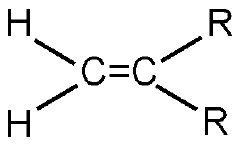
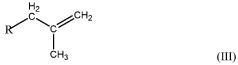
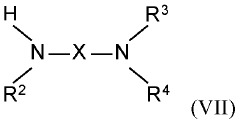
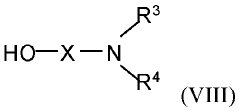
- A novel fuel additive composition comprising an acylated detergent, a Mannich detergent, and a polyether/polyetheramine, which reduces carbonaceous deposits in both PFI and GDI engines by preventing or removing deposits, thereby improving engine performance and reducing emissions.
Environmental Regulations for Automotive Fuel Additives
The regulatory landscape for automotive fuel additives has evolved significantly over the past decades, driven by increasing environmental awareness and public health concerns. Global environmental agencies have established comprehensive frameworks to govern the development, testing, and commercialization of fuel additives used in direct injection engines. These regulations primarily focus on emission reduction targets, air quality improvement, and long-term environmental sustainability.
In the United States, the Environmental Protection Agency (EPA) enforces stringent regulations under the Clean Air Act, requiring extensive testing protocols for fuel additives before market approval. The EPA's Tier 3 Vehicle Emission and Fuel Standards mandate specific performance criteria for additives, including their impact on particulate matter emissions, nitrogen oxides, and volatile organic compounds. Similar regulatory frameworks exist in Europe under the European Chemicals Agency (ECHA) and the European Environment Agency (EEA), which implement the REACH regulation for chemical substances in fuel formulations.
The regulatory approval process for fuel additives involves multiple phases of environmental impact assessment. Manufacturers must demonstrate that their additives do not adversely affect catalytic converter performance, exhaust after-treatment systems, or contribute to groundwater contamination. Bioaccumulation studies, aquatic toxicity assessments, and atmospheric degradation analyses are mandatory components of the approval process. These requirements have become increasingly rigorous as direct injection engines present unique challenges regarding particulate emissions and fuel system deposits.
Recent regulatory developments have introduced lifecycle assessment requirements for fuel additives, compelling manufacturers to evaluate environmental impacts from production through disposal. The California Air Resources Board (CARB) has pioneered advanced low-emission vehicle standards that directly influence additive formulation requirements. These regulations emphasize the reduction of ultrafine particulate matter, which is particularly relevant for direct injection engines that inherently produce higher particulate emissions compared to port fuel injection systems.
Compliance monitoring and reporting obligations require continuous documentation of additive performance under real-world driving conditions. Regulatory bodies now mandate post-market surveillance programs to track long-term environmental effects and ensure sustained compliance with emission standards throughout the additive's commercial lifecycle.
In the United States, the Environmental Protection Agency (EPA) enforces stringent regulations under the Clean Air Act, requiring extensive testing protocols for fuel additives before market approval. The EPA's Tier 3 Vehicle Emission and Fuel Standards mandate specific performance criteria for additives, including their impact on particulate matter emissions, nitrogen oxides, and volatile organic compounds. Similar regulatory frameworks exist in Europe under the European Chemicals Agency (ECHA) and the European Environment Agency (EEA), which implement the REACH regulation for chemical substances in fuel formulations.
The regulatory approval process for fuel additives involves multiple phases of environmental impact assessment. Manufacturers must demonstrate that their additives do not adversely affect catalytic converter performance, exhaust after-treatment systems, or contribute to groundwater contamination. Bioaccumulation studies, aquatic toxicity assessments, and atmospheric degradation analyses are mandatory components of the approval process. These requirements have become increasingly rigorous as direct injection engines present unique challenges regarding particulate emissions and fuel system deposits.
Recent regulatory developments have introduced lifecycle assessment requirements for fuel additives, compelling manufacturers to evaluate environmental impacts from production through disposal. The California Air Resources Board (CARB) has pioneered advanced low-emission vehicle standards that directly influence additive formulation requirements. These regulations emphasize the reduction of ultrafine particulate matter, which is particularly relevant for direct injection engines that inherently produce higher particulate emissions compared to port fuel injection systems.
Compliance monitoring and reporting obligations require continuous documentation of additive performance under real-world driving conditions. Regulatory bodies now mandate post-market surveillance programs to track long-term environmental effects and ensure sustained compliance with emission standards throughout the additive's commercial lifecycle.
Performance Testing Standards for DI Engine Fuel Systems
The establishment of comprehensive performance testing standards for direct injection engine fuel systems represents a critical foundation for evaluating fuel additive effectiveness and ensuring consistent optimization outcomes. Current industry practices rely on a combination of standardized protocols from organizations such as ASTM International, SAE International, and ISO, which provide frameworks for measuring key performance parameters including injection pressure stability, spray pattern uniformity, and deposit formation resistance.
Engine dynamometer testing serves as the primary methodology for comprehensive fuel system evaluation, incorporating both steady-state and transient operating conditions that simulate real-world driving scenarios. These protocols typically encompass fuel flow rate measurements, injector response time analysis, and combustion efficiency assessments across varying load conditions. The testing duration generally extends from 100 to 500 hours depending on the specific evaluation objectives, with intermediate sampling points for deposit accumulation monitoring.
Fuel injector performance characterization requires specialized equipment capable of measuring spray penetration, droplet size distribution, and injection timing precision under high-pressure conditions exceeding 200 bar. Advanced optical diagnostic techniques, including laser diffraction and high-speed imaging, enable detailed analysis of fuel atomization quality and spray cone geometry. These measurements directly correlate with combustion efficiency and emission formation characteristics.
Deposit formation assessment protocols focus on intake valve, combustion chamber, and injector tip cleanliness evaluation through gravimetric analysis and visual inspection techniques. Standardized test fuels with controlled additive concentrations enable comparative studies, while accelerated aging procedures simulate extended operational periods within compressed timeframes. Temperature cycling and pressure variation tests replicate thermal stress conditions encountered during normal engine operation.
Emission measurement standards integrate both regulated pollutants and particulate matter analysis, utilizing certified reference materials and calibrated instrumentation to ensure measurement accuracy. The correlation between fuel system performance metrics and emission outcomes provides essential data for additive effectiveness validation and regulatory compliance verification.
Engine dynamometer testing serves as the primary methodology for comprehensive fuel system evaluation, incorporating both steady-state and transient operating conditions that simulate real-world driving scenarios. These protocols typically encompass fuel flow rate measurements, injector response time analysis, and combustion efficiency assessments across varying load conditions. The testing duration generally extends from 100 to 500 hours depending on the specific evaluation objectives, with intermediate sampling points for deposit accumulation monitoring.
Fuel injector performance characterization requires specialized equipment capable of measuring spray penetration, droplet size distribution, and injection timing precision under high-pressure conditions exceeding 200 bar. Advanced optical diagnostic techniques, including laser diffraction and high-speed imaging, enable detailed analysis of fuel atomization quality and spray cone geometry. These measurements directly correlate with combustion efficiency and emission formation characteristics.
Deposit formation assessment protocols focus on intake valve, combustion chamber, and injector tip cleanliness evaluation through gravimetric analysis and visual inspection techniques. Standardized test fuels with controlled additive concentrations enable comparative studies, while accelerated aging procedures simulate extended operational periods within compressed timeframes. Temperature cycling and pressure variation tests replicate thermal stress conditions encountered during normal engine operation.
Emission measurement standards integrate both regulated pollutants and particulate matter analysis, utilizing certified reference materials and calibrated instrumentation to ensure measurement accuracy. The correlation between fuel system performance metrics and emission outcomes provides essential data for additive effectiveness validation and regulatory compliance verification.
Unlock deeper insights with PatSnap Eureka Quick Research — get a full tech report to explore trends and direct your research. Try now!
Generate Your Research Report Instantly with AI Agent
Supercharge your innovation with PatSnap Eureka AI Agent Platform!