

Direct Injection Vs External Mix Injection: Efficiency Outcomes
MAR 12, 20269 MIN READ
Generate Your Research Report Instantly with AI Agent
PatSnap Eureka helps you evaluate technical feasibility & market potential.
Direct vs External Mix Injection Background and Objectives
Injection systems represent a critical component in various industrial applications, with direct injection and external mix injection emerging as two predominant technological approaches that have shaped efficiency outcomes across multiple sectors. The fundamental distinction between these methodologies lies in their mixing mechanisms and delivery strategies, which directly impact operational performance, energy consumption, and overall system effectiveness.
Direct injection technology operates by introducing the primary substance directly into the combustion chamber or reaction zone without prior mixing with secondary components. This approach has gained significant traction in automotive engines, industrial burners, and chemical processing systems due to its precise control capabilities and reduced energy losses. The technology eliminates intermediate mixing stages, thereby minimizing pressure drops and thermal losses that typically occur in conventional systems.
External mix injection, conversely, combines the primary substance with secondary components outside the main reaction chamber before introduction into the system. This methodology has been widely adopted in applications requiring homogeneous mixture preparation, such as spray coating systems, fuel injection in gas turbines, and various chemical synthesis processes. The external mixing approach allows for better control over mixture ratios and can accommodate a broader range of operating conditions.
The evolution of these technologies has been driven by increasing demands for energy efficiency, environmental compliance, and operational cost reduction. Industries worldwide are seeking solutions that maximize output while minimizing resource consumption and emissions. This technological imperative has accelerated research and development efforts focused on optimizing injection system performance through advanced design principles and innovative materials.
The primary objective of comparing direct injection versus external mix injection efficiency outcomes centers on establishing quantitative performance metrics that enable informed decision-making for system selection and optimization. Key performance indicators include thermal efficiency, mixing quality, pressure loss characteristics, maintenance requirements, and adaptability to varying operational conditions. Understanding these parameters is essential for engineers and system designers to select the most appropriate injection technology for specific applications.
Furthermore, the comparative analysis aims to identify operational boundaries where each technology demonstrates superior performance, enabling hybrid approaches that leverage the strengths of both methodologies. This comprehensive evaluation framework supports strategic technology adoption decisions and guides future research directions toward enhanced injection system efficiency across diverse industrial applications.
Direct injection technology operates by introducing the primary substance directly into the combustion chamber or reaction zone without prior mixing with secondary components. This approach has gained significant traction in automotive engines, industrial burners, and chemical processing systems due to its precise control capabilities and reduced energy losses. The technology eliminates intermediate mixing stages, thereby minimizing pressure drops and thermal losses that typically occur in conventional systems.
External mix injection, conversely, combines the primary substance with secondary components outside the main reaction chamber before introduction into the system. This methodology has been widely adopted in applications requiring homogeneous mixture preparation, such as spray coating systems, fuel injection in gas turbines, and various chemical synthesis processes. The external mixing approach allows for better control over mixture ratios and can accommodate a broader range of operating conditions.
The evolution of these technologies has been driven by increasing demands for energy efficiency, environmental compliance, and operational cost reduction. Industries worldwide are seeking solutions that maximize output while minimizing resource consumption and emissions. This technological imperative has accelerated research and development efforts focused on optimizing injection system performance through advanced design principles and innovative materials.
The primary objective of comparing direct injection versus external mix injection efficiency outcomes centers on establishing quantitative performance metrics that enable informed decision-making for system selection and optimization. Key performance indicators include thermal efficiency, mixing quality, pressure loss characteristics, maintenance requirements, and adaptability to varying operational conditions. Understanding these parameters is essential for engineers and system designers to select the most appropriate injection technology for specific applications.
Furthermore, the comparative analysis aims to identify operational boundaries where each technology demonstrates superior performance, enabling hybrid approaches that leverage the strengths of both methodologies. This comprehensive evaluation framework supports strategic technology adoption decisions and guides future research directions toward enhanced injection system efficiency across diverse industrial applications.
Market Demand for Advanced Injection Technologies
The global injection technology market is experiencing unprecedented growth driven by stringent environmental regulations and the automotive industry's transition toward cleaner, more efficient powertrains. Regulatory frameworks such as Euro 7, China VI, and upcoming emissions standards are compelling manufacturers to adopt advanced injection systems that can deliver superior fuel atomization, reduced emissions, and enhanced combustion efficiency.
Automotive manufacturers are increasingly prioritizing injection technologies that offer measurable improvements in fuel economy and emissions reduction. The demand for direct injection systems has surged particularly in gasoline engines, where precise fuel delivery directly into the combustion chamber enables higher compression ratios and improved thermal efficiency. Meanwhile, external mix injection technologies are gaining traction in specialized applications including marine engines, industrial power generation, and hybrid propulsion systems where operational flexibility and maintenance accessibility are critical factors.
The aerospace sector represents a rapidly expanding market segment for advanced injection technologies, driven by the industry's commitment to sustainable aviation fuels and next-generation propulsion systems. Airlines and aircraft manufacturers are actively seeking injection solutions that can accommodate diverse fuel compositions while maintaining optimal performance characteristics across varying operational conditions.
Industrial applications, particularly in power generation and heavy machinery, are creating substantial demand for robust injection systems capable of handling alternative fuels including hydrogen, biofuels, and synthetic fuels. The transition toward carbon-neutral industrial processes is accelerating adoption of injection technologies that can efficiently manage these emerging fuel types while maintaining operational reliability.
The marine industry is experiencing significant regulatory pressure through International Maritime Organization mandates, driving demand for injection systems that can reduce sulfur emissions and improve fuel efficiency in large-scale propulsion applications. Ship operators are increasingly evaluating injection technologies based on their ability to handle low-sulfur fuels and alternative marine fuels while minimizing maintenance requirements during extended voyages.
Emerging markets in Asia-Pacific and Latin America are contributing to growing demand as local manufacturers seek to meet international emissions standards while maintaining cost competitiveness. These regions are particularly interested in injection technologies that offer scalable implementation and proven reliability across diverse operating environments.
Automotive manufacturers are increasingly prioritizing injection technologies that offer measurable improvements in fuel economy and emissions reduction. The demand for direct injection systems has surged particularly in gasoline engines, where precise fuel delivery directly into the combustion chamber enables higher compression ratios and improved thermal efficiency. Meanwhile, external mix injection technologies are gaining traction in specialized applications including marine engines, industrial power generation, and hybrid propulsion systems where operational flexibility and maintenance accessibility are critical factors.
The aerospace sector represents a rapidly expanding market segment for advanced injection technologies, driven by the industry's commitment to sustainable aviation fuels and next-generation propulsion systems. Airlines and aircraft manufacturers are actively seeking injection solutions that can accommodate diverse fuel compositions while maintaining optimal performance characteristics across varying operational conditions.
Industrial applications, particularly in power generation and heavy machinery, are creating substantial demand for robust injection systems capable of handling alternative fuels including hydrogen, biofuels, and synthetic fuels. The transition toward carbon-neutral industrial processes is accelerating adoption of injection technologies that can efficiently manage these emerging fuel types while maintaining operational reliability.
The marine industry is experiencing significant regulatory pressure through International Maritime Organization mandates, driving demand for injection systems that can reduce sulfur emissions and improve fuel efficiency in large-scale propulsion applications. Ship operators are increasingly evaluating injection technologies based on their ability to handle low-sulfur fuels and alternative marine fuels while minimizing maintenance requirements during extended voyages.
Emerging markets in Asia-Pacific and Latin America are contributing to growing demand as local manufacturers seek to meet international emissions standards while maintaining cost competitiveness. These regions are particularly interested in injection technologies that offer scalable implementation and proven reliability across diverse operating environments.
Current State and Challenges of Injection Systems
The current landscape of injection systems presents a complex technological environment where direct injection and external mix injection technologies compete across multiple industrial applications. Direct injection systems have achieved significant maturity in automotive applications, with gasoline direct injection (GDI) and diesel common rail systems demonstrating high precision fuel delivery capabilities. These systems typically operate at pressures ranging from 200 to 2000 bar, enabling fine atomization and precise timing control that enhances combustion efficiency and reduces emissions.
External mix injection systems maintain their dominance in applications requiring robust operation and cost-effectiveness. These systems, commonly found in port fuel injection configurations and industrial spray applications, operate at lower pressures typically between 3 to 10 bar. The technology leverages air assistance for fuel atomization, providing reliable performance across varying operating conditions while maintaining simpler system architecture and lower manufacturing costs.
Contemporary direct injection implementations face significant technical challenges related to injector fouling and carbon deposit formation. High-pressure fuel systems require sophisticated materials and manufacturing tolerances, leading to increased component costs and maintenance requirements. The precision machining required for injector nozzles and the need for high-pressure fuel pumps create supply chain complexities that impact system reliability and serviceability.
External mix systems encounter limitations in achieving optimal fuel-air mixing efficiency, particularly under transient operating conditions. The spatial separation between fuel injection and air intake points creates challenges in maintaining consistent mixture quality across varying load conditions. Additionally, these systems struggle to meet increasingly stringent emission regulations without supplementary after-treatment technologies.
Regional technological development patterns reveal distinct approaches to injection system advancement. European manufacturers focus heavily on direct injection refinement for emission compliance, while Asian markets emphasize cost-effective external mix solutions for emerging economy applications. North American developments concentrate on hybrid approaches that combine benefits of both technologies.
Manufacturing scalability represents a critical constraint for direct injection systems, where precision component production requires specialized facilities and quality control processes. External mix systems benefit from established manufacturing infrastructure but face pressure to improve efficiency outcomes through advanced control algorithms and enhanced mixing chamber designs.
The integration of electronic control systems has become essential for both technologies, with modern injection systems requiring sophisticated engine management integration to optimize performance outcomes and meet regulatory requirements.
External mix injection systems maintain their dominance in applications requiring robust operation and cost-effectiveness. These systems, commonly found in port fuel injection configurations and industrial spray applications, operate at lower pressures typically between 3 to 10 bar. The technology leverages air assistance for fuel atomization, providing reliable performance across varying operating conditions while maintaining simpler system architecture and lower manufacturing costs.
Contemporary direct injection implementations face significant technical challenges related to injector fouling and carbon deposit formation. High-pressure fuel systems require sophisticated materials and manufacturing tolerances, leading to increased component costs and maintenance requirements. The precision machining required for injector nozzles and the need for high-pressure fuel pumps create supply chain complexities that impact system reliability and serviceability.
External mix systems encounter limitations in achieving optimal fuel-air mixing efficiency, particularly under transient operating conditions. The spatial separation between fuel injection and air intake points creates challenges in maintaining consistent mixture quality across varying load conditions. Additionally, these systems struggle to meet increasingly stringent emission regulations without supplementary after-treatment technologies.
Regional technological development patterns reveal distinct approaches to injection system advancement. European manufacturers focus heavily on direct injection refinement for emission compliance, while Asian markets emphasize cost-effective external mix solutions for emerging economy applications. North American developments concentrate on hybrid approaches that combine benefits of both technologies.
Manufacturing scalability represents a critical constraint for direct injection systems, where precision component production requires specialized facilities and quality control processes. External mix systems benefit from established manufacturing infrastructure but face pressure to improve efficiency outcomes through advanced control algorithms and enhanced mixing chamber designs.
The integration of electronic control systems has become essential for both technologies, with modern injection systems requiring sophisticated engine management integration to optimize performance outcomes and meet regulatory requirements.
Existing Direct and External Mix Injection Solutions
01 Advanced fuel injection control systems
Implementation of sophisticated control systems for fuel injection that optimize injection timing, pressure, and duration to improve combustion efficiency. These systems utilize electronic control units and sensors to monitor engine parameters in real-time and adjust injection parameters accordingly. Advanced algorithms and feedback mechanisms enable precise fuel delivery, reducing fuel consumption and emissions while maximizing engine performance.- Advanced fuel injection control systems: Implementation of sophisticated control systems for fuel injection that optimize injection timing, pressure, and duration to improve combustion efficiency. These systems utilize electronic control units and sensors to monitor engine parameters in real-time and adjust injection parameters accordingly. Advanced algorithms and feedback mechanisms enable precise fuel delivery, reducing fuel consumption and emissions while maximizing engine performance.
- Multi-stage and variable injection strategies: Utilization of multiple injection events per combustion cycle or variable injection patterns to enhance fuel atomization and mixing. This approach involves splitting the fuel delivery into pilot, main, and post-injection phases to optimize combustion characteristics. The technology improves thermal efficiency by controlling combustion temperature and pressure profiles, leading to better fuel economy and reduced pollutant formation.
- High-pressure injection systems: Development of injection systems capable of operating at elevated pressures to achieve finer fuel atomization and improved spray penetration. Higher injection pressures result in better fuel-air mixing, more complete combustion, and enhanced engine efficiency. These systems incorporate robust components such as high-pressure pumps, reinforced injectors, and pressure accumulators to maintain consistent performance under demanding conditions.
- Injector nozzle design optimization: Enhancement of injector nozzle geometry and configuration to improve spray characteristics and fuel distribution. Optimized nozzle designs feature specific hole patterns, diameters, and angles that promote uniform fuel dispersion and reduce wall wetting. Advanced manufacturing techniques enable precise control over nozzle parameters, resulting in improved combustion efficiency, reduced emissions, and extended injector lifespan.
- Integration of alternative fuel injection technologies: Adaptation of injection systems to accommodate alternative fuels such as biodiesel, ethanol blends, or hydrogen to improve overall energy efficiency and sustainability. These systems address the unique properties of alternative fuels, including different viscosity, volatility, and combustion characteristics. Modifications to injection parameters, materials, and control strategies ensure optimal performance while maintaining or improving efficiency compared to conventional fuels.
02 Multi-stage and variable injection strategies
Utilization of multiple injection events per combustion cycle or variable injection patterns to enhance fuel atomization and mixing. This approach involves splitting the fuel delivery into pilot, main, and post-injection phases to optimize combustion characteristics. The technology improves thermal efficiency by controlling combustion temperature and pressure profiles, leading to better fuel economy and reduced pollutant formation.Expand Specific Solutions03 High-pressure injection systems
Development of injection systems capable of operating at elevated pressures to achieve finer fuel atomization and improved spray penetration. Higher injection pressures result in better fuel-air mixture formation, leading to more complete combustion. These systems incorporate robust components such as high-pressure pumps, reinforced injectors, and pressure accumulators to maintain consistent performance under demanding operating conditions.Expand Specific Solutions04 Injector nozzle design optimization
Enhancement of injector nozzle geometry and configuration to improve spray characteristics and fuel distribution. Optimized nozzle designs feature specific hole patterns, diameters, and angles that promote uniform fuel dispersion throughout the combustion chamber. Advanced manufacturing techniques enable precise control over nozzle specifications, resulting in improved combustion efficiency, reduced emissions, and extended injector service life.Expand Specific Solutions05 Integration of alternative fuel injection technologies
Adaptation of injection systems to accommodate alternative fuels and hybrid propulsion systems while maintaining or improving efficiency. This includes modifications to injector materials, sealing systems, and control strategies to handle fuels with different physical and chemical properties. The technology enables flexible fuel operation and supports the transition to cleaner energy sources without compromising system performance or reliability.Expand Specific Solutions
Key Players in Injection System Industry
The direct injection versus external mix injection technology landscape represents a mature automotive sector experiencing significant evolution driven by emissions regulations and efficiency demands. The market, valued in billions globally, spans traditional automotive powertrains and emerging alternative fuel systems. Technology maturity varies considerably across applications, with established players like Robert Bosch GmbH, DENSO Corp., and Vitesco Technologies leading conventional injection systems development. Automotive giants including Mercedes-Benz Group AG, Ford Global Technologies LLC, Volkswagen AG, and GM Global Technology Operations LLC drive integration and optimization efforts. Japanese manufacturers Yamaha Motor, Hitachi Ltd., and Isuzu Motors contribute specialized expertise in marine and commercial applications. Research institutions like Southwest Research Institute and universities including Jilin University advance fundamental understanding, while energy companies Saudi Arabian Oil Co. and Aramco Services Co. focus on fuel compatibility. The competitive landscape shows consolidation around efficiency optimization, emissions reduction, and multi-fuel capability development.
Robert Bosch GmbH
Technical Solution: Bosch has developed advanced direct injection systems including gasoline direct injection (GDI) and common rail diesel injection technologies. Their direct injection systems feature high-pressure fuel pumps operating at pressures up to 350 bar for gasoline engines, enabling precise fuel metering and timing control. The company's piezoelectric injectors provide multiple injection events per cycle with response times under 0.1 milliseconds. Bosch's direct injection technology achieves fuel consumption improvements of 15-20% compared to port fuel injection systems while reducing CO2 emissions by up to 25%. Their systems integrate advanced electronic control units that optimize injection timing, pressure, and spray patterns based on real-time engine operating conditions.
Strengths: Market leader with proven reliability, excellent fuel atomization and precise control, significant fuel economy improvements. Weaknesses: Higher system complexity and cost, potential for carbon deposit formation on intake valves.
Mercedes-Benz Group AG
Technical Solution: Mercedes-Benz employs sophisticated direct injection technology in their BlueDIRECT engines, combining gasoline direct injection with turbocharging and variable valve timing. Their system utilizes piezo injectors operating at injection pressures up to 200 bar, enabling stratified charge combustion for improved efficiency. The technology features multiple injection strategies including homogeneous and stratified modes, with the ability to switch between modes based on load conditions. Mercedes' direct injection engines achieve thermal efficiency improvements of 12-15% over conventional port injection systems. The company has integrated their direct injection technology with mild hybrid systems and advanced combustion management to further enhance efficiency outcomes while meeting stringent emission standards.
Strengths: Advanced combustion control strategies, excellent integration with hybrid systems, superior performance characteristics. Weaknesses: Higher manufacturing costs, requires premium fuel for optimal performance, complex maintenance requirements.
Core Patents in Injection Efficiency Technologies
Injection of heavy and particulate laden fuels
PatentActiveIN7927CHENP2014A
Innovation
- The implementation of a blast injection system where a supersonic blast stream impinges on the particulate slurry fuel in the combustion chamber, rather than within the injector, using a central tube with adjacent ducts to accelerate the blast gas and converge it onto the fuel jet for effective atomization, reducing wear and enhancing combustion efficiency.


Burner with high-efficiency atomization
PatentInactiveUS20050026099A1
Innovation
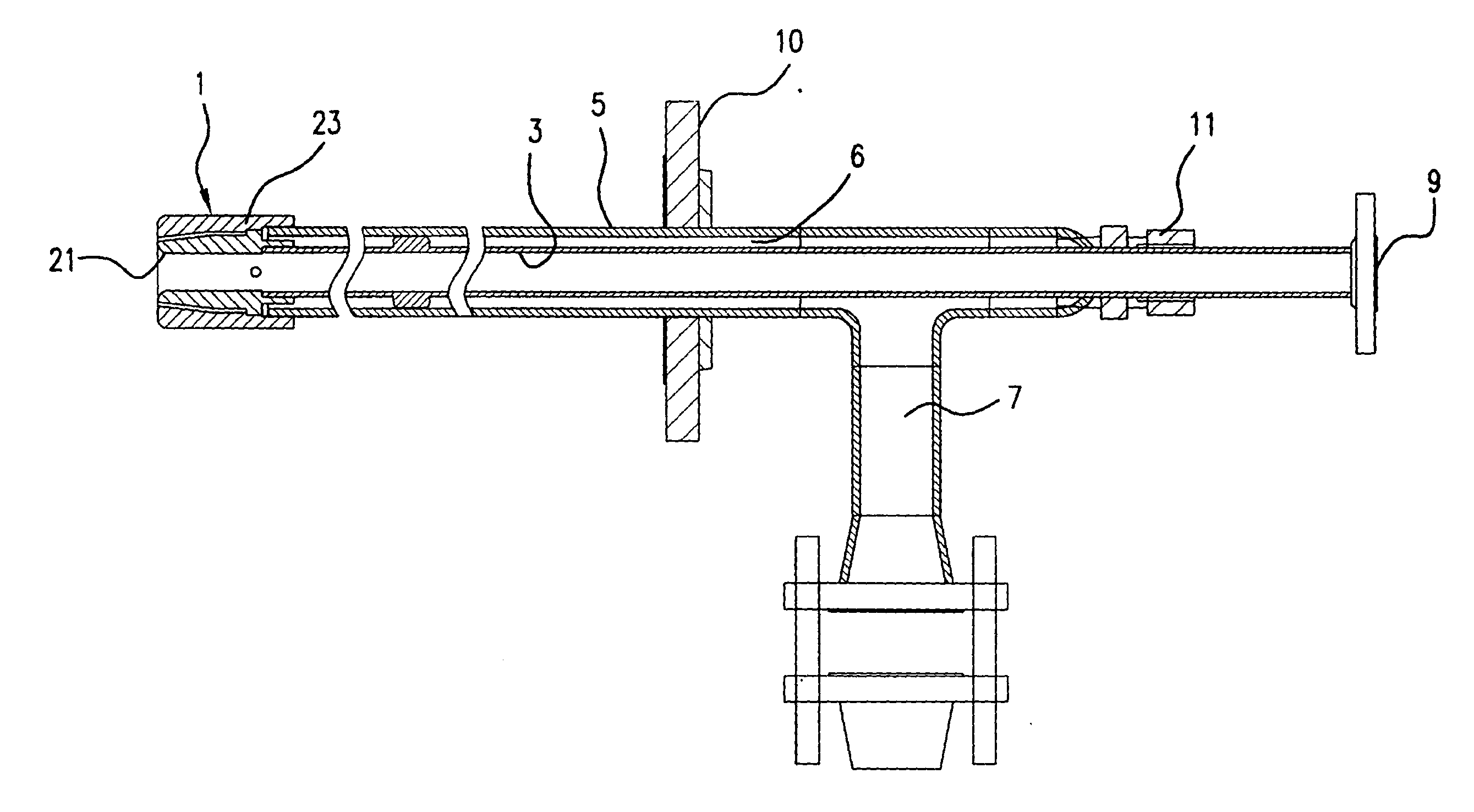
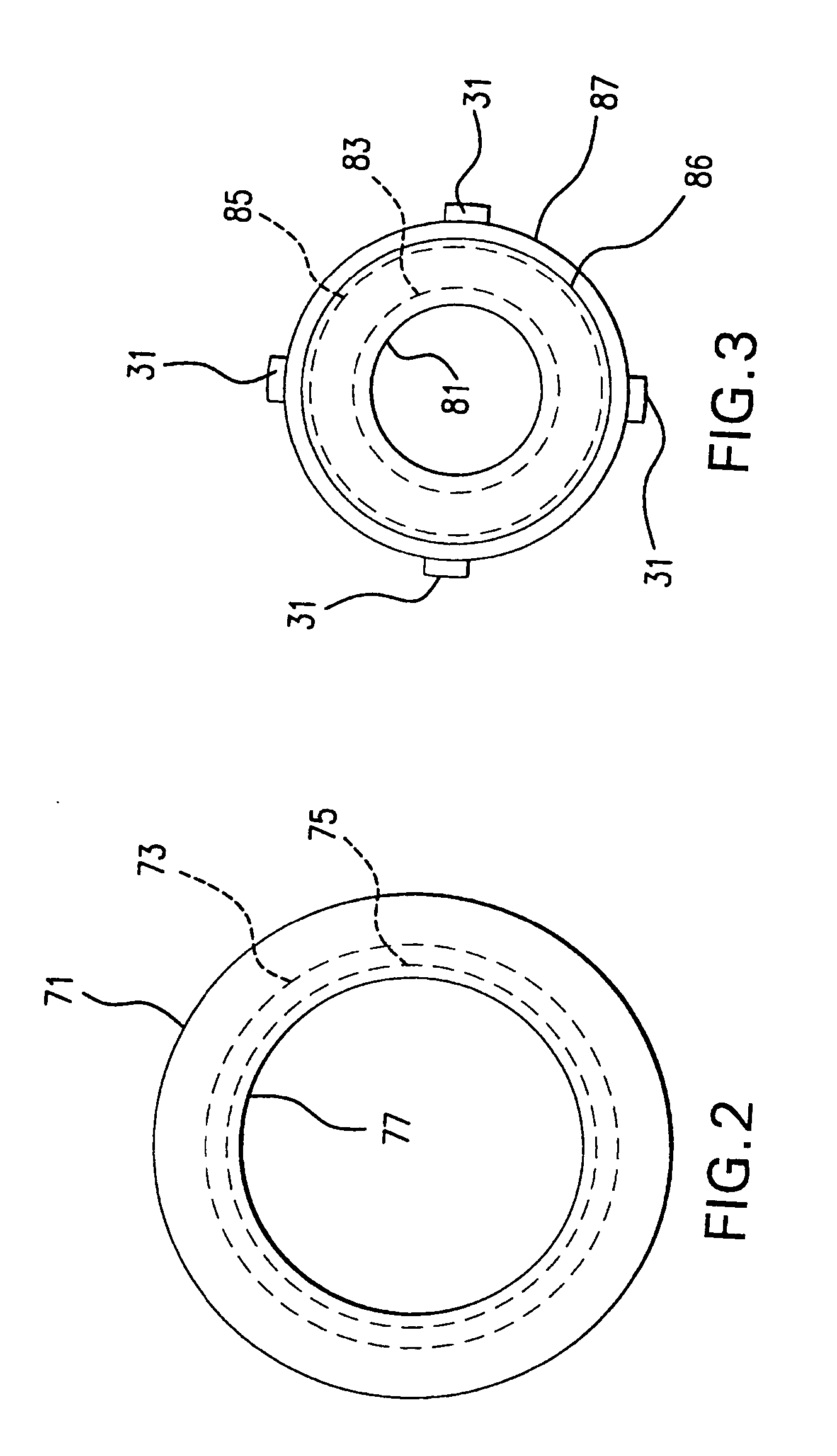
- A novel external mix burner nozzle design featuring a tapered outer conduit and a rounded inner conduit, which directs air or oxygen to create a partial vacuum, reducing the need for pressure to propel fuel and ensuring thorough mixing and atomization of fuels, including liquids and solids, without the need for exotic materials.

Emission Standards and Regulatory Requirements
The regulatory landscape governing injection technologies has evolved significantly in response to growing environmental concerns and public health imperatives. Modern emission standards establish stringent limits on particulate matter, nitrogen oxides, carbon monoxide, and unburned hydrocarbons, directly influencing the selection between direct injection and external mix injection systems. These regulations vary substantially across jurisdictions, with European Union standards typically leading in stringency, followed by North American and Asian markets implementing progressively tighter controls.
Direct injection systems face unique regulatory challenges due to their propensity to generate higher particulate matter emissions, particularly in gasoline applications. The Euro 6d-TEMP standard introduced particle number limits that specifically target direct injection engines, requiring manufacturers to implement gasoline particulate filters in many cases. This regulatory pressure has accelerated development of advanced fuel injection strategies, including multiple injection events and optimized spray patterns to minimize particulate formation while maintaining efficiency benefits.
External mix injection systems generally demonstrate superior compliance with particulate emission standards due to their enhanced fuel-air mixing characteristics. However, these systems must still meet increasingly stringent NOx emission requirements, particularly under real driving emission conditions. The implementation of portable emissions measurement systems has revealed significant discrepancies between laboratory and real-world performance, prompting regulators to establish more comprehensive testing protocols.
Regulatory requirements extend beyond tailpipe emissions to encompass evaporative emissions, cold-start performance, and durability standards. Direct injection systems must address fuel system pressure integrity and potential vapor lock issues, while external mix systems face challenges related to fuel delivery consistency across varying operating conditions. Both technologies must demonstrate compliance throughout extended vehicle lifecycles, typically requiring emission control effectiveness for 150,000 miles or more.
Future regulatory trends indicate continued tightening of emission limits, with particular focus on real-world driving conditions and low-temperature operation. The integration of electrification technologies creates additional complexity, as hybrid systems must optimize injection strategies across multiple operating modes while maintaining regulatory compliance throughout the entire drive cycle.
Direct injection systems face unique regulatory challenges due to their propensity to generate higher particulate matter emissions, particularly in gasoline applications. The Euro 6d-TEMP standard introduced particle number limits that specifically target direct injection engines, requiring manufacturers to implement gasoline particulate filters in many cases. This regulatory pressure has accelerated development of advanced fuel injection strategies, including multiple injection events and optimized spray patterns to minimize particulate formation while maintaining efficiency benefits.
External mix injection systems generally demonstrate superior compliance with particulate emission standards due to their enhanced fuel-air mixing characteristics. However, these systems must still meet increasingly stringent NOx emission requirements, particularly under real driving emission conditions. The implementation of portable emissions measurement systems has revealed significant discrepancies between laboratory and real-world performance, prompting regulators to establish more comprehensive testing protocols.
Regulatory requirements extend beyond tailpipe emissions to encompass evaporative emissions, cold-start performance, and durability standards. Direct injection systems must address fuel system pressure integrity and potential vapor lock issues, while external mix systems face challenges related to fuel delivery consistency across varying operating conditions. Both technologies must demonstrate compliance throughout extended vehicle lifecycles, typically requiring emission control effectiveness for 150,000 miles or more.
Future regulatory trends indicate continued tightening of emission limits, with particular focus on real-world driving conditions and low-temperature operation. The integration of electrification technologies creates additional complexity, as hybrid systems must optimize injection strategies across multiple operating modes while maintaining regulatory compliance throughout the entire drive cycle.
Cost-Benefit Analysis of Injection Technologies
The economic evaluation of direct injection versus external mix injection technologies reveals significant differences in both initial capital requirements and long-term operational costs. Direct injection systems typically demand higher upfront investments due to their sophisticated fuel delivery mechanisms, precision control systems, and advanced materials required to withstand high-pressure environments. However, these systems demonstrate superior fuel efficiency rates, often achieving 15-20% better fuel economy compared to external mix alternatives, which translates to substantial operational savings over the system lifecycle.
External mix injection technologies present lower barrier-to-entry costs, making them attractive for budget-conscious applications and retrofit scenarios. The simpler design architecture reduces manufacturing complexity and maintenance requirements, resulting in lower total cost of ownership for applications where maximum efficiency is not the primary concern. These systems excel in scenarios requiring frequent maintenance access or where technical expertise for advanced systems is limited.
The return on investment analysis indicates that direct injection systems typically achieve payback periods of 18-24 months in high-utilization applications, primarily driven by fuel savings and reduced emissions compliance costs. The efficiency gains become particularly pronounced in continuous operation environments where even marginal improvements compound significantly over time. Additionally, direct injection systems often qualify for environmental incentives and regulatory credits, further enhancing their economic attractiveness.
Operational cost structures differ substantially between the two technologies. Direct injection systems require specialized maintenance protocols and higher-skilled technicians, increasing labor costs by approximately 25-30%. However, these systems demonstrate longer component lifecycles and reduced wear rates due to more precise fuel delivery control. External mix systems, while requiring more frequent component replacement, benefit from standardized maintenance procedures and readily available replacement parts.
The total cost of ownership calculations must also consider regulatory compliance costs, as stricter emission standards increasingly favor direct injection technologies. Future-proofing considerations suggest that direct injection systems provide better long-term value proposition despite higher initial investments, particularly in applications where efficiency optimization directly impacts profitability and environmental compliance requirements continue to tighten.
External mix injection technologies present lower barrier-to-entry costs, making them attractive for budget-conscious applications and retrofit scenarios. The simpler design architecture reduces manufacturing complexity and maintenance requirements, resulting in lower total cost of ownership for applications where maximum efficiency is not the primary concern. These systems excel in scenarios requiring frequent maintenance access or where technical expertise for advanced systems is limited.
The return on investment analysis indicates that direct injection systems typically achieve payback periods of 18-24 months in high-utilization applications, primarily driven by fuel savings and reduced emissions compliance costs. The efficiency gains become particularly pronounced in continuous operation environments where even marginal improvements compound significantly over time. Additionally, direct injection systems often qualify for environmental incentives and regulatory credits, further enhancing their economic attractiveness.
Operational cost structures differ substantially between the two technologies. Direct injection systems require specialized maintenance protocols and higher-skilled technicians, increasing labor costs by approximately 25-30%. However, these systems demonstrate longer component lifecycles and reduced wear rates due to more precise fuel delivery control. External mix systems, while requiring more frequent component replacement, benefit from standardized maintenance procedures and readily available replacement parts.
The total cost of ownership calculations must also consider regulatory compliance costs, as stricter emission standards increasingly favor direct injection technologies. Future-proofing considerations suggest that direct injection systems provide better long-term value proposition despite higher initial investments, particularly in applications where efficiency optimization directly impacts profitability and environmental compliance requirements continue to tighten.
Unlock deeper insights with PatSnap Eureka Quick Research — get a full tech report to explore trends and direct your research. Try now!
Generate Your Research Report Instantly with AI Agent
Supercharge your innovation with PatSnap Eureka AI Agent Platform!