

Compare Ionizing Ray Applications in Different Fields
MAR 16, 20269 MIN READ
Generate Your Research Report Instantly with AI Agent
Patsnap Eureka helps you evaluate technical feasibility & market potential.
Ionizing Radiation Technology Background and Objectives
Ionizing radiation technology represents one of the most transformative scientific discoveries of the 20th century, fundamentally altering multiple industries and scientific disciplines. The phenomenon was first observed by Henri Becquerel in 1896, followed by groundbreaking research from Marie and Pierre Curie, establishing the foundation for understanding radioactive decay and electromagnetic radiation with sufficient energy to remove electrons from atoms or molecules.
The historical development of ionizing radiation applications has evolved through distinct phases, beginning with early medical radiography in the 1900s and expanding into nuclear medicine, industrial applications, and advanced research methodologies. The technology encompasses various forms including alpha particles, beta particles, gamma rays, X-rays, and neutron radiation, each possessing unique characteristics that enable specific applications across diverse fields.
Contemporary ionizing radiation technology serves critical functions in healthcare diagnostics and treatment, industrial quality control and sterilization, nuclear power generation, scientific research, and security screening systems. The versatility of ionizing radiation stems from its ability to penetrate materials, modify molecular structures, and provide detailed imaging capabilities that conventional technologies cannot achieve.
The primary technological objectives driving current ionizing radiation research focus on enhancing precision and safety while expanding application scope. In medical applications, objectives include developing targeted radiation therapies with minimal side effects, improving diagnostic imaging resolution, and creating personalized treatment protocols. Industrial objectives emphasize automation of quality control processes, development of non-destructive testing methods, and advancement of sterilization techniques for pharmaceutical and food industries.
Safety optimization remains a paramount objective across all application domains, driving innovations in radiation shielding, dose monitoring systems, and exposure reduction technologies. Regulatory compliance and standardization efforts aim to establish unified international protocols for radiation safety and application standards.
Emerging objectives include integration of artificial intelligence for radiation dose optimization, development of portable radiation detection systems, and advancement of radiopharmaceutical production techniques. Environmental applications are expanding toward waste treatment and contamination remediation, while security applications focus on enhanced detection capabilities for border control and infrastructure protection.
The convergence of ionizing radiation technology with digital systems and advanced materials science continues to unlock new possibilities, positioning this field as a cornerstone technology for addressing complex challenges across healthcare, industry, research, and security sectors in the coming decades.
The historical development of ionizing radiation applications has evolved through distinct phases, beginning with early medical radiography in the 1900s and expanding into nuclear medicine, industrial applications, and advanced research methodologies. The technology encompasses various forms including alpha particles, beta particles, gamma rays, X-rays, and neutron radiation, each possessing unique characteristics that enable specific applications across diverse fields.
Contemporary ionizing radiation technology serves critical functions in healthcare diagnostics and treatment, industrial quality control and sterilization, nuclear power generation, scientific research, and security screening systems. The versatility of ionizing radiation stems from its ability to penetrate materials, modify molecular structures, and provide detailed imaging capabilities that conventional technologies cannot achieve.
The primary technological objectives driving current ionizing radiation research focus on enhancing precision and safety while expanding application scope. In medical applications, objectives include developing targeted radiation therapies with minimal side effects, improving diagnostic imaging resolution, and creating personalized treatment protocols. Industrial objectives emphasize automation of quality control processes, development of non-destructive testing methods, and advancement of sterilization techniques for pharmaceutical and food industries.
Safety optimization remains a paramount objective across all application domains, driving innovations in radiation shielding, dose monitoring systems, and exposure reduction technologies. Regulatory compliance and standardization efforts aim to establish unified international protocols for radiation safety and application standards.
Emerging objectives include integration of artificial intelligence for radiation dose optimization, development of portable radiation detection systems, and advancement of radiopharmaceutical production techniques. Environmental applications are expanding toward waste treatment and contamination remediation, while security applications focus on enhanced detection capabilities for border control and infrastructure protection.
The convergence of ionizing radiation technology with digital systems and advanced materials science continues to unlock new possibilities, positioning this field as a cornerstone technology for addressing complex challenges across healthcare, industry, research, and security sectors in the coming decades.
Market Demand Analysis for Ionizing Ray Applications
The global ionizing radiation applications market demonstrates robust growth driven by expanding healthcare infrastructure and increasing demand for sterilization technologies across multiple sectors. Healthcare remains the dominant segment, with medical imaging, cancer treatment, and diagnostic procedures representing the largest revenue contributors. The aging global population and rising cancer incidence rates continue to fuel demand for radiotherapy equipment and nuclear medicine applications.
Industrial sterilization represents another significant market driver, particularly in pharmaceutical manufacturing, medical device production, and food processing industries. Regulatory requirements for sterile products and growing consumer awareness of food safety have accelerated adoption of gamma irradiation and electron beam sterilization technologies. The pharmaceutical sector specifically shows strong demand for radiation sterilization of single-use medical devices and drug packaging materials.
The food industry presents substantial growth opportunities, with ionizing radiation applications gaining acceptance for food preservation, pathogen reduction, and shelf-life extension. Consumer preferences for minimally processed foods without chemical preservatives have created favorable market conditions for irradiation technologies. Export requirements and international food safety standards further drive adoption in developing markets.
Nuclear power generation continues to represent a stable demand source for ionizing radiation technologies, including reactor instrumentation, fuel processing, and waste management applications. Despite varying regional policies on nuclear energy, existing facilities require ongoing maintenance and upgrades, sustaining market demand for specialized radiation detection and monitoring equipment.
Emerging applications in materials science, including polymer modification, semiconductor manufacturing, and advanced materials processing, contribute to market diversification. The electronics industry increasingly utilizes ionizing radiation for component testing, sterilization of cleanroom environments, and modification of material properties.
Regional demand patterns show strong growth in Asia-Pacific markets, driven by expanding healthcare infrastructure, growing pharmaceutical manufacturing capabilities, and increasing food processing activities. North American and European markets demonstrate steady demand with focus on technology upgrades and regulatory compliance. Developing regions present significant growth potential as healthcare access improves and industrial capabilities expand.
Market challenges include regulatory complexity, public perception concerns regarding radiation safety, and high initial capital investments for equipment installation. However, technological advances in radiation sources, improved safety systems, and growing scientific evidence supporting radiation applications continue to drive market expansion across diverse industrial sectors.
Industrial sterilization represents another significant market driver, particularly in pharmaceutical manufacturing, medical device production, and food processing industries. Regulatory requirements for sterile products and growing consumer awareness of food safety have accelerated adoption of gamma irradiation and electron beam sterilization technologies. The pharmaceutical sector specifically shows strong demand for radiation sterilization of single-use medical devices and drug packaging materials.
The food industry presents substantial growth opportunities, with ionizing radiation applications gaining acceptance for food preservation, pathogen reduction, and shelf-life extension. Consumer preferences for minimally processed foods without chemical preservatives have created favorable market conditions for irradiation technologies. Export requirements and international food safety standards further drive adoption in developing markets.
Nuclear power generation continues to represent a stable demand source for ionizing radiation technologies, including reactor instrumentation, fuel processing, and waste management applications. Despite varying regional policies on nuclear energy, existing facilities require ongoing maintenance and upgrades, sustaining market demand for specialized radiation detection and monitoring equipment.
Emerging applications in materials science, including polymer modification, semiconductor manufacturing, and advanced materials processing, contribute to market diversification. The electronics industry increasingly utilizes ionizing radiation for component testing, sterilization of cleanroom environments, and modification of material properties.
Regional demand patterns show strong growth in Asia-Pacific markets, driven by expanding healthcare infrastructure, growing pharmaceutical manufacturing capabilities, and increasing food processing activities. North American and European markets demonstrate steady demand with focus on technology upgrades and regulatory compliance. Developing regions present significant growth potential as healthcare access improves and industrial capabilities expand.
Market challenges include regulatory complexity, public perception concerns regarding radiation safety, and high initial capital investments for equipment installation. However, technological advances in radiation sources, improved safety systems, and growing scientific evidence supporting radiation applications continue to drive market expansion across diverse industrial sectors.
Current Status and Challenges in Ionizing Radiation Fields
The global ionizing radiation industry has experienced significant growth across multiple sectors, with applications spanning from traditional medical imaging to advanced industrial processing and emerging space technologies. Current market penetration varies considerably between fields, with medical applications dominating approximately 60% of the total market share, followed by industrial applications at 25%, and nuclear power generation accounting for 12%. The remaining segments include research, agriculture, and security applications.
Medical imaging technologies, particularly computed tomography (CT) and positron emission tomography (PET), have reached technological maturity in developed nations but face accessibility challenges in emerging markets. The precision and safety standards have improved dramatically over the past decade, yet concerns about radiation exposure limits continue to drive innovation toward lower-dose alternatives. Interventional radiology procedures have expanded rapidly, creating new demands for real-time imaging capabilities and enhanced radiation protection protocols.
Industrial radiography and sterilization processes represent well-established applications with steady technological advancement. Non-destructive testing using gamma rays and X-rays has become indispensable in aerospace, automotive, and construction industries. However, the transition from traditional film-based systems to digital radiography remains incomplete in many regions, particularly in developing economies where cost considerations outweigh technological benefits.
Nuclear power generation faces complex challenges including aging infrastructure, stringent safety regulations, and public acceptance issues following recent incidents. Advanced reactor designs incorporating passive safety systems show promise, but deployment timelines remain extended due to regulatory approval processes and substantial capital requirements. Small modular reactors represent a potential breakthrough, offering enhanced safety profiles and reduced financial risks.
Emerging applications in space exploration and quantum technologies present both opportunities and technical hurdles. Radiation hardening of electronic components for satellite systems requires continuous innovation as semiconductor technologies advance toward smaller geometries. The development of radioisotope thermoelectric generators for deep space missions demands materials capable of withstanding extreme radiation environments for extended periods.
Cross-cutting challenges include workforce development, as specialized expertise in radiation physics becomes increasingly scarce. Regulatory harmonization across international boundaries remains fragmented, creating barriers for technology transfer and standardization. Additionally, waste management and decommissioning costs continue to escalate, particularly affecting long-term economic viability assessments.
Medical imaging technologies, particularly computed tomography (CT) and positron emission tomography (PET), have reached technological maturity in developed nations but face accessibility challenges in emerging markets. The precision and safety standards have improved dramatically over the past decade, yet concerns about radiation exposure limits continue to drive innovation toward lower-dose alternatives. Interventional radiology procedures have expanded rapidly, creating new demands for real-time imaging capabilities and enhanced radiation protection protocols.
Industrial radiography and sterilization processes represent well-established applications with steady technological advancement. Non-destructive testing using gamma rays and X-rays has become indispensable in aerospace, automotive, and construction industries. However, the transition from traditional film-based systems to digital radiography remains incomplete in many regions, particularly in developing economies where cost considerations outweigh technological benefits.
Nuclear power generation faces complex challenges including aging infrastructure, stringent safety regulations, and public acceptance issues following recent incidents. Advanced reactor designs incorporating passive safety systems show promise, but deployment timelines remain extended due to regulatory approval processes and substantial capital requirements. Small modular reactors represent a potential breakthrough, offering enhanced safety profiles and reduced financial risks.
Emerging applications in space exploration and quantum technologies present both opportunities and technical hurdles. Radiation hardening of electronic components for satellite systems requires continuous innovation as semiconductor technologies advance toward smaller geometries. The development of radioisotope thermoelectric generators for deep space missions demands materials capable of withstanding extreme radiation environments for extended periods.
Cross-cutting challenges include workforce development, as specialized expertise in radiation physics becomes increasingly scarce. Regulatory harmonization across international boundaries remains fragmented, creating barriers for technology transfer and standardization. Additionally, waste management and decommissioning costs continue to escalate, particularly affecting long-term economic viability assessments.
Current Ionizing Ray Application Solutions
01 Ionizing radiation detection and measurement devices
Various devices and systems have been developed for detecting and measuring ionizing radiation. These include radiation detectors, dosimeters, and monitoring equipment that can identify and quantify different types of ionizing rays such as alpha, beta, gamma, and X-rays. The devices utilize different detection principles including scintillation, semiconductor detection, and ionization chambers to accurately measure radiation levels for safety and analytical purposes.- Ionizing radiation detection and measurement devices: Various devices and systems have been developed for detecting and measuring ionizing radiation. These include radiation detectors, dosimeters, and monitoring equipment that can identify and quantify different types of ionizing rays such as alpha, beta, gamma, and X-rays. The devices utilize different detection principles including scintillation, semiconductor-based detection, and ionization chambers to accurately measure radiation levels for safety and analytical purposes.
- Radiation shielding and protection materials: Protective materials and structures have been designed to shield against ionizing radiation exposure. These solutions incorporate various materials with high atomic numbers and density that can effectively absorb or deflect ionizing rays. The shielding systems are applicable in medical facilities, nuclear installations, and industrial settings where radiation protection is critical for personnel safety and equipment protection.
- Medical and therapeutic applications of ionizing radiation: Ionizing radiation is utilized in various medical applications including diagnostic imaging and therapeutic treatments. Technologies have been developed for controlled delivery of radiation for cancer treatment, sterilization of medical equipment, and diagnostic procedures. These systems incorporate precise targeting mechanisms and dosage control to maximize therapeutic benefits while minimizing exposure to healthy tissues.
- Industrial ionizing radiation processing systems: Industrial applications utilize ionizing radiation for material processing, sterilization, and quality control. These systems employ radiation sources for polymer crosslinking, food preservation, product sterilization, and non-destructive testing. The technology enables efficient processing with precise control over radiation exposure parameters to achieve desired material modifications or inspection results.
- Radiation imaging and scanning technologies: Advanced imaging systems utilize ionizing radiation for inspection, security screening, and analytical purposes. These technologies include computed tomography scanners, X-ray imaging systems, and cargo inspection equipment. The systems incorporate sophisticated detection arrays and image processing algorithms to generate high-resolution images for medical diagnosis, security applications, and industrial inspection.
02 Radiation shielding and protection materials
Materials and compositions designed to provide protection against ionizing radiation have been developed. These include specialized shielding materials, protective coatings, and barrier systems that can attenuate or block various forms of ionizing rays. The protective materials may incorporate heavy metals, composite materials, or specially formulated compounds to effectively reduce radiation exposure in medical, industrial, and research applications.Expand Specific Solutions03 Medical and therapeutic applications of ionizing radiation
Ionizing radiation is utilized in various medical applications including diagnostic imaging and therapeutic treatments. Systems and methods have been developed for controlled delivery of ionizing radiation for cancer treatment, sterilization procedures, and medical imaging. These applications involve precise control of radiation dosage, targeting mechanisms, and safety protocols to maximize therapeutic benefits while minimizing exposure risks.Expand Specific Solutions04 Industrial processing and sterilization using ionizing radiation
Ionizing radiation is employed in industrial processes for material modification, sterilization, and quality control. Applications include food irradiation for preservation, sterilization of medical devices and pharmaceutical products, and material treatment for enhanced properties. These processes utilize controlled radiation exposure to achieve desired outcomes such as pathogen elimination, polymer cross-linking, or material property enhancement.Expand Specific Solutions05 Radiation imaging and inspection systems
Advanced imaging systems utilizing ionizing radiation have been developed for non-destructive testing, security screening, and quality inspection. These systems employ various radiation sources and detection technologies to create detailed images of internal structures, detect defects, or identify materials. Applications span security checkpoints, industrial inspection, and scientific research, providing high-resolution imaging capabilities for diverse analytical needs.Expand Specific Solutions
Major Players in Ionizing Radiation Industry
The ionizing ray applications market represents a mature technology sector experiencing steady growth across multiple industries, with an estimated global market size exceeding $15 billion annually. The competitive landscape spans three primary segments: medical applications dominated by established players like Siemens Healthineers AG and Canon Inc. offering advanced imaging and therapeutic solutions; industrial applications led by NUCTECH Co. Ltd. and American Science & Engineering Inc. providing security inspection systems; and analytical instrumentation where companies like Agilent Technologies, Shimadzu Corp., and Thermo Fisher Scientific compete in mass spectrometry and laboratory equipment. Technology maturity varies significantly, with medical imaging reaching advanced stages while emerging applications in semiconductor manufacturing through ASML Netherlands BV and specialized research applications via academic institutions like Johns Hopkins University and Sichuan University continue evolving. The market demonstrates strong consolidation trends with major corporations acquiring specialized firms to expand their ionizing ray technology portfolios.
ASML Netherlands BV
Technical Solution: ASML develops extreme ultraviolet (EUV) lithography systems that utilize ionizing radiation for semiconductor manufacturing. Their EUV systems generate high-energy photons through laser-produced plasma, enabling the production of advanced microprocessors with feature sizes below 7 nanometers. The company's ionizing ray technology enables precise pattern transfer onto silicon wafers, supporting the manufacturing of cutting-edge computer chips, memory devices, and processors. Their systems integrate advanced optics, radiation control, and metrology to achieve unprecedented manufacturing precision in the semiconductor industry.
Strengths: Monopoly in EUV lithography technology, critical enabler for advanced semiconductor manufacturing, high barriers to entry. Weaknesses: Extremely high system costs, complex supply chain dependencies, limited application scope.
Siemens Healthineers AG
Technical Solution: Siemens Healthineers specializes in medical ionizing radiation applications, particularly in diagnostic imaging and radiation therapy. Their advanced CT scanners utilize optimized X-ray beam technology for high-resolution imaging while minimizing patient radiation exposure. The company's linear accelerators deliver precise ionizing radiation for cancer treatment with real-time imaging guidance. Their molecular imaging systems combine ionizing radiation detection with advanced software for nuclear medicine applications. Additionally, they develop radiation dose management solutions that monitor and optimize ionizing ray exposure across healthcare facilities.
Strengths: Leading medical imaging technology, integrated healthcare solutions, strong clinical validation and regulatory approval. Weaknesses: Limited applications outside healthcare sector, high capital investment requirements.
Key Technologies in Cross-Field Ionizing Applications
Ionizing Radiation Detector
PatentActiveUS20220035057A1
Innovation
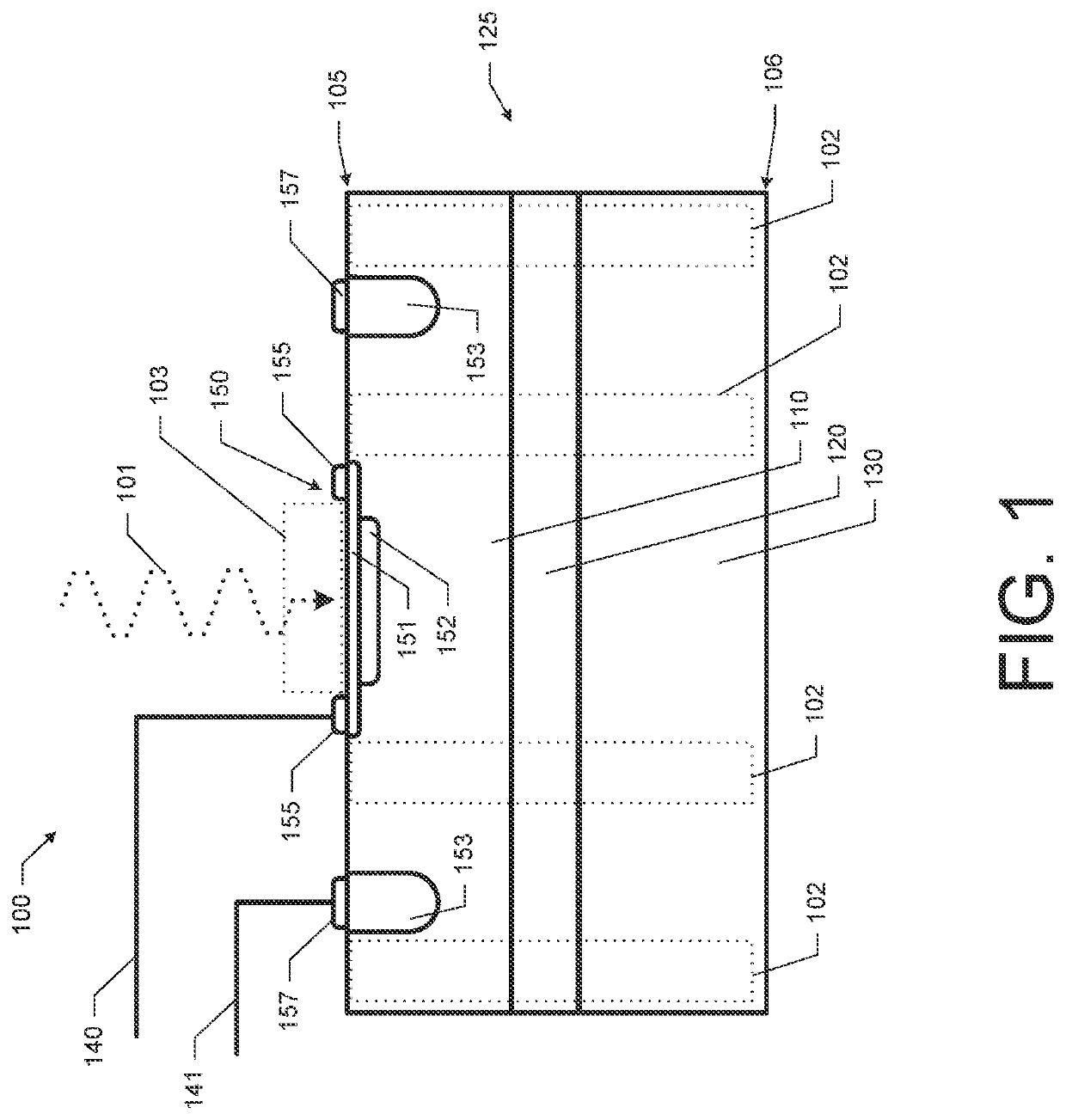
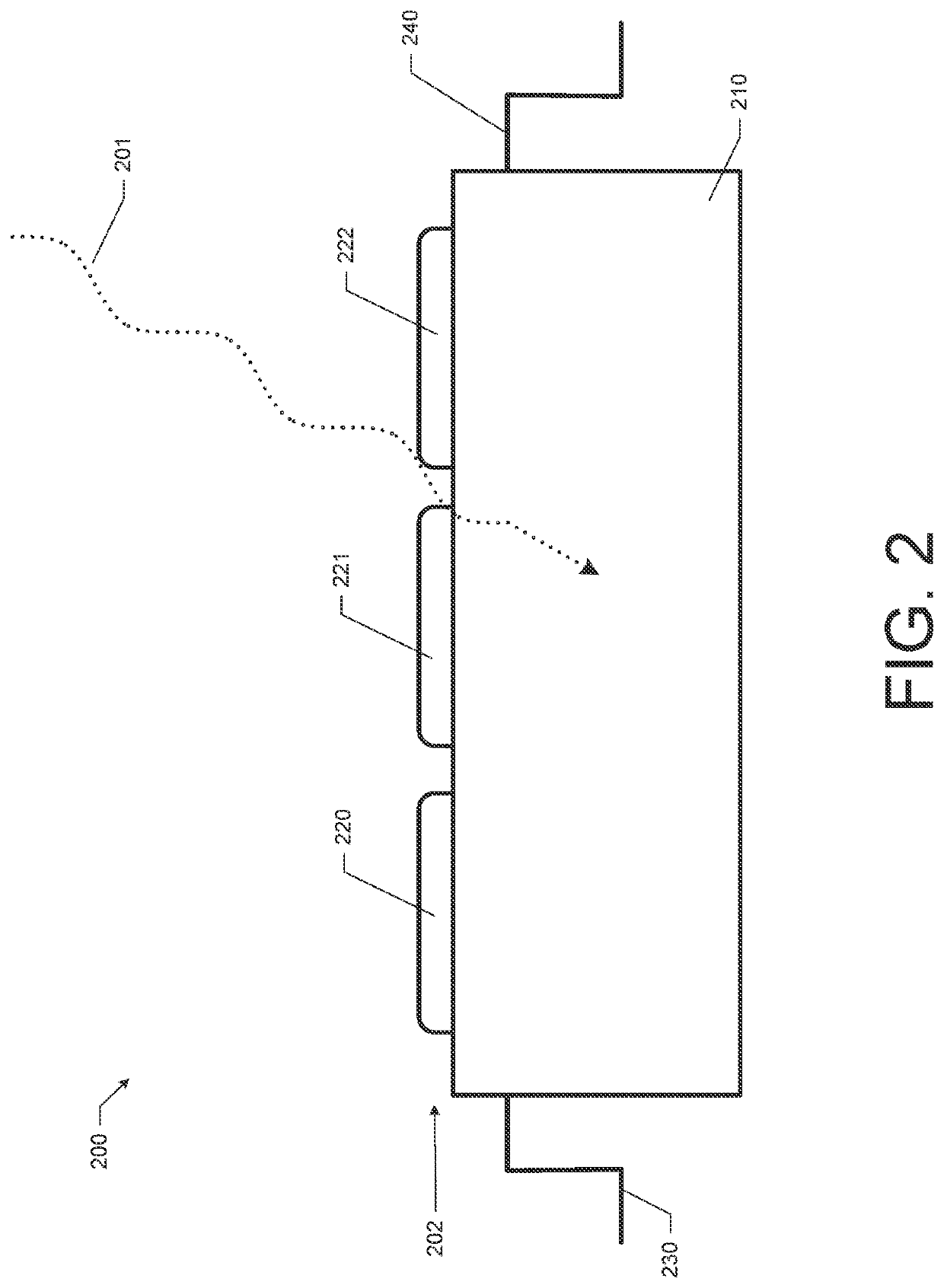
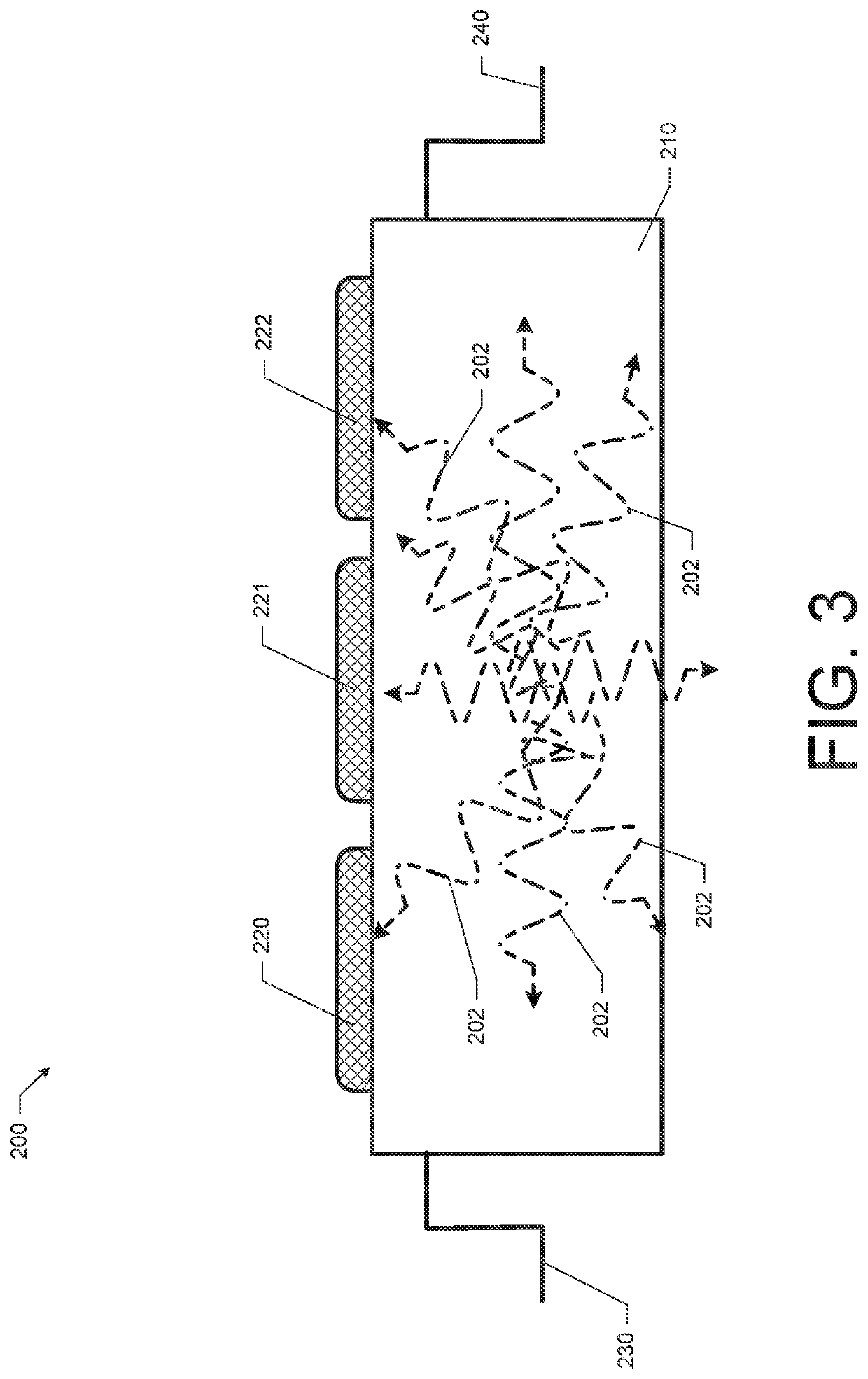
- The development of an ionizing radiation detector utilizing a SPAD array with reverse-biased semiconductor junctions that permits uninhibited charge drift and visible light emission, leveraging these signals for detection and measurement, allowing for increased detection sensitivity and accuracy by encouraging 'crosstalk' between SPAD microcell structures.

Monitoring radiation exposure and radiosensitivity using ambient ionization mass spectrometry
PatentWO2018009700A1
Innovation
- The use of surface desorption ionization mass spectrometry methods and apparatus for real-time analysis of molecular profiles to identify and quantify radiation exposure effects, allowing for personalized treatments and reducing the risk of secondary cancers by determining maximum radiation exposure and tailoring therapies based on individual sensitivity.


Radiation Safety Regulations and Compliance Standards
The regulatory landscape for ionizing radiation applications varies significantly across different fields, reflecting the diverse risk profiles and operational contexts inherent to each sector. International organizations such as the International Atomic Energy Agency (IAEA) and the International Commission on Radiological Protection (ICRP) establish fundamental safety principles that serve as the foundation for national regulatory frameworks worldwide.
In the medical field, radiation safety regulations are among the most stringent and comprehensive. Healthcare facilities must comply with dose limits for both patients and healthcare workers, implement radiation protection programs, and maintain detailed records of radiation exposure. Medical imaging equipment requires regular calibration and quality assurance testing, while radioactive materials used in nuclear medicine must be handled according to strict protocols governing storage, transportation, and disposal.
Industrial applications face a complex web of occupational safety standards that vary by specific use case. Non-destructive testing operations must adhere to workplace exposure limits, implement proper shielding measures, and ensure worker training and certification. Food irradiation facilities operate under dual oversight from both radiation safety authorities and food safety agencies, requiring compliance with both radiological protection standards and food processing regulations.
Nuclear power generation represents the most heavily regulated sector, with multi-layered oversight systems encompassing reactor design, operational procedures, emergency preparedness, and waste management. Regulatory bodies such as the Nuclear Regulatory Commission in the United States and similar agencies worldwide maintain comprehensive licensing requirements and conduct regular inspections to ensure compliance with safety standards.
Research institutions utilizing ionizing radiation must navigate institutional review processes, obtain appropriate licenses for radioactive material possession, and implement radiation safety committees to oversee compliance. Academic and research applications often require additional considerations for training programs and public safety measures due to the educational environment.
Emerging applications in security screening and cargo inspection have prompted the development of specialized regulatory frameworks that balance security objectives with radiation protection principles. These regulations address both operator safety and public exposure concerns while maintaining operational efficiency requirements essential for security applications.
In the medical field, radiation safety regulations are among the most stringent and comprehensive. Healthcare facilities must comply with dose limits for both patients and healthcare workers, implement radiation protection programs, and maintain detailed records of radiation exposure. Medical imaging equipment requires regular calibration and quality assurance testing, while radioactive materials used in nuclear medicine must be handled according to strict protocols governing storage, transportation, and disposal.
Industrial applications face a complex web of occupational safety standards that vary by specific use case. Non-destructive testing operations must adhere to workplace exposure limits, implement proper shielding measures, and ensure worker training and certification. Food irradiation facilities operate under dual oversight from both radiation safety authorities and food safety agencies, requiring compliance with both radiological protection standards and food processing regulations.
Nuclear power generation represents the most heavily regulated sector, with multi-layered oversight systems encompassing reactor design, operational procedures, emergency preparedness, and waste management. Regulatory bodies such as the Nuclear Regulatory Commission in the United States and similar agencies worldwide maintain comprehensive licensing requirements and conduct regular inspections to ensure compliance with safety standards.
Research institutions utilizing ionizing radiation must navigate institutional review processes, obtain appropriate licenses for radioactive material possession, and implement radiation safety committees to oversee compliance. Academic and research applications often require additional considerations for training programs and public safety measures due to the educational environment.
Emerging applications in security screening and cargo inspection have prompted the development of specialized regulatory frameworks that balance security objectives with radiation protection principles. These regulations address both operator safety and public exposure concerns while maintaining operational efficiency requirements essential for security applications.
Cross-Field Technology Transfer and Integration Strategies
The transfer of ionizing radiation technologies across different fields represents a critical pathway for accelerating innovation and maximizing technological investments. Medical imaging techniques originally developed for diagnostic radiology have found successful applications in industrial non-destructive testing, where X-ray and gamma-ray systems now enable quality control in manufacturing processes. Similarly, radiation sterilization methods pioneered in healthcare have been adapted for food preservation and pharmaceutical manufacturing, demonstrating the versatility of core ionizing radiation principles.
Nuclear medicine's radiopharmaceutical development has created opportunities for cross-pollination with agricultural research, where radiotracer techniques enhance crop breeding programs and soil analysis. The precision targeting capabilities developed for cancer radiotherapy have influenced industrial applications such as polymer modification and semiconductor manufacturing, where controlled radiation exposure enables material property enhancement.
Integration strategies must address fundamental differences in regulatory frameworks across sectors. Medical applications operate under stringent patient safety protocols, while industrial uses prioritize worker protection and environmental compliance. Successful technology transfer requires adaptation of safety systems, dosimetry protocols, and quality assurance procedures to meet sector-specific requirements while maintaining core technological advantages.
Collaborative research initiatives between medical institutions, industrial research centers, and agricultural organizations have proven effective in identifying transferable technologies. Joint development programs enable shared investment in expensive radiation equipment while fostering knowledge exchange between domain experts. These partnerships often reveal unexpected applications, such as using medical imaging algorithms for detecting defects in composite materials or applying food irradiation techniques to sterilize medical devices.
The emergence of compact radiation sources and advanced detection systems has lowered barriers to cross-field adoption. Miniaturized X-ray generators originally designed for portable medical imaging now serve security screening and archaeological analysis applications. Digital detector technologies developed for medical radiography have enhanced industrial inspection capabilities and enabled real-time monitoring in manufacturing processes.
Future integration strategies should focus on standardizing fundamental radiation safety protocols across industries while maintaining flexibility for sector-specific requirements. Establishing cross-disciplinary training programs and certification pathways will facilitate knowledge transfer and ensure safe implementation of adapted technologies across diverse application domains.
Nuclear medicine's radiopharmaceutical development has created opportunities for cross-pollination with agricultural research, where radiotracer techniques enhance crop breeding programs and soil analysis. The precision targeting capabilities developed for cancer radiotherapy have influenced industrial applications such as polymer modification and semiconductor manufacturing, where controlled radiation exposure enables material property enhancement.
Integration strategies must address fundamental differences in regulatory frameworks across sectors. Medical applications operate under stringent patient safety protocols, while industrial uses prioritize worker protection and environmental compliance. Successful technology transfer requires adaptation of safety systems, dosimetry protocols, and quality assurance procedures to meet sector-specific requirements while maintaining core technological advantages.
Collaborative research initiatives between medical institutions, industrial research centers, and agricultural organizations have proven effective in identifying transferable technologies. Joint development programs enable shared investment in expensive radiation equipment while fostering knowledge exchange between domain experts. These partnerships often reveal unexpected applications, such as using medical imaging algorithms for detecting defects in composite materials or applying food irradiation techniques to sterilize medical devices.
The emergence of compact radiation sources and advanced detection systems has lowered barriers to cross-field adoption. Miniaturized X-ray generators originally designed for portable medical imaging now serve security screening and archaeological analysis applications. Digital detector technologies developed for medical radiography have enhanced industrial inspection capabilities and enabled real-time monitoring in manufacturing processes.
Future integration strategies should focus on standardizing fundamental radiation safety protocols across industries while maintaining flexibility for sector-specific requirements. Establishing cross-disciplinary training programs and certification pathways will facilitate knowledge transfer and ensure safe implementation of adapted technologies across diverse application domains.
Unlock deeper insights with Patsnap Eureka Quick Research — get a full tech report to explore trends and direct your research. Try now!
Generate Your Research Report Instantly with AI Agent
Supercharge your innovation with Patsnap Eureka AI Agent Platform!