

Comparing Bandwidth Utilization in Optical vs Copper Data Center Fabrics
MAY 19, 20269 MIN READ
Generate Your Research Report Instantly with AI Agent
PatSnap Eureka helps you evaluate technical feasibility & market potential.
Optical vs Copper Data Center Fabric Evolution and Objectives
Data center fabric architectures have undergone significant transformation over the past two decades, driven by exponential growth in data traffic, cloud computing adoption, and emerging technologies such as artificial intelligence and machine learning. Traditional copper-based infrastructures, primarily utilizing twisted pair and coaxial cables, dominated early data center deployments due to their cost-effectiveness and established manufacturing ecosystems. However, the limitations of copper transmission, including signal degradation over distance and electromagnetic interference, became increasingly apparent as bandwidth requirements escalated.
The evolution toward optical fabrics began in the early 2000s with the introduction of fiber optic cables for backbone connections and inter-rack communications. Initially, optical solutions were primarily deployed for long-distance connections exceeding 100 meters, where copper's performance degraded significantly. The development of multimode and single-mode fiber technologies, coupled with advances in laser diode and photodetector manufacturing, enabled higher data rates and improved signal integrity across extended distances.
Modern data center fabric evolution reflects a hybrid approach, where copper maintains relevance for short-reach applications while optical solutions dominate medium to long-reach scenarios. The emergence of 25G, 50G, and 100G Ethernet standards has pushed both technologies to their physical limits, creating distinct application domains based on distance, power consumption, and cost considerations.
The primary objective driving fabric evolution centers on maximizing bandwidth utilization efficiency while minimizing total cost of ownership. Copper fabrics excel in scenarios requiring high port density and low latency for distances under 10 meters, particularly in top-of-rack switching applications. Conversely, optical fabrics target scenarios demanding high bandwidth over extended distances, typically exceeding 30 meters, where signal integrity and electromagnetic immunity become critical factors.
Contemporary objectives include achieving seamless scalability to support emerging workloads, reducing power consumption per bit transmitted, and maintaining backward compatibility with existing infrastructure investments. The integration of advanced modulation techniques, such as PAM4 signaling in copper and coherent detection in optical systems, represents ongoing efforts to extract maximum performance from each transmission medium.
Future evolution trajectories focus on developing cost-effective optical solutions for shorter reaches while enhancing copper performance through improved signal processing and cable design innovations. The ultimate objective involves creating unified fabric architectures that leverage the optimal characteristics of both technologies to deliver superior bandwidth utilization across diverse data center topologies and application requirements.
The evolution toward optical fabrics began in the early 2000s with the introduction of fiber optic cables for backbone connections and inter-rack communications. Initially, optical solutions were primarily deployed for long-distance connections exceeding 100 meters, where copper's performance degraded significantly. The development of multimode and single-mode fiber technologies, coupled with advances in laser diode and photodetector manufacturing, enabled higher data rates and improved signal integrity across extended distances.
Modern data center fabric evolution reflects a hybrid approach, where copper maintains relevance for short-reach applications while optical solutions dominate medium to long-reach scenarios. The emergence of 25G, 50G, and 100G Ethernet standards has pushed both technologies to their physical limits, creating distinct application domains based on distance, power consumption, and cost considerations.
The primary objective driving fabric evolution centers on maximizing bandwidth utilization efficiency while minimizing total cost of ownership. Copper fabrics excel in scenarios requiring high port density and low latency for distances under 10 meters, particularly in top-of-rack switching applications. Conversely, optical fabrics target scenarios demanding high bandwidth over extended distances, typically exceeding 30 meters, where signal integrity and electromagnetic immunity become critical factors.
Contemporary objectives include achieving seamless scalability to support emerging workloads, reducing power consumption per bit transmitted, and maintaining backward compatibility with existing infrastructure investments. The integration of advanced modulation techniques, such as PAM4 signaling in copper and coherent detection in optical systems, represents ongoing efforts to extract maximum performance from each transmission medium.
Future evolution trajectories focus on developing cost-effective optical solutions for shorter reaches while enhancing copper performance through improved signal processing and cable design innovations. The ultimate objective involves creating unified fabric architectures that leverage the optimal characteristics of both technologies to deliver superior bandwidth utilization across diverse data center topologies and application requirements.
Market Demand for High-Bandwidth Data Center Infrastructure
The global data center infrastructure market is experiencing unprecedented growth driven by the exponential increase in data generation, cloud computing adoption, and digital transformation initiatives across industries. Organizations are migrating workloads to cloud environments at an accelerating pace, creating substantial demand for high-performance data center fabrics capable of handling massive data volumes with minimal latency.
Enterprise applications increasingly require real-time data processing capabilities, particularly in sectors such as financial services, healthcare, and autonomous systems. These applications generate continuous streams of high-bandwidth traffic that traditional copper-based infrastructures struggle to accommodate efficiently. The proliferation of artificial intelligence and machine learning workloads has further intensified bandwidth requirements, as these applications demand rapid data movement between compute nodes and storage systems.
Hyperscale data center operators are driving significant market demand for advanced fabric technologies that can support their expanding service portfolios. Video streaming platforms, social media networks, and cloud service providers require infrastructure capable of delivering consistent performance across geographically distributed facilities. The shift toward edge computing architectures has created additional demand for high-bandwidth connectivity solutions that can seamlessly integrate with existing data center fabrics.
The emergence of 5G networks and Internet of Things deployments is generating new categories of bandwidth-intensive applications that require ultra-low latency connectivity. Data centers serving these applications must implement fabric architectures capable of processing massive concurrent connections while maintaining predictable performance characteristics. This trend is particularly pronounced in telecommunications and industrial automation sectors.
Financial institutions are investing heavily in high-frequency trading systems and real-time risk management platforms that demand microsecond-level latency performance. These applications require data center fabrics with exceptional bandwidth utilization efficiency and minimal jitter characteristics. The regulatory environment in financial services is also driving demand for infrastructure solutions that can demonstrate consistent performance metrics and compliance capabilities.
Research institutions and academic organizations are deploying increasingly sophisticated computational workloads that require high-bandwidth fabric connectivity. Scientific computing applications, genomic sequencing, and climate modeling generate substantial east-west traffic patterns that challenge traditional data center architectures. These organizations are actively seeking fabric solutions that can optimize bandwidth utilization while controlling operational costs.
The market demand is further amplified by the growing adoption of containerized applications and microservices architectures, which create dynamic traffic patterns requiring flexible and efficient bandwidth allocation mechanisms across data center fabrics.
Enterprise applications increasingly require real-time data processing capabilities, particularly in sectors such as financial services, healthcare, and autonomous systems. These applications generate continuous streams of high-bandwidth traffic that traditional copper-based infrastructures struggle to accommodate efficiently. The proliferation of artificial intelligence and machine learning workloads has further intensified bandwidth requirements, as these applications demand rapid data movement between compute nodes and storage systems.
Hyperscale data center operators are driving significant market demand for advanced fabric technologies that can support their expanding service portfolios. Video streaming platforms, social media networks, and cloud service providers require infrastructure capable of delivering consistent performance across geographically distributed facilities. The shift toward edge computing architectures has created additional demand for high-bandwidth connectivity solutions that can seamlessly integrate with existing data center fabrics.
The emergence of 5G networks and Internet of Things deployments is generating new categories of bandwidth-intensive applications that require ultra-low latency connectivity. Data centers serving these applications must implement fabric architectures capable of processing massive concurrent connections while maintaining predictable performance characteristics. This trend is particularly pronounced in telecommunications and industrial automation sectors.
Financial institutions are investing heavily in high-frequency trading systems and real-time risk management platforms that demand microsecond-level latency performance. These applications require data center fabrics with exceptional bandwidth utilization efficiency and minimal jitter characteristics. The regulatory environment in financial services is also driving demand for infrastructure solutions that can demonstrate consistent performance metrics and compliance capabilities.
Research institutions and academic organizations are deploying increasingly sophisticated computational workloads that require high-bandwidth fabric connectivity. Scientific computing applications, genomic sequencing, and climate modeling generate substantial east-west traffic patterns that challenge traditional data center architectures. These organizations are actively seeking fabric solutions that can optimize bandwidth utilization while controlling operational costs.
The market demand is further amplified by the growing adoption of containerized applications and microservices architectures, which create dynamic traffic patterns requiring flexible and efficient bandwidth allocation mechanisms across data center fabrics.
Current Bandwidth Limitations in Optical and Copper Fabrics
Copper-based data center fabrics face significant bandwidth constraints primarily due to the physical limitations of electrical signal transmission. Traditional copper cabling, including Category 6A and Category 8 variants, experiences substantial signal degradation over distance, limiting transmission speeds to 10-25 Gbps for longer runs exceeding 30 meters. The electrical interference and crosstalk inherent in copper systems create additional bottlenecks, particularly in high-density rack environments where hundreds of cables operate in close proximity.
The power consumption requirements of copper transceivers present another critical limitation. Copper-based 100GbE transceivers typically consume 3-5 watts per port, generating substantial heat that necessitates enhanced cooling infrastructure. This power overhead becomes exponentially problematic as data centers scale to support thousands of connections, creating thermal management challenges that indirectly limit achievable bandwidth density.
Optical fiber systems encounter different but equally significant bandwidth limitations. While single-mode fiber can theoretically support much higher data rates, practical implementations face constraints from transceiver technology and wavelength division multiplexing capabilities. Current commercial optical transceivers for data center applications typically max out at 400-800 Gbps per fiber pair, with 1.6 Tbps solutions still emerging and costly.
The chromatic dispersion and polarization mode dispersion in optical fibers create bandwidth limitations over extended distances, particularly affecting coherent transmission systems. Multi-mode fiber, commonly used for shorter data center connections, suffers from modal dispersion that restricts bandwidth-distance products to approximately 4700 MHz·km for OM4 fiber at 850nm wavelength.
Manufacturing tolerances and connector losses in optical systems introduce additional bandwidth constraints. Typical insertion losses of 0.3-0.5 dB per connection accumulate across complex fabric topologies, limiting the number of hops and overall network diameter. The precision required for optical alignment and the sensitivity to contamination create reliability challenges that indirectly impact sustainable bandwidth utilization.
Both copper and optical fabrics face protocol overhead limitations that reduce effective bandwidth utilization. Ethernet framing, forward error correction, and network management protocols consume 15-20% of theoretical bandwidth capacity. Additionally, the bursty nature of data center traffic patterns prevents sustained utilization of peak bandwidth capabilities, with typical utilization rates remaining below 40% of theoretical maximums to maintain acceptable latency characteristics.
The power consumption requirements of copper transceivers present another critical limitation. Copper-based 100GbE transceivers typically consume 3-5 watts per port, generating substantial heat that necessitates enhanced cooling infrastructure. This power overhead becomes exponentially problematic as data centers scale to support thousands of connections, creating thermal management challenges that indirectly limit achievable bandwidth density.
Optical fiber systems encounter different but equally significant bandwidth limitations. While single-mode fiber can theoretically support much higher data rates, practical implementations face constraints from transceiver technology and wavelength division multiplexing capabilities. Current commercial optical transceivers for data center applications typically max out at 400-800 Gbps per fiber pair, with 1.6 Tbps solutions still emerging and costly.
The chromatic dispersion and polarization mode dispersion in optical fibers create bandwidth limitations over extended distances, particularly affecting coherent transmission systems. Multi-mode fiber, commonly used for shorter data center connections, suffers from modal dispersion that restricts bandwidth-distance products to approximately 4700 MHz·km for OM4 fiber at 850nm wavelength.
Manufacturing tolerances and connector losses in optical systems introduce additional bandwidth constraints. Typical insertion losses of 0.3-0.5 dB per connection accumulate across complex fabric topologies, limiting the number of hops and overall network diameter. The precision required for optical alignment and the sensitivity to contamination create reliability challenges that indirectly impact sustainable bandwidth utilization.
Both copper and optical fabrics face protocol overhead limitations that reduce effective bandwidth utilization. Ethernet framing, forward error correction, and network management protocols consume 15-20% of theoretical bandwidth capacity. Additionally, the bursty nature of data center traffic patterns prevents sustained utilization of peak bandwidth capabilities, with typical utilization rates remaining below 40% of theoretical maximums to maintain acceptable latency characteristics.
Current Bandwidth Optimization Approaches
01 Traffic monitoring and bandwidth measurement techniques
Methods for monitoring network traffic patterns and measuring bandwidth utilization in data center fabrics. These techniques involve collecting real-time data on network flows, analyzing traffic patterns, and providing visibility into bandwidth consumption across different network segments. The monitoring systems can track various metrics including throughput, latency, and packet loss to optimize network performance.- Traffic monitoring and bandwidth measurement techniques: Methods for monitoring network traffic patterns and measuring bandwidth utilization in data center fabrics. These techniques involve collecting real-time data on network flows, analyzing traffic patterns, and providing visibility into bandwidth consumption across different network segments. The monitoring systems can track various metrics including throughput, latency, and packet loss to optimize network performance.
- Dynamic bandwidth allocation and load balancing: Systems and methods for dynamically allocating bandwidth resources and distributing network load across multiple paths in data center fabrics. These approaches enable automatic adjustment of bandwidth allocation based on current network conditions and traffic demands. Load balancing algorithms help distribute traffic evenly across available network paths to prevent congestion and maximize overall network utilization.
- Quality of Service (QoS) management for bandwidth optimization: Techniques for implementing quality of service policies to prioritize critical traffic and optimize bandwidth usage in data center environments. These methods involve classifying network traffic based on application requirements and applying appropriate bandwidth allocation policies. The systems can guarantee minimum bandwidth for high-priority applications while efficiently utilizing remaining capacity for lower-priority traffic.
- Network topology optimization and fabric architecture: Methods for designing and optimizing data center network topologies to maximize bandwidth efficiency and minimize bottlenecks. These approaches focus on creating scalable fabric architectures that can handle high-bandwidth requirements while maintaining low latency. The optimization techniques consider factors such as switch placement, link capacity planning, and redundancy requirements to achieve optimal bandwidth utilization.
- Congestion control and bandwidth throttling mechanisms: Systems for detecting network congestion and implementing bandwidth throttling to maintain optimal performance in data center fabrics. These mechanisms can automatically adjust transmission rates and implement flow control to prevent network overload. The congestion control algorithms help maintain stable network performance by regulating traffic flow and preventing bandwidth saturation in critical network segments.
02 Dynamic bandwidth allocation and load balancing
Systems and methods for dynamically allocating bandwidth resources and distributing network load across multiple paths in data center fabrics. These approaches enable automatic adjustment of bandwidth allocation based on current network conditions and traffic demands. Load balancing algorithms help distribute traffic evenly across available network paths to prevent congestion and maximize overall network utilization.Expand Specific Solutions03 Quality of Service (QoS) management for bandwidth optimization
Techniques for implementing quality of service policies to prioritize critical traffic and optimize bandwidth usage in data center environments. These methods involve classifying network traffic based on application requirements and applying appropriate bandwidth allocation policies. The systems can guarantee minimum bandwidth for high-priority applications while efficiently utilizing remaining capacity for lower-priority traffic.Expand Specific Solutions04 Network topology optimization and fabric architecture
Methods for designing and optimizing data center network topologies to maximize bandwidth utilization efficiency. These approaches focus on creating network architectures that provide multiple paths between endpoints, reduce bottlenecks, and enable better traffic distribution. The optimization techniques consider factors such as network hierarchy, switch placement, and interconnection patterns to achieve optimal bandwidth usage.Expand Specific Solutions05 Congestion control and flow management
Systems for detecting and managing network congestion to maintain optimal bandwidth utilization in data center fabrics. These solutions implement various congestion control algorithms that can detect early signs of network congestion and take proactive measures to prevent performance degradation. Flow management techniques help regulate data transmission rates and implement backpressure mechanisms to maintain network stability.Expand Specific Solutions
Key Players in Optical and Copper Fabric Solutions
The optical versus copper data center fabric bandwidth utilization comparison represents a rapidly evolving market segment within the broader data center infrastructure industry, currently valued at over $200 billion globally. The industry is transitioning from a growth phase to maturity, driven by increasing data demands and cloud adoption. Technology maturity varies significantly across players: established leaders like Cisco Technology, Intel Corp., and IBM demonstrate advanced optical solutions, while Corning Optical Communications and Finisar Corp. provide specialized fiber optic components. Asian manufacturers including Huawei Technologies, Hon Hai Precision, and Yangtze Optical Fibre offer competitive alternatives. Emerging players like Credo Technology Group and SENKO Advanced Components focus on next-generation bandwidth optimization technologies. The competitive landscape shows optical solutions gaining momentum over traditional copper infrastructure, with companies like Mellanox Technologies and Amazon Technologies driving innovation in high-speed interconnects for hyperscale deployments.
Corning Optical Communications LLC
Technical Solution: Corning develops advanced optical fiber solutions for data center fabrics, featuring ultra-low loss single-mode and multimode fibers that achieve bandwidth densities exceeding 100 Gbps per fiber strand. Their optical interconnect systems utilize wavelength division multiplexing (WDM) technology to maximize bandwidth utilization, supporting up to 400G and 800G Ethernet standards. The company's bend-insensitive fiber designs enable higher fiber density in data center environments while maintaining signal integrity. Their optical solutions demonstrate superior bandwidth scalability compared to copper alternatives, with theoretical bandwidth capabilities extending into terabit ranges per fiber. Corning's glass fiber technology eliminates electromagnetic interference issues common in copper systems, enabling more predictable bandwidth performance in high-density deployments.
Strengths: Superior bandwidth scalability, immunity to electromagnetic interference, future-proof technology roadmap. Weaknesses: Higher initial deployment costs, requires specialized installation expertise, power consumption for optical transceivers.
Cisco Technology, Inc.
Technical Solution: Cisco implements hybrid data center fabric architectures that optimize bandwidth utilization across both optical and copper mediums. Their Nexus switching platforms feature intelligent traffic engineering that dynamically allocates bandwidth based on application requirements, achieving up to 95% link utilization efficiency. Cisco's Application Centric Infrastructure (ACI) provides real-time bandwidth monitoring and optimization, automatically steering high-bandwidth flows to optical links while maintaining cost-effective copper connections for lower-speed applications. Their silicon-based forwarding engines support advanced queuing mechanisms and traffic shaping algorithms that maximize throughput regardless of the underlying physical medium. The company's analytics platform provides detailed bandwidth utilization metrics, enabling data center operators to make informed decisions about optical versus copper deployment strategies.
Strengths: Comprehensive fabric management, proven enterprise deployment experience, advanced traffic engineering capabilities. Weaknesses: Vendor lock-in concerns, complex configuration requirements, premium pricing for advanced features.
Core Innovations in Fabric Bandwidth Management
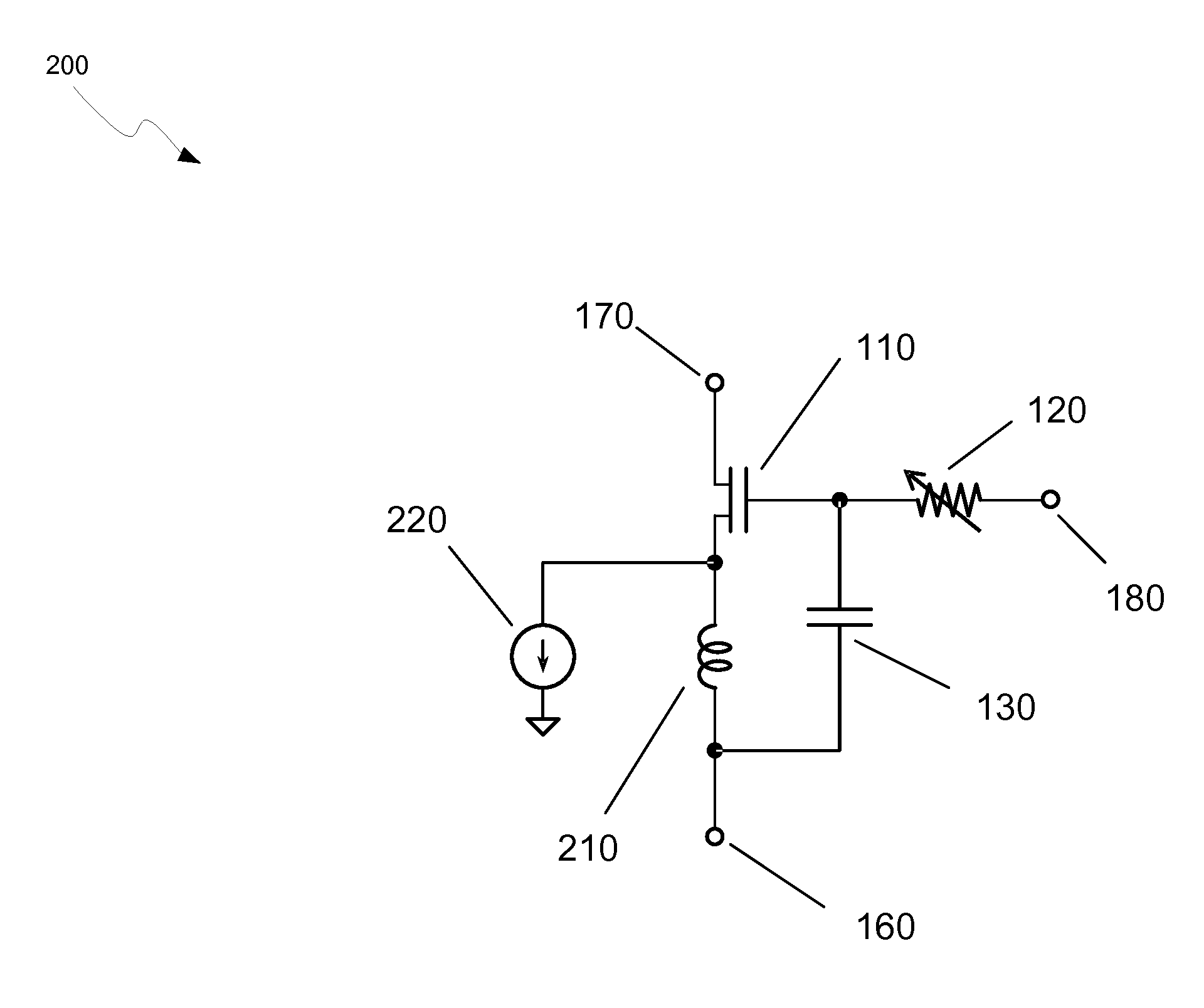
Method and system for bandwidth enhancement using hybrid inductors
PatentActiveUS20110063024A1
Innovation
- A system and method utilizing hybrid inductors comprising a transistor, capacitor, and resistor to provide an electrical impedance that increases with frequency, enhancing bandwidth by configuring transconductance, resistance, and capacitance, and applying a constant voltage, allowing for signal amplification and improved power efficiency.

Datacenter optics (DCO) edge mount transciever assembly and plug connector
PatentWO2014105136A1
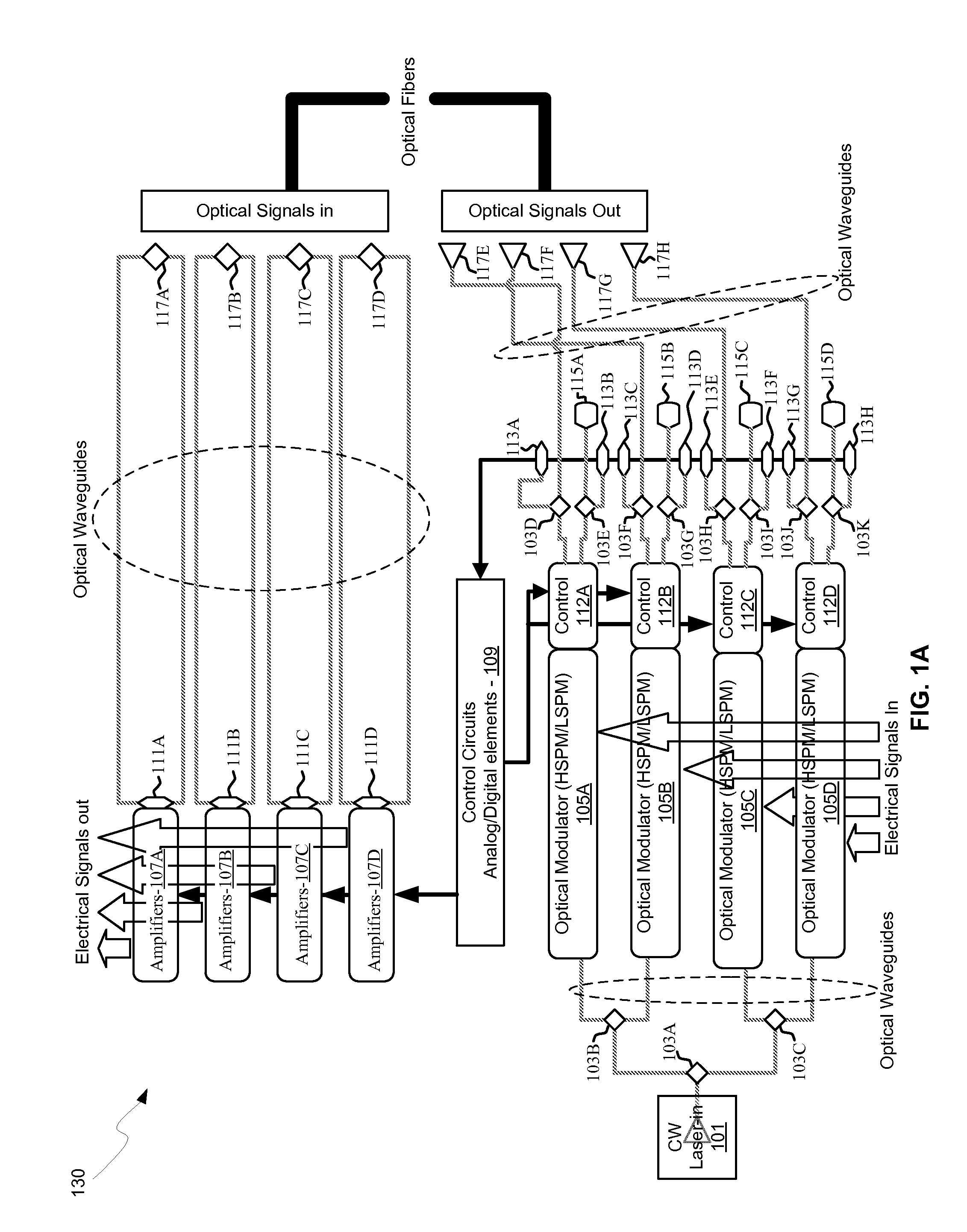
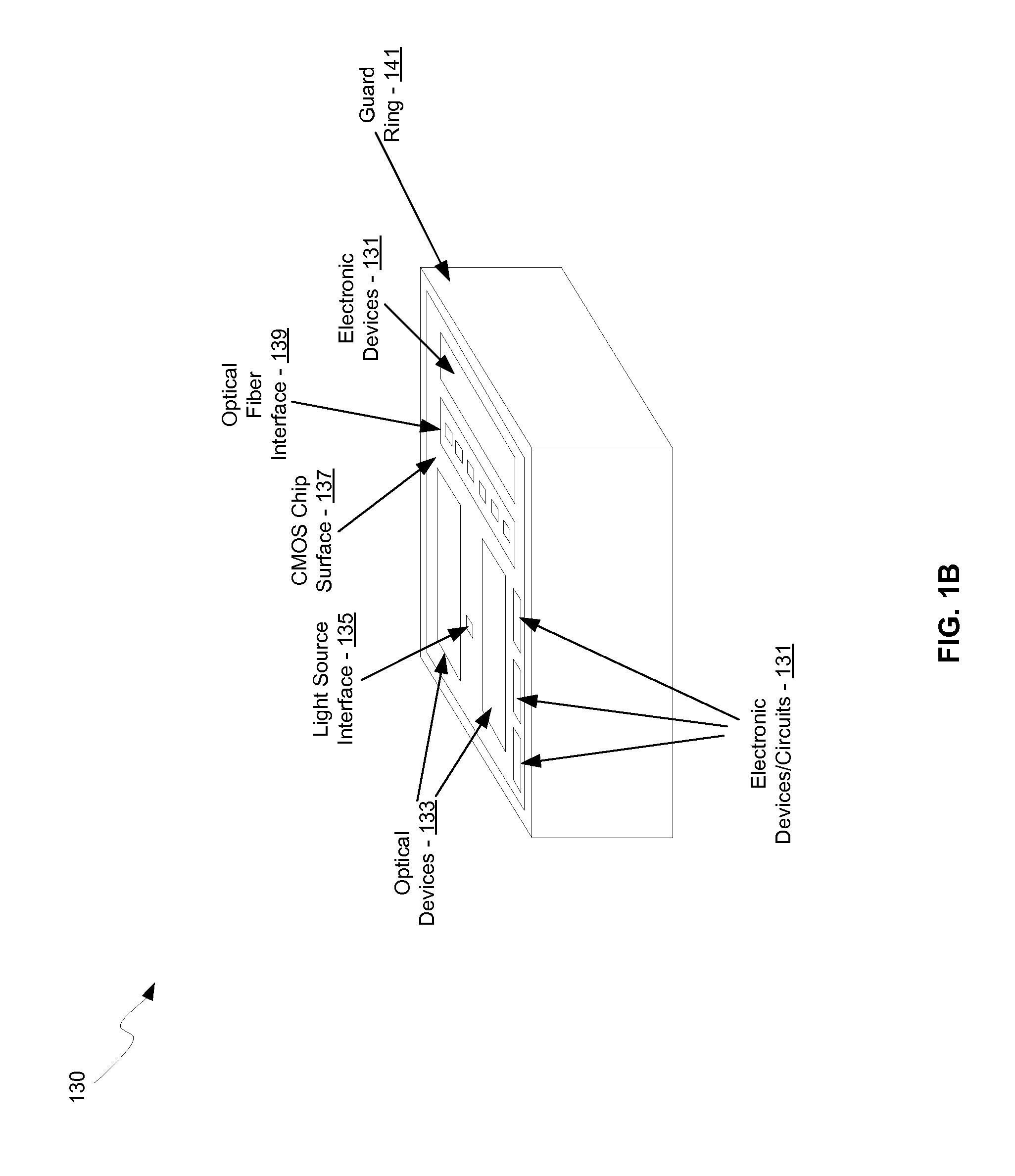
Innovation
- The edge mount optical transceiver assembly and plug connector system, which includes a plug lens with separate transmit and receive lens arrays and a metallic outer shield, allows for field-swappable transceiver modules and hybrid optical-electrical connections, enabling scalable high-speed data transfer between servers within a datacenter.


Energy Efficiency Standards for Data Center Networks
Energy efficiency has become a critical consideration in modern data center network design, particularly when evaluating the performance differences between optical and copper fabric implementations. The growing emphasis on sustainable computing infrastructure has led to the establishment of comprehensive energy efficiency standards that directly impact bandwidth utilization strategies and technology selection decisions.
Current energy efficiency standards for data center networks are primarily governed by frameworks such as the Energy Star program, ASHRAE guidelines, and emerging IEEE standards specifically targeting network equipment power consumption. These standards establish baseline metrics for power usage effectiveness (PUE) and introduce specific requirements for network infrastructure components, including switches, routers, and transmission media.
Optical data center fabrics demonstrate superior energy efficiency characteristics compared to copper-based solutions, particularly in high-bandwidth scenarios. Optical transceivers, while initially consuming more power per port, achieve significantly better energy-per-bit ratios when operating at full capacity. Standards such as IEEE 802.3bs and emerging 800G Ethernet specifications incorporate energy efficiency requirements that favor optical implementations for backbone and spine-leaf architectures.
Copper-based fabrics face increasing challenges in meeting evolving energy efficiency standards, especially at higher data rates. The power consumption of copper transceivers scales exponentially with distance and bandwidth requirements, making them less suitable for meeting stringent energy efficiency targets in large-scale deployments. Current standards recognize these limitations and provide different efficiency thresholds for copper and optical solutions.
Regulatory frameworks are evolving to address the environmental impact of data center operations, with energy efficiency standards becoming more stringent. The European Union's Energy Efficiency Directive and similar regulations in other regions are driving the adoption of more efficient networking technologies, creating a regulatory environment that increasingly favors optical solutions for high-bandwidth applications.
Future energy efficiency standards are expected to incorporate dynamic power management requirements, adaptive bandwidth allocation, and real-time energy monitoring capabilities. These emerging standards will likely establish more granular metrics that account for actual bandwidth utilization patterns rather than peak power consumption alone, potentially reshaping the comparative advantages between optical and copper fabric implementations in data center environments.
Current energy efficiency standards for data center networks are primarily governed by frameworks such as the Energy Star program, ASHRAE guidelines, and emerging IEEE standards specifically targeting network equipment power consumption. These standards establish baseline metrics for power usage effectiveness (PUE) and introduce specific requirements for network infrastructure components, including switches, routers, and transmission media.
Optical data center fabrics demonstrate superior energy efficiency characteristics compared to copper-based solutions, particularly in high-bandwidth scenarios. Optical transceivers, while initially consuming more power per port, achieve significantly better energy-per-bit ratios when operating at full capacity. Standards such as IEEE 802.3bs and emerging 800G Ethernet specifications incorporate energy efficiency requirements that favor optical implementations for backbone and spine-leaf architectures.
Copper-based fabrics face increasing challenges in meeting evolving energy efficiency standards, especially at higher data rates. The power consumption of copper transceivers scales exponentially with distance and bandwidth requirements, making them less suitable for meeting stringent energy efficiency targets in large-scale deployments. Current standards recognize these limitations and provide different efficiency thresholds for copper and optical solutions.
Regulatory frameworks are evolving to address the environmental impact of data center operations, with energy efficiency standards becoming more stringent. The European Union's Energy Efficiency Directive and similar regulations in other regions are driving the adoption of more efficient networking technologies, creating a regulatory environment that increasingly favors optical solutions for high-bandwidth applications.
Future energy efficiency standards are expected to incorporate dynamic power management requirements, adaptive bandwidth allocation, and real-time energy monitoring capabilities. These emerging standards will likely establish more granular metrics that account for actual bandwidth utilization patterns rather than peak power consumption alone, potentially reshaping the comparative advantages between optical and copper fabric implementations in data center environments.
Cost-Performance Trade-offs in Fabric Selection
The selection of data center fabric technology involves a complex evaluation of cost versus performance metrics, where optical and copper solutions present distinctly different value propositions. Initial capital expenditure analysis reveals that copper-based fabrics typically require lower upfront investment for short-distance connections, with standard Cat6A and DAC cables offering cost-effective solutions for rack-to-rack connectivity within 10-meter ranges. However, optical fabrics demonstrate superior long-term value when considering total cost of ownership across extended deployment periods.
Performance scaling characteristics significantly impact cost-effectiveness calculations. Copper fabrics face inherent bandwidth limitations and signal degradation over distance, necessitating additional infrastructure investments such as repeaters and higher-grade cabling for extended reach applications. Optical solutions maintain consistent performance across longer distances while supporting higher bandwidth densities, reducing the need for infrastructure multiplication as data center requirements grow.
Power consumption patterns create substantial operational cost differentials between fabric types. Optical transceivers generally consume more power per port initially, but this disadvantage diminishes at higher speeds where copper solutions require more aggressive signal processing and error correction mechanisms. At 100GbE and beyond, optical fabrics often demonstrate superior power efficiency, translating to reduced cooling requirements and lower operational expenses over the facility lifecycle.
Maintenance and replacement cost considerations favor optical fabrics in high-density environments. Copper cables are more susceptible to electromagnetic interference and physical wear, leading to higher replacement frequencies and troubleshooting overhead. Optical fibers provide greater reliability and longer service life, reducing maintenance-related downtime costs and operational disruption.
Future-proofing investments represent a critical cost-performance factor in fabric selection decisions. Optical infrastructure supports seamless migration to higher bandwidth standards without requiring complete cable plant replacement, while copper solutions may necessitate full infrastructure overhauls when transitioning between speed generations. This scalability advantage makes optical fabrics increasingly attractive for organizations planning multi-year technology roadmaps, despite higher initial deployment costs.
Performance scaling characteristics significantly impact cost-effectiveness calculations. Copper fabrics face inherent bandwidth limitations and signal degradation over distance, necessitating additional infrastructure investments such as repeaters and higher-grade cabling for extended reach applications. Optical solutions maintain consistent performance across longer distances while supporting higher bandwidth densities, reducing the need for infrastructure multiplication as data center requirements grow.
Power consumption patterns create substantial operational cost differentials between fabric types. Optical transceivers generally consume more power per port initially, but this disadvantage diminishes at higher speeds where copper solutions require more aggressive signal processing and error correction mechanisms. At 100GbE and beyond, optical fabrics often demonstrate superior power efficiency, translating to reduced cooling requirements and lower operational expenses over the facility lifecycle.
Maintenance and replacement cost considerations favor optical fabrics in high-density environments. Copper cables are more susceptible to electromagnetic interference and physical wear, leading to higher replacement frequencies and troubleshooting overhead. Optical fibers provide greater reliability and longer service life, reducing maintenance-related downtime costs and operational disruption.
Future-proofing investments represent a critical cost-performance factor in fabric selection decisions. Optical infrastructure supports seamless migration to higher bandwidth standards without requiring complete cable plant replacement, while copper solutions may necessitate full infrastructure overhauls when transitioning between speed generations. This scalability advantage makes optical fabrics increasingly attractive for organizations planning multi-year technology roadmaps, despite higher initial deployment costs.
Unlock deeper insights with PatSnap Eureka Quick Research — get a full tech report to explore trends and direct your research. Try now!
Generate Your Research Report Instantly with AI Agent
Supercharge your innovation with PatSnap Eureka AI Agent Platform!