Comparing Compression vs Adsorption in Gas Separation Systems
MAR 23, 20269 MIN READ
Generate Your Research Report Instantly with AI Agent
Patsnap Eureka helps you evaluate technical feasibility & market potential.
Gas Separation Technology Background and Objectives
Gas separation technology has evolved significantly over the past century, driven by increasing industrial demands for pure gas streams and environmental regulations requiring efficient separation processes. The fundamental challenge lies in selectively separating target gases from complex mixtures while maintaining economic viability and operational efficiency. Traditional separation methods have expanded from simple physical processes to sophisticated engineered systems incorporating advanced materials and process optimization.
The historical development of gas separation can be traced through several key phases. Early industrial applications relied primarily on cryogenic distillation and absorption processes, which dominated the landscape until the mid-20th century. The emergence of membrane technology in the 1970s marked a significant shift, followed by rapid advancements in adsorption materials and pressure swing adsorption systems in the 1980s and 1990s.
Contemporary gas separation challenges encompass diverse applications including natural gas processing, hydrogen purification, carbon dioxide capture, air separation, and biogas upgrading. Each application presents unique requirements regarding purity levels, throughput capacity, energy consumption, and economic constraints. The complexity increases when dealing with multi-component gas streams containing trace contaminants or corrosive species.
Compression-based separation systems leverage thermodynamic principles to achieve phase changes or enhance other separation mechanisms. These systems typically operate through pressure manipulation, enabling processes such as condensation, enhanced absorption, or membrane permeation. The technology offers advantages in handling high-volume gas streams and achieving high recovery rates, particularly suitable for applications requiring continuous operation and high throughput.
Adsorption-based separation systems utilize selective material interactions to preferentially capture target components from gas mixtures. Modern adsorbent materials, including zeolites, activated carbons, metal-organic frameworks, and engineered composites, provide tailored selectivity for specific gas pairs. These systems excel in applications requiring high purity products and can operate effectively at moderate pressures and temperatures.
The primary objective of comparing these two approaches centers on identifying optimal technology selection criteria for specific applications. Key performance indicators include separation efficiency, energy consumption, capital investment requirements, operational complexity, maintenance demands, and environmental impact. Understanding the trade-offs between compression and adsorption systems enables informed decision-making for industrial implementation.
Future technology development aims to bridge the gap between these approaches through hybrid systems, advanced process integration, and novel materials development. The integration of digitalization and process optimization algorithms presents opportunities for enhanced performance and reduced operational costs across both technology platforms.
The historical development of gas separation can be traced through several key phases. Early industrial applications relied primarily on cryogenic distillation and absorption processes, which dominated the landscape until the mid-20th century. The emergence of membrane technology in the 1970s marked a significant shift, followed by rapid advancements in adsorption materials and pressure swing adsorption systems in the 1980s and 1990s.
Contemporary gas separation challenges encompass diverse applications including natural gas processing, hydrogen purification, carbon dioxide capture, air separation, and biogas upgrading. Each application presents unique requirements regarding purity levels, throughput capacity, energy consumption, and economic constraints. The complexity increases when dealing with multi-component gas streams containing trace contaminants or corrosive species.
Compression-based separation systems leverage thermodynamic principles to achieve phase changes or enhance other separation mechanisms. These systems typically operate through pressure manipulation, enabling processes such as condensation, enhanced absorption, or membrane permeation. The technology offers advantages in handling high-volume gas streams and achieving high recovery rates, particularly suitable for applications requiring continuous operation and high throughput.
Adsorption-based separation systems utilize selective material interactions to preferentially capture target components from gas mixtures. Modern adsorbent materials, including zeolites, activated carbons, metal-organic frameworks, and engineered composites, provide tailored selectivity for specific gas pairs. These systems excel in applications requiring high purity products and can operate effectively at moderate pressures and temperatures.
The primary objective of comparing these two approaches centers on identifying optimal technology selection criteria for specific applications. Key performance indicators include separation efficiency, energy consumption, capital investment requirements, operational complexity, maintenance demands, and environmental impact. Understanding the trade-offs between compression and adsorption systems enables informed decision-making for industrial implementation.
Future technology development aims to bridge the gap between these approaches through hybrid systems, advanced process integration, and novel materials development. The integration of digitalization and process optimization algorithms presents opportunities for enhanced performance and reduced operational costs across both technology platforms.
Market Demand for Advanced Gas Separation Solutions
The global gas separation market is experiencing unprecedented growth driven by stringent environmental regulations and the urgent need for cleaner industrial processes. Industries worldwide are increasingly seeking advanced separation technologies that can deliver higher efficiency, lower energy consumption, and reduced environmental impact compared to traditional methods.
The petrochemical and refining sectors represent the largest demand segment for gas separation solutions, particularly for hydrogen purification, carbon dioxide removal, and hydrocarbon recovery applications. These industries are under mounting pressure to reduce emissions while maintaining operational efficiency, creating substantial opportunities for both compression and adsorption-based separation systems.
Natural gas processing facilities are driving significant demand for advanced separation technologies to meet increasingly strict pipeline specifications and environmental standards. The growing emphasis on carbon capture and storage initiatives has further amplified the need for efficient CO2 separation systems, with both compression and adsorption technologies competing to address these requirements.
The industrial gases sector continues to expand rapidly, fueled by growing demand from electronics manufacturing, healthcare, and food processing industries. This expansion necessitates more sophisticated separation systems capable of producing ultra-high purity gases while minimizing energy costs and operational complexity.
Emerging applications in renewable energy storage, particularly hydrogen production and purification for fuel cell applications, are creating new market segments with specific performance requirements. These applications often demand rapid cycling capabilities and high selectivity, influencing the choice between compression and adsorption technologies.
The pharmaceutical and biotechnology industries are increasingly adopting advanced gas separation systems for process optimization and product quality enhancement. These sectors prioritize reliability, contamination prevention, and precise control over separation parameters, driving demand for specialized solutions.
Regional market dynamics vary significantly, with Asia-Pacific leading growth due to rapid industrialization and expanding chemical processing capacity. North American and European markets focus more on upgrading existing facilities with energy-efficient technologies to meet environmental compliance requirements.
Market forecasts indicate sustained growth across all major application segments, with particular strength in carbon management and clean energy applications driving innovation in both compression and adsorption-based separation technologies.
The petrochemical and refining sectors represent the largest demand segment for gas separation solutions, particularly for hydrogen purification, carbon dioxide removal, and hydrocarbon recovery applications. These industries are under mounting pressure to reduce emissions while maintaining operational efficiency, creating substantial opportunities for both compression and adsorption-based separation systems.
Natural gas processing facilities are driving significant demand for advanced separation technologies to meet increasingly strict pipeline specifications and environmental standards. The growing emphasis on carbon capture and storage initiatives has further amplified the need for efficient CO2 separation systems, with both compression and adsorption technologies competing to address these requirements.
The industrial gases sector continues to expand rapidly, fueled by growing demand from electronics manufacturing, healthcare, and food processing industries. This expansion necessitates more sophisticated separation systems capable of producing ultra-high purity gases while minimizing energy costs and operational complexity.
Emerging applications in renewable energy storage, particularly hydrogen production and purification for fuel cell applications, are creating new market segments with specific performance requirements. These applications often demand rapid cycling capabilities and high selectivity, influencing the choice between compression and adsorption technologies.
The pharmaceutical and biotechnology industries are increasingly adopting advanced gas separation systems for process optimization and product quality enhancement. These sectors prioritize reliability, contamination prevention, and precise control over separation parameters, driving demand for specialized solutions.
Regional market dynamics vary significantly, with Asia-Pacific leading growth due to rapid industrialization and expanding chemical processing capacity. North American and European markets focus more on upgrading existing facilities with energy-efficient technologies to meet environmental compliance requirements.
Market forecasts indicate sustained growth across all major application segments, with particular strength in carbon management and clean energy applications driving innovation in both compression and adsorption-based separation technologies.
Current Status of Compression vs Adsorption Technologies
Gas separation technologies have evolved significantly over the past decades, with compression and adsorption emerging as two dominant approaches for industrial applications. Compression-based systems utilize mechanical energy to create pressure differentials that enable selective gas separation, while adsorption technologies rely on the preferential binding of target molecules to solid surfaces through physical or chemical interactions.
Compression technologies currently dominate large-scale industrial gas separation processes, particularly in natural gas processing, air separation, and petrochemical applications. Modern compression systems achieve separation efficiencies exceeding 95% for many gas mixtures, with established infrastructure supporting capacities ranging from hundreds to thousands of cubic meters per hour. The technology benefits from mature engineering practices, standardized equipment designs, and well-understood operational parameters.
Adsorption-based separation systems have gained substantial traction in recent years, driven by advances in material science and process optimization. Pressure Swing Adsorption (PSA) and Temperature Swing Adsorption (TSA) represent the most commercially viable adsorption approaches, with PSA systems particularly successful in hydrogen purification and oxygen concentration applications. These systems typically operate at lower energy intensities compared to compression, especially for smaller-scale operations.
Current compression technologies face significant challenges related to energy consumption and operational costs. High-pressure compression requires substantial electrical input, with energy costs often representing 60-70% of total operational expenses. Additionally, compression systems generate considerable heat, necessitating cooling infrastructure that adds complexity and maintenance requirements.
Adsorption technologies encounter different constraints, primarily related to adsorbent material performance and regeneration cycles. Current adsorbents exhibit limited selectivity for certain gas pairs, particularly those with similar molecular properties. Regeneration processes often require significant thermal energy or vacuum conditions, impacting overall system efficiency and creating operational bottlenecks.
Hybrid approaches combining compression and adsorption elements are emerging as promising solutions to address individual technology limitations. These integrated systems leverage compression for initial separation stages while utilizing adsorption for final purification steps, optimizing energy consumption and separation performance across diverse operating conditions.
The geographical distribution of these technologies reflects regional industrial priorities and energy costs. Compression-dominated facilities concentrate in regions with abundant low-cost electricity, while adsorption systems show increased adoption in areas prioritizing energy efficiency and environmental considerations.
Compression technologies currently dominate large-scale industrial gas separation processes, particularly in natural gas processing, air separation, and petrochemical applications. Modern compression systems achieve separation efficiencies exceeding 95% for many gas mixtures, with established infrastructure supporting capacities ranging from hundreds to thousands of cubic meters per hour. The technology benefits from mature engineering practices, standardized equipment designs, and well-understood operational parameters.
Adsorption-based separation systems have gained substantial traction in recent years, driven by advances in material science and process optimization. Pressure Swing Adsorption (PSA) and Temperature Swing Adsorption (TSA) represent the most commercially viable adsorption approaches, with PSA systems particularly successful in hydrogen purification and oxygen concentration applications. These systems typically operate at lower energy intensities compared to compression, especially for smaller-scale operations.
Current compression technologies face significant challenges related to energy consumption and operational costs. High-pressure compression requires substantial electrical input, with energy costs often representing 60-70% of total operational expenses. Additionally, compression systems generate considerable heat, necessitating cooling infrastructure that adds complexity and maintenance requirements.
Adsorption technologies encounter different constraints, primarily related to adsorbent material performance and regeneration cycles. Current adsorbents exhibit limited selectivity for certain gas pairs, particularly those with similar molecular properties. Regeneration processes often require significant thermal energy or vacuum conditions, impacting overall system efficiency and creating operational bottlenecks.
Hybrid approaches combining compression and adsorption elements are emerging as promising solutions to address individual technology limitations. These integrated systems leverage compression for initial separation stages while utilizing adsorption for final purification steps, optimizing energy consumption and separation performance across diverse operating conditions.
The geographical distribution of these technologies reflects regional industrial priorities and energy costs. Compression-dominated facilities concentrate in regions with abundant low-cost electricity, while adsorption systems show increased adoption in areas prioritizing energy efficiency and environmental considerations.
Major Players in Gas Separation Equipment Industry
The gas separation systems market comparing compression versus adsorption technologies is experiencing significant growth driven by industrial decarbonization and energy efficiency demands. The industry is in a mature expansion phase with established players like Air Liquide SA, Praxair Technology, and Siemens Energy Global leading traditional compression technologies, while innovative companies such as Climeworks AG and Svante Technologies are advancing adsorption-based solutions for carbon capture applications. Technology maturity varies significantly across segments, with compression systems being well-established in industrial gas production through companies like Osaka Gas and Air Water, while adsorption technologies show emerging potential particularly in specialized applications. Major steel manufacturers including NIPPON STEEL CORP. and JFE Steel Corp. are driving demand for advanced separation systems, while research institutions like China Petroleum University Beijing and Southern University of Science & Technology are contributing to technological advancement, creating a competitive landscape where traditional and innovative approaches coexist.
Air Liquide SA
Technical Solution: Air Liquide employs advanced cryogenic compression technology for gas separation, utilizing multi-stage compression systems with intercooling to achieve high-purity gas separation. Their technology combines pressure swing adsorption (PSA) and membrane separation for oxygen and nitrogen production. The company's compression-based systems operate at pressures up to 300 bar with energy recovery systems that reduce overall power consumption by 15-20%. Their integrated approach includes heat exchangers and distillation columns optimized for industrial-scale operations, serving sectors from healthcare to steel production with customized gas separation solutions.
Strengths: Global market leadership, proven industrial-scale technology, comprehensive service network. Weaknesses: High capital investment requirements, energy-intensive processes, complex maintenance needs.
Praxair Technology, Inc.
Technical Solution: Praxair (now part of Linde) utilizes vacuum pressure swing adsorption (VPSA) technology combined with cryogenic compression for oxygen and nitrogen separation from air. Their systems employ zeolite molecular sieves in multi-bed configurations operating at pressures ranging from vacuum to 2 bar gauge. The technology achieves oxygen purities of 90-95% with production capacities from 1 to 2,000 tons per day. Their integrated approach includes waste heat recovery and advanced process control systems that optimize energy efficiency, reducing power consumption by up to 25% compared to traditional cryogenic separation methods for medium-scale applications.
Strengths: Proven VPSA technology, energy-efficient operations, wide capacity range. Weaknesses: Limited to medium-scale applications, adsorbent replacement costs, sensitivity to feed gas composition variations.
Core Technical Innovations in Gas Separation Methods
Pressure swing adsorption with axial or centrifugal compression machinery
PatentInactiveUS6488747B1
Innovation
- A gas separation system employing a rotary module with axial or centrifugal compression machinery and a gas turbine, utilizing multiple pressure levels and nitrogen-selective adsorbents like Li--LSX and Ca--LSX, to optimize pressure swing adsorption processes, reducing throttling losses and enhancing efficiency through steady gas flow and pressure.


Apparatus for thermal swing adsorption and thermally-enhanced pressure swing adsorption
PatentInactiveUS6974496B2
Innovation
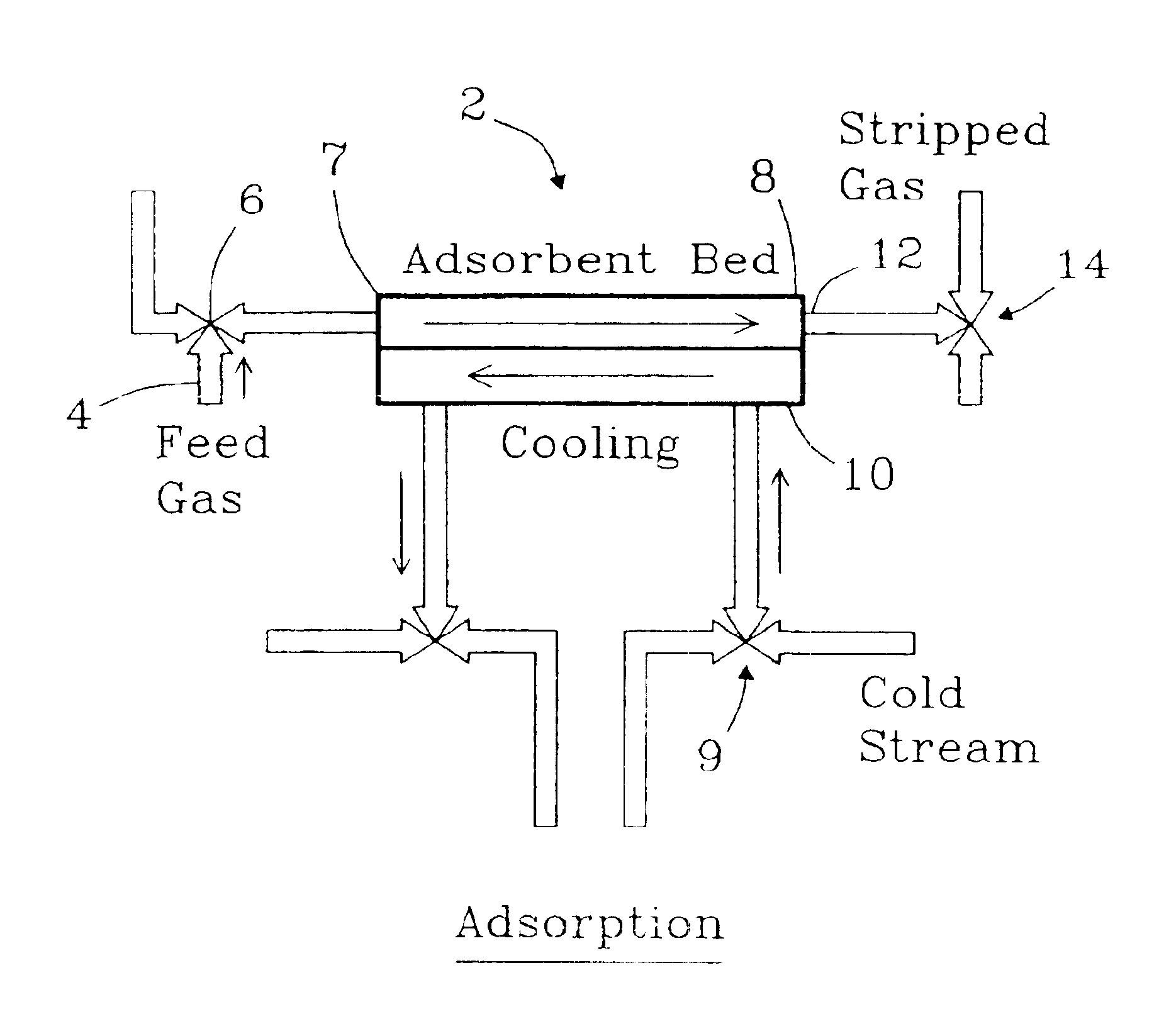
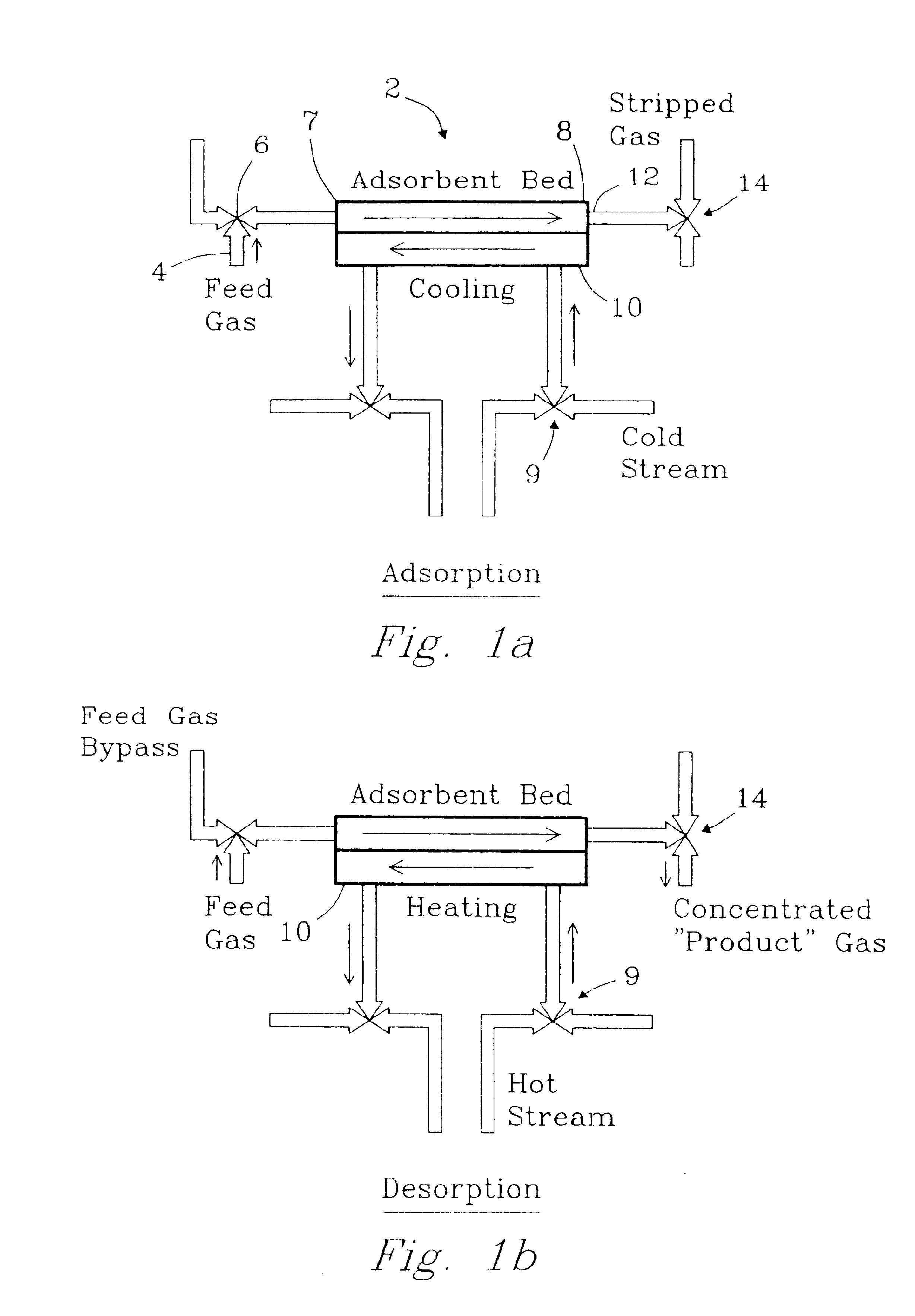
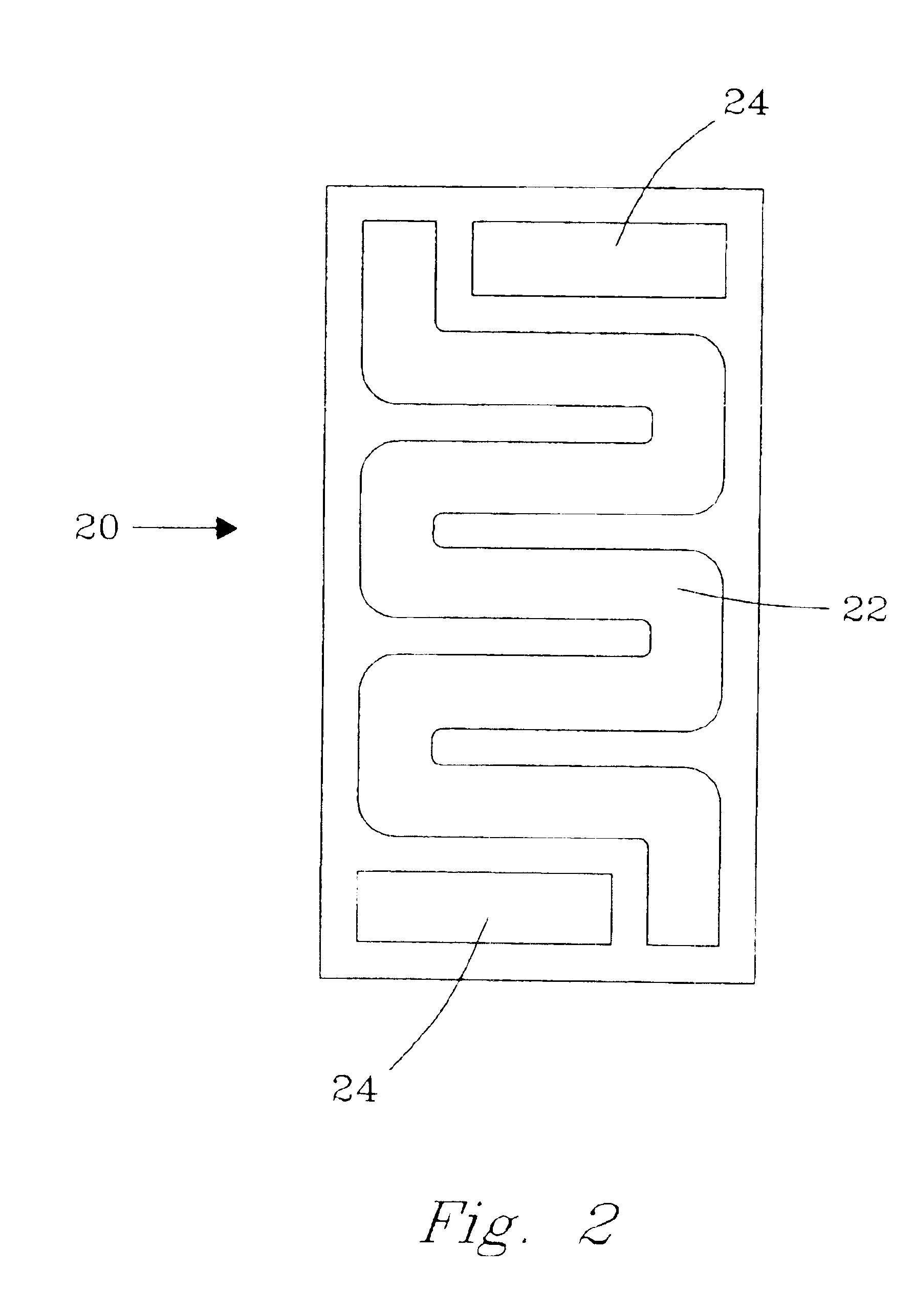
- A sorption pump design incorporating an adsorption layer with mesochannels and a heat exchanger, allowing direct gas contact with adsorption media without a contactor, and featuring thermal connections for rapid heat transfer and thermal recuperation, enabling efficient gas adsorption and desorption cycles.

Environmental Impact Assessment of Gas Separation
The environmental implications of gas separation technologies represent a critical consideration in industrial process selection, with compression and adsorption systems exhibiting distinctly different ecological footprints. Both technologies contribute to environmental impact through energy consumption patterns, material utilization, and operational emissions, necessitating comprehensive assessment frameworks to guide sustainable implementation strategies.
Energy consumption constitutes the primary environmental concern for compression-based separation systems. These systems typically require substantial electrical power to achieve the high pressures necessary for effective gas separation, resulting in significant carbon dioxide emissions when powered by fossil fuel-based electricity grids. The energy intensity varies considerably based on compression ratios, with higher separation requirements demanding exponentially increased power consumption and corresponding environmental burden.
Adsorption systems present a contrasting environmental profile characterized by lower operational energy requirements but higher material consumption. The production of specialized adsorbent materials, particularly synthetic zeolites and metal-organic frameworks, involves energy-intensive manufacturing processes and potentially hazardous chemical precursors. Additionally, the periodic regeneration of adsorbent beds requires thermal energy input, contributing to overall system emissions.
Lifecycle assessment considerations reveal significant differences between the two technologies. Compression systems typically demonstrate longer operational lifespans with minimal material replacement requirements, while adsorption systems necessitate periodic adsorbent replacement due to degradation and contamination. The disposal and recycling of spent adsorbent materials present additional environmental challenges, particularly for systems handling toxic or corrosive gas streams.
Water consumption patterns differ substantially between technologies. Compression systems often require cooling water for intercooling and aftercooling applications, potentially impacting local water resources and aquatic ecosystems through thermal discharge. Conversely, adsorption systems generally operate with minimal water requirements, presenting advantages in water-scarce regions.
The carbon footprint analysis reveals complex trade-offs between operational and embodied emissions. While compression systems exhibit higher operational emissions due to energy consumption, adsorption systems may demonstrate elevated embodied carbon from material production and replacement cycles. Regional electricity grid composition significantly influences the comparative environmental performance, with renewable energy sources favoring compression technologies and carbon-intensive grids potentially advantaging adsorption approaches.
Energy consumption constitutes the primary environmental concern for compression-based separation systems. These systems typically require substantial electrical power to achieve the high pressures necessary for effective gas separation, resulting in significant carbon dioxide emissions when powered by fossil fuel-based electricity grids. The energy intensity varies considerably based on compression ratios, with higher separation requirements demanding exponentially increased power consumption and corresponding environmental burden.
Adsorption systems present a contrasting environmental profile characterized by lower operational energy requirements but higher material consumption. The production of specialized adsorbent materials, particularly synthetic zeolites and metal-organic frameworks, involves energy-intensive manufacturing processes and potentially hazardous chemical precursors. Additionally, the periodic regeneration of adsorbent beds requires thermal energy input, contributing to overall system emissions.
Lifecycle assessment considerations reveal significant differences between the two technologies. Compression systems typically demonstrate longer operational lifespans with minimal material replacement requirements, while adsorption systems necessitate periodic adsorbent replacement due to degradation and contamination. The disposal and recycling of spent adsorbent materials present additional environmental challenges, particularly for systems handling toxic or corrosive gas streams.
Water consumption patterns differ substantially between technologies. Compression systems often require cooling water for intercooling and aftercooling applications, potentially impacting local water resources and aquatic ecosystems through thermal discharge. Conversely, adsorption systems generally operate with minimal water requirements, presenting advantages in water-scarce regions.
The carbon footprint analysis reveals complex trade-offs between operational and embodied emissions. While compression systems exhibit higher operational emissions due to energy consumption, adsorption systems may demonstrate elevated embodied carbon from material production and replacement cycles. Regional electricity grid composition significantly influences the comparative environmental performance, with renewable energy sources favoring compression technologies and carbon-intensive grids potentially advantaging adsorption approaches.
Energy Efficiency Optimization in Gas Processing
Energy efficiency optimization represents a critical performance metric in gas processing operations, directly impacting operational costs, environmental sustainability, and overall system viability. In the context of compression versus adsorption-based gas separation systems, energy consumption patterns differ significantly, necessitating comprehensive analysis to identify optimal operational parameters and design configurations.
Compression-based separation systems typically exhibit high initial energy demands during the compression phase, where mechanical energy is converted to increase gas pressure and facilitate separation. The energy efficiency of these systems largely depends on compressor design, multi-stage compression configurations, and heat recovery mechanisms. Modern compression systems achieve energy optimization through intercooling, aftercooling, and waste heat recovery, with overall energy efficiency ranging from 75-85% in well-designed installations.
Adsorption-based systems demonstrate different energy consumption profiles, with primary energy requirements focused on regeneration processes rather than continuous mechanical compression. Pressure swing adsorption (PSA) and temperature swing adsorption (TSA) systems require energy for desorption cycles, typically consuming 20-40% less energy than equivalent compression systems for specific gas separation applications. The energy efficiency optimization in adsorption systems centers on cycle time optimization, pressure ratio management, and heat integration strategies.
Hybrid approaches combining both technologies offer promising energy efficiency improvements. Sequential compression-adsorption configurations can reduce overall energy consumption by 15-25% compared to standalone systems, particularly in applications requiring high purity levels. These integrated systems leverage the strengths of each technology while mitigating individual limitations.
Advanced energy optimization strategies include variable speed drive implementation, process heat integration, and real-time optimization algorithms. Machine learning-based control systems enable dynamic adjustment of operational parameters, achieving energy savings of 8-12% through predictive optimization. Additionally, renewable energy integration and energy storage systems are increasingly being incorporated to enhance overall energy efficiency and reduce carbon footprint in gas processing operations.
Compression-based separation systems typically exhibit high initial energy demands during the compression phase, where mechanical energy is converted to increase gas pressure and facilitate separation. The energy efficiency of these systems largely depends on compressor design, multi-stage compression configurations, and heat recovery mechanisms. Modern compression systems achieve energy optimization through intercooling, aftercooling, and waste heat recovery, with overall energy efficiency ranging from 75-85% in well-designed installations.
Adsorption-based systems demonstrate different energy consumption profiles, with primary energy requirements focused on regeneration processes rather than continuous mechanical compression. Pressure swing adsorption (PSA) and temperature swing adsorption (TSA) systems require energy for desorption cycles, typically consuming 20-40% less energy than equivalent compression systems for specific gas separation applications. The energy efficiency optimization in adsorption systems centers on cycle time optimization, pressure ratio management, and heat integration strategies.
Hybrid approaches combining both technologies offer promising energy efficiency improvements. Sequential compression-adsorption configurations can reduce overall energy consumption by 15-25% compared to standalone systems, particularly in applications requiring high purity levels. These integrated systems leverage the strengths of each technology while mitigating individual limitations.
Advanced energy optimization strategies include variable speed drive implementation, process heat integration, and real-time optimization algorithms. Machine learning-based control systems enable dynamic adjustment of operational parameters, achieving energy savings of 8-12% through predictive optimization. Additionally, renewable energy integration and energy storage systems are increasingly being incorporated to enhance overall energy efficiency and reduce carbon footprint in gas processing operations.
Unlock deeper insights with Patsnap Eureka Quick Research — get a full tech report to explore trends and direct your research. Try now!
Generate Your Research Report Instantly with AI Agent
Supercharge your innovation with Patsnap Eureka AI Agent Platform!