Comparing Impact Absorption: Biomimetic vs Mechanical Actuators
APR 20, 20269 MIN READ
Generate Your Research Report Instantly with AI Agent
Patsnap Eureka helps you evaluate technical feasibility & market potential.
Biomimetic vs Mechanical Impact Absorption Background and Goals
Impact absorption technology has evolved significantly over the past century, driven by the increasing demand for protective systems across diverse applications ranging from automotive safety to robotics and aerospace engineering. Traditional mechanical actuators have dominated this field through spring-damper systems, hydraulic mechanisms, and pneumatic solutions that rely on engineered materials and precise manufacturing tolerances to dissipate kinetic energy during collisions or sudden impacts.
The emergence of biomimetic approaches represents a paradigm shift in impact absorption design philosophy. Nature has perfected energy dissipation mechanisms through millions of years of evolution, creating structures that demonstrate remarkable efficiency in absorbing and redistributing impact forces. Examples include the hierarchical structure of woodpecker skulls that prevent brain damage during high-speed pecking, the shock-absorbing properties of mantis shrimp appendages during powerful strikes, and the energy dissipation capabilities of spider webs under dynamic loading conditions.
Current technological trends indicate a convergence between traditional mechanical engineering principles and biological design strategies. This convergence is facilitated by advances in materials science, particularly the development of smart materials, metamaterials, and additive manufacturing techniques that enable the replication of complex biological structures at various scales. The integration of computational modeling and simulation tools has further accelerated the understanding of how biological systems achieve superior impact absorption performance.
The primary technical objectives driving this comparative analysis include quantifying the energy absorption efficiency differences between biomimetic and mechanical actuators under various loading conditions. Key performance metrics encompass peak force reduction, energy dissipation capacity, response time, durability under repeated impacts, and adaptability to different impact scenarios. Additionally, the investigation aims to establish design principles that could enable hybrid systems combining the reliability of mechanical actuators with the adaptive efficiency of biological mechanisms.
Manufacturing scalability and cost-effectiveness represent critical considerations in evaluating the practical viability of biomimetic solutions compared to established mechanical systems. The research objectives also encompass identifying specific application domains where each approach demonstrates superior performance characteristics, ultimately providing guidance for optimal technology selection based on operational requirements and constraints.
The emergence of biomimetic approaches represents a paradigm shift in impact absorption design philosophy. Nature has perfected energy dissipation mechanisms through millions of years of evolution, creating structures that demonstrate remarkable efficiency in absorbing and redistributing impact forces. Examples include the hierarchical structure of woodpecker skulls that prevent brain damage during high-speed pecking, the shock-absorbing properties of mantis shrimp appendages during powerful strikes, and the energy dissipation capabilities of spider webs under dynamic loading conditions.
Current technological trends indicate a convergence between traditional mechanical engineering principles and biological design strategies. This convergence is facilitated by advances in materials science, particularly the development of smart materials, metamaterials, and additive manufacturing techniques that enable the replication of complex biological structures at various scales. The integration of computational modeling and simulation tools has further accelerated the understanding of how biological systems achieve superior impact absorption performance.
The primary technical objectives driving this comparative analysis include quantifying the energy absorption efficiency differences between biomimetic and mechanical actuators under various loading conditions. Key performance metrics encompass peak force reduction, energy dissipation capacity, response time, durability under repeated impacts, and adaptability to different impact scenarios. Additionally, the investigation aims to establish design principles that could enable hybrid systems combining the reliability of mechanical actuators with the adaptive efficiency of biological mechanisms.
Manufacturing scalability and cost-effectiveness represent critical considerations in evaluating the practical viability of biomimetic solutions compared to established mechanical systems. The research objectives also encompass identifying specific application domains where each approach demonstrates superior performance characteristics, ultimately providing guidance for optimal technology selection based on operational requirements and constraints.
Market Demand for Advanced Impact Absorption Systems
The global market for advanced impact absorption systems is experiencing unprecedented growth driven by escalating safety requirements across multiple industries. Automotive manufacturers face increasingly stringent crash test standards and consumer demands for enhanced occupant protection, creating substantial demand for innovative impact absorption technologies. The aerospace sector requires lightweight yet highly effective energy dissipation systems for aircraft landing gear, cargo protection, and passenger safety applications.
Defense and military applications represent another significant market segment, where personnel protection equipment, vehicle armor systems, and infrastructure safeguarding demand cutting-edge impact absorption solutions. The growing emphasis on soldier survivability and equipment protection in modern warfare scenarios continues to drive investment in advanced materials and actuator technologies.
Sports and recreational equipment markets are witnessing rapid expansion as athletes and consumers seek superior protection without compromising performance. Helmet manufacturers, protective gear producers, and sporting goods companies are actively pursuing biomimetic and mechanical actuator technologies to differentiate their products in competitive markets.
Industrial safety applications constitute a substantial demand driver, particularly in construction, manufacturing, and heavy machinery sectors. Workplace safety regulations and liability concerns compel companies to invest in advanced impact protection systems for both personnel and equipment. The increasing automation of industrial processes also creates new requirements for protective systems that can respond dynamically to varying impact scenarios.
Emerging applications in robotics and autonomous systems present significant growth opportunities. As robots operate in increasingly complex environments alongside humans, sophisticated impact absorption capabilities become essential for both operational effectiveness and safety compliance. The integration of biomimetic principles with mechanical actuators offers promising solutions for these evolving requirements.
Market demand is further amplified by technological convergence trends, where traditional mechanical systems are being enhanced with bio-inspired design principles. This hybrid approach addresses limitations of conventional solutions while opening new application possibilities across diverse sectors.
Defense and military applications represent another significant market segment, where personnel protection equipment, vehicle armor systems, and infrastructure safeguarding demand cutting-edge impact absorption solutions. The growing emphasis on soldier survivability and equipment protection in modern warfare scenarios continues to drive investment in advanced materials and actuator technologies.
Sports and recreational equipment markets are witnessing rapid expansion as athletes and consumers seek superior protection without compromising performance. Helmet manufacturers, protective gear producers, and sporting goods companies are actively pursuing biomimetic and mechanical actuator technologies to differentiate their products in competitive markets.
Industrial safety applications constitute a substantial demand driver, particularly in construction, manufacturing, and heavy machinery sectors. Workplace safety regulations and liability concerns compel companies to invest in advanced impact protection systems for both personnel and equipment. The increasing automation of industrial processes also creates new requirements for protective systems that can respond dynamically to varying impact scenarios.
Emerging applications in robotics and autonomous systems present significant growth opportunities. As robots operate in increasingly complex environments alongside humans, sophisticated impact absorption capabilities become essential for both operational effectiveness and safety compliance. The integration of biomimetic principles with mechanical actuators offers promising solutions for these evolving requirements.
Market demand is further amplified by technological convergence trends, where traditional mechanical systems are being enhanced with bio-inspired design principles. This hybrid approach addresses limitations of conventional solutions while opening new application possibilities across diverse sectors.
Current State and Challenges in Impact Absorption Technologies
Impact absorption technologies currently face significant challenges in balancing performance, efficiency, and adaptability across diverse applications. Traditional mechanical actuators dominate the market through established hydraulic, pneumatic, and electromagnetic systems, yet these solutions often struggle with energy efficiency and response time limitations. Mechanical systems typically achieve high force output but suffer from inherent delays in activation and substantial power consumption during operation.
Biomimetic actuators represent an emerging paradigm that draws inspiration from natural shock absorption mechanisms found in biological systems. These technologies attempt to replicate the adaptive properties observed in muscle fibers, tendons, and specialized anatomical structures. Current biomimetic approaches include shape memory alloys, electroactive polymers, and artificial muscle systems that demonstrate promising characteristics in laboratory environments.
The primary technical challenge lies in achieving rapid response times while maintaining consistent performance across varying impact magnitudes. Mechanical systems excel in predictable, high-force scenarios but lack the adaptive intelligence demonstrated by biological counterparts. Conversely, biomimetic actuators show superior adaptability and energy efficiency but currently face limitations in force generation and durability under repeated stress cycles.
Material degradation presents a critical obstacle for both technology categories. Mechanical actuators experience wear in moving components, seal failures, and fatigue in structural elements. Biomimetic systems encounter polymer degradation, reduced actuation efficiency over time, and sensitivity to environmental conditions such as temperature and humidity variations.
Integration complexity represents another significant hurdle, particularly in developing hybrid systems that combine mechanical reliability with biomimetic adaptability. Current control algorithms struggle to optimize the coordination between different actuator types, leading to suboptimal performance in real-world applications.
Manufacturing scalability remains a substantial barrier for biomimetic technologies, where specialized materials and fabrication processes result in higher production costs compared to established mechanical solutions. This economic challenge limits widespread adoption despite demonstrated technical advantages in specific applications.
The geographical distribution of technological advancement shows concentrated development in North America, Europe, and East Asia, with significant research gaps in emerging markets where cost-effective solutions are critically needed for infrastructure protection and safety applications.
Biomimetic actuators represent an emerging paradigm that draws inspiration from natural shock absorption mechanisms found in biological systems. These technologies attempt to replicate the adaptive properties observed in muscle fibers, tendons, and specialized anatomical structures. Current biomimetic approaches include shape memory alloys, electroactive polymers, and artificial muscle systems that demonstrate promising characteristics in laboratory environments.
The primary technical challenge lies in achieving rapid response times while maintaining consistent performance across varying impact magnitudes. Mechanical systems excel in predictable, high-force scenarios but lack the adaptive intelligence demonstrated by biological counterparts. Conversely, biomimetic actuators show superior adaptability and energy efficiency but currently face limitations in force generation and durability under repeated stress cycles.
Material degradation presents a critical obstacle for both technology categories. Mechanical actuators experience wear in moving components, seal failures, and fatigue in structural elements. Biomimetic systems encounter polymer degradation, reduced actuation efficiency over time, and sensitivity to environmental conditions such as temperature and humidity variations.
Integration complexity represents another significant hurdle, particularly in developing hybrid systems that combine mechanical reliability with biomimetic adaptability. Current control algorithms struggle to optimize the coordination between different actuator types, leading to suboptimal performance in real-world applications.
Manufacturing scalability remains a substantial barrier for biomimetic technologies, where specialized materials and fabrication processes result in higher production costs compared to established mechanical solutions. This economic challenge limits widespread adoption despite demonstrated technical advantages in specific applications.
The geographical distribution of technological advancement shows concentrated development in North America, Europe, and East Asia, with significant research gaps in emerging markets where cost-effective solutions are critically needed for infrastructure protection and safety applications.
Existing Impact Absorption Solutions and Mechanisms
01 Biomimetic structures for impact energy absorption
Impact absorption systems can be designed using biomimetic principles that mimic natural structures found in biological organisms. These structures utilize hierarchical arrangements, cellular geometries, and material gradients to efficiently dissipate impact energy. The biomimetic approach allows for lightweight yet highly effective energy absorption through controlled deformation patterns and progressive crushing mechanisms that replicate natural protective systems.- Biomimetic structures for impact energy absorption: Impact absorption systems can be designed using biomimetic structures that mimic natural biological systems such as bone, muscle tissue, or cellular structures. These designs incorporate hierarchical architectures, honeycomb patterns, or lattice structures that efficiently distribute and dissipate impact forces. The biomimetic approach allows for lightweight yet highly effective energy absorption through controlled deformation and structural optimization inspired by nature's solutions to impact protection.
- Smart materials and adaptive actuators for impact mitigation: Advanced impact absorption systems utilize smart materials and adaptive actuators that can respond dynamically to impact events. These systems employ materials with variable stiffness properties or actuators that can adjust their mechanical characteristics in real-time based on the magnitude and direction of impact forces. The adaptive nature of these systems allows for optimized energy dissipation across different impact scenarios, providing superior protection compared to passive systems.
- Multi-layer composite structures for sequential energy dissipation: Impact absorption can be enhanced through multi-layer composite structures that provide sequential energy dissipation. These systems combine different materials with varying mechanical properties arranged in layers to progressively absorb impact energy. Each layer is designed to deform or compress at specific force thresholds, creating a cascading effect that maximizes energy absorption while minimizing peak force transmission to protected objects or individuals.
- Mechanical actuators with controlled deformation mechanisms: Mechanical actuators designed specifically for impact absorption incorporate controlled deformation mechanisms such as crushable elements, collapsible structures, or progressive compression zones. These actuators are engineered to undergo predictable and repeatable deformation patterns under impact loads, converting kinetic energy into plastic deformation or elastic strain energy. The controlled nature of the deformation ensures consistent performance and allows for optimization of the energy absorption capacity.
- Hybrid systems combining passive and active impact absorption: Advanced impact protection systems integrate both passive structural elements and active mechanical components to create hybrid absorption mechanisms. These systems combine traditional energy-absorbing materials with actuated components that can pre-tension, adjust geometry, or modify stiffness properties before or during impact events. The hybrid approach leverages the reliability of passive systems while incorporating the adaptability of active systems to provide comprehensive protection across a wide range of impact conditions.
02 Mechanical actuators with adaptive impact response
Mechanical actuators can be integrated into impact absorption systems to provide adaptive and controllable energy dissipation. These actuators can adjust their mechanical properties in real-time based on impact conditions, utilizing mechanisms such as variable stiffness elements, damping control, and force redistribution. The adaptive nature allows the system to optimize protection across different impact scenarios and loading conditions.Expand Specific Solutions03 Multi-layered composite structures for impact mitigation
Impact absorption can be enhanced through multi-layered composite structures that combine different materials and geometries. These structures utilize sequential energy absorption stages, with each layer designed to handle specific impact energy ranges. The combination of materials with varying mechanical properties creates synergistic effects that improve overall impact resistance while maintaining structural integrity and reducing weight.Expand Specific Solutions04 Smart materials and active damping systems
Advanced impact absorption systems incorporate smart materials that can actively respond to impact events. These materials exhibit properties such as shape memory, magnetorheological behavior, or piezoelectric effects that enable active damping and energy dissipation. The integration of sensors and control systems allows for real-time monitoring and adjustment of absorption characteristics based on impact severity and direction.Expand Specific Solutions05 Cellular and lattice structures for energy dissipation
Cellular and lattice structures provide efficient impact energy absorption through controlled collapse and deformation mechanisms. These structures feature engineered void spaces and strut arrangements that enable progressive crushing and energy dissipation. The geometric design can be optimized for specific impact scenarios, offering tunable mechanical properties and directional energy absorption capabilities while maintaining minimal weight.Expand Specific Solutions
Key Players in Biomimetic and Mechanical Actuator Industry
The impact absorption actuator field represents an emerging technology sector at the intersection of biomimetics and mechanical engineering, currently in its early development stage with significant growth potential. The market demonstrates moderate size with expanding applications across automotive, robotics, and medical devices, driven by increasing demand for adaptive and efficient shock absorption systems. Technology maturity varies considerably across the competitive landscape, with leading research institutions like MIT, Carnegie Mellon University, and ETH Zurich advancing fundamental biomimetic principles, while established industrial players such as Robert Bosch GmbH, Samsung Electronics, and BMW AG focus on mechanical actuator integration into commercial products. Emerging companies like Smarter Alloys and Sarcomere Dynamics are developing specialized shape memory and robotic applications, indicating a fragmented but rapidly evolving ecosystem where academic research institutions collaborate with multinational corporations to bridge the gap between biological inspiration and practical engineering solutions.
Massachusetts Institute of Technology
Technical Solution: MIT has developed advanced biomimetic actuators inspired by muscle fibers and natural shock absorption systems. Their research focuses on soft robotics with variable stiffness actuators that can dynamically adjust impact absorption properties. The technology incorporates shape memory alloys and pneumatic systems to mimic biological muscle contraction and relaxation cycles. Their actuators demonstrate superior energy dissipation compared to traditional mechanical systems, particularly in applications requiring adaptive response to varying impact forces. The biomimetic approach allows for distributed force absorption across multiple actuator elements, reducing peak stress concentrations.
Strengths: Superior adaptability and energy efficiency in impact scenarios. Weaknesses: Complex control systems and higher manufacturing costs compared to mechanical alternatives.
Robert Bosch GmbH
Technical Solution: Bosch has developed mechanical actuator systems with advanced impact absorption capabilities for automotive and industrial applications. Their technology utilizes precision-engineered mechanical damping systems with variable orifice control and multi-stage compression chambers. The actuators incorporate magnetorheological fluids and adaptive valve systems to provide real-time impact force modulation. Their mechanical approach focuses on robust, reliable performance with predictable response characteristics across wide temperature and load ranges. The system features integrated sensors for continuous monitoring and adjustment of absorption parameters based on impact severity and frequency.
Strengths: High reliability and proven performance in harsh environments. Weaknesses: Limited adaptability compared to biomimetic systems and higher weight penalties.
Core Innovations in Biomimetic Impact Absorption Design
Biomimetic actuation device and system, and methods for controlling a biomimetic actuation device and system
PatentActiveUS20160346449A1
Innovation
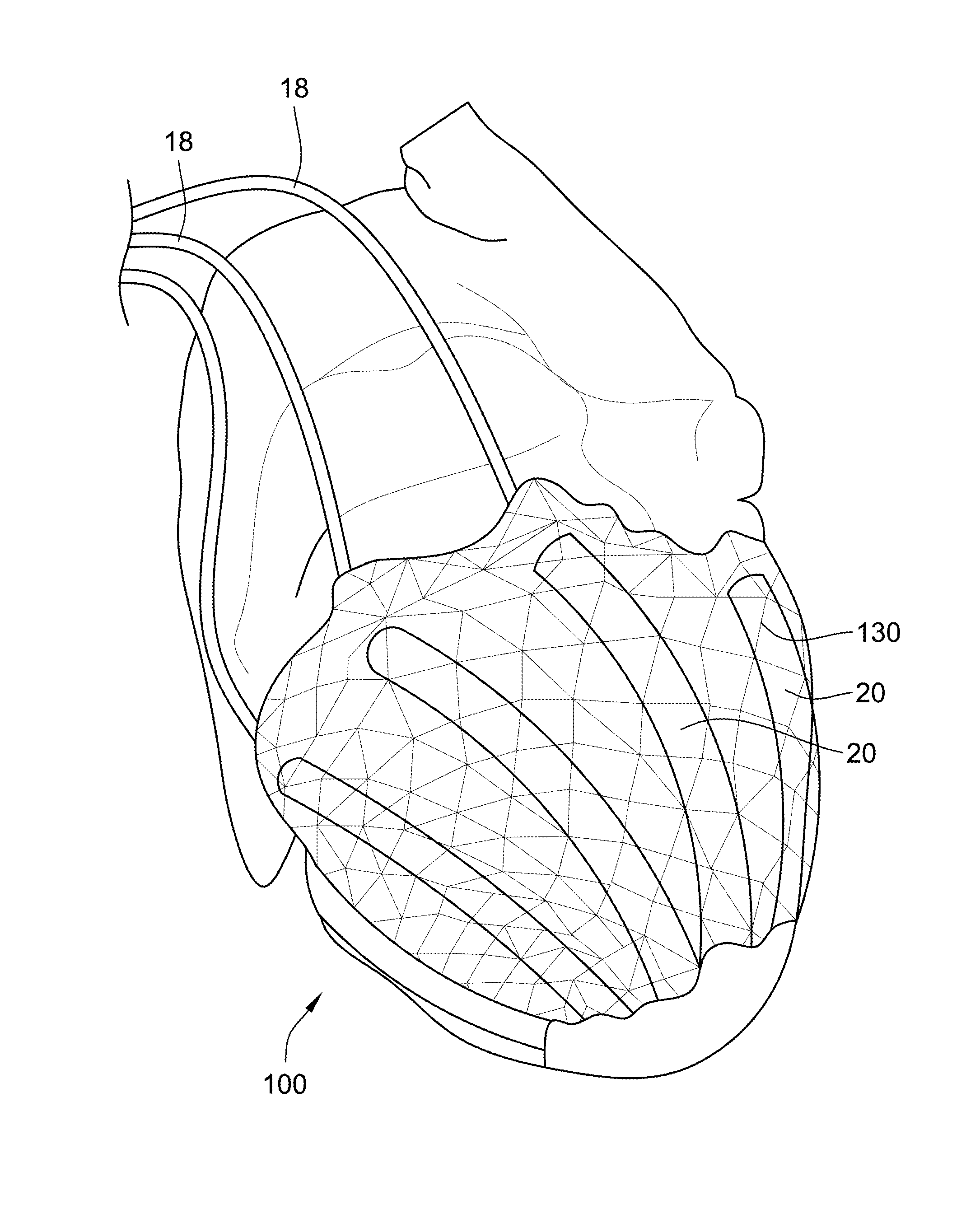
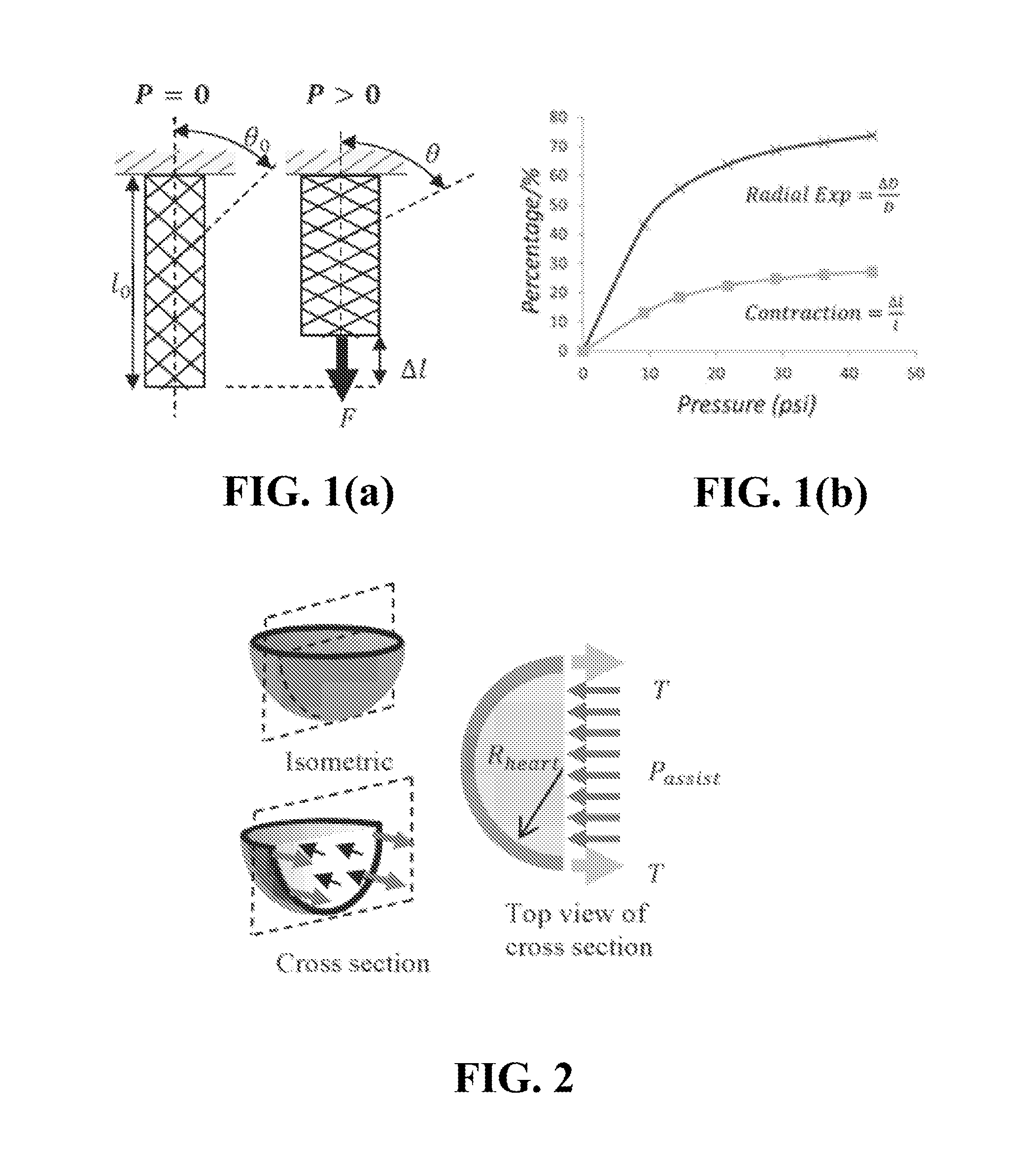
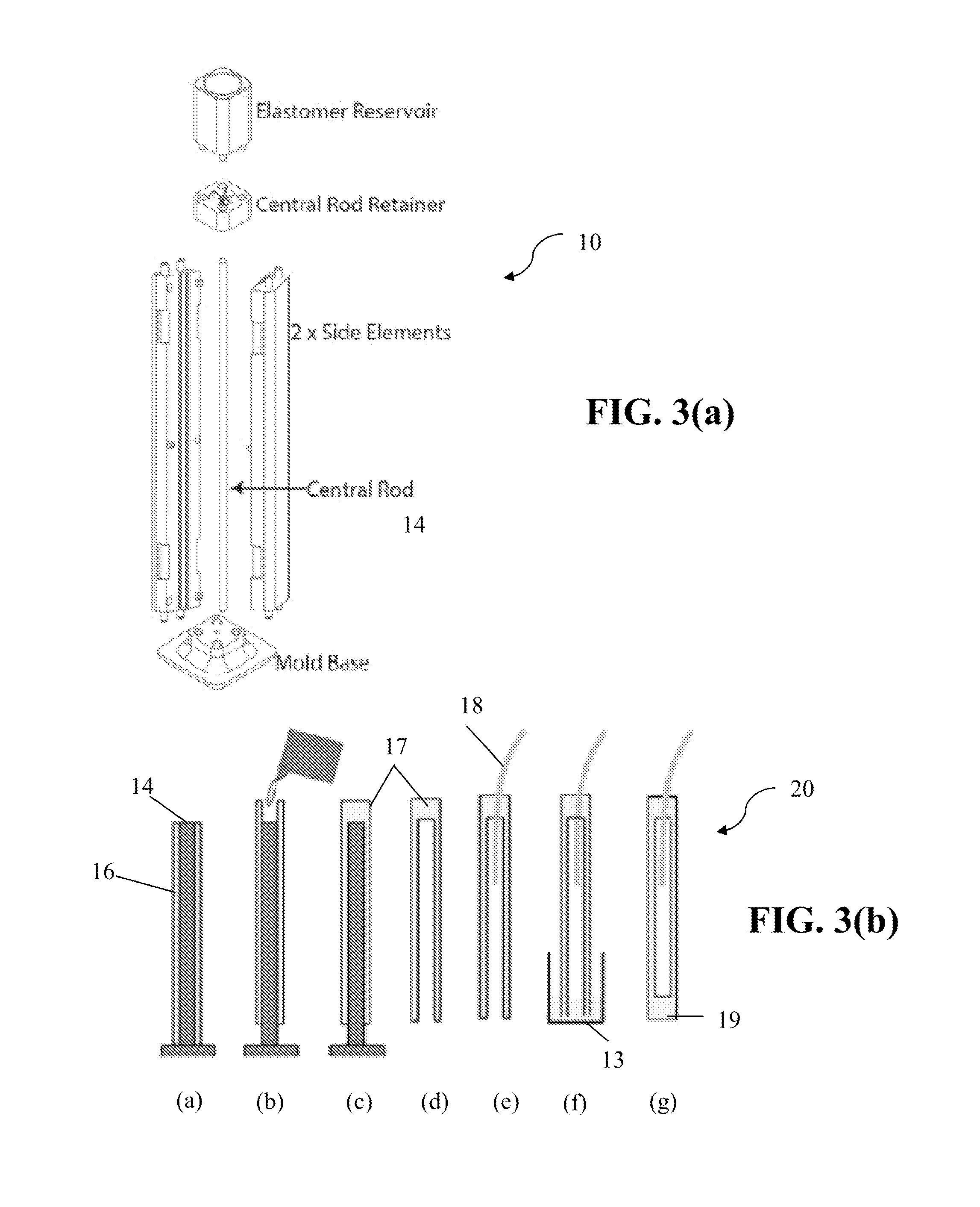
- Development of biomimetic DCC devices using soft pneumatic artificial muscles (PAMs) with low threshold pressures and soft ends, oriented in a helical and circumferential fashion to replicate cardiac motion, providing synchronized mechanical assistance during both systolic and diastolic phases without contacting blood, thus reducing the need for anticoagulation and minimizing trauma.

Biomimetic joint actuators
PatentActiveUS20190175366A1
Innovation
- The use of high-torque, low-RPM motors directly coupled with low-reduction ratio transmissions and an elastic element in series, eliminating belts and gears to create a backdrivable, efficient, and quiet actuator system that mimics human muscle-tendon units.


Safety Standards for Impact Absorption Applications
Impact absorption applications across various industries are governed by comprehensive safety standards that ensure both biomimetic and mechanical actuators meet stringent performance requirements. These standards establish minimum thresholds for energy dissipation, response time, and structural integrity under dynamic loading conditions. International organizations such as ISO, ASTM, and industry-specific bodies have developed frameworks that address the unique characteristics of both actuator types.
For automotive applications, standards like ISO 26262 and FMVSS regulations mandate specific impact absorption criteria for safety-critical systems. Biomimetic actuators must demonstrate consistent performance across temperature ranges and environmental conditions, while mechanical actuators require validation of their fail-safe mechanisms. These standards particularly emphasize the predictability of response characteristics, which traditionally favors mechanical systems due to their well-established behavioral models.
Aerospace safety standards, including DO-178C and AS9100, impose additional requirements for impact absorption systems used in aircraft and spacecraft. The certification process for biomimetic actuators in these applications faces unique challenges due to the biological variability inherent in bio-inspired designs. Mechanical actuators benefit from decades of established testing protocols and acceptance criteria, creating a regulatory advantage in high-stakes applications.
Medical device standards such as ISO 13485 and FDA regulations present distinct requirements for impact absorption in prosthetics and rehabilitation equipment. Biomimetic actuators show promise in meeting biocompatibility standards while providing natural movement patterns. However, the long-term reliability testing required by these standards often extends development timelines for bio-inspired solutions compared to conventional mechanical alternatives.
Industrial safety standards including OSHA regulations and CE marking requirements focus on worker protection and equipment reliability. The certification pathway for biomimetic actuators requires extensive documentation of their adaptive behavior under varying load conditions. Mechanical actuators typically demonstrate more straightforward compliance due to their deterministic response characteristics and established testing methodologies.
Emerging standards for robotics and human-machine interaction, such as ISO 10218 and ISO 13482, are beginning to recognize the unique advantages of biomimetic systems in collaborative environments. These evolving frameworks may provide more favorable regulatory pathways for bio-inspired impact absorption technologies in future applications.
For automotive applications, standards like ISO 26262 and FMVSS regulations mandate specific impact absorption criteria for safety-critical systems. Biomimetic actuators must demonstrate consistent performance across temperature ranges and environmental conditions, while mechanical actuators require validation of their fail-safe mechanisms. These standards particularly emphasize the predictability of response characteristics, which traditionally favors mechanical systems due to their well-established behavioral models.
Aerospace safety standards, including DO-178C and AS9100, impose additional requirements for impact absorption systems used in aircraft and spacecraft. The certification process for biomimetic actuators in these applications faces unique challenges due to the biological variability inherent in bio-inspired designs. Mechanical actuators benefit from decades of established testing protocols and acceptance criteria, creating a regulatory advantage in high-stakes applications.
Medical device standards such as ISO 13485 and FDA regulations present distinct requirements for impact absorption in prosthetics and rehabilitation equipment. Biomimetic actuators show promise in meeting biocompatibility standards while providing natural movement patterns. However, the long-term reliability testing required by these standards often extends development timelines for bio-inspired solutions compared to conventional mechanical alternatives.
Industrial safety standards including OSHA regulations and CE marking requirements focus on worker protection and equipment reliability. The certification pathway for biomimetic actuators requires extensive documentation of their adaptive behavior under varying load conditions. Mechanical actuators typically demonstrate more straightforward compliance due to their deterministic response characteristics and established testing methodologies.
Emerging standards for robotics and human-machine interaction, such as ISO 10218 and ISO 13482, are beginning to recognize the unique advantages of biomimetic systems in collaborative environments. These evolving frameworks may provide more favorable regulatory pathways for bio-inspired impact absorption technologies in future applications.
Performance Metrics for Impact Absorption Comparison
The evaluation of impact absorption capabilities between biomimetic and mechanical actuators requires a comprehensive framework of performance metrics that can accurately capture the fundamental differences in their operational characteristics. These metrics serve as quantitative benchmarks for comparing energy dissipation efficiency, response dynamics, and overall system performance under various impact scenarios.
Energy absorption capacity represents the primary metric for evaluating actuator performance, typically measured in joules per unit mass or volume. This metric quantifies the maximum energy that can be absorbed before system failure or permanent deformation occurs. Biomimetic actuators often demonstrate superior energy-to-weight ratios due to their hierarchical structures and adaptive material properties, while mechanical actuators provide more predictable and consistent absorption thresholds.
Response time and activation speed constitute critical temporal metrics that determine system effectiveness during impact events. Mechanical actuators typically exhibit faster initial response times, often in the millisecond range, due to their direct force transmission mechanisms. Conversely, biomimetic actuators may demonstrate slower initial activation but can provide sustained adaptive responses that continue throughout the impact duration.
Force transmission efficiency measures how effectively absorbed energy is distributed throughout the actuator system rather than concentrated at impact points. This metric is particularly relevant for biomimetic designs that mimic natural shock-absorption mechanisms found in biological systems, such as the hierarchical structure of bone or the viscoelastic properties of muscle tissue.
Durability and cyclic performance metrics evaluate actuator longevity under repeated impact conditions. These measurements include fatigue resistance, degradation rates, and performance consistency over extended operational periods. Mechanical actuators often provide superior predictability in this regard, while biomimetic systems may offer self-healing or adaptive capabilities that enhance long-term performance.
Recovery characteristics define how quickly and completely actuators return to their original state following impact absorption. This includes metrics such as recovery time, residual deformation, and energy required for system reset. These parameters are essential for applications requiring rapid successive impact absorption cycles.
Energy absorption capacity represents the primary metric for evaluating actuator performance, typically measured in joules per unit mass or volume. This metric quantifies the maximum energy that can be absorbed before system failure or permanent deformation occurs. Biomimetic actuators often demonstrate superior energy-to-weight ratios due to their hierarchical structures and adaptive material properties, while mechanical actuators provide more predictable and consistent absorption thresholds.
Response time and activation speed constitute critical temporal metrics that determine system effectiveness during impact events. Mechanical actuators typically exhibit faster initial response times, often in the millisecond range, due to their direct force transmission mechanisms. Conversely, biomimetic actuators may demonstrate slower initial activation but can provide sustained adaptive responses that continue throughout the impact duration.
Force transmission efficiency measures how effectively absorbed energy is distributed throughout the actuator system rather than concentrated at impact points. This metric is particularly relevant for biomimetic designs that mimic natural shock-absorption mechanisms found in biological systems, such as the hierarchical structure of bone or the viscoelastic properties of muscle tissue.
Durability and cyclic performance metrics evaluate actuator longevity under repeated impact conditions. These measurements include fatigue resistance, degradation rates, and performance consistency over extended operational periods. Mechanical actuators often provide superior predictability in this regard, while biomimetic systems may offer self-healing or adaptive capabilities that enhance long-term performance.
Recovery characteristics define how quickly and completely actuators return to their original state following impact absorption. This includes metrics such as recovery time, residual deformation, and energy required for system reset. These parameters are essential for applications requiring rapid successive impact absorption cycles.
Unlock deeper insights with Patsnap Eureka Quick Research — get a full tech report to explore trends and direct your research. Try now!
Generate Your Research Report Instantly with AI Agent
Supercharge your innovation with Patsnap Eureka AI Agent Platform!