Comparing PVC vs Concrete in Drainage Systems
FEB 28, 202610 MIN READ
Generate Your Research Report Instantly with AI Agent
PatSnap Eureka helps you evaluate technical feasibility & market potential.
PVC vs Concrete Drainage Technology Background and Goals
Drainage systems represent a critical infrastructure component that has evolved significantly over the past century, transitioning from traditional materials to modern engineered solutions. The historical development of drainage technology began with clay pipes and natural stone channels, progressing through cast iron implementations, and eventually embracing concrete as the dominant material for large-scale municipal systems throughout the mid-20th century.
The emergence of polyvinyl chloride (PVC) as a viable drainage material in the 1960s marked a paradigm shift in the industry. Initially developed for industrial applications, PVC gradually gained acceptance in residential and commercial drainage systems due to its unique properties and manufacturing advantages. This technological evolution reflects broader trends in materials science and engineering optimization.
Contemporary drainage system design faces unprecedented challenges driven by urbanization, climate change, and sustainability requirements. Increasing precipitation intensity, aging infrastructure replacement needs, and environmental regulations demand comprehensive evaluation of material choices. The selection between PVC and concrete systems now involves complex considerations beyond traditional cost-benefit analyses.
The primary objective of comparing these technologies centers on optimizing drainage system performance across multiple dimensions. Key technical goals include maximizing hydraulic efficiency, ensuring structural durability under varying load conditions, and minimizing long-term maintenance requirements. Additionally, environmental objectives focus on reducing carbon footprint, improving recyclability, and minimizing ecosystem impact during installation and operation.
Economic optimization remains paramount, encompassing initial capital expenditure, installation complexity, operational costs, and end-of-life considerations. The analysis must account for total cost of ownership over typical infrastructure lifecycles spanning 50-100 years. Performance objectives emphasize flow capacity, resistance to chemical degradation, thermal stability, and adaptability to ground movement.
Modern drainage system evaluation increasingly incorporates sustainability metrics, including embodied energy, manufacturing emissions, transportation efficiency, and circular economy principles. These evolving criteria reflect growing environmental consciousness and regulatory frameworks governing infrastructure development. The comparative assessment aims to establish evidence-based selection criteria that balance technical performance, economic viability, and environmental responsibility across diverse application scenarios.
The emergence of polyvinyl chloride (PVC) as a viable drainage material in the 1960s marked a paradigm shift in the industry. Initially developed for industrial applications, PVC gradually gained acceptance in residential and commercial drainage systems due to its unique properties and manufacturing advantages. This technological evolution reflects broader trends in materials science and engineering optimization.
Contemporary drainage system design faces unprecedented challenges driven by urbanization, climate change, and sustainability requirements. Increasing precipitation intensity, aging infrastructure replacement needs, and environmental regulations demand comprehensive evaluation of material choices. The selection between PVC and concrete systems now involves complex considerations beyond traditional cost-benefit analyses.
The primary objective of comparing these technologies centers on optimizing drainage system performance across multiple dimensions. Key technical goals include maximizing hydraulic efficiency, ensuring structural durability under varying load conditions, and minimizing long-term maintenance requirements. Additionally, environmental objectives focus on reducing carbon footprint, improving recyclability, and minimizing ecosystem impact during installation and operation.
Economic optimization remains paramount, encompassing initial capital expenditure, installation complexity, operational costs, and end-of-life considerations. The analysis must account for total cost of ownership over typical infrastructure lifecycles spanning 50-100 years. Performance objectives emphasize flow capacity, resistance to chemical degradation, thermal stability, and adaptability to ground movement.
Modern drainage system evaluation increasingly incorporates sustainability metrics, including embodied energy, manufacturing emissions, transportation efficiency, and circular economy principles. These evolving criteria reflect growing environmental consciousness and regulatory frameworks governing infrastructure development. The comparative assessment aims to establish evidence-based selection criteria that balance technical performance, economic viability, and environmental responsibility across diverse application scenarios.
Market Demand Analysis for Drainage System Materials
The global drainage systems market demonstrates robust growth driven by rapid urbanization, infrastructure development, and increasing awareness of water management challenges. Urban populations worldwide continue to expand, creating substantial demand for efficient drainage infrastructure in residential, commercial, and industrial developments. Climate change has intensified the frequency and severity of extreme weather events, necessitating more resilient and capable drainage solutions to handle increased stormwater volumes.
Municipal infrastructure modernization represents a significant market driver, particularly in developed nations where aging drainage systems require replacement or substantial upgrades. Many cities face the challenge of outdated concrete drainage networks that have reached or exceeded their design lifespan, creating opportunities for both traditional concrete replacements and alternative materials like PVC. Developing economies simultaneously invest heavily in new drainage infrastructure to support growing urban centers and industrial zones.
The construction industry's preference for cost-effective, durable materials significantly influences drainage system material selection. Project developers increasingly evaluate total lifecycle costs rather than initial installation expenses, considering factors such as maintenance requirements, longevity, and replacement frequency. This shift in procurement philosophy has created competitive dynamics between traditional concrete solutions and modern polymer alternatives.
Environmental regulations and sustainability mandates increasingly shape material selection criteria. Governments worldwide implement stricter standards for construction materials, emphasizing recyclability, environmental impact during production, and long-term ecological effects. These regulatory frameworks influence both public sector procurement decisions and private development projects, creating market pressures for materials that demonstrate superior environmental performance.
Regional market variations reflect different infrastructure maturity levels, climate conditions, and economic priorities. North American and European markets show growing adoption of advanced polymer drainage solutions, while emerging markets in Asia-Pacific and Latin America continue substantial investments in both traditional and modern drainage technologies. Local soil conditions, seismic activity, and groundwater characteristics further influence regional material preferences.
The industrial and commercial sectors drive demand for specialized drainage solutions capable of handling chemical exposure, heavy loads, and specific performance requirements. Manufacturing facilities, airports, and large commercial complexes require drainage systems that exceed standard residential specifications, creating premium market segments for high-performance materials regardless of whether they are concrete-based or polymer-based solutions.
Municipal infrastructure modernization represents a significant market driver, particularly in developed nations where aging drainage systems require replacement or substantial upgrades. Many cities face the challenge of outdated concrete drainage networks that have reached or exceeded their design lifespan, creating opportunities for both traditional concrete replacements and alternative materials like PVC. Developing economies simultaneously invest heavily in new drainage infrastructure to support growing urban centers and industrial zones.
The construction industry's preference for cost-effective, durable materials significantly influences drainage system material selection. Project developers increasingly evaluate total lifecycle costs rather than initial installation expenses, considering factors such as maintenance requirements, longevity, and replacement frequency. This shift in procurement philosophy has created competitive dynamics between traditional concrete solutions and modern polymer alternatives.
Environmental regulations and sustainability mandates increasingly shape material selection criteria. Governments worldwide implement stricter standards for construction materials, emphasizing recyclability, environmental impact during production, and long-term ecological effects. These regulatory frameworks influence both public sector procurement decisions and private development projects, creating market pressures for materials that demonstrate superior environmental performance.
Regional market variations reflect different infrastructure maturity levels, climate conditions, and economic priorities. North American and European markets show growing adoption of advanced polymer drainage solutions, while emerging markets in Asia-Pacific and Latin America continue substantial investments in both traditional and modern drainage technologies. Local soil conditions, seismic activity, and groundwater characteristics further influence regional material preferences.
The industrial and commercial sectors drive demand for specialized drainage solutions capable of handling chemical exposure, heavy loads, and specific performance requirements. Manufacturing facilities, airports, and large commercial complexes require drainage systems that exceed standard residential specifications, creating premium market segments for high-performance materials regardless of whether they are concrete-based or polymer-based solutions.
Current Status and Challenges of PVC and Concrete Pipes
PVC pipes have established themselves as a dominant force in modern drainage applications, with global production exceeding 40 million tons annually. The material's lightweight nature, chemical resistance, and ease of installation have driven widespread adoption across residential, commercial, and industrial sectors. Manufacturing processes have become highly standardized, with extrusion technologies enabling consistent wall thickness and joint integrity. Current PVC formulations incorporate advanced stabilizers and impact modifiers, extending service life to 50-100 years under normal operating conditions.
Concrete pipes maintain a significant market presence, particularly in large-diameter applications and heavy-duty infrastructure projects. Traditional reinforced concrete pipes dominate municipal storm water systems, while precast concrete technology has evolved to include polymer-modified formulations and improved joint designs. Manufacturing capabilities now support diameters ranging from 300mm to over 3000mm, with specialized production facilities concentrated in regions with high infrastructure development activity.
The primary challenge facing PVC drainage systems centers on thermal expansion and contraction, which can compromise joint integrity in extreme temperature variations. Long-term exposure to certain chemicals, particularly aromatic hydrocarbons, poses degradation risks that limit application scope. Installation challenges arise in deep excavations where soil pressure exceeds standard pipe ratings, necessitating specialized bedding and backfill procedures.
Concrete pipe systems face significant durability challenges from sulfate attack and acid corrosion, particularly in industrial environments and areas with aggressive groundwater conditions. The material's inherent porosity creates vulnerability to freeze-thaw cycles, leading to surface spalling and structural deterioration. Transportation and handling difficulties increase project costs and complexity, while joint sealing remains problematic in applications requiring high water-tightness standards.
Emerging regulatory frameworks increasingly emphasize environmental impact assessments, creating compliance challenges for both materials. PVC faces scrutiny regarding end-of-life disposal and recycling limitations, while concrete production's carbon footprint draws environmental concerns. Quality control standards continue evolving, with new testing protocols for long-term performance validation and structural integrity assessment under varying load conditions.
Geographic distribution patterns reveal distinct regional preferences, with PVC dominating in North American residential markets and concrete maintaining strength in European and Asian infrastructure projects. Supply chain disruptions and raw material price volatility affect both sectors, though concrete faces additional challenges from cement availability and transportation logistics in remote locations.
Concrete pipes maintain a significant market presence, particularly in large-diameter applications and heavy-duty infrastructure projects. Traditional reinforced concrete pipes dominate municipal storm water systems, while precast concrete technology has evolved to include polymer-modified formulations and improved joint designs. Manufacturing capabilities now support diameters ranging from 300mm to over 3000mm, with specialized production facilities concentrated in regions with high infrastructure development activity.
The primary challenge facing PVC drainage systems centers on thermal expansion and contraction, which can compromise joint integrity in extreme temperature variations. Long-term exposure to certain chemicals, particularly aromatic hydrocarbons, poses degradation risks that limit application scope. Installation challenges arise in deep excavations where soil pressure exceeds standard pipe ratings, necessitating specialized bedding and backfill procedures.
Concrete pipe systems face significant durability challenges from sulfate attack and acid corrosion, particularly in industrial environments and areas with aggressive groundwater conditions. The material's inherent porosity creates vulnerability to freeze-thaw cycles, leading to surface spalling and structural deterioration. Transportation and handling difficulties increase project costs and complexity, while joint sealing remains problematic in applications requiring high water-tightness standards.
Emerging regulatory frameworks increasingly emphasize environmental impact assessments, creating compliance challenges for both materials. PVC faces scrutiny regarding end-of-life disposal and recycling limitations, while concrete production's carbon footprint draws environmental concerns. Quality control standards continue evolving, with new testing protocols for long-term performance validation and structural integrity assessment under varying load conditions.
Geographic distribution patterns reveal distinct regional preferences, with PVC dominating in North American residential markets and concrete maintaining strength in European and Asian infrastructure projects. Supply chain disruptions and raw material price volatility affect both sectors, though concrete faces additional challenges from cement availability and transportation logistics in remote locations.
Current Technical Solutions for Drainage Material Selection
01 PVC-concrete composite structures and bonding methods
Technologies for creating composite structures that combine PVC and concrete materials through various bonding and integration methods. These approaches focus on achieving strong adhesion between the two materials, utilizing mechanical interlocking, adhesive layers, or surface treatment techniques to ensure structural integrity and durability of the composite system.- PVC-concrete composite structures and bonding methods: Technologies for creating composite structures that combine PVC and concrete materials through various bonding and integration methods. These approaches focus on achieving strong adhesion between the two materials, utilizing mechanical interlocking, adhesive layers, or surface treatment techniques to ensure structural integrity and durability of the composite system.
- PVC formwork and mold systems for concrete casting: PVC-based formwork, molds, and casting systems designed for concrete construction applications. These systems utilize PVC materials as temporary or permanent forms that shape concrete during curing, offering advantages such as ease of installation, reusability, smooth surface finish, and reduced labor costs compared to traditional formwork materials.
- PVC pipe and conduit embedding in concrete structures: Methods and systems for embedding PVC pipes, conduits, and channels within concrete structures for utility distribution, drainage, or cable management. These technologies address proper positioning, protection during concrete pouring, prevention of displacement, and ensuring watertight integration between PVC components and surrounding concrete matrix.
- Surface coating and protection systems combining PVC and concrete: Protective coating systems where PVC-based materials are applied to concrete surfaces or vice versa to enhance durability, chemical resistance, waterproofing, or aesthetic properties. These technologies include PVC membranes, films, or coatings that protect concrete from environmental degradation, or concrete overlays on PVC substrates for specific applications.
- Hybrid construction panels and building elements: Prefabricated building panels and construction elements that incorporate both PVC and concrete materials in layered or composite configurations. These hybrid elements combine the lightweight and insulating properties of PVC with the structural strength and fire resistance of concrete, creating versatile building components for walls, floors, or modular construction systems.
02 PVC formwork and mold systems for concrete casting
PVC-based formwork, molds, and casting systems designed for concrete construction applications. These systems utilize PVC materials as temporary or permanent forms that shape concrete during curing, offering advantages such as ease of installation, reusability, smooth surface finish, and reduced labor costs compared to traditional formwork materials.Expand Specific Solutions03 PVC pipe and conduit embedding in concrete structures
Methods and systems for embedding PVC pipes, conduits, and channels within concrete structures for utility distribution, drainage, or cable management. These technologies address proper positioning, protection during concrete pouring, prevention of displacement, and ensuring watertight seals between PVC components and surrounding concrete matrix.Expand Specific Solutions04 PVC-modified concrete compositions and additives
Concrete formulations incorporating PVC materials as additives, aggregates, or modifiers to enhance specific properties of the concrete. These compositions may include recycled PVC particles, PVC fibers, or PVC-based chemical additives that improve characteristics such as flexibility, impact resistance, thermal insulation, or workability of the concrete mixture.Expand Specific Solutions05 PVC protective coatings and linings for concrete surfaces
PVC-based coating systems, membranes, and linings applied to concrete surfaces for protection against environmental degradation, chemical attack, moisture penetration, or abrasion. These protective layers can be applied as sheets, spray coatings, or paint formulations that bond to concrete substrates to extend service life and maintain structural performance.Expand Specific Solutions
Major Players in PVC and Concrete Pipe Manufacturing
The drainage systems market comparing PVC versus concrete represents a mature industry in its consolidation phase, with significant market size driven by global infrastructure development and urbanization demands. The competitive landscape features diverse players ranging from specialized drainage technology companies like ACO Severin Ahlmann GmbH and Ecobeton Water Technologies NV to major construction conglomerates such as Shimizu Corp. and Beijing Urban Construction Group. Technology maturity varies significantly across segments, with established concrete solutions from companies like Jiangmen Zhiguang Cement Products and innovative PVC applications from Anhui Yufa Plastic Industry demonstrating advanced polymer engineering. Chemical giants like Wacker Chemie AG contribute sophisticated material science, while research institutions including Southwest Jiaotong University and Guangdong University of Technology drive next-generation material innovations. The market shows regional concentration with strong Asian presence, particularly Chinese manufacturers, alongside European engineering expertise, indicating a globally distributed but technologically fragmented competitive environment where material performance, cost-effectiveness, and environmental sustainability increasingly determine market positioning.
Wacker Chemie AG
Technical Solution: Wacker Chemie develops advanced polymer additives for both PVC and concrete drainage applications. Their silicone-based concrete additives improve water repellency and reduce permeability by up to 90% while maintaining workability. For PVC systems, they provide impact modifiers and processing aids that enhance pipe durability and installation characteristics. Their concrete modification technology extends service life to 75+ years in aggressive environments while their PVC additives improve impact resistance by 40% at low temperatures down to -20°C.
Strengths: Advanced material chemistry expertise, significant performance improvements in both PVC and concrete systems. Weaknesses: Requires specialized application knowledge, premium pricing for advanced additive systems.
Ecobeton Water Technologies NV
Technical Solution: Ecobeton specializes in advanced concrete drainage solutions with permeable concrete technology that allows water infiltration rates of 200-600 liters per square meter per minute. Their system integrates recycled aggregates and specialized binding agents to create sustainable drainage infrastructure. The technology focuses on reducing surface runoff while maintaining structural integrity comparable to traditional concrete systems. Their permeable concrete maintains compressive strength of 15-25 MPa while providing excellent drainage capabilities for urban stormwater management applications.
Strengths: High water permeability, environmental sustainability through recycled materials, maintains structural integrity. Weaknesses: Higher initial cost compared to traditional concrete, requires specialized installation techniques.
Core Technologies in PVC and Concrete Pipe Innovation
Pipes for Carrying Water
PatentActiveUS20220178474A1
Innovation
- The inner surface of PVC or PVCO pipes is rifled with grooves, and coated or reinforced with graphene material, causing water to flow in a vortex motion that reduces biofilm formation and enhances self-cleaning, preventing clogging.
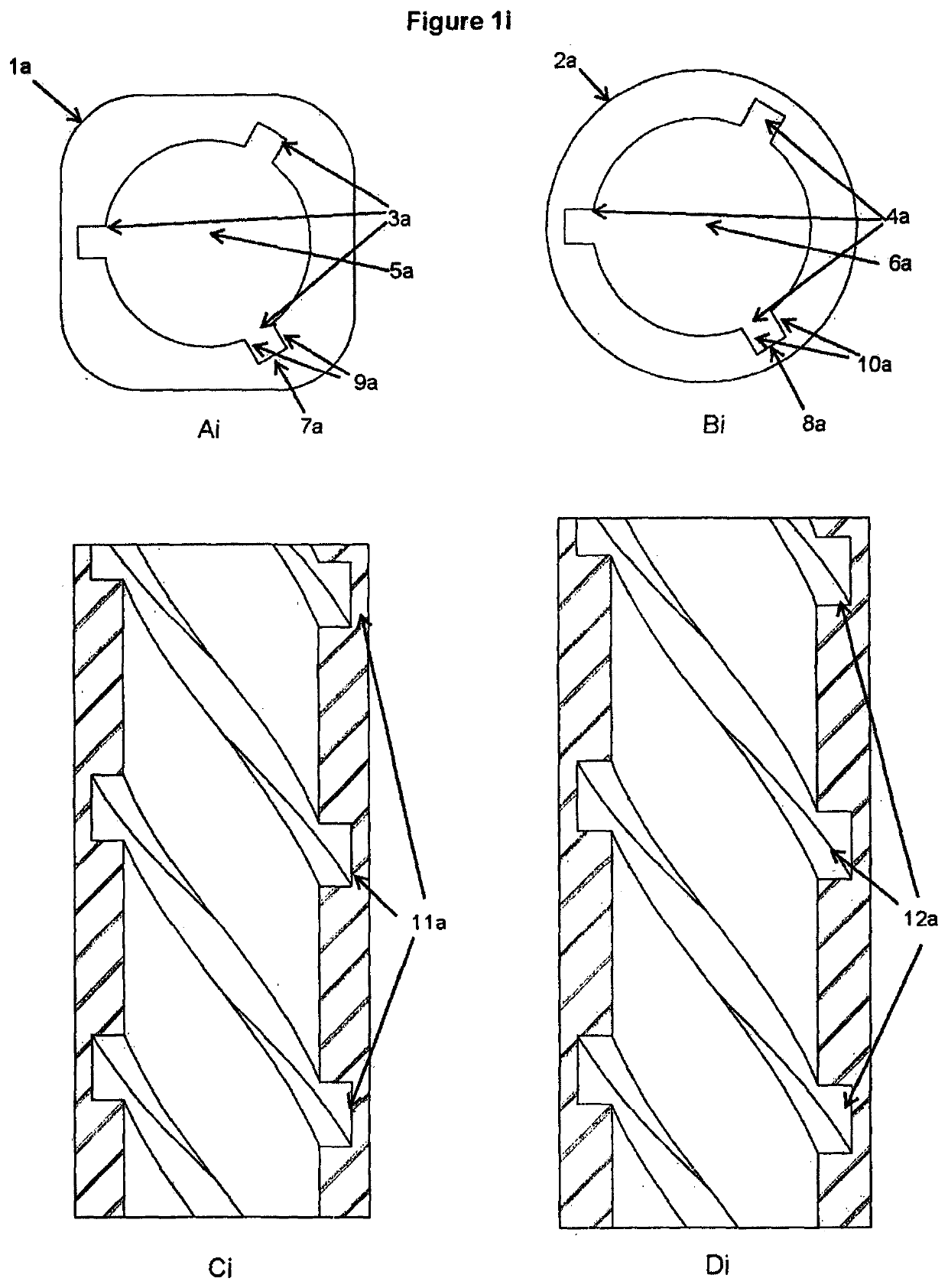
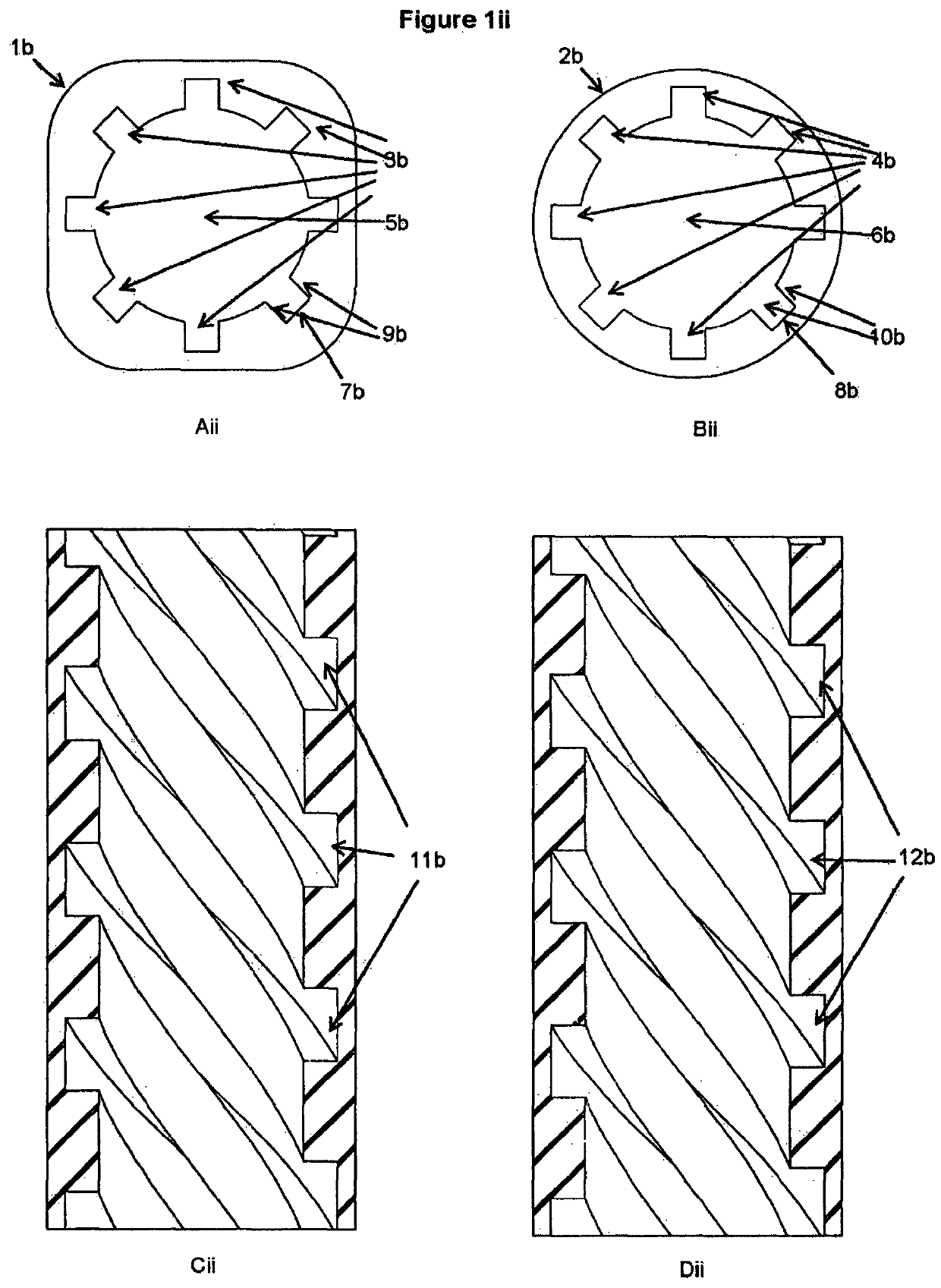
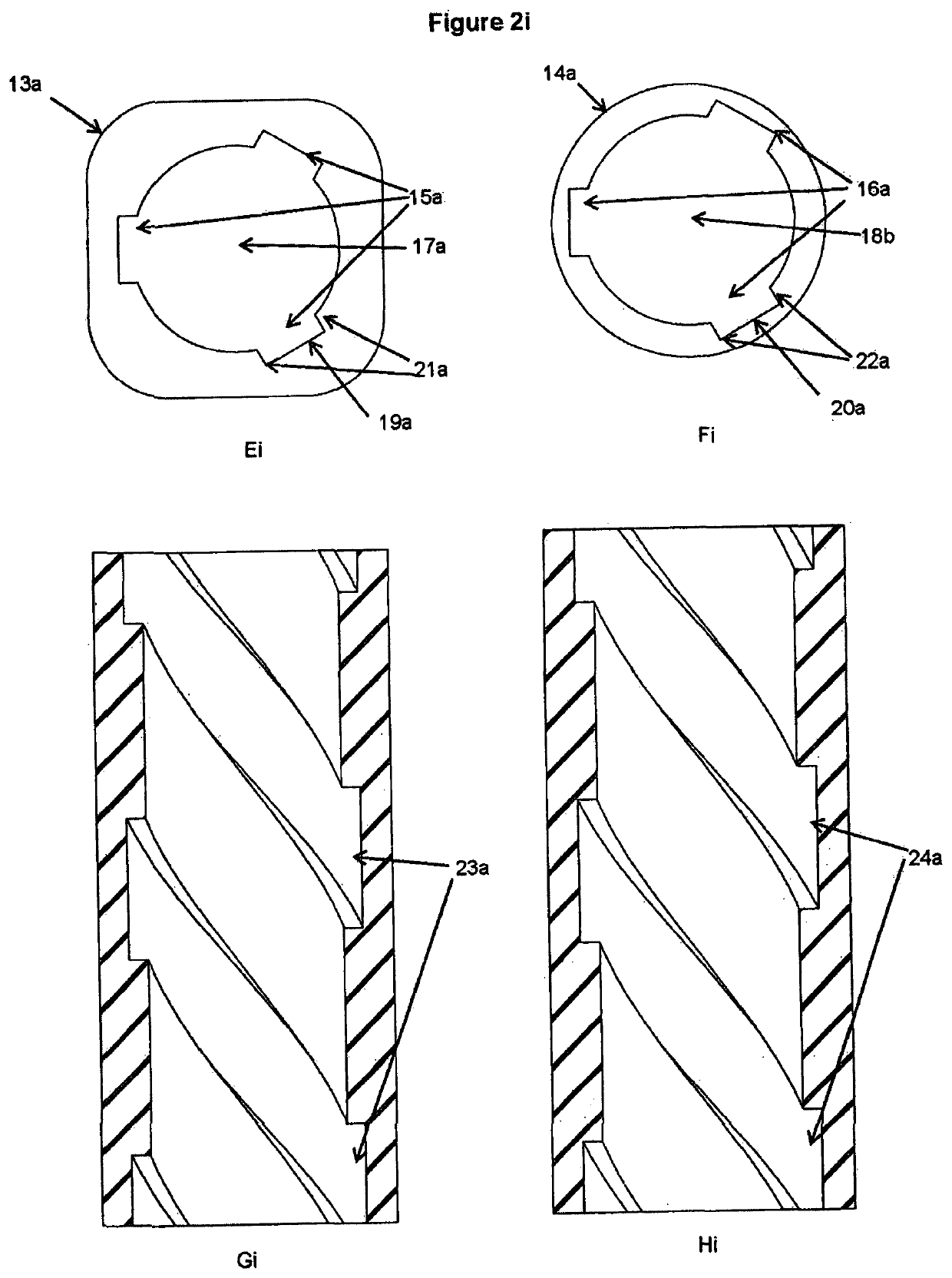

Polyvinyl chloride compound, tube, gutter or container, use of a PVC compound and use of a tube, gutter or container
PatentActiveEP2615137A1
Innovation
- A PVC composition with a monomodal molecular weight distribution and specific chlorine content, combined with a tin stabilizer, providing high chemical resistance and ease of processing, suitable for high-temperature and chemically aggressive environments.


Environmental Regulations for Drainage System Materials
Environmental regulations governing drainage system materials have become increasingly stringent across global markets, driven by growing concerns over water quality protection, soil contamination prevention, and long-term environmental sustainability. These regulatory frameworks significantly influence material selection decisions between PVC and concrete drainage systems, as each material faces distinct compliance requirements and environmental performance standards.
Water quality protection regulations represent the most critical regulatory domain affecting drainage material selection. The Safe Drinking Water Act in the United States and similar legislation worldwide establish strict leaching limits for materials in contact with potable water systems. PVC pipes must comply with NSF/ANSI 61 standards, which limit the migration of contaminants into drinking water. While concrete systems generally exhibit lower leaching potential for organic compounds, they face scrutiny regarding alkalinity effects and potential heavy metal content from aggregate sources.
Soil and groundwater protection regulations impose additional constraints on material selection, particularly in environmentally sensitive areas. The Resource Conservation and Recovery Act (RCRA) and corresponding international frameworks require comprehensive assessment of material lifecycle impacts. PVC systems must address concerns regarding vinyl chloride monomer residuals and plasticizer migration, while concrete systems face evaluation of cement production impacts and potential alkali soil interactions.
Chemical resistance requirements under environmental regulations favor different materials depending on the application context. Industrial discharge regulations often mandate materials capable of withstanding specific chemical exposures without degradation or contamination release. PVC demonstrates superior resistance to most acids and salts, making it compliant with regulations governing industrial wastewater systems. Concrete systems require specialized formulations or protective linings to meet chemical resistance standards in aggressive environments.
Recycling and end-of-life management regulations increasingly influence material selection decisions as circular economy principles gain regulatory support. Extended Producer Responsibility (EPR) frameworks in Europe and emerging similar regulations globally require manufacturers to address material recyclability and disposal impacts. PVC recycling faces regulatory challenges due to additive content and processing requirements, while concrete systems benefit from established recycling pathways but face volume and transportation constraints.
Emerging regulations addressing microplastic pollution and endocrine disrupting compounds create new compliance challenges for polymer-based drainage systems. Recent legislative developments in several jurisdictions impose monitoring requirements for plastic degradation products in water systems, potentially affecting PVC system approvals in sensitive applications.
Water quality protection regulations represent the most critical regulatory domain affecting drainage material selection. The Safe Drinking Water Act in the United States and similar legislation worldwide establish strict leaching limits for materials in contact with potable water systems. PVC pipes must comply with NSF/ANSI 61 standards, which limit the migration of contaminants into drinking water. While concrete systems generally exhibit lower leaching potential for organic compounds, they face scrutiny regarding alkalinity effects and potential heavy metal content from aggregate sources.
Soil and groundwater protection regulations impose additional constraints on material selection, particularly in environmentally sensitive areas. The Resource Conservation and Recovery Act (RCRA) and corresponding international frameworks require comprehensive assessment of material lifecycle impacts. PVC systems must address concerns regarding vinyl chloride monomer residuals and plasticizer migration, while concrete systems face evaluation of cement production impacts and potential alkali soil interactions.
Chemical resistance requirements under environmental regulations favor different materials depending on the application context. Industrial discharge regulations often mandate materials capable of withstanding specific chemical exposures without degradation or contamination release. PVC demonstrates superior resistance to most acids and salts, making it compliant with regulations governing industrial wastewater systems. Concrete systems require specialized formulations or protective linings to meet chemical resistance standards in aggressive environments.
Recycling and end-of-life management regulations increasingly influence material selection decisions as circular economy principles gain regulatory support. Extended Producer Responsibility (EPR) frameworks in Europe and emerging similar regulations globally require manufacturers to address material recyclability and disposal impacts. PVC recycling faces regulatory challenges due to additive content and processing requirements, while concrete systems benefit from established recycling pathways but face volume and transportation constraints.
Emerging regulations addressing microplastic pollution and endocrine disrupting compounds create new compliance challenges for polymer-based drainage systems. Recent legislative developments in several jurisdictions impose monitoring requirements for plastic degradation products in water systems, potentially affecting PVC system approvals in sensitive applications.
Sustainability Assessment of PVC vs Concrete Solutions
The sustainability assessment of PVC versus concrete drainage solutions reveals significant differences in environmental impact across multiple dimensions. Life cycle analysis demonstrates that PVC pipes typically require 60-70% less energy during manufacturing compared to concrete alternatives, primarily due to lower processing temperatures and reduced material density requirements. However, concrete benefits from utilizing abundant natural materials like limestone and aggregates, which are more readily available than the petroleum-based feedstocks required for PVC production.
Carbon footprint analysis shows contrasting patterns throughout the product lifecycle. PVC manufacturing generates approximately 1.8-2.2 kg CO2 equivalent per kilogram of material, while concrete production typically produces 0.9-1.1 kg CO2 equivalent per kilogram. However, when considering transportation impacts, PVC's lighter weight significantly reduces logistics-related emissions, often offsetting initial production disadvantages for projects requiring long-distance material transport.
Water consumption during manufacturing presents another critical sustainability factor. Concrete production requires substantial water volumes for mixing and curing processes, consuming approximately 150-200 liters per cubic meter of finished product. PVC manufacturing demonstrates lower direct water consumption but involves chemical processing that may impact water quality through industrial discharge, requiring advanced treatment systems to minimize environmental impact.
End-of-life considerations reveal divergent sustainability profiles. Concrete drainage systems offer excellent recyclability potential, with demolished concrete readily repurposed as aggregate for new construction projects or road base materials. This circular economy approach significantly extends material utility beyond initial applications. Conversely, PVC recycling faces technical challenges due to additive contamination and degradation during service life, though emerging chemical recycling technologies show promise for recovering base polymers.
Durability assessment indicates concrete systems typically achieve 75-100 year service lives under appropriate conditions, while PVC installations generally provide 50-75 years of reliable performance. Extended service life directly correlates with reduced replacement frequency, minimizing long-term environmental impact through decreased material consumption and construction activities. However, PVC's superior chemical resistance in aggressive soil conditions may extend operational life in specific applications.
Resource depletion analysis highlights fundamental differences in material sourcing sustainability. Concrete relies on finite mineral resources, though these materials remain abundant globally. PVC depends on fossil fuel derivatives, raising concerns about long-term resource availability and price volatility. Emerging bio-based PVC alternatives and recycled content integration offer potential pathways toward improved resource sustainability for polymer-based drainage solutions.
Carbon footprint analysis shows contrasting patterns throughout the product lifecycle. PVC manufacturing generates approximately 1.8-2.2 kg CO2 equivalent per kilogram of material, while concrete production typically produces 0.9-1.1 kg CO2 equivalent per kilogram. However, when considering transportation impacts, PVC's lighter weight significantly reduces logistics-related emissions, often offsetting initial production disadvantages for projects requiring long-distance material transport.
Water consumption during manufacturing presents another critical sustainability factor. Concrete production requires substantial water volumes for mixing and curing processes, consuming approximately 150-200 liters per cubic meter of finished product. PVC manufacturing demonstrates lower direct water consumption but involves chemical processing that may impact water quality through industrial discharge, requiring advanced treatment systems to minimize environmental impact.
End-of-life considerations reveal divergent sustainability profiles. Concrete drainage systems offer excellent recyclability potential, with demolished concrete readily repurposed as aggregate for new construction projects or road base materials. This circular economy approach significantly extends material utility beyond initial applications. Conversely, PVC recycling faces technical challenges due to additive contamination and degradation during service life, though emerging chemical recycling technologies show promise for recovering base polymers.
Durability assessment indicates concrete systems typically achieve 75-100 year service lives under appropriate conditions, while PVC installations generally provide 50-75 years of reliable performance. Extended service life directly correlates with reduced replacement frequency, minimizing long-term environmental impact through decreased material consumption and construction activities. However, PVC's superior chemical resistance in aggressive soil conditions may extend operational life in specific applications.
Resource depletion analysis highlights fundamental differences in material sourcing sustainability. Concrete relies on finite mineral resources, though these materials remain abundant globally. PVC depends on fossil fuel derivatives, raising concerns about long-term resource availability and price volatility. Emerging bio-based PVC alternatives and recycled content integration offer potential pathways toward improved resource sustainability for polymer-based drainage solutions.
Unlock deeper insights with PatSnap Eureka Quick Research — get a full tech report to explore trends and direct your research. Try now!
Generate Your Research Report Instantly with AI Agent
Supercharge your innovation with PatSnap Eureka AI Agent Platform!