

Pulse Code Modulation vs Conference Signaling Methods
MAR 6, 20269 MIN READ
Generate Your Research Report Instantly with AI Agent
Patsnap Eureka helps you evaluate technical feasibility & market potential.
PCM and Conference Signaling Background and Objectives
Pulse Code Modulation (PCM) emerged in the 1930s as a revolutionary digital communication technique, fundamentally transforming how analog signals are converted, transmitted, and reconstructed in digital systems. Initially developed by Alec Reeves at International Telephone and Telegraph Company, PCM became the cornerstone of modern digital telecommunications, enabling high-fidelity signal transmission with superior noise immunity compared to analog methods.
Conference signaling methods evolved alongside telecommunications infrastructure to address the growing demand for multi-party communication systems. These methods encompass various protocols and techniques designed to establish, maintain, and terminate conference calls involving multiple participants across distributed networks. The development trajectory spans from early circuit-switched conference bridges to sophisticated packet-switched solutions supporting multimedia conferencing.
The historical evolution of both technologies reflects the telecommunications industry's transition from analog to digital paradigms. PCM's adoption accelerated during the 1960s with the deployment of T-carrier systems, establishing standardized digital transmission rates and formats. Concurrently, conference signaling evolved from manual operator-assisted connections to automated systems capable of handling complex multi-point communications with advanced features like participant management and media mixing.
Current technological objectives focus on optimizing the integration between PCM-based signal processing and modern conference signaling architectures. Key goals include minimizing latency in real-time communications, enhancing audio quality through advanced encoding techniques, and improving scalability for large-scale conferencing applications. The convergence of these technologies aims to deliver seamless user experiences while maintaining backward compatibility with legacy systems.
Contemporary research directions emphasize the development of adaptive PCM algorithms that dynamically adjust sampling rates and quantization levels based on network conditions and content characteristics. Similarly, conference signaling methods are evolving toward software-defined networking approaches, enabling more flexible and efficient resource allocation for multi-party communications across heterogeneous network environments.
Conference signaling methods evolved alongside telecommunications infrastructure to address the growing demand for multi-party communication systems. These methods encompass various protocols and techniques designed to establish, maintain, and terminate conference calls involving multiple participants across distributed networks. The development trajectory spans from early circuit-switched conference bridges to sophisticated packet-switched solutions supporting multimedia conferencing.
The historical evolution of both technologies reflects the telecommunications industry's transition from analog to digital paradigms. PCM's adoption accelerated during the 1960s with the deployment of T-carrier systems, establishing standardized digital transmission rates and formats. Concurrently, conference signaling evolved from manual operator-assisted connections to automated systems capable of handling complex multi-point communications with advanced features like participant management and media mixing.
Current technological objectives focus on optimizing the integration between PCM-based signal processing and modern conference signaling architectures. Key goals include minimizing latency in real-time communications, enhancing audio quality through advanced encoding techniques, and improving scalability for large-scale conferencing applications. The convergence of these technologies aims to deliver seamless user experiences while maintaining backward compatibility with legacy systems.
Contemporary research directions emphasize the development of adaptive PCM algorithms that dynamically adjust sampling rates and quantization levels based on network conditions and content characteristics. Similarly, conference signaling methods are evolving toward software-defined networking approaches, enabling more flexible and efficient resource allocation for multi-party communications across heterogeneous network environments.
Market Demand for Digital Communication Solutions
The global digital communication market continues to experience unprecedented growth driven by the proliferation of connected devices, cloud computing adoption, and the ongoing digital transformation across industries. Organizations worldwide are increasingly demanding robust, reliable, and efficient communication solutions that can handle diverse data types including voice, video, and multimedia content with minimal latency and maximum fidelity.
Enterprise communications represent a particularly significant segment, where businesses require sophisticated signaling and encoding methods to support unified communications platforms, video conferencing systems, and real-time collaboration tools. The shift toward remote and hybrid work models has intensified the need for high-quality audio and video transmission capabilities, directly impacting the demand for advanced pulse code modulation techniques and conference signaling protocols.
Telecommunications infrastructure modernization drives substantial market demand for digital communication solutions. Network operators are upgrading legacy systems to support higher bandwidth requirements and improved signal processing capabilities. This transition necessitates the implementation of efficient encoding schemes and signaling methods that can optimize bandwidth utilization while maintaining signal integrity across various transmission media.
The Internet of Things ecosystem expansion creates additional market pressure for scalable digital communication frameworks. Industrial automation, smart city initiatives, and connected vehicle technologies require standardized communication protocols that can accommodate diverse device types and communication patterns. These applications often demand specialized signaling methods that can handle both real-time control data and multimedia content streams.
Healthcare digitization represents an emerging market segment with stringent requirements for communication quality and reliability. Telemedicine platforms, remote patient monitoring systems, and digital health records management solutions require precise audio and video encoding capabilities to ensure accurate diagnosis and treatment delivery. The regulatory compliance requirements in healthcare further emphasize the importance of robust communication standards.
Financial services digitization continues to drive demand for secure and reliable communication solutions. High-frequency trading systems, real-time payment processing, and digital banking platforms require low-latency communication protocols with guaranteed signal integrity. These applications often necessitate specialized encoding and signaling approaches that can meet both performance and security requirements.
The growing emphasis on edge computing architectures creates new market opportunities for distributed communication solutions. Edge deployments require efficient local processing capabilities combined with reliable connectivity to central systems, driving demand for adaptive communication protocols that can optimize performance based on available network resources and processing capabilities.
Enterprise communications represent a particularly significant segment, where businesses require sophisticated signaling and encoding methods to support unified communications platforms, video conferencing systems, and real-time collaboration tools. The shift toward remote and hybrid work models has intensified the need for high-quality audio and video transmission capabilities, directly impacting the demand for advanced pulse code modulation techniques and conference signaling protocols.
Telecommunications infrastructure modernization drives substantial market demand for digital communication solutions. Network operators are upgrading legacy systems to support higher bandwidth requirements and improved signal processing capabilities. This transition necessitates the implementation of efficient encoding schemes and signaling methods that can optimize bandwidth utilization while maintaining signal integrity across various transmission media.
The Internet of Things ecosystem expansion creates additional market pressure for scalable digital communication frameworks. Industrial automation, smart city initiatives, and connected vehicle technologies require standardized communication protocols that can accommodate diverse device types and communication patterns. These applications often demand specialized signaling methods that can handle both real-time control data and multimedia content streams.
Healthcare digitization represents an emerging market segment with stringent requirements for communication quality and reliability. Telemedicine platforms, remote patient monitoring systems, and digital health records management solutions require precise audio and video encoding capabilities to ensure accurate diagnosis and treatment delivery. The regulatory compliance requirements in healthcare further emphasize the importance of robust communication standards.
Financial services digitization continues to drive demand for secure and reliable communication solutions. High-frequency trading systems, real-time payment processing, and digital banking platforms require low-latency communication protocols with guaranteed signal integrity. These applications often necessitate specialized encoding and signaling approaches that can meet both performance and security requirements.
The growing emphasis on edge computing architectures creates new market opportunities for distributed communication solutions. Edge deployments require efficient local processing capabilities combined with reliable connectivity to central systems, driving demand for adaptive communication protocols that can optimize performance based on available network resources and processing capabilities.
Current State of PCM vs Conference Signaling Technologies
Pulse Code Modulation (PCM) technology has reached a mature state of development, with widespread implementation across telecommunications infrastructure globally. Current PCM systems operate at standardized sampling rates of 8 kHz for voice communications, utilizing 8-bit quantization to achieve 64 kbps data rates per channel. The technology demonstrates exceptional reliability in point-to-point communications, with established protocols such as T1/E1 carriers supporting up to 24 or 30 simultaneous voice channels respectively.
Modern PCM implementations have evolved to incorporate advanced features including adaptive differential pulse code modulation (ADPCM) and linear predictive coding (LPC) to optimize bandwidth utilization. These enhancements enable compression ratios of 2:1 to 4:1 while maintaining acceptable voice quality standards. The technology's digital nature provides inherent noise immunity and enables seamless integration with digital switching systems and IP-based networks.
Conference signaling technologies present a more complex landscape, encompassing multiple protocols and standards designed to handle multi-party communications. Session Initiation Protocol (SIP) has emerged as the dominant signaling standard, facilitating dynamic conference establishment and management across heterogeneous networks. H.323 protocol suites continue to maintain relevance in enterprise environments, particularly for video conferencing applications requiring guaranteed quality of service.
Contemporary conference signaling systems integrate sophisticated media processing capabilities, including automatic gain control, echo cancellation, and noise suppression algorithms. These systems support scalable architectures capable of handling conferences ranging from small team meetings to large-scale webinars with thousands of participants. Real-time Transport Protocol (RTP) and its secure variant SRTP provide the underlying media transport mechanisms.
The convergence of these technologies is evident in modern unified communications platforms, where PCM-based voice encoding combines with advanced conference signaling to deliver comprehensive collaboration solutions. Software-defined networking (SDN) approaches are increasingly being adopted to optimize resource allocation and quality management across distributed conference infrastructures.
Current limitations include latency challenges in global conference scenarios, bandwidth constraints for high-definition audio applications, and interoperability issues between legacy PCM systems and modern IP-based conference platforms. Security considerations have become paramount, driving adoption of end-to-end encryption protocols and secure signaling mechanisms.
Modern PCM implementations have evolved to incorporate advanced features including adaptive differential pulse code modulation (ADPCM) and linear predictive coding (LPC) to optimize bandwidth utilization. These enhancements enable compression ratios of 2:1 to 4:1 while maintaining acceptable voice quality standards. The technology's digital nature provides inherent noise immunity and enables seamless integration with digital switching systems and IP-based networks.
Conference signaling technologies present a more complex landscape, encompassing multiple protocols and standards designed to handle multi-party communications. Session Initiation Protocol (SIP) has emerged as the dominant signaling standard, facilitating dynamic conference establishment and management across heterogeneous networks. H.323 protocol suites continue to maintain relevance in enterprise environments, particularly for video conferencing applications requiring guaranteed quality of service.
Contemporary conference signaling systems integrate sophisticated media processing capabilities, including automatic gain control, echo cancellation, and noise suppression algorithms. These systems support scalable architectures capable of handling conferences ranging from small team meetings to large-scale webinars with thousands of participants. Real-time Transport Protocol (RTP) and its secure variant SRTP provide the underlying media transport mechanisms.
The convergence of these technologies is evident in modern unified communications platforms, where PCM-based voice encoding combines with advanced conference signaling to deliver comprehensive collaboration solutions. Software-defined networking (SDN) approaches are increasingly being adopted to optimize resource allocation and quality management across distributed conference infrastructures.
Current limitations include latency challenges in global conference scenarios, bandwidth constraints for high-definition audio applications, and interoperability issues between legacy PCM systems and modern IP-based conference platforms. Security considerations have become paramount, driving adoption of end-to-end encryption protocols and secure signaling mechanisms.
Existing PCM and Conference Signaling Implementations
01 Pulse Code Modulation (PCM) encoding and decoding techniques
Pulse Code Modulation is a digital representation method where analog signals are sampled at regular intervals and converted into digital form. The encoding process involves sampling, quantization, and binary coding of the amplitude values. PCM systems utilize various encoding schemes including linear PCM and adaptive differential PCM to efficiently represent voice and data signals in digital format. Decoding reverses this process to reconstruct the original analog signal.- Pulse Code Modulation (PCM) encoding and decoding techniques: Pulse Code Modulation is a digital representation method for analog signals where the amplitude of the analog signal is sampled at regular intervals and quantized into discrete levels. Various encoding and decoding techniques have been developed to improve signal quality, reduce bandwidth requirements, and minimize quantization errors. These techniques include adaptive quantization, companding methods, and differential PCM approaches that enhance the efficiency of signal transmission and reconstruction.
- Conference call signaling and control systems: Conference signaling methods involve the coordination and management of multiple communication channels in multi-party communication scenarios. These systems handle the establishment, maintenance, and termination of conference connections, including participant management, audio mixing, and call control signaling. Advanced techniques address issues such as echo cancellation, voice activity detection, and dynamic resource allocation to ensure high-quality multi-party communications.
- Digital signal processing for voice communication: Digital signal processing techniques are employed to enhance voice quality in communication systems by implementing various filtering, noise reduction, and signal enhancement algorithms. These methods process digitized voice signals to improve clarity, reduce distortion, and optimize bandwidth utilization. Techniques include adaptive filtering, spectral analysis, and real-time signal transformation to achieve superior voice transmission quality in both point-to-point and conference communication scenarios.
- Multiplexing and channel allocation in communication systems: Multiplexing techniques enable multiple signals to share common transmission channels efficiently by combining time-division, frequency-division, or code-division methods. These approaches optimize channel utilization in both PCM-based systems and conference calling scenarios. Advanced multiplexing schemes dynamically allocate bandwidth based on traffic demands, support variable bit rates, and implement priority-based channel assignment to maximize system capacity and maintain quality of service.
- Hybrid systems combining PCM and signaling protocols: Hybrid communication systems integrate pulse code modulation techniques with advanced signaling protocols to support both traditional voice transmission and modern conferencing requirements. These systems bridge analog and digital domains, implementing conversion interfaces, protocol translation, and backward compatibility features. The integration enables seamless communication across different network types while maintaining signal integrity and supporting enhanced features such as call forwarding, conferencing, and quality monitoring.
02 Conference call signaling and control methods
Conference signaling methods enable multiple parties to communicate simultaneously through specialized control mechanisms. These systems implement signaling protocols to establish, maintain, and terminate multi-party connections. The methods include centralized conference bridges, distributed conferencing architectures, and control signaling for participant management. Various techniques are employed to handle call setup, participant addition/removal, and resource allocation during conference sessions.Expand Specific Solutions03 Hybrid PCM and signaling integration systems
Integration approaches combine pulse code modulation with signaling methods to enable efficient communication in conferencing environments. These hybrid systems utilize PCM for voice encoding while implementing separate signaling channels for call control. The integration allows for simultaneous transmission of digitized voice data and control information, enabling features like dynamic bandwidth allocation and quality of service management in multi-party communications.Expand Specific Solutions04 Time-division multiplexing for multi-channel communication
Time-division multiplexing techniques allocate different time slots to multiple communication channels, enabling efficient sharing of transmission resources. In conferencing applications, these methods coordinate the transmission of multiple PCM-encoded voice streams by assigning specific time intervals to each participant. The approach includes synchronization mechanisms, frame structures, and slot allocation algorithms to prevent interference and ensure proper signal separation among conference participants.Expand Specific Solutions05 Digital signal processing for conference audio quality enhancement
Advanced signal processing techniques improve audio quality in conference systems using PCM-based transmission. These methods include echo cancellation, noise reduction, automatic gain control, and audio mixing algorithms specifically designed for multi-party scenarios. The processing enhances intelligibility and reduces artifacts in digitally encoded conference audio, while maintaining compatibility with standard PCM formats and signaling protocols.Expand Specific Solutions
Major Players in Digital Communication Industry
The comparison between Pulse Code Modulation and Conference Signaling Methods represents a mature telecommunications technology domain experiencing steady evolution driven by digital transformation demands. The market demonstrates substantial scale, particularly in enterprise communications and network infrastructure sectors, with established revenue streams exceeding billions globally. Technology maturity varies significantly across key players: Intel Corp., Qualcomm, and Texas Instruments lead in advanced semiconductor implementations, while Huawei Technologies and Ericsson dominate network infrastructure deployment. Apple Inc. and Cisco Technology drive consumer and enterprise adoption respectively. Traditional players like Siemens AG and Robert Bosch GmbH focus on industrial applications, whereas emerging companies such as Decawave Ltd. explore specialized implementations. The competitive landscape shows consolidation around established standards, with innovation concentrated in efficiency improvements, integration capabilities, and next-generation protocol development rather than fundamental technological breakthroughs.
Intel Corp.
Technical Solution: Intel's approach focuses on hardware-accelerated PCM processing through their Digital Signal Processing (DSP) units integrated into their processor architectures. Their conference signaling solutions leverage Intel's Real Sense technology combined with advanced audio processing capabilities, supporting multi-channel PCM streams with real-time compression ratios up to 8:1. The company has developed specialized instruction sets for PCM operations, enabling parallel processing of multiple audio channels simultaneously. Their conference systems support scalable architectures from small meeting rooms to large enterprise deployments, with integrated security features including end-to-end encryption for signaling protocols.
Strengths: Powerful hardware acceleration capabilities, comprehensive enterprise-grade solutions with robust security features. Weaknesses: Higher power consumption compared to specialized audio processors, complex integration requirements.
Cisco Technology, Inc.
Technical Solution: Cisco has implemented comprehensive PCM and conference signaling solutions in their Unified Communications platforms, featuring adaptive jitter buffer management and dynamic PCM sample rate adjustment based on network conditions. Their WebEx platform utilizes proprietary conference signaling protocols with support for up to 1000 participants, implementing advanced echo cancellation algorithms and real-time PCM stream optimization. The system incorporates intelligent bandwidth management, automatically switching between different PCM encoding schemes (μ-law, A-law, linear) based on available network resources. Their solutions include cloud-based processing capabilities with distributed PCM encoding/decoding across multiple data centers for improved scalability and reliability.
Strengths: Extensive networking expertise, proven scalability in enterprise environments, comprehensive cloud infrastructure. Weaknesses: Vendor lock-in concerns, higher licensing costs for advanced features.
Core Technical Innovations in Signal Processing
Pulse-width modulation of pulse-code modulated signals at selectable or dynamically varying sample rates
PatentActiveUS7626519B2
Innovation
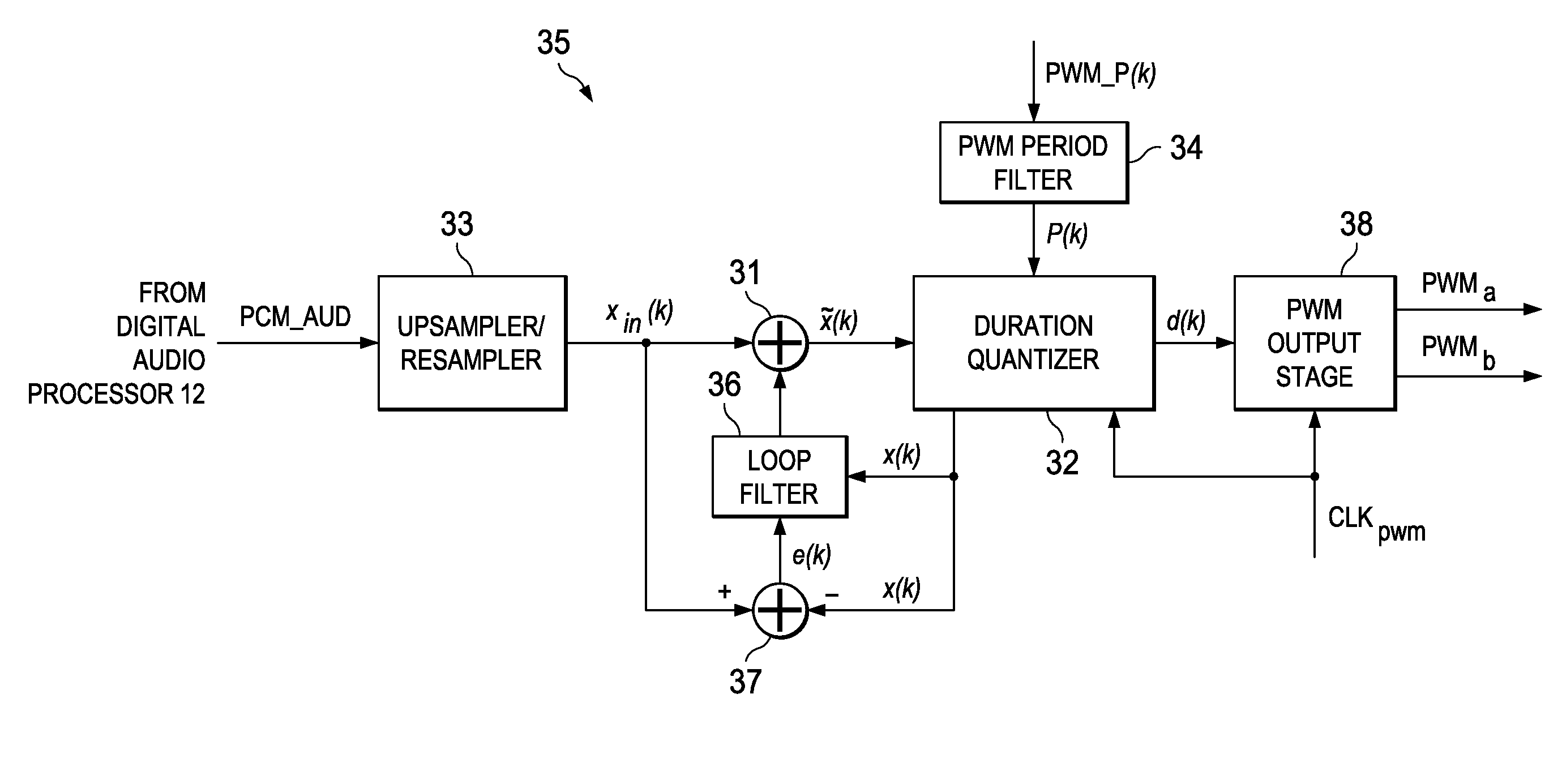
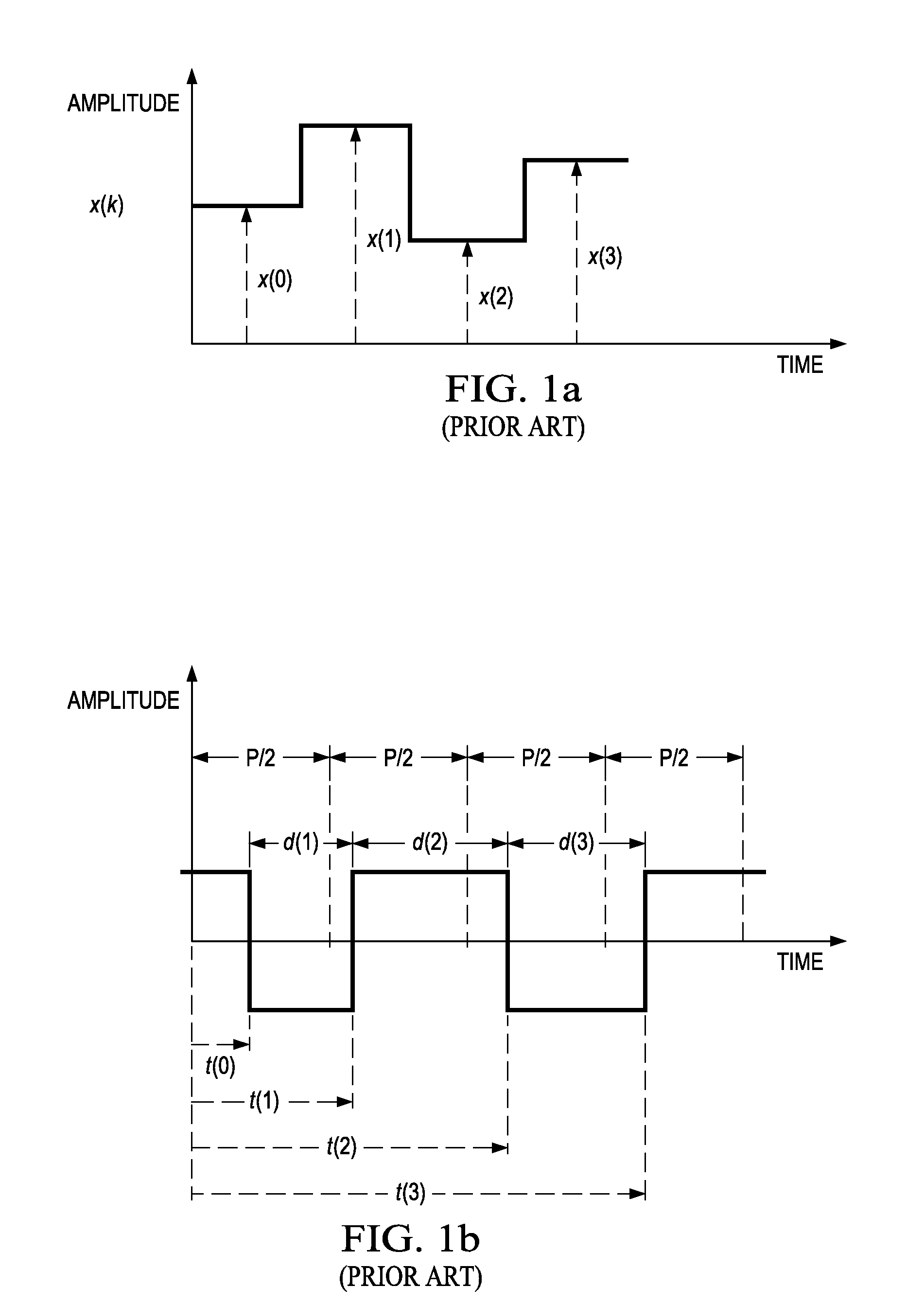
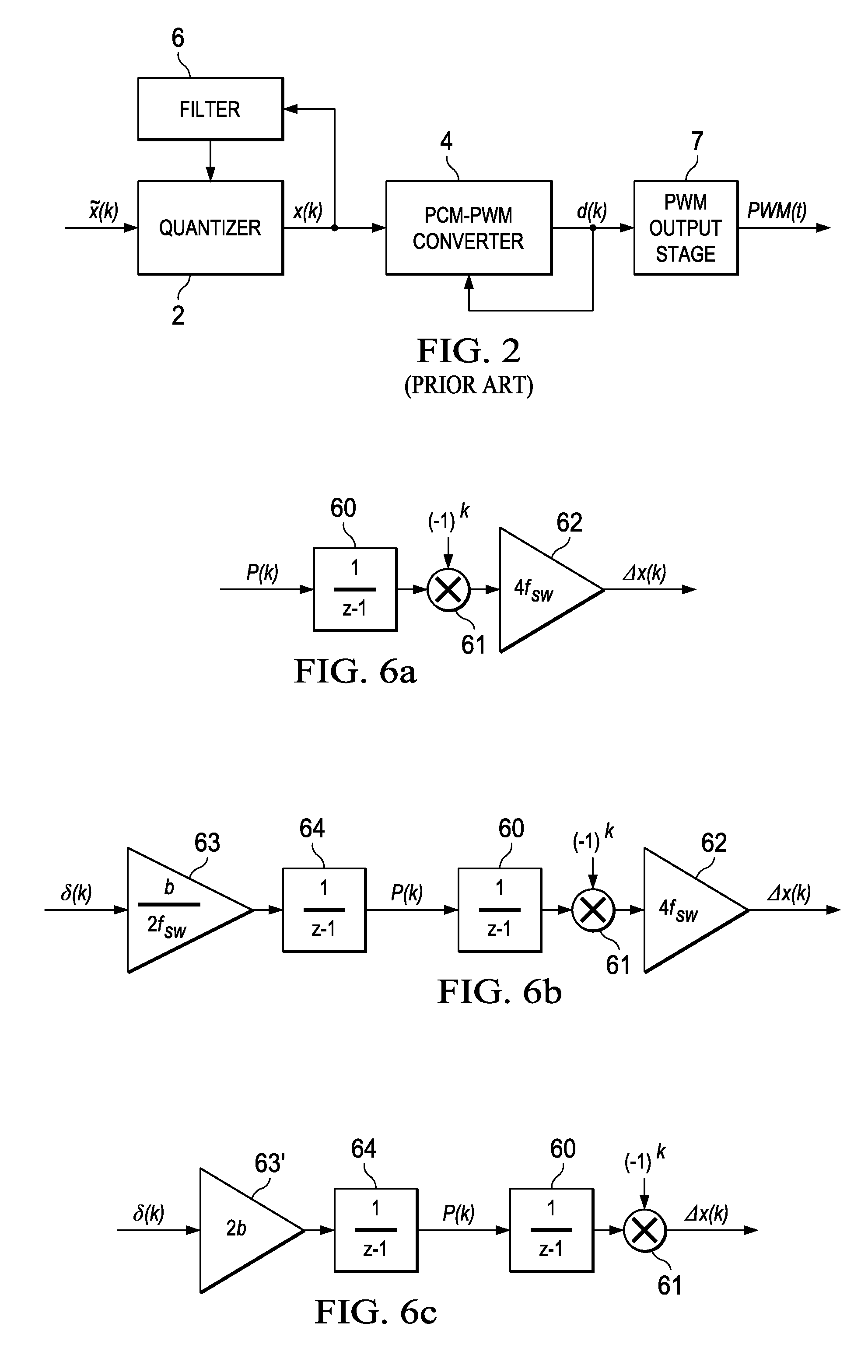
- A circuit and method that dynamically adjusts the PWM period over a continuous range, aligning transition times with the PWM clock grid while using filter functions to suppress transients, allowing the PWM signal to be slaved to an input sample rate and operate from a fixed clock frequency.

Improvements in or relating to pulse code modulation systems
PatentInactiveGB957503A
Innovation
- A feedback encoder with binarily related resistors and logical circuits is used to convert signal samples into a code with fewer terms, employing a translator to reduce the number of binary terms, and a decoder to reconstruct the original signal, ensuring accurate transmission by modifying the encoding process to accommodate varying step sizes.


Standardization and Protocol Compliance Requirements
The standardization landscape for Pulse Code Modulation and conference signaling methods encompasses multiple international bodies and regulatory frameworks. ITU-T serves as the primary standardization authority, establishing fundamental PCM specifications through G.711 recommendations for audio codec standards, while G.722 and G.729 define enhanced compression algorithms. Conference signaling protocols primarily adhere to H.323 suite standards, SIP (Session Initiation Protocol) defined in RFC 3261, and WebRTC specifications maintained by W3C and IETF collaborative efforts.
PCM implementation requires strict compliance with sampling rate specifications, typically 8 kHz for telephony applications and up to 48 kHz for high-fidelity audio systems. Quantization standards mandate specific bit-depth requirements, commonly 8-bit for basic telephony and 16-bit for enhanced quality applications. These parameters directly impact interoperability between different vendor implementations and cross-platform compatibility requirements.
Conference signaling methods face more complex standardization challenges due to multi-vendor ecosystem requirements. SIP-based implementations must conform to numerous RFC specifications covering authentication mechanisms, media negotiation protocols, and session management procedures. H.323 compliance involves adherence to call setup procedures, capability exchange protocols, and media transport specifications defined by ITU-T recommendations.
Protocol compliance verification requires comprehensive testing frameworks addressing codec interoperability, signaling message formatting, and real-time transport protocol adherence. Quality assurance processes must validate conformance to jitter buffer management standards, echo cancellation requirements, and bandwidth adaptation mechanisms specified in relevant technical standards.
Regulatory compliance considerations vary significantly across geographical regions, with FCC requirements in North America, ETSI standards in Europe, and regional telecommunications authority specifications in Asia-Pacific markets. These regulatory frameworks often mandate specific performance metrics, security protocols, and accessibility features that influence both PCM implementation choices and conference signaling architecture decisions.
Emerging standardization efforts focus on next-generation codec specifications, enhanced security protocols, and cloud-native conference architectures. Organizations must monitor evolving standards from IETF working groups, ITU-T study groups, and industry consortiums to ensure long-term compliance strategies remain viable and competitive in rapidly changing telecommunications environments.
PCM implementation requires strict compliance with sampling rate specifications, typically 8 kHz for telephony applications and up to 48 kHz for high-fidelity audio systems. Quantization standards mandate specific bit-depth requirements, commonly 8-bit for basic telephony and 16-bit for enhanced quality applications. These parameters directly impact interoperability between different vendor implementations and cross-platform compatibility requirements.
Conference signaling methods face more complex standardization challenges due to multi-vendor ecosystem requirements. SIP-based implementations must conform to numerous RFC specifications covering authentication mechanisms, media negotiation protocols, and session management procedures. H.323 compliance involves adherence to call setup procedures, capability exchange protocols, and media transport specifications defined by ITU-T recommendations.
Protocol compliance verification requires comprehensive testing frameworks addressing codec interoperability, signaling message formatting, and real-time transport protocol adherence. Quality assurance processes must validate conformance to jitter buffer management standards, echo cancellation requirements, and bandwidth adaptation mechanisms specified in relevant technical standards.
Regulatory compliance considerations vary significantly across geographical regions, with FCC requirements in North America, ETSI standards in Europe, and regional telecommunications authority specifications in Asia-Pacific markets. These regulatory frameworks often mandate specific performance metrics, security protocols, and accessibility features that influence both PCM implementation choices and conference signaling architecture decisions.
Emerging standardization efforts focus on next-generation codec specifications, enhanced security protocols, and cloud-native conference architectures. Organizations must monitor evolving standards from IETF working groups, ITU-T study groups, and industry consortiums to ensure long-term compliance strategies remain viable and competitive in rapidly changing telecommunications environments.
Performance Benchmarking and Comparative Analysis
Performance benchmarking between Pulse Code Modulation and Conference Signaling Methods reveals significant differences across multiple evaluation dimensions. PCM demonstrates superior performance in point-to-point communication scenarios, achieving signal-to-noise ratios exceeding 60dB with 16-bit quantization and maintaining consistent quality across various transmission distances. The method exhibits linear scalability characteristics, with bandwidth requirements directly proportional to the number of channels multiplied by sampling frequency.
Conference signaling methods show distinct advantages in multi-party communication environments. Session Initiation Protocol implementations achieve connection establishment times averaging 200-400 milliseconds, while H.323 protocols typically require 800-1200 milliseconds for similar operations. Real-time Transport Protocol mechanisms within conference signaling frameworks demonstrate adaptive bitrate capabilities, dynamically adjusting from 64 kbps to 2 Mbps based on network conditions.
Latency analysis reveals PCM's inherent advantage with processing delays limited to quantization and sampling intervals, typically under 1 millisecond for standard implementations. Conference signaling introduces additional overhead through session management, authentication, and multi-endpoint coordination, resulting in end-to-end delays ranging from 50-150 milliseconds depending on network topology and participant count.
Bandwidth efficiency comparisons highlight contrasting optimization strategies. PCM maintains constant bandwidth allocation regardless of signal content, ensuring predictable resource utilization but potentially inefficient spectrum usage during silence periods. Conference signaling employs dynamic resource allocation, implementing voice activity detection and silence suppression techniques that can reduce bandwidth consumption by 40-60% during typical conversational patterns.
Scalability benchmarks demonstrate PCM's linear resource scaling model, where each additional channel requires proportional increases in processing power and transmission capacity. Conference signaling exhibits more complex scaling characteristics, with exponential increases in signaling overhead as participant numbers grow, particularly evident in mesh-topology implementations where signaling complexity approaches O(n²) relationships.
Error resilience testing shows PCM's vulnerability to bit errors, where single-bit corruption can cause audible artifacts lasting entire sampling periods. Conference signaling methods incorporate robust error correction mechanisms, packet loss concealment algorithms, and adaptive forward error correction, maintaining acceptable quality levels even with packet loss rates reaching 3-5% under adverse network conditions.
Conference signaling methods show distinct advantages in multi-party communication environments. Session Initiation Protocol implementations achieve connection establishment times averaging 200-400 milliseconds, while H.323 protocols typically require 800-1200 milliseconds for similar operations. Real-time Transport Protocol mechanisms within conference signaling frameworks demonstrate adaptive bitrate capabilities, dynamically adjusting from 64 kbps to 2 Mbps based on network conditions.
Latency analysis reveals PCM's inherent advantage with processing delays limited to quantization and sampling intervals, typically under 1 millisecond for standard implementations. Conference signaling introduces additional overhead through session management, authentication, and multi-endpoint coordination, resulting in end-to-end delays ranging from 50-150 milliseconds depending on network topology and participant count.
Bandwidth efficiency comparisons highlight contrasting optimization strategies. PCM maintains constant bandwidth allocation regardless of signal content, ensuring predictable resource utilization but potentially inefficient spectrum usage during silence periods. Conference signaling employs dynamic resource allocation, implementing voice activity detection and silence suppression techniques that can reduce bandwidth consumption by 40-60% during typical conversational patterns.
Scalability benchmarks demonstrate PCM's linear resource scaling model, where each additional channel requires proportional increases in processing power and transmission capacity. Conference signaling exhibits more complex scaling characteristics, with exponential increases in signaling overhead as participant numbers grow, particularly evident in mesh-topology implementations where signaling complexity approaches O(n²) relationships.
Error resilience testing shows PCM's vulnerability to bit errors, where single-bit corruption can cause audible artifacts lasting entire sampling periods. Conference signaling methods incorporate robust error correction mechanisms, packet loss concealment algorithms, and adaptive forward error correction, maintaining acceptable quality levels even with packet loss rates reaching 3-5% under adverse network conditions.
Unlock deeper insights with Patsnap Eureka Quick Research — get a full tech report to explore trends and direct your research. Try now!
Generate Your Research Report Instantly with AI Agent
Supercharge your innovation with Patsnap Eureka AI Agent Platform!