

Enhancing PCM Solutions for Advanced Applications
MAR 6, 20269 MIN READ
Generate Your Research Report Instantly with AI Agent
PatSnap Eureka helps you evaluate technical feasibility & market potential.
PCM Technology Background and Advanced Application Goals
Phase Change Materials (PCM) represent a revolutionary class of thermal energy storage materials that have evolved significantly since their initial discovery in the mid-20th century. These materials leverage the principle of latent heat storage, absorbing and releasing substantial amounts of thermal energy during phase transitions, typically between solid and liquid states. The foundational research began in the 1940s with paraffin-based compounds, but the technology gained momentum during the 1970s energy crisis when researchers intensified efforts to develop efficient thermal management solutions.
The evolution of PCM technology has progressed through distinct phases, beginning with organic compounds such as paraffins and fatty acids, advancing to inorganic salt hydrates, and culminating in sophisticated eutectic mixtures and microencapsulated formulations. Early applications focused primarily on passive solar heating systems and basic thermal regulation, but technological maturation has expanded the scope dramatically.
Contemporary PCM solutions demonstrate remarkable versatility across temperature ranges from sub-zero applications to high-temperature industrial processes. The materials now encompass bio-based compounds, metallic alloys, and hybrid compositions engineered for specific thermal properties. Advanced manufacturing techniques have enabled precise control over melting points, thermal conductivity, and cycling stability, addressing historical limitations such as supercooling, phase separation, and material degradation.
Current advanced applications span multiple high-impact sectors including aerospace thermal management, where PCMs regulate satellite and spacecraft temperatures in extreme environments. In electronics cooling, these materials provide passive thermal regulation for high-performance computing systems and battery thermal management in electric vehicles. Building integration represents another frontier, with PCM-enhanced construction materials offering dynamic thermal regulation for energy-efficient structures.
The strategic objectives for next-generation PCM solutions focus on achieving enhanced thermal conductivity through composite formulations, extending operational temperature ranges, and improving long-term stability under repeated thermal cycling. Advanced encapsulation technologies aim to prevent material leakage while maintaining optimal heat transfer characteristics. Integration with smart materials and IoT systems represents an emerging goal, enabling responsive thermal management systems that adapt to real-time conditions.
Research priorities emphasize developing PCMs with tailored properties for specific applications, including rapid charging capabilities for thermal batteries, enhanced fire safety characteristics, and compatibility with additive manufacturing processes. The ultimate vision encompasses creating intelligent thermal management ecosystems that autonomously optimize energy storage and release based on predictive algorithms and environmental sensing.
The evolution of PCM technology has progressed through distinct phases, beginning with organic compounds such as paraffins and fatty acids, advancing to inorganic salt hydrates, and culminating in sophisticated eutectic mixtures and microencapsulated formulations. Early applications focused primarily on passive solar heating systems and basic thermal regulation, but technological maturation has expanded the scope dramatically.
Contemporary PCM solutions demonstrate remarkable versatility across temperature ranges from sub-zero applications to high-temperature industrial processes. The materials now encompass bio-based compounds, metallic alloys, and hybrid compositions engineered for specific thermal properties. Advanced manufacturing techniques have enabled precise control over melting points, thermal conductivity, and cycling stability, addressing historical limitations such as supercooling, phase separation, and material degradation.
Current advanced applications span multiple high-impact sectors including aerospace thermal management, where PCMs regulate satellite and spacecraft temperatures in extreme environments. In electronics cooling, these materials provide passive thermal regulation for high-performance computing systems and battery thermal management in electric vehicles. Building integration represents another frontier, with PCM-enhanced construction materials offering dynamic thermal regulation for energy-efficient structures.
The strategic objectives for next-generation PCM solutions focus on achieving enhanced thermal conductivity through composite formulations, extending operational temperature ranges, and improving long-term stability under repeated thermal cycling. Advanced encapsulation technologies aim to prevent material leakage while maintaining optimal heat transfer characteristics. Integration with smart materials and IoT systems represents an emerging goal, enabling responsive thermal management systems that adapt to real-time conditions.
Research priorities emphasize developing PCMs with tailored properties for specific applications, including rapid charging capabilities for thermal batteries, enhanced fire safety characteristics, and compatibility with additive manufacturing processes. The ultimate vision encompasses creating intelligent thermal management ecosystems that autonomously optimize energy storage and release based on predictive algorithms and environmental sensing.
Market Demand Analysis for Enhanced PCM Solutions
The global phase change materials market is experiencing unprecedented growth driven by escalating energy efficiency requirements and sustainability mandates across multiple industries. Data centers represent one of the most promising segments, where PCM solutions address critical thermal management challenges as computing densities continue to increase. The exponential growth in artificial intelligence and high-performance computing applications has created urgent demand for advanced cooling solutions that can handle heat fluxes exceeding traditional air cooling capabilities.
Building and construction sectors demonstrate substantial market potential for enhanced PCM solutions, particularly in regions implementing stringent energy codes and green building standards. The integration of PCM technology in building envelopes, HVAC systems, and thermal energy storage applications aligns with global decarbonization goals and rising energy costs. Smart building initiatives further amplify demand for intelligent thermal management systems incorporating advanced PCM formulations.
Automotive and aerospace industries present rapidly expanding markets for specialized PCM applications. Electric vehicle battery thermal management systems require sophisticated PCM solutions to maintain optimal operating temperatures across diverse environmental conditions. The aerospace sector demands lightweight, high-performance PCM materials for spacecraft thermal control and aircraft cabin temperature regulation, driving innovation in advanced material compositions.
Electronics cooling applications continue to evolve beyond traditional heat sinks and thermal interface materials. Miniaturization trends in consumer electronics, telecommunications equipment, and industrial systems create opportunities for novel PCM integration approaches. The proliferation of 5G infrastructure and edge computing deployments generates substantial demand for compact, efficient thermal management solutions.
Renewable energy storage systems represent an emerging high-growth segment where enhanced PCM solutions can improve system efficiency and longevity. Solar thermal applications, grid-scale energy storage, and waste heat recovery systems increasingly rely on advanced PCM technologies to optimize energy capture and utilization.
Market drivers include regulatory pressures for energy efficiency, rising operational costs, technological advancement requirements, and growing awareness of thermal management's impact on system performance and reliability. The convergence of these factors creates a robust foundation for sustained market expansion across diverse application domains.
Building and construction sectors demonstrate substantial market potential for enhanced PCM solutions, particularly in regions implementing stringent energy codes and green building standards. The integration of PCM technology in building envelopes, HVAC systems, and thermal energy storage applications aligns with global decarbonization goals and rising energy costs. Smart building initiatives further amplify demand for intelligent thermal management systems incorporating advanced PCM formulations.
Automotive and aerospace industries present rapidly expanding markets for specialized PCM applications. Electric vehicle battery thermal management systems require sophisticated PCM solutions to maintain optimal operating temperatures across diverse environmental conditions. The aerospace sector demands lightweight, high-performance PCM materials for spacecraft thermal control and aircraft cabin temperature regulation, driving innovation in advanced material compositions.
Electronics cooling applications continue to evolve beyond traditional heat sinks and thermal interface materials. Miniaturization trends in consumer electronics, telecommunications equipment, and industrial systems create opportunities for novel PCM integration approaches. The proliferation of 5G infrastructure and edge computing deployments generates substantial demand for compact, efficient thermal management solutions.
Renewable energy storage systems represent an emerging high-growth segment where enhanced PCM solutions can improve system efficiency and longevity. Solar thermal applications, grid-scale energy storage, and waste heat recovery systems increasingly rely on advanced PCM technologies to optimize energy capture and utilization.
Market drivers include regulatory pressures for energy efficiency, rising operational costs, technological advancement requirements, and growing awareness of thermal management's impact on system performance and reliability. The convergence of these factors creates a robust foundation for sustained market expansion across diverse application domains.
Current PCM Technology Status and Performance Challenges
Phase Change Materials (PCM) technology has reached a significant maturity level in basic thermal energy storage applications, yet substantial performance gaps remain when addressing advanced industrial and commercial requirements. Current PCM solutions predominantly utilize paraffin-based organic compounds and salt hydrate inorganic materials, each presenting distinct operational limitations that constrain their deployment in high-performance applications.
Thermal conductivity represents the most critical performance bottleneck across existing PCM technologies. Pure paraffin-based systems typically exhibit thermal conductivity values ranging from 0.2 to 0.4 W/mK, significantly limiting heat transfer rates and overall system efficiency. This fundamental constraint necessitates oversized heat exchanger designs and extended charging/discharging cycles, ultimately compromising the economic viability of PCM implementations in time-sensitive applications.
Temperature stability and cycling durability pose additional challenges for current PCM formulations. Many commercially available organic PCMs experience thermal degradation after 500-1000 thermal cycles, with notable changes in melting point temperatures and latent heat capacity. Salt hydrate systems, while offering higher thermal conductivity, suffer from phase separation and supercooling phenomena that reduce long-term reliability and predictable performance characteristics.
Encapsulation technology remains a significant technical hurdle limiting PCM integration into advanced applications. Current macro-encapsulation methods using plastic or metal containers often result in poor heat transfer characteristics and potential leakage issues. Micro-encapsulation approaches, while addressing containment concerns, introduce additional thermal resistance layers and manufacturing complexity that increase overall system costs.
The integration of PCM systems with existing thermal management infrastructure presents compatibility challenges across multiple industries. Current PCM solutions often require specialized heat exchanger designs and control systems, limiting their adoption in retrofit applications where existing equipment modifications are cost-prohibitive or technically unfeasible.
Performance optimization for specific temperature ranges remains inadequately addressed by existing PCM technologies. Many applications require precise temperature control within narrow operational windows, yet current PCM formulations offer limited customization options for melting point temperatures and thermal properties. This constraint particularly impacts advanced applications in electronics cooling, building climate control, and industrial process heat recovery where precise thermal management is essential for optimal performance.
Thermal conductivity represents the most critical performance bottleneck across existing PCM technologies. Pure paraffin-based systems typically exhibit thermal conductivity values ranging from 0.2 to 0.4 W/mK, significantly limiting heat transfer rates and overall system efficiency. This fundamental constraint necessitates oversized heat exchanger designs and extended charging/discharging cycles, ultimately compromising the economic viability of PCM implementations in time-sensitive applications.
Temperature stability and cycling durability pose additional challenges for current PCM formulations. Many commercially available organic PCMs experience thermal degradation after 500-1000 thermal cycles, with notable changes in melting point temperatures and latent heat capacity. Salt hydrate systems, while offering higher thermal conductivity, suffer from phase separation and supercooling phenomena that reduce long-term reliability and predictable performance characteristics.
Encapsulation technology remains a significant technical hurdle limiting PCM integration into advanced applications. Current macro-encapsulation methods using plastic or metal containers often result in poor heat transfer characteristics and potential leakage issues. Micro-encapsulation approaches, while addressing containment concerns, introduce additional thermal resistance layers and manufacturing complexity that increase overall system costs.
The integration of PCM systems with existing thermal management infrastructure presents compatibility challenges across multiple industries. Current PCM solutions often require specialized heat exchanger designs and control systems, limiting their adoption in retrofit applications where existing equipment modifications are cost-prohibitive or technically unfeasible.
Performance optimization for specific temperature ranges remains inadequately addressed by existing PCM technologies. Many applications require precise temperature control within narrow operational windows, yet current PCM formulations offer limited customization options for melting point temperatures and thermal properties. This constraint particularly impacts advanced applications in electronics cooling, building climate control, and industrial process heat recovery where precise thermal management is essential for optimal performance.
Current PCM Enhancement Solutions and Methods
01 Phase change materials for thermal energy storage
Phase change materials (PCMs) are utilized for thermal energy storage applications by absorbing and releasing heat during phase transitions. These materials can be incorporated into various systems to regulate temperature and improve energy efficiency. The PCM solutions typically involve selecting appropriate materials with suitable melting points and latent heat capacities for specific applications.- Phase change material encapsulation technologies: Various encapsulation methods are employed to contain phase change materials (PCMs) within protective shells or matrices. These techniques include microencapsulation, macroencapsulation, and polymer matrix encapsulation to prevent leakage during phase transitions while maintaining thermal storage capabilities. The encapsulation process enhances the durability and applicability of PCMs in different environments and applications.
- PCM composite materials and formulations: Development of composite materials that incorporate phase change materials with various supporting matrices or additives to improve thermal performance and structural integrity. These formulations may include combinations with polymers, inorganic materials, or other substances to optimize heat storage capacity, thermal conductivity, and mechanical properties for specific applications.
- Thermal energy storage systems using PCM: Integration of phase change materials into thermal energy storage systems for heating, cooling, and temperature regulation applications. These systems utilize the latent heat absorption and release properties of PCMs to store and manage thermal energy efficiently in buildings, industrial processes, and other temperature-controlled environments.
- PCM manufacturing and processing methods: Various manufacturing techniques and processing methods for producing phase change material products with desired characteristics. These methods include mixing, blending, forming, and treating processes to create PCM solutions with specific melting points, thermal capacities, and physical properties suitable for different industrial and commercial applications.
- PCM applications in temperature control and regulation: Utilization of phase change materials in various temperature control and regulation applications including building materials, textiles, packaging, and electronic cooling systems. These applications leverage the thermal buffering properties of PCMs to maintain stable temperatures, reduce energy consumption, and improve thermal comfort in diverse settings.
02 Encapsulation techniques for PCM stability
Encapsulation methods are employed to contain phase change materials and prevent leakage during phase transitions. These techniques involve coating or embedding PCMs in protective shells or matrices to enhance their stability, durability, and handling properties. Various encapsulation approaches include microencapsulation, macroencapsulation, and shape-stabilized forms that maintain the PCM's functionality while improving its practical application.Expand Specific Solutions03 PCM integration in building materials
Phase change materials are integrated into building and construction materials to enhance thermal regulation and energy efficiency. This integration involves incorporating PCMs into walls, roofs, floors, and other structural components to absorb excess heat during warm periods and release it during cooler times. The technology helps reduce heating and cooling loads, improving overall building performance and occupant comfort.Expand Specific Solutions04 PCM composite formulations and additives
Composite formulations combine phase change materials with various additives and supporting matrices to enhance thermal properties and performance characteristics. These formulations may include thermal conductivity enhancers, stabilizers, and structural supports that improve heat transfer rates and mechanical properties. The composite approach allows for customization of PCM solutions to meet specific application requirements.Expand Specific Solutions05 PCM applications in thermal management systems
Phase change materials are applied in various thermal management systems including electronics cooling, temperature-controlled packaging, and industrial process temperature regulation. These applications leverage the high latent heat capacity of PCMs to maintain stable temperatures within desired ranges. The systems can be designed for passive or active thermal control depending on the specific requirements of the application.Expand Specific Solutions
Major PCM Industry Players and Competitive Landscape
The PCM solutions market is experiencing rapid evolution driven by increasing demand for advanced thermal management across electronics, automotive, and energy storage applications. The industry demonstrates significant market expansion potential, with technology maturity varying considerably among key players. Established technology leaders like Huawei Technologies, LG Electronics, Sony Group, and Murata Manufacturing leverage extensive R&D capabilities and manufacturing scale to advance PCM integration in consumer electronics and industrial applications. Chinese companies including ZTE, Rockchip Electronics, and Sanechips Technology are aggressively developing specialized PCM solutions for telecommunications and semiconductor applications. Academic institutions such as Harbin Institute of Technology, Xidian University, and Central South University contribute fundamental research breakthroughs. The competitive landscape shows a mix of mature multinational corporations with proven PCM implementations and emerging Chinese firms rapidly advancing through government support and focused innovation strategies.
Huawei Technologies Co., Ltd.
Technical Solution: Huawei has developed advanced PCM (Phase Change Memory) solutions integrated into their storage systems and mobile devices. Their approach focuses on multi-level cell (MLC) PCM technology that enables higher storage density while maintaining fast read/write speeds. The company has implemented proprietary algorithms for wear leveling and error correction specifically designed for PCM characteristics. Their PCM solutions feature enhanced thermal management systems to optimize the phase change process, achieving write speeds up to 1000 times faster than traditional NAND flash memory. Huawei's PCM technology is particularly optimized for enterprise storage applications and high-performance computing scenarios where low latency and high endurance are critical requirements.
Strengths: Strong integration capabilities with existing storage infrastructure, advanced thermal management, high performance optimization. Weaknesses: Limited market availability due to trade restrictions, higher manufacturing costs compared to traditional memory solutions.
Murata Manufacturing Co. Ltd.
Technical Solution: Murata has developed PCM solutions focusing on miniaturization and integration for IoT and wearable applications. Their PCM technology emphasizes low-power operation and compact form factors, utilizing advanced materials engineering to achieve stable phase transitions at reduced energy consumption. The company's approach includes specialized packaging techniques that protect PCM cells from environmental factors while maintaining thermal efficiency. Their solutions feature proprietary chalcogenide alloy compositions that provide improved cycling endurance and data retention characteristics. Murata's PCM products are designed for embedded applications requiring non-volatile memory with instant-on capabilities and resistance to mechanical shock and vibration.
Strengths: Excellent miniaturization capabilities, strong materials engineering expertise, robust environmental resistance. Weaknesses: Limited to smaller capacity applications, higher per-bit costs for consumer markets.
Key PCM Innovation Patents and Technical Breakthroughs
Stable salt hydrate-based thermal energy storage materials
PatentActiveUS20210340423A1
Innovation
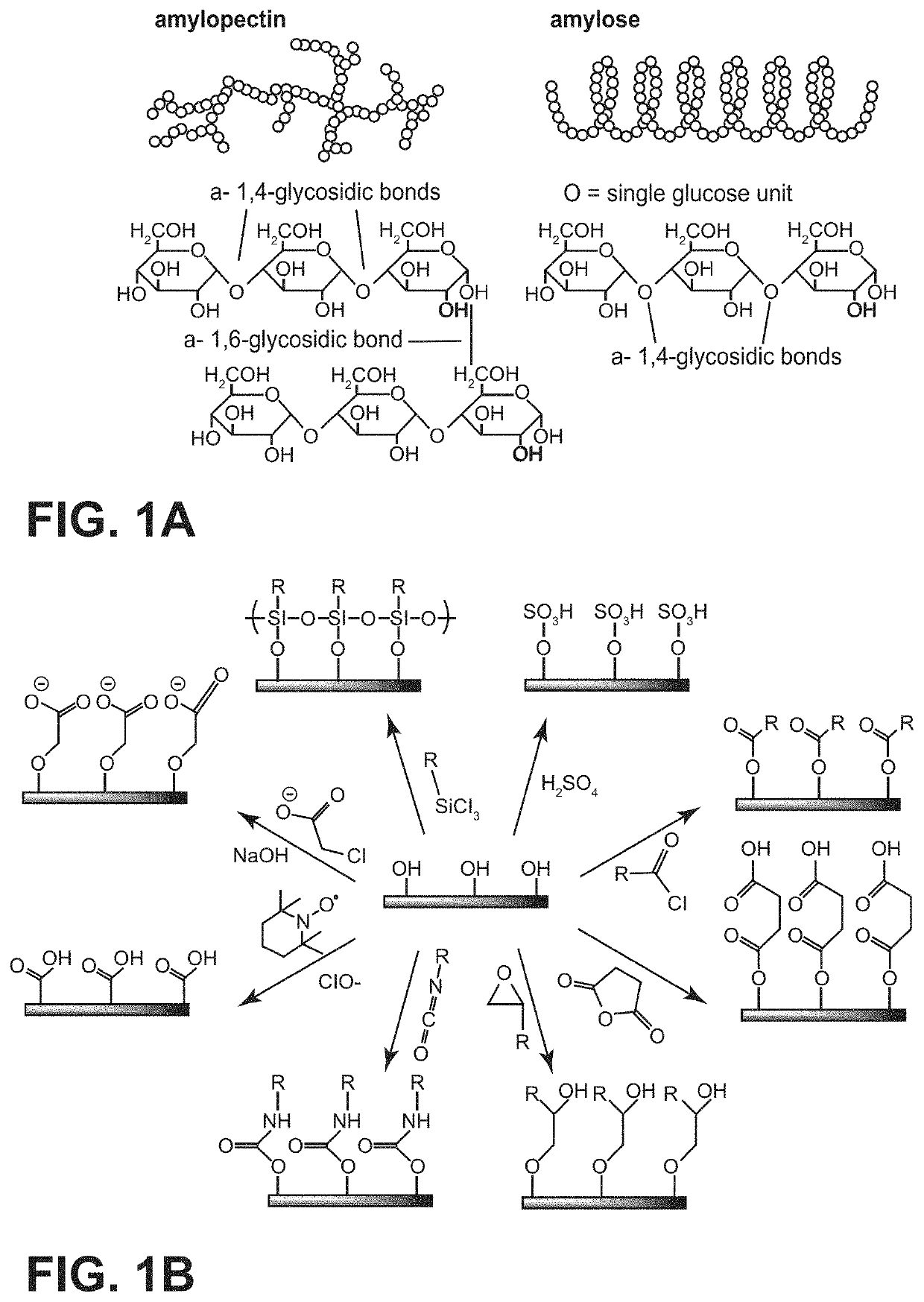
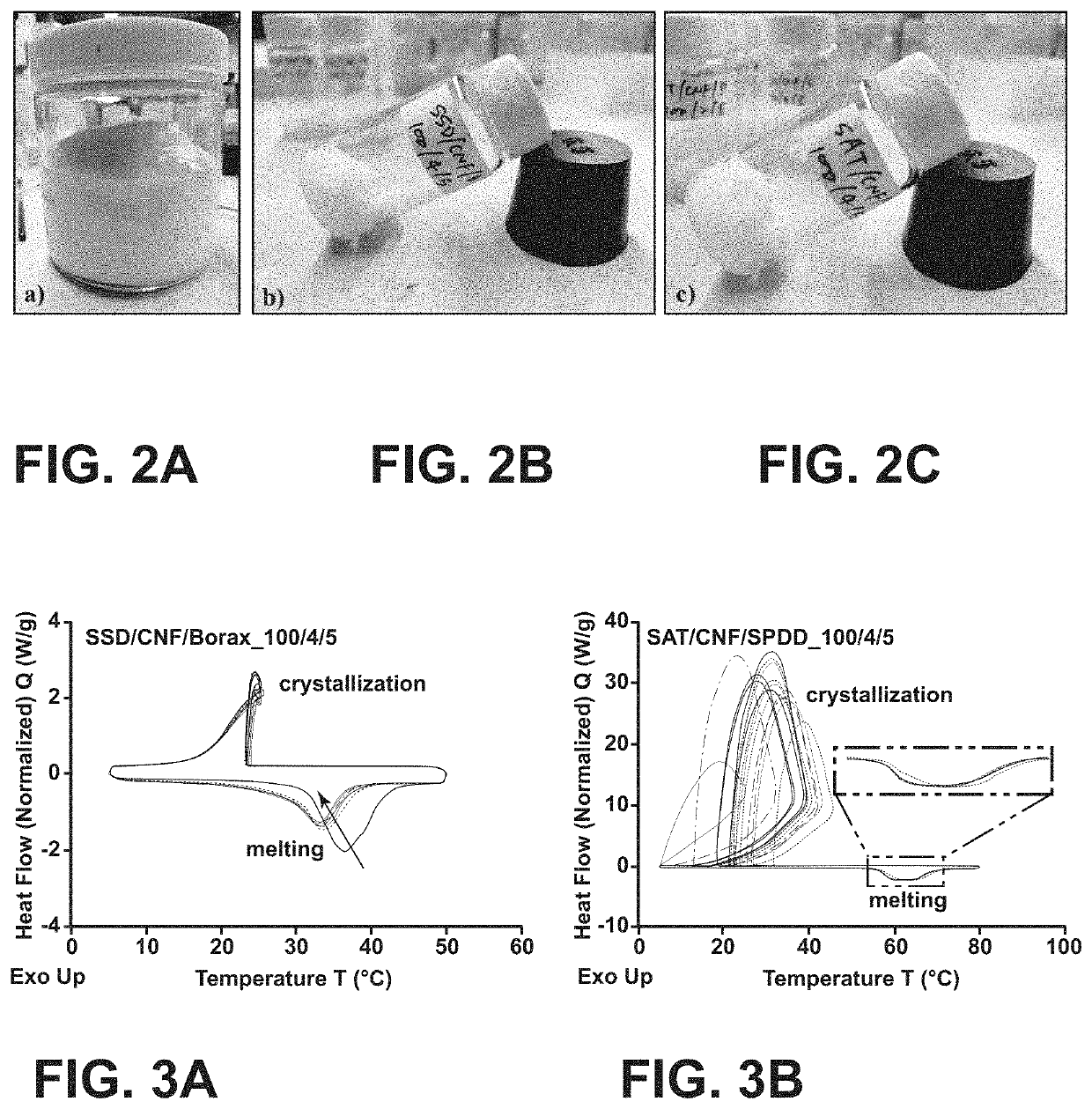
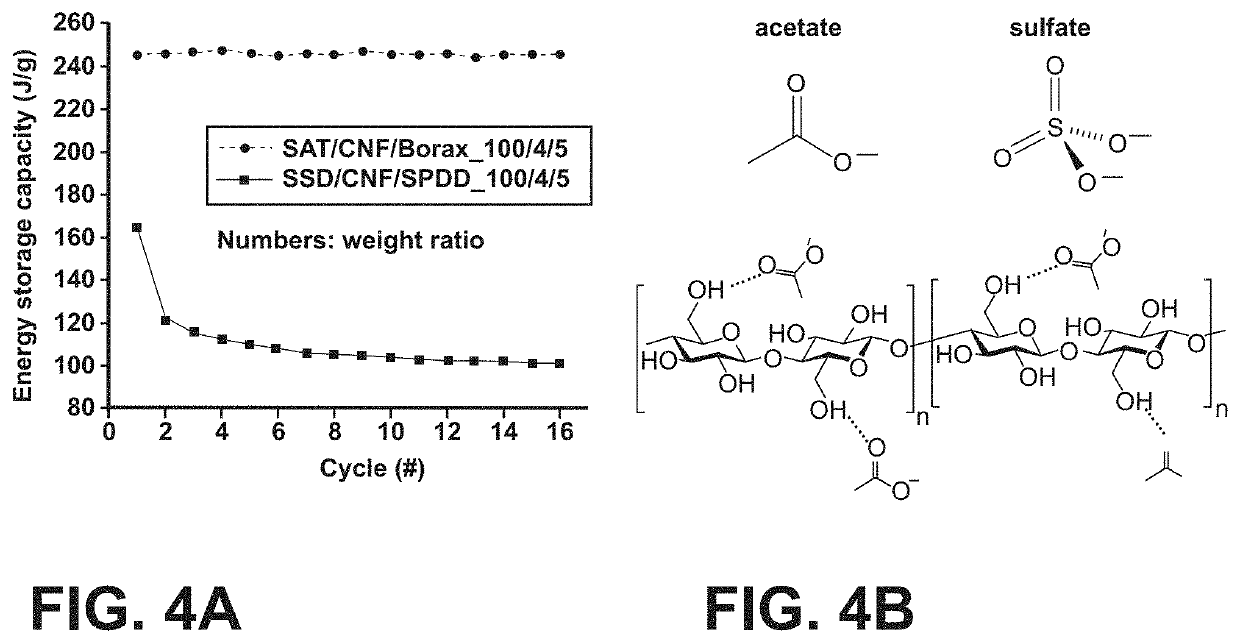
- A phase change material composition comprising a salt hydrate with a stabilizing matrix of polysaccharides like nanocellulose, sulfonated polysaccharides, starch, glycogen, or chitin, which physically traps and chemically stabilizes the ionic solution and anhydrous salt, preventing phase separation and enhancing thermal cycling stability and energy storage capacity.

Phase change materials, compositions comprising phase change materials, and methods of making the same
PatentWO2025090830A1
Innovation
- Compositions comprising at least 25 wt.% bio-based or inorganic PCM components and at least 30 wt.% alkane components, with optional inclusion of nucleating agents and gelling agents, are developed to enhance thermal energy management properties.


Environmental Impact Assessment of Advanced PCM Applications
The environmental implications of advanced Phase Change Material (PCM) applications present a complex landscape of both opportunities and challenges that require comprehensive evaluation across multiple dimensions. As PCM technologies expand into sophisticated applications including building energy management, thermal regulation systems, and industrial process optimization, understanding their environmental footprint becomes increasingly critical for sustainable development strategies.
Life cycle assessment studies reveal that advanced PCM solutions demonstrate significant environmental benefits through energy consumption reduction and carbon footprint minimization. Organic PCMs, particularly bio-based paraffins and fatty acids, exhibit favorable environmental profiles due to their renewable origins and biodegradability characteristics. These materials typically reduce building energy consumption by 15-30% when integrated into thermal management systems, translating to substantial greenhouse gas emission reductions over operational lifespans.
However, synthetic PCM formulations present more complex environmental considerations. Salt hydrates and eutectic mixtures, while offering superior thermal performance, may introduce concerns regarding resource extraction impacts and end-of-life disposal challenges. The manufacturing processes for encapsulated PCM systems often involve energy-intensive procedures and specialized materials that contribute to embodied carbon content.
Advanced PCM applications in industrial sectors demonstrate promising environmental performance through waste heat recovery and process efficiency improvements. Thermal energy storage systems utilizing PCMs can reduce industrial energy waste by up to 40%, significantly lowering overall environmental impact despite initial material production considerations.
The environmental assessment framework for advanced PCM applications must encompass raw material sourcing, manufacturing energy requirements, transportation impacts, operational efficiency gains, and end-of-life scenarios. Emerging bio-based PCM formulations show particular promise for minimizing environmental impact while maintaining performance standards required for advanced applications.
Regulatory frameworks increasingly emphasize environmental performance metrics for thermal management technologies, driving innovation toward more sustainable PCM solutions. The integration of circular economy principles into PCM development processes presents opportunities for enhanced environmental performance through material recovery and recycling strategies.
Life cycle assessment studies reveal that advanced PCM solutions demonstrate significant environmental benefits through energy consumption reduction and carbon footprint minimization. Organic PCMs, particularly bio-based paraffins and fatty acids, exhibit favorable environmental profiles due to their renewable origins and biodegradability characteristics. These materials typically reduce building energy consumption by 15-30% when integrated into thermal management systems, translating to substantial greenhouse gas emission reductions over operational lifespans.
However, synthetic PCM formulations present more complex environmental considerations. Salt hydrates and eutectic mixtures, while offering superior thermal performance, may introduce concerns regarding resource extraction impacts and end-of-life disposal challenges. The manufacturing processes for encapsulated PCM systems often involve energy-intensive procedures and specialized materials that contribute to embodied carbon content.
Advanced PCM applications in industrial sectors demonstrate promising environmental performance through waste heat recovery and process efficiency improvements. Thermal energy storage systems utilizing PCMs can reduce industrial energy waste by up to 40%, significantly lowering overall environmental impact despite initial material production considerations.
The environmental assessment framework for advanced PCM applications must encompass raw material sourcing, manufacturing energy requirements, transportation impacts, operational efficiency gains, and end-of-life scenarios. Emerging bio-based PCM formulations show particular promise for minimizing environmental impact while maintaining performance standards required for advanced applications.
Regulatory frameworks increasingly emphasize environmental performance metrics for thermal management technologies, driving innovation toward more sustainable PCM solutions. The integration of circular economy principles into PCM development processes presents opportunities for enhanced environmental performance through material recovery and recycling strategies.
Cost-Benefit Analysis of Enhanced PCM Implementation
The economic viability of enhanced PCM implementation requires comprehensive evaluation of initial capital expenditure against long-term operational benefits. Enhanced PCM systems typically demand higher upfront investment compared to conventional thermal management solutions, with costs ranging from 15-40% premium depending on the application complexity and performance requirements. This initial investment encompasses advanced PCM materials, specialized encapsulation systems, and sophisticated control mechanisms necessary for optimal performance.
Implementation costs vary significantly across different application sectors. Building HVAC systems show moderate cost increases of 20-25%, while electronics cooling applications may experience higher premiums due to precision requirements and miniaturization challenges. Industrial process applications often justify higher initial costs through substantial energy savings and improved process efficiency.
The operational benefits of enhanced PCM solutions manifest through multiple channels. Energy consumption reduction typically ranges from 25-45% in thermal management applications, translating to significant utility cost savings over the system lifecycle. Reduced peak load demands can lower electricity costs by 15-30% in commercial applications, while improved temperature stability reduces equipment wear and extends operational lifespan.
Maintenance cost reductions represent another significant benefit stream. Enhanced PCM systems require minimal maintenance compared to active cooling systems, reducing annual maintenance expenses by 40-60%. The passive nature of PCM operation eliminates mechanical component failures and reduces system downtime, contributing to improved operational reliability.
Return on investment calculations demonstrate favorable economics for most enhanced PCM applications. Payback periods typically range from 3-7 years, depending on energy costs and application intensity. High-performance applications with continuous thermal loads show shorter payback periods, while intermittent-use applications may require longer investment recovery timeframes.
Risk assessment reveals that enhanced PCM implementation carries moderate technical and financial risks. Material degradation over extended cycles represents the primary technical risk, though advanced formulations significantly mitigate this concern. Market volatility in energy prices can affect ROI calculations, but the general trend toward higher energy costs supports favorable long-term economics for PCM adoption.
Implementation costs vary significantly across different application sectors. Building HVAC systems show moderate cost increases of 20-25%, while electronics cooling applications may experience higher premiums due to precision requirements and miniaturization challenges. Industrial process applications often justify higher initial costs through substantial energy savings and improved process efficiency.
The operational benefits of enhanced PCM solutions manifest through multiple channels. Energy consumption reduction typically ranges from 25-45% in thermal management applications, translating to significant utility cost savings over the system lifecycle. Reduced peak load demands can lower electricity costs by 15-30% in commercial applications, while improved temperature stability reduces equipment wear and extends operational lifespan.
Maintenance cost reductions represent another significant benefit stream. Enhanced PCM systems require minimal maintenance compared to active cooling systems, reducing annual maintenance expenses by 40-60%. The passive nature of PCM operation eliminates mechanical component failures and reduces system downtime, contributing to improved operational reliability.
Return on investment calculations demonstrate favorable economics for most enhanced PCM applications. Payback periods typically range from 3-7 years, depending on energy costs and application intensity. High-performance applications with continuous thermal loads show shorter payback periods, while intermittent-use applications may require longer investment recovery timeframes.
Risk assessment reveals that enhanced PCM implementation carries moderate technical and financial risks. Material degradation over extended cycles represents the primary technical risk, though advanced formulations significantly mitigate this concern. Market volatility in energy prices can affect ROI calculations, but the general trend toward higher energy costs supports favorable long-term economics for PCM adoption.
Unlock deeper insights with PatSnap Eureka Quick Research — get a full tech report to explore trends and direct your research. Try now!
Generate Your Research Report Instantly with AI Agent
Supercharge your innovation with PatSnap Eureka AI Agent Platform!