Enhancing PCM for Smart City Applications
MAR 6, 20269 MIN READ
Generate Your Research Report Instantly with AI Agent
PatSnap Eureka helps you evaluate technical feasibility & market potential.
PCM Smart City Integration Background and Objectives
Phase Change Materials (PCM) technology has emerged as a critical component in the evolution of smart city infrastructure, representing a paradigm shift in urban energy management and thermal regulation systems. The integration of PCM into smart city applications addresses fundamental challenges related to energy efficiency, sustainability, and urban heat island mitigation that modern metropolitan areas face as they undergo rapid digitization and population growth.
The historical development of PCM technology traces back to the 1940s when researchers first explored the potential of materials that could store and release thermal energy through phase transitions. Early applications focused primarily on aerospace and military sectors, where precise temperature control was paramount. The transition toward urban applications began in the 1980s with building envelope integration, but the convergence with smart city concepts represents a relatively recent development driven by IoT connectivity, advanced sensors, and data analytics capabilities.
Current technological evolution trends indicate a strong movement toward intelligent PCM systems that can autonomously respond to environmental conditions and energy demands. These systems incorporate real-time monitoring, predictive algorithms, and adaptive control mechanisms that optimize thermal performance based on weather patterns, occupancy data, and grid energy pricing. The integration of machine learning algorithms enables PCM systems to learn from historical performance data and continuously improve their operational efficiency.
The primary technical objectives for enhanced PCM integration in smart cities encompass several critical areas. Energy storage optimization aims to maximize the thermal capacity and cycling efficiency of PCM materials while minimizing degradation over extended operational periods. Smart grid integration objectives focus on enabling PCM systems to participate in demand response programs and provide grid stabilization services through coordinated thermal energy storage and release cycles.
Temperature regulation targets involve developing PCM solutions that can maintain optimal thermal comfort in buildings while reducing HVAC energy consumption by 20-40%. Urban heat island mitigation objectives seek to deploy PCM-enhanced infrastructure elements such as pavements, building facades, and urban furniture to reduce ambient temperatures in dense urban areas by 2-5 degrees Celsius during peak summer conditions.
System interoperability represents another crucial objective, requiring PCM technologies to seamlessly integrate with existing smart city platforms, building management systems, and energy management networks. This includes developing standardized communication protocols, data exchange formats, and control interfaces that enable coordinated operation across multiple PCM installations throughout the urban environment.
The historical development of PCM technology traces back to the 1940s when researchers first explored the potential of materials that could store and release thermal energy through phase transitions. Early applications focused primarily on aerospace and military sectors, where precise temperature control was paramount. The transition toward urban applications began in the 1980s with building envelope integration, but the convergence with smart city concepts represents a relatively recent development driven by IoT connectivity, advanced sensors, and data analytics capabilities.
Current technological evolution trends indicate a strong movement toward intelligent PCM systems that can autonomously respond to environmental conditions and energy demands. These systems incorporate real-time monitoring, predictive algorithms, and adaptive control mechanisms that optimize thermal performance based on weather patterns, occupancy data, and grid energy pricing. The integration of machine learning algorithms enables PCM systems to learn from historical performance data and continuously improve their operational efficiency.
The primary technical objectives for enhanced PCM integration in smart cities encompass several critical areas. Energy storage optimization aims to maximize the thermal capacity and cycling efficiency of PCM materials while minimizing degradation over extended operational periods. Smart grid integration objectives focus on enabling PCM systems to participate in demand response programs and provide grid stabilization services through coordinated thermal energy storage and release cycles.
Temperature regulation targets involve developing PCM solutions that can maintain optimal thermal comfort in buildings while reducing HVAC energy consumption by 20-40%. Urban heat island mitigation objectives seek to deploy PCM-enhanced infrastructure elements such as pavements, building facades, and urban furniture to reduce ambient temperatures in dense urban areas by 2-5 degrees Celsius during peak summer conditions.
System interoperability represents another crucial objective, requiring PCM technologies to seamlessly integrate with existing smart city platforms, building management systems, and energy management networks. This includes developing standardized communication protocols, data exchange formats, and control interfaces that enable coordinated operation across multiple PCM installations throughout the urban environment.
Urban Energy Storage Market Demand Analysis
The urban energy storage market is experiencing unprecedented growth driven by the increasing adoption of smart city initiatives worldwide. Cities are recognizing the critical need for efficient energy management systems to support renewable energy integration, grid stability, and peak demand management. Phase Change Materials (PCM) represent a particularly promising solution for urban thermal energy storage applications, addressing the growing demand for sustainable building climate control and district energy systems.
Market drivers for PCM-enhanced energy storage in urban environments include stringent building energy efficiency regulations, rising electricity costs, and the need to reduce carbon emissions. Smart cities are increasingly implementing integrated energy management systems that require reliable, cost-effective storage solutions capable of handling both short-term and long-term energy fluctuations. The thermal energy storage segment, where PCM technology excels, is becoming essential for optimizing HVAC systems in commercial buildings, residential complexes, and industrial facilities.
The demand landscape reveals strong growth potential across multiple urban applications. Building-integrated thermal storage systems utilizing PCM are gaining traction for their ability to shift cooling and heating loads to off-peak hours, reducing energy costs and grid stress. District cooling and heating networks in dense urban areas are incorporating PCM storage to improve system efficiency and reliability. Additionally, the integration of renewable energy sources in smart cities creates substantial demand for thermal storage solutions that can buffer intermittent energy supply.
Geographic market analysis indicates that developed urban centers in North America, Europe, and Asia-Pacific are leading adoption rates, driven by supportive regulatory frameworks and advanced smart city infrastructure investments. Emerging markets are showing increasing interest as urbanization accelerates and energy security becomes a priority. The market potential extends beyond traditional applications to include electric vehicle charging infrastructure thermal management, data center cooling optimization, and industrial waste heat recovery systems.
Current market challenges include the need for improved PCM performance characteristics, cost reduction through manufacturing scale, and standardization of integration protocols for smart city energy management platforms. However, technological advances in PCM formulations and encapsulation methods are addressing these barriers, positioning the market for sustained growth as cities continue their digital transformation and sustainability initiatives.
Market drivers for PCM-enhanced energy storage in urban environments include stringent building energy efficiency regulations, rising electricity costs, and the need to reduce carbon emissions. Smart cities are increasingly implementing integrated energy management systems that require reliable, cost-effective storage solutions capable of handling both short-term and long-term energy fluctuations. The thermal energy storage segment, where PCM technology excels, is becoming essential for optimizing HVAC systems in commercial buildings, residential complexes, and industrial facilities.
The demand landscape reveals strong growth potential across multiple urban applications. Building-integrated thermal storage systems utilizing PCM are gaining traction for their ability to shift cooling and heating loads to off-peak hours, reducing energy costs and grid stress. District cooling and heating networks in dense urban areas are incorporating PCM storage to improve system efficiency and reliability. Additionally, the integration of renewable energy sources in smart cities creates substantial demand for thermal storage solutions that can buffer intermittent energy supply.
Geographic market analysis indicates that developed urban centers in North America, Europe, and Asia-Pacific are leading adoption rates, driven by supportive regulatory frameworks and advanced smart city infrastructure investments. Emerging markets are showing increasing interest as urbanization accelerates and energy security becomes a priority. The market potential extends beyond traditional applications to include electric vehicle charging infrastructure thermal management, data center cooling optimization, and industrial waste heat recovery systems.
Current market challenges include the need for improved PCM performance characteristics, cost reduction through manufacturing scale, and standardization of integration protocols for smart city energy management platforms. However, technological advances in PCM formulations and encapsulation methods are addressing these barriers, positioning the market for sustained growth as cities continue their digital transformation and sustainability initiatives.
Current PCM Technology Status and Urban Implementation Challenges
Phase Change Materials (PCM) technology has reached a significant level of maturity in laboratory settings, with numerous formulations demonstrating excellent thermal energy storage capabilities. Current PCM solutions primarily utilize paraffin-based organic compounds, salt hydrates, and fatty acids, each offering distinct advantages in terms of melting point ranges, energy density, and thermal cycling stability. Commercial PCM products are now available with melting points ranging from 18°C to 89°C, making them suitable for various building applications including passive cooling, thermal regulation, and energy storage systems.
The integration of PCM technology into smart city infrastructure faces several critical implementation challenges that limit widespread adoption. Cost remains a primary barrier, with high-quality PCM materials typically costing 3-5 times more than conventional building materials per unit volume. This economic constraint significantly impacts the business case for large-scale urban deployment, particularly in developing regions where smart city initiatives are rapidly expanding.
Technical challenges persist in maintaining PCM performance over extended operational periods. Thermal cycling degradation, where repeated melting and solidification cycles gradually reduce the material's energy storage capacity, presents a significant concern for long-term urban applications. Current PCM formulations typically experience 5-15% capacity reduction after 1000 thermal cycles, which translates to performance degradation over 3-5 years in typical urban environments.
Encapsulation and containment technologies represent another critical challenge area. Effective PCM integration requires sophisticated packaging solutions that prevent leakage while maintaining optimal heat transfer characteristics. Current macro-encapsulation methods using plastic containers or metal shells often compromise thermal conductivity, while micro-encapsulation techniques, though promising, remain expensive and technically complex for large-scale implementation.
Urban-specific challenges include the need for PCM systems to operate reliably under varying environmental conditions, including temperature fluctuations, humidity variations, and potential exposure to pollutants. Smart city applications demand robust monitoring and control systems that can optimize PCM performance in real-time, requiring integration with IoT sensors and building management systems. Additionally, maintenance accessibility and replacement protocols for PCM systems in urban infrastructure present logistical complexities that current technology solutions have not fully addressed.
The geographical distribution of PCM technology development shows concentration in North America, Europe, and East Asia, with limited deployment experience in tropical and subtropical urban environments where many emerging smart cities are located.
The integration of PCM technology into smart city infrastructure faces several critical implementation challenges that limit widespread adoption. Cost remains a primary barrier, with high-quality PCM materials typically costing 3-5 times more than conventional building materials per unit volume. This economic constraint significantly impacts the business case for large-scale urban deployment, particularly in developing regions where smart city initiatives are rapidly expanding.
Technical challenges persist in maintaining PCM performance over extended operational periods. Thermal cycling degradation, where repeated melting and solidification cycles gradually reduce the material's energy storage capacity, presents a significant concern for long-term urban applications. Current PCM formulations typically experience 5-15% capacity reduction after 1000 thermal cycles, which translates to performance degradation over 3-5 years in typical urban environments.
Encapsulation and containment technologies represent another critical challenge area. Effective PCM integration requires sophisticated packaging solutions that prevent leakage while maintaining optimal heat transfer characteristics. Current macro-encapsulation methods using plastic containers or metal shells often compromise thermal conductivity, while micro-encapsulation techniques, though promising, remain expensive and technically complex for large-scale implementation.
Urban-specific challenges include the need for PCM systems to operate reliably under varying environmental conditions, including temperature fluctuations, humidity variations, and potential exposure to pollutants. Smart city applications demand robust monitoring and control systems that can optimize PCM performance in real-time, requiring integration with IoT sensors and building management systems. Additionally, maintenance accessibility and replacement protocols for PCM systems in urban infrastructure present logistical complexities that current technology solutions have not fully addressed.
The geographical distribution of PCM technology development shows concentration in North America, Europe, and East Asia, with limited deployment experience in tropical and subtropical urban environments where many emerging smart cities are located.
Existing PCM Solutions for Urban Energy Management
01 Phase change materials for thermal energy storage
Phase change materials (PCMs) are utilized for thermal energy storage applications by absorbing and releasing heat during phase transitions. These materials can store large amounts of thermal energy at relatively constant temperatures, making them suitable for building temperature regulation, solar energy storage, and thermal management systems. The PCMs undergo solid-liquid or solid-solid phase transitions to provide efficient energy storage and release capabilities.- Phase change materials for thermal energy storage: Phase change materials (PCMs) are utilized for thermal energy storage applications by absorbing and releasing heat during phase transitions. These materials can store large amounts of thermal energy at relatively constant temperatures, making them suitable for temperature regulation and energy management systems. The PCMs can be incorporated into various structures and compositions to enhance thermal performance.
- Encapsulation and containment of PCM: Encapsulation techniques are employed to contain phase change materials and prevent leakage during phase transitions. Various encapsulation methods include microencapsulation, macroencapsulation, and incorporation into porous matrices or polymer structures. These containment strategies improve the stability, durability, and handling characteristics of PCMs while maintaining their thermal storage capabilities.
- PCM composites with enhanced thermal conductivity: Composite materials combining phase change materials with thermally conductive additives are developed to improve heat transfer rates. These composites incorporate materials such as graphite, metal particles, carbon nanotubes, or expanded graphite to enhance thermal conductivity while maintaining the latent heat storage capacity. The improved thermal conductivity enables faster charging and discharging of thermal energy.
- PCM applications in building materials and construction: Phase change materials are integrated into building materials and construction elements for passive thermal regulation and energy efficiency. PCMs can be incorporated into wallboards, concrete, insulation materials, and roofing systems to reduce temperature fluctuations and decrease heating and cooling energy demands. These applications contribute to improved indoor comfort and reduced energy consumption in buildings.
- PCM formulations with specific melting temperature ranges: Specialized phase change material formulations are designed to achieve specific melting temperature ranges suitable for particular applications. These formulations may include organic compounds, inorganic salts, eutectic mixtures, or hybrid combinations to target desired transition temperatures. The tailored melting points enable PCMs to be optimized for applications ranging from cold storage to thermal comfort systems.
02 Encapsulation and containment of phase change materials
Encapsulation techniques are employed to contain PCMs and prevent leakage during phase transitions. Various encapsulation methods include microencapsulation, macroencapsulation, and incorporation into porous matrices or polymer structures. These containment strategies enhance the stability, durability, and practical application of PCMs in different systems while maintaining their thermal storage properties and preventing material degradation.Expand Specific Solutions03 Composite phase change materials with enhanced thermal conductivity
Composite PCMs are developed by incorporating thermally conductive additives such as metal particles, carbon materials, or graphite into the base phase change material. These composites address the inherent low thermal conductivity limitation of many PCMs, enabling faster heat transfer rates and improved charging and discharging performance. The enhanced thermal conductivity makes these materials more effective for applications requiring rapid thermal response.Expand Specific Solutions04 Form-stable phase change materials and shape-stabilized composites
Form-stable PCMs are created by integrating phase change materials with supporting matrices that maintain structural integrity during phase transitions. These materials prevent leakage of the liquid phase while allowing the PCM to undergo phase changes freely. Supporting structures can include polymers, porous materials, or framework structures that physically or chemically bind the PCM, enabling solid-state thermal energy storage without containment issues.Expand Specific Solutions05 PCM applications in building materials and construction
Phase change materials are integrated into building materials and construction components to improve thermal comfort and energy efficiency. PCMs can be incorporated into wallboards, concrete, insulation materials, and other building elements to regulate indoor temperatures by absorbing excess heat during warm periods and releasing it during cooler periods. This passive thermal management reduces heating and cooling energy consumption in buildings.Expand Specific Solutions
Leading PCM Companies and Smart City Solution Providers
The PCM enhancement for smart city applications represents a rapidly evolving market in the early growth stage, driven by increasing urbanization and IoT deployment demands. The competitive landscape features established semiconductor giants like Intel, NVIDIA, and Qualcomm leading in processing capabilities, while memory specialists including Micron Technology, Nanya Technology, and Taiwan Semiconductor Manufacturing provide foundational storage solutions. Technology maturity varies significantly across segments, with companies like IBM and Huawei advancing AI-driven optimization algorithms, while STMicroelectronics and Texas Instruments focus on embedded processing solutions. The market demonstrates strong growth potential as telecommunications leaders like Ericsson and infrastructure providers such as Alibaba Group integrate PCM technologies into comprehensive smart city platforms, creating a diverse ecosystem spanning hardware manufacturing to cloud-based services and system integration.
International Business Machines Corp.
Technical Solution: IBM has developed advanced PCM solutions leveraging their extensive research in phase-change materials and neuromorphic computing architectures. Their PCM technology focuses on creating high-density, non-volatile memory systems that can operate efficiently in smart city environments with varying temperature and power conditions. IBM's approach integrates PCM with AI accelerators to enable real-time data processing for traffic management, environmental monitoring, and energy optimization systems. Their solution includes specialized algorithms for wear leveling and endurance management, ensuring reliable operation in continuous smart city applications. The technology supports multi-level cell storage to maximize data density while maintaining fast access times essential for smart city responsiveness.
Strengths: Extensive R&D capabilities, proven neuromorphic computing integration, strong AI acceleration features. Weaknesses: Higher cost compared to traditional memory solutions, complex implementation requirements.
Intel Corp.
Technical Solution: Intel has developed 3D XPoint technology, a form of PCM that provides breakthrough performance for smart city applications requiring ultra-fast data access and processing. Their solution combines high-speed, non-volatile memory with optimized controllers specifically designed for IoT and edge computing scenarios common in smart cities. Intel's PCM implementation focuses on reducing latency in data-intensive applications such as real-time traffic analytics, smart grid management, and emergency response systems. The technology offers byte-addressable storage with DRAM-like performance while maintaining data persistence, making it ideal for smart city infrastructure that requires immediate data availability and system reliability even during power outages.
Strengths: Proven 3D XPoint technology, excellent performance characteristics, strong ecosystem support. Weaknesses: Limited scalability in certain applications, higher power consumption than some alternatives.
Advanced PCM Formulations and Smart Integration Patents
Phase change materials and associated memory devices
PatentActiveUS7501648B2
Innovation
- Doping phase change materials with nitride compounds such as Si3N4, AlxNy, or TixNy enhances resistivity and transition temperature, achieving resistivity of at least 0.001 Ohm-cm and crystallization time less than 20 nanoseconds, thereby improving thermal stability and switching efficiency.


Multilayer structure comprising a phase change material layer and method of producing the same
PatentActiveUS20100276657A1
Innovation
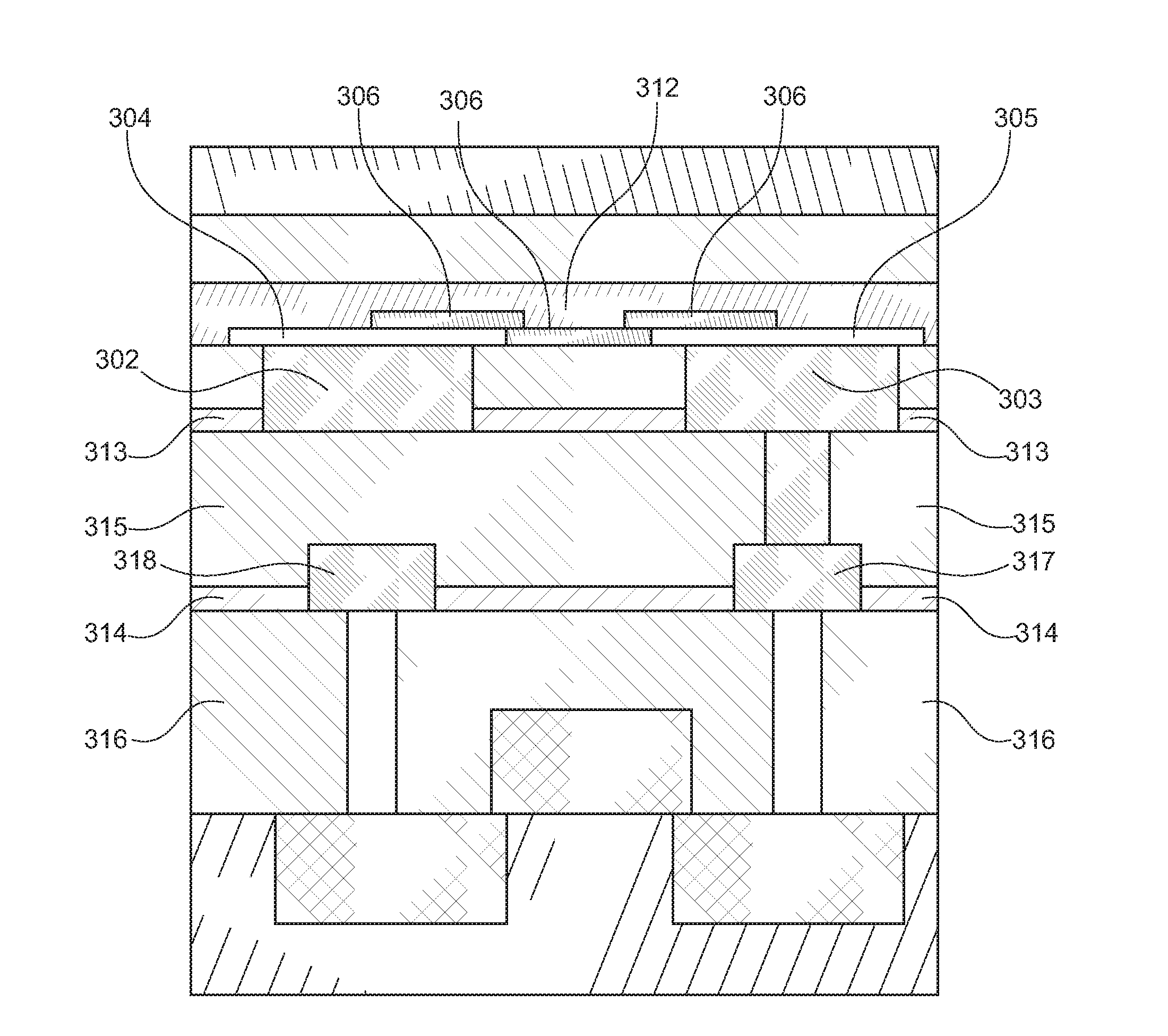
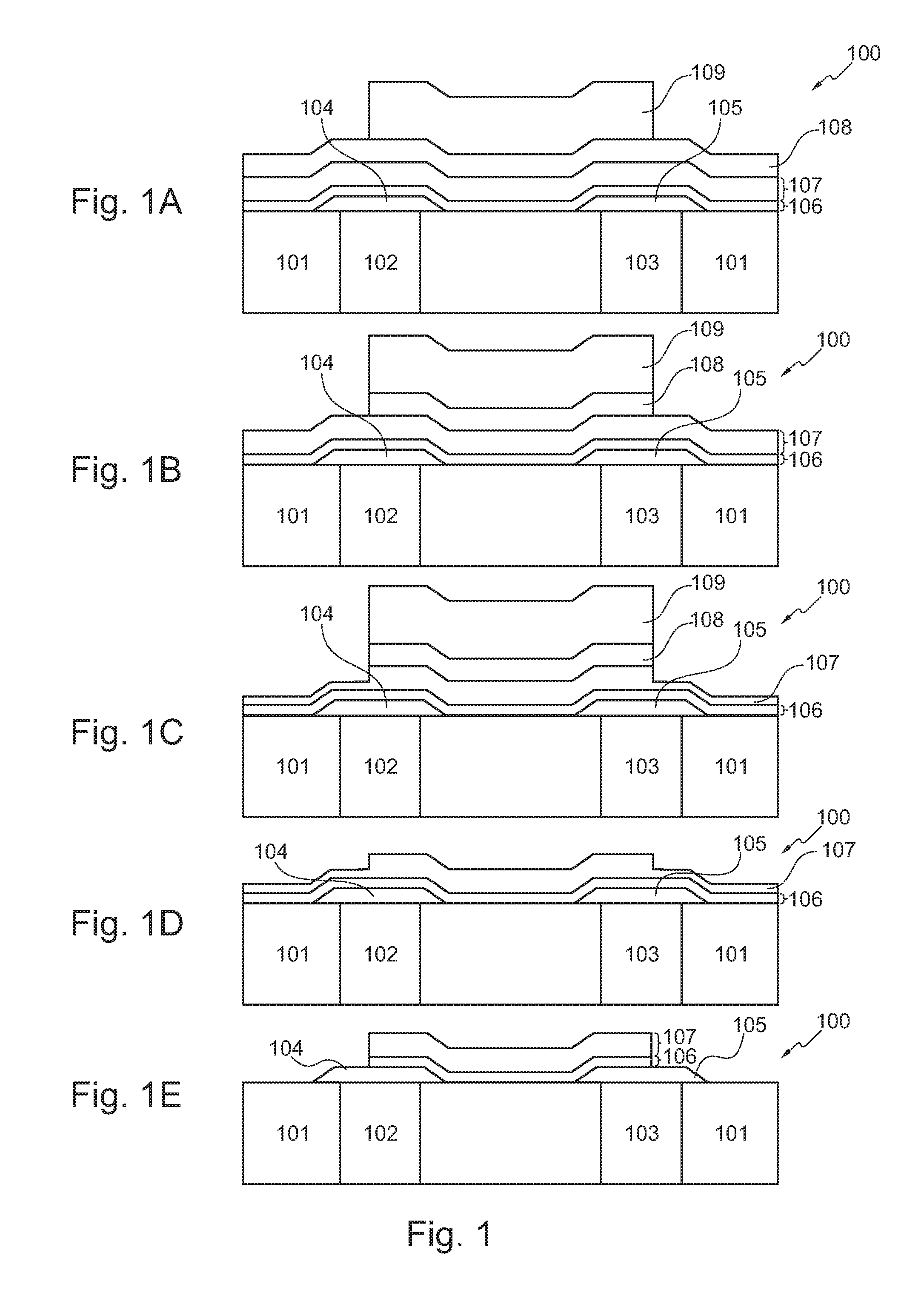
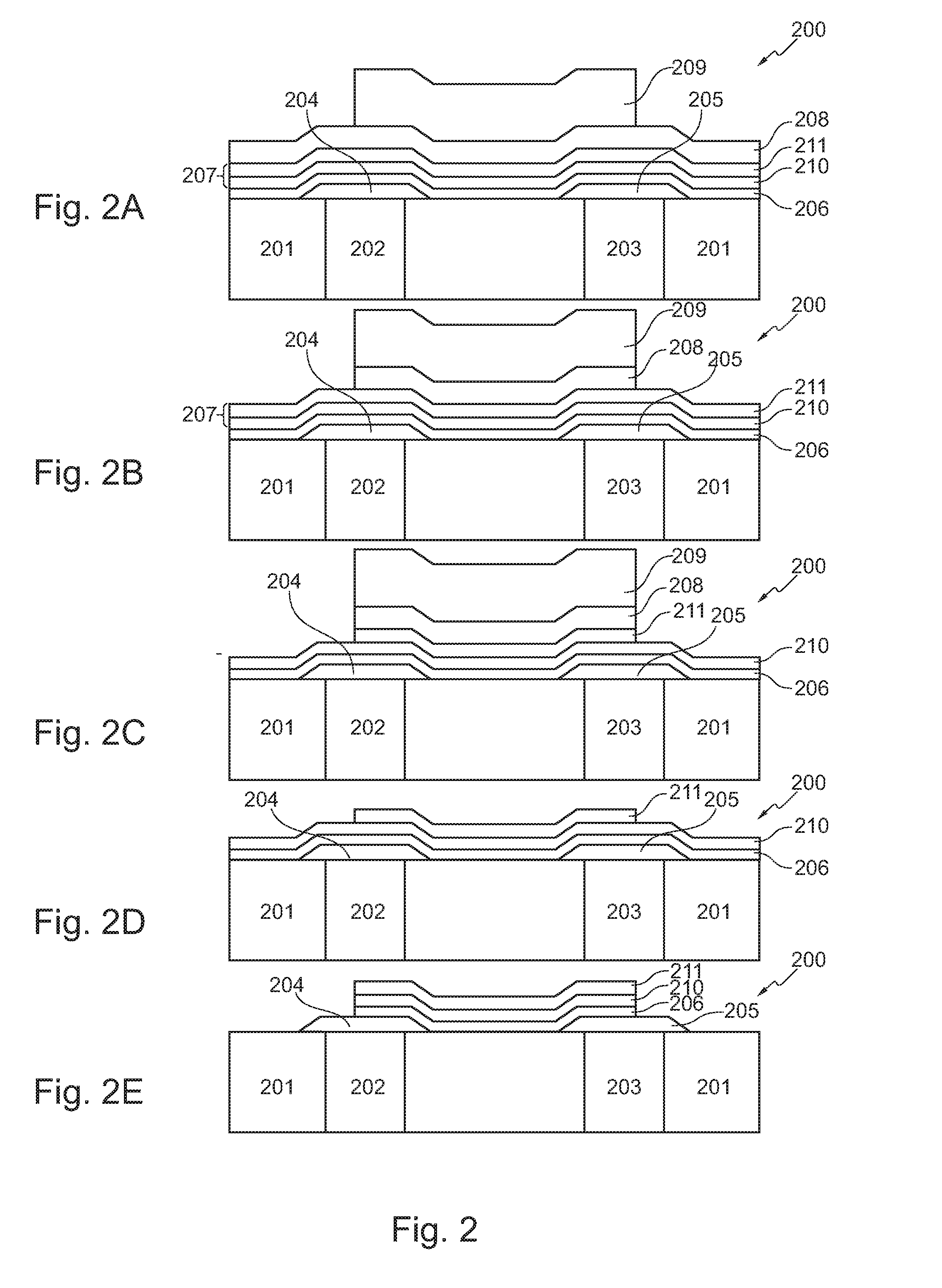
- A multilayer structure comprising a phase change material layer and a protective insulating layer, where the protective layer is used to shield the phase change material from etching chemistries and serves as a mask during patterning, allowing for the use of standard CMOS processes without deteriorating the phase change material, employing a combination of chemical etching and sputter dominated processes for precise patterning.

Smart City Policy Framework and Energy Regulations
The integration of Phase Change Materials (PCM) into smart city infrastructure requires a comprehensive policy framework that addresses regulatory compliance, energy efficiency standards, and sustainable development objectives. Current smart city policies increasingly emphasize the adoption of advanced thermal management technologies to achieve carbon neutrality goals and enhance urban energy resilience.
Energy regulations across major metropolitan areas are evolving to incorporate performance-based standards for building thermal systems. The European Union's Energy Performance of Buildings Directive (EPBD) and similar frameworks in North America and Asia-Pacific regions now recognize PCM technologies as qualifying solutions for meeting stringent energy efficiency requirements. These regulations typically mandate minimum thermal performance metrics and lifecycle sustainability assessments.
Building codes and standards organizations, including ASHRAE, ISO, and national building authorities, are developing specific guidelines for PCM integration in commercial and residential applications. These standards address safety protocols, installation requirements, and performance verification procedures that directly impact smart city deployment strategies. Compliance frameworks increasingly require real-time monitoring capabilities and data transparency.
Financial incentive structures play a crucial role in PCM adoption within smart city contexts. Government programs offer tax credits, rebates, and green building certifications for projects incorporating advanced thermal storage solutions. These incentives are often tied to measurable energy performance improvements and grid stability contributions, creating clear pathways for PCM technology deployment.
Regulatory challenges include the need for standardized testing protocols, long-term performance warranties, and integration requirements with existing smart grid infrastructure. Policymakers are addressing these through collaborative frameworks that bring together technology providers, urban planners, and energy utilities to establish coherent implementation guidelines.
Future policy developments are expected to focus on district-level energy management, where PCM systems contribute to neighborhood-scale thermal networks and demand response programs. This evolution requires updated zoning regulations, interconnection standards, and data sharing protocols that support coordinated energy management across multiple buildings and infrastructure systems within smart city environments.
Energy regulations across major metropolitan areas are evolving to incorporate performance-based standards for building thermal systems. The European Union's Energy Performance of Buildings Directive (EPBD) and similar frameworks in North America and Asia-Pacific regions now recognize PCM technologies as qualifying solutions for meeting stringent energy efficiency requirements. These regulations typically mandate minimum thermal performance metrics and lifecycle sustainability assessments.
Building codes and standards organizations, including ASHRAE, ISO, and national building authorities, are developing specific guidelines for PCM integration in commercial and residential applications. These standards address safety protocols, installation requirements, and performance verification procedures that directly impact smart city deployment strategies. Compliance frameworks increasingly require real-time monitoring capabilities and data transparency.
Financial incentive structures play a crucial role in PCM adoption within smart city contexts. Government programs offer tax credits, rebates, and green building certifications for projects incorporating advanced thermal storage solutions. These incentives are often tied to measurable energy performance improvements and grid stability contributions, creating clear pathways for PCM technology deployment.
Regulatory challenges include the need for standardized testing protocols, long-term performance warranties, and integration requirements with existing smart grid infrastructure. Policymakers are addressing these through collaborative frameworks that bring together technology providers, urban planners, and energy utilities to establish coherent implementation guidelines.
Future policy developments are expected to focus on district-level energy management, where PCM systems contribute to neighborhood-scale thermal networks and demand response programs. This evolution requires updated zoning regulations, interconnection standards, and data sharing protocols that support coordinated energy management across multiple buildings and infrastructure systems within smart city environments.
Environmental Impact Assessment of Urban PCM Deployment
The deployment of Phase Change Materials (PCM) in smart city applications presents significant environmental implications that require comprehensive assessment across multiple dimensions. Urban PCM integration fundamentally alters the environmental footprint of building systems and infrastructure through enhanced thermal regulation capabilities, yet the full spectrum of environmental consequences extends beyond immediate energy savings.
Carbon footprint analysis reveals that PCM deployment in urban environments typically generates substantial greenhouse gas emission reductions over operational lifecycles. Buildings equipped with PCM-enhanced thermal management systems demonstrate 15-30% reductions in HVAC energy consumption, translating to corresponding decreases in carbon emissions. However, manufacturing processes for advanced PCM materials, particularly organic compounds and encapsulation systems, contribute initial carbon burdens that require 3-7 years of operational savings to offset.
Resource consumption patterns associated with urban PCM deployment encompass both material extraction and processing phases. Paraffin-based PCMs rely on petroleum derivatives, while salt hydrate systems require mineral extraction processes. Bio-based PCM alternatives, including fatty acids and plant-derived compounds, present lower environmental impact profiles but face scalability challenges in urban deployment scenarios. Water consumption during manufacturing processes varies significantly across PCM types, with encapsulated systems requiring additional processing resources.
Waste generation and end-of-life considerations represent critical environmental factors in urban PCM deployment strategies. Microencapsulated PCMs integrated into building materials create complex recycling challenges, as separation technologies remain underdeveloped. Bulk PCM systems offer superior recyclability potential, with many inorganic compounds maintaining thermal properties through multiple processing cycles. Urban deployment scales amplify these waste management considerations, requiring coordinated municipal strategies for PCM material recovery.
Air quality impacts from PCM deployment generally trend positive through reduced urban heat island effects and decreased HVAC system operation. However, potential volatile organic compound emissions from certain organic PCMs require careful material selection and containment strategies in dense urban environments. Proper encapsulation technologies mitigate these concerns while maintaining thermal performance characteristics.
Ecosystem interactions emerge as PCM deployment influences urban microclimates through modified building thermal behaviors. Reduced peak cooling demands decrease urban energy infrastructure stress, potentially supporting broader environmental sustainability goals. However, large-scale deployment requires assessment of cumulative effects on urban atmospheric conditions and local weather patterns to ensure positive environmental outcomes.
Carbon footprint analysis reveals that PCM deployment in urban environments typically generates substantial greenhouse gas emission reductions over operational lifecycles. Buildings equipped with PCM-enhanced thermal management systems demonstrate 15-30% reductions in HVAC energy consumption, translating to corresponding decreases in carbon emissions. However, manufacturing processes for advanced PCM materials, particularly organic compounds and encapsulation systems, contribute initial carbon burdens that require 3-7 years of operational savings to offset.
Resource consumption patterns associated with urban PCM deployment encompass both material extraction and processing phases. Paraffin-based PCMs rely on petroleum derivatives, while salt hydrate systems require mineral extraction processes. Bio-based PCM alternatives, including fatty acids and plant-derived compounds, present lower environmental impact profiles but face scalability challenges in urban deployment scenarios. Water consumption during manufacturing processes varies significantly across PCM types, with encapsulated systems requiring additional processing resources.
Waste generation and end-of-life considerations represent critical environmental factors in urban PCM deployment strategies. Microencapsulated PCMs integrated into building materials create complex recycling challenges, as separation technologies remain underdeveloped. Bulk PCM systems offer superior recyclability potential, with many inorganic compounds maintaining thermal properties through multiple processing cycles. Urban deployment scales amplify these waste management considerations, requiring coordinated municipal strategies for PCM material recovery.
Air quality impacts from PCM deployment generally trend positive through reduced urban heat island effects and decreased HVAC system operation. However, potential volatile organic compound emissions from certain organic PCMs require careful material selection and containment strategies in dense urban environments. Proper encapsulation technologies mitigate these concerns while maintaining thermal performance characteristics.
Ecosystem interactions emerge as PCM deployment influences urban microclimates through modified building thermal behaviors. Reduced peak cooling demands decrease urban energy infrastructure stress, potentially supporting broader environmental sustainability goals. However, large-scale deployment requires assessment of cumulative effects on urban atmospheric conditions and local weather patterns to ensure positive environmental outcomes.
Unlock deeper insights with PatSnap Eureka Quick Research — get a full tech report to explore trends and direct your research. Try now!
Generate Your Research Report Instantly with AI Agent
Supercharge your innovation with PatSnap Eureka AI Agent Platform!