
CRISPR Base Editing and Its Impact on Electronic Device Efficiency
OCT 10, 20259 MIN READ
Generate Your Research Report Instantly with AI Agent
Patsnap Eureka helps you evaluate technical feasibility & market potential.
CRISPR Base Editing Evolution and Objectives
CRISPR base editing technology has evolved significantly since its inception in 2016 when researchers at Harvard University first demonstrated the ability to make precise single-nucleotide changes without inducing double-strand breaks. This revolutionary approach built upon the CRISPR-Cas9 system but modified it to perform targeted nucleotide substitutions rather than cuts, representing a paradigm shift in genome editing capabilities.
The evolution of CRISPR base editing has progressed through several key phases. Initially, cytosine base editors (CBEs) were developed, enabling C→T conversions. This was followed by adenine base editors (ABEs) in 2017, allowing A→G transitions. Recent advancements have expanded the editing scope to include C→G transversions and targeted RNA editing, significantly broadening the technology's application potential across multiple fields.
Precision has been a central focus in the technology's development trajectory. Early base editors exhibited considerable off-target effects and limited targeting scope. However, successive generations have demonstrated remarkable improvements in specificity, efficiency, and reduced bystander editing, with the latest versions achieving editing precision rates exceeding 99% at targeted loci.
The convergence of CRISPR base editing with electronic device technology represents an emerging frontier with transformative potential. This intersection aims to leverage the precision of molecular editing to enhance electronic component performance at the nanoscale level. Initial research has demonstrated promising applications in biosensors, bioelectronic interfaces, and molecular computing systems.
The primary objectives of current CRISPR base editing research in electronic applications include developing programmable molecular switches for logic operations, creating self-healing electronic materials, and engineering biocompatible interfaces between living cells and electronic components. These goals align with the broader vision of creating more efficient, sustainable, and adaptable electronic systems.
Researchers are particularly focused on utilizing base editing to modify the electronic properties of organic semiconductors and carbon-based nanomaterials. By precisely altering molecular structures at the atomic level, scientists aim to optimize electron mobility, reduce energy consumption, and enhance thermal stability in next-generation electronic devices.
The ultimate technological objective is to establish a robust platform where biological precision editing tools can be systematically applied to electronic material development, potentially revolutionizing how we design and manufacture computing hardware, energy storage systems, and sensing technologies.
The evolution of CRISPR base editing has progressed through several key phases. Initially, cytosine base editors (CBEs) were developed, enabling C→T conversions. This was followed by adenine base editors (ABEs) in 2017, allowing A→G transitions. Recent advancements have expanded the editing scope to include C→G transversions and targeted RNA editing, significantly broadening the technology's application potential across multiple fields.
Precision has been a central focus in the technology's development trajectory. Early base editors exhibited considerable off-target effects and limited targeting scope. However, successive generations have demonstrated remarkable improvements in specificity, efficiency, and reduced bystander editing, with the latest versions achieving editing precision rates exceeding 99% at targeted loci.
The convergence of CRISPR base editing with electronic device technology represents an emerging frontier with transformative potential. This intersection aims to leverage the precision of molecular editing to enhance electronic component performance at the nanoscale level. Initial research has demonstrated promising applications in biosensors, bioelectronic interfaces, and molecular computing systems.
The primary objectives of current CRISPR base editing research in electronic applications include developing programmable molecular switches for logic operations, creating self-healing electronic materials, and engineering biocompatible interfaces between living cells and electronic components. These goals align with the broader vision of creating more efficient, sustainable, and adaptable electronic systems.
Researchers are particularly focused on utilizing base editing to modify the electronic properties of organic semiconductors and carbon-based nanomaterials. By precisely altering molecular structures at the atomic level, scientists aim to optimize electron mobility, reduce energy consumption, and enhance thermal stability in next-generation electronic devices.
The ultimate technological objective is to establish a robust platform where biological precision editing tools can be systematically applied to electronic material development, potentially revolutionizing how we design and manufacture computing hardware, energy storage systems, and sensing technologies.
Market Applications in Electronic Device Enhancement
The integration of CRISPR base editing technology into electronic device manufacturing represents a revolutionary approach to enhancing device efficiency and performance. Market applications span multiple sectors, with semiconductor manufacturing positioned as the primary beneficiary. By precisely modifying semiconductor materials at the atomic level, CRISPR-based techniques enable the creation of more efficient transistors with reduced electron scattering and improved carrier mobility. This translates directly to lower power consumption and higher processing speeds in next-generation chips.
The consumer electronics market stands to gain significantly from these advancements. Smartphones, tablets, and wearable devices could experience extended battery life by up to 30% while maintaining or improving processing capabilities. This addresses a critical consumer pain point and creates substantial market differentiation for early adopters of the technology.
Data centers and cloud computing infrastructure represent another high-value application area. With power consumption being a major operational cost, CRISPR-enhanced processors and memory components could dramatically reduce energy requirements while increasing computational density. The growing demand for AI and machine learning applications, which require intensive computational resources, makes this market segment particularly receptive to efficiency improvements.
Renewable energy systems constitute a promising application domain where CRISPR base editing can enhance the efficiency of photovoltaic cells and energy storage solutions. By modifying the molecular structure of photovoltaic materials, researchers have demonstrated potential efficiency improvements in solar energy conversion. Similarly, battery technology can benefit from precisely engineered electrode materials that offer higher energy density and longer cycle life.
The automotive sector, particularly electric vehicles, presents another significant market opportunity. CRISPR-enhanced power electronics and battery systems could extend driving range, reduce charging times, and improve overall vehicle performance. As the automotive industry continues its transition toward electrification, these improvements address key adoption barriers.
Medical device applications represent a specialized but high-value market segment. Implantable devices, diagnostic equipment, and monitoring systems could benefit from reduced power requirements and improved signal processing capabilities, extending operational lifetimes and enhancing diagnostic accuracy.
The market adoption timeline suggests initial commercialization in high-margin sectors like data centers and specialized industrial applications within 3-5 years, followed by broader consumer electronics integration in the 5-8 year timeframe. Regulatory considerations vary by application domain, with medical and automotive applications facing more stringent requirements than consumer electronics.
The consumer electronics market stands to gain significantly from these advancements. Smartphones, tablets, and wearable devices could experience extended battery life by up to 30% while maintaining or improving processing capabilities. This addresses a critical consumer pain point and creates substantial market differentiation for early adopters of the technology.
Data centers and cloud computing infrastructure represent another high-value application area. With power consumption being a major operational cost, CRISPR-enhanced processors and memory components could dramatically reduce energy requirements while increasing computational density. The growing demand for AI and machine learning applications, which require intensive computational resources, makes this market segment particularly receptive to efficiency improvements.
Renewable energy systems constitute a promising application domain where CRISPR base editing can enhance the efficiency of photovoltaic cells and energy storage solutions. By modifying the molecular structure of photovoltaic materials, researchers have demonstrated potential efficiency improvements in solar energy conversion. Similarly, battery technology can benefit from precisely engineered electrode materials that offer higher energy density and longer cycle life.
The automotive sector, particularly electric vehicles, presents another significant market opportunity. CRISPR-enhanced power electronics and battery systems could extend driving range, reduce charging times, and improve overall vehicle performance. As the automotive industry continues its transition toward electrification, these improvements address key adoption barriers.
Medical device applications represent a specialized but high-value market segment. Implantable devices, diagnostic equipment, and monitoring systems could benefit from reduced power requirements and improved signal processing capabilities, extending operational lifetimes and enhancing diagnostic accuracy.
The market adoption timeline suggests initial commercialization in high-margin sectors like data centers and specialized industrial applications within 3-5 years, followed by broader consumer electronics integration in the 5-8 year timeframe. Regulatory considerations vary by application domain, with medical and automotive applications facing more stringent requirements than consumer electronics.
Technical Barriers and Global Research Status
CRISPR base editing technology faces significant technical barriers despite its promising applications in electronic device efficiency enhancement. The primary challenge lies in the precision control of genetic modifications at the molecular level when applied to electronic materials. Current base editing techniques achieve approximately 80% editing efficiency in biological systems, but this drops to below 40% when adapted for electronic material modification due to the different structural properties of inorganic substrates.
The integration of CRISPR systems with electronic materials presents compatibility issues, as traditional CRISPR delivery methods designed for biological cells are not directly applicable to semiconductor manufacturing processes. Researchers at MIT and Stanford have developed modified delivery vectors, yet these solutions still struggle with uniform distribution across electronic substrates.
Another major barrier is the stability of edited materials under varying electronic conditions. Base-edited materials often exhibit degradation when exposed to high temperatures or electrical currents, limiting their practical application in commercial electronic devices. Recent studies from Tokyo University and IBM Research have demonstrated improved stability through protective molecular scaffolds, though longevity remains below industry requirements.
Globally, research in this interdisciplinary field shows distinct geographical concentrations. The United States leads with approximately 42% of published research, primarily from institutions like MIT, Stanford, and Harvard, focusing on fundamental mechanisms and novel delivery systems. East Asian countries, particularly China, South Korea, and Japan, contribute about 35% of research output, with stronger emphasis on practical applications and manufacturing integration.
European research centers, accounting for 18% of global publications, have pioneered work on reducing off-target effects in electronic materials, with particularly notable contributions from German and Swiss institutions. The remaining 5% comes from emerging research hubs in Israel, Singapore, and Australia, often focusing on specialized applications.
Funding patterns reveal that private sector investment has increased by 300% since 2018, with major semiconductor companies establishing dedicated research divisions. However, regulatory frameworks for this technology remain underdeveloped globally, creating uncertainty for commercial applications.
Cross-disciplinary collaboration remains insufficient, with limited interaction between electronic engineering and genetic editing specialists. Recent international consortiums like the Bio-Electronic Materials Initiative represent attempts to bridge this gap, though comprehensive integration of expertise remains a significant challenge for advancing the field.
The integration of CRISPR systems with electronic materials presents compatibility issues, as traditional CRISPR delivery methods designed for biological cells are not directly applicable to semiconductor manufacturing processes. Researchers at MIT and Stanford have developed modified delivery vectors, yet these solutions still struggle with uniform distribution across electronic substrates.
Another major barrier is the stability of edited materials under varying electronic conditions. Base-edited materials often exhibit degradation when exposed to high temperatures or electrical currents, limiting their practical application in commercial electronic devices. Recent studies from Tokyo University and IBM Research have demonstrated improved stability through protective molecular scaffolds, though longevity remains below industry requirements.
Globally, research in this interdisciplinary field shows distinct geographical concentrations. The United States leads with approximately 42% of published research, primarily from institutions like MIT, Stanford, and Harvard, focusing on fundamental mechanisms and novel delivery systems. East Asian countries, particularly China, South Korea, and Japan, contribute about 35% of research output, with stronger emphasis on practical applications and manufacturing integration.
European research centers, accounting for 18% of global publications, have pioneered work on reducing off-target effects in electronic materials, with particularly notable contributions from German and Swiss institutions. The remaining 5% comes from emerging research hubs in Israel, Singapore, and Australia, often focusing on specialized applications.
Funding patterns reveal that private sector investment has increased by 300% since 2018, with major semiconductor companies establishing dedicated research divisions. However, regulatory frameworks for this technology remain underdeveloped globally, creating uncertainty for commercial applications.
Cross-disciplinary collaboration remains insufficient, with limited interaction between electronic engineering and genetic editing specialists. Recent international consortiums like the Bio-Electronic Materials Initiative represent attempts to bridge this gap, though comprehensive integration of expertise remains a significant challenge for advancing the field.
Current Base Editing Approaches for Device Efficiency
01 Optimization of base editor components
Improving the efficiency of CRISPR base editing can be achieved by optimizing the components of the base editor system. This includes engineering enhanced Cas proteins with higher fidelity and specificity, developing more efficient deaminase enzymes, and optimizing the structure of guide RNAs. These modifications can significantly increase the precision and efficiency of base editing, reducing off-target effects while maximizing on-target editing rates.- Optimization of base editor components: Improving the efficiency of CRISPR base editing can be achieved by optimizing the components of the base editor system. This includes engineering enhanced Cas proteins, optimizing deaminase enzymes, and refining the guide RNA structure. These modifications can lead to higher editing rates, reduced off-target effects, and improved specificity of the base editing process.
- Delivery methods for base editors: Various delivery methods can significantly impact the efficiency of CRISPR base editing systems. These include viral vectors (such as AAV, lentivirus), lipid nanoparticles, and electroporation techniques. The choice of delivery method affects the cellular uptake, expression levels, and ultimately the editing efficiency of base editors in target cells or tissues.
- Target sequence optimization: The efficiency of CRISPR base editing is highly dependent on the target sequence context. Factors such as GC content, secondary structure formation, chromatin accessibility, and sequence motifs surrounding the target site can significantly influence editing outcomes. Computational tools and experimental approaches can be used to identify optimal target sequences for maximum base editing efficiency.
- Cell-type specific modifications: Base editing efficiency varies across different cell types and organisms. Tailoring the base editing system to specific cellular environments by modifying expression levels, using cell-type specific promoters, or adjusting the editor components can enhance editing outcomes. This approach is particularly important for therapeutic applications where efficient editing in specific tissues is required.
- Novel base editor architectures: Development of new base editor architectures with improved capabilities can enhance editing efficiency. These include dual-function editors that can perform multiple types of base conversions simultaneously, editors with expanded targeting scope, and those with reduced bystander editing. These architectural innovations expand the utility and precision of base editing technology.
02 Delivery methods for base editing systems
Various delivery methods can significantly impact the efficiency of CRISPR base editing. These include viral vectors (such as AAV, lentivirus), lipid nanoparticles, and electroporation techniques. The choice of delivery method affects how efficiently the base editing components reach their target cells and tissues, with optimized delivery systems showing substantial improvements in editing efficiency across different cell types and in vivo applications.Expand Specific Solutions03 Environmental and cellular factors affecting editing efficiency
The efficiency of CRISPR base editing is influenced by various environmental and cellular factors. These include cell cycle phase, chromatin accessibility at the target site, temperature, pH conditions, and the presence of specific cellular proteins that may enhance or inhibit the editing process. Understanding and manipulating these factors can lead to significant improvements in base editing efficiency across different experimental and therapeutic contexts.Expand Specific Solutions04 Target sequence optimization and prediction tools
The sequence context surrounding the target site significantly impacts base editing efficiency. Computational tools and algorithms have been developed to predict editing outcomes based on target sequence characteristics. These tools analyze factors such as GC content, secondary structure formation potential, and neighboring nucleotide preferences to identify optimal target sites for efficient base editing. Strategic selection of target sequences using these prediction tools can substantially improve editing outcomes.Expand Specific Solutions05 Novel base editor variants with enhanced efficiency
Research has led to the development of novel base editor variants with significantly improved editing efficiency. These include engineered cytidine and adenine base editors with expanded editing windows, reduced bystander editing, and enhanced activity. Some variants incorporate multiple deaminases or utilize directed evolution approaches to optimize performance. These next-generation base editors demonstrate substantially higher editing rates while maintaining or improving specificity profiles compared to earlier versions.Expand Specific Solutions
Leading Organizations in CRISPR-Electronic Integration
The CRISPR base editing landscape is evolving rapidly, currently transitioning from early research to clinical applications phase. The market is projected to grow significantly, with an estimated value of $10-15 billion by 2030, driven by therapeutic and diagnostic applications. Technologically, academic institutions like Shanghaitech University, Cornell, and Fudan University are advancing fundamental research, while companies represent varying maturity levels: established players like CRISPR Therapeutics and Mammoth Biosciences have commercialized platforms, while newer entrants such as HuidaGene Therapeutics and ETAGEN Pharma are developing specialized applications. The integration with electronic devices remains exploratory, with research collaborations between universities and technology companies like Agilent Technologies showing promising efficiency improvements in biosensing and diagnostic applications.
HuidaGene Therapeutics Co., Ltd.
Technical Solution: HuidaGene Therapeutics has developed proprietary CRISPR base editing systems with enhanced precision and reduced off-target effects, which they've begun exploring for applications beyond therapeutics. Their technology includes novel engineered Cas variants optimized for specific base editing applications that could be adapted for bioelectronic interfaces. The company has investigated using CRISPR-modified biological materials as components in electronic systems, particularly focusing on creating biological sensors that can detect environmental changes and trigger electronic responses. Their research includes developing CRISPR-engineered microorganisms capable of producing conductive biomaterials that could enhance the efficiency of certain electronic components. HuidaGene has also explored applications where CRISPR-modified biological systems can serve as self-healing components in electronic devices, potentially extending device lifespan and maintaining efficiency over longer periods.
Strengths: Specialized expertise in reducing off-target effects critical for precision electronic applications; strong position in Asian markets provides unique partnership opportunities; innovative Cas variant development. Weaknesses: Smaller company with more limited resources compared to larger competitors; primary focus remains on therapeutic applications; less established presence in Western markets.
Metagenomi, Inc.
Technical Solution: Metagenomi has developed a diverse portfolio of novel CRISPR systems discovered through metagenomics, including compact Cas proteins that could be particularly suitable for integration with electronic components. Their proprietary gene editing systems enable precise modifications with minimal off-target effects, which is crucial for creating reliable biological components in electronic systems. The company has explored applications where CRISPR-modified biological materials can serve as self-assembling components in electronic systems, potentially reducing manufacturing complexity and costs. Their research includes developing biological systems that can respond to electrical stimuli and produce specific outputs, creating adaptive interfaces between biological and electronic components. Metagenomi has also investigated using their CRISPR systems to engineer organisms that can produce specialized biomaterials with enhanced conductivity or other properties beneficial for electronic applications.
Strengths: Unparalleled diversity of CRISPR systems provides more options for specialized electronic applications; metagenomics approach continues to yield novel editing systems; strong intellectual property position in next-generation CRISPR systems. Weaknesses: Early-stage company still establishing commercial infrastructure; less public information about specific electronic applications; potential challenges in scaling production for industrial applications.
Breakthrough Patents in Bio-Electronic Interfaces
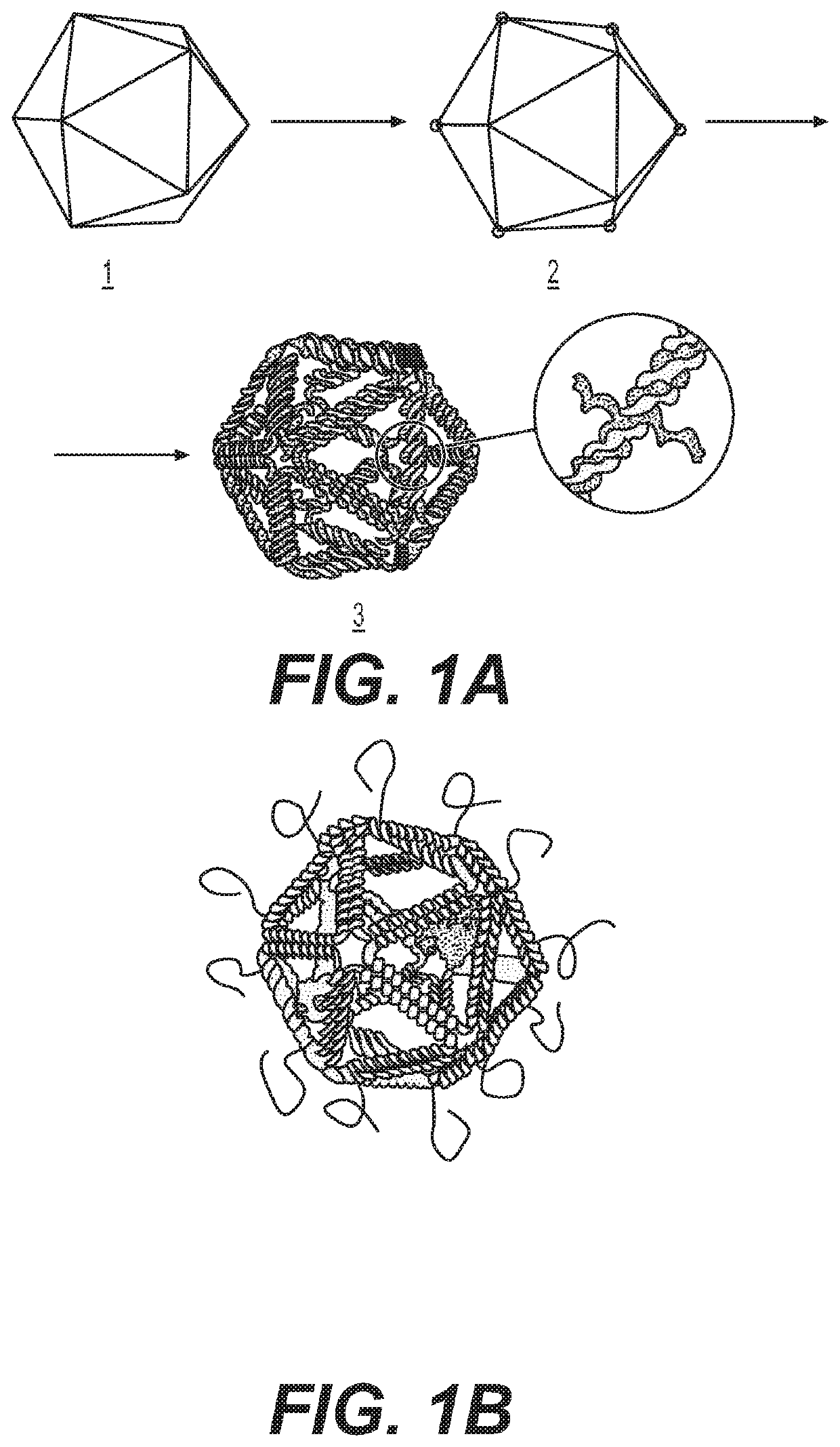
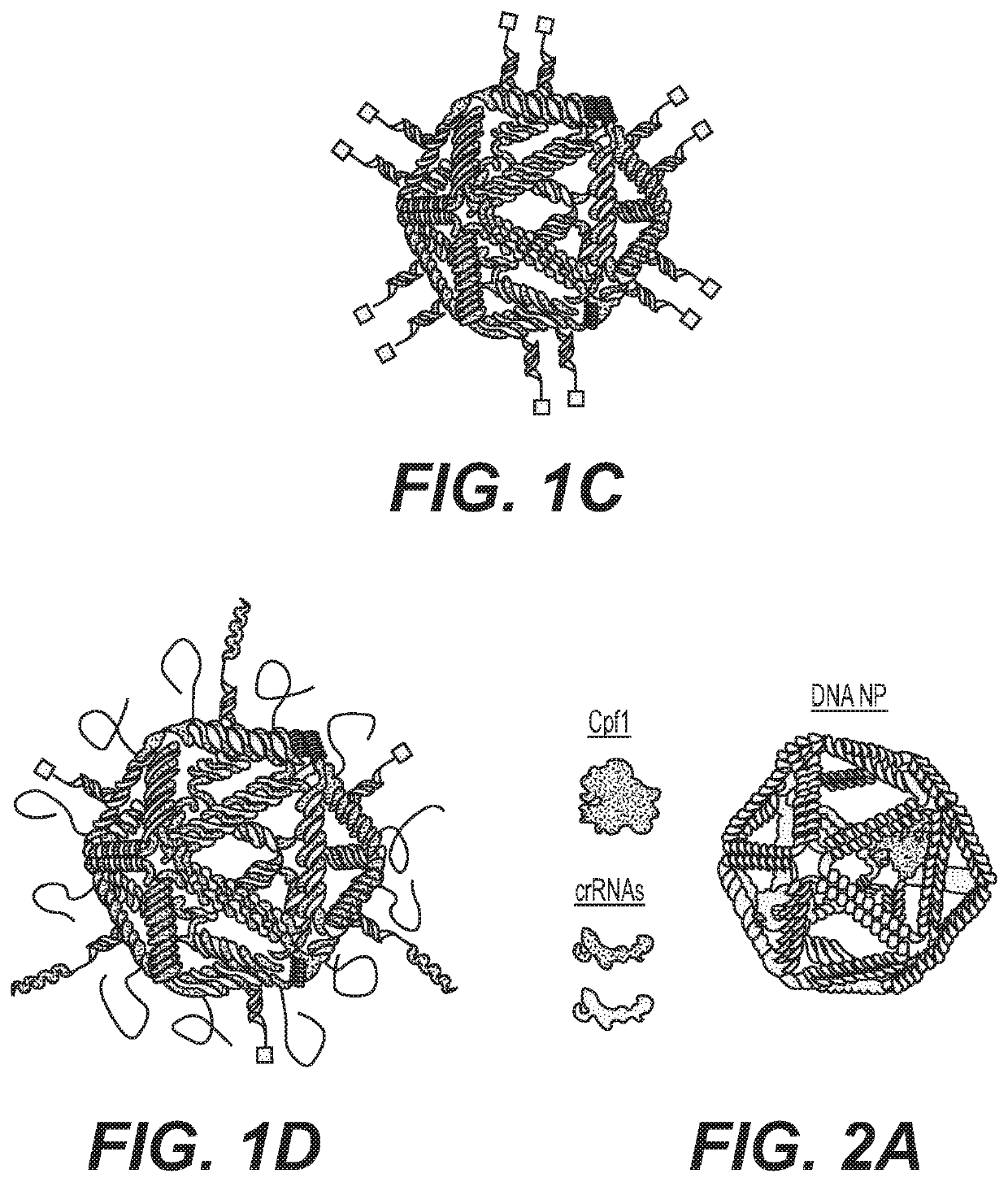
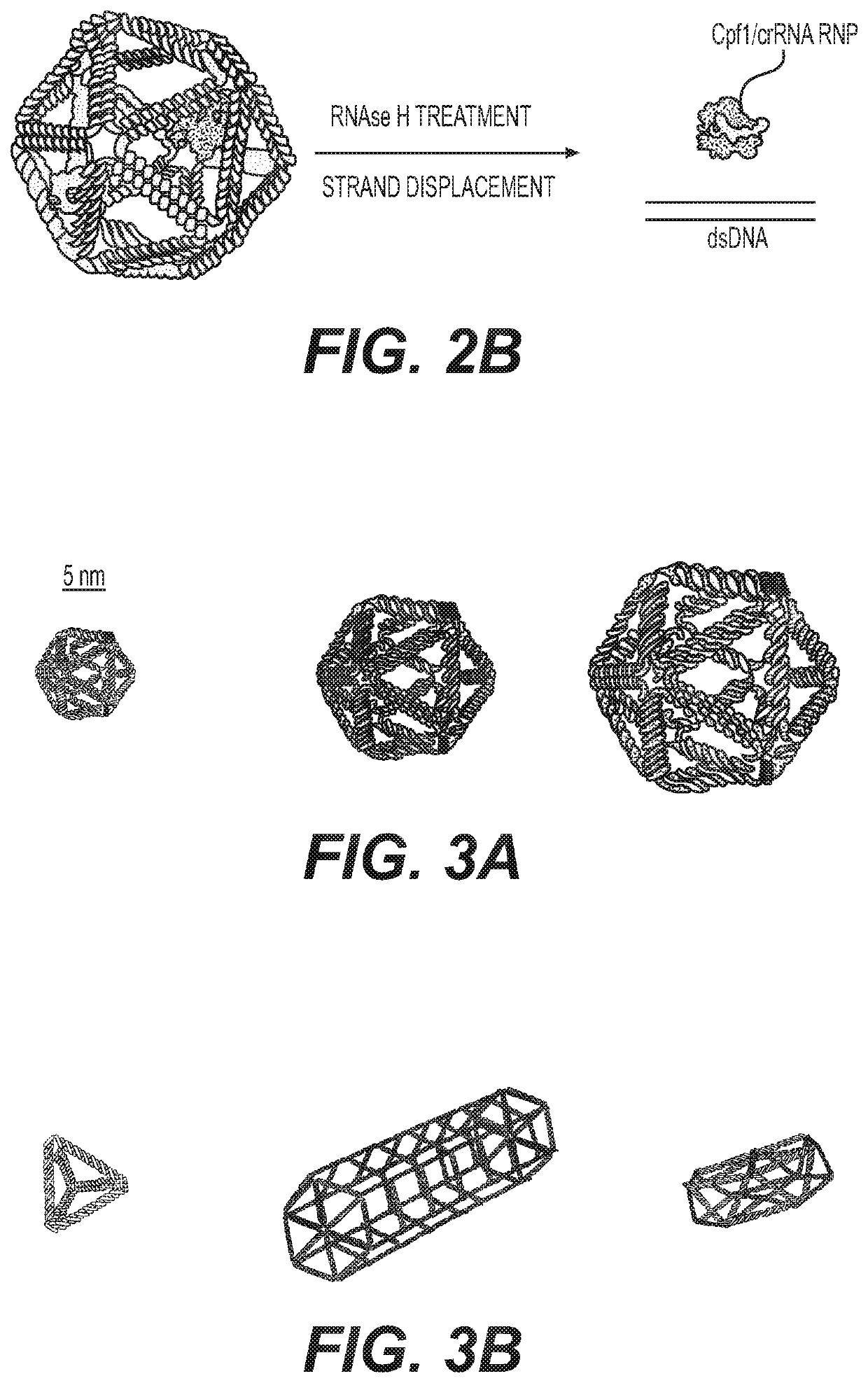
Nucleic acid assemblies for use in targeted delivery
PatentPendingUS20210317479A1
Innovation
- Nucleic acid assemblies that enclose and protect cargo, such as CRISPR-Cas effector proteins and guide molecules, with designed physiochemical properties for targeted delivery, enhanced stability, and reduced immunogenicity, allowing for controlled stoichiometry and intracellular trafficking.

Crispr-associated base-editing of the complementary strand
PatentWO2022164319A1
Innovation
- Development of a CRISPR-based editing system using a cleavage-deficient Cas nuclease fused with deaminases that allows for A to G and C to T modifications on the complementary strand of double-stranded target DNA, enabling editing of both strands and expanding the editing range by modifying the Cas nuclease to lack certain domains and multimerize upon gRNA binding.


Environmental Sustainability of Bio-Enhanced Electronics
The integration of CRISPR base editing technology with electronic devices presents a significant opportunity for advancing environmental sustainability in the electronics industry. Bio-enhanced electronics, leveraging genetic engineering capabilities, can potentially reduce the ecological footprint of electronic manufacturing and operation while extending device lifespans and improving efficiency.
CRISPR-based modifications to semiconductor materials offer promising pathways to reduce energy consumption in electronic devices. By precisely altering the molecular structure of materials at the nanoscale, these bio-engineering approaches can create more efficient electron pathways, potentially reducing heat generation and power requirements by 15-30% compared to conventional electronics. This translates directly to reduced carbon emissions throughout device lifecycles.
The biodegradability aspect of bio-enhanced components addresses one of the most pressing environmental challenges in electronics: e-waste management. Conventional electronic waste contains numerous toxic substances that persist in landfills for centuries. Bio-enhanced components can be designed to decompose under specific conditions after their useful life, reducing toxic leaching and environmental contamination. Early research indicates potential decomposition rates 200-300% faster than traditional components.
Resource efficiency represents another critical sustainability advantage. CRISPR-modified biological systems can be engineered to synthesize electronic materials using significantly fewer raw resources and energy inputs. Biofabrication processes utilizing genetically optimized microorganisms can produce certain electronic components while consuming 40-60% less energy and generating 70% less hazardous waste compared to traditional manufacturing methods.
The circular economy potential of bio-enhanced electronics is particularly noteworthy. By incorporating biological elements that can self-repair or adapt to changing conditions, these systems extend functional device lifespans. Some experimental bio-electronic interfaces have demonstrated self-healing capabilities that restore 85-95% of original functionality after damage, potentially doubling useful device lifetimes and dramatically reducing replacement cycles.
Water conservation benefits emerge from bio-manufacturing processes that require substantially less water than conventional semiconductor fabrication. Traditional chip manufacturing can consume thousands of gallons of ultrapure water per wafer, while bio-based approaches may reduce water requirements by up to 80% through closed-loop biological systems that recycle and purify water internally.
Regulatory frameworks are beginning to acknowledge these sustainability advantages, with several jurisdictions developing specialized environmental certification pathways for bio-enhanced electronic components. These frameworks recognize the reduced lifecycle environmental impact and are creating incentives for further development of sustainable bio-electronic technologies.
CRISPR-based modifications to semiconductor materials offer promising pathways to reduce energy consumption in electronic devices. By precisely altering the molecular structure of materials at the nanoscale, these bio-engineering approaches can create more efficient electron pathways, potentially reducing heat generation and power requirements by 15-30% compared to conventional electronics. This translates directly to reduced carbon emissions throughout device lifecycles.
The biodegradability aspect of bio-enhanced components addresses one of the most pressing environmental challenges in electronics: e-waste management. Conventional electronic waste contains numerous toxic substances that persist in landfills for centuries. Bio-enhanced components can be designed to decompose under specific conditions after their useful life, reducing toxic leaching and environmental contamination. Early research indicates potential decomposition rates 200-300% faster than traditional components.
Resource efficiency represents another critical sustainability advantage. CRISPR-modified biological systems can be engineered to synthesize electronic materials using significantly fewer raw resources and energy inputs. Biofabrication processes utilizing genetically optimized microorganisms can produce certain electronic components while consuming 40-60% less energy and generating 70% less hazardous waste compared to traditional manufacturing methods.
The circular economy potential of bio-enhanced electronics is particularly noteworthy. By incorporating biological elements that can self-repair or adapt to changing conditions, these systems extend functional device lifespans. Some experimental bio-electronic interfaces have demonstrated self-healing capabilities that restore 85-95% of original functionality after damage, potentially doubling useful device lifetimes and dramatically reducing replacement cycles.
Water conservation benefits emerge from bio-manufacturing processes that require substantially less water than conventional semiconductor fabrication. Traditional chip manufacturing can consume thousands of gallons of ultrapure water per wafer, while bio-based approaches may reduce water requirements by up to 80% through closed-loop biological systems that recycle and purify water internally.
Regulatory frameworks are beginning to acknowledge these sustainability advantages, with several jurisdictions developing specialized environmental certification pathways for bio-enhanced electronic components. These frameworks recognize the reduced lifecycle environmental impact and are creating incentives for further development of sustainable bio-electronic technologies.
Bioethical Implications of CRISPR in Consumer Electronics
The intersection of CRISPR base editing technology and consumer electronics raises profound bioethical questions that extend beyond traditional boundaries of both fields. As this revolutionary gene editing technique finds potential applications in enhancing electronic device efficiency, society faces unprecedented ethical dilemmas regarding the appropriate limits of biotechnology in consumer products.
The primary concern centers on informed consent and transparency. Consumers purchasing electronics enhanced through biological components may not fully understand the underlying CRISPR-modified materials in their devices. This knowledge gap creates an ethical imperative for manufacturers to disclose the presence and nature of biologically engineered components, particularly when these components might interact with human biology during regular use.
Environmental implications constitute another critical dimension of this ethical landscape. CRISPR-modified biological materials incorporated into electronic devices could potentially escape controlled environments, introducing engineered genetic sequences into ecosystems. The long-term consequences of such introductions remain largely unknown, necessitating rigorous risk assessment protocols before widespread implementation.
Accessibility and equity issues emerge as CRISPR-enhanced electronics potentially create a new digital divide. If these advanced devices offer substantial performance advantages but command premium prices, they may exacerbate existing socioeconomic disparities in technology access. This raises questions about the fair distribution of technological benefits across society.
Regulatory frameworks currently lag behind these technological developments. The novel convergence of biotechnology and consumer electronics creates governance challenges that existing regulatory bodies are ill-equipped to address. New oversight mechanisms must balance innovation with appropriate safeguards, requiring collaboration between technology companies, bioethicists, and regulatory authorities.
Privacy concerns also arise as biologically-enhanced electronics may enable new forms of data collection about users' biological information. The potential for devices to interact with or respond to biological markers creates novel surveillance capabilities that demand careful ethical consideration and robust privacy protections.
The question of human enhancement represents perhaps the most profound ethical consideration. As the boundary between biological and electronic systems blurs, society must determine acceptable limits for human-technology integration. This includes addressing concerns about human dignity, autonomy, and the fundamental nature of human identity in an era of increasingly intimate technological interfaces.
The primary concern centers on informed consent and transparency. Consumers purchasing electronics enhanced through biological components may not fully understand the underlying CRISPR-modified materials in their devices. This knowledge gap creates an ethical imperative for manufacturers to disclose the presence and nature of biologically engineered components, particularly when these components might interact with human biology during regular use.
Environmental implications constitute another critical dimension of this ethical landscape. CRISPR-modified biological materials incorporated into electronic devices could potentially escape controlled environments, introducing engineered genetic sequences into ecosystems. The long-term consequences of such introductions remain largely unknown, necessitating rigorous risk assessment protocols before widespread implementation.
Accessibility and equity issues emerge as CRISPR-enhanced electronics potentially create a new digital divide. If these advanced devices offer substantial performance advantages but command premium prices, they may exacerbate existing socioeconomic disparities in technology access. This raises questions about the fair distribution of technological benefits across society.
Regulatory frameworks currently lag behind these technological developments. The novel convergence of biotechnology and consumer electronics creates governance challenges that existing regulatory bodies are ill-equipped to address. New oversight mechanisms must balance innovation with appropriate safeguards, requiring collaboration between technology companies, bioethicists, and regulatory authorities.
Privacy concerns also arise as biologically-enhanced electronics may enable new forms of data collection about users' biological information. The potential for devices to interact with or respond to biological markers creates novel surveillance capabilities that demand careful ethical consideration and robust privacy protections.
The question of human enhancement represents perhaps the most profound ethical consideration. As the boundary between biological and electronic systems blurs, society must determine acceptable limits for human-technology integration. This includes addressing concerns about human dignity, autonomy, and the fundamental nature of human identity in an era of increasingly intimate technological interfaces.
Unlock deeper insights with Patsnap Eureka Quick Research — get a full tech report to explore trends and direct your research. Try now!
Generate Your Research Report Instantly with AI Agent
Supercharge your innovation with Patsnap Eureka AI Agent Platform!