
Deploy Adaptive Optics in Space-Based Telescopes: Step-by-Step Guide
JUN 23, 20269 MIN READ
Generate Your Research Report Instantly with AI Agent
Patsnap Eureka helps you evaluate technical feasibility & market potential.
Space-Based Adaptive Optics Background and Objectives
Space-based adaptive optics represents a revolutionary advancement in astronomical observation technology, emerging from the fundamental need to overcome atmospheric turbulence limitations that have historically constrained ground-based telescopes. Unlike terrestrial adaptive optics systems that primarily correct for atmospheric distortions, space-based implementations focus on addressing internal optical aberrations, thermal fluctuations, and mechanical instabilities inherent in space environments.
The evolution of adaptive optics technology began in the 1970s with military applications, gradually transitioning to astronomical use in the 1990s. The concept of deploying these systems in space emerged as space telescope technology matured, driven by the recognition that even space-based instruments suffer from optical imperfections that degrade image quality. The Hubble Space Telescope's initial spherical aberration problem highlighted the critical importance of precision optics correction capabilities in space missions.
Current technological trends indicate a shift toward more sophisticated, miniaturized adaptive optics systems capable of operating autonomously in the harsh space environment. Key developments include advanced deformable mirror technologies, high-speed wavefront sensors, and robust control algorithms designed to function without ground intervention. The integration of artificial intelligence and machine learning algorithms represents a significant milestone, enabling real-time optimization of optical corrections based on observational targets and environmental conditions.
The primary objective of space-based adaptive optics deployment is to achieve diffraction-limited performance across extended observation periods, maximizing the scientific return of space telescope investments. This technology aims to correct for various aberrations including thermal deformations of primary mirrors, mechanical flexure of optical components, and residual manufacturing imperfections that become apparent in the stable space environment.
Secondary objectives encompass extending telescope operational lifespans through active optical maintenance, enabling more ambitious mission designs with relaxed manufacturing tolerances, and facilitating the development of larger, segmented mirror systems that require precise alignment control. The technology also supports advanced observational techniques such as high-contrast imaging for exoplanet detection, where even minute optical imperfections can compromise scientific objectives.
Future technological goals include developing fully autonomous adaptive optics systems capable of self-calibration and optimization, implementing distributed correction systems across multiple optical elements, and achieving real-time correction speeds sufficient for dynamic astronomical phenomena observation. These objectives collectively aim to establish space-based adaptive optics as a standard component in next-generation space telescope architectures.
The evolution of adaptive optics technology began in the 1970s with military applications, gradually transitioning to astronomical use in the 1990s. The concept of deploying these systems in space emerged as space telescope technology matured, driven by the recognition that even space-based instruments suffer from optical imperfections that degrade image quality. The Hubble Space Telescope's initial spherical aberration problem highlighted the critical importance of precision optics correction capabilities in space missions.
Current technological trends indicate a shift toward more sophisticated, miniaturized adaptive optics systems capable of operating autonomously in the harsh space environment. Key developments include advanced deformable mirror technologies, high-speed wavefront sensors, and robust control algorithms designed to function without ground intervention. The integration of artificial intelligence and machine learning algorithms represents a significant milestone, enabling real-time optimization of optical corrections based on observational targets and environmental conditions.
The primary objective of space-based adaptive optics deployment is to achieve diffraction-limited performance across extended observation periods, maximizing the scientific return of space telescope investments. This technology aims to correct for various aberrations including thermal deformations of primary mirrors, mechanical flexure of optical components, and residual manufacturing imperfections that become apparent in the stable space environment.
Secondary objectives encompass extending telescope operational lifespans through active optical maintenance, enabling more ambitious mission designs with relaxed manufacturing tolerances, and facilitating the development of larger, segmented mirror systems that require precise alignment control. The technology also supports advanced observational techniques such as high-contrast imaging for exoplanet detection, where even minute optical imperfections can compromise scientific objectives.
Future technological goals include developing fully autonomous adaptive optics systems capable of self-calibration and optimization, implementing distributed correction systems across multiple optical elements, and achieving real-time correction speeds sufficient for dynamic astronomical phenomena observation. These objectives collectively aim to establish space-based adaptive optics as a standard component in next-generation space telescope architectures.
Market Demand for Advanced Space Telescope Capabilities
The global space telescope market is experiencing unprecedented growth driven by increasing demand for high-resolution astronomical observations and deep space exploration capabilities. Government space agencies, research institutions, and private aerospace companies are actively seeking advanced telescope technologies that can deliver superior image quality and scientific data collection capabilities. This surge in demand stems from ambitious missions targeting exoplanet discovery, dark matter research, and cosmic microwave background studies.
Adaptive optics technology represents a critical capability gap that space-based telescopes must address to remain competitive in the evolving market landscape. Traditional space telescopes, while avoiding atmospheric disturbances, still face challenges from thermal fluctuations, mechanical vibrations, and optical imperfections that degrade image quality. The market increasingly demands telescopes capable of achieving diffraction-limited performance across multiple wavelength bands simultaneously.
Scientific research institutions constitute the primary market segment, with universities and national observatories requiring enhanced imaging capabilities for breakthrough astronomical discoveries. These organizations prioritize telescopes that can capture ultra-high-resolution images of distant galaxies, stellar formations, and planetary systems. The demand extends beyond traditional astronomy to include space situational awareness applications, where precise tracking and characterization of space objects becomes increasingly critical.
Commercial space ventures are emerging as significant market drivers, particularly companies focused on space-based Earth observation and satellite servicing missions. These entities require adaptive optics capabilities to enhance imaging resolution for commercial applications including climate monitoring, agricultural assessment, and urban planning. The convergence of scientific and commercial interests is expanding the total addressable market substantially.
International collaboration projects are generating substantial demand for next-generation space telescope capabilities. Multi-national space missions require standardized adaptive optics systems that can integrate seamlessly with diverse spacecraft platforms and ground control systems. This trend toward collaborative missions is driving requirements for modular, scalable adaptive optics solutions.
The market also reflects growing interest in real-time image correction capabilities that can adapt to changing operational conditions during extended mission durations. Space agencies are prioritizing telescopes with autonomous adaptive optics systems that can maintain optimal performance without continuous ground intervention, particularly for deep space missions where communication delays make real-time control impractical.
Emerging applications in space debris monitoring and planetary defense are creating additional market opportunities for adaptive optics-enabled telescopes. These applications require rapid target acquisition and tracking capabilities that can maintain focus on fast-moving objects across varying distances and lighting conditions.
Adaptive optics technology represents a critical capability gap that space-based telescopes must address to remain competitive in the evolving market landscape. Traditional space telescopes, while avoiding atmospheric disturbances, still face challenges from thermal fluctuations, mechanical vibrations, and optical imperfections that degrade image quality. The market increasingly demands telescopes capable of achieving diffraction-limited performance across multiple wavelength bands simultaneously.
Scientific research institutions constitute the primary market segment, with universities and national observatories requiring enhanced imaging capabilities for breakthrough astronomical discoveries. These organizations prioritize telescopes that can capture ultra-high-resolution images of distant galaxies, stellar formations, and planetary systems. The demand extends beyond traditional astronomy to include space situational awareness applications, where precise tracking and characterization of space objects becomes increasingly critical.
Commercial space ventures are emerging as significant market drivers, particularly companies focused on space-based Earth observation and satellite servicing missions. These entities require adaptive optics capabilities to enhance imaging resolution for commercial applications including climate monitoring, agricultural assessment, and urban planning. The convergence of scientific and commercial interests is expanding the total addressable market substantially.
International collaboration projects are generating substantial demand for next-generation space telescope capabilities. Multi-national space missions require standardized adaptive optics systems that can integrate seamlessly with diverse spacecraft platforms and ground control systems. This trend toward collaborative missions is driving requirements for modular, scalable adaptive optics solutions.
The market also reflects growing interest in real-time image correction capabilities that can adapt to changing operational conditions during extended mission durations. Space agencies are prioritizing telescopes with autonomous adaptive optics systems that can maintain optimal performance without continuous ground intervention, particularly for deep space missions where communication delays make real-time control impractical.
Emerging applications in space debris monitoring and planetary defense are creating additional market opportunities for adaptive optics-enabled telescopes. These applications require rapid target acquisition and tracking capabilities that can maintain focus on fast-moving objects across varying distances and lighting conditions.
Current Challenges in Space-Based Adaptive Optics Systems
Space-based adaptive optics systems face fundamental challenges that differ significantly from their ground-based counterparts. The absence of atmospheric turbulence, while eliminating the primary correction target for terrestrial systems, introduces unique technical obstacles that must be addressed through innovative engineering solutions.
Thermal management represents one of the most critical challenges in space environments. The extreme temperature variations between sunlit and shadowed regions create thermal gradients that induce optical distortions in telescope mirrors and supporting structures. These thermal effects can cause wavefront aberrations that change dynamically as the spacecraft orbits, requiring adaptive optics systems to compensate for slowly varying but significant optical errors.
Power consumption constraints severely limit the complexity and performance of space-based adaptive optics systems. Unlike ground-based facilities with unlimited power access, space telescopes must operate within strict power budgets determined by solar panel capacity and battery storage. This limitation affects the number of actuators in deformable mirrors, the speed of correction loops, and the sophistication of wavefront sensing algorithms.
Mechanical vibrations from spacecraft systems present another significant challenge. Reaction wheels, gyroscopes, and other attitude control mechanisms generate micro-vibrations that propagate through the telescope structure, creating dynamic wavefront disturbances. These vibrations occur at frequencies that overlap with the adaptive optics correction bandwidth, making isolation and compensation particularly difficult.
The space radiation environment poses long-term reliability concerns for adaptive optics components. High-energy particles can degrade electronic systems, affect detector performance, and alter the properties of optical materials over mission lifetimes spanning decades. Radiation-hardened components often exhibit reduced performance compared to commercial alternatives, creating design trade-offs between reliability and capability.
Wavefront sensing in space presents unique difficulties due to the absence of natural guide stars in many observation scenarios. While laser guide stars are commonly used in ground-based systems, implementing laser systems in space introduces complexity, power requirements, and potential interference with scientific observations. Alternative wavefront sensing approaches must be developed for different mission requirements.
Manufacturing and assembly tolerances become more critical in space applications where post-launch maintenance is impossible. The precision required for adaptive optics components must be maintained throughout launch loads, thermal cycling, and extended operational periods without the possibility of realignment or component replacement.
Thermal management represents one of the most critical challenges in space environments. The extreme temperature variations between sunlit and shadowed regions create thermal gradients that induce optical distortions in telescope mirrors and supporting structures. These thermal effects can cause wavefront aberrations that change dynamically as the spacecraft orbits, requiring adaptive optics systems to compensate for slowly varying but significant optical errors.
Power consumption constraints severely limit the complexity and performance of space-based adaptive optics systems. Unlike ground-based facilities with unlimited power access, space telescopes must operate within strict power budgets determined by solar panel capacity and battery storage. This limitation affects the number of actuators in deformable mirrors, the speed of correction loops, and the sophistication of wavefront sensing algorithms.
Mechanical vibrations from spacecraft systems present another significant challenge. Reaction wheels, gyroscopes, and other attitude control mechanisms generate micro-vibrations that propagate through the telescope structure, creating dynamic wavefront disturbances. These vibrations occur at frequencies that overlap with the adaptive optics correction bandwidth, making isolation and compensation particularly difficult.
The space radiation environment poses long-term reliability concerns for adaptive optics components. High-energy particles can degrade electronic systems, affect detector performance, and alter the properties of optical materials over mission lifetimes spanning decades. Radiation-hardened components often exhibit reduced performance compared to commercial alternatives, creating design trade-offs between reliability and capability.
Wavefront sensing in space presents unique difficulties due to the absence of natural guide stars in many observation scenarios. While laser guide stars are commonly used in ground-based systems, implementing laser systems in space introduces complexity, power requirements, and potential interference with scientific observations. Alternative wavefront sensing approaches must be developed for different mission requirements.
Manufacturing and assembly tolerances become more critical in space applications where post-launch maintenance is impossible. The precision required for adaptive optics components must be maintained throughout launch loads, thermal cycling, and extended operational periods without the possibility of realignment or component replacement.
Current Adaptive Optics Solutions for Space Telescopes
01 Wavefront sensing and correction systems
Adaptive optics systems utilize wavefront sensors to detect optical aberrations and distortions in real-time. These systems employ deformable mirrors or other corrective elements to compensate for atmospheric turbulence and optical imperfections. The wavefront correction process involves continuous monitoring and adjustment to maintain optimal optical performance in various applications including telescopes and laser systems.- Wavefront sensing and correction systems: Adaptive optics systems utilize wavefront sensors to detect atmospheric distortions and optical aberrations in real-time. These systems employ deformable mirrors or other corrective elements to compensate for wavefront distortions, enabling high-resolution imaging through turbulent media. The technology is fundamental for correcting phase errors and improving optical system performance in various applications.
- Deformable mirror technologies: Deformable mirrors serve as key components in adaptive optics systems, providing real-time shape adjustment to correct optical aberrations. These mirrors can be actuated using various mechanisms including piezoelectric, electromagnetic, or electrostatic methods. The mirror surface deformation is controlled to counteract atmospheric turbulence and system-induced aberrations for optimal beam quality and imaging performance.
- Laser beam control and atmospheric compensation: Adaptive optics systems are employed to control laser beam propagation through atmospheric turbulence, maintaining beam quality over long distances. These systems dynamically adjust optical elements to compensate for atmospheric scintillation and thermal blooming effects. Applications include free-space optical communications, laser weapons systems, and high-power laser transmission where beam coherence and focus are critical.
- Astronomical and space-based imaging systems: Adaptive optics technology enables ground-based telescopes to achieve near diffraction-limited performance by correcting for atmospheric seeing effects. These systems use guide stars and sophisticated control algorithms to maintain optimal image quality for astronomical observations. Space-based applications include satellite imaging systems and orbital telescopes that require precise optical correction for various environmental disturbances.
- Medical and biomedical optics applications: Adaptive optics systems are integrated into medical imaging devices to correct for optical aberrations in biological tissues and improve diagnostic capabilities. These systems enhance the resolution and contrast of retinal imaging, ophthalmoscopy, and other biomedical optical procedures. The technology compensates for eye movements and tissue-induced aberrations to provide clearer visualization of internal structures for medical diagnosis and treatment.
02 Deformable mirror technologies
Deformable mirrors serve as key components in adaptive optics systems, providing the ability to dynamically reshape the mirror surface to correct optical aberrations. These mirrors can be actuated using various mechanisms including piezoelectric, electromagnetic, or electrostatic actuators. The mirror deformation is controlled based on feedback from wavefront sensors to achieve precise optical correction.Expand Specific Solutions03 Laser beam shaping and control
Adaptive optics techniques are employed to control and shape laser beams for improved performance in various applications. These systems can correct for thermal effects, atmospheric disturbances, and other factors that degrade beam quality. The technology enables precise beam steering, focusing, and wavefront manipulation for enhanced laser system performance.Expand Specific Solutions04 Astronomical and space-based applications
Adaptive optics systems are extensively used in astronomical telescopes and space-based optical instruments to compensate for atmospheric turbulence and achieve diffraction-limited imaging. These systems enable ground-based telescopes to achieve image quality comparable to space-based instruments by real-time correction of atmospheric distortions. The technology significantly improves the resolution and sensitivity of astronomical observations.Expand Specific Solutions05 Medical and biomedical imaging applications
Adaptive optics technology is increasingly applied in medical imaging systems, particularly in ophthalmology and microscopy. These systems correct for optical aberrations in biological tissues and the human eye, enabling high-resolution imaging of retinal structures and cellular details. The technology improves diagnostic capabilities and treatment precision in various medical applications.Expand Specific Solutions
Key Players in Space Telescope and Adaptive Optics Industry
The adaptive optics market for space-based telescopes represents a rapidly evolving sector driven by increasing demand for high-resolution astronomical observations and satellite-based Earth monitoring. The industry is transitioning from experimental phases to operational deployment, with significant investments from both government agencies and private entities. Technology maturity varies considerably across players, with established aerospace companies like Boeing, Thales SA, and Airbus Defence & Space leading in system integration capabilities, while specialized optics manufacturers such as Thorlabs and Coherent provide critical components. Research institutions including MIT, Caltech, and various Chinese institutes like Changchun Institute of Optics contribute fundamental innovations. Defense organizations such as the US Air Force and Naval Research Laboratory drive requirements for advanced space-based surveillance systems. The competitive landscape shows strong collaboration between academic research centers, commercial manufacturers, and government agencies, indicating a maturing ecosystem where technological breakthroughs are rapidly transitioning from laboratory concepts to operational space missions.
Naval Research Laboratory
Technical Solution: The Naval Research Laboratory has developed advanced adaptive optics systems specifically designed for space-based applications, focusing on lightweight deformable mirror technologies and robust wavefront sensing algorithms that can operate in the harsh space environment. Their approach emphasizes radiation-hardened components and autonomous operation capabilities, utilizing piezoelectric actuators for mirror deformation and Shack-Hartmann wavefront sensors for real-time atmospheric disturbance correction. The system incorporates machine learning algorithms for predictive correction and features modular design for easy integration into various telescope platforms.
Strengths: Extensive experience in space-qualified systems, robust radiation-hardened designs, proven track record in defense applications. Weaknesses: Limited commercial availability, potentially higher costs due to military specifications, longer development cycles.
California Institute of Technology
Technical Solution: Caltech has pioneered innovative adaptive optics solutions for space telescopes through their collaboration with JPL, developing ultra-lightweight deformable mirrors using MEMS technology and advanced control algorithms. Their system features segmented mirror designs with individual actuator control, enabling precise wavefront correction across large apertures. The technology incorporates coronagraph capabilities for exoplanet detection and utilizes advanced materials like silicon carbide for thermal stability in space environments. Their approach includes real-time processing units capable of handling thousands of actuator corrections per second.
Strengths: Cutting-edge research capabilities, strong collaboration with NASA/JPL, expertise in exoplanet detection systems. Weaknesses: Primarily research-focused rather than commercial production, limited manufacturing scalability, high development costs.
Core Technologies in Space-Based Wavefront Correction
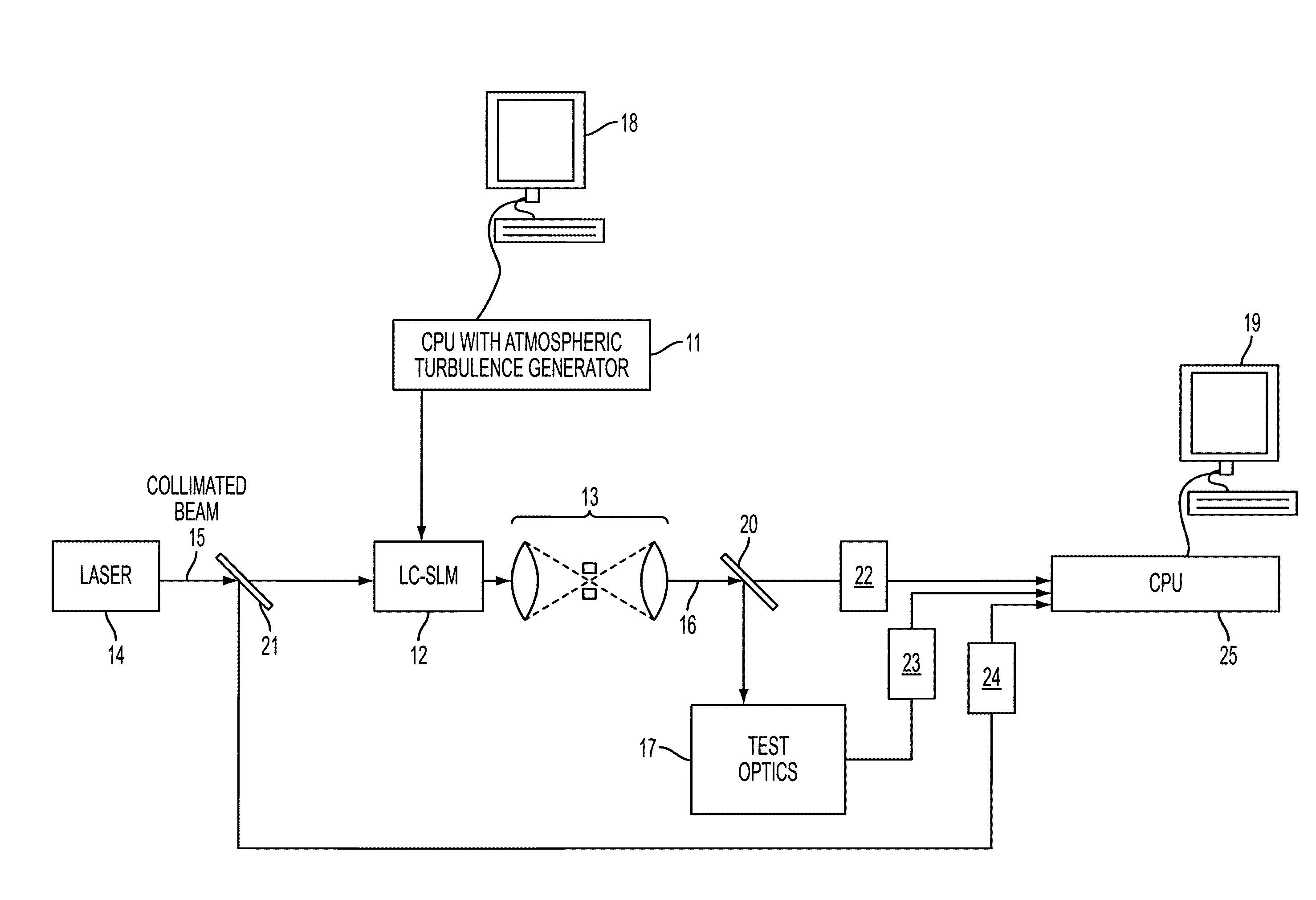
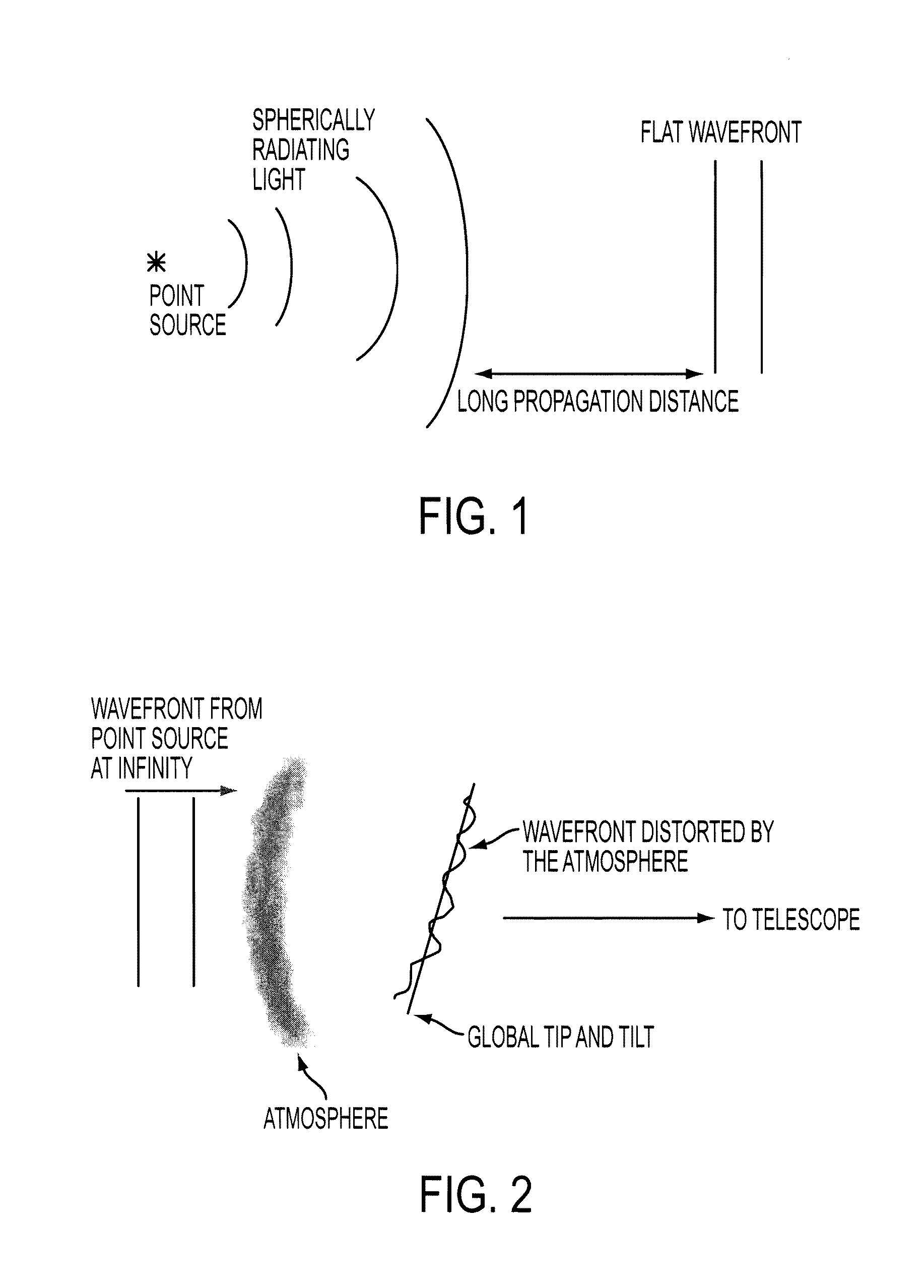
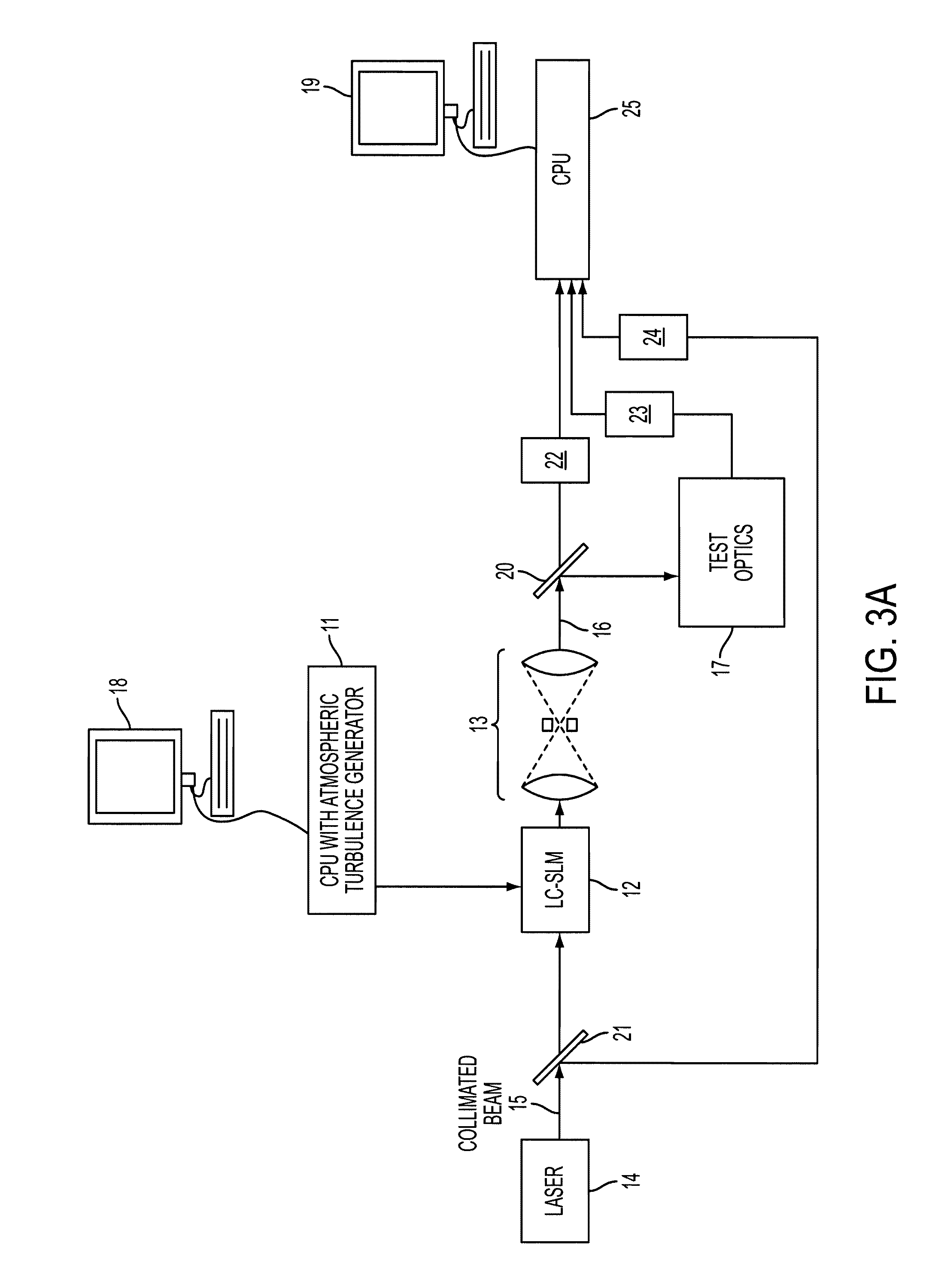
System and Method of Generating Atmospheric Turbulence for Testing Adaptive Optical Systems
PatentActiveUS20100192709A1
Innovation
- A system and method using a liquid crystal spatial light modulator (LC-SLM) to generate a time-varying phase screen based on Karhunen-Loeve polynomials and spline functions, allowing for dynamic simulation of atmospheric turbulence with user-controlled parameters, including Zernike and Frozen Seeing methods.

White light LCD self-adapting optic system
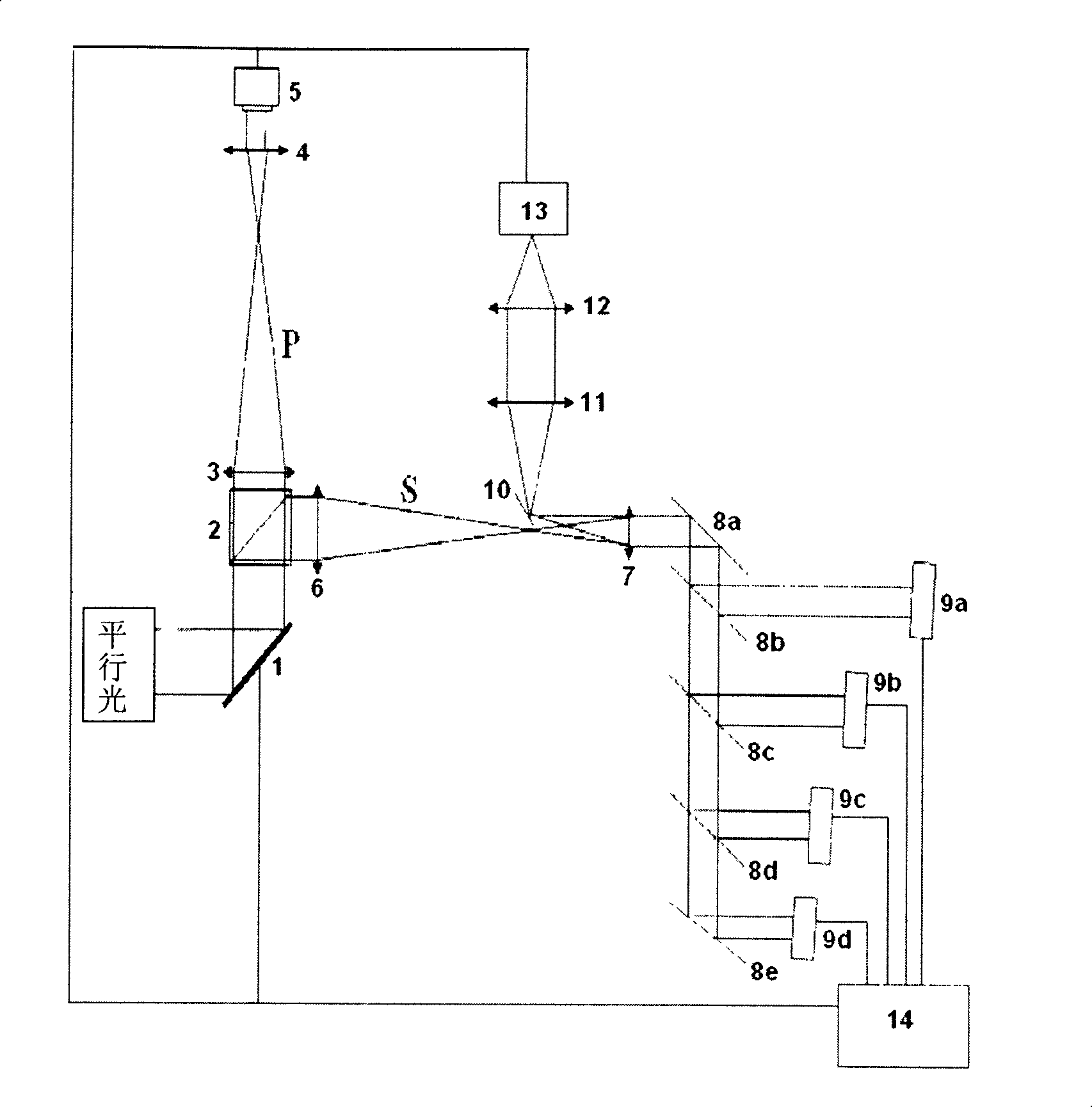
PatentInactiveCN101211008A
Innovation
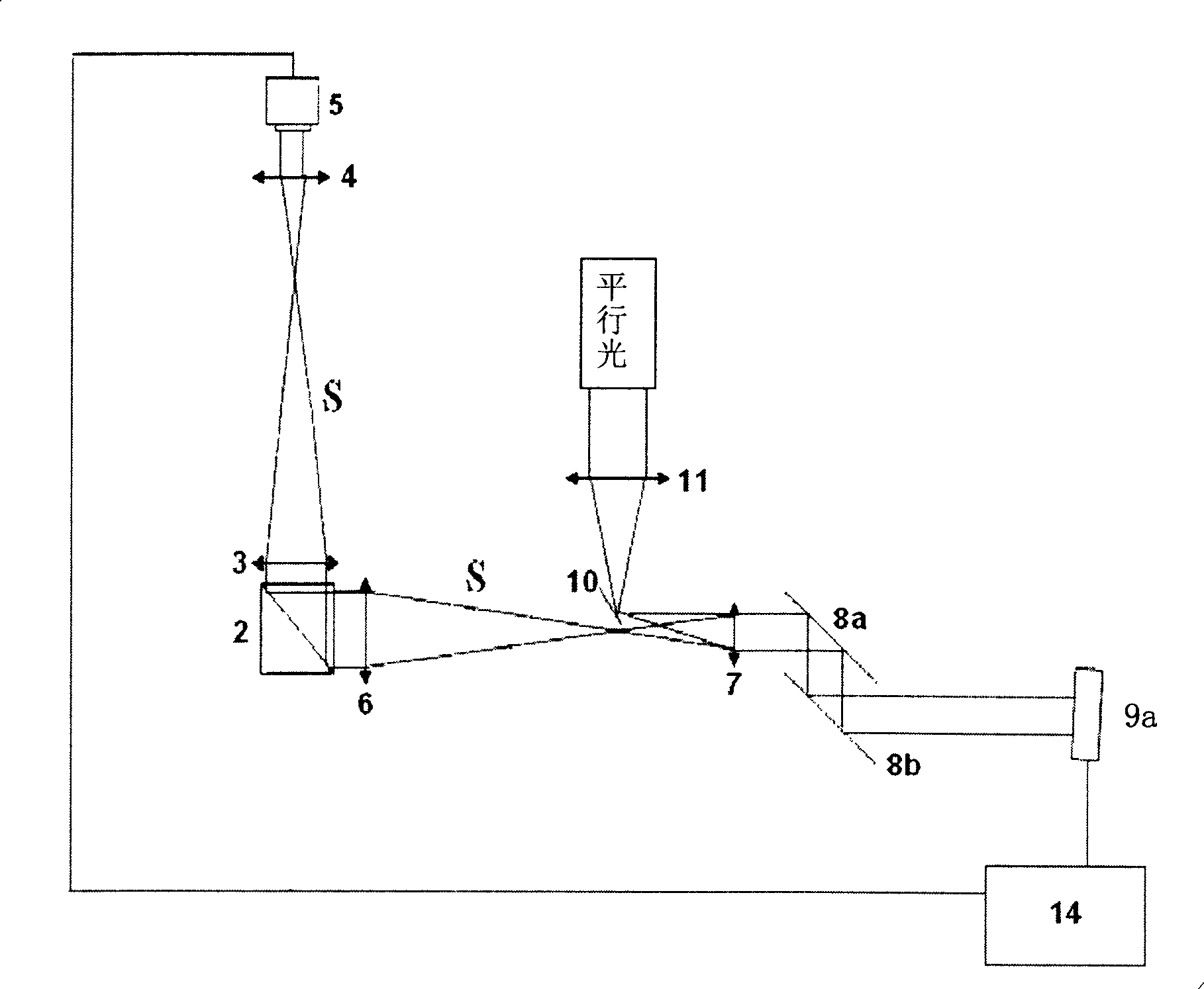
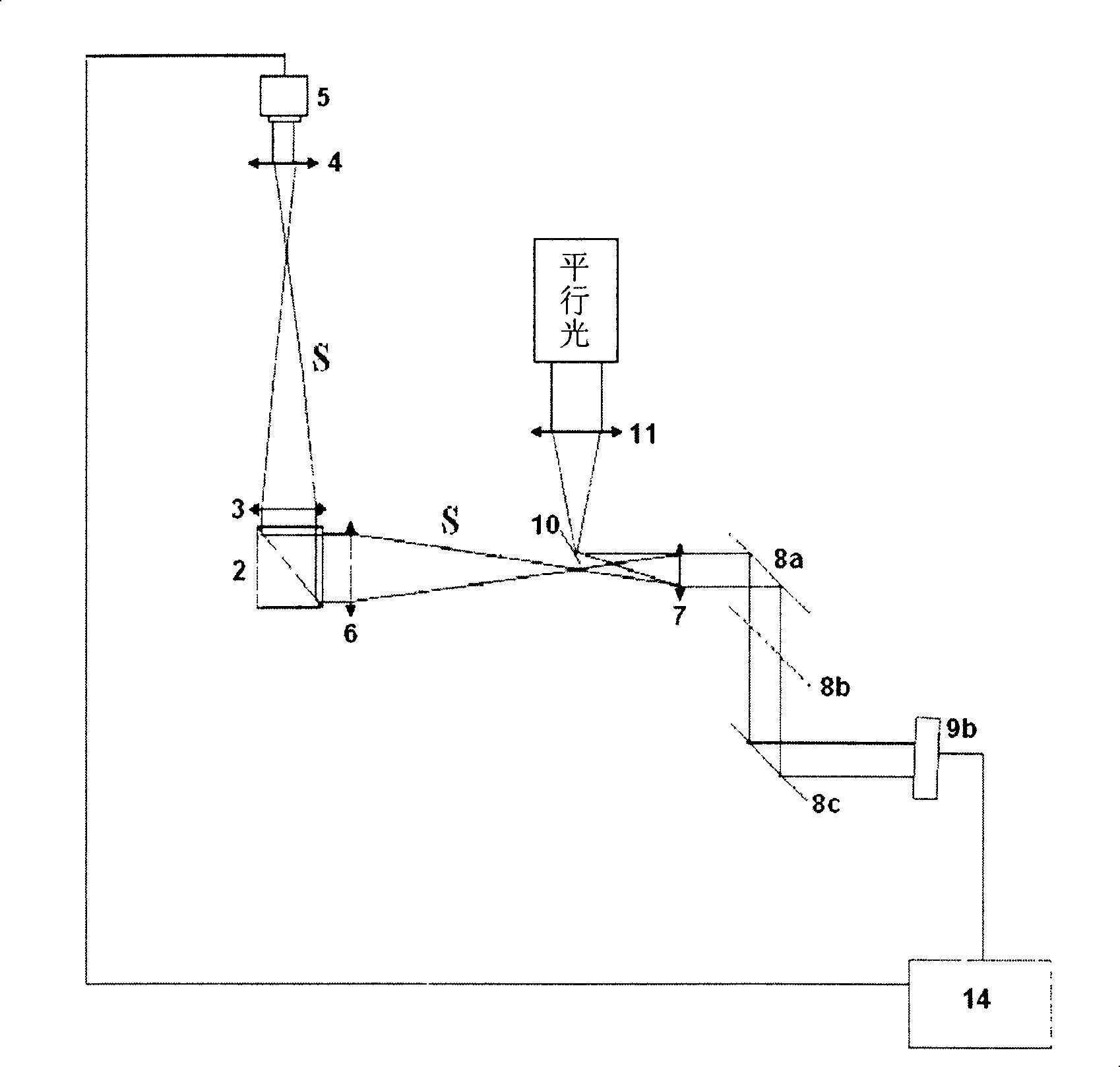
- Using an open-loop adaptive optical path, the incident light is divided into two beams of P polarization and S polarization through the PBS beam splitter. The S polarization beam is divided into multiple sub-bands through the color separation plate, and multiple liquid crystal wavefront correctors (LCOS screens) are used. ) are corrected separately, and finally the corrected beams are synthesized and imaged to achieve efficient correction of the white light band.

Space Mission Regulatory and Safety Requirements
Space-based adaptive optics systems must comply with stringent regulatory frameworks established by multiple international and national space agencies. The primary regulatory bodies include NASA, ESA, JAXA, and other national space organizations, each maintaining specific standards for space-qualified hardware. These regulations encompass electromagnetic compatibility requirements, thermal cycling specifications, and radiation hardness standards that directly impact adaptive optics component design and integration protocols.
Launch vehicle compatibility represents a critical regulatory dimension, as adaptive optics payloads must meet specific mass, volume, and structural load requirements. Vibration testing protocols, typically following NASA-STD-7001 or equivalent standards, mandate comprehensive qualification testing of deformable mirrors, wavefront sensors, and control electronics. Additionally, outgassing requirements under ASTM E595 ensure that adaptive optics materials do not contaminate sensitive optical surfaces or interfere with spacecraft operations.
Safety protocols for space-based adaptive optics deployment involve multiple risk mitigation strategies. Laser guide star systems, commonly integrated with adaptive optics, must comply with space debris mitigation guidelines and orbital safety regulations. Power system safety requirements mandate redundant protection circuits for high-voltage deformable mirror actuators and sophisticated fault detection algorithms to prevent cascading system failures.
Contamination control represents a paramount safety concern, requiring implementation of molecular contamination budgets and particulate cleanliness standards throughout the mission lifecycle. Adaptive optics systems must incorporate protective mechanisms during launch and deployment phases, including contamination covers and controlled venting procedures for actuator systems.
International space law compliance involves coordination with the International Telecommunication Union for laser communication frequencies and adherence to the Outer Space Treaty provisions. Export control regulations, particularly ITAR and EAR classifications, significantly impact international collaboration on adaptive optics technology development and component sourcing strategies.
Mission-specific safety requirements include comprehensive failure mode analysis, covering scenarios such as actuator seizure, wavefront sensor degradation, and control system anomalies. Emergency operational procedures must address safe mode configurations that protect primary mirror surfaces while maintaining essential spacecraft functions during adaptive optics system malfunctions.
Launch vehicle compatibility represents a critical regulatory dimension, as adaptive optics payloads must meet specific mass, volume, and structural load requirements. Vibration testing protocols, typically following NASA-STD-7001 or equivalent standards, mandate comprehensive qualification testing of deformable mirrors, wavefront sensors, and control electronics. Additionally, outgassing requirements under ASTM E595 ensure that adaptive optics materials do not contaminate sensitive optical surfaces or interfere with spacecraft operations.
Safety protocols for space-based adaptive optics deployment involve multiple risk mitigation strategies. Laser guide star systems, commonly integrated with adaptive optics, must comply with space debris mitigation guidelines and orbital safety regulations. Power system safety requirements mandate redundant protection circuits for high-voltage deformable mirror actuators and sophisticated fault detection algorithms to prevent cascading system failures.
Contamination control represents a paramount safety concern, requiring implementation of molecular contamination budgets and particulate cleanliness standards throughout the mission lifecycle. Adaptive optics systems must incorporate protective mechanisms during launch and deployment phases, including contamination covers and controlled venting procedures for actuator systems.
International space law compliance involves coordination with the International Telecommunication Union for laser communication frequencies and adherence to the Outer Space Treaty provisions. Export control regulations, particularly ITAR and EAR classifications, significantly impact international collaboration on adaptive optics technology development and component sourcing strategies.
Mission-specific safety requirements include comprehensive failure mode analysis, covering scenarios such as actuator seizure, wavefront sensor degradation, and control system anomalies. Emergency operational procedures must address safe mode configurations that protect primary mirror surfaces while maintaining essential spacecraft functions during adaptive optics system malfunctions.
Orbital Environment Impact on Adaptive Optics Performance
The orbital environment presents unique challenges that significantly influence adaptive optics performance in space-based telescopes. Unlike ground-based systems that primarily compensate for atmospheric turbulence, space-deployed adaptive optics must contend with a complex array of environmental factors that can degrade optical performance and system reliability.
Thermal fluctuations represent one of the most critical environmental impacts on adaptive optics systems. The extreme temperature variations experienced during orbital cycles, ranging from -150°C in Earth's shadow to +120°C in direct sunlight, cause thermal expansion and contraction of optical components. These thermal gradients induce wavefront distortions that adaptive optics systems must continuously correct, requiring sophisticated thermal modeling and compensation algorithms.
Radiation exposure in the space environment poses significant challenges to adaptive optics electronics and sensors. High-energy particles, cosmic rays, and solar radiation can cause single-event upsets in control electronics, degrade detector sensitivity, and induce noise in wavefront sensors. The cumulative radiation dose over mission lifetime can lead to permanent degradation of critical components, necessitating radiation-hardened designs and redundant systems.
Microgravity conditions fundamentally alter the mechanical behavior of adaptive optics components. Deformable mirrors and actuator systems designed for terrestrial operation may exhibit different response characteristics in zero-gravity environments. The absence of gravitational loading can affect mirror surface figure, actuator performance, and mechanical resonances, requiring extensive ground-based testing in simulated microgravity conditions.
Orbital dynamics introduce additional complexities through spacecraft attitude changes, orbital perturbations, and mechanical vibrations from reaction wheels and other spacecraft subsystems. These disturbances can couple into the optical system, creating low-frequency wavefront errors that challenge the bandwidth limitations of adaptive optics control systems.
The vacuum environment eliminates convective cooling mechanisms, making thermal management more challenging and potentially affecting the performance of temperature-sensitive components such as wavefront sensors and control electronics. Additionally, outgassing from spacecraft materials can contaminate optical surfaces, gradually degrading system performance over the mission duration.
Thermal fluctuations represent one of the most critical environmental impacts on adaptive optics systems. The extreme temperature variations experienced during orbital cycles, ranging from -150°C in Earth's shadow to +120°C in direct sunlight, cause thermal expansion and contraction of optical components. These thermal gradients induce wavefront distortions that adaptive optics systems must continuously correct, requiring sophisticated thermal modeling and compensation algorithms.
Radiation exposure in the space environment poses significant challenges to adaptive optics electronics and sensors. High-energy particles, cosmic rays, and solar radiation can cause single-event upsets in control electronics, degrade detector sensitivity, and induce noise in wavefront sensors. The cumulative radiation dose over mission lifetime can lead to permanent degradation of critical components, necessitating radiation-hardened designs and redundant systems.
Microgravity conditions fundamentally alter the mechanical behavior of adaptive optics components. Deformable mirrors and actuator systems designed for terrestrial operation may exhibit different response characteristics in zero-gravity environments. The absence of gravitational loading can affect mirror surface figure, actuator performance, and mechanical resonances, requiring extensive ground-based testing in simulated microgravity conditions.
Orbital dynamics introduce additional complexities through spacecraft attitude changes, orbital perturbations, and mechanical vibrations from reaction wheels and other spacecraft subsystems. These disturbances can couple into the optical system, creating low-frequency wavefront errors that challenge the bandwidth limitations of adaptive optics control systems.
The vacuum environment eliminates convective cooling mechanisms, making thermal management more challenging and potentially affecting the performance of temperature-sensitive components such as wavefront sensors and control electronics. Additionally, outgassing from spacecraft materials can contaminate optical surfaces, gradually degrading system performance over the mission duration.
Unlock deeper insights with Patsnap Eureka Quick Research — get a full tech report to explore trends and direct your research. Try now!
Generate Your Research Report Instantly with AI Agent
Supercharge your innovation with Patsnap Eureka AI Agent Platform!