
Detecting Aromatic Compounds in Water: Techniques & Sensitivity
MAR 5, 20269 MIN READ
Generate Your Research Report Instantly with AI Agent
Patsnap Eureka helps you evaluate technical feasibility & market potential.
Aromatic Water Contamination Detection Background and Objectives
Aromatic compounds represent a significant class of organic pollutants that pose substantial threats to water quality and human health. These benzene-ring containing molecules, including monoaromatic hydrocarbons like benzene, toluene, ethylbenzene, and xylenes (BTEX), as well as polycyclic aromatic hydrocarbons (PAHs), have emerged as priority contaminants due to their persistence, bioaccumulation potential, and carcinogenic properties. The widespread industrial use of aromatic compounds in petroleum refining, chemical manufacturing, pharmaceuticals, and plastics production has led to their ubiquitous presence in environmental matrices.
The contamination of water resources by aromatic compounds occurs through multiple pathways, including industrial discharge, petroleum spills, urban runoff, and atmospheric deposition. These compounds exhibit varying degrees of water solubility, with lighter aromatics showing higher mobility in aquatic systems while heavier PAHs tend to adsorb to sediments and particulate matter. The environmental persistence of these compounds, combined with their potential for long-range transport, necessitates robust detection and monitoring capabilities across diverse water systems.
Regulatory frameworks worldwide have established increasingly stringent limits for aromatic compounds in drinking water and environmental waters. The U.S. Environmental Protection Agency has set maximum contaminant levels for several BTEX compounds in the parts-per-billion range, while the European Union's Water Framework Directive includes numerous aromatic compounds as priority substances requiring systematic monitoring.
The primary objective of advancing aromatic compound detection technologies centers on achieving ultra-low detection limits that meet or exceed regulatory requirements while maintaining analytical reliability and cost-effectiveness. Current analytical challenges include matrix interference effects, the need for simultaneous multi-compound analysis, and the requirement for real-time or near-real-time monitoring capabilities in field applications.
Technological development goals encompass enhancing sensitivity to sub-ppb levels, improving selectivity to distinguish between structurally similar compounds, and developing portable instrumentation for on-site analysis. Additionally, there is a growing emphasis on developing automated monitoring systems capable of continuous surveillance of water quality parameters, enabling rapid response to contamination events and supporting proactive environmental management strategies.
The contamination of water resources by aromatic compounds occurs through multiple pathways, including industrial discharge, petroleum spills, urban runoff, and atmospheric deposition. These compounds exhibit varying degrees of water solubility, with lighter aromatics showing higher mobility in aquatic systems while heavier PAHs tend to adsorb to sediments and particulate matter. The environmental persistence of these compounds, combined with their potential for long-range transport, necessitates robust detection and monitoring capabilities across diverse water systems.
Regulatory frameworks worldwide have established increasingly stringent limits for aromatic compounds in drinking water and environmental waters. The U.S. Environmental Protection Agency has set maximum contaminant levels for several BTEX compounds in the parts-per-billion range, while the European Union's Water Framework Directive includes numerous aromatic compounds as priority substances requiring systematic monitoring.
The primary objective of advancing aromatic compound detection technologies centers on achieving ultra-low detection limits that meet or exceed regulatory requirements while maintaining analytical reliability and cost-effectiveness. Current analytical challenges include matrix interference effects, the need for simultaneous multi-compound analysis, and the requirement for real-time or near-real-time monitoring capabilities in field applications.
Technological development goals encompass enhancing sensitivity to sub-ppb levels, improving selectivity to distinguish between structurally similar compounds, and developing portable instrumentation for on-site analysis. Additionally, there is a growing emphasis on developing automated monitoring systems capable of continuous surveillance of water quality parameters, enabling rapid response to contamination events and supporting proactive environmental management strategies.
Market Demand for Aromatic Compound Water Testing Solutions
The global water testing market has experienced substantial growth driven by increasing environmental regulations and public health concerns. Aromatic compounds, including benzene, toluene, ethylbenzene, and xylenes (BTEX), represent critical contaminants requiring precise detection due to their carcinogenic properties and widespread industrial usage. Regulatory frameworks such as the Safe Drinking Water Act in the United States and the European Union's Drinking Water Directive have established stringent maximum contaminant levels, creating mandatory testing requirements across multiple sectors.
Industrial facilities, particularly petroleum refineries, chemical manufacturing plants, and petrochemical complexes, constitute the largest market segment for aromatic compound detection solutions. These facilities face continuous monitoring obligations to ensure compliance with discharge permits and environmental protection standards. The automotive industry also generates significant demand through fuel storage facility monitoring and groundwater remediation projects at service stations.
Municipal water treatment facilities represent another substantial market segment, requiring routine screening capabilities to protect public water supplies. The increasing frequency of groundwater contamination incidents has intensified the need for rapid, sensitive detection methods capable of identifying trace-level aromatic compounds before they reach distribution systems.
Environmental consulting firms and remediation contractors form a growing market segment, driven by the expansion of contaminated site cleanup projects and environmental impact assessments. These organizations require portable, field-deployable testing solutions that can provide real-time results during site investigations and remediation monitoring activities.
The market demonstrates strong regional variations, with North America and Europe leading in terms of regulatory stringency and testing frequency requirements. Asia-Pacific markets are experiencing rapid growth due to industrial expansion and evolving environmental protection policies. Emerging economies are increasingly adopting international water quality standards, creating new opportunities for advanced detection technologies.
Technological advancement demands are pushing the market toward more sensitive, cost-effective solutions. Traditional laboratory-based methods face pressure from rapid testing technologies that can deliver comparable accuracy with reduced turnaround times. The integration of automated sampling systems and remote monitoring capabilities represents a significant growth driver, particularly for continuous compliance monitoring applications.
Industrial facilities, particularly petroleum refineries, chemical manufacturing plants, and petrochemical complexes, constitute the largest market segment for aromatic compound detection solutions. These facilities face continuous monitoring obligations to ensure compliance with discharge permits and environmental protection standards. The automotive industry also generates significant demand through fuel storage facility monitoring and groundwater remediation projects at service stations.
Municipal water treatment facilities represent another substantial market segment, requiring routine screening capabilities to protect public water supplies. The increasing frequency of groundwater contamination incidents has intensified the need for rapid, sensitive detection methods capable of identifying trace-level aromatic compounds before they reach distribution systems.
Environmental consulting firms and remediation contractors form a growing market segment, driven by the expansion of contaminated site cleanup projects and environmental impact assessments. These organizations require portable, field-deployable testing solutions that can provide real-time results during site investigations and remediation monitoring activities.
The market demonstrates strong regional variations, with North America and Europe leading in terms of regulatory stringency and testing frequency requirements. Asia-Pacific markets are experiencing rapid growth due to industrial expansion and evolving environmental protection policies. Emerging economies are increasingly adopting international water quality standards, creating new opportunities for advanced detection technologies.
Technological advancement demands are pushing the market toward more sensitive, cost-effective solutions. Traditional laboratory-based methods face pressure from rapid testing technologies that can deliver comparable accuracy with reduced turnaround times. The integration of automated sampling systems and remote monitoring capabilities represents a significant growth driver, particularly for continuous compliance monitoring applications.
Current Detection Limitations and Sensitivity Challenges
Current detection methods for aromatic compounds in water face significant sensitivity limitations that constrain their practical application in environmental monitoring and water quality assessment. Traditional spectroscopic techniques, while widely accessible, typically exhibit detection limits in the milligram per liter range, which falls short of regulatory requirements for many aromatic pollutants that pose health risks at microgram or nanogram concentrations.
Chromatographic methods, particularly gas chromatography-mass spectrometry (GC-MS) and high-performance liquid chromatography (HPLC), represent the current gold standard for aromatic compound detection. However, these techniques encounter substantial challenges when dealing with complex water matrices. Matrix interference from dissolved organic matter, suspended particles, and competing ions significantly reduces detection sensitivity and accuracy. Sample preparation requirements, including extraction and concentration steps, introduce additional variability and potential analyte loss, further compromising detection limits.
The volatility characteristics of aromatic compounds present another critical limitation. Light aromatics such as benzene and toluene are prone to losses during sample handling and storage, leading to underestimation of actual concentrations. Conversely, heavy aromatic compounds with low volatility require extensive sample preparation procedures that may not achieve complete recovery, resulting in systematic analytical errors.
Electrochemical detection methods, while offering real-time monitoring capabilities, suffer from electrode fouling and interference issues in natural water samples. The presence of chlorine, heavy metals, and organic matter can significantly degrade sensor performance and reduce measurement reliability over extended operational periods.
Fluorescence-based detection techniques face quenching effects from dissolved organic carbon and turbidity in natural water samples. These matrix effects can reduce sensitivity by orders of magnitude compared to clean water standards, limiting their effectiveness in real-world applications.
Cross-reactivity represents a fundamental challenge across multiple detection platforms. Many aromatic compounds share similar chemical properties and spectral characteristics, making selective detection difficult without extensive sample preparation or sophisticated separation techniques. This limitation is particularly problematic when monitoring complex mixtures of aromatic pollutants commonly found in industrial wastewater and contaminated groundwater.
Temperature and pH variations in natural water systems further complicate detection efforts by affecting analyte stability and instrument response. Seasonal fluctuations and diurnal cycles can introduce significant measurement uncertainties that compromise long-term monitoring programs and regulatory compliance assessments.
Chromatographic methods, particularly gas chromatography-mass spectrometry (GC-MS) and high-performance liquid chromatography (HPLC), represent the current gold standard for aromatic compound detection. However, these techniques encounter substantial challenges when dealing with complex water matrices. Matrix interference from dissolved organic matter, suspended particles, and competing ions significantly reduces detection sensitivity and accuracy. Sample preparation requirements, including extraction and concentration steps, introduce additional variability and potential analyte loss, further compromising detection limits.
The volatility characteristics of aromatic compounds present another critical limitation. Light aromatics such as benzene and toluene are prone to losses during sample handling and storage, leading to underestimation of actual concentrations. Conversely, heavy aromatic compounds with low volatility require extensive sample preparation procedures that may not achieve complete recovery, resulting in systematic analytical errors.
Electrochemical detection methods, while offering real-time monitoring capabilities, suffer from electrode fouling and interference issues in natural water samples. The presence of chlorine, heavy metals, and organic matter can significantly degrade sensor performance and reduce measurement reliability over extended operational periods.
Fluorescence-based detection techniques face quenching effects from dissolved organic carbon and turbidity in natural water samples. These matrix effects can reduce sensitivity by orders of magnitude compared to clean water standards, limiting their effectiveness in real-world applications.
Cross-reactivity represents a fundamental challenge across multiple detection platforms. Many aromatic compounds share similar chemical properties and spectral characteristics, making selective detection difficult without extensive sample preparation or sophisticated separation techniques. This limitation is particularly problematic when monitoring complex mixtures of aromatic pollutants commonly found in industrial wastewater and contaminated groundwater.
Temperature and pH variations in natural water systems further complicate detection efforts by affecting analyte stability and instrument response. Seasonal fluctuations and diurnal cycles can introduce significant measurement uncertainties that compromise long-term monitoring programs and regulatory compliance assessments.
Existing Analytical Methods for Aromatic Compounds Detection
01 Detection and measurement methods for aromatic compound sensitivity
Various analytical techniques and detection methods have been developed to measure sensitivity to aromatic compounds. These methods include spectroscopic analysis, chromatographic techniques, and sensor-based detection systems that can identify and quantify aromatic compounds at different concentration levels. The sensitivity of detection can be enhanced through specific chemical reactions, optical measurements, or electrochemical responses that are selective to aromatic structures.- Detection and measurement methods for aromatic compound sensitivity: Various analytical techniques and detection methods have been developed to measure sensitivity to aromatic compounds. These methods include spectroscopic analysis, chromatographic techniques, and sensor-based detection systems that can identify and quantify aromatic compounds at different concentration levels. The methods are designed to assess sensitivity thresholds and provide accurate measurements for quality control and safety applications.
- Chemical compositions with reduced aromatic compound content: Formulations have been developed to minimize or eliminate aromatic compounds that may cause sensitivity reactions. These compositions utilize alternative ingredients or modified chemical structures to reduce the presence of sensitizing aromatic compounds while maintaining desired product performance. The approach focuses on substituting problematic aromatic compounds with less sensitizing alternatives or using purification processes to remove trace amounts.
- Protective agents and stabilizers for aromatic compound sensitivity: Protective formulations and stabilizing agents have been developed to mitigate sensitivity reactions caused by aromatic compounds. These agents work by forming protective barriers, neutralizing reactive species, or modifying the interaction between aromatic compounds and sensitive substrates. The protective systems can be incorporated into various products to reduce adverse reactions while maintaining product efficacy.
- Synthesis methods for low-sensitivity aromatic compounds: Novel synthesis routes and manufacturing processes have been developed to produce aromatic compounds with reduced sensitivity profiles. These methods involve controlled reaction conditions, selective catalysts, and purification steps that minimize the formation of sensitizing byproducts or impurities. The processes aim to create aromatic compounds that maintain their functional properties while exhibiting lower potential for causing sensitivity reactions.
- Testing protocols and safety assessment for aromatic compound sensitivity: Standardized testing protocols and safety assessment methods have been established to evaluate sensitivity to aromatic compounds. These protocols include in vitro and in vivo testing procedures, exposure limit determinations, and risk assessment frameworks. The testing methods help identify potentially sensitizing aromatic compounds and establish safe usage levels for various applications, ensuring product safety and regulatory compliance.
02 Chemical modifications to reduce aromatic compound sensitivity
Chemical modification strategies have been employed to reduce or control sensitivity to aromatic compounds. These approaches involve structural alterations, substitution reactions, or the addition of functional groups that can modulate the reactivity or interaction of aromatic compounds. Such modifications can help in creating compounds with reduced allergenic potential or altered biological activity while maintaining desired properties.Expand Specific Solutions03 Formulation strategies for managing aromatic compound sensitivity
Formulation techniques have been developed to manage sensitivity issues related to aromatic compounds in various applications. These strategies include encapsulation methods, use of masking agents, incorporation of stabilizers, or development of delivery systems that can control the release or exposure to aromatic compounds. Such formulations aim to minimize adverse reactions while maintaining product efficacy.Expand Specific Solutions04 Biological and pharmaceutical applications addressing aromatic sensitivity
Pharmaceutical and biological approaches have been developed to address sensitivity to aromatic compounds in therapeutic contexts. These include the development of hypoallergenic formulations, desensitization protocols, or alternative compounds with similar efficacy but reduced sensitivity profiles. The approaches may involve screening methods to identify individuals with heightened sensitivity or developing compounds with modified aromatic structures.Expand Specific Solutions05 Industrial processes for controlling aromatic compound sensitivity
Industrial manufacturing processes have been optimized to control and manage sensitivity issues related to aromatic compounds. These processes include purification techniques, quality control measures, and production methods that minimize the formation of sensitizing by-products or impurities. The approaches may involve specific reaction conditions, catalysts, or separation techniques that ensure consistent product quality with reduced sensitivity concerns.Expand Specific Solutions
Key Players in Water Quality Testing and Analytical Instruments
The aromatic compound detection in water market represents a mature yet evolving technological landscape driven by stringent environmental regulations and industrial monitoring needs. The industry has progressed from early-stage research to commercial deployment, with market growth fueled by increasing water quality concerns and regulatory compliance requirements. Technology maturity varies significantly across detection methods, with established players like Halliburton Energy Services and Chevron U.S.A. leveraging proven techniques for industrial applications, while research institutions including California Institute of Technology, Nanjing University, and Tongji University advance next-generation sensing technologies. Companies such as Ion Science Ltd., Dakota Technologies, and SRI International demonstrate commercial viability through specialized detection equipment, while organizations like Naval Research Laboratory and CEA contribute fundamental research. The competitive landscape spans from traditional analytical methods to emerging sensor technologies, with academic institutions like University of Michigan and Marquette University bridging research-to-market gaps alongside established industrial players.
Dakota Technologies, Inc.
Technical Solution: Dakota Technologies specializes in laser-induced fluorescence (LIF) systems for detecting aromatic compounds in water with exceptional sensitivity. Their technology utilizes pulsed UV lasers at 266 nm and 355 nm wavelengths to excite aromatic molecules, detecting the characteristic fluorescence emission spectra. The company's RaPID system can detect polycyclic aromatic hydrocarbons (PAHs) at concentrations as low as 0.1 ppb in water samples. Their approach includes time-resolved fluorescence measurements to distinguish between different aromatic compounds based on fluorescence lifetime characteristics. The system incorporates fiber-optic probes for remote sensing applications and can perform real-time analysis of water samples without requiring chemical pretreatment or sample preparation.
Strengths: Extremely high sensitivity (sub-ppb levels), compound-specific identification through fluorescence signatures, real-time analysis capability. Weaknesses: High equipment cost, requires skilled operators, limited to fluorescent aromatic compounds.
SRI International
Technical Solution: SRI International has developed innovative biosensor technologies for detecting aromatic compounds in water using engineered biological recognition elements. Their approach combines genetically modified bacteria or enzymes that specifically respond to aromatic compounds with electrochemical or optical transduction mechanisms. The biosensors utilize whole-cell bacterial systems expressing aromatic compound-degrading enzymes, producing measurable electrical or fluorescent signals proportional to contaminant concentration. Their technology can detect benzene, toluene, phenols, and other aromatic pollutants with detection limits in the microgram per liter range. The system includes microfluidic sample handling and automated signal processing for continuous monitoring applications in environmental water quality assessment.
Strengths: High selectivity for specific aromatic compounds, biological specificity reduces false positives, potential for low-cost mass production. Weaknesses: Biological components require controlled storage conditions, slower response time compared to physical sensors, limited operational lifetime.
Core Innovations in High-Sensitivity Aromatic Detection
Process and apparatus for determining qualitatively and quantitatively organic compounds
PatentInactiveEP0427996A2
Innovation
- A device with a variably definable electromagnetic radiation excitation unit and receiver system, integrated into an inline measuring head, allows for simultaneous detection of absorption, scattering, transmission, attenuation, fluorescence, and polarization, enabling adaptive optical measurements and corrections via a computer unit, facilitating selective and sensitive detection of aromatic hydrocarbons in waste water.


Method for detection and analysis of aromatic hydrocarbons from water
PatentInactiveUS20100068821A1
Innovation
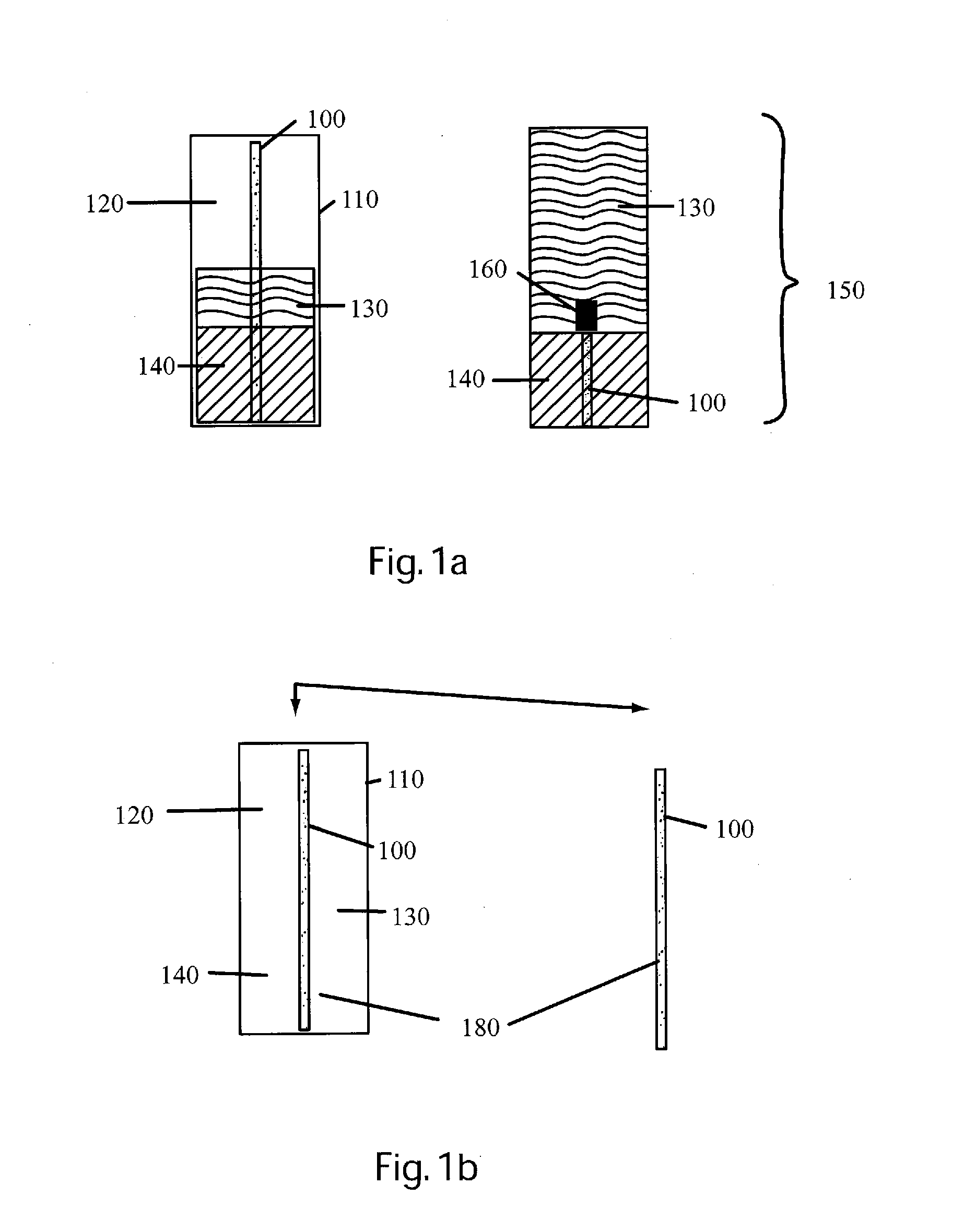
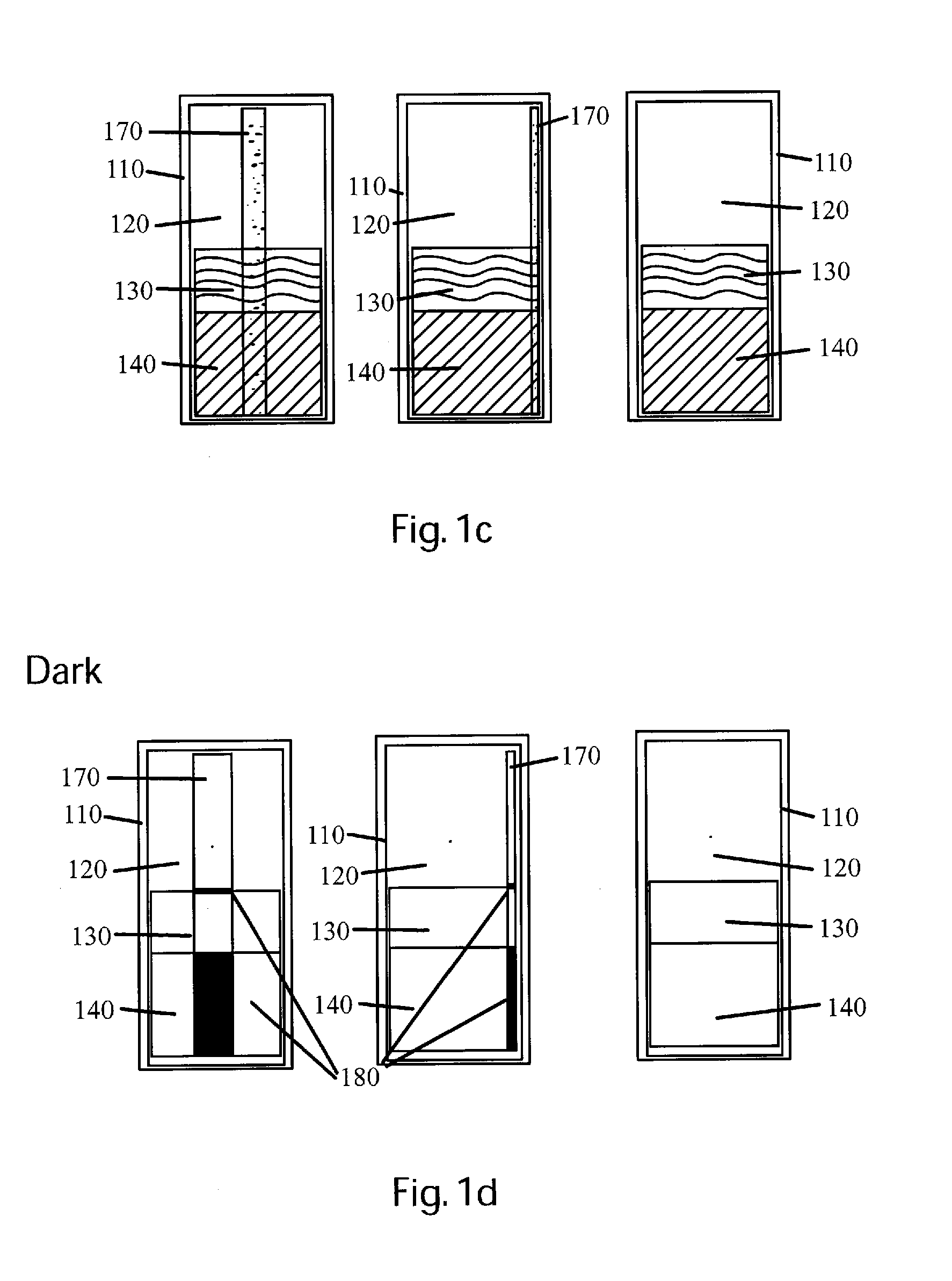
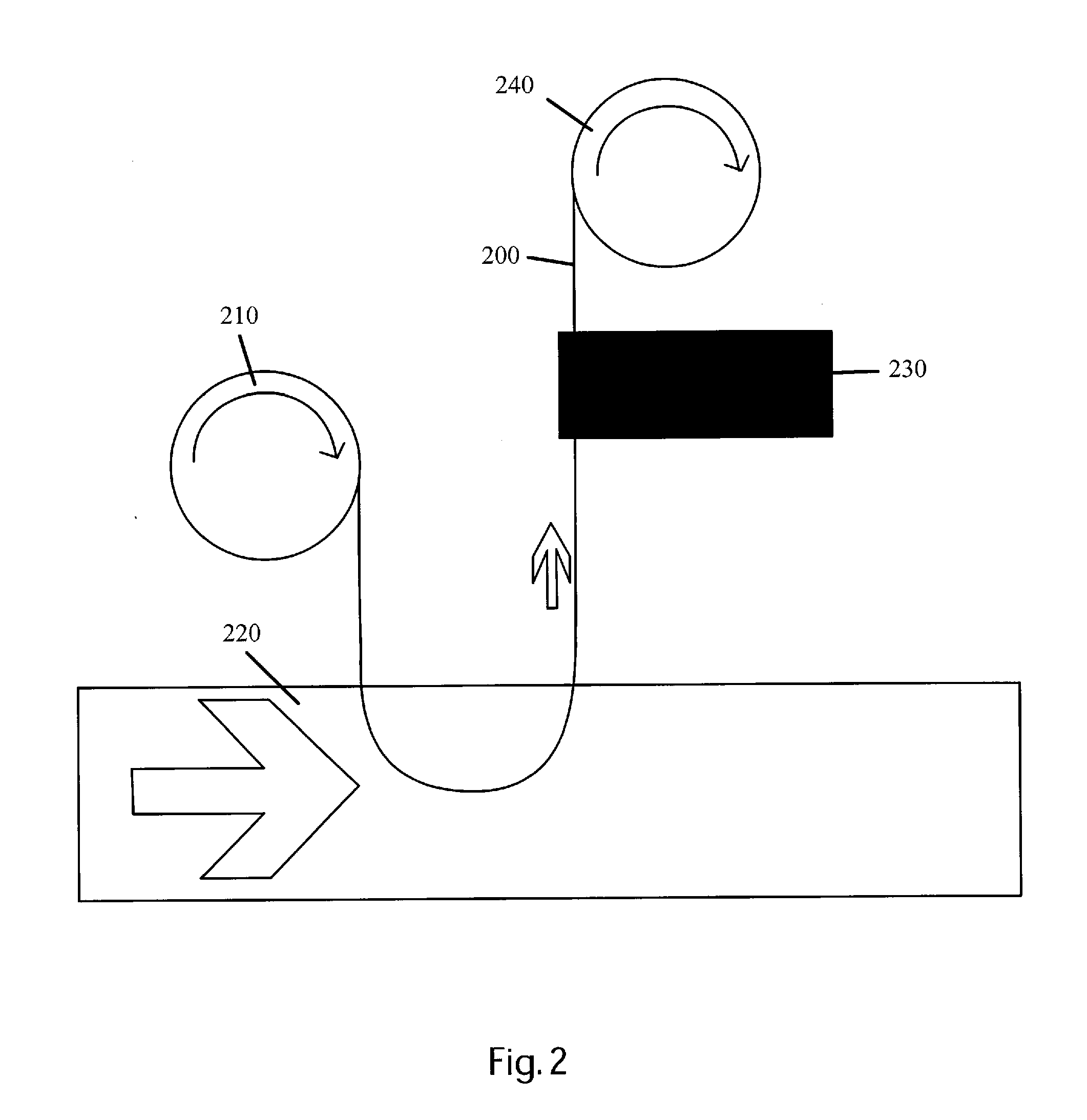
- A field-portable method using solid-phase microextraction (SPME) coupled with laser-induced fluorescence (LIF) analysis, employing a thin film layer of polydimethylsiloxane (PDMS) with near-zero autofluorescence, allows for direct in situ detection of total dissolved aromatic hydrocarbons in water and sediment pore water, independent of sample size and presence of dissolved organic matter.

Environmental Regulations for Aromatic Water Contaminants
Environmental regulations governing aromatic water contaminants have evolved significantly over the past decades, driven by mounting scientific evidence of their adverse health and ecological impacts. The regulatory landscape is characterized by increasingly stringent standards and comprehensive monitoring requirements across multiple jurisdictions worldwide.
The United States Environmental Protection Agency (EPA) has established Maximum Contaminant Levels (MCLs) for several aromatic compounds under the Safe Drinking Water Act. Benzene is regulated at 5 parts per billion (ppb), while toluene, ethylbenzene, and xylenes are controlled at 1,000 ppb, 700 ppb, and 10,000 ppb respectively. These standards reflect the varying toxicological profiles and exposure risks associated with different aromatic species.
European Union regulations under the Drinking Water Directive maintain even more stringent limits, with benzene restricted to 1 ppb and total aromatic hydrocarbons capped at 10 ppb. The EU's precautionary approach emphasizes prevention and early intervention, requiring member states to implement comprehensive monitoring programs at water treatment facilities and distribution points.
Industrial discharge regulations complement drinking water standards through sector-specific limitations. The Clean Water Act's National Pollutant Discharge Elimination System (NPDES) establishes technology-based effluent guidelines for petroleum refining, chemical manufacturing, and other aromatic-generating industries. These regulations mandate Best Available Technology (BAT) implementation and regular compliance monitoring.
Emerging regulatory trends focus on expanding the scope of regulated compounds to include substituted aromatics and metabolites previously overlooked. Regulatory agencies are increasingly adopting risk-based approaches that consider cumulative exposure effects and vulnerable population protection. Additionally, source water protection regulations are being strengthened to prevent contamination at the watershed level.
Compliance monitoring requirements have become more sophisticated, mandating advanced analytical techniques capable of detecting regulated compounds at increasingly lower concentrations. This regulatory evolution directly drives the demand for enhanced detection sensitivity and reliability in analytical instrumentation, creating a dynamic relationship between regulatory standards and technological advancement in the field.
The United States Environmental Protection Agency (EPA) has established Maximum Contaminant Levels (MCLs) for several aromatic compounds under the Safe Drinking Water Act. Benzene is regulated at 5 parts per billion (ppb), while toluene, ethylbenzene, and xylenes are controlled at 1,000 ppb, 700 ppb, and 10,000 ppb respectively. These standards reflect the varying toxicological profiles and exposure risks associated with different aromatic species.
European Union regulations under the Drinking Water Directive maintain even more stringent limits, with benzene restricted to 1 ppb and total aromatic hydrocarbons capped at 10 ppb. The EU's precautionary approach emphasizes prevention and early intervention, requiring member states to implement comprehensive monitoring programs at water treatment facilities and distribution points.
Industrial discharge regulations complement drinking water standards through sector-specific limitations. The Clean Water Act's National Pollutant Discharge Elimination System (NPDES) establishes technology-based effluent guidelines for petroleum refining, chemical manufacturing, and other aromatic-generating industries. These regulations mandate Best Available Technology (BAT) implementation and regular compliance monitoring.
Emerging regulatory trends focus on expanding the scope of regulated compounds to include substituted aromatics and metabolites previously overlooked. Regulatory agencies are increasingly adopting risk-based approaches that consider cumulative exposure effects and vulnerable population protection. Additionally, source water protection regulations are being strengthened to prevent contamination at the watershed level.
Compliance monitoring requirements have become more sophisticated, mandating advanced analytical techniques capable of detecting regulated compounds at increasingly lower concentrations. This regulatory evolution directly drives the demand for enhanced detection sensitivity and reliability in analytical instrumentation, creating a dynamic relationship between regulatory standards and technological advancement in the field.
Cost-Effectiveness Analysis of Detection Technologies
The economic evaluation of aromatic compound detection technologies reveals significant variations in cost-effectiveness across different analytical approaches. Traditional laboratory-based methods such as gas chromatography-mass spectrometry (GC-MS) and high-performance liquid chromatography (HPLC) demonstrate high analytical precision but require substantial capital investments ranging from $150,000 to $500,000 per instrument. These systems also incur ongoing operational costs including specialized personnel, maintenance contracts, and consumables that can exceed $50,000 annually per unit.
Field-portable detection systems present a more economically attractive alternative for routine monitoring applications. Portable GC units and handheld spectroscopic devices typically cost between $30,000 to $80,000, with significantly lower operational expenses. The cost per analysis for portable systems averages $15-25 compared to $75-150 for traditional laboratory methods when factoring in labor, consumables, and equipment depreciation.
Emerging sensor technologies offer the most promising cost-effectiveness profile for large-scale deployment. Electrochemical sensors and optical fiber-based detection systems can be manufactured at costs below $5,000 per unit, with operational costs under $5 per analysis. However, these technologies currently face limitations in selectivity and detection limits that may restrict their applicability to specific monitoring scenarios.
The total cost of ownership analysis indicates that the break-even point between laboratory and field-portable systems occurs at approximately 200-300 analyses per year. For high-throughput applications exceeding 1,000 samples annually, traditional laboratory methods maintain cost advantages despite higher initial investments. Conversely, distributed monitoring networks benefit significantly from portable and sensor-based approaches, particularly when considering reduced sample transportation and faster response times.
Return on investment calculations demonstrate that early detection of aromatic contamination events can prevent remediation costs exceeding $1 million per incident. This economic benefit justifies higher detection technology investments for critical water supply monitoring applications, where the cost-effectiveness equation shifts dramatically in favor of comprehensive analytical capabilities over basic screening methods.
Field-portable detection systems present a more economically attractive alternative for routine monitoring applications. Portable GC units and handheld spectroscopic devices typically cost between $30,000 to $80,000, with significantly lower operational expenses. The cost per analysis for portable systems averages $15-25 compared to $75-150 for traditional laboratory methods when factoring in labor, consumables, and equipment depreciation.
Emerging sensor technologies offer the most promising cost-effectiveness profile for large-scale deployment. Electrochemical sensors and optical fiber-based detection systems can be manufactured at costs below $5,000 per unit, with operational costs under $5 per analysis. However, these technologies currently face limitations in selectivity and detection limits that may restrict their applicability to specific monitoring scenarios.
The total cost of ownership analysis indicates that the break-even point between laboratory and field-portable systems occurs at approximately 200-300 analyses per year. For high-throughput applications exceeding 1,000 samples annually, traditional laboratory methods maintain cost advantages despite higher initial investments. Conversely, distributed monitoring networks benefit significantly from portable and sensor-based approaches, particularly when considering reduced sample transportation and faster response times.
Return on investment calculations demonstrate that early detection of aromatic contamination events can prevent remediation costs exceeding $1 million per incident. This economic benefit justifies higher detection technology investments for critical water supply monitoring applications, where the cost-effectiveness equation shifts dramatically in favor of comprehensive analytical capabilities over basic screening methods.
Unlock deeper insights with Patsnap Eureka Quick Research — get a full tech report to explore trends and direct your research. Try now!
Generate Your Research Report Instantly with AI Agent
Supercharge your innovation with Patsnap Eureka AI Agent Platform!