
Evaluate Aromatic Compounds for Sustainable Manufacturing
MAR 5, 20269 MIN READ
Generate Your Research Report Instantly with AI Agent
Patsnap Eureka helps you evaluate technical feasibility & market potential.
Aromatic Compounds Sustainability Background and Objectives
Aromatic compounds represent a fundamental class of organic chemicals characterized by their benzene ring structures, serving as essential building blocks across numerous industrial applications including pharmaceuticals, polymers, dyes, fragrances, and specialty chemicals. These compounds have historically been derived predominantly from petroleum-based feedstocks through energy-intensive processes, contributing significantly to global carbon emissions and environmental degradation.
The traditional manufacturing paradigm for aromatic compounds relies heavily on fossil fuel resources, with benzene, toluene, and xylene (BTX) production accounting for substantial portions of industrial greenhouse gas emissions. Current production methods, including catalytic reforming and steam cracking, operate at high temperatures and pressures, consuming considerable energy while generating significant waste streams. This conventional approach faces mounting pressure from regulatory frameworks, environmental concerns, and the urgent need for industrial decarbonization.
The imperative for sustainable manufacturing of aromatic compounds has emerged as a critical challenge in the chemical industry's transition toward circular economy principles. Growing environmental awareness, coupled with stringent regulatory requirements and corporate sustainability commitments, has accelerated the demand for alternative production pathways that minimize environmental impact while maintaining economic viability.
The primary objective of evaluating aromatic compounds for sustainable manufacturing encompasses developing comprehensive assessment frameworks that integrate environmental, economic, and technical performance metrics. This evaluation aims to identify and validate alternative synthesis routes, including bio-based production pathways, catalytic conversion of renewable feedstocks, and advanced recycling technologies that can transform waste materials into valuable aromatic intermediates.
Key technical objectives include establishing standardized methodologies for lifecycle assessment of aromatic compound production, developing novel catalytic systems that operate under milder conditions, and creating integrated biorefinery concepts that can compete economically with conventional petrochemical processes. The evaluation framework must also address scalability challenges, supply chain integration, and technology readiness levels to ensure practical implementation.
Strategic goals encompass reducing carbon footprint by 50-70% compared to conventional processes, achieving cost parity within defined timeframes, and establishing robust supply chains for renewable feedstocks. The evaluation process aims to identify breakthrough technologies that can revolutionize aromatic compound manufacturing while supporting the chemical industry's transformation toward sustainable production paradigms.
The traditional manufacturing paradigm for aromatic compounds relies heavily on fossil fuel resources, with benzene, toluene, and xylene (BTX) production accounting for substantial portions of industrial greenhouse gas emissions. Current production methods, including catalytic reforming and steam cracking, operate at high temperatures and pressures, consuming considerable energy while generating significant waste streams. This conventional approach faces mounting pressure from regulatory frameworks, environmental concerns, and the urgent need for industrial decarbonization.
The imperative for sustainable manufacturing of aromatic compounds has emerged as a critical challenge in the chemical industry's transition toward circular economy principles. Growing environmental awareness, coupled with stringent regulatory requirements and corporate sustainability commitments, has accelerated the demand for alternative production pathways that minimize environmental impact while maintaining economic viability.
The primary objective of evaluating aromatic compounds for sustainable manufacturing encompasses developing comprehensive assessment frameworks that integrate environmental, economic, and technical performance metrics. This evaluation aims to identify and validate alternative synthesis routes, including bio-based production pathways, catalytic conversion of renewable feedstocks, and advanced recycling technologies that can transform waste materials into valuable aromatic intermediates.
Key technical objectives include establishing standardized methodologies for lifecycle assessment of aromatic compound production, developing novel catalytic systems that operate under milder conditions, and creating integrated biorefinery concepts that can compete economically with conventional petrochemical processes. The evaluation framework must also address scalability challenges, supply chain integration, and technology readiness levels to ensure practical implementation.
Strategic goals encompass reducing carbon footprint by 50-70% compared to conventional processes, achieving cost parity within defined timeframes, and establishing robust supply chains for renewable feedstocks. The evaluation process aims to identify breakthrough technologies that can revolutionize aromatic compound manufacturing while supporting the chemical industry's transformation toward sustainable production paradigms.
Market Demand for Green Aromatic Manufacturing Solutions
The global market for green aromatic manufacturing solutions is experiencing unprecedented growth driven by stringent environmental regulations and increasing corporate sustainability commitments. Traditional petrochemical-based aromatic compound production faces mounting pressure from carbon emission targets and circular economy initiatives across major industrial regions. This regulatory landscape creates substantial demand for bio-based and renewable alternatives to conventional benzene, toluene, and xylene production pathways.
Chemical manufacturers are actively seeking sustainable aromatic compounds to meet both regulatory compliance and consumer expectations for environmentally responsible products. The pharmaceutical, cosmetics, and specialty chemicals sectors demonstrate particularly strong demand for green aromatic intermediates, as these industries face direct consumer scrutiny regarding sustainability practices. Additionally, the automotive and electronics industries require sustainable aromatic compounds for advanced materials applications while maintaining performance specifications.
Market demand is further amplified by the growing emphasis on life cycle assessment and carbon footprint reduction throughout supply chains. Companies are increasingly willing to invest in premium-priced sustainable aromatic compounds to achieve their net-zero commitments and enhance brand positioning. This willingness to pay sustainability premiums creates viable market opportunities for innovative green manufacturing technologies.
The Asia-Pacific region leads market demand growth, particularly in China and India, where rapid industrialization coincides with increasingly strict environmental policies. European markets demonstrate mature demand patterns focused on high-value specialty applications, while North American markets show strong growth in bio-based aromatic compounds for consumer goods applications.
Supply chain resilience concerns following recent global disruptions have intensified interest in localized and renewable aromatic compound sources. This trend creates additional market pull for sustainable manufacturing solutions that can provide geographic diversification while meeting environmental objectives. The convergence of regulatory pressure, sustainability goals, and supply chain considerations establishes a robust foundation for sustained market growth in green aromatic manufacturing solutions.
Chemical manufacturers are actively seeking sustainable aromatic compounds to meet both regulatory compliance and consumer expectations for environmentally responsible products. The pharmaceutical, cosmetics, and specialty chemicals sectors demonstrate particularly strong demand for green aromatic intermediates, as these industries face direct consumer scrutiny regarding sustainability practices. Additionally, the automotive and electronics industries require sustainable aromatic compounds for advanced materials applications while maintaining performance specifications.
Market demand is further amplified by the growing emphasis on life cycle assessment and carbon footprint reduction throughout supply chains. Companies are increasingly willing to invest in premium-priced sustainable aromatic compounds to achieve their net-zero commitments and enhance brand positioning. This willingness to pay sustainability premiums creates viable market opportunities for innovative green manufacturing technologies.
The Asia-Pacific region leads market demand growth, particularly in China and India, where rapid industrialization coincides with increasingly strict environmental policies. European markets demonstrate mature demand patterns focused on high-value specialty applications, while North American markets show strong growth in bio-based aromatic compounds for consumer goods applications.
Supply chain resilience concerns following recent global disruptions have intensified interest in localized and renewable aromatic compound sources. This trend creates additional market pull for sustainable manufacturing solutions that can provide geographic diversification while meeting environmental objectives. The convergence of regulatory pressure, sustainability goals, and supply chain considerations establishes a robust foundation for sustained market growth in green aromatic manufacturing solutions.
Current Challenges in Sustainable Aromatic Production
The sustainable production of aromatic compounds faces significant technical and economic barriers that impede widespread industrial adoption. Traditional petrochemical processes for manufacturing benzene, toluene, xylene, and other aromatics rely heavily on fossil fuel feedstocks and energy-intensive operations, creating substantial environmental footprints. These conventional methods generate considerable CO2 emissions and produce toxic byproducts that require extensive treatment and disposal protocols.
Feedstock availability represents a critical constraint for sustainable aromatic production. Bio-based alternatives such as lignin, agricultural residues, and algae biomass often suffer from inconsistent quality, seasonal availability, and geographic distribution limitations. The heterogeneous nature of these renewable feedstocks creates processing challenges that petroleum-derived materials do not present, requiring sophisticated pretreatment and purification steps.
Process efficiency remains a fundamental technical hurdle. Current bio-based aromatic production pathways typically exhibit lower yields compared to established petrochemical routes. Catalytic conversion processes for biomass-to-aromatics transformation often struggle with catalyst deactivation, selectivity issues, and the need for harsh reaction conditions. These factors contribute to higher production costs and reduced economic competitiveness against conventional methods.
Scale-up challenges pose additional obstacles for sustainable aromatic manufacturing. Laboratory-scale successes frequently encounter difficulties during pilot plant and commercial-scale implementation. Heat and mass transfer limitations, reactor design complexities, and process integration issues become more pronounced at larger scales, often requiring significant modifications to initial process concepts.
Economic viability concerns continue to limit investment in sustainable aromatic production technologies. High capital expenditure requirements for new process equipment, coupled with uncertain feedstock costs and volatile market conditions, create financial risks that discourage industrial adoption. The lack of established supply chains for bio-based feedstocks further complicates cost projections and long-term planning.
Regulatory and certification frameworks for sustainable aromatics remain underdeveloped in many regions. Inconsistent standards for sustainability metrics, carbon footprint calculations, and product quality specifications create market uncertainty. This regulatory ambiguity complicates product commercialization and limits customer confidence in bio-based aromatic alternatives.
Technical integration with existing manufacturing infrastructure presents operational challenges. Many facilities designed for petroleum-based aromatics require substantial modifications to accommodate bio-based feedstocks and alternative processing conditions. Compatibility issues with downstream applications and quality specifications add complexity to the transition toward sustainable production methods.
Feedstock availability represents a critical constraint for sustainable aromatic production. Bio-based alternatives such as lignin, agricultural residues, and algae biomass often suffer from inconsistent quality, seasonal availability, and geographic distribution limitations. The heterogeneous nature of these renewable feedstocks creates processing challenges that petroleum-derived materials do not present, requiring sophisticated pretreatment and purification steps.
Process efficiency remains a fundamental technical hurdle. Current bio-based aromatic production pathways typically exhibit lower yields compared to established petrochemical routes. Catalytic conversion processes for biomass-to-aromatics transformation often struggle with catalyst deactivation, selectivity issues, and the need for harsh reaction conditions. These factors contribute to higher production costs and reduced economic competitiveness against conventional methods.
Scale-up challenges pose additional obstacles for sustainable aromatic manufacturing. Laboratory-scale successes frequently encounter difficulties during pilot plant and commercial-scale implementation. Heat and mass transfer limitations, reactor design complexities, and process integration issues become more pronounced at larger scales, often requiring significant modifications to initial process concepts.
Economic viability concerns continue to limit investment in sustainable aromatic production technologies. High capital expenditure requirements for new process equipment, coupled with uncertain feedstock costs and volatile market conditions, create financial risks that discourage industrial adoption. The lack of established supply chains for bio-based feedstocks further complicates cost projections and long-term planning.
Regulatory and certification frameworks for sustainable aromatics remain underdeveloped in many regions. Inconsistent standards for sustainability metrics, carbon footprint calculations, and product quality specifications create market uncertainty. This regulatory ambiguity complicates product commercialization and limits customer confidence in bio-based aromatic alternatives.
Technical integration with existing manufacturing infrastructure presents operational challenges. Many facilities designed for petroleum-based aromatics require substantial modifications to accommodate bio-based feedstocks and alternative processing conditions. Compatibility issues with downstream applications and quality specifications add complexity to the transition toward sustainable production methods.
Existing Green Manufacturing Technologies for Aromatics
01 Aromatic compounds as intermediates in chemical synthesis
Aromatic compounds serve as key intermediates in various chemical synthesis processes. These compounds contain one or more benzene rings and can undergo substitution reactions to form diverse chemical products. They are widely used in the production of pharmaceuticals, dyes, and polymers. The synthesis methods often involve catalytic processes and specific reaction conditions to achieve desired substitution patterns and functional group modifications.- Aromatic compounds as intermediates in chemical synthesis: Aromatic compounds serve as key intermediates in various chemical synthesis processes. These compounds contain one or more benzene rings and can undergo substitution reactions to form diverse chemical products. The synthesis methods include catalytic processes, oxidation reactions, and coupling reactions to produce functionalized aromatic derivatives used in pharmaceuticals, agrochemicals, and specialty chemicals.
- Halogenated aromatic compounds and their preparation: Halogenated aromatic compounds are prepared through various halogenation processes involving aromatic substrates. These compounds contain halogen atoms such as chlorine, bromine, or fluorine attached to aromatic rings. The preparation methods include direct halogenation, catalytic halogenation, and substitution reactions. These halogenated derivatives find applications in polymer production, pharmaceutical synthesis, and as building blocks for more complex molecules.
- Aromatic compounds with heterocyclic structures: Aromatic compounds incorporating heterocyclic structures contain ring systems with at least one heteroatom such as nitrogen, oxygen, or sulfur. These compounds exhibit unique chemical and biological properties due to the presence of heteroatoms within the aromatic framework. Synthesis methods involve cyclization reactions, condensation processes, and ring-forming reactions. Applications include pharmaceutical active ingredients, dyes, and electronic materials.
- Functionalized aromatic compounds for pharmaceutical applications: Functionalized aromatic compounds are designed and synthesized for pharmaceutical applications, containing specific functional groups that impart desired biological activity. These compounds may include amino, hydroxyl, carboxyl, or other substituents on aromatic rings. The development involves structure-activity relationship studies, optimization of pharmacological properties, and formulation into therapeutic agents for treating various diseases and medical conditions.
- Aromatic compounds in polymer and material science: Aromatic compounds play crucial roles in polymer chemistry and material science applications. These compounds serve as monomers, cross-linking agents, or additives in polymer synthesis and processing. The aromatic structures provide thermal stability, mechanical strength, and specific optical or electrical properties to the resulting materials. Applications include high-performance plastics, coatings, adhesives, and advanced composite materials.
02 Halogenated aromatic compounds and their applications
Halogenated aromatic compounds are aromatic molecules containing halogen substituents such as chlorine, bromine, or fluorine. These compounds exhibit unique chemical properties and are utilized in various industrial applications including agrochemicals, flame retardants, and specialty chemicals. The halogenation process can be controlled to achieve specific substitution patterns, and these compounds often serve as precursors for further chemical transformations.Expand Specific Solutions03 Aromatic compounds in pharmaceutical formulations
Aromatic compounds play a crucial role in pharmaceutical chemistry as active ingredients or building blocks for drug molecules. Many therapeutic agents contain aromatic rings that contribute to their biological activity and pharmacological properties. These compounds can be modified through various chemical reactions to optimize their efficacy, selectivity, and bioavailability. The aromatic structures often interact with biological targets through specific binding mechanisms.Expand Specific Solutions04 Catalytic processes for aromatic compound transformation
Catalytic methods are employed for the transformation and functionalization of aromatic compounds. These processes utilize various catalysts including metal complexes, acids, or bases to facilitate reactions such as alkylation, acylation, and oxidation. The catalytic approaches enable selective modifications of aromatic rings under controlled conditions, improving reaction efficiency and product yields. These methods are essential for industrial-scale production of aromatic derivatives.Expand Specific Solutions05 Aromatic compounds in polymer and material science
Aromatic compounds are fundamental building blocks in polymer chemistry and advanced materials. They provide structural rigidity, thermal stability, and unique electronic properties to polymeric materials. These compounds are incorporated into various polymer backbones to create high-performance materials with applications in coatings, adhesives, and engineering plastics. The aromatic structures contribute to enhanced mechanical properties and chemical resistance of the resulting materials.Expand Specific Solutions
Major Players in Sustainable Aromatics Industry
The aromatic compounds for sustainable manufacturing sector represents a mature yet rapidly evolving industry driven by increasing environmental regulations and consumer demand for bio-based alternatives. The market demonstrates significant scale with established players like BASF Corp., International Flavors & Fragrances, and Givaudan SA dominating traditional petrochemical-derived aromatics, while emerging companies such as Anellotech and Relement BV pioneer bio-based production technologies. Technology maturity varies considerably across the competitive landscape - conventional aromatic production through companies like China Petroleum & Chemical Corp. and Idemitsu Kosan represents well-established processes, whereas sustainable alternatives remain in development phases. Japanese chemical giants including Sumitomo Chemical, Mitsui Chemicals, and Takasago International are actively transitioning toward greener production methods, while specialty chemical manufacturers like Symrise and Firmenich focus on sustainable fragrance and flavor applications, indicating a sector-wide shift toward environmentally conscious manufacturing approaches.
Givaudan SA
Technical Solution: Givaudan focuses on biotechnology-driven aromatic compound production using engineered microorganisms and fermentation processes. Their proprietary yeast and bacteria strains produce natural aromatic compounds including vanillin, benzaldehyde, and phenolic compounds through metabolic engineering. The company's bioreactor systems achieve yields of 15-25 g/L for key aromatics, utilizing agricultural waste and sugar-based feedstocks. Givaudan's continuous fermentation technology reduces production time by 40% while maintaining consistent product quality. Their downstream purification processes employ green chemistry principles, using supercritical CO2 extraction and membrane separation technologies to eliminate harsh solvents. The integrated biorefinery approach enables co-production of multiple aromatic compounds, optimizing resource utilization and economic viability.
Strengths: Biotechnology expertise, natural product focus, established market presence in flavors and fragrances. Weaknesses: Limited to specific aromatic compounds, scale-up challenges for industrial volumes.
BASF Corp.
Technical Solution: BASF has developed comprehensive sustainable aromatic compound manufacturing through bio-based feedstock conversion and catalytic processes. Their ChemCycling project transforms plastic waste into pyrolysis oil for producing virgin-quality aromatics like benzene and toluene. The company utilizes advanced catalyst systems for selective oxidation of renewable feedstocks, achieving over 85% conversion efficiency in laboratory trials. BASF's integrated approach combines process intensification with renewable energy integration, reducing carbon footprint by up to 60% compared to traditional petrochemical routes. Their modular reactor designs enable distributed manufacturing, supporting circular economy principles while maintaining product quality standards for industrial applications.
Strengths: Established industrial infrastructure, proven scalability, comprehensive sustainability metrics. Weaknesses: High capital investment requirements, dependency on waste feedstock availability.
Key Innovations in Bio-based Aromatic Synthesis
Catalyst for organic compound production, method of producing catalyst for organic compound production, and method of producing organic compound
PatentWO2024135771A1
Innovation
- A catalyst system comprising a first catalyst with zinc, manganese, or iron, combined with ITQ-2 zeolite and optional additional catalysts like vanadium, chromium, or zeolites like SAPO and ZSM-5, which facilitates the conversion of carbon monoxide and hydrogen into methanol and subsequent aromatic compounds at lower temperatures and pressures, suppressing coke deposition and maintaining catalytic activity.


Production of renewable aromatic compounds
PatentInactiveUS20130130345A1
Innovation
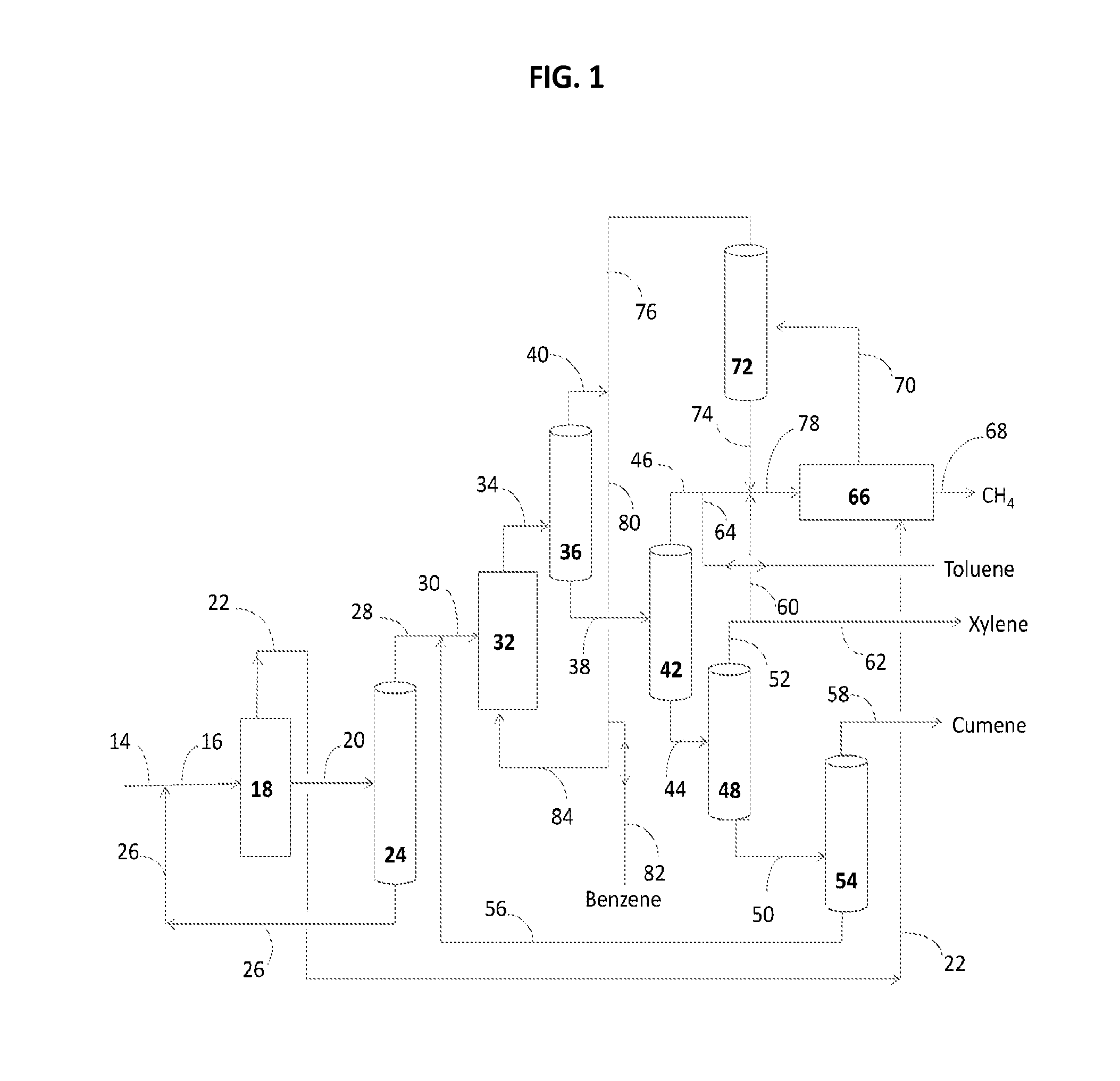
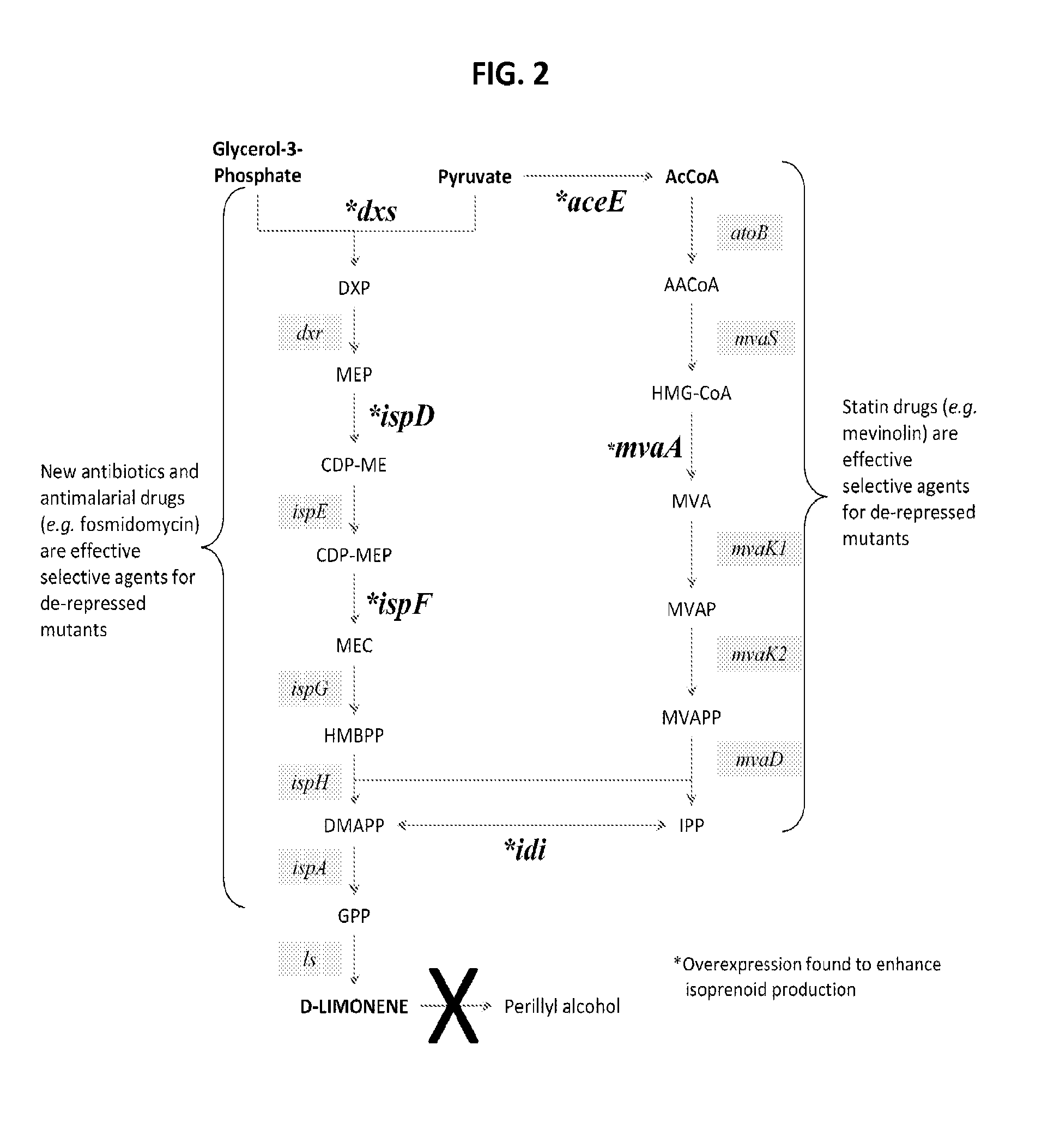
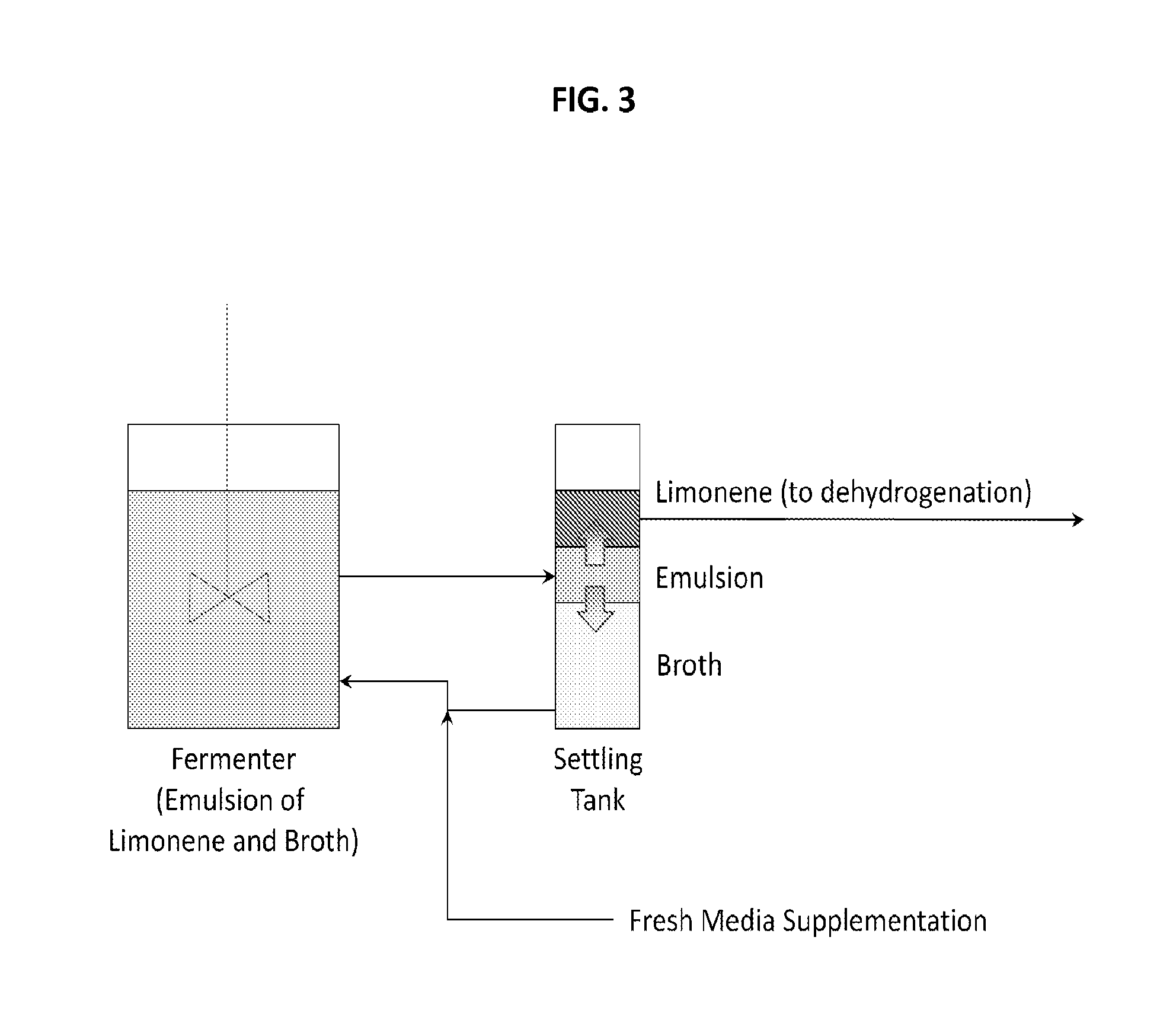
- The process involves converting biologically produced cyclic monoterpenes into cymene, which is then used as a renewable feedstock to produce renewable cumene, toluene, and other aromatic compounds through dehydrogenation and transalkylation reactions, utilizing catalysts and specific microbial pathways to achieve high yields of renewable aromatic compounds.

Environmental Regulations for Chemical Manufacturing
The regulatory landscape for chemical manufacturing involving aromatic compounds has undergone significant transformation in recent decades, driven by growing environmental awareness and scientific understanding of chemical impacts on human health and ecosystems. This evolution reflects a global shift toward more stringent environmental protection standards and sustainable manufacturing practices.
International frameworks such as the Stockholm Convention on Persistent Organic Pollutants and the Rotterdam Convention on Prior Informed Consent have established foundational principles for managing hazardous chemicals, including many aromatic compounds. These agreements create binding obligations for signatory countries to implement domestic regulations that align with international standards for chemical safety and environmental protection.
In the United States, the Environmental Protection Agency enforces comprehensive regulations under the Clean Air Act, Clean Water Act, and Toxic Substances Control Act that directly impact aromatic compound manufacturing. The EPA's Risk Management Program requires facilities handling certain aromatic compounds to develop comprehensive safety and environmental management systems. Additionally, the agency's Green Chemistry Challenge Program incentivizes manufacturers to develop environmentally preferable alternatives to traditional aromatic compounds.
European Union regulations represent some of the world's most stringent chemical manufacturing standards. The REACH regulation requires extensive registration, evaluation, and authorization of chemical substances, with particular scrutiny applied to aromatic compounds due to their potential environmental persistence and bioaccumulation properties. The Industrial Emissions Directive establishes emission limit values and requires implementation of Best Available Techniques for aromatic compound production facilities.
Emerging regulatory trends indicate increasing focus on circular economy principles and life-cycle assessment requirements. Many jurisdictions are implementing extended producer responsibility frameworks that hold manufacturers accountable for the entire lifecycle of aromatic compounds, from production through disposal. These regulations are driving innovation in sustainable manufacturing processes and encouraging development of bio-based aromatic alternatives.
Compliance costs associated with environmental regulations for aromatic compound manufacturing continue to rise, with estimates suggesting regulatory compliance represents 15-25% of total production costs for many facilities. However, these regulations simultaneously create market opportunities for companies developing cleaner production technologies and sustainable aromatic compound alternatives.
International frameworks such as the Stockholm Convention on Persistent Organic Pollutants and the Rotterdam Convention on Prior Informed Consent have established foundational principles for managing hazardous chemicals, including many aromatic compounds. These agreements create binding obligations for signatory countries to implement domestic regulations that align with international standards for chemical safety and environmental protection.
In the United States, the Environmental Protection Agency enforces comprehensive regulations under the Clean Air Act, Clean Water Act, and Toxic Substances Control Act that directly impact aromatic compound manufacturing. The EPA's Risk Management Program requires facilities handling certain aromatic compounds to develop comprehensive safety and environmental management systems. Additionally, the agency's Green Chemistry Challenge Program incentivizes manufacturers to develop environmentally preferable alternatives to traditional aromatic compounds.
European Union regulations represent some of the world's most stringent chemical manufacturing standards. The REACH regulation requires extensive registration, evaluation, and authorization of chemical substances, with particular scrutiny applied to aromatic compounds due to their potential environmental persistence and bioaccumulation properties. The Industrial Emissions Directive establishes emission limit values and requires implementation of Best Available Techniques for aromatic compound production facilities.
Emerging regulatory trends indicate increasing focus on circular economy principles and life-cycle assessment requirements. Many jurisdictions are implementing extended producer responsibility frameworks that hold manufacturers accountable for the entire lifecycle of aromatic compounds, from production through disposal. These regulations are driving innovation in sustainable manufacturing processes and encouraging development of bio-based aromatic alternatives.
Compliance costs associated with environmental regulations for aromatic compound manufacturing continue to rise, with estimates suggesting regulatory compliance represents 15-25% of total production costs for many facilities. However, these regulations simultaneously create market opportunities for companies developing cleaner production technologies and sustainable aromatic compound alternatives.
Life Cycle Assessment of Aromatic Compounds
Life Cycle Assessment (LCA) has emerged as a critical methodology for evaluating the environmental impact of aromatic compounds throughout their entire production lifecycle. This comprehensive approach examines environmental burdens from raw material extraction through manufacturing, use, and end-of-life disposal. For aromatic compounds, LCA provides essential insights into resource consumption, energy requirements, and emission profiles that directly influence sustainability decisions in chemical manufacturing.
The assessment framework typically encompasses four distinct phases: goal and scope definition, inventory analysis, impact assessment, and interpretation. In the context of aromatic compounds, the goal definition phase establishes specific environmental objectives, such as carbon footprint reduction or resource efficiency optimization. The scope determines system boundaries, which may include upstream petroleum refining processes, chemical synthesis operations, transportation networks, and downstream applications.
Inventory analysis represents the most data-intensive phase, requiring detailed quantification of material and energy flows. For aromatic compound production, this includes tracking benzene, toluene, and xylene inputs from petrochemical sources, catalyst consumption, solvent usage, and utility requirements. Energy consumption patterns vary significantly between production routes, with traditional fossil-based processes typically showing higher carbon intensities compared to bio-based alternatives.
Impact assessment translates inventory data into potential environmental effects across multiple categories. Climate change potential remains the primary focus, with aromatic compound production contributing significantly to industrial CO2 emissions. Additional impact categories include acidification potential from sulfur compounds, eutrophication from nitrogen releases, and human toxicity from volatile organic compound emissions. Fossil fuel depletion represents another critical category, particularly relevant given the petroleum-derived nature of most aromatic feedstocks.
Recent LCA studies reveal substantial variations in environmental performance across different production pathways. Conventional steam cracking and catalytic reforming processes typically generate 2-4 kg CO2 equivalent per kilogram of aromatic product. Emerging bio-based routes show promising reductions, potentially achieving 30-50% lower carbon footprints, though often at higher economic costs and land use requirements.
The interpretation phase synthesizes results to identify environmental hotspots and improvement opportunities. For aromatic compounds, energy-intensive separation processes and hydrogen consumption frequently emerge as primary contributors to environmental impact. These findings guide technology development priorities and inform strategic decisions regarding process optimization and alternative feedstock adoption.
The assessment framework typically encompasses four distinct phases: goal and scope definition, inventory analysis, impact assessment, and interpretation. In the context of aromatic compounds, the goal definition phase establishes specific environmental objectives, such as carbon footprint reduction or resource efficiency optimization. The scope determines system boundaries, which may include upstream petroleum refining processes, chemical synthesis operations, transportation networks, and downstream applications.
Inventory analysis represents the most data-intensive phase, requiring detailed quantification of material and energy flows. For aromatic compound production, this includes tracking benzene, toluene, and xylene inputs from petrochemical sources, catalyst consumption, solvent usage, and utility requirements. Energy consumption patterns vary significantly between production routes, with traditional fossil-based processes typically showing higher carbon intensities compared to bio-based alternatives.
Impact assessment translates inventory data into potential environmental effects across multiple categories. Climate change potential remains the primary focus, with aromatic compound production contributing significantly to industrial CO2 emissions. Additional impact categories include acidification potential from sulfur compounds, eutrophication from nitrogen releases, and human toxicity from volatile organic compound emissions. Fossil fuel depletion represents another critical category, particularly relevant given the petroleum-derived nature of most aromatic feedstocks.
Recent LCA studies reveal substantial variations in environmental performance across different production pathways. Conventional steam cracking and catalytic reforming processes typically generate 2-4 kg CO2 equivalent per kilogram of aromatic product. Emerging bio-based routes show promising reductions, potentially achieving 30-50% lower carbon footprints, though often at higher economic costs and land use requirements.
The interpretation phase synthesizes results to identify environmental hotspots and improvement opportunities. For aromatic compounds, energy-intensive separation processes and hydrogen consumption frequently emerge as primary contributors to environmental impact. These findings guide technology development priorities and inform strategic decisions regarding process optimization and alternative feedstock adoption.
Unlock deeper insights with Patsnap Eureka Quick Research — get a full tech report to explore trends and direct your research. Try now!
Generate Your Research Report Instantly with AI Agent
Supercharge your innovation with Patsnap Eureka AI Agent Platform!