
How to Scale Aromatic Compounds Production Effectively
MAR 5, 20269 MIN READ
Generate Your Research Report Instantly with AI Agent
Patsnap Eureka helps you evaluate technical feasibility & market potential.
Aromatic Compounds Production Background and Scale-up Goals
Aromatic compounds represent a fundamental class of organic chemicals characterized by their benzene ring structures, serving as essential building blocks for numerous industrial applications. These compounds encompass a broad spectrum of materials including benzene, toluene, xylene, phenol, aniline, and their derivatives, which form the backbone of modern chemical manufacturing. The aromatic compounds industry has evolved from coal tar distillation in the early 20th century to sophisticated petrochemical processes, establishing itself as a cornerstone of the global chemical economy.
The historical development of aromatic compounds production traces back to the industrial revolution when coal carbonization provided the primary source of these valuable chemicals. The transition to petroleum-based feedstocks in the mid-20th century revolutionized production capabilities, enabling larger-scale manufacturing through catalytic reforming and steam cracking processes. This evolution has been driven by increasing demand from downstream industries including plastics, synthetic fibers, pharmaceuticals, agrochemicals, and specialty chemicals.
Current production methods predominantly rely on petroleum refining processes, with catalytic reforming of naphtha and steam cracking of hydrocarbons serving as primary pathways. However, the industry faces mounting pressure to develop more sustainable and efficient production routes due to environmental concerns, feedstock volatility, and stringent regulatory requirements. The emergence of bio-based production routes and advanced catalytic technologies represents a paradigm shift toward more sustainable manufacturing approaches.
The scale-up objectives for aromatic compounds production center on achieving enhanced production efficiency while maintaining product quality and reducing environmental impact. Primary goals include optimizing reactor design for improved heat and mass transfer, developing advanced separation technologies for higher purity products, and implementing process intensification strategies to reduce capital and operational costs. Additionally, the integration of digital technologies and artificial intelligence for process optimization represents a critical advancement pathway.
Strategic scale-up initiatives also focus on feedstock diversification to reduce dependency on petroleum-based raw materials. This includes developing economically viable bio-based production routes using renewable feedstocks such as lignin, biomass-derived sugars, and waste materials. The successful implementation of these alternative pathways requires overcoming significant technical challenges related to catalyst development, process integration, and economic competitiveness.
Furthermore, the industry aims to achieve modular and flexible production systems that can adapt to varying market demands and feedstock availability. This involves developing standardized process units that can be rapidly deployed and scaled according to specific production requirements, enabling more responsive and cost-effective manufacturing strategies in an increasingly dynamic global market environment.
The historical development of aromatic compounds production traces back to the industrial revolution when coal carbonization provided the primary source of these valuable chemicals. The transition to petroleum-based feedstocks in the mid-20th century revolutionized production capabilities, enabling larger-scale manufacturing through catalytic reforming and steam cracking processes. This evolution has been driven by increasing demand from downstream industries including plastics, synthetic fibers, pharmaceuticals, agrochemicals, and specialty chemicals.
Current production methods predominantly rely on petroleum refining processes, with catalytic reforming of naphtha and steam cracking of hydrocarbons serving as primary pathways. However, the industry faces mounting pressure to develop more sustainable and efficient production routes due to environmental concerns, feedstock volatility, and stringent regulatory requirements. The emergence of bio-based production routes and advanced catalytic technologies represents a paradigm shift toward more sustainable manufacturing approaches.
The scale-up objectives for aromatic compounds production center on achieving enhanced production efficiency while maintaining product quality and reducing environmental impact. Primary goals include optimizing reactor design for improved heat and mass transfer, developing advanced separation technologies for higher purity products, and implementing process intensification strategies to reduce capital and operational costs. Additionally, the integration of digital technologies and artificial intelligence for process optimization represents a critical advancement pathway.
Strategic scale-up initiatives also focus on feedstock diversification to reduce dependency on petroleum-based raw materials. This includes developing economically viable bio-based production routes using renewable feedstocks such as lignin, biomass-derived sugars, and waste materials. The successful implementation of these alternative pathways requires overcoming significant technical challenges related to catalyst development, process integration, and economic competitiveness.
Furthermore, the industry aims to achieve modular and flexible production systems that can adapt to varying market demands and feedstock availability. This involves developing standardized process units that can be rapidly deployed and scaled according to specific production requirements, enabling more responsive and cost-effective manufacturing strategies in an increasingly dynamic global market environment.
Market Demand Analysis for Large-Scale Aromatic Compounds
The global aromatic compounds market demonstrates robust growth driven by expanding applications across multiple industrial sectors. Petrochemicals represent the largest consumption segment, with benzene, toluene, and xylene serving as fundamental building blocks for plastics, synthetic fibers, and rubber production. The automotive industry's recovery and electric vehicle expansion continue to drive demand for lightweight materials and advanced polymers derived from aromatic compounds.
Pharmaceutical and agrochemical sectors exhibit particularly strong growth trajectories, requiring high-purity aromatic intermediates for active ingredient synthesis. The increasing global population and rising healthcare standards in emerging markets fuel consistent demand growth in these applications. Fine chemicals and specialty materials markets also show promising expansion, driven by technological advancement in electronics, aerospace, and renewable energy sectors.
Regional demand patterns reveal significant geographical variations, with Asia-Pacific markets leading consumption growth due to rapid industrialization and urbanization. China remains the dominant consumer, accounting for substantial global demand across all application segments. India and Southeast Asian countries demonstrate accelerating consumption rates, supported by expanding manufacturing capabilities and infrastructure development.
The shift toward sustainable and bio-based alternatives creates both challenges and opportunities for traditional aromatic compound markets. While environmental regulations may constrain certain applications, the development of green chemistry processes and renewable feedstock utilization opens new market segments. Circular economy initiatives drive demand for recyclable aromatic polymers and sustainable production methods.
Supply-demand dynamics indicate potential market tightening due to limited new production capacity additions and increasing environmental compliance costs. Feedstock availability and pricing volatility significantly impact market stability, particularly for petroleum-derived aromatic compounds. The ongoing energy transition and geopolitical factors add complexity to supply chain planning and market forecasting.
Market consolidation trends among major producers influence pricing strategies and capacity utilization rates. Strategic partnerships between chemical companies and end-users become increasingly important for securing long-term supply agreements and developing customized solutions for specific applications.
Pharmaceutical and agrochemical sectors exhibit particularly strong growth trajectories, requiring high-purity aromatic intermediates for active ingredient synthesis. The increasing global population and rising healthcare standards in emerging markets fuel consistent demand growth in these applications. Fine chemicals and specialty materials markets also show promising expansion, driven by technological advancement in electronics, aerospace, and renewable energy sectors.
Regional demand patterns reveal significant geographical variations, with Asia-Pacific markets leading consumption growth due to rapid industrialization and urbanization. China remains the dominant consumer, accounting for substantial global demand across all application segments. India and Southeast Asian countries demonstrate accelerating consumption rates, supported by expanding manufacturing capabilities and infrastructure development.
The shift toward sustainable and bio-based alternatives creates both challenges and opportunities for traditional aromatic compound markets. While environmental regulations may constrain certain applications, the development of green chemistry processes and renewable feedstock utilization opens new market segments. Circular economy initiatives drive demand for recyclable aromatic polymers and sustainable production methods.
Supply-demand dynamics indicate potential market tightening due to limited new production capacity additions and increasing environmental compliance costs. Feedstock availability and pricing volatility significantly impact market stability, particularly for petroleum-derived aromatic compounds. The ongoing energy transition and geopolitical factors add complexity to supply chain planning and market forecasting.
Market consolidation trends among major producers influence pricing strategies and capacity utilization rates. Strategic partnerships between chemical companies and end-users become increasingly important for securing long-term supply agreements and developing customized solutions for specific applications.
Current Challenges in Aromatic Production Scaling
The scaling of aromatic compounds production faces significant technical barriers that stem from the inherent complexity of aromatic synthesis pathways. Traditional petrochemical routes, while well-established, encounter substantial challenges when transitioning from laboratory-scale to industrial-scale operations. The primary constraint lies in the precise control of reaction conditions, particularly temperature and pressure management across large reactor volumes, which directly impacts product selectivity and yield consistency.
Process intensification represents a critical bottleneck in current scaling efforts. Conventional batch reactors struggle to maintain uniform heat and mass transfer characteristics as reactor size increases, leading to hot spots and concentration gradients that compromise product quality. The challenge becomes more pronounced when dealing with highly exothermic aromatic synthesis reactions, where temperature control becomes increasingly difficult in larger vessels.
Catalyst performance degradation emerges as another fundamental scaling challenge. Many aromatic production processes rely on specialized catalysts that exhibit different behaviors at industrial scales compared to laboratory conditions. Catalyst deactivation rates often accelerate in large-scale operations due to increased exposure to impurities and suboptimal mixing patterns, resulting in shortened catalyst lifespans and increased operational costs.
Economic viability constraints significantly impact scaling decisions for aromatic compounds production. The capital investment required for large-scale aromatic production facilities is substantial, often requiring hundreds of millions of dollars for a single plant. This high capital intensity creates barriers for companies seeking to scale production, particularly when market demand uncertainty exists or when competing against established petrochemical producers with existing infrastructure advantages.
Environmental and regulatory compliance adds another layer of complexity to scaling efforts. Aromatic compounds production often involves hazardous chemicals and generates various waste streams that require sophisticated treatment systems. As production scales increase, environmental impact assessments become more stringent, and regulatory approval processes become more complex and time-consuming.
Supply chain integration challenges further complicate scaling initiatives. Large-scale aromatic production requires reliable access to high-quality feedstocks, which may not be readily available in sufficient quantities or at competitive prices. Additionally, the need for specialized equipment, maintenance services, and technical expertise creates dependencies that can constrain scaling flexibility and increase operational risks in industrial-scale operations.
Process intensification represents a critical bottleneck in current scaling efforts. Conventional batch reactors struggle to maintain uniform heat and mass transfer characteristics as reactor size increases, leading to hot spots and concentration gradients that compromise product quality. The challenge becomes more pronounced when dealing with highly exothermic aromatic synthesis reactions, where temperature control becomes increasingly difficult in larger vessels.
Catalyst performance degradation emerges as another fundamental scaling challenge. Many aromatic production processes rely on specialized catalysts that exhibit different behaviors at industrial scales compared to laboratory conditions. Catalyst deactivation rates often accelerate in large-scale operations due to increased exposure to impurities and suboptimal mixing patterns, resulting in shortened catalyst lifespans and increased operational costs.
Economic viability constraints significantly impact scaling decisions for aromatic compounds production. The capital investment required for large-scale aromatic production facilities is substantial, often requiring hundreds of millions of dollars for a single plant. This high capital intensity creates barriers for companies seeking to scale production, particularly when market demand uncertainty exists or when competing against established petrochemical producers with existing infrastructure advantages.
Environmental and regulatory compliance adds another layer of complexity to scaling efforts. Aromatic compounds production often involves hazardous chemicals and generates various waste streams that require sophisticated treatment systems. As production scales increase, environmental impact assessments become more stringent, and regulatory approval processes become more complex and time-consuming.
Supply chain integration challenges further complicate scaling initiatives. Large-scale aromatic production requires reliable access to high-quality feedstocks, which may not be readily available in sufficient quantities or at competitive prices. Additionally, the need for specialized equipment, maintenance services, and technical expertise creates dependencies that can constrain scaling flexibility and increase operational risks in industrial-scale operations.
Existing Scale-up Solutions for Aromatic Manufacturing
01 Industrial-scale aromatic compound production processes
Methods and systems for large-scale production of aromatic compounds through industrial processes, including continuous production systems, reactor designs optimized for high-volume manufacturing, and process control systems that enable efficient commercial-scale operations. These approaches focus on maximizing throughput while maintaining product quality and process stability.- Catalytic processes for aromatic compound production: Industrial-scale production of aromatic compounds can be achieved through catalytic processes that enable efficient conversion of feedstocks. These processes utilize specific catalysts to facilitate reactions such as dehydrogenation, aromatization, and reforming. The catalytic systems are designed to operate at commercial scale with optimized reaction conditions including temperature, pressure, and residence time to maximize yield and selectivity of desired aromatic products.
- Reactor design and configuration for large-scale aromatic production: Scaling up aromatic compound production requires specialized reactor designs that can handle large volumes while maintaining process efficiency. These systems incorporate features such as multi-stage reactors, optimized flow patterns, and heat management systems. The reactor configurations are engineered to ensure uniform distribution of reactants, effective catalyst utilization, and consistent product quality at industrial production volumes.
- Separation and purification methods for aromatic compounds at production scale: Commercial-scale production of aromatic compounds requires efficient separation and purification technologies to isolate target products from reaction mixtures. These methods include distillation, extraction, crystallization, and adsorption processes designed for high-throughput operations. The separation systems are integrated with production units to enable continuous processing and achieve required product purity specifications for industrial applications.
- Process optimization and control systems for aromatic production facilities: Large-scale aromatic compound production facilities employ advanced process control and optimization strategies to maximize efficiency and product quality. These systems monitor critical parameters in real-time and adjust operating conditions to maintain optimal performance. Integration of automation, data analytics, and feedback control mechanisms enables consistent operation at production scale while minimizing energy consumption and waste generation.
- Feedstock processing and preparation for aromatic compound synthesis: Successful scale-up of aromatic compound production depends on effective feedstock processing and preparation methods. These approaches involve pretreatment, purification, and conditioning of raw materials to meet specifications for downstream synthesis processes. The feedstock handling systems are designed to accommodate various input materials and ensure consistent quality at the volumes required for commercial-scale operations.
02 Catalytic processes for aromatic compound synthesis at production scale
Large-scale catalytic methods for synthesizing aromatic compounds, involving catalyst systems designed for industrial production volumes, reactor configurations that optimize catalyst performance, and regeneration processes that maintain catalyst activity over extended production runs. These technologies enable economical production of aromatic compounds through improved conversion rates and selectivity.Expand Specific Solutions03 Separation and purification systems for commercial aromatic production
Industrial-scale separation and purification technologies for aromatic compounds, including distillation systems, extraction processes, and crystallization methods designed to handle large production volumes. These systems ensure high purity products while minimizing energy consumption and operational costs in commercial manufacturing environments.Expand Specific Solutions04 Process optimization and scale-up methodologies for aromatic production
Techniques for scaling up aromatic compound production from laboratory to commercial scale, including process parameter optimization, equipment sizing methodologies, and pilot plant strategies. These approaches address challenges in maintaining product quality and process efficiency when transitioning from small-scale development to full industrial production.Expand Specific Solutions05 Integrated production facilities and multi-stage aromatic manufacturing
Comprehensive production facilities designed for integrated aromatic compound manufacturing, featuring multiple processing stages, material handling systems, and quality control measures suitable for large-scale operations. These facilities incorporate advanced automation and monitoring systems to ensure consistent production at commercial volumes.Expand Specific Solutions
Major Players in Industrial Aromatic Compounds Production
The aromatic compounds production industry is experiencing a mature growth phase with significant market expansion driven by increasing demand across pharmaceuticals, fragrances, and specialty chemicals sectors. The competitive landscape demonstrates advanced technological maturity, evidenced by established players like BASF Corp., Sumitomo Chemical, and Mitsui Chemicals leveraging sophisticated petrochemical processes and catalytic technologies. Major integrated companies such as Saudi Arabian Oil Co. and SABIC Global Technologies control upstream feedstock supply, while specialized manufacturers like International Flavors & Fragrances and Symrise GmbH focus on high-value applications. Japanese chemical giants including Asahi Kasei, Daicel Corp., and Tosoh Corp. showcase strong process innovation capabilities. Technology providers like UOP LLC offer critical licensing and catalyst solutions, indicating a well-established supply chain infrastructure supporting scalable production methodologies across global markets.
Mitsui Chemicals, Inc.
Technical Solution: Mitsui Chemicals implements integrated aromatic production scaling through advanced petrochemical complex optimization and specialty catalyst development. Their technical approach focuses on maximizing aromatics extraction from naphtha cracking operations, utilizing proprietary separation technologies that achieve 98% purity levels for benzene, toluene, and xylene products. The company employs advanced process control systems with predictive analytics to optimize production rates and product quality, while implementing energy integration schemes that reduce overall energy consumption by 18%. Their flexible production systems enable rapid product slate adjustments based on market demand fluctuations.
Strengths: Integrated petrochemical operations, specialty catalyst expertise, flexible production capabilities. Weaknesses: Regional market focus, limited technology licensing activities.
UOP LLC
Technical Solution: UOP provides comprehensive technology solutions for aromatic compounds production scaling through their proven Platforming and Tatoray processes. Their approach includes advanced catalyst systems with extended cycle lengths exceeding 2 years, combined with optimized reactor configurations that maximize aromatic yield while minimizing byproduct formation. The company's integrated process design incorporates selective hydrogenation, isomerization, and separation technologies that achieve over 90% recovery efficiency for valuable aromatics. Their modular plant concepts enable phased capacity expansion with standardized equipment packages and proven scale-up methodologies.
Strengths: Proven commercial technology, comprehensive process portfolio, strong licensing model. Weaknesses: Technology licensing dependency, limited direct production experience.
Core Technologies in Efficient Aromatic Production Scaling
Process for increasing aromatics production
PatentActiveUS20130225886A1
Innovation
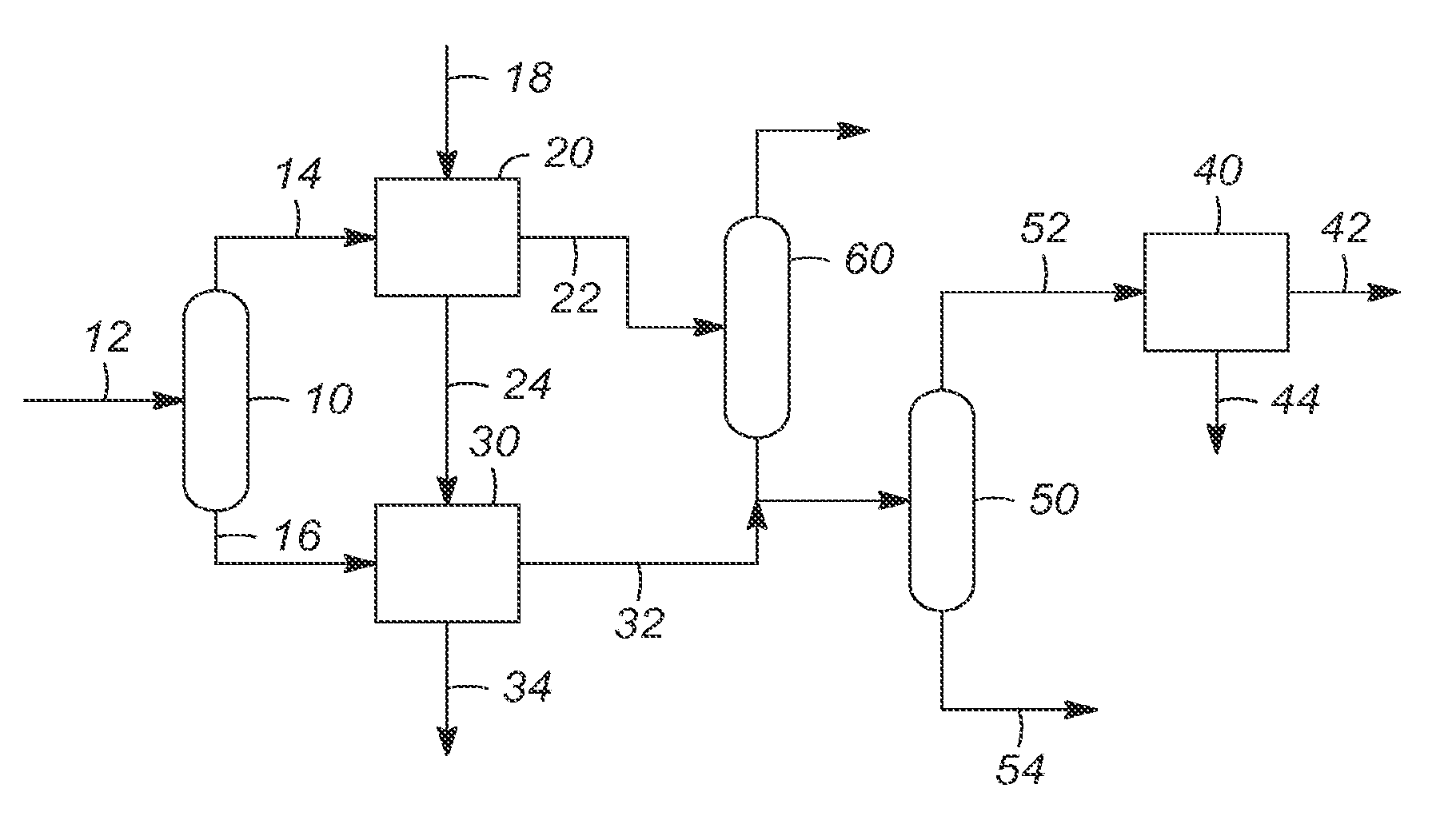
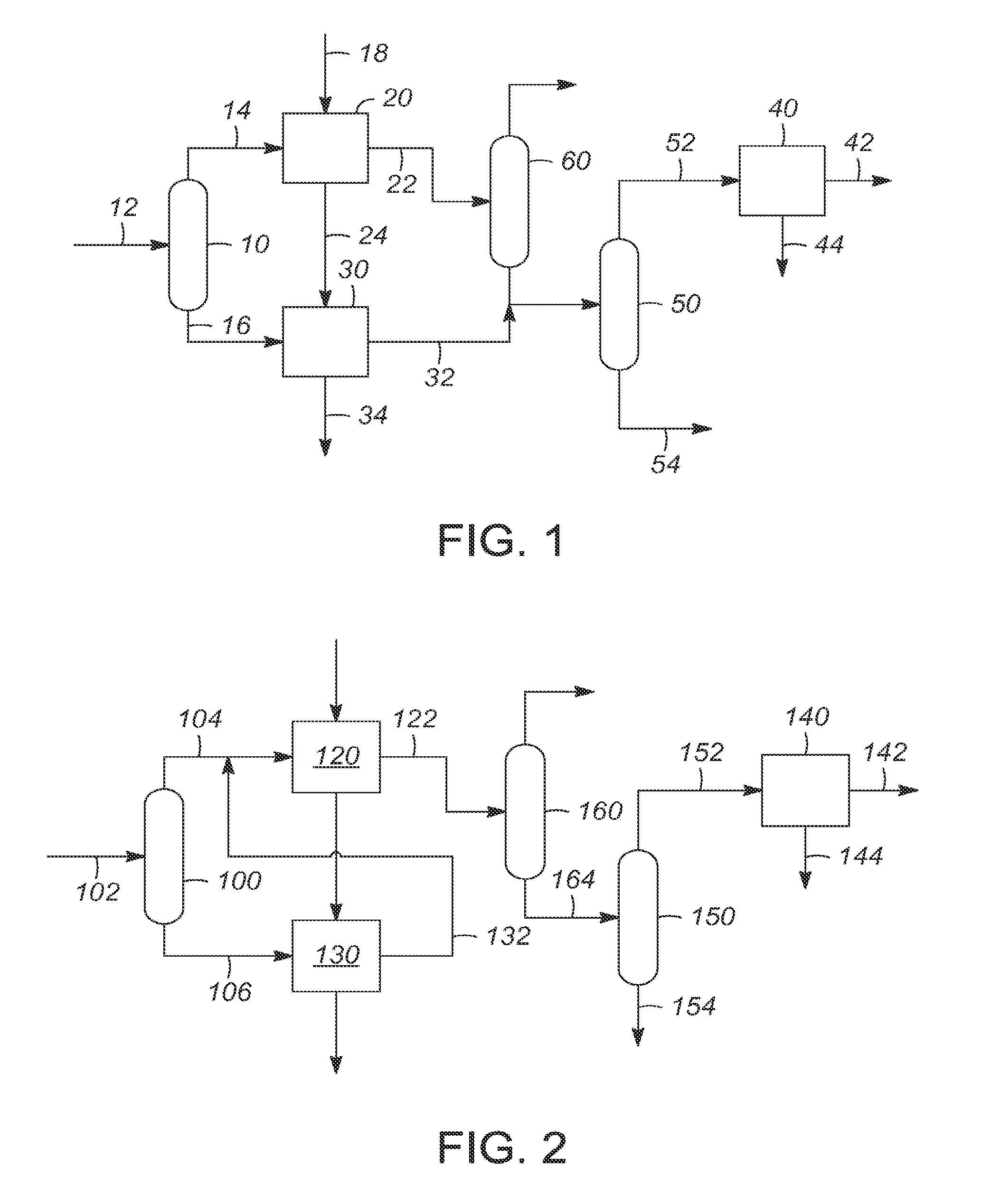
- A process involving the separation of hydrocarbon feedstreams into two streams, each processed in reformers operated at distinct temperature and pressure conditions, using a single catalyst to enhance aromatics production, with the first reformer operating at higher temperatures and lower pressures to maximize benzene and toluene conversion while minimizing coke formation.

Production of aromatics by conversion of syngas to methanol and aromatization
PatentWO2025002832A1
Innovation
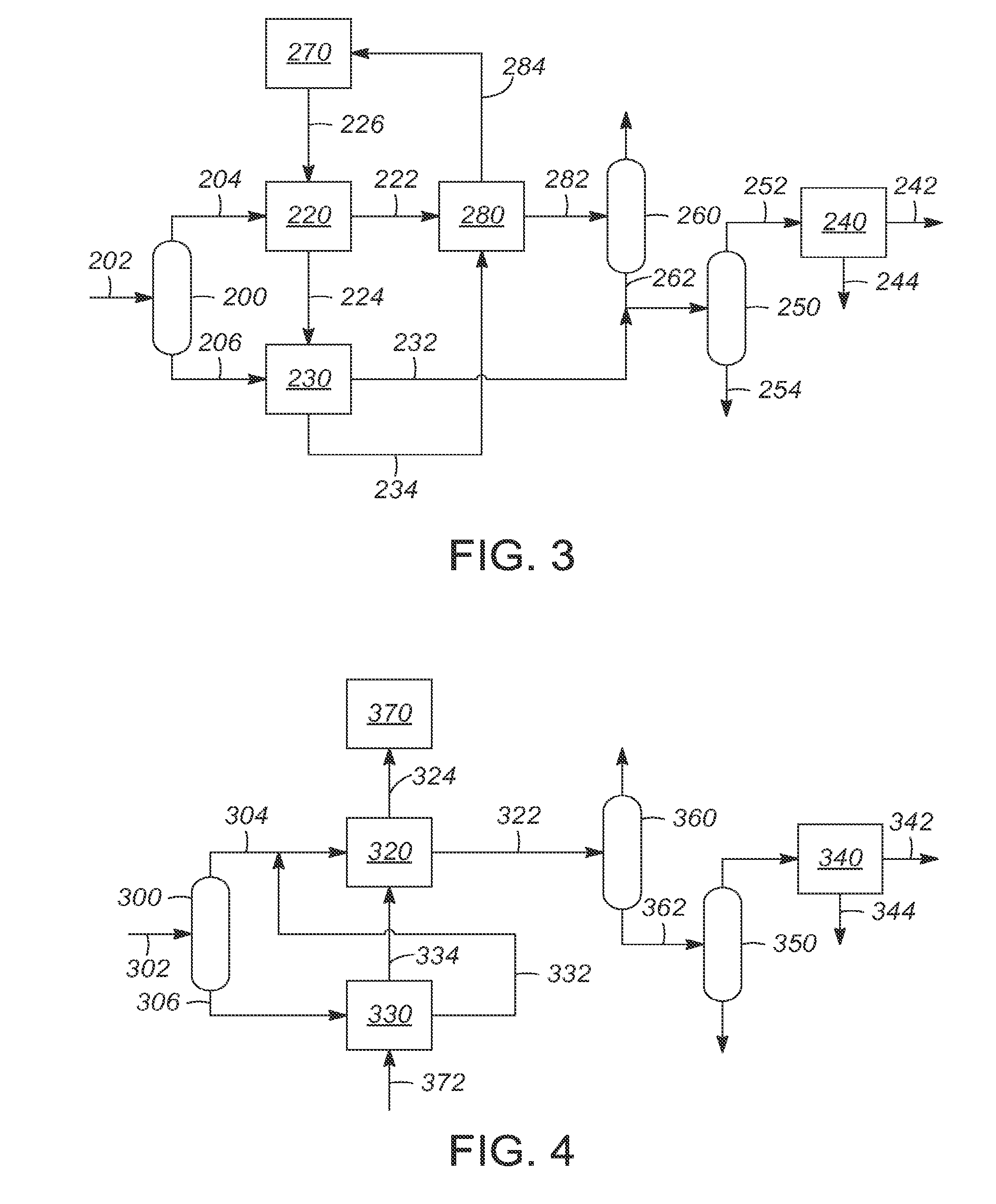
- A process and device that convert CO and CO2 into aromatic compounds through a two-stage method involving methanol synthesis and aromatization, integrating these aromatic compounds into the aromatic complex to enhance the production of benzene and paraxylene, utilizing units for methanol synthesis and aromatization, and recycling unconverted gases to maximize aromatic production.


Environmental Regulations for Aromatic Production
The regulatory landscape for aromatic compounds production has become increasingly stringent across major industrial regions, driven by growing environmental awareness and public health concerns. The European Union leads with the most comprehensive framework through REACH (Registration, Evaluation, Authorization and Restriction of Chemicals) regulation, which requires extensive safety data for aromatic compounds including benzene, toluene, and xylene derivatives. The United States follows with EPA regulations under the Clean Air Act and Toxic Substances Control Act, while China has implemented similar measures through its National Standard for Emission of Air Pollutants.
Volatile organic compound (VOC) emissions represent the primary regulatory focus for aromatic production facilities. Current standards typically limit benzene emissions to 5-10 mg/m³ in stack gases, with toluene and xylene facing similar restrictions. The implementation of Maximum Achievable Control Technology (MACT) standards has forced producers to adopt advanced emission control systems, including thermal oxidizers, catalytic reduction units, and sophisticated monitoring equipment.
Water discharge regulations pose additional challenges, particularly for facilities using traditional separation processes. Heavy metals, phenolic compounds, and residual aromatics in wastewater streams must meet increasingly strict discharge limits. The European Industrial Emissions Directive sets benzene discharge limits at 0.1 mg/L for direct water body discharge, while similar standards are emerging in Asia-Pacific markets.
Waste management protocols for aromatic production have evolved to emphasize circular economy principles. Spent catalysts, contaminated packaging materials, and process residues now require specialized handling and disposal methods. Many jurisdictions mandate waste minimization plans and regular auditing of disposal practices, with some regions implementing extended producer responsibility frameworks.
Emerging regulatory trends indicate a shift toward lifecycle assessment requirements and carbon footprint reporting. Several countries are developing mandatory disclosure frameworks for greenhouse gas emissions from chemical production, while others are exploring carbon border adjustment mechanisms that could significantly impact international trade in aromatic compounds.
The regulatory compliance burden has created substantial operational costs, with estimates suggesting 15-25% of total production costs now attributed to environmental compliance activities. This has accelerated industry consolidation and driven investment toward cleaner production technologies and integrated pollution prevention strategies.
Volatile organic compound (VOC) emissions represent the primary regulatory focus for aromatic production facilities. Current standards typically limit benzene emissions to 5-10 mg/m³ in stack gases, with toluene and xylene facing similar restrictions. The implementation of Maximum Achievable Control Technology (MACT) standards has forced producers to adopt advanced emission control systems, including thermal oxidizers, catalytic reduction units, and sophisticated monitoring equipment.
Water discharge regulations pose additional challenges, particularly for facilities using traditional separation processes. Heavy metals, phenolic compounds, and residual aromatics in wastewater streams must meet increasingly strict discharge limits. The European Industrial Emissions Directive sets benzene discharge limits at 0.1 mg/L for direct water body discharge, while similar standards are emerging in Asia-Pacific markets.
Waste management protocols for aromatic production have evolved to emphasize circular economy principles. Spent catalysts, contaminated packaging materials, and process residues now require specialized handling and disposal methods. Many jurisdictions mandate waste minimization plans and regular auditing of disposal practices, with some regions implementing extended producer responsibility frameworks.
Emerging regulatory trends indicate a shift toward lifecycle assessment requirements and carbon footprint reporting. Several countries are developing mandatory disclosure frameworks for greenhouse gas emissions from chemical production, while others are exploring carbon border adjustment mechanisms that could significantly impact international trade in aromatic compounds.
The regulatory compliance burden has created substantial operational costs, with estimates suggesting 15-25% of total production costs now attributed to environmental compliance activities. This has accelerated industry consolidation and driven investment toward cleaner production technologies and integrated pollution prevention strategies.
Process Safety in Large-Scale Aromatic Manufacturing
Process safety represents the most critical operational consideration in large-scale aromatic manufacturing, where the inherent hazards of high-temperature reactions, flammable feedstocks, and toxic intermediates demand comprehensive risk management strategies. The scaling of aromatic compound production introduces exponential safety challenges due to increased inventory volumes, higher energy densities, and more complex process interactions that can amplify the consequences of potential incidents.
Large-scale aromatic manufacturing facilities typically operate under extreme conditions, with reactor temperatures exceeding 500°C and pressures reaching 30-50 bar in processes such as catalytic reforming and BTX separation. These conditions, combined with the handling of benzene, toluene, and xylene compounds classified as carcinogenic or toxic substances, create multiple layers of safety risks that require sophisticated control systems and emergency response protocols.
The implementation of inherently safer design principles becomes paramount when scaling aromatic production. This includes minimizing hazardous inventory through continuous processing, substituting less hazardous materials where possible, and incorporating passive safety systems that function without external power or human intervention. Process intensification technologies, such as microreactor systems and integrated reaction-separation units, offer significant safety advantages by reducing hold-up volumes and eliminating intermediate storage requirements.
Advanced process control systems utilizing real-time monitoring and predictive analytics play crucial roles in maintaining safe operations at scale. These systems continuously monitor critical parameters including temperature profiles, pressure differentials, and composition variations, enabling rapid detection of abnormal conditions before they escalate into safety incidents. Machine learning algorithms can identify subtle patterns indicative of equipment degradation or process drift, facilitating proactive maintenance interventions.
Emergency response capabilities must be proportionally enhanced for large-scale operations, incorporating automated shutdown systems, fire suppression networks, and vapor containment systems specifically designed for aromatic compounds. The integration of safety instrumented systems with overall plant control architecture ensures coordinated responses to multiple simultaneous hazards while maintaining process stability during controlled shutdowns.
Human factors engineering becomes increasingly important as facility complexity grows, requiring comprehensive training programs, clear procedural documentation, and ergonomic control room designs that support effective decision-making under stress conditions. Regular safety audits and hazard analysis updates ensure that safety systems evolve alongside production capacity expansions.
Large-scale aromatic manufacturing facilities typically operate under extreme conditions, with reactor temperatures exceeding 500°C and pressures reaching 30-50 bar in processes such as catalytic reforming and BTX separation. These conditions, combined with the handling of benzene, toluene, and xylene compounds classified as carcinogenic or toxic substances, create multiple layers of safety risks that require sophisticated control systems and emergency response protocols.
The implementation of inherently safer design principles becomes paramount when scaling aromatic production. This includes minimizing hazardous inventory through continuous processing, substituting less hazardous materials where possible, and incorporating passive safety systems that function without external power or human intervention. Process intensification technologies, such as microreactor systems and integrated reaction-separation units, offer significant safety advantages by reducing hold-up volumes and eliminating intermediate storage requirements.
Advanced process control systems utilizing real-time monitoring and predictive analytics play crucial roles in maintaining safe operations at scale. These systems continuously monitor critical parameters including temperature profiles, pressure differentials, and composition variations, enabling rapid detection of abnormal conditions before they escalate into safety incidents. Machine learning algorithms can identify subtle patterns indicative of equipment degradation or process drift, facilitating proactive maintenance interventions.
Emergency response capabilities must be proportionally enhanced for large-scale operations, incorporating automated shutdown systems, fire suppression networks, and vapor containment systems specifically designed for aromatic compounds. The integration of safety instrumented systems with overall plant control architecture ensures coordinated responses to multiple simultaneous hazards while maintaining process stability during controlled shutdowns.
Human factors engineering becomes increasingly important as facility complexity grows, requiring comprehensive training programs, clear procedural documentation, and ergonomic control room designs that support effective decision-making under stress conditions. Regular safety audits and hazard analysis updates ensure that safety systems evolve alongside production capacity expansions.
Unlock deeper insights with Patsnap Eureka Quick Research — get a full tech report to explore trends and direct your research. Try now!
Generate Your Research Report Instantly with AI Agent
Supercharge your innovation with Patsnap Eureka AI Agent Platform!