
Develop YAG Laser Storage Systems for Durability
MAR 11, 20269 MIN READ
Generate Your Research Report Instantly with AI Agent
Patsnap Eureka helps you evaluate technical feasibility & market potential.
YAG Laser Storage Technology Background and Durability Goals
YAG (Yttrium Aluminum Garnet) laser technology has evolved significantly since its initial development in the 1960s, establishing itself as one of the most versatile and widely adopted solid-state laser systems. The fundamental YAG crystal, typically doped with neodymium (Nd:YAG), exhibits exceptional optical and thermal properties that make it suitable for diverse applications ranging from industrial manufacturing to medical procedures and scientific research.
The historical development of YAG laser systems has been marked by continuous improvements in crystal growth techniques, optical cavity design, and thermal management solutions. Early systems faced significant challenges related to thermal lensing effects and crystal degradation under high-power operation. Over the decades, advances in crystal purification, doping concentration optimization, and cooling methodologies have substantially enhanced system performance and operational lifespan.
Current YAG laser storage systems encompass various configurations including rod-type, slab, and disk geometries, each designed to address specific thermal and optical challenges. The storage aspect refers to the laser medium's ability to store pump energy efficiently before stimulated emission occurs, which directly impacts the system's power output and beam quality characteristics.
Durability concerns in YAG laser storage systems primarily stem from thermal stress-induced crystal fractures, optical coating degradation, and pump-induced color center formation. These factors collectively limit the operational lifetime and reliability of laser systems, particularly in high-duty-cycle applications. Thermal cycling during operation creates mechanical stress within the crystal lattice, potentially leading to micro-fractures that scatter laser light and reduce efficiency.
The primary durability goals for advanced YAG laser storage systems focus on achieving extended operational lifetimes exceeding 10,000 hours under continuous operation while maintaining consistent beam quality and power output. Key objectives include minimizing thermal gradient-induced stress through improved heat dissipation mechanisms, developing more robust optical coatings resistant to laser-induced damage, and optimizing crystal composition to reduce defect formation.
Additional durability targets encompass enhanced resistance to environmental factors such as humidity, temperature fluctuations, and mechanical vibrations. Modern systems aim to maintain power stability within ±2% over extended operational periods while preserving beam quality parameters including M² factor and pointing stability. These stringent requirements drive ongoing research into novel crystal growth techniques, advanced thermal management solutions, and innovative optical cavity designs that collectively enhance system robustness and operational reliability.
The historical development of YAG laser systems has been marked by continuous improvements in crystal growth techniques, optical cavity design, and thermal management solutions. Early systems faced significant challenges related to thermal lensing effects and crystal degradation under high-power operation. Over the decades, advances in crystal purification, doping concentration optimization, and cooling methodologies have substantially enhanced system performance and operational lifespan.
Current YAG laser storage systems encompass various configurations including rod-type, slab, and disk geometries, each designed to address specific thermal and optical challenges. The storage aspect refers to the laser medium's ability to store pump energy efficiently before stimulated emission occurs, which directly impacts the system's power output and beam quality characteristics.
Durability concerns in YAG laser storage systems primarily stem from thermal stress-induced crystal fractures, optical coating degradation, and pump-induced color center formation. These factors collectively limit the operational lifetime and reliability of laser systems, particularly in high-duty-cycle applications. Thermal cycling during operation creates mechanical stress within the crystal lattice, potentially leading to micro-fractures that scatter laser light and reduce efficiency.
The primary durability goals for advanced YAG laser storage systems focus on achieving extended operational lifetimes exceeding 10,000 hours under continuous operation while maintaining consistent beam quality and power output. Key objectives include minimizing thermal gradient-induced stress through improved heat dissipation mechanisms, developing more robust optical coatings resistant to laser-induced damage, and optimizing crystal composition to reduce defect formation.
Additional durability targets encompass enhanced resistance to environmental factors such as humidity, temperature fluctuations, and mechanical vibrations. Modern systems aim to maintain power stability within ±2% over extended operational periods while preserving beam quality parameters including M² factor and pointing stability. These stringent requirements drive ongoing research into novel crystal growth techniques, advanced thermal management solutions, and innovative optical cavity designs that collectively enhance system robustness and operational reliability.
Market Demand for Durable YAG Laser Storage Solutions
The global laser technology market continues to experience robust growth, driven by expanding applications across industrial manufacturing, medical procedures, defense systems, and scientific research. Within this landscape, YAG laser systems have established themselves as critical components due to their exceptional beam quality, high power output capabilities, and versatility across multiple wavelengths. However, the increasing complexity of modern applications has created a pressing need for more durable and reliable laser storage solutions.
Industrial manufacturing sectors, particularly automotive, aerospace, and electronics, represent the largest demand drivers for durable YAG laser storage systems. These industries require continuous operation with minimal downtime, making system reliability paramount. Manufacturing facilities operating around-the-clock schedules cannot afford frequent maintenance interruptions or component failures that compromise production efficiency. The demand for enhanced durability stems from the need to maintain consistent laser performance over extended operational periods while reducing total cost of ownership.
Medical and healthcare applications constitute another significant market segment demanding improved durability in YAG laser storage systems. Surgical procedures, dermatological treatments, and ophthalmology applications require precise, consistent laser output where system failures could have serious consequences. Healthcare facilities seek storage solutions that maintain laser stability across varying environmental conditions and extended storage periods, ensuring patient safety and treatment efficacy.
Defense and aerospace sectors present unique durability requirements for YAG laser storage systems. Military applications demand systems capable of withstanding extreme environmental conditions, including temperature fluctuations, humidity variations, shock, and vibration. These applications often involve extended deployment periods in challenging environments where maintenance access is limited, making durability a critical performance parameter.
The scientific research community drives demand for ultra-stable YAG laser storage solutions capable of maintaining precise optical characteristics over time. Research applications require consistent laser parameters for reproducible experimental results, creating market demand for storage systems that minimize drift and degradation effects.
Emerging applications in telecommunications, materials processing, and renewable energy sectors are expanding the market for durable YAG laser storage solutions. These growing segments require cost-effective systems that deliver reliable performance across diverse operating conditions while meeting increasingly stringent quality standards.
Industrial manufacturing sectors, particularly automotive, aerospace, and electronics, represent the largest demand drivers for durable YAG laser storage systems. These industries require continuous operation with minimal downtime, making system reliability paramount. Manufacturing facilities operating around-the-clock schedules cannot afford frequent maintenance interruptions or component failures that compromise production efficiency. The demand for enhanced durability stems from the need to maintain consistent laser performance over extended operational periods while reducing total cost of ownership.
Medical and healthcare applications constitute another significant market segment demanding improved durability in YAG laser storage systems. Surgical procedures, dermatological treatments, and ophthalmology applications require precise, consistent laser output where system failures could have serious consequences. Healthcare facilities seek storage solutions that maintain laser stability across varying environmental conditions and extended storage periods, ensuring patient safety and treatment efficacy.
Defense and aerospace sectors present unique durability requirements for YAG laser storage systems. Military applications demand systems capable of withstanding extreme environmental conditions, including temperature fluctuations, humidity variations, shock, and vibration. These applications often involve extended deployment periods in challenging environments where maintenance access is limited, making durability a critical performance parameter.
The scientific research community drives demand for ultra-stable YAG laser storage solutions capable of maintaining precise optical characteristics over time. Research applications require consistent laser parameters for reproducible experimental results, creating market demand for storage systems that minimize drift and degradation effects.
Emerging applications in telecommunications, materials processing, and renewable energy sectors are expanding the market for durable YAG laser storage solutions. These growing segments require cost-effective systems that deliver reliable performance across diverse operating conditions while meeting increasingly stringent quality standards.
Current YAG Storage Challenges and Technical Limitations
YAG laser storage systems face significant durability challenges that stem from the inherent properties of yttrium aluminum garnet crystals and their operational environment. The primary limitation lies in thermal stress accumulation during repeated heating and cooling cycles, which creates microscopic fractures within the crystal matrix. These thermal-induced defects progressively degrade the optical quality and reduce the overall lifespan of storage systems.
Crystal degradation represents another critical challenge, particularly under high-energy storage conditions. YAG crystals exhibit susceptibility to color center formation when exposed to intense laser radiation over extended periods. This phenomenon manifests as permanent absorption bands that diminish storage efficiency and introduce unwanted optical losses. The degradation process accelerates in environments with elevated temperatures or humidity levels.
Mechanical stability issues plague current YAG storage architectures due to inadequate mounting systems and vibration sensitivity. Traditional mounting mechanisms fail to accommodate thermal expansion differentials between YAG crystals and surrounding materials, leading to stress concentrations and potential mechanical failure. Additionally, external vibrations can disrupt the precise optical alignment required for optimal storage performance.
Optical contamination poses substantial technical limitations in maintaining long-term storage reliability. Surface contamination from environmental particles, outgassing materials, or handling residues creates scattering centers that reduce storage capacity and introduce beam quality deterioration. Current cleaning protocols often prove insufficient for maintaining pristine optical surfaces throughout extended operational periods.
Thermal management represents a fundamental constraint in YAG storage system design. Inefficient heat dissipation leads to temperature gradients within the crystal structure, causing refractive index variations and beam distortion. Existing cooling solutions struggle to maintain uniform temperature distribution while accommodating the compact form factors required for practical storage applications.
Power scaling limitations emerge when attempting to increase storage capacity beyond current thresholds. Higher energy densities exacerbate all previously mentioned challenges while introducing additional complications such as stimulated Brillouin scattering and nonlinear optical effects. These phenomena impose fundamental limits on achievable storage densities and retrieval fidelity.
Integration complexity with existing laser systems creates compatibility issues that limit widespread adoption. Current YAG storage solutions require extensive modifications to host laser architectures, increasing system complexity and maintenance requirements while reducing overall reliability.
Crystal degradation represents another critical challenge, particularly under high-energy storage conditions. YAG crystals exhibit susceptibility to color center formation when exposed to intense laser radiation over extended periods. This phenomenon manifests as permanent absorption bands that diminish storage efficiency and introduce unwanted optical losses. The degradation process accelerates in environments with elevated temperatures or humidity levels.
Mechanical stability issues plague current YAG storage architectures due to inadequate mounting systems and vibration sensitivity. Traditional mounting mechanisms fail to accommodate thermal expansion differentials between YAG crystals and surrounding materials, leading to stress concentrations and potential mechanical failure. Additionally, external vibrations can disrupt the precise optical alignment required for optimal storage performance.
Optical contamination poses substantial technical limitations in maintaining long-term storage reliability. Surface contamination from environmental particles, outgassing materials, or handling residues creates scattering centers that reduce storage capacity and introduce beam quality deterioration. Current cleaning protocols often prove insufficient for maintaining pristine optical surfaces throughout extended operational periods.
Thermal management represents a fundamental constraint in YAG storage system design. Inefficient heat dissipation leads to temperature gradients within the crystal structure, causing refractive index variations and beam distortion. Existing cooling solutions struggle to maintain uniform temperature distribution while accommodating the compact form factors required for practical storage applications.
Power scaling limitations emerge when attempting to increase storage capacity beyond current thresholds. Higher energy densities exacerbate all previously mentioned challenges while introducing additional complications such as stimulated Brillouin scattering and nonlinear optical effects. These phenomena impose fundamental limits on achievable storage densities and retrieval fidelity.
Integration complexity with existing laser systems creates compatibility issues that limit widespread adoption. Current YAG storage solutions require extensive modifications to host laser architectures, increasing system complexity and maintenance requirements while reducing overall reliability.
Existing YAG Laser Storage Durability Solutions
01 Protective coatings and encapsulation for YAG laser components
Durability of YAG laser storage systems can be enhanced through the application of protective coatings on optical components and laser rods. These coatings prevent degradation from environmental factors such as moisture, dust, and chemical exposure. Encapsulation techniques using hermetic sealing materials protect sensitive components from oxidation and contamination during long-term storage. Advanced coating materials with high thermal stability and low absorption characteristics ensure minimal performance degradation over extended storage periods.- Protective coatings and encapsulation for YAG laser components: Durability of YAG laser storage systems can be enhanced through the application of protective coatings on optical components and laser rods. These coatings prevent degradation from environmental factors such as moisture, dust, and chemical exposure. Encapsulation techniques using hermetic sealing materials protect sensitive components from oxidation and contamination during long-term storage. Advanced coating materials with high thermal stability and low absorption characteristics ensure minimal performance degradation over extended storage periods.
- Temperature and humidity control systems for laser storage: Maintaining optimal environmental conditions is critical for YAG laser system durability during storage. Specialized storage chambers with precise temperature and humidity control prevent thermal stress and moisture-induced damage to laser crystals and optical elements. Desiccant materials and climate-controlled enclosures minimize hygroscopic effects on laser components. Active monitoring systems track environmental parameters to ensure storage conditions remain within specified tolerances, preventing crystalline structure changes and optical degradation.
- Vibration isolation and mechanical stabilization: Physical stability during storage is achieved through vibration isolation mounts and shock-absorbing structures that protect delicate optical alignments and crystal structures. Specialized mounting systems prevent mechanical stress accumulation that could cause micro-fractures in YAG crystals. Anti-vibration platforms and cushioned storage containers maintain the integrity of precision-aligned optical components. These mechanical protection systems ensure that laser systems retain their calibration and performance characteristics throughout extended storage periods.
- Inert gas purging and atmospheric control: Storage durability is improved through the use of inert gas environments that prevent oxidation and chemical reactions in laser components. Nitrogen or argon purging systems displace oxygen and moisture from storage chambers, protecting metallic and optical surfaces from corrosion. Sealed containers with controlled atmospheres maintain component purity and prevent contamination. Continuous or periodic gas flushing systems ensure long-term preservation of laser system performance characteristics by eliminating reactive atmospheric elements.
- Periodic maintenance and testing protocols for stored systems: Long-term durability is maintained through scheduled inspection and testing procedures that identify degradation before it affects system performance. Diagnostic protocols include optical transmission measurements, crystal quality assessments, and power output verification at regular intervals. Preventive maintenance procedures such as cleaning, realignment, and component replacement extend storage life. Documentation systems track storage conditions and maintenance history to predict component lifespan and optimize storage strategies for maximum durability.
02 Temperature and humidity control systems for laser storage
Maintaining optimal environmental conditions is critical for YAG laser system durability during storage. Specialized storage chambers with precise temperature and humidity control prevent thermal stress and moisture-induced damage to laser crystals and optical elements. Desiccant materials and climate-controlled enclosures minimize hygroscopic effects on laser components. Active monitoring systems track environmental parameters to ensure storage conditions remain within specified ranges for maximum component longevity.Expand Specific Solutions03 Mechanical support structures and vibration isolation
Robust mechanical mounting systems and vibration isolation mechanisms protect YAG laser components from physical stress during storage and transportation. Shock-absorbing materials and precision alignment fixtures maintain optical alignment integrity over time. Anti-vibration platforms and cushioned storage containers prevent misalignment and mechanical damage to sensitive laser cavities and optical assemblies. These structural solutions ensure that laser systems maintain their calibration and performance specifications throughout the storage period.Expand Specific Solutions04 Inert gas purging and vacuum storage methods
Storage durability is improved through the use of inert gas environments or vacuum conditions that eliminate reactive atmospheric components. Nitrogen or argon purging systems displace oxygen and moisture that could cause oxidation or corrosion of laser components. Vacuum-sealed storage containers provide long-term protection against environmental degradation. These methods are particularly effective for preserving the optical quality of laser crystals and preventing contamination of reflective surfaces during extended storage periods.Expand Specific Solutions05 Material selection and component design for long-term stability
Durability of YAG laser storage systems is fundamentally enhanced through careful selection of materials with superior aging characteristics and resistance to environmental degradation. Laser rod materials with low defect density and high optical quality maintain performance over time. Housing materials with low thermal expansion coefficients and corrosion resistance protect internal components. Design considerations include stress-free mounting techniques and materials compatibility to prevent galvanic corrosion and mechanical failure during prolonged storage.Expand Specific Solutions
Key Players in YAG Laser Storage System Industry
The YAG laser storage systems market is in a mature growth phase, driven by increasing demand for durable laser solutions across industrial, medical, and defense applications. The market demonstrates significant scale with established players spanning diverse sectors, from semiconductor manufacturing to precision optics. Technology maturity varies considerably among key participants, with companies like Sony Group Corp., Toshiba Corp., and TDK Corp. leveraging advanced semiconductor and electronic device expertise for sophisticated laser storage integration. Specialized manufacturers such as Lumentum Operations LLC and Cutting Edge Optronics focus on dedicated photonic solutions, while materials companies like Heraeus Quarzglas and Shin-Etsu Quartz Products provide critical substrate technologies. Research institutions including Fudan University and École Polytechnique Fédérale de Lausanne contribute fundamental innovations, while aerospace leaders like Northrop Grumman Systems drive high-performance applications. This competitive landscape reflects a technologically diverse ecosystem where established electronics giants compete alongside specialized laser manufacturers and materials suppliers, indicating robust market development with multiple technological approaches to achieving enhanced durability in YAG laser storage systems.
Amada Miyachi Co., Ltd.
Technical Solution: Amada Miyachi has developed robust YAG laser storage systems specifically designed for industrial welding and cutting applications requiring high durability. Their approach focuses on ruggedized housing designs with IP65 protection ratings and vibration-resistant mounting systems. The storage modules utilize thermally-matched materials to minimize stress during temperature cycling, incorporating ceramic-metal composite structures that maintain dimensional stability across operating temperature ranges of -20°C to +60°C. Their systems feature automated alignment mechanisms and real-time performance monitoring to ensure consistent output power and beam quality throughout extended operational periods exceeding 10,000 hours.
Strengths: Extensive industrial laser application experience and robust mechanical design capabilities. Weaknesses: Limited to lower power applications and slower technological innovation compared to specialized laser companies.
Lumentum Operations LLC
Technical Solution: Lumentum develops advanced YAG laser storage systems utilizing proprietary crystal growth techniques and thermal management solutions. Their systems incorporate high-purity YAG crystals with optimized dopant concentrations to enhance energy storage density and minimize thermal lensing effects. The company employs sophisticated cooling architectures including micro-channel heat exchangers and active thermal control systems to maintain optimal operating temperatures. Their storage systems feature modular designs allowing scalable energy capacity from 10J to over 1kJ per module, with repetition rates up to 100Hz while maintaining beam quality factors below 1.2.
Strengths: Industry-leading optical component expertise and established manufacturing infrastructure. Weaknesses: Higher cost compared to alternative laser technologies and limited customization options.
Core Innovations in YAG Storage Durability Enhancement
Laser resistant to internal IR-induced damage
PatentInactiveEP1623488A2
Innovation
- Co-doping the gain medium with ions like Chromium (Cr3+) or Cerium (Ce3+) in diode-pumped lasers to enhance resistance to ionizing radiation and high-intensity internal infrared radiation, reducing color center generation and absorption.
Sintered polycrystalline yttrium aluminum garnet and use thereof in optical devices
PatentInactiveUS20100048378A1
Innovation
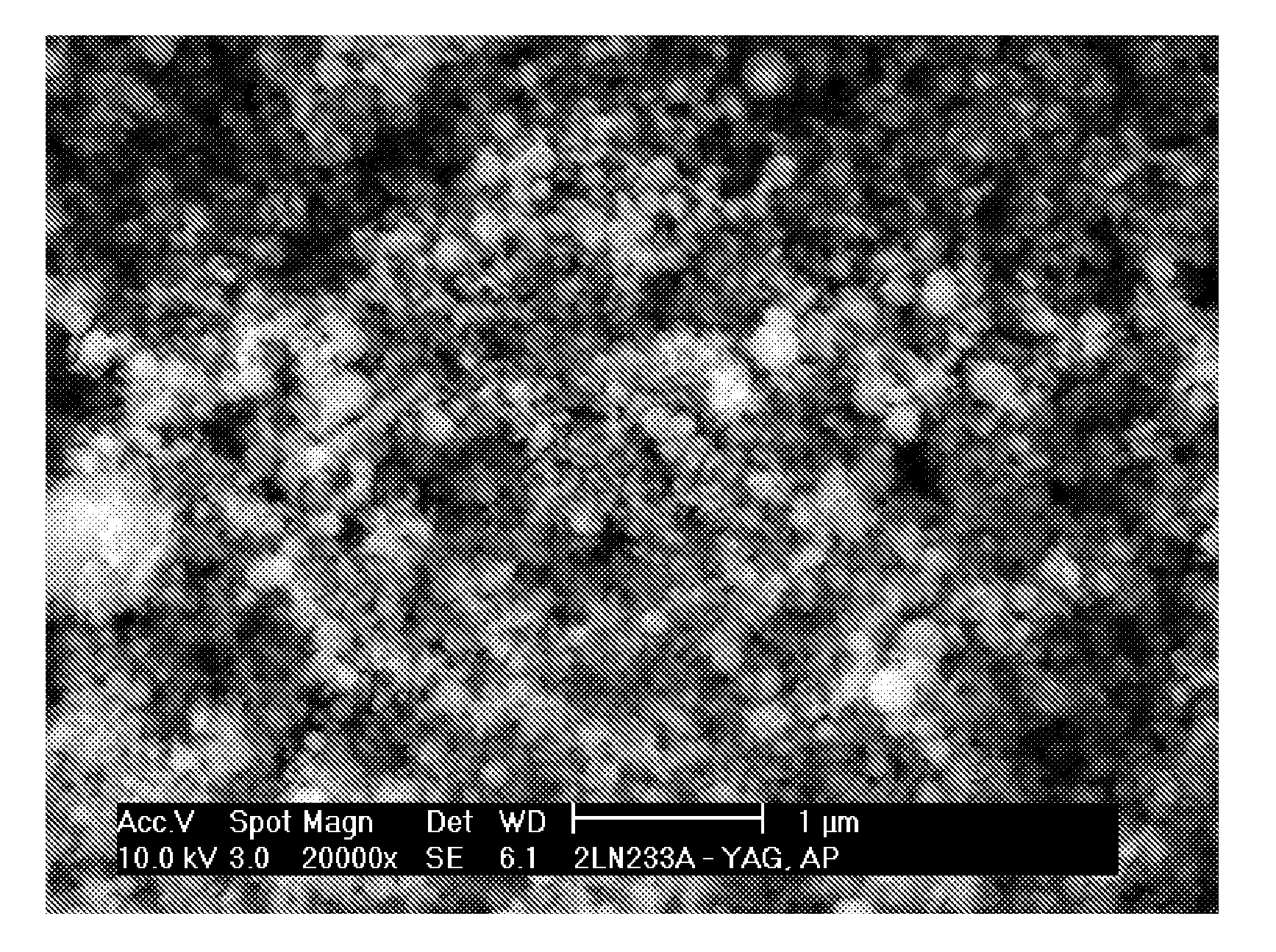
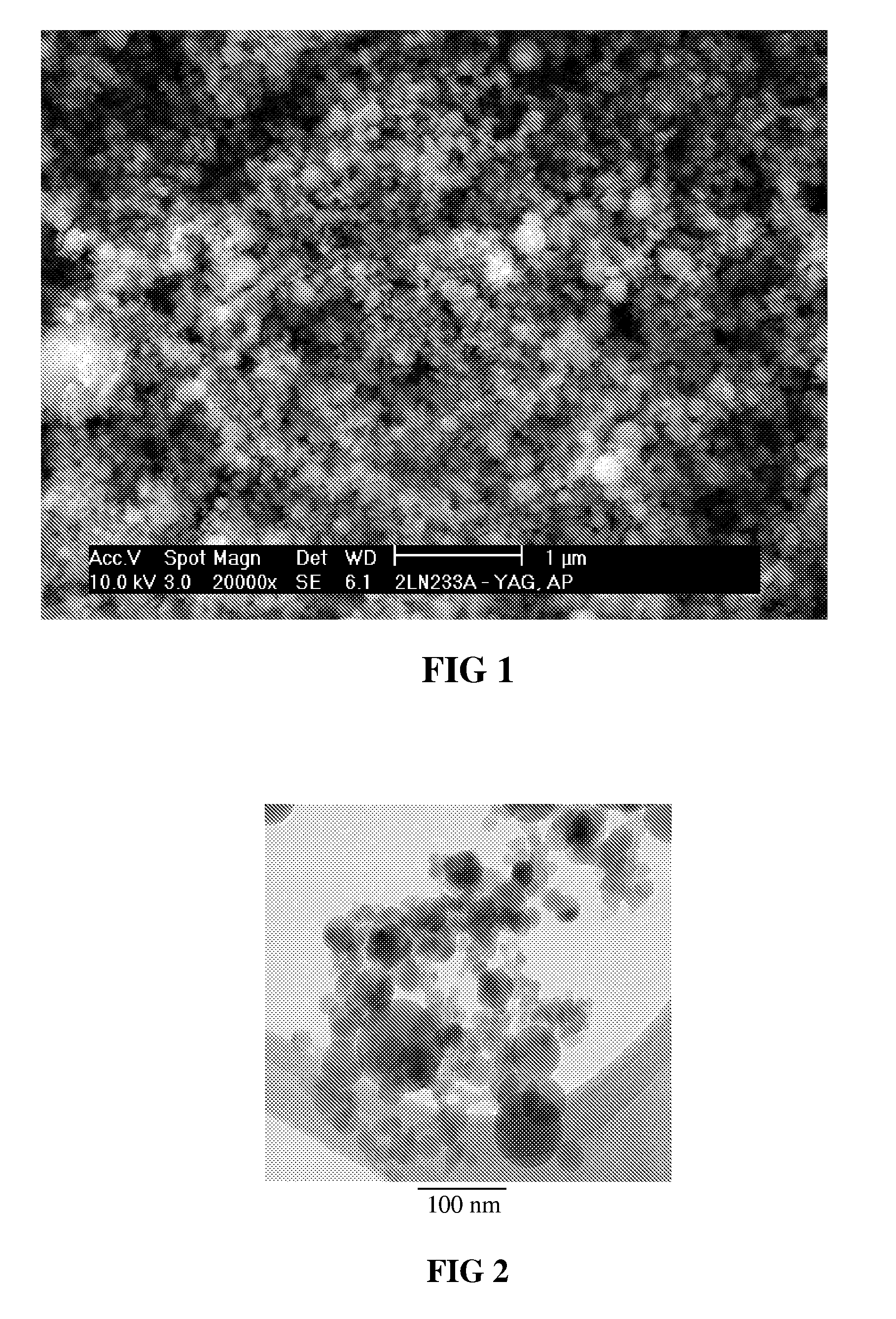
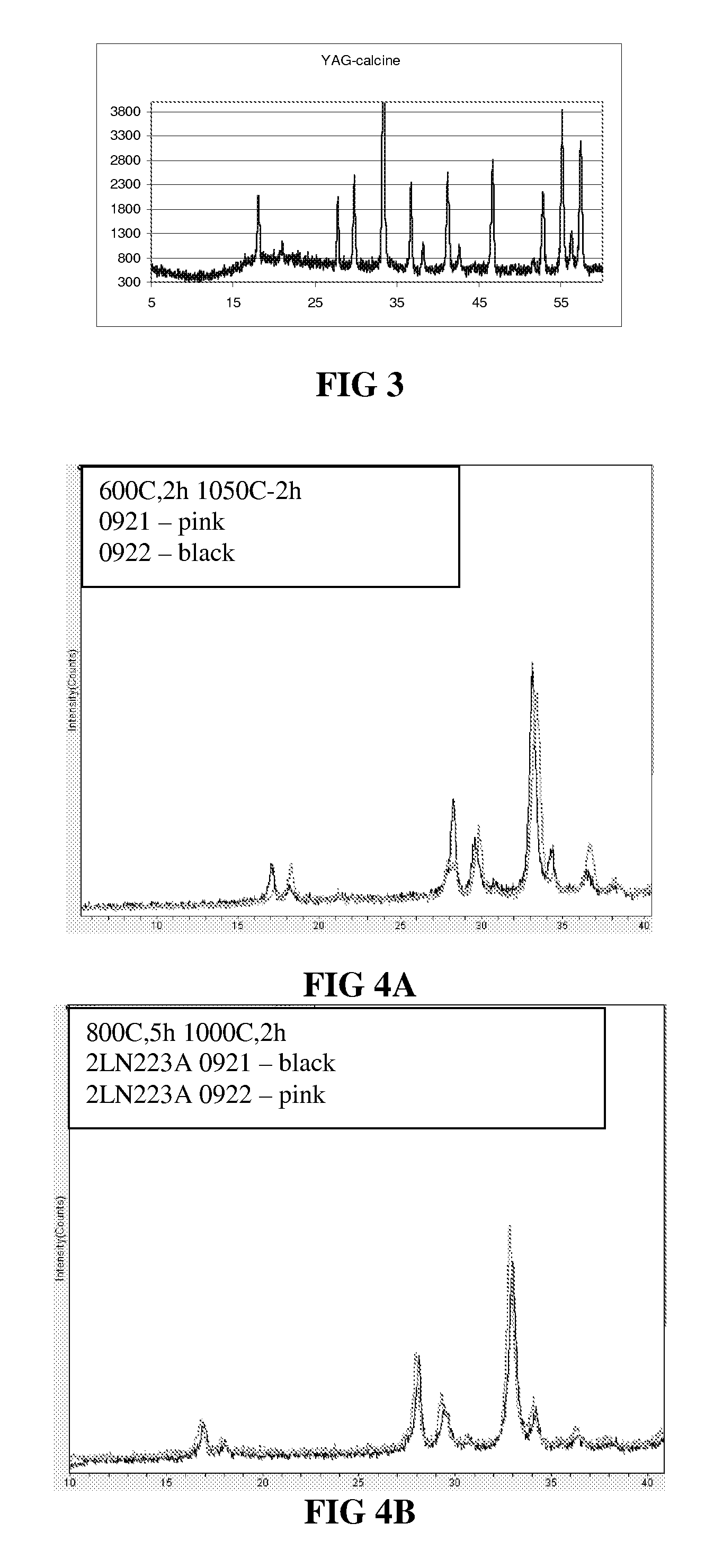
- A precursor composition of calcined yttrium aluminum oxide nanoparticles with a mean particle domain size between 10 and 200 nanometers and a predominant hexagonal crystal structure is used, with precise control of the Al:Y atomic ratio to 1:0.6±0.001 and limited impurity loadings, followed by calcination and sintering to produce a translucent YAG article with high transmittance and low inclusion levels.

Safety Standards for High-Power Laser Storage Systems
High-power YAG laser storage systems require comprehensive safety standards to mitigate risks associated with intense optical radiation, thermal hazards, and electrical dangers. International standards such as IEC 60825 series provide fundamental laser safety classifications, while ANSI Z136.1 establishes workplace safety protocols for laser operations. These standards mandate specific requirements for beam containment, interlocking systems, and personnel protection measures during storage and maintenance operations.
Optical safety protocols constitute the primary concern for YAG laser storage systems. Class 4 laser designation typically applies to high-power YAG systems, requiring enclosed beam paths, fail-safe interlocks, and emergency shutdown mechanisms. Storage facilities must implement proper beam dumps, optical isolation systems, and wavelength-specific protective barriers. Administrative controls include restricted access zones, mandatory safety training, and comprehensive hazard assessment procedures.
Thermal management safety standards address heat dissipation and fire prevention in storage environments. Temperature monitoring systems must maintain operational ranges between 15-35°C with humidity controls to prevent condensation damage. Fire suppression systems require specialized clean agents compatible with optical components, avoiding water-based systems that could damage laser crystals and optical elements.
Electrical safety compliance follows IEC 61010 standards for high-voltage equipment, mandating proper grounding, surge protection, and electrical isolation systems. Power supply units must incorporate multiple safety interlocks, overcurrent protection, and emergency disconnect capabilities. Regular electrical safety audits and insulation resistance testing ensure continued compliance with safety requirements.
Environmental safety standards encompass proper ventilation systems to manage ozone generation and potential chemical hazards from cooling systems. Storage facilities must maintain positive pressure environments with HEPA filtration to prevent contamination of optical surfaces. Seismic stability requirements ensure secure mounting and shock isolation to prevent mechanical damage during storage periods.
Personnel safety protocols require comprehensive training programs covering laser hazards, emergency procedures, and proper use of personal protective equipment. Regular safety audits, incident reporting systems, and continuous monitoring of safety compliance ensure adherence to established standards throughout the storage system lifecycle.
Optical safety protocols constitute the primary concern for YAG laser storage systems. Class 4 laser designation typically applies to high-power YAG systems, requiring enclosed beam paths, fail-safe interlocks, and emergency shutdown mechanisms. Storage facilities must implement proper beam dumps, optical isolation systems, and wavelength-specific protective barriers. Administrative controls include restricted access zones, mandatory safety training, and comprehensive hazard assessment procedures.
Thermal management safety standards address heat dissipation and fire prevention in storage environments. Temperature monitoring systems must maintain operational ranges between 15-35°C with humidity controls to prevent condensation damage. Fire suppression systems require specialized clean agents compatible with optical components, avoiding water-based systems that could damage laser crystals and optical elements.
Electrical safety compliance follows IEC 61010 standards for high-voltage equipment, mandating proper grounding, surge protection, and electrical isolation systems. Power supply units must incorporate multiple safety interlocks, overcurrent protection, and emergency disconnect capabilities. Regular electrical safety audits and insulation resistance testing ensure continued compliance with safety requirements.
Environmental safety standards encompass proper ventilation systems to manage ozone generation and potential chemical hazards from cooling systems. Storage facilities must maintain positive pressure environments with HEPA filtration to prevent contamination of optical surfaces. Seismic stability requirements ensure secure mounting and shock isolation to prevent mechanical damage during storage periods.
Personnel safety protocols require comprehensive training programs covering laser hazards, emergency procedures, and proper use of personal protective equipment. Regular safety audits, incident reporting systems, and continuous monitoring of safety compliance ensure adherence to established standards throughout the storage system lifecycle.
Environmental Impact of YAG Laser Storage Technologies
The environmental implications of YAG laser storage technologies encompass multiple dimensions that require careful consideration during system development and deployment. Manufacturing processes for YAG laser storage components generate significant environmental footprints through energy-intensive crystal growth procedures, rare earth element extraction, and precision machining operations. The production of yttrium aluminum garnet crystals demands high-temperature furnaces operating at temperatures exceeding 2000°C, resulting in substantial carbon emissions and energy consumption.
Material sourcing presents additional environmental challenges, particularly regarding yttrium and other rare earth elements essential for YAG crystal formation. Mining operations for these materials often involve environmentally disruptive extraction processes, generating toxic waste streams and requiring extensive land rehabilitation efforts. The geographic concentration of rare earth deposits in specific regions also creates supply chain vulnerabilities and transportation-related emissions.
Operational environmental impacts vary significantly based on storage system design and cooling requirements. Passive storage systems utilizing advanced thermal management materials demonstrate lower ongoing environmental footprints compared to active cooling solutions requiring continuous energy input. However, the manufacturing complexity of advanced thermal interface materials and phase change materials introduces upstream environmental costs that must be evaluated through comprehensive lifecycle assessments.
End-of-life considerations reveal both challenges and opportunities for environmental stewardship. YAG crystals possess inherent durability that enables potential reuse and refurbishment applications, extending component lifecycles and reducing waste generation. However, the integration of YAG components with electronic control systems, cooling infrastructure, and protective housings complicates recycling processes and requires specialized disassembly procedures.
Emerging sustainable approaches focus on developing bio-based thermal management materials, implementing closed-loop manufacturing processes, and designing modular storage architectures that facilitate component recovery and reuse. These innovations aim to minimize environmental impacts while maintaining the performance characteristics essential for durable YAG laser storage applications.
Material sourcing presents additional environmental challenges, particularly regarding yttrium and other rare earth elements essential for YAG crystal formation. Mining operations for these materials often involve environmentally disruptive extraction processes, generating toxic waste streams and requiring extensive land rehabilitation efforts. The geographic concentration of rare earth deposits in specific regions also creates supply chain vulnerabilities and transportation-related emissions.
Operational environmental impacts vary significantly based on storage system design and cooling requirements. Passive storage systems utilizing advanced thermal management materials demonstrate lower ongoing environmental footprints compared to active cooling solutions requiring continuous energy input. However, the manufacturing complexity of advanced thermal interface materials and phase change materials introduces upstream environmental costs that must be evaluated through comprehensive lifecycle assessments.
End-of-life considerations reveal both challenges and opportunities for environmental stewardship. YAG crystals possess inherent durability that enables potential reuse and refurbishment applications, extending component lifecycles and reducing waste generation. However, the integration of YAG components with electronic control systems, cooling infrastructure, and protective housings complicates recycling processes and requires specialized disassembly procedures.
Emerging sustainable approaches focus on developing bio-based thermal management materials, implementing closed-loop manufacturing processes, and designing modular storage architectures that facilitate component recovery and reuse. These innovations aim to minimize environmental impacts while maintaining the performance characteristics essential for durable YAG laser storage applications.
Unlock deeper insights with Patsnap Eureka Quick Research — get a full tech report to explore trends and direct your research. Try now!
Generate Your Research Report Instantly with AI Agent
Supercharge your innovation with Patsnap Eureka AI Agent Platform!