YAG Laser vs Ruby Laser: Beam Divergence Comparison
MAR 11, 20268 MIN READ
Generate Your Research Report Instantly with AI Agent
PatSnap Eureka helps you evaluate technical feasibility & market potential.
YAG vs Ruby Laser Beam Divergence Background and Objectives
Laser technology has undergone remarkable evolution since the first demonstration of laser operation in 1960, fundamentally transforming numerous industrial, medical, and scientific applications. The development trajectory began with ruby lasers as the pioneering solid-state laser systems, followed by the introduction of neodymium-doped yttrium aluminum garnet (Nd:YAG) lasers in the mid-1960s. This technological progression has been driven by the continuous pursuit of enhanced beam quality, improved efficiency, and superior operational characteristics across diverse application domains.
The comparative analysis of beam divergence between YAG and ruby laser systems represents a critical technical investigation that addresses fundamental performance parameters affecting laser utility in precision applications. Beam divergence, defined as the angular spread of the laser beam as it propagates through space, directly influences focusing capabilities, power density distribution, and effective working distances in practical implementations.
Ruby lasers, utilizing chromium-doped aluminum oxide as the gain medium, established the foundation for solid-state laser technology but exhibited inherent limitations in beam quality and thermal management. The subsequent development of YAG laser systems introduced significant improvements in crystal properties, thermal conductivity, and optical characteristics, leading to enhanced beam quality metrics including reduced divergence angles.
The primary objective of this technical comparison focuses on quantifying and analyzing the beam divergence characteristics of both laser types to establish performance benchmarks for application-specific selection criteria. This investigation aims to provide comprehensive understanding of the physical mechanisms governing beam divergence in each system, including the influence of gain medium properties, cavity design parameters, and thermal effects on beam quality.
Secondary objectives encompass the evaluation of practical implications of divergence differences on system performance in key application areas such as materials processing, medical procedures, and precision measurement systems. The analysis seeks to identify optimal operating conditions and design considerations that minimize beam divergence while maintaining other critical performance parameters.
Furthermore, this comparative study aims to establish predictive models for beam divergence behavior under varying operational conditions, enabling informed decision-making for system selection and optimization in specific use cases. The investigation will contribute to the broader understanding of solid-state laser beam quality fundamentals and support future technological developments in laser system design.
The comparative analysis of beam divergence between YAG and ruby laser systems represents a critical technical investigation that addresses fundamental performance parameters affecting laser utility in precision applications. Beam divergence, defined as the angular spread of the laser beam as it propagates through space, directly influences focusing capabilities, power density distribution, and effective working distances in practical implementations.
Ruby lasers, utilizing chromium-doped aluminum oxide as the gain medium, established the foundation for solid-state laser technology but exhibited inherent limitations in beam quality and thermal management. The subsequent development of YAG laser systems introduced significant improvements in crystal properties, thermal conductivity, and optical characteristics, leading to enhanced beam quality metrics including reduced divergence angles.
The primary objective of this technical comparison focuses on quantifying and analyzing the beam divergence characteristics of both laser types to establish performance benchmarks for application-specific selection criteria. This investigation aims to provide comprehensive understanding of the physical mechanisms governing beam divergence in each system, including the influence of gain medium properties, cavity design parameters, and thermal effects on beam quality.
Secondary objectives encompass the evaluation of practical implications of divergence differences on system performance in key application areas such as materials processing, medical procedures, and precision measurement systems. The analysis seeks to identify optimal operating conditions and design considerations that minimize beam divergence while maintaining other critical performance parameters.
Furthermore, this comparative study aims to establish predictive models for beam divergence behavior under varying operational conditions, enabling informed decision-making for system selection and optimization in specific use cases. The investigation will contribute to the broader understanding of solid-state laser beam quality fundamentals and support future technological developments in laser system design.
Market Demand for Low Divergence Laser Applications
The global laser market demonstrates substantial demand for low beam divergence applications across multiple high-precision sectors. Industrial manufacturing represents the largest segment, where laser cutting, welding, and marking operations require highly collimated beams to achieve precise material processing. The automotive industry particularly drives demand through applications in precision welding of electronic components and battery manufacturing for electric vehicles.
Medical and aesthetic applications constitute another significant market segment demanding low divergence lasers. Surgical procedures, including ophthalmology and dermatology treatments, require precise beam control to minimize collateral tissue damage. The growing medical device market emphasizes compact, reliable laser systems with superior beam quality for both therapeutic and diagnostic applications.
Defense and aerospace sectors maintain consistent demand for low divergence laser systems in rangefinding, target designation, and communication applications. Military applications require robust laser systems capable of maintaining beam integrity over extended distances while operating in challenging environmental conditions. The increasing adoption of laser-based defense systems further amplifies this market segment.
Scientific research and metrology applications drive demand for ultra-low divergence laser systems. Precision measurement instruments, interferometry, and spectroscopy applications require exceptional beam quality and stability. Research institutions and calibration laboratories represent steady customers for high-performance laser systems with minimal beam divergence characteristics.
Telecommunications infrastructure increasingly relies on laser systems with low divergence for fiber optic communications and free-space optical links. The expansion of 5G networks and satellite communication systems creates growing demand for reliable laser sources with superior beam propagation characteristics.
The semiconductor manufacturing industry represents an emerging high-value market segment requiring extremely low divergence lasers for photolithography and wafer processing applications. As semiconductor feature sizes continue shrinking, the demand for precision laser systems with exceptional beam quality intensifies significantly.
Market trends indicate accelerating adoption of solid-state laser technologies over traditional gas lasers, driven by reliability requirements and maintenance cost considerations. End-users increasingly prioritize laser systems offering consistent beam divergence performance with minimal operational complexity and extended service intervals.
Medical and aesthetic applications constitute another significant market segment demanding low divergence lasers. Surgical procedures, including ophthalmology and dermatology treatments, require precise beam control to minimize collateral tissue damage. The growing medical device market emphasizes compact, reliable laser systems with superior beam quality for both therapeutic and diagnostic applications.
Defense and aerospace sectors maintain consistent demand for low divergence laser systems in rangefinding, target designation, and communication applications. Military applications require robust laser systems capable of maintaining beam integrity over extended distances while operating in challenging environmental conditions. The increasing adoption of laser-based defense systems further amplifies this market segment.
Scientific research and metrology applications drive demand for ultra-low divergence laser systems. Precision measurement instruments, interferometry, and spectroscopy applications require exceptional beam quality and stability. Research institutions and calibration laboratories represent steady customers for high-performance laser systems with minimal beam divergence characteristics.
Telecommunications infrastructure increasingly relies on laser systems with low divergence for fiber optic communications and free-space optical links. The expansion of 5G networks and satellite communication systems creates growing demand for reliable laser sources with superior beam propagation characteristics.
The semiconductor manufacturing industry represents an emerging high-value market segment requiring extremely low divergence lasers for photolithography and wafer processing applications. As semiconductor feature sizes continue shrinking, the demand for precision laser systems with exceptional beam quality intensifies significantly.
Market trends indicate accelerating adoption of solid-state laser technologies over traditional gas lasers, driven by reliability requirements and maintenance cost considerations. End-users increasingly prioritize laser systems offering consistent beam divergence performance with minimal operational complexity and extended service intervals.
Current Beam Divergence Challenges in YAG and Ruby Lasers
Beam divergence remains one of the most critical performance limitations affecting both YAG and Ruby laser systems across industrial, medical, and scientific applications. The fundamental challenge stems from the inherent physical properties of these solid-state laser media, which create distinct thermal and optical constraints that directly impact beam quality and propagation characteristics.
YAG lasers face significant thermal lensing effects due to their high thermal conductivity and relatively low thermal expansion coefficient. When operating at high power levels, the temperature gradient across the crystal creates a lens-like effect that causes the beam to diverge more rapidly than theoretical predictions. This thermal distortion becomes particularly pronounced in continuous wave operations, where heat accumulation leads to progressive degradation of beam quality over extended operating periods.
Ruby lasers encounter different but equally challenging beam divergence issues primarily related to their three-level energy system and chromium ion distribution. The inherent fluorescence lifetime and energy transfer mechanisms in ruby crystals create spatial variations in gain distribution, resulting in non-uniform beam profiles and increased divergence angles. Additionally, the pulsed nature of most ruby laser operations introduces temporal variations in beam divergence that complicate precision applications.
Both laser types struggle with fundamental mode control challenges that directly impact beam divergence performance. Achieving and maintaining TEM00 mode operation requires precise cavity design and thermal management, yet practical constraints often force compromises that result in higher-order transverse modes with correspondingly larger divergence angles. The trade-off between output power and beam quality represents a persistent engineering challenge.
Manufacturing tolerances and crystal quality variations introduce additional beam divergence complications. Microscopic inclusions, crystal lattice imperfections, and surface quality variations scatter light and degrade beam coherence, leading to increased divergence beyond theoretical limits. These material-related challenges are particularly significant in cost-sensitive applications where premium crystal grades may not be economically viable.
Cavity design optimization presents ongoing technical hurdles in minimizing beam divergence while maintaining practical system requirements. The complex interplay between resonator geometry, mirror coatings, and thermal management systems requires sophisticated modeling and iterative design approaches that often fall short of achieving optimal beam divergence performance in real-world operating conditions.
YAG lasers face significant thermal lensing effects due to their high thermal conductivity and relatively low thermal expansion coefficient. When operating at high power levels, the temperature gradient across the crystal creates a lens-like effect that causes the beam to diverge more rapidly than theoretical predictions. This thermal distortion becomes particularly pronounced in continuous wave operations, where heat accumulation leads to progressive degradation of beam quality over extended operating periods.
Ruby lasers encounter different but equally challenging beam divergence issues primarily related to their three-level energy system and chromium ion distribution. The inherent fluorescence lifetime and energy transfer mechanisms in ruby crystals create spatial variations in gain distribution, resulting in non-uniform beam profiles and increased divergence angles. Additionally, the pulsed nature of most ruby laser operations introduces temporal variations in beam divergence that complicate precision applications.
Both laser types struggle with fundamental mode control challenges that directly impact beam divergence performance. Achieving and maintaining TEM00 mode operation requires precise cavity design and thermal management, yet practical constraints often force compromises that result in higher-order transverse modes with correspondingly larger divergence angles. The trade-off between output power and beam quality represents a persistent engineering challenge.
Manufacturing tolerances and crystal quality variations introduce additional beam divergence complications. Microscopic inclusions, crystal lattice imperfections, and surface quality variations scatter light and degrade beam coherence, leading to increased divergence beyond theoretical limits. These material-related challenges are particularly significant in cost-sensitive applications where premium crystal grades may not be economically viable.
Cavity design optimization presents ongoing technical hurdles in minimizing beam divergence while maintaining practical system requirements. The complex interplay between resonator geometry, mirror coatings, and thermal management systems requires sophisticated modeling and iterative design approaches that often fall short of achieving optimal beam divergence performance in real-world operating conditions.
Existing Beam Divergence Control Solutions
01 Beam divergence control using optical resonator design
The beam divergence of YAG and Ruby lasers can be controlled through specific optical resonator configurations. This includes the use of stable and unstable resonator designs, mirror curvature optimization, and cavity length adjustments. These design parameters directly influence the output beam quality and divergence characteristics, allowing for tailored beam profiles suitable for different applications.- Beam divergence control using optical resonator design: The beam divergence of YAG and Ruby lasers can be controlled through specific optical resonator configurations. This includes the use of stable and unstable resonator designs, mirror curvature optimization, and cavity length adjustments. These design parameters directly influence the output beam quality and divergence characteristics, allowing for tailored beam profiles suitable for different applications.
- Beam shaping and collimation techniques: Various beam shaping and collimation methods are employed to reduce beam divergence in laser systems. These techniques include the use of beam expanders, collimating lenses, and specialized optical elements that transform the beam profile. Such approaches are particularly effective for improving the beam quality factor and reducing divergence angles in both pulsed and continuous wave laser operations.
- Thermal management for beam quality improvement: Thermal effects in laser rods significantly impact beam divergence through thermal lensing and stress-induced birefringence. Advanced cooling systems, temperature-controlled housings, and thermal compensation techniques are implemented to minimize these effects. Proper thermal management ensures stable beam divergence characteristics and maintains consistent output beam quality during operation.
- Mode selection and spatial filtering: Controlling the transverse mode structure through mode selection and spatial filtering techniques helps achieve desired beam divergence characteristics. This includes the use of apertures, mode-selective elements, and spatial filters within the laser cavity. These methods enable single-mode or specific multi-mode operation, resulting in predictable and controllable beam divergence patterns.
- Beam delivery and focusing systems: The design of beam delivery systems and focusing optics plays a crucial role in managing beam divergence for practical applications. This encompasses fiber coupling techniques, articulated arm delivery systems, and adaptive focusing mechanisms. These systems are designed to maintain beam quality during transmission and enable precise control of the focused spot size at the target location.
02 Beam shaping and collimation techniques
Various beam shaping and collimation methods are employed to reduce beam divergence in laser systems. These techniques include the use of beam expanders, collimating lenses, and specialized optical elements that transform the beam profile. Such approaches are particularly effective for improving the beam quality factor and reducing divergence angles in both pulsed and continuous wave laser operations.Expand Specific Solutions03 Wavelength-dependent divergence characteristics
The beam divergence properties differ between YAG lasers and Ruby lasers due to their distinct operating wavelengths and gain medium characteristics. The wavelength difference affects diffraction-limited divergence, thermal lensing effects, and mode structure. Understanding these wavelength-dependent behaviors is crucial for optimizing laser system performance and selecting appropriate optical components for beam delivery.Expand Specific Solutions04 Thermal effects on beam divergence
Thermal lensing and thermal-induced distortions significantly impact beam divergence in solid-state lasers. Heat generation in the laser medium causes refractive index variations that alter beam propagation characteristics. Thermal management strategies, including cooling systems and pump configuration optimization, are essential for maintaining stable beam divergence and preventing beam quality degradation during operation.Expand Specific Solutions05 Beam divergence measurement and characterization methods
Accurate measurement and characterization of laser beam divergence require specialized techniques and instrumentation. Methods include far-field beam profiling, knife-edge measurements, and M-squared factor determination. These characterization approaches enable precise evaluation of beam quality, divergence angles, and propagation properties, which are essential for laser system optimization and quality control in manufacturing processes.Expand Specific Solutions
Key Players in YAG and Ruby Laser Manufacturing Industry
The laser technology sector comparing YAG and Ruby laser beam divergence characteristics is experiencing mature market development with established industrial applications across medical, manufacturing, and research domains. The market demonstrates significant scale driven by precision manufacturing demands and medical device requirements. Technology maturity varies considerably among key players, with companies like Applied Materials, ASML Netherlands, and Sharp Corp. representing advanced semiconductor and display applications, while Nidek Co. specializes in ophthalmic laser systems. Research institutions including University of Florida, Xiamen University, and Nanjing Tech University contribute fundamental beam control innovations. Industrial manufacturers such as Olympus Corp., Brother Industries, and IHI Corp. integrate laser technologies into commercial products. The competitive landscape shows consolidation around specialized applications, with companies like Mitsuboshi Diamond Industrial and Appotronics Corp. focusing on niche markets requiring precise beam characteristics for material processing and display technologies respectively.
Nidek Co., Ltd.
Technical Solution: Nidek specializes in ophthalmic laser systems, developing both YAG and diode laser technologies with precise beam divergence control for medical applications. Their laser systems incorporate advanced beam delivery optics including variable beam expanders and focusing systems that allow real-time adjustment of beam divergence parameters. The company's technology achieves highly controlled beam divergence (typically 1-5 mrad) through proprietary optical design and feedback control systems, specifically optimized for retinal photocoagulation and other precision eye surgery applications requiring consistent beam quality and minimal thermal damage.
Strengths: Specialized medical laser expertise, regulatory approval experience, precise beam control capabilities. Weaknesses: Limited to medical applications, smaller scale compared to industrial laser manufacturers.
ASML Netherlands BV
Technical Solution: ASML develops advanced laser systems for extreme ultraviolet (EUV) lithography, utilizing high-power CO2 lasers and solid-state lasers with precise beam control technologies. Their laser systems achieve beam divergence control through sophisticated optical design including beam shaping optics, adaptive mirrors, and real-time feedback systems. The company's laser technology focuses on maintaining extremely low beam divergence (typically <1 mrad) for semiconductor manufacturing applications, incorporating both YAG and excimer laser technologies with advanced beam delivery systems that ensure consistent beam quality across large substrate areas.
Strengths: Industry-leading precision in beam control, extensive R&D investment, proven track record in high-volume manufacturing. Weaknesses: Extremely high cost, complex system integration requirements.
Core Patents in Laser Beam Divergence Optimization
Beam arrangement converter, semiconductor laser device and solid laser device using the same
PatentInactiveEP1376197B1
Innovation
- A semiconductor laser device with a stack array laser diode, utilizing a first and second beam converter and compressor to collimate and focus laser beams, turning them at right angles and aligning them in parallel to achieve high energy density at a focal point, allowing for efficient focusing and high-intensity output.


Sintered polycrystalline yttrium aluminum garnet and use thereof in optical devices
PatentInactiveUS20100048378A1
Innovation
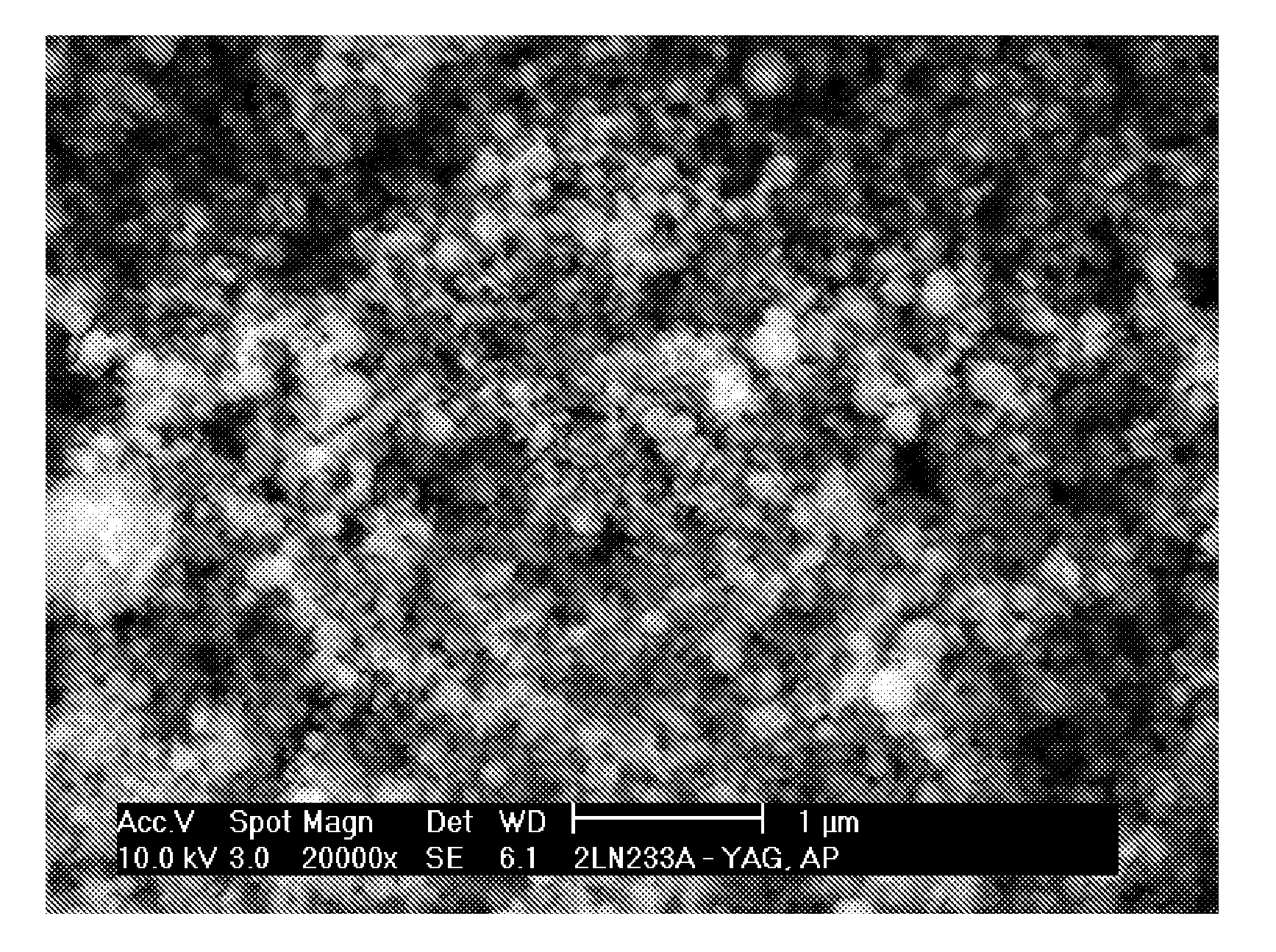
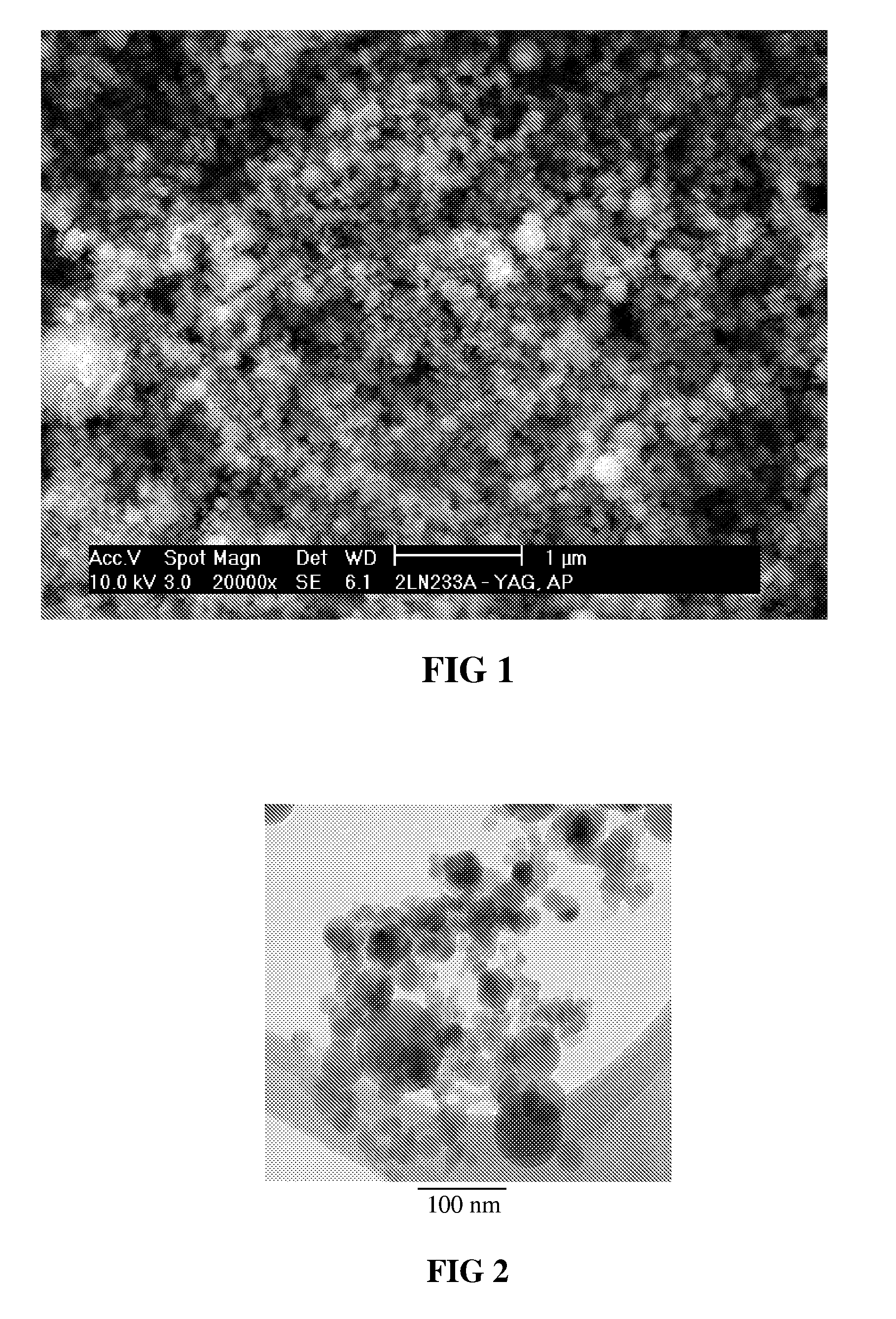
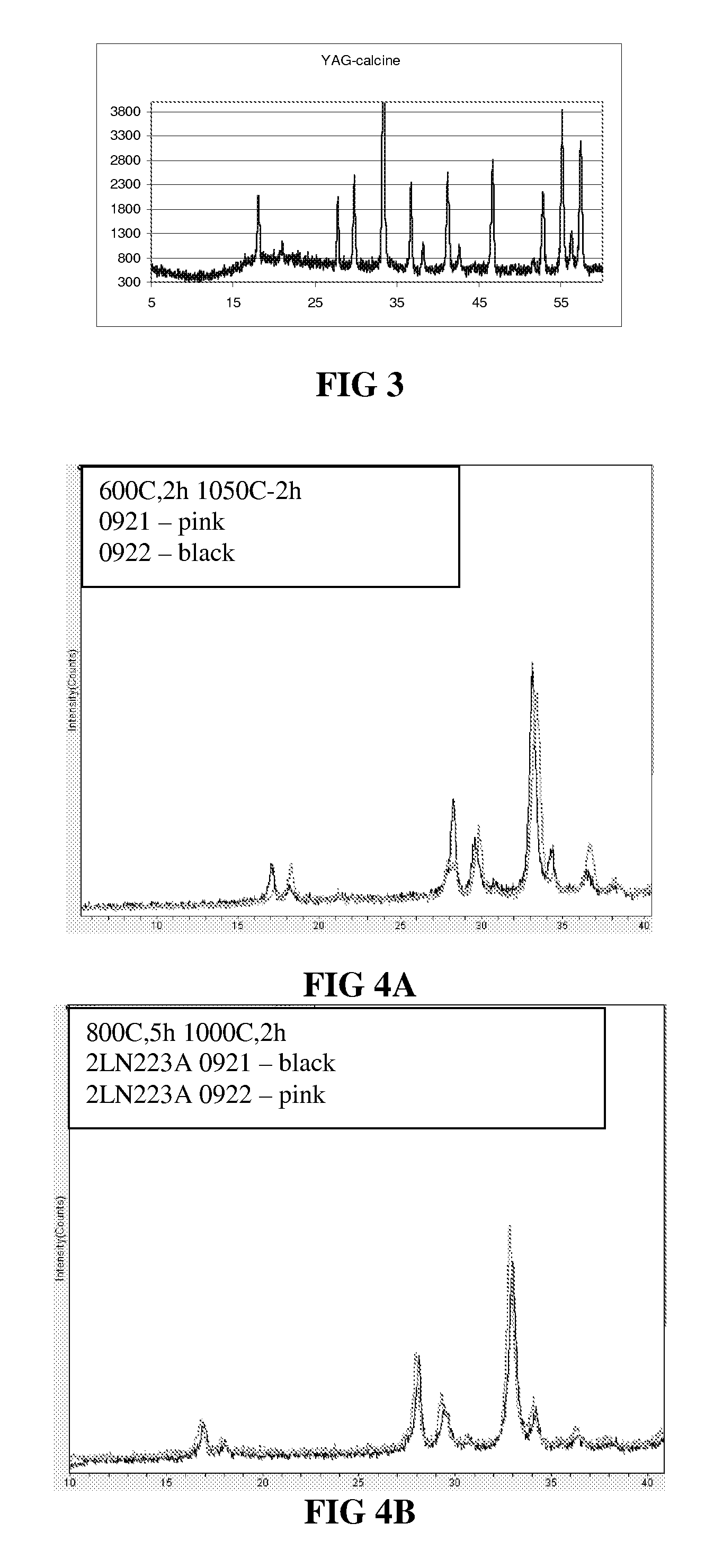
- A precursor composition of calcined yttrium aluminum oxide nanoparticles with a mean particle domain size between 10 and 200 nanometers and a predominant hexagonal crystal structure is used, with precise control of the Al:Y atomic ratio to 1:0.6±0.001 and limited impurity loadings, followed by calcination and sintering to produce a translucent YAG article with high transmittance and low inclusion levels.

Safety Standards for High-Power Laser Beam Applications
High-power laser beam applications involving both YAG and Ruby laser systems require stringent adherence to established safety standards to mitigate risks associated with their distinct beam characteristics. The International Electrotechnical Commission (IEC) 60825 series and American National Standards Institute (ANSI) Z136 standards provide comprehensive frameworks for laser safety, with specific provisions addressing beam divergence considerations that directly impact hazard zone calculations and protective measures.
The beam divergence differences between YAG and Ruby lasers significantly influence safety classification and control measures. YAG lasers typically exhibit lower beam divergence (0.5-2 mrad) compared to Ruby lasers (1-5 mrad), resulting in different nominal hazard zone (NHZ) calculations. Safety standards mandate that maximum permissible exposure (MPE) limits be calculated considering beam divergence parameters, as tighter beam profiles extend hazardous distances and require enhanced protective protocols.
Laser safety standards establish four primary hazard classes, with high-power YAG and Ruby systems typically falling under Class 4 designation. These standards require comprehensive safety programs including designated laser safety officers, controlled access areas, appropriate personal protective equipment (PPE), and beam containment systems. The divergence characteristics directly influence the selection of optical density requirements for protective eyewear and viewing windows.
Engineering controls mandated by safety standards include beam stops, enclosures, and interlocks that must account for beam propagation characteristics. For applications comparing YAG and Ruby laser systems, safety assessments must evaluate worst-case scenarios considering maximum beam power, minimum divergence angles, and longest exposure durations. Administrative controls require training programs addressing specific hazards associated with each laser type's beam properties.
Emergency procedures outlined in safety standards must address potential exposure incidents, with medical surveillance protocols tailored to wavelength-specific biological effects. Regular safety audits and compliance verification ensure continued adherence to evolving standards as laser technologies advance and new applications emerge in industrial, medical, and research environments.
The beam divergence differences between YAG and Ruby lasers significantly influence safety classification and control measures. YAG lasers typically exhibit lower beam divergence (0.5-2 mrad) compared to Ruby lasers (1-5 mrad), resulting in different nominal hazard zone (NHZ) calculations. Safety standards mandate that maximum permissible exposure (MPE) limits be calculated considering beam divergence parameters, as tighter beam profiles extend hazardous distances and require enhanced protective protocols.
Laser safety standards establish four primary hazard classes, with high-power YAG and Ruby systems typically falling under Class 4 designation. These standards require comprehensive safety programs including designated laser safety officers, controlled access areas, appropriate personal protective equipment (PPE), and beam containment systems. The divergence characteristics directly influence the selection of optical density requirements for protective eyewear and viewing windows.
Engineering controls mandated by safety standards include beam stops, enclosures, and interlocks that must account for beam propagation characteristics. For applications comparing YAG and Ruby laser systems, safety assessments must evaluate worst-case scenarios considering maximum beam power, minimum divergence angles, and longest exposure durations. Administrative controls require training programs addressing specific hazards associated with each laser type's beam properties.
Emergency procedures outlined in safety standards must address potential exposure incidents, with medical surveillance protocols tailored to wavelength-specific biological effects. Regular safety audits and compliance verification ensure continued adherence to evolving standards as laser technologies advance and new applications emerge in industrial, medical, and research environments.
Cost-Performance Trade-offs in Laser Beam Quality Systems
The cost-performance dynamics in laser beam quality systems present distinct trade-offs when comparing YAG and Ruby laser technologies, particularly regarding beam divergence characteristics. YAG laser systems typically command higher initial capital investment due to their sophisticated crystal growth processes and precision manufacturing requirements. However, their superior beam quality, characterized by lower divergence angles typically ranging from 0.5 to 2 milliradians, justifies the premium pricing for applications demanding high precision.
Ruby laser systems offer a more economical entry point with significantly lower acquisition costs, making them attractive for budget-conscious applications. The trade-off manifests in their inherently higher beam divergence, typically 2-5 milliradians, which may require additional beam conditioning components to achieve comparable performance levels. This creates a secondary cost consideration where initial savings may be offset by supplementary optical systems.
Operational cost structures reveal contrasting patterns between these technologies. YAG lasers demonstrate superior energy efficiency and longer operational lifespans, translating to lower cost-per-operation metrics over extended periods. Their solid-state design minimizes maintenance requirements and consumable replacements, contributing to favorable total cost of ownership calculations.
Ruby laser systems, while offering lower upfront investments, typically incur higher operational expenses due to increased power consumption and more frequent maintenance cycles. The pulsed nature of ruby lasers and their thermal management requirements contribute to elevated operational costs, particularly in high-duty-cycle applications.
Performance scaling considerations further influence cost-effectiveness evaluations. YAG systems maintain consistent beam quality across varying power levels, providing predictable performance scaling without proportional cost increases. Ruby systems may require exponential cost investments to achieve marginal beam quality improvements, creating diminishing returns in high-performance applications.
The economic optimization point varies significantly based on application requirements, operational duration, and performance specifications, necessitating comprehensive lifecycle cost analysis for informed technology selection.
Ruby laser systems offer a more economical entry point with significantly lower acquisition costs, making them attractive for budget-conscious applications. The trade-off manifests in their inherently higher beam divergence, typically 2-5 milliradians, which may require additional beam conditioning components to achieve comparable performance levels. This creates a secondary cost consideration where initial savings may be offset by supplementary optical systems.
Operational cost structures reveal contrasting patterns between these technologies. YAG lasers demonstrate superior energy efficiency and longer operational lifespans, translating to lower cost-per-operation metrics over extended periods. Their solid-state design minimizes maintenance requirements and consumable replacements, contributing to favorable total cost of ownership calculations.
Ruby laser systems, while offering lower upfront investments, typically incur higher operational expenses due to increased power consumption and more frequent maintenance cycles. The pulsed nature of ruby lasers and their thermal management requirements contribute to elevated operational costs, particularly in high-duty-cycle applications.
Performance scaling considerations further influence cost-effectiveness evaluations. YAG systems maintain consistent beam quality across varying power levels, providing predictable performance scaling without proportional cost increases. Ruby systems may require exponential cost investments to achieve marginal beam quality improvements, creating diminishing returns in high-performance applications.
The economic optimization point varies significantly based on application requirements, operational duration, and performance specifications, necessitating comprehensive lifecycle cost analysis for informed technology selection.
Unlock deeper insights with PatSnap Eureka Quick Research — get a full tech report to explore trends and direct your research. Try now!
Generate Your Research Report Instantly with AI Agent
Supercharge your innovation with PatSnap Eureka AI Agent Platform!