
YAG Laser Aging: Maintain Through Regular Calibration
MAR 11, 20269 MIN READ
Generate Your Research Report Instantly with AI Agent
Patsnap Eureka helps you evaluate technical feasibility & market potential.
YAG Laser Aging Background and Calibration Goals
YAG (Yttrium Aluminum Garnet) lasers have emerged as cornerstone technologies in precision manufacturing, medical procedures, and scientific research since their development in the 1960s. These solid-state lasers utilize neodymium-doped YAG crystals as the gain medium, producing coherent light at 1064 nanometers wavelength. The technology has evolved from laboratory curiosities to industrial workhorses, finding applications in welding, cutting, marking, and medical treatments including ophthalmology and dermatology.
The fundamental challenge in YAG laser systems lies in their susceptibility to performance degradation over time. Multiple factors contribute to this aging phenomenon, including thermal cycling effects on optical components, contamination of laser cavities, degradation of pump diodes, and drift in optical alignment. Crystal defects can develop under prolonged high-power operation, while optical coatings may deteriorate due to environmental exposure and thermal stress.
Historical development of YAG laser technology reveals a consistent pattern of performance optimization through systematic maintenance approaches. Early systems suffered from unpredictable output variations and shortened operational lifespans. The introduction of regular calibration protocols in the 1980s marked a significant advancement, extending system reliability and maintaining consistent performance parameters across extended operational periods.
The primary technical objective centers on establishing comprehensive calibration methodologies that address the multifaceted nature of YAG laser aging. This encompasses power output stabilization, beam quality maintenance, and thermal management optimization. Calibration goals include maintaining power output within ±2% of specified values, preserving beam divergence characteristics, and ensuring consistent pulse duration and energy distribution.
Advanced calibration strategies now incorporate real-time monitoring systems that track key performance indicators including output power, beam profile, and thermal signatures. These systems enable predictive maintenance approaches, identifying potential degradation before critical performance thresholds are exceeded. The integration of automated calibration routines has revolutionized maintenance protocols, reducing downtime while enhancing measurement accuracy and repeatability.
Contemporary research focuses on developing intelligent calibration algorithms that adapt to specific operational environments and usage patterns. Machine learning approaches are being explored to predict optimal calibration intervals based on historical performance data and operational conditions, promising to further enhance system reliability and operational efficiency.
The fundamental challenge in YAG laser systems lies in their susceptibility to performance degradation over time. Multiple factors contribute to this aging phenomenon, including thermal cycling effects on optical components, contamination of laser cavities, degradation of pump diodes, and drift in optical alignment. Crystal defects can develop under prolonged high-power operation, while optical coatings may deteriorate due to environmental exposure and thermal stress.
Historical development of YAG laser technology reveals a consistent pattern of performance optimization through systematic maintenance approaches. Early systems suffered from unpredictable output variations and shortened operational lifespans. The introduction of regular calibration protocols in the 1980s marked a significant advancement, extending system reliability and maintaining consistent performance parameters across extended operational periods.
The primary technical objective centers on establishing comprehensive calibration methodologies that address the multifaceted nature of YAG laser aging. This encompasses power output stabilization, beam quality maintenance, and thermal management optimization. Calibration goals include maintaining power output within ±2% of specified values, preserving beam divergence characteristics, and ensuring consistent pulse duration and energy distribution.
Advanced calibration strategies now incorporate real-time monitoring systems that track key performance indicators including output power, beam profile, and thermal signatures. These systems enable predictive maintenance approaches, identifying potential degradation before critical performance thresholds are exceeded. The integration of automated calibration routines has revolutionized maintenance protocols, reducing downtime while enhancing measurement accuracy and repeatability.
Contemporary research focuses on developing intelligent calibration algorithms that adapt to specific operational environments and usage patterns. Machine learning approaches are being explored to predict optimal calibration intervals based on historical performance data and operational conditions, promising to further enhance system reliability and operational efficiency.
Market Demand for YAG Laser Maintenance Solutions
The global YAG laser market demonstrates substantial demand for comprehensive maintenance solutions, driven by the widespread adoption of these systems across multiple industrial sectors. Manufacturing industries, particularly automotive, aerospace, and electronics, rely heavily on YAG lasers for precision cutting, welding, and marking operations. The continuous operation requirements in these sectors create a persistent need for reliable maintenance services to prevent costly production downtime.
Medical and aesthetic applications represent another significant demand driver for YAG laser maintenance solutions. Hospitals, clinics, and cosmetic treatment centers utilize YAG lasers for various procedures including tattoo removal, hair removal, and surgical applications. The critical nature of medical equipment necessitates stringent maintenance protocols and regular calibration services to ensure patient safety and treatment efficacy.
The research and development sector, encompassing universities, government laboratories, and private research institutions, generates consistent demand for specialized maintenance services. These environments often require highly precise calibration procedures due to the sensitive nature of experimental work and the need for reproducible results. The complexity of research-grade YAG laser systems typically demands more frequent and sophisticated maintenance interventions.
Industrial trends indicate growing market demand for predictive maintenance solutions that leverage advanced monitoring technologies. Companies increasingly seek maintenance services that can anticipate potential failures before they occur, minimizing unexpected downtime and extending equipment lifespan. This shift toward proactive maintenance strategies has created opportunities for service providers offering comprehensive monitoring and calibration packages.
The aging installed base of YAG laser systems worldwide contributes significantly to maintenance market growth. Many facilities operate laser systems that are several years old and require more frequent attention to maintain optimal performance. This demographic trend ensures sustained demand for maintenance services as organizations seek to maximize their existing equipment investments rather than purchasing new systems.
Geographical variations in market demand reflect regional industrial development patterns. Developed markets show strong demand for premium maintenance services with advanced diagnostic capabilities, while emerging markets often prioritize cost-effective basic maintenance solutions. The expansion of manufacturing activities in developing regions continues to drive new demand for YAG laser maintenance services globally.
Medical and aesthetic applications represent another significant demand driver for YAG laser maintenance solutions. Hospitals, clinics, and cosmetic treatment centers utilize YAG lasers for various procedures including tattoo removal, hair removal, and surgical applications. The critical nature of medical equipment necessitates stringent maintenance protocols and regular calibration services to ensure patient safety and treatment efficacy.
The research and development sector, encompassing universities, government laboratories, and private research institutions, generates consistent demand for specialized maintenance services. These environments often require highly precise calibration procedures due to the sensitive nature of experimental work and the need for reproducible results. The complexity of research-grade YAG laser systems typically demands more frequent and sophisticated maintenance interventions.
Industrial trends indicate growing market demand for predictive maintenance solutions that leverage advanced monitoring technologies. Companies increasingly seek maintenance services that can anticipate potential failures before they occur, minimizing unexpected downtime and extending equipment lifespan. This shift toward proactive maintenance strategies has created opportunities for service providers offering comprehensive monitoring and calibration packages.
The aging installed base of YAG laser systems worldwide contributes significantly to maintenance market growth. Many facilities operate laser systems that are several years old and require more frequent attention to maintain optimal performance. This demographic trend ensures sustained demand for maintenance services as organizations seek to maximize their existing equipment investments rather than purchasing new systems.
Geographical variations in market demand reflect regional industrial development patterns. Developed markets show strong demand for premium maintenance services with advanced diagnostic capabilities, while emerging markets often prioritize cost-effective basic maintenance solutions. The expansion of manufacturing activities in developing regions continues to drive new demand for YAG laser maintenance services globally.
Current YAG Laser Aging Issues and Calibration Challenges
YAG laser systems face significant aging challenges that directly impact their operational performance and reliability across industrial applications. The primary aging issue manifests as gradual degradation of the laser crystal structure, where thermal cycling and prolonged exposure to high-intensity optical fields create microscopic defects within the yttrium aluminum garnet matrix. These defects accumulate over time, leading to reduced optical transparency and altered thermal conductivity properties.
Power output degradation represents the most critical aging symptom, typically occurring at rates of 2-5% annually depending on operational conditions. This degradation stems from multiple factors including crystal lattice distortions, surface contamination of optical components, and deterioration of anti-reflective coatings. The phenomenon becomes particularly pronounced in high-power industrial systems operating above 1kW continuous wave output.
Thermal management complications emerge as aging progresses, with compromised heat dissipation capabilities leading to localized hot spots within the laser medium. These thermal irregularities create beam quality deterioration, manifesting as increased beam divergence and reduced spatial coherence. The resulting non-uniform intensity distribution significantly impacts precision applications such as micro-machining and medical procedures.
Calibration challenges in aging YAG systems present complex technical obstacles. Traditional calibration methods often fail to account for the non-linear nature of aging-related performance changes. Power meter readings may indicate acceptable output levels while beam quality parameters deteriorate substantially. This discrepancy creates false confidence in system performance and can lead to suboptimal processing results.
Frequency stability issues compound calibration difficulties, as aging crystals exhibit increased susceptibility to temperature fluctuations and mechanical vibrations. The resulting wavelength drift, typically ranging from 0.1-0.5nm over operational lifespans, requires sophisticated monitoring systems to detect and compensate. Standard calibration protocols lack the sensitivity to identify these subtle but critical changes.
Component interdependency further complicates aging assessment, as degradation in one element affects the entire optical chain. Pump diode aging, mirror coating deterioration, and cooling system efficiency reduction create cascading effects that traditional single-parameter calibration approaches cannot adequately address. This interconnected degradation pattern necessitates comprehensive system-level calibration strategies rather than component-specific approaches.
Power output degradation represents the most critical aging symptom, typically occurring at rates of 2-5% annually depending on operational conditions. This degradation stems from multiple factors including crystal lattice distortions, surface contamination of optical components, and deterioration of anti-reflective coatings. The phenomenon becomes particularly pronounced in high-power industrial systems operating above 1kW continuous wave output.
Thermal management complications emerge as aging progresses, with compromised heat dissipation capabilities leading to localized hot spots within the laser medium. These thermal irregularities create beam quality deterioration, manifesting as increased beam divergence and reduced spatial coherence. The resulting non-uniform intensity distribution significantly impacts precision applications such as micro-machining and medical procedures.
Calibration challenges in aging YAG systems present complex technical obstacles. Traditional calibration methods often fail to account for the non-linear nature of aging-related performance changes. Power meter readings may indicate acceptable output levels while beam quality parameters deteriorate substantially. This discrepancy creates false confidence in system performance and can lead to suboptimal processing results.
Frequency stability issues compound calibration difficulties, as aging crystals exhibit increased susceptibility to temperature fluctuations and mechanical vibrations. The resulting wavelength drift, typically ranging from 0.1-0.5nm over operational lifespans, requires sophisticated monitoring systems to detect and compensate. Standard calibration protocols lack the sensitivity to identify these subtle but critical changes.
Component interdependency further complicates aging assessment, as degradation in one element affects the entire optical chain. Pump diode aging, mirror coating deterioration, and cooling system efficiency reduction create cascading effects that traditional single-parameter calibration approaches cannot adequately address. This interconnected degradation pattern necessitates comprehensive system-level calibration strategies rather than component-specific approaches.
Existing YAG Laser Calibration and Maintenance Solutions
01 YAG laser rod manufacturing and material composition
Methods for manufacturing YAG laser rods and crystals with specific material compositions to enhance performance and longevity. This includes techniques for growing YAG crystals, doping processes with rare earth elements, and material preparation methods that can affect the aging characteristics of the laser medium. The manufacturing process directly impacts the optical quality and durability of the laser components over time.- YAG laser rod manufacturing and material composition: Methods for manufacturing YAG laser rods and crystals with specific material compositions to enhance performance and longevity. This includes techniques for growing YAG crystals, doping processes with rare earth elements, and material preparation methods that can affect the aging characteristics of the laser medium. The manufacturing process directly impacts the optical quality and durability of the laser components over time.
- YAG laser optical component degradation and protection: Technologies addressing the degradation of optical components in YAG laser systems, including protective coatings, sealing methods, and environmental protection measures. These solutions aim to prevent contamination, oxidation, and physical damage to laser components that can occur during extended operation periods. Protection mechanisms help maintain optical clarity and prevent performance deterioration.
- YAG laser power supply and cooling system optimization: Improvements in power supply stability and cooling systems for YAG lasers to reduce thermal stress and extend component lifespan. This includes advanced cooling configurations, temperature control methods, and power management systems that minimize thermal cycling effects. Proper thermal management is critical for preventing accelerated aging of laser components and maintaining consistent output characteristics.
- YAG laser resonator and optical path maintenance: Design improvements and maintenance approaches for YAG laser resonators and optical paths to counteract aging effects. This encompasses mirror alignment systems, cavity design modifications, and optical element replacement strategies that compensate for gradual performance degradation. These technologies ensure stable beam quality and output power throughout the laser's operational lifetime.
- YAG laser performance monitoring and diagnostic systems: Systems and methods for monitoring YAG laser performance parameters to detect aging-related changes and predict maintenance needs. This includes diagnostic tools for measuring output power stability, beam quality degradation, and component wear indicators. Early detection of aging effects enables preventive maintenance and optimization of laser system longevity.
02 YAG laser optical component degradation and protection
Technologies addressing the degradation of optical components in YAG laser systems, including protective coatings, sealing methods, and environmental protection measures. These solutions aim to prevent contamination, oxidation, and other aging factors that affect laser performance. The focus is on extending the operational lifetime of laser components through improved materials and protective structures.Expand Specific Solutions03 YAG laser power supply and pumping system stability
Improvements in power supply systems and pumping mechanisms for YAG lasers to maintain stable operation and reduce aging effects. This includes advanced lamp designs, power regulation circuits, and cooling systems that minimize thermal stress and extend component life. Proper power management is crucial for preventing premature aging of laser systems.Expand Specific Solutions04 YAG laser cavity design and thermal management
Innovations in laser cavity construction and thermal management systems to address aging issues caused by heat accumulation and thermal cycling. These designs incorporate improved cooling structures, heat dissipation mechanisms, and cavity configurations that reduce thermal stress on laser components. Effective thermal management is essential for maintaining laser performance over extended periods.Expand Specific Solutions05 YAG laser maintenance and performance monitoring
Systems and methods for monitoring YAG laser performance and implementing maintenance procedures to counteract aging effects. This includes diagnostic techniques for detecting component degradation, automated adjustment systems, and preventive maintenance protocols. Regular monitoring and timely interventions can significantly extend the operational life of YAG laser systems.Expand Specific Solutions
Key Players in YAG Laser and Calibration Equipment Industry
The YAG laser aging and calibration market represents a mature technology sector experiencing steady growth driven by increasing precision requirements across industrial, medical, and research applications. The industry has evolved from an emerging technology phase to a well-established market with significant consolidation among key players. Major companies like Lumentum Operations LLC, Canon Inc., and Siemens AG demonstrate advanced technological maturity through their comprehensive laser system portfolios and calibration solutions. Japanese manufacturers including Mitutoyo Corp., KEYENCE Corp., and Toshiba Corp. showcase strong precision measurement capabilities essential for YAG laser maintenance. The market benefits from established players like II-VI Delaware Inc. and Candela Corp. offering specialized laser components and medical applications. Technology maturity is evidenced by the presence of diversified conglomerates and specialized firms providing integrated solutions, indicating a stable competitive landscape with opportunities for innovation in automated calibration systems and predictive maintenance technologies.
Lumentum Operations LLC
Technical Solution: Lumentum has developed comprehensive YAG laser aging management solutions through advanced calibration systems that utilize real-time power monitoring and automated feedback control mechanisms. Their approach incorporates predictive maintenance algorithms that analyze laser output degradation patterns over time, enabling proactive calibration scheduling before performance drops below acceptable thresholds. The company's calibration methodology includes temperature compensation, beam quality optimization, and power stability enhancement through continuous monitoring of key laser parameters. Their systems feature automated calibration routines that can adjust laser parameters without manual intervention, significantly reducing downtime and maintaining consistent performance throughout the laser's operational lifetime.
Strengths: Industry-leading expertise in optical communications and laser systems with proven reliability. Weaknesses: Solutions may be primarily optimized for telecom applications rather than general industrial use.
II-VI Delaware, Inc.
Technical Solution: II-VI has implemented sophisticated YAG laser aging mitigation strategies through their precision calibration systems that focus on maintaining optimal crystal performance and thermal management. Their approach combines advanced optical coatings with intelligent calibration protocols that monitor laser rod degradation, pump diode efficiency, and cavity alignment over extended operational periods. The company's calibration methodology includes automated power adjustment algorithms, beam profile optimization, and comprehensive diagnostic systems that track multiple performance parameters simultaneously. Their solutions incorporate machine learning algorithms to predict aging patterns and automatically adjust calibration parameters to compensate for gradual performance degradation, ensuring consistent laser output quality throughout the device lifecycle.
Strengths: Strong materials science expertise and comprehensive laser component manufacturing capabilities. Weaknesses: Complex systems may require specialized technical expertise for optimal implementation and maintenance.
Core Calibration Innovations for YAG Laser Longevity
Laser crystal components joined with thermal management devices
PatentActiveEP2428596A3
Innovation
- A method involving ion implantation to introduce nitrogen into the surface layer of YAG crystals to modify surface energy, followed by metallization with Au, Ni, or Cr layers, and joining with thermal management devices using low-temperature soldering or brazing to enhance interfacial heat transfer and minimize thermal stresses.


Sintered polycrystalline yttrium aluminum garnet and use thereof in optical devices
PatentInactiveUS20100048378A1
Innovation
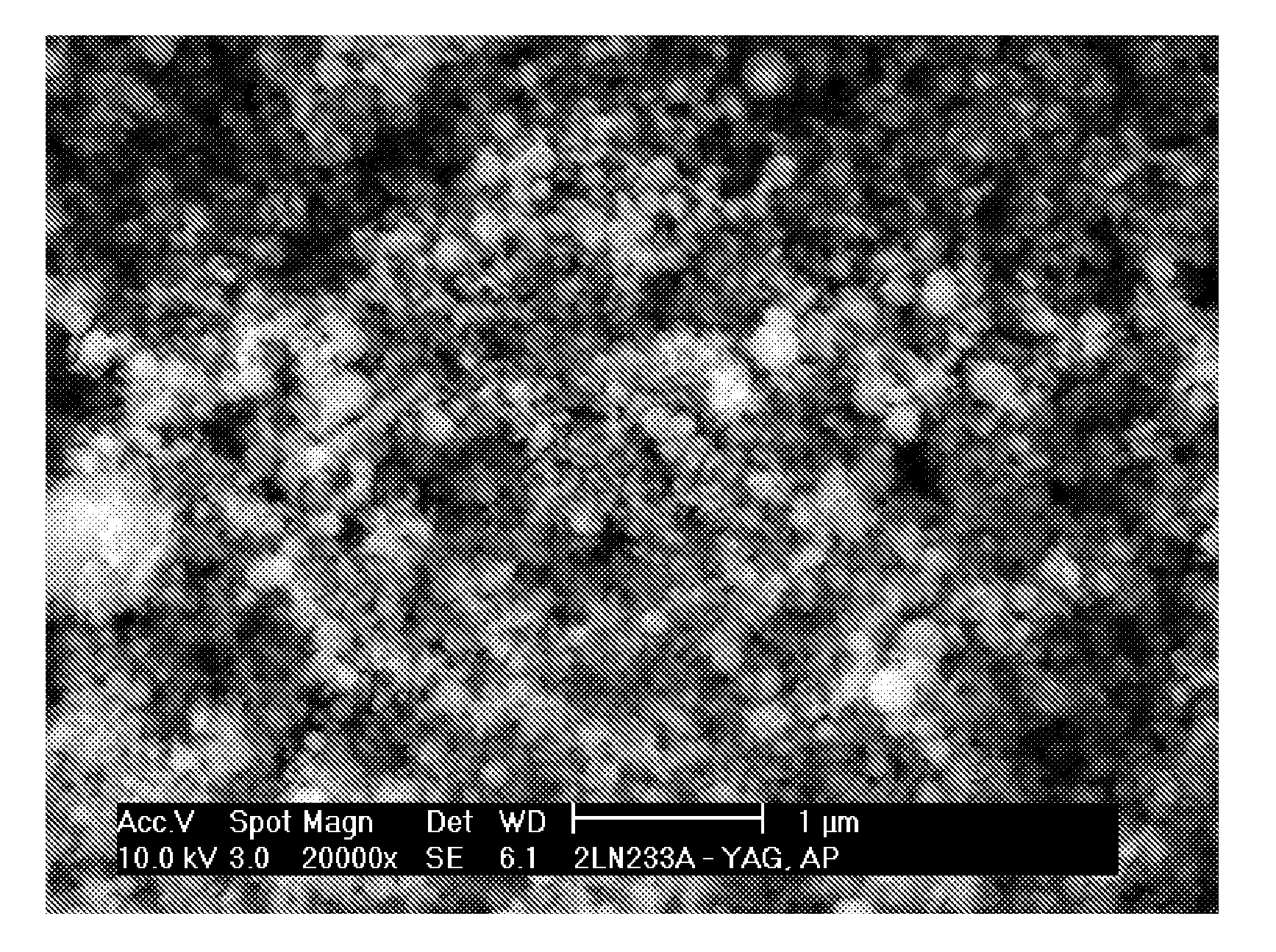
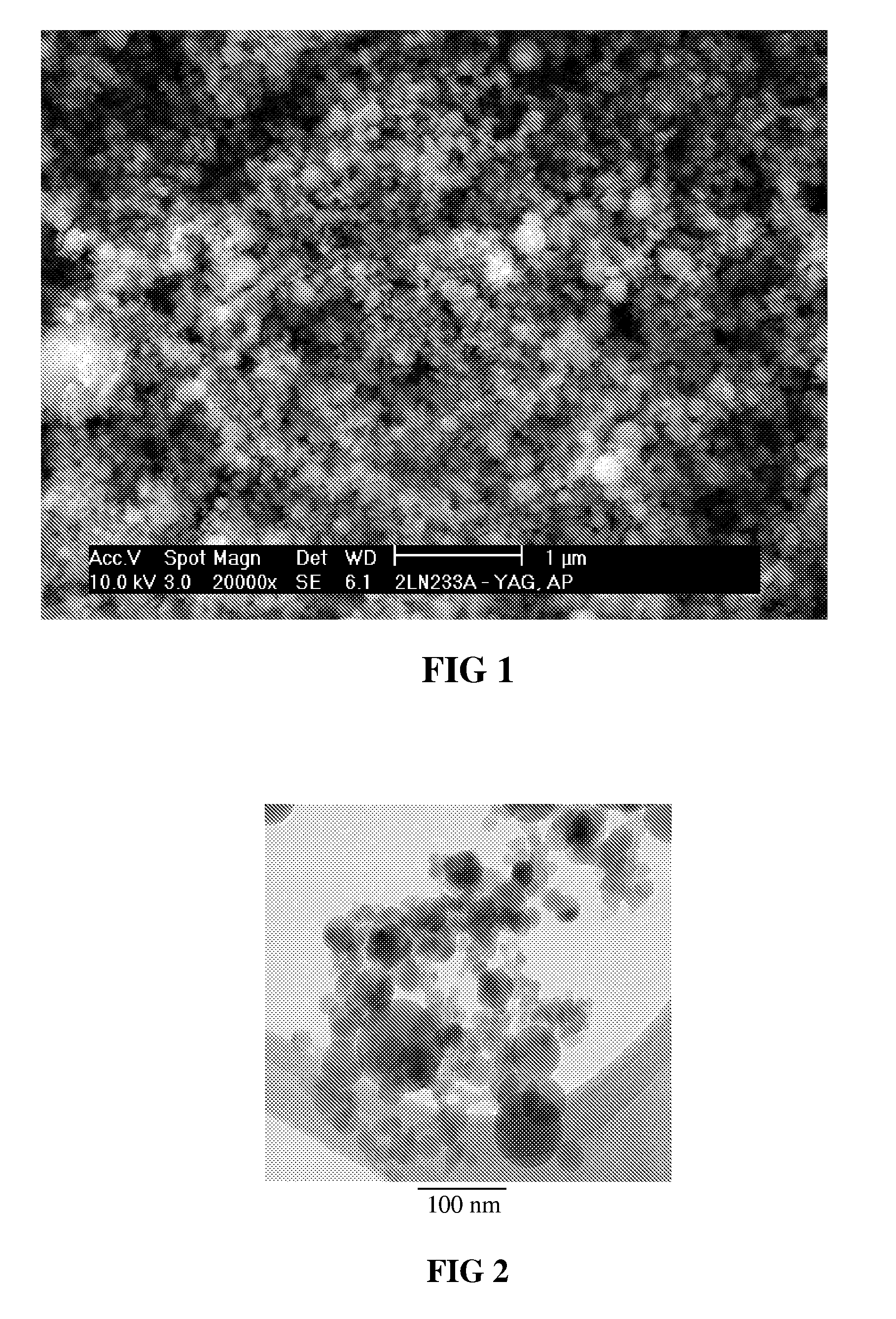
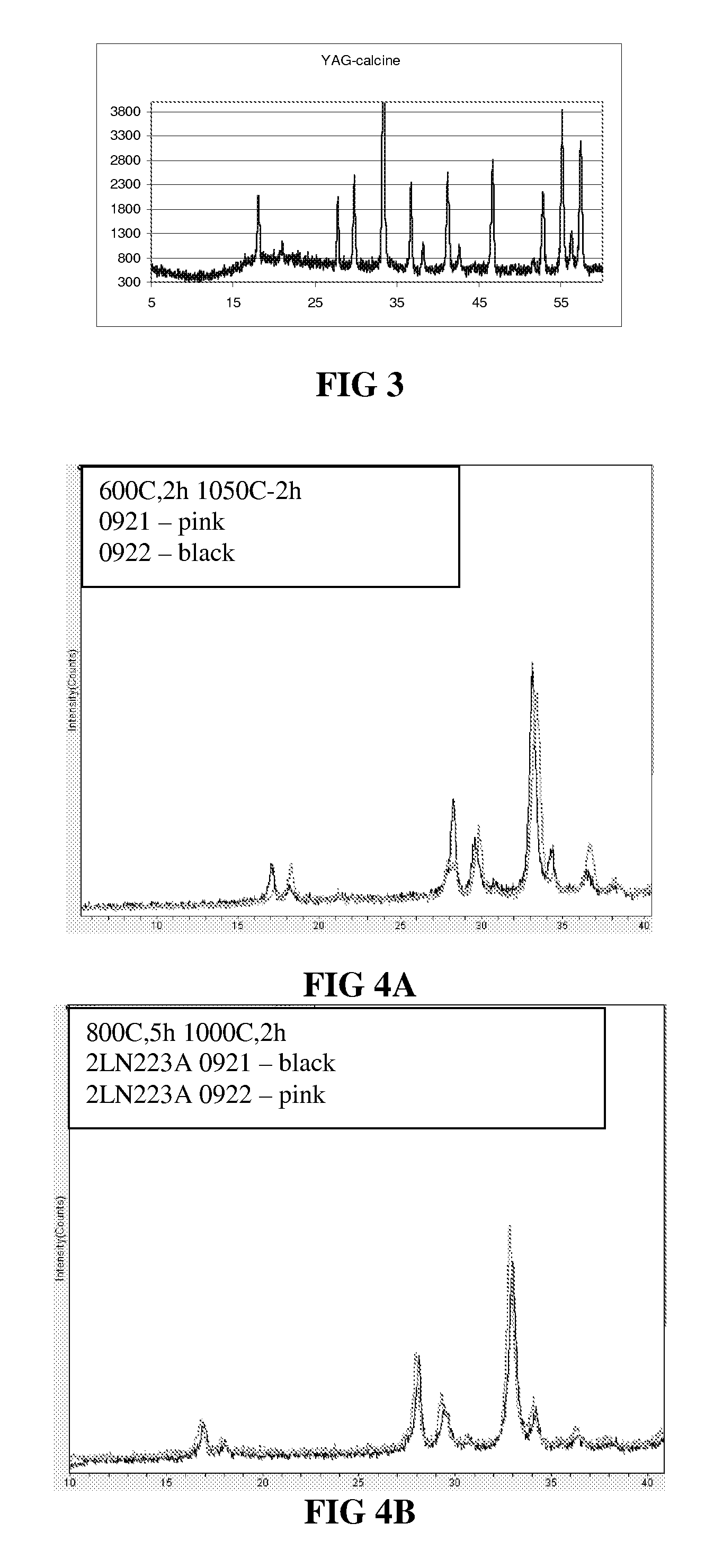
- A precursor composition of calcined yttrium aluminum oxide nanoparticles with a mean particle domain size between 10 and 200 nanometers and a predominant hexagonal crystal structure is used, with precise control of the Al:Y atomic ratio to 1:0.6±0.001 and limited impurity loadings, followed by calcination and sintering to produce a translucent YAG article with high transmittance and low inclusion levels.

Safety Standards for YAG Laser Operation and Maintenance
YAG laser systems require comprehensive safety protocols to ensure operator protection and equipment longevity, particularly when addressing aging-related performance degradation through regular calibration procedures. International safety standards, including IEC 60825-1 for laser safety and ANSI Z136.1 for safe use of lasers, establish fundamental requirements for YAG laser operation and maintenance activities. These standards mandate specific safety measures during calibration processes, including proper personal protective equipment, controlled access procedures, and environmental monitoring protocols.
Operational safety standards emphasize the critical importance of establishing controlled laser environments during calibration activities. Class 4 YAG lasers, commonly used in industrial applications, require designated laser safety areas with appropriate warning systems, interlocked access controls, and emergency shutdown procedures. During aging-related calibration procedures, operators must implement additional safety measures including beam path verification, power output monitoring, and thermal management protocols to prevent exposure incidents.
Personal protective equipment requirements become particularly stringent during YAG laser calibration procedures addressing aging issues. Safety standards mandate wavelength-specific protective eyewear with optical density ratings appropriate for 1064nm YAG laser emissions. Additionally, operators must utilize protective clothing, gloves, and respiratory protection when accessing internal laser components during maintenance calibration activities that may expose personnel to hazardous materials or optical radiation.
Maintenance safety protocols specifically address the unique risks associated with aging YAG laser systems undergoing calibration procedures. Standards require comprehensive pre-calibration safety assessments, including evaluation of optical component degradation, cooling system integrity, and electrical safety verification. Emergency response procedures must be established for potential incidents during calibration, including protocols for laser exposure incidents, electrical hazards, and chemical exposure from degraded optical components.
Documentation and training requirements under safety standards ensure that personnel conducting YAG laser calibration procedures possess adequate knowledge of aging-related safety considerations. Operators must demonstrate competency in recognizing signs of laser system degradation, implementing appropriate safety measures during calibration activities, and responding to emergency situations. Regular safety audits and compliance verification ensure continued adherence to established safety standards throughout the laser system's operational lifecycle.
Operational safety standards emphasize the critical importance of establishing controlled laser environments during calibration activities. Class 4 YAG lasers, commonly used in industrial applications, require designated laser safety areas with appropriate warning systems, interlocked access controls, and emergency shutdown procedures. During aging-related calibration procedures, operators must implement additional safety measures including beam path verification, power output monitoring, and thermal management protocols to prevent exposure incidents.
Personal protective equipment requirements become particularly stringent during YAG laser calibration procedures addressing aging issues. Safety standards mandate wavelength-specific protective eyewear with optical density ratings appropriate for 1064nm YAG laser emissions. Additionally, operators must utilize protective clothing, gloves, and respiratory protection when accessing internal laser components during maintenance calibration activities that may expose personnel to hazardous materials or optical radiation.
Maintenance safety protocols specifically address the unique risks associated with aging YAG laser systems undergoing calibration procedures. Standards require comprehensive pre-calibration safety assessments, including evaluation of optical component degradation, cooling system integrity, and electrical safety verification. Emergency response procedures must be established for potential incidents during calibration, including protocols for laser exposure incidents, electrical hazards, and chemical exposure from degraded optical components.
Documentation and training requirements under safety standards ensure that personnel conducting YAG laser calibration procedures possess adequate knowledge of aging-related safety considerations. Operators must demonstrate competency in recognizing signs of laser system degradation, implementing appropriate safety measures during calibration activities, and responding to emergency situations. Regular safety audits and compliance verification ensure continued adherence to established safety standards throughout the laser system's operational lifecycle.
Cost-Benefit Analysis of YAG Laser Calibration Programs
The economic evaluation of YAG laser calibration programs reveals a compelling business case when analyzed through comprehensive cost-benefit frameworks. Initial investment costs typically range from $15,000 to $50,000 annually for comprehensive calibration programs, depending on system complexity and operational scale. These expenses encompass specialized calibration equipment, certified technician training, documentation systems, and periodic third-party verification services.
Direct cost savings emerge through multiple channels, with equipment longevity representing the most significant financial benefit. Regular calibration extends YAG laser operational lifespan by 40-60%, translating to deferred capital expenditures worth hundreds of thousands of dollars per system. Preventive maintenance protocols reduce emergency repair incidents by approximately 75%, eliminating costly unplanned downtime and expedited service charges.
Operational efficiency gains contribute substantially to program value propositions. Calibrated systems maintain optimal power output consistency, reducing material waste by 15-25% in manufacturing applications. Energy consumption optimization through proper calibration typically yields 8-12% reductions in operational costs, particularly significant for high-duty-cycle industrial applications.
Risk mitigation benefits provide additional economic justification, though quantification proves challenging. Calibration programs reduce liability exposure from equipment failures, minimize regulatory compliance risks, and protect against quality control failures that could trigger costly product recalls or customer disputes.
Return on investment calculations consistently demonstrate positive outcomes within 18-24 months for most industrial applications. High-volume manufacturing environments often achieve payback periods under 12 months due to amplified operational benefits. The cumulative financial impact over typical 7-10 year equipment lifecycles frequently exceeds 300-500% of initial calibration program investments, establishing regular calibration as a financially prudent strategy for YAG laser aging management.
Direct cost savings emerge through multiple channels, with equipment longevity representing the most significant financial benefit. Regular calibration extends YAG laser operational lifespan by 40-60%, translating to deferred capital expenditures worth hundreds of thousands of dollars per system. Preventive maintenance protocols reduce emergency repair incidents by approximately 75%, eliminating costly unplanned downtime and expedited service charges.
Operational efficiency gains contribute substantially to program value propositions. Calibrated systems maintain optimal power output consistency, reducing material waste by 15-25% in manufacturing applications. Energy consumption optimization through proper calibration typically yields 8-12% reductions in operational costs, particularly significant for high-duty-cycle industrial applications.
Risk mitigation benefits provide additional economic justification, though quantification proves challenging. Calibration programs reduce liability exposure from equipment failures, minimize regulatory compliance risks, and protect against quality control failures that could trigger costly product recalls or customer disputes.
Return on investment calculations consistently demonstrate positive outcomes within 18-24 months for most industrial applications. High-volume manufacturing environments often achieve payback periods under 12 months due to amplified operational benefits. The cumulative financial impact over typical 7-10 year equipment lifecycles frequently exceeds 300-500% of initial calibration program investments, establishing regular calibration as a financially prudent strategy for YAG laser aging management.
Unlock deeper insights with Patsnap Eureka Quick Research — get a full tech report to explore trends and direct your research. Try now!
Generate Your Research Report Instantly with AI Agent
Supercharge your innovation with Patsnap Eureka AI Agent Platform!