Understanding Back Reflection in YAG Laser Operations
MAR 11, 20269 MIN READ
Generate Your Research Report Instantly with AI Agent
PatSnap Eureka helps you evaluate technical feasibility & market potential.
YAG Laser Back Reflection Background and Objectives
YAG (Yttrium Aluminum Garnet) lasers have emerged as cornerstone technologies in industrial, medical, and scientific applications since their development in the 1960s. The evolution of solid-state laser technology has positioned YAG lasers as versatile tools capable of delivering high-power, coherent light with exceptional beam quality and stability. However, the phenomenon of back reflection has consistently presented significant operational challenges that can compromise system performance, damage optical components, and reduce overall efficiency.
Back reflection in YAG laser systems occurs when a portion of the emitted laser beam is reflected back into the laser cavity from external surfaces, optical components, or target materials. This unwanted optical feedback can destabilize the laser operation, cause power fluctuations, and potentially damage the gain medium or other critical components within the laser resonator. The severity of back reflection effects varies depending on the laser configuration, operating parameters, and external optical setup.
The historical development of YAG laser technology has been marked by continuous efforts to understand and mitigate back reflection phenomena. Early implementations suffered from significant stability issues and component damage due to insufficient understanding of optical feedback mechanisms. As laser applications expanded into precision manufacturing, medical procedures, and scientific research, the need for stable, reliable operation became paramount, driving intensive research into back reflection characterization and control methods.
Contemporary YAG laser systems operate across diverse wavelengths, including the fundamental 1064 nm emission and frequency-doubled variants at 532 nm, 355 nm, and 266 nm. Each wavelength presents unique back reflection challenges due to varying material interactions, optical component behaviors, and beam propagation characteristics. The complexity increases further when considering different pumping schemes, cavity designs, and output coupling configurations.
The primary objective of understanding back reflection in YAG laser operations centers on developing comprehensive theoretical models that accurately predict feedback effects under various operating conditions. This includes characterizing the relationship between back reflection intensity, laser stability, and output performance parameters. Additionally, establishing quantitative thresholds for acceptable back reflection levels across different laser configurations represents a critical goal for system designers and operators.
Practical objectives encompass the development of effective isolation techniques, real-time monitoring systems, and adaptive control mechanisms that can maintain optimal laser performance despite varying external reflection conditions. Furthermore, creating standardized measurement protocols and diagnostic tools for back reflection assessment will enable consistent evaluation and comparison of different laser systems and operational scenarios.
Back reflection in YAG laser systems occurs when a portion of the emitted laser beam is reflected back into the laser cavity from external surfaces, optical components, or target materials. This unwanted optical feedback can destabilize the laser operation, cause power fluctuations, and potentially damage the gain medium or other critical components within the laser resonator. The severity of back reflection effects varies depending on the laser configuration, operating parameters, and external optical setup.
The historical development of YAG laser technology has been marked by continuous efforts to understand and mitigate back reflection phenomena. Early implementations suffered from significant stability issues and component damage due to insufficient understanding of optical feedback mechanisms. As laser applications expanded into precision manufacturing, medical procedures, and scientific research, the need for stable, reliable operation became paramount, driving intensive research into back reflection characterization and control methods.
Contemporary YAG laser systems operate across diverse wavelengths, including the fundamental 1064 nm emission and frequency-doubled variants at 532 nm, 355 nm, and 266 nm. Each wavelength presents unique back reflection challenges due to varying material interactions, optical component behaviors, and beam propagation characteristics. The complexity increases further when considering different pumping schemes, cavity designs, and output coupling configurations.
The primary objective of understanding back reflection in YAG laser operations centers on developing comprehensive theoretical models that accurately predict feedback effects under various operating conditions. This includes characterizing the relationship between back reflection intensity, laser stability, and output performance parameters. Additionally, establishing quantitative thresholds for acceptable back reflection levels across different laser configurations represents a critical goal for system designers and operators.
Practical objectives encompass the development of effective isolation techniques, real-time monitoring systems, and adaptive control mechanisms that can maintain optimal laser performance despite varying external reflection conditions. Furthermore, creating standardized measurement protocols and diagnostic tools for back reflection assessment will enable consistent evaluation and comparison of different laser systems and operational scenarios.
Market Demand for YAG Laser Back Reflection Solutions
The industrial laser market has witnessed substantial growth in demand for YAG laser back reflection mitigation solutions across multiple sectors. Manufacturing industries, particularly those involved in precision cutting, welding, and marking operations, represent the primary consumer base for these technologies. The automotive sector drives significant demand as manufacturers require consistent laser performance for critical applications such as transmission component welding and engine part processing, where back reflection can compromise weld quality and production efficiency.
Medical device manufacturing constitutes another major market segment, where YAG lasers are extensively used for surgical instrument production and implant manufacturing. The stringent quality requirements in medical applications necessitate robust back reflection control systems to ensure consistent beam characteristics and prevent equipment damage that could lead to costly production delays.
The aerospace and defense industries present high-value market opportunities for advanced back reflection solutions. These sectors demand exceptional reliability and precision in laser operations for applications including turbine blade drilling, composite material processing, and specialized coating removal. The critical nature of aerospace components drives willingness to invest in premium back reflection mitigation technologies.
Emerging market segments include renewable energy manufacturing, particularly solar panel production, where YAG lasers are increasingly used for cell scribing and module assembly processes. The rapid expansion of solar manufacturing capacity globally has created new demand for reliable laser systems with effective back reflection management.
The semiconductor industry represents a growing market segment as device miniaturization continues. YAG lasers are employed in wafer processing and packaging operations where back reflection can cause thermal damage to sensitive components, driving demand for sophisticated optical isolation and beam management solutions.
Regional market dynamics show strong demand concentration in Asia-Pacific manufacturing hubs, particularly China, Japan, and South Korea, where high-volume production environments require robust laser systems. European markets emphasize precision and reliability, while North American demand focuses on advanced automation and Industry 4.0 integration capabilities.
The market trend toward higher power YAG laser systems amplifies the importance of back reflection solutions, as increased power levels pose greater risks to optical components and system stability. This evolution drives continuous demand for more sophisticated and effective back reflection mitigation technologies across all application sectors.
Medical device manufacturing constitutes another major market segment, where YAG lasers are extensively used for surgical instrument production and implant manufacturing. The stringent quality requirements in medical applications necessitate robust back reflection control systems to ensure consistent beam characteristics and prevent equipment damage that could lead to costly production delays.
The aerospace and defense industries present high-value market opportunities for advanced back reflection solutions. These sectors demand exceptional reliability and precision in laser operations for applications including turbine blade drilling, composite material processing, and specialized coating removal. The critical nature of aerospace components drives willingness to invest in premium back reflection mitigation technologies.
Emerging market segments include renewable energy manufacturing, particularly solar panel production, where YAG lasers are increasingly used for cell scribing and module assembly processes. The rapid expansion of solar manufacturing capacity globally has created new demand for reliable laser systems with effective back reflection management.
The semiconductor industry represents a growing market segment as device miniaturization continues. YAG lasers are employed in wafer processing and packaging operations where back reflection can cause thermal damage to sensitive components, driving demand for sophisticated optical isolation and beam management solutions.
Regional market dynamics show strong demand concentration in Asia-Pacific manufacturing hubs, particularly China, Japan, and South Korea, where high-volume production environments require robust laser systems. European markets emphasize precision and reliability, while North American demand focuses on advanced automation and Industry 4.0 integration capabilities.
The market trend toward higher power YAG laser systems amplifies the importance of back reflection solutions, as increased power levels pose greater risks to optical components and system stability. This evolution drives continuous demand for more sophisticated and effective back reflection mitigation technologies across all application sectors.
Current YAG Laser Back Reflection Issues and Challenges
Back reflection in YAG laser systems represents one of the most critical operational challenges affecting laser performance, stability, and component longevity. This phenomenon occurs when a portion of the laser beam is reflected back into the laser cavity from external surfaces, optical components, or workpiece materials during processing operations. The reflected light can interfere with the laser's normal operation, leading to various detrimental effects that compromise system reliability and output quality.
The primary manifestation of back reflection issues includes power instability, where fluctuating feedback levels cause unpredictable variations in laser output power. This instability directly impacts processing quality, particularly in precision applications such as welding, cutting, and marking operations. Additionally, back reflection can induce thermal stress within the laser rod and optical components, potentially causing permanent damage to expensive laser crystals and reducing overall system lifespan.
Mode competition represents another significant challenge, where back-reflected light interferes with the laser's natural oscillation modes. This interference can cause mode hopping, beam quality degradation, and temporal instabilities that make consistent processing results difficult to achieve. The problem becomes particularly acute when processing highly reflective materials such as aluminum, copper, or polished stainless steel, where reflection coefficients can exceed 90% at typical YAG wavelengths.
Optical component damage constitutes a severe consequence of uncontrolled back reflection. High-intensity reflected beams can create localized heating in mirrors, lenses, and beam delivery components, leading to thermal lensing effects, coating damage, or catastrophic failure. The cumulative effect of repeated exposure to back-reflected energy often results in gradual performance degradation that may go unnoticed until significant damage occurs.
Current isolation techniques, while partially effective, present their own limitations. Faraday isolators, the most common solution, introduce insertion losses and may not provide sufficient isolation ratios for all applications. Additionally, these devices add complexity and cost to laser systems while requiring periodic maintenance and alignment verification.
The challenge is further complicated by the dynamic nature of many laser processing applications, where reflection characteristics change continuously based on material properties, surface conditions, processing parameters, and beam angle variations. This variability makes it difficult to implement static protection measures that remain effective across all operating conditions.
The primary manifestation of back reflection issues includes power instability, where fluctuating feedback levels cause unpredictable variations in laser output power. This instability directly impacts processing quality, particularly in precision applications such as welding, cutting, and marking operations. Additionally, back reflection can induce thermal stress within the laser rod and optical components, potentially causing permanent damage to expensive laser crystals and reducing overall system lifespan.
Mode competition represents another significant challenge, where back-reflected light interferes with the laser's natural oscillation modes. This interference can cause mode hopping, beam quality degradation, and temporal instabilities that make consistent processing results difficult to achieve. The problem becomes particularly acute when processing highly reflective materials such as aluminum, copper, or polished stainless steel, where reflection coefficients can exceed 90% at typical YAG wavelengths.
Optical component damage constitutes a severe consequence of uncontrolled back reflection. High-intensity reflected beams can create localized heating in mirrors, lenses, and beam delivery components, leading to thermal lensing effects, coating damage, or catastrophic failure. The cumulative effect of repeated exposure to back-reflected energy often results in gradual performance degradation that may go unnoticed until significant damage occurs.
Current isolation techniques, while partially effective, present their own limitations. Faraday isolators, the most common solution, introduce insertion losses and may not provide sufficient isolation ratios for all applications. Additionally, these devices add complexity and cost to laser systems while requiring periodic maintenance and alignment verification.
The challenge is further complicated by the dynamic nature of many laser processing applications, where reflection characteristics change continuously based on material properties, surface conditions, processing parameters, and beam angle variations. This variability makes it difficult to implement static protection measures that remain effective across all operating conditions.
Existing Back Reflection Mitigation Solutions
01 Optical isolators and back reflection prevention devices
Optical isolators are specifically designed components that prevent back reflection in YAG laser systems by allowing light to pass in only one direction. These devices utilize Faraday rotators, polarizers, and other optical elements to block reflected light from returning to the laser cavity, thereby protecting the laser source from instability and damage caused by back reflections.- Optical isolators and back reflection prevention devices: Optical isolators are specifically designed components that prevent back reflection in YAG laser systems by allowing light to pass in only one direction. These devices utilize Faraday rotators, polarizers, and other optical elements to block reflected light from returning to the laser cavity, thereby protecting the laser source from instability and damage caused by back reflections.
- Anti-reflection coatings and surface treatments: Anti-reflection coatings applied to optical components and laser output surfaces can significantly reduce back reflection in YAG laser systems. These coatings are designed with specific refractive indices and thicknesses to minimize reflection at the laser wavelength. Surface treatments and specialized coating materials help maintain beam quality and prevent unwanted feedback into the laser resonator.
- Beam delivery system design and optical path configuration: Proper design of the beam delivery system and optical path configuration can minimize back reflection issues in YAG laser applications. This includes angling optical components, using beam dumps, implementing specific fiber coupling techniques, and optimizing the arrangement of lenses and mirrors to redirect any reflected light away from the laser source.
- Monitoring and detection systems for back reflection: Monitoring systems can detect and measure back reflection levels in YAG laser systems to prevent damage and maintain optimal performance. These systems typically employ photodetectors, beam splitters, and signal processing circuits to continuously monitor reflected light intensity and provide feedback for system control or trigger protective mechanisms when back reflection exceeds safe thresholds.
- Laser cavity design and resonator protection: Modifications to the laser cavity design and implementation of resonator protection mechanisms can reduce susceptibility to back reflection damage. This includes optimizing cavity mirror configurations, incorporating protective elements within the resonator structure, and designing laser architectures that are inherently less sensitive to optical feedback from external reflections.
02 Anti-reflection coatings and surface treatments
Anti-reflection coatings applied to optical components and laser output windows can significantly reduce back reflection in YAG laser systems. These coatings are designed with specific refractive indices and thicknesses to minimize reflection at the laser wavelength through destructive interference. Surface treatments and specialized coating materials help maintain laser stability and efficiency by reducing unwanted reflections.Expand Specific Solutions03 Beam path design and angular positioning
Strategic design of the laser beam path and angular positioning of optical components can effectively minimize back reflection issues. By positioning mirrors, lenses, and other optical elements at specific angles relative to the beam axis, reflected light is directed away from the laser cavity. This geometric approach prevents reflected beams from coupling back into the laser resonator.Expand Specific Solutions04 Monitoring and detection systems for back reflection
Monitoring systems are implemented to detect and measure back reflection levels in YAG laser systems. These systems use photodetectors, beam splitters, and signal processing circuits to continuously monitor reflected light intensity. When excessive back reflection is detected, the system can trigger protective measures such as reducing laser power or activating shutters to prevent damage to the laser source.Expand Specific Solutions05 Fiber coupling and delivery system optimization
In fiber-coupled YAG laser systems, proper optimization of the fiber coupling interface and delivery system is crucial for minimizing back reflection. This includes using angle-polished fiber connectors, index-matching materials, and specialized coupling optics. These techniques reduce Fresnel reflections at fiber interfaces and prevent reflected light from propagating back through the delivery system to the laser source.Expand Specific Solutions
Key Players in YAG Laser and Optical Isolation Industry
The YAG laser back reflection technology landscape represents a mature yet evolving sector within the broader photonics industry. The market demonstrates significant scale, driven by applications across semiconductor manufacturing, medical devices, and industrial processing. Key players like TRUMPF Laser- und Systemtechnik GmbH and TRUMPF Lasersystems for Semiconductor Manufacturing GmbH lead in industrial laser systems, while ASML Netherlands BV dominates semiconductor lithography applications. Technology maturity varies across segments, with established companies like Corning Inc., Toshiba Corp., and Siemens AG providing foundational optical components, while specialized firms such as Eblana Photonics Ltd. and Applied Optoelectronics Inc. focus on advanced laser solutions. The competitive landscape includes major conglomerates like Mitsubishi Heavy Industries and emerging Chinese players like Shanxi Feihong Laser Science & Technology, indicating both technological consolidation and geographic diversification in addressing back reflection challenges.
Semiconductor Energy Laboratory Co., Ltd.
Technical Solution: SEL has developed specialized back reflection control techniques for YAG lasers used in semiconductor processing applications. Their technology focuses on precision beam path design with integrated optical isolators and real-time monitoring systems. The company's approach includes advanced coating technologies on optical components to minimize unwanted reflections and sophisticated feedback control systems that can detect reflection anomalies within nanoseconds. Their YAG laser systems incorporate multi-layer anti-reflection coatings with reflectivity below 0.1% and active beam monitoring that continuously tracks power levels and beam quality parameters. The technology includes automated protection protocols that can shut down laser operation or redirect beam paths when dangerous reflection levels are detected, ensuring consistent processing quality in semiconductor manufacturing environments.
Strengths: Highly precise control systems optimized for semiconductor applications with excellent reliability. Weaknesses: Limited to specific industrial applications with high complexity requirements.
TRUMPF Laser- und Systemtechnik GmbH
Technical Solution: TRUMPF has developed comprehensive back reflection management solutions for YAG laser systems, incorporating advanced optical isolators and beam monitoring technologies. Their approach includes real-time feedback control systems that detect and mitigate back reflections through adaptive power modulation and beam steering mechanisms. The company's YAG laser systems feature integrated Faraday isolators with isolation ratios exceeding 30dB, effectively preventing damage from reflected light. Their proprietary beam delivery systems include multi-stage isolation components and sophisticated monitoring algorithms that can detect reflection events within microseconds, automatically adjusting laser parameters to maintain optimal performance and protect sensitive optical components from thermal damage.
Strengths: Industry-leading isolation technology with proven reliability in industrial applications. Weaknesses: High system complexity and cost may limit adoption in price-sensitive markets.
Core Patents in YAG Laser Back Reflection Control
Sintered polycrystalline yttrium aluminum garnet and use thereof in optical devices
PatentInactiveUS20100048378A1
Innovation
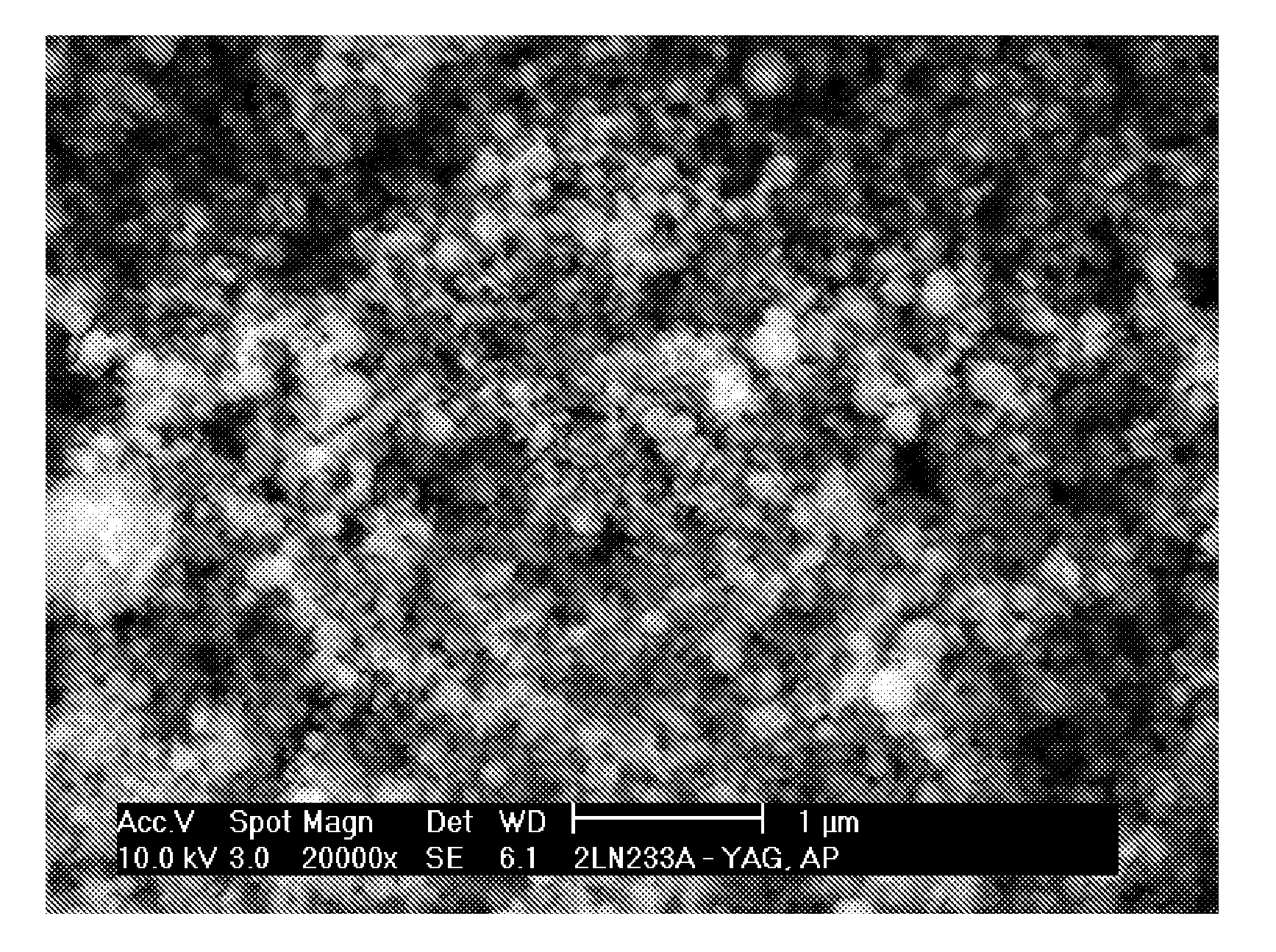
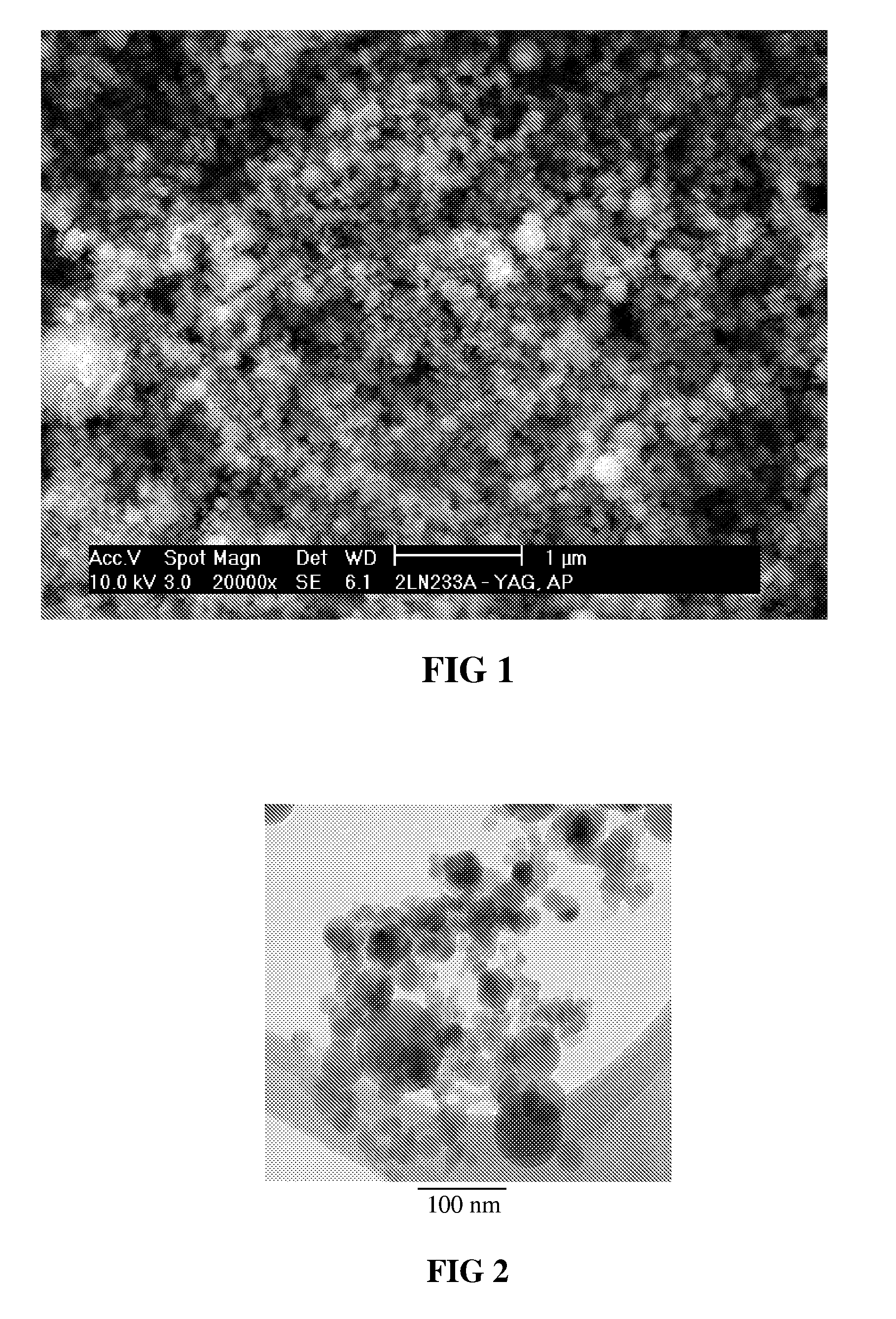
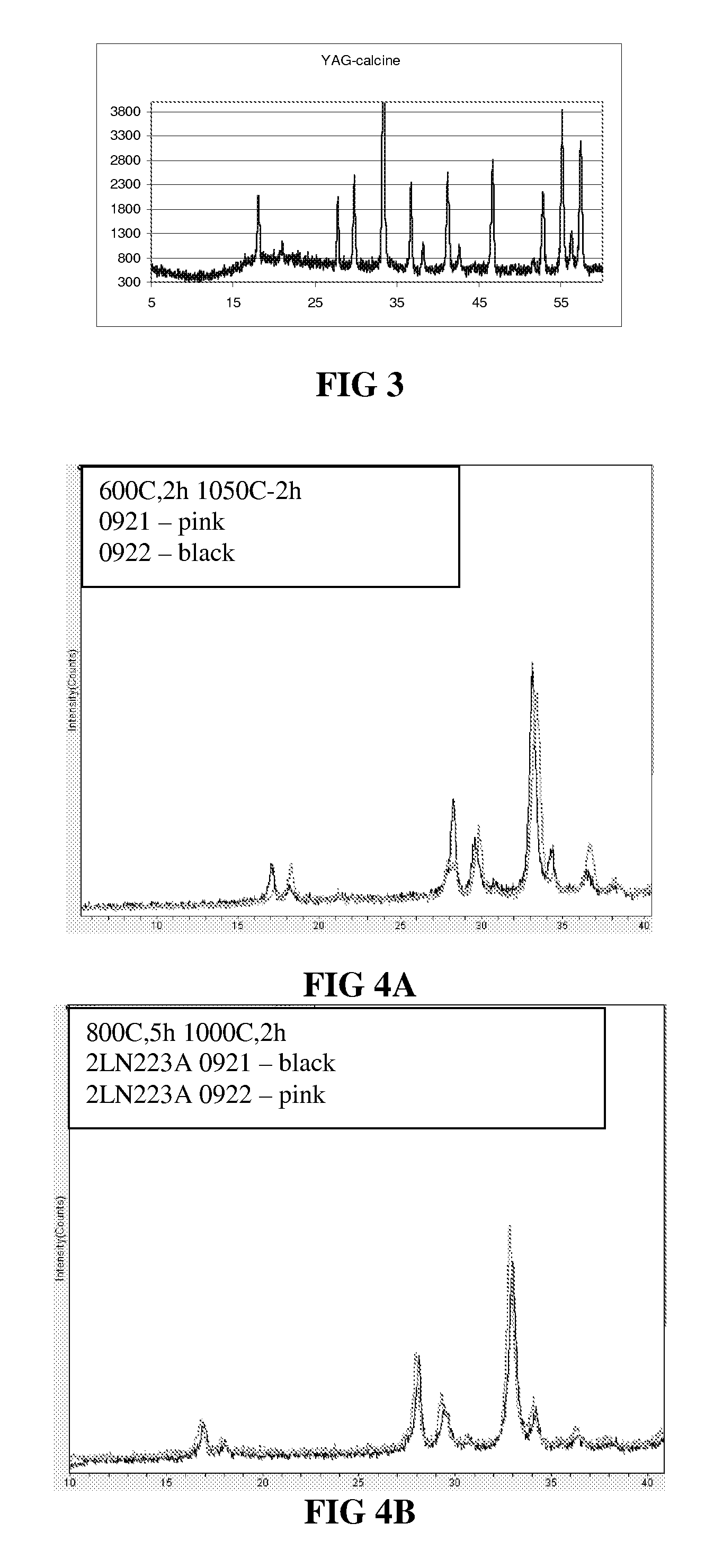
- A precursor composition of calcined yttrium aluminum oxide nanoparticles with a mean particle domain size between 10 and 200 nanometers and a predominant hexagonal crystal structure is used, with precise control of the Al:Y atomic ratio to 1:0.6±0.001 and limited impurity loadings, followed by calcination and sintering to produce a translucent YAG article with high transmittance and low inclusion levels.

Process for Manufacturing Single-Crystal Fiber
PatentPendingUS20240410081A1
Innovation
- A method involving a source material with a rod shape containing YAG single crystal or polycrystal, Nd, and calcium (Ca), where the molten zone is maintained to have equal density to the source material by adding Ca, preventing convection and ensuring the Nd concentration reaches a maximum at the central axis of the fiber.


Safety Standards for High Power Laser Operations
High power YAG laser operations present significant safety challenges that require comprehensive regulatory frameworks and standardized protocols. The inherent risks associated with intense laser radiation, particularly when back reflection phenomena occur, necessitate stringent safety measures to protect personnel and equipment. Current safety standards encompass multiple layers of protection, including engineering controls, administrative procedures, and personal protective equipment requirements.
The International Electrotechnical Commission (IEC) 60825 series serves as the primary global standard for laser safety, establishing classification systems and safety requirements for laser products. This standard defines laser classes based on accessible emission limits and prescribes corresponding safety measures. For high power YAG lasers, typically classified as Class 4 systems, the most stringent safety protocols apply due to their potential for causing severe eye and skin injuries, as well as fire hazards.
The American National Standards Institute (ANSI) Z136 series provides comprehensive guidelines specifically for laser safety in various applications. ANSI Z136.1 establishes the foundation for safe laser use, while specialized standards address specific environments such as manufacturing, healthcare, and research facilities. These standards mandate the appointment of Laser Safety Officers, implementation of controlled access areas, and establishment of standard operating procedures.
Occupational Safety and Health Administration (OSHA) regulations complement these technical standards by enforcing workplace safety requirements. OSHA's General Duty Clause requires employers to provide safe working conditions, while specific regulations address laser hazards in industrial settings. The integration of OSHA requirements with technical standards creates a comprehensive regulatory framework for high power laser operations.
European standards, particularly EN 60825 and EN 12254, align with international guidelines while addressing region-specific requirements. These standards emphasize risk assessment methodologies and require detailed documentation of safety procedures. The European approach particularly focuses on the precautionary principle, requiring demonstration of safety rather than merely compliance with minimum standards.
Emerging safety standards increasingly address advanced laser technologies and novel applications. Recent developments include guidelines for ultrafast lasers, fiber laser systems, and automated laser processing equipment. These evolving standards recognize the unique safety challenges posed by modern laser technologies and provide updated protection strategies.
The International Electrotechnical Commission (IEC) 60825 series serves as the primary global standard for laser safety, establishing classification systems and safety requirements for laser products. This standard defines laser classes based on accessible emission limits and prescribes corresponding safety measures. For high power YAG lasers, typically classified as Class 4 systems, the most stringent safety protocols apply due to their potential for causing severe eye and skin injuries, as well as fire hazards.
The American National Standards Institute (ANSI) Z136 series provides comprehensive guidelines specifically for laser safety in various applications. ANSI Z136.1 establishes the foundation for safe laser use, while specialized standards address specific environments such as manufacturing, healthcare, and research facilities. These standards mandate the appointment of Laser Safety Officers, implementation of controlled access areas, and establishment of standard operating procedures.
Occupational Safety and Health Administration (OSHA) regulations complement these technical standards by enforcing workplace safety requirements. OSHA's General Duty Clause requires employers to provide safe working conditions, while specific regulations address laser hazards in industrial settings. The integration of OSHA requirements with technical standards creates a comprehensive regulatory framework for high power laser operations.
European standards, particularly EN 60825 and EN 12254, align with international guidelines while addressing region-specific requirements. These standards emphasize risk assessment methodologies and require detailed documentation of safety procedures. The European approach particularly focuses on the precautionary principle, requiring demonstration of safety rather than merely compliance with minimum standards.
Emerging safety standards increasingly address advanced laser technologies and novel applications. Recent developments include guidelines for ultrafast lasers, fiber laser systems, and automated laser processing equipment. These evolving standards recognize the unique safety challenges posed by modern laser technologies and provide updated protection strategies.
Cost-Benefit Analysis of Back Reflection Solutions
The economic evaluation of back reflection mitigation solutions in YAG laser systems requires a comprehensive assessment of both direct and indirect costs against operational benefits. Initial capital expenditure varies significantly across different solution categories, with passive optical isolators representing the most cost-effective entry point at approximately $500-2,000 per unit for standard industrial applications. Active feedback control systems command higher investments ranging from $5,000-15,000, while advanced adaptive optics solutions can exceed $25,000 for high-precision applications.
Implementation costs extend beyond equipment procurement to include system integration, calibration, and operator training. Passive solutions typically require minimal integration effort, adding 10-15% to equipment costs, whereas active systems may incur integration expenses equivalent to 30-50% of hardware costs due to complexity in sensor placement and control loop optimization. Training requirements scale proportionally, with passive systems requiring basic maintenance knowledge while active systems demand specialized technical expertise.
Operational benefits manifest through reduced downtime, improved process consistency, and extended component lifespan. Back reflection-induced damage events can cost $10,000-50,000 per incident when considering equipment repair, production delays, and quality issues. Effective mitigation solutions demonstrate return on investment within 6-18 months for high-utilization systems experiencing frequent reflection-related disruptions.
Long-term economic advantages include enhanced process stability leading to improved yield rates, typically showing 2-5% productivity gains in precision manufacturing applications. Reduced maintenance frequency and extended laser diode lifespan contribute additional savings of $3,000-8,000 annually for industrial systems. Energy efficiency improvements from optimized optical coupling can reduce operational costs by 5-10% in continuous operation scenarios.
Risk mitigation value proves substantial when considering potential catastrophic failures. Insurance implications and liability exposure reduction provide quantifiable benefits, particularly in high-value manufacturing environments where process interruption costs exceed $1,000 per hour. The total cost of ownership analysis consistently favors proactive back reflection management over reactive maintenance approaches across most industrial applications.
Implementation costs extend beyond equipment procurement to include system integration, calibration, and operator training. Passive solutions typically require minimal integration effort, adding 10-15% to equipment costs, whereas active systems may incur integration expenses equivalent to 30-50% of hardware costs due to complexity in sensor placement and control loop optimization. Training requirements scale proportionally, with passive systems requiring basic maintenance knowledge while active systems demand specialized technical expertise.
Operational benefits manifest through reduced downtime, improved process consistency, and extended component lifespan. Back reflection-induced damage events can cost $10,000-50,000 per incident when considering equipment repair, production delays, and quality issues. Effective mitigation solutions demonstrate return on investment within 6-18 months for high-utilization systems experiencing frequent reflection-related disruptions.
Long-term economic advantages include enhanced process stability leading to improved yield rates, typically showing 2-5% productivity gains in precision manufacturing applications. Reduced maintenance frequency and extended laser diode lifespan contribute additional savings of $3,000-8,000 annually for industrial systems. Energy efficiency improvements from optimized optical coupling can reduce operational costs by 5-10% in continuous operation scenarios.
Risk mitigation value proves substantial when considering potential catastrophic failures. Insurance implications and liability exposure reduction provide quantifiable benefits, particularly in high-value manufacturing environments where process interruption costs exceed $1,000 per hour. The total cost of ownership analysis consistently favors proactive back reflection management over reactive maintenance approaches across most industrial applications.
Unlock deeper insights with PatSnap Eureka Quick Research — get a full tech report to explore trends and direct your research. Try now!
Generate Your Research Report Instantly with AI Agent
Supercharge your innovation with PatSnap Eureka AI Agent Platform!