

Developing Lightweight Electrodynamic Tether Components for Cost Efficiency
MAY 11, 20269 MIN READ
Generate Your Research Report Instantly with AI Agent
Patsnap Eureka helps you evaluate technical feasibility & market potential.
Electrodynamic Tether Technology Background and Objectives
Electrodynamic tether (EDT) technology represents a revolutionary approach to spacecraft propulsion and orbital mechanics that harnesses the Earth's magnetic field and ionospheric plasma to generate thrust without consuming traditional propellant. This concept, first theorized in the 1960s by Italian physicist Giuseppe Colombo and later developed by Mario Grossi at the Smithsonian Astrophysical Observatory, has evolved from theoretical framework to practical space applications over the past five decades.
The fundamental principle underlying EDT systems involves deploying a conductive tether from a spacecraft, creating an electrical circuit with the surrounding plasma environment. As the tether moves through Earth's magnetic field, it generates an electromotive force that can either produce electrical power or create propulsive forces, depending on the operational mode. This dual functionality positions EDT technology as a versatile solution for multiple space mission requirements.
Historical development milestones include the Tethered Satellite System missions in the 1990s, which demonstrated the basic feasibility of space tether operations despite encountering deployment challenges. Subsequent missions like the ProSEDS program and various CubeSat tether experiments have progressively refined the technology, addressing critical issues such as tether dynamics, plasma interactions, and system reliability.
The evolution toward lightweight EDT components has been driven by the increasing demand for cost-effective space missions, particularly in the small satellite and CubeSat sectors. Traditional EDT systems suffered from excessive mass penalties and complex deployment mechanisms that limited their practical application. The contemporary focus on miniaturization and mass optimization reflects broader industry trends toward accessible space technology.
Current technological objectives center on developing EDT components that achieve optimal performance-to-mass ratios while maintaining operational reliability and cost efficiency. Key targets include reducing tether mass per unit length, simplifying deployment mechanisms, and enhancing electrical conductivity without compromising structural integrity. These objectives align with the growing commercial space market's emphasis on rapid deployment and economic viability.
The strategic importance of lightweight EDT development extends beyond individual mission benefits to encompass broader space sustainability goals. As orbital debris concerns intensify and satellite constellations proliferate, EDT technology offers passive deorbiting capabilities that could significantly reduce long-term space environment risks while providing operational advantages during active mission phases.
The fundamental principle underlying EDT systems involves deploying a conductive tether from a spacecraft, creating an electrical circuit with the surrounding plasma environment. As the tether moves through Earth's magnetic field, it generates an electromotive force that can either produce electrical power or create propulsive forces, depending on the operational mode. This dual functionality positions EDT technology as a versatile solution for multiple space mission requirements.
Historical development milestones include the Tethered Satellite System missions in the 1990s, which demonstrated the basic feasibility of space tether operations despite encountering deployment challenges. Subsequent missions like the ProSEDS program and various CubeSat tether experiments have progressively refined the technology, addressing critical issues such as tether dynamics, plasma interactions, and system reliability.
The evolution toward lightweight EDT components has been driven by the increasing demand for cost-effective space missions, particularly in the small satellite and CubeSat sectors. Traditional EDT systems suffered from excessive mass penalties and complex deployment mechanisms that limited their practical application. The contemporary focus on miniaturization and mass optimization reflects broader industry trends toward accessible space technology.
Current technological objectives center on developing EDT components that achieve optimal performance-to-mass ratios while maintaining operational reliability and cost efficiency. Key targets include reducing tether mass per unit length, simplifying deployment mechanisms, and enhancing electrical conductivity without compromising structural integrity. These objectives align with the growing commercial space market's emphasis on rapid deployment and economic viability.
The strategic importance of lightweight EDT development extends beyond individual mission benefits to encompass broader space sustainability goals. As orbital debris concerns intensify and satellite constellations proliferate, EDT technology offers passive deorbiting capabilities that could significantly reduce long-term space environment risks while providing operational advantages during active mission phases.
Market Demand for Cost-Effective Space Debris Removal
The global space debris removal market is experiencing unprecedented growth driven by the escalating crisis of orbital pollution. Current estimates indicate over 130 million debris objects larger than one millimeter orbiting Earth, with approximately 34,000 pieces larger than 10 centimeters actively tracked by space surveillance networks. This debris population poses significant collision risks to operational satellites, the International Space Station, and future space missions, creating urgent demand for effective removal solutions.
Commercial satellite operators represent the largest market segment driving demand for cost-effective debris removal services. The proliferation of mega-constellations, with thousands of satellites planned for deployment, has intensified concerns about collision avoidance and orbital sustainability. Insurance costs for satellite missions continue rising due to debris-related risks, making preventive debris removal economically attractive for operators seeking to protect their multi-billion-dollar investments.
Government space agencies worldwide are establishing regulatory frameworks mandating debris mitigation and removal capabilities. The European Space Agency has committed substantial funding for debris removal missions, while NASA has identified active debris removal as a critical priority for maintaining access to key orbital regions. These regulatory pressures are creating structured demand for proven, cost-effective removal technologies.
The economic viability of debris removal services depends heavily on operational cost reduction, making lightweight electrodynamic tether systems particularly attractive. Traditional propulsion-based removal methods require significant fuel mass, limiting mission scope and increasing costs. Electrodynamic tethers offer propellantless operation by utilizing Earth's magnetic field, enabling extended mission durations and multiple debris captures per deployment.
Market analysis reveals strong preference for scalable, reusable debris removal platforms capable of addressing various debris sizes and orbital altitudes. Cost-effectiveness becomes paramount when considering the vast number of debris objects requiring removal. Lightweight tether components directly address this need by reducing launch costs, enabling larger constellation deployments, and improving overall mission economics.
The emerging commercial space debris removal industry is attracting significant investment, with multiple companies developing competing technologies. Market success increasingly depends on demonstrating reliable, cost-efficient operations that can scale to address the magnitude of the debris problem while maintaining economic sustainability for service providers.
Commercial satellite operators represent the largest market segment driving demand for cost-effective debris removal services. The proliferation of mega-constellations, with thousands of satellites planned for deployment, has intensified concerns about collision avoidance and orbital sustainability. Insurance costs for satellite missions continue rising due to debris-related risks, making preventive debris removal economically attractive for operators seeking to protect their multi-billion-dollar investments.
Government space agencies worldwide are establishing regulatory frameworks mandating debris mitigation and removal capabilities. The European Space Agency has committed substantial funding for debris removal missions, while NASA has identified active debris removal as a critical priority for maintaining access to key orbital regions. These regulatory pressures are creating structured demand for proven, cost-effective removal technologies.
The economic viability of debris removal services depends heavily on operational cost reduction, making lightweight electrodynamic tether systems particularly attractive. Traditional propulsion-based removal methods require significant fuel mass, limiting mission scope and increasing costs. Electrodynamic tethers offer propellantless operation by utilizing Earth's magnetic field, enabling extended mission durations and multiple debris captures per deployment.
Market analysis reveals strong preference for scalable, reusable debris removal platforms capable of addressing various debris sizes and orbital altitudes. Cost-effectiveness becomes paramount when considering the vast number of debris objects requiring removal. Lightweight tether components directly address this need by reducing launch costs, enabling larger constellation deployments, and improving overall mission economics.
The emerging commercial space debris removal industry is attracting significant investment, with multiple companies developing competing technologies. Market success increasingly depends on demonstrating reliable, cost-efficient operations that can scale to address the magnitude of the debris problem while maintaining economic sustainability for service providers.
Current State of Lightweight Tether Component Development
The development of lightweight electrodynamic tether components has reached a critical juncture where multiple technological approaches are being pursued simultaneously across different research institutions and aerospace organizations. Current efforts primarily focus on three core component categories: conductive tether materials, deployment mechanisms, and power management systems. Each category faces distinct technical challenges that directly impact overall system performance and cost-effectiveness.
Conductive tether materials represent the most mature aspect of current development, with several proven solutions already demonstrated in space missions. Bare aluminum and copper wires remain the predominant choices for their excellent conductivity-to-weight ratios, though recent advances have introduced composite materials incorporating carbon nanotubes and graphene-enhanced conductors. These next-generation materials promise significant weight reductions while maintaining electrical performance, but manufacturing scalability remains a primary concern.
Deployment mechanism development has progressed substantially, with motorized reel systems and spring-loaded deployment units showing reliable performance in orbital demonstrations. Current systems typically achieve deployment rates of 1-3 meters per second with precise tension control, though weight penalties associated with robust deployment hardware continue to challenge overall system efficiency. Recent innovations include inflatable deployment guides and magnetic damping systems that reduce mechanical complexity.
Power management components have evolved to incorporate advanced switching circuits and impedance matching systems specifically designed for the variable electrical environment of electrodynamic tether operations. Modern power conditioning units can handle voltage fluctuations ranging from tens to thousands of volts while maintaining efficiency levels above 85 percent. However, radiation hardening requirements and thermal management constraints significantly impact component selection and system architecture.
Integration challenges persist as the primary bottleneck in current development efforts. Achieving optimal balance between individual component performance and overall system mass remains problematic, particularly when considering the diverse operational requirements across different orbital altitudes and mission profiles. Current integrated systems typically achieve specific power outputs of 10-50 watts per kilogram, falling short of theoretical performance projections.
Manufacturing readiness varies significantly across component types, with traditional conductive materials and basic deployment mechanisms approaching commercial viability, while advanced composite conductors and sophisticated power management systems remain largely at the prototype stage. This disparity creates integration complexities that directly impact cost projections and deployment timelines for operational systems.
Conductive tether materials represent the most mature aspect of current development, with several proven solutions already demonstrated in space missions. Bare aluminum and copper wires remain the predominant choices for their excellent conductivity-to-weight ratios, though recent advances have introduced composite materials incorporating carbon nanotubes and graphene-enhanced conductors. These next-generation materials promise significant weight reductions while maintaining electrical performance, but manufacturing scalability remains a primary concern.
Deployment mechanism development has progressed substantially, with motorized reel systems and spring-loaded deployment units showing reliable performance in orbital demonstrations. Current systems typically achieve deployment rates of 1-3 meters per second with precise tension control, though weight penalties associated with robust deployment hardware continue to challenge overall system efficiency. Recent innovations include inflatable deployment guides and magnetic damping systems that reduce mechanical complexity.
Power management components have evolved to incorporate advanced switching circuits and impedance matching systems specifically designed for the variable electrical environment of electrodynamic tether operations. Modern power conditioning units can handle voltage fluctuations ranging from tens to thousands of volts while maintaining efficiency levels above 85 percent. However, radiation hardening requirements and thermal management constraints significantly impact component selection and system architecture.
Integration challenges persist as the primary bottleneck in current development efforts. Achieving optimal balance between individual component performance and overall system mass remains problematic, particularly when considering the diverse operational requirements across different orbital altitudes and mission profiles. Current integrated systems typically achieve specific power outputs of 10-50 watts per kilogram, falling short of theoretical performance projections.
Manufacturing readiness varies significantly across component types, with traditional conductive materials and basic deployment mechanisms approaching commercial viability, while advanced composite conductors and sophisticated power management systems remain largely at the prototype stage. This disparity creates integration complexities that directly impact cost projections and deployment timelines for operational systems.
Existing Lightweight Tether Component Solutions
01 Lightweight tether materials and construction
Development of advanced materials and construction techniques for electrodynamic tethers that minimize weight while maintaining structural integrity and electrical conductivity. These approaches focus on optimizing material selection, cross-sectional design, and manufacturing processes to reduce overall system mass without compromising performance or durability in space environments.- Lightweight tether material composition and construction: Development of advanced materials and construction techniques for electrodynamic tethers that minimize weight while maintaining structural integrity and electrical conductivity. This includes the use of composite materials, hollow conductors, and optimized cross-sectional designs to reduce overall system mass without compromising performance.
- Cost-effective manufacturing processes for tether systems: Implementation of efficient manufacturing methods and material selection strategies to reduce production costs of electrodynamic tether components. This encompasses automated fabrication techniques, standardized components, and scalable production processes that enable cost reduction while maintaining quality standards.
- Modular tether design for weight and cost optimization: Development of modular electrodynamic tether architectures that allow for standardized components and simplified assembly processes. This approach enables mass production benefits, reduces customization costs, and allows for weight optimization through selective component integration based on mission requirements.
- Multi-functional tether components integration: Integration of multiple functionalities into single tether components to reduce overall system weight and cost. This includes combining structural support, electrical conduction, and control systems into unified components, thereby eliminating redundant elements and reducing manufacturing complexity.
- Advanced deployment and control mechanisms: Development of lightweight and cost-effective deployment and control systems for electrodynamic tethers. This includes innovative deployment mechanisms, tension control systems, and attitude control components that minimize weight penalties while ensuring reliable operation and reducing overall system costs through simplified designs.
02 Cost-effective manufacturing processes
Manufacturing methods and processes designed to reduce production costs of electrodynamic tether systems. These techniques include automated fabrication processes, standardized components, and scalable production methods that enable mass production while maintaining quality standards and reducing per-unit costs for space applications.Expand Specific Solutions03 Modular component design for weight optimization
Modular design approaches that allow for weight optimization through standardized, interchangeable components. This methodology enables customization of tether systems based on specific mission requirements while reducing development costs and allowing for component reuse across different applications and missions.Expand Specific Solutions04 Multi-functional component integration
Integration of multiple functions into single components to reduce overall system weight and cost. This approach combines structural, electrical, and control functions within individual components, eliminating redundant parts and reducing the total number of components required for electrodynamic tether systems.Expand Specific Solutions05 Advanced deployment and control mechanisms
Sophisticated deployment and control systems that optimize weight distribution and operational costs through improved efficiency and reliability. These mechanisms include automated deployment systems, adaptive control algorithms, and fail-safe mechanisms that reduce the need for redundant components while ensuring mission success.Expand Specific Solutions
Key Players in Space Tether and Component Manufacturing
The lightweight electrodynamic tether components market represents an emerging sector within the broader space technology industry, currently in its early development stage with significant growth potential driven by increasing demand for cost-effective satellite propulsion and orbital debris mitigation solutions. The market remains relatively small but is expanding as space agencies and commercial entities seek sustainable alternatives to traditional propulsion systems. Technology maturity varies considerably across key players, with established aerospace giants like NASA leading fundamental research and development, while industrial conglomerates such as Siemens AG and Huawei Technologies contribute advanced materials and electronic systems expertise. Semiconductor specialists including Texas Instruments, Samsung Electronics, and Sony Group provide critical electronic components, while companies like Corning Optical Communications offer specialized materials solutions. Academic institutions like Beijing Institute of Technology drive innovation through research partnerships. The competitive landscape shows a convergence of traditional aerospace, electronics, and materials companies, indicating the interdisciplinary nature of electrodynamic tether technology development and the industry's transition toward more mature, commercially viable solutions.
Siemens AG
Technical Solution: Siemens has developed lightweight power transmission solutions incorporating advanced conductor technologies and smart grid components that can be adapted for electrodynamic tether applications. Their approach utilizes high-temperature superconducting materials and lightweight aluminum-based conductors with enhanced current-carrying capacity[2][8]. The company's modular power electronics systems feature compact designs that reduce weight by up to 35% while maintaining high efficiency ratings above 95%. Siemens integrates digital twin technology for optimized component design and employs automated manufacturing processes that significantly reduce production costs through economies of scale and precision engineering[15][18].
Strengths: Strong industrial manufacturing capabilities and established supply chains for cost-effective production. Weaknesses: Limited direct experience with space-grade electrodynamic tether systems and associated environmental requirements.
Samsung Electronics Co., Ltd.
Technical Solution: Samsung has developed advanced materials and manufacturing processes for lightweight electronic components that can be applied to electrodynamic tether systems. Their research focuses on flexible printed circuit technologies and ultra-thin conductive films using silver nanowires and graphene composites[4][9]. The company's approach includes roll-to-roll manufacturing processes that enable cost-effective production of large-area conductive surfaces with thickness reductions of up to 60% compared to traditional methods. Samsung's expertise in semiconductor packaging and miniaturization techniques contributes to developing compact control electronics and power management systems that reduce overall tether system weight while maintaining reliability[11][16].
Strengths: Advanced materials science capabilities and high-volume manufacturing expertise for cost reduction. Weaknesses: Limited experience with space applications and the specific requirements of electrodynamic tether deployment systems.
Core Innovations in Lightweight Conductive Materials
Electrodynamic tether
PatentInactiveUS7118074B1
Innovation
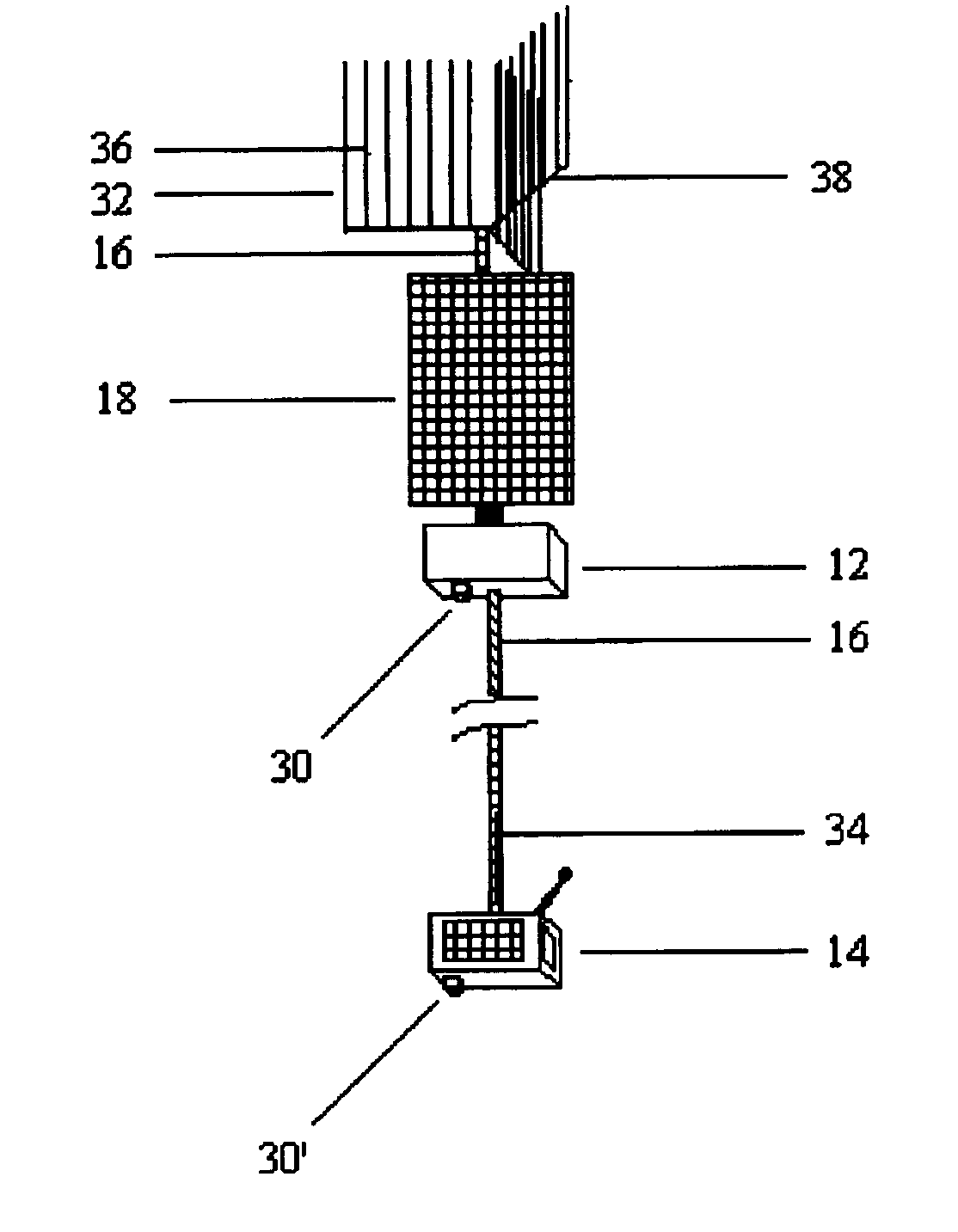
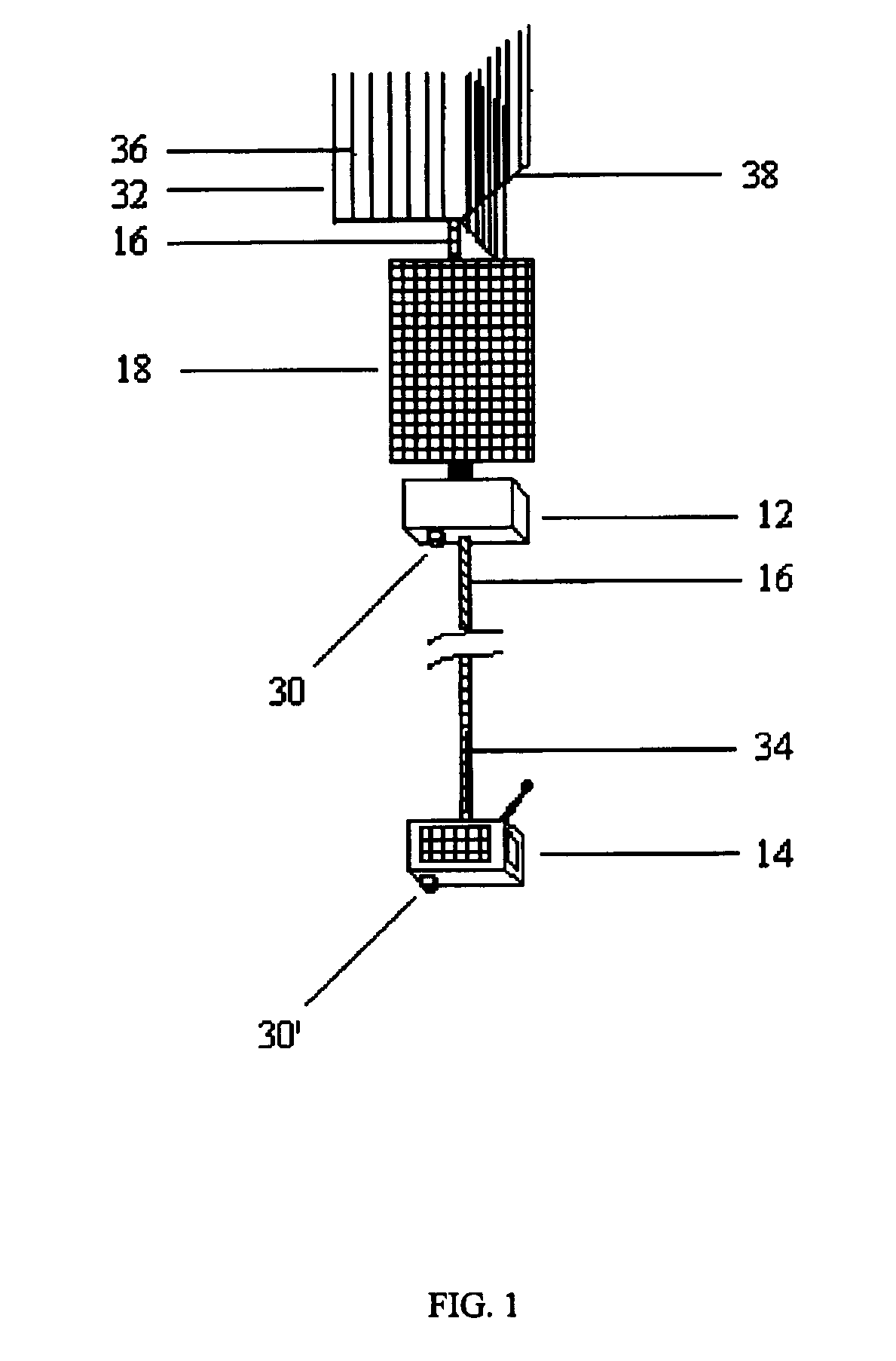
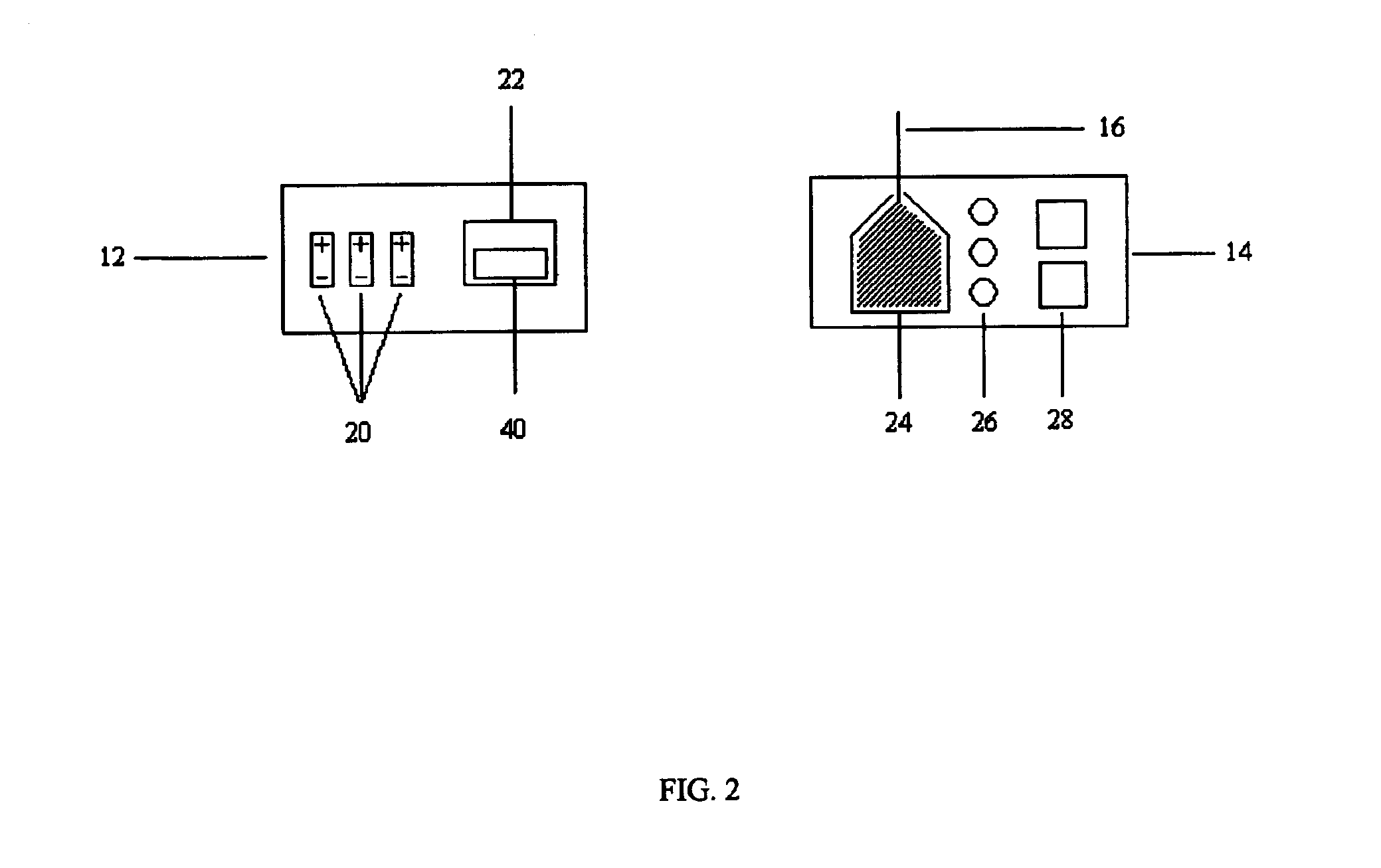
- An electro-dynamic tether system comprising a non-conducting polyethylene fiber section, a coated aluminum wire conducting section with atomic oxygen-resistant polymer, and an insulating section with polyimide coating, all wrapped around a KEVLAR aramid fiber core, providing stability, flexibility, and protection against oxidation and thermal issues.


Method and apparatus for propulsion and power generation using spinning electrodynamic tethers
PatentInactiveUS6942186B1
Innovation
- Spinning electrodynamic tether systems, where the tether spins at an angular rate at least two times higher than the orbital rate, allowing for better angular positioning with the magnetic field, enabling higher current flow without destabilization, and utilizing onboard power sources to reverse current direction for improved control and power generation.

Space Regulatory Framework for Tether Systems
The regulatory landscape for electrodynamic tether systems represents a complex intersection of international space law, national regulations, and emerging technological frameworks. Current space governance structures, primarily established through the Outer Space Treaty of 1967 and subsequent agreements, provide foundational principles but lack specific provisions for tether-based technologies. The International Telecommunication Union (ITU) regulations become particularly relevant for electrodynamic tethers due to their electromagnetic interactions with the ionosphere, potentially affecting radio frequency allocations and satellite communications.
National space agencies have begun developing preliminary guidelines for tether systems, with NASA's Orbital Debris Mitigation Standard Practices serving as a reference framework. The European Space Agency has incorporated tether considerations into their Space Debris Mitigation Compliance Verification Guidelines, emphasizing the dual nature of tethers as both potential debris sources and active debris removal tools. These regulations focus heavily on end-of-mission disposal requirements and collision avoidance protocols.
The Federal Aviation Administration's Office of Commercial Space Transportation has established licensing procedures that encompass tether deployment missions, requiring comprehensive risk assessments and debris mitigation plans. Similar regulatory approaches are emerging in other spacefaring nations, with Japan's space activities law and the UK's space industry regulations incorporating provisions for non-traditional space technologies including tether systems.
International coordination mechanisms are evolving through the Inter-Agency Space Debris Coordination Committee, which has established technical guidelines for tether system operations. These include requirements for predictable orbital decay timelines, electromagnetic compatibility assessments, and coordination with existing space traffic management systems. The committee emphasizes the need for standardized reporting protocols for tether deployment and operational status.
Emerging regulatory challenges include liability frameworks for tether-induced electromagnetic effects, insurance requirements for extended tether missions, and coordination protocols with constellation operators. The regulatory evolution continues to balance innovation encouragement with risk mitigation, establishing precedents that will shape future tether technology deployment strategies.
National space agencies have begun developing preliminary guidelines for tether systems, with NASA's Orbital Debris Mitigation Standard Practices serving as a reference framework. The European Space Agency has incorporated tether considerations into their Space Debris Mitigation Compliance Verification Guidelines, emphasizing the dual nature of tethers as both potential debris sources and active debris removal tools. These regulations focus heavily on end-of-mission disposal requirements and collision avoidance protocols.
The Federal Aviation Administration's Office of Commercial Space Transportation has established licensing procedures that encompass tether deployment missions, requiring comprehensive risk assessments and debris mitigation plans. Similar regulatory approaches are emerging in other spacefaring nations, with Japan's space activities law and the UK's space industry regulations incorporating provisions for non-traditional space technologies including tether systems.
International coordination mechanisms are evolving through the Inter-Agency Space Debris Coordination Committee, which has established technical guidelines for tether system operations. These include requirements for predictable orbital decay timelines, electromagnetic compatibility assessments, and coordination with existing space traffic management systems. The committee emphasizes the need for standardized reporting protocols for tether deployment and operational status.
Emerging regulatory challenges include liability frameworks for tether-induced electromagnetic effects, insurance requirements for extended tether missions, and coordination protocols with constellation operators. The regulatory evolution continues to balance innovation encouragement with risk mitigation, establishing precedents that will shape future tether technology deployment strategies.
Orbital Debris Mitigation Policy Impact
The regulatory landscape surrounding orbital debris mitigation has undergone significant transformation in recent years, directly influencing the development and deployment of electrodynamic tether technologies. International space agencies and national regulatory bodies have increasingly recognized the critical need for active debris removal systems, creating a favorable policy environment for innovative solutions like lightweight electrodynamic tethers.
The Inter-Agency Space Debris Coordination Committee (IADC) guidelines and the United Nations Office for Outer Space Affairs (UNOOSA) recommendations have established frameworks that encourage the development of cost-effective debris mitigation technologies. These policies specifically emphasize the importance of lightweight, deployable systems that can operate autonomously without generating additional debris. Such requirements align perfectly with the fundamental design principles of electrodynamic tether systems, positioning them as compliant solutions within the evolving regulatory framework.
National space agencies, including NASA, ESA, and JAXA, have implemented mandatory post-mission disposal requirements for satellites operating in low Earth orbit. These regulations stipulate that spacecraft must be deorbited within 25 years of mission completion, creating substantial market demand for affordable deorbiting solutions. The cost-efficiency focus of lightweight electrodynamic tether components directly addresses the economic constraints imposed by these compliance requirements, making them attractive alternatives to traditional propulsion-based deorbiting systems.
Recent policy developments have also introduced liability frameworks that hold satellite operators financially responsible for debris creation and collision risks. This regulatory shift has intensified industry focus on preventive measures and active debris removal capabilities. Electrodynamic tether systems, with their passive deorbiting mechanism and minimal failure modes, offer operators a reliable compliance pathway that reduces long-term liability exposure.
The emerging commercial space sector faces particularly stringent regulatory scrutiny, with licensing authorities requiring detailed debris mitigation plans before mission approval. Lightweight electrodynamic tether components provide a standardized, cost-effective solution that simplifies regulatory compliance processes while meeting international best practices for sustainable space operations.
The Inter-Agency Space Debris Coordination Committee (IADC) guidelines and the United Nations Office for Outer Space Affairs (UNOOSA) recommendations have established frameworks that encourage the development of cost-effective debris mitigation technologies. These policies specifically emphasize the importance of lightweight, deployable systems that can operate autonomously without generating additional debris. Such requirements align perfectly with the fundamental design principles of electrodynamic tether systems, positioning them as compliant solutions within the evolving regulatory framework.
National space agencies, including NASA, ESA, and JAXA, have implemented mandatory post-mission disposal requirements for satellites operating in low Earth orbit. These regulations stipulate that spacecraft must be deorbited within 25 years of mission completion, creating substantial market demand for affordable deorbiting solutions. The cost-efficiency focus of lightweight electrodynamic tether components directly addresses the economic constraints imposed by these compliance requirements, making them attractive alternatives to traditional propulsion-based deorbiting systems.
Recent policy developments have also introduced liability frameworks that hold satellite operators financially responsible for debris creation and collision risks. This regulatory shift has intensified industry focus on preventive measures and active debris removal capabilities. Electrodynamic tether systems, with their passive deorbiting mechanism and minimal failure modes, offer operators a reliable compliance pathway that reduces long-term liability exposure.
The emerging commercial space sector faces particularly stringent regulatory scrutiny, with licensing authorities requiring detailed debris mitigation plans before mission approval. Lightweight electrodynamic tether components provide a standardized, cost-effective solution that simplifies regulatory compliance processes while meeting international best practices for sustainable space operations.
Unlock deeper insights with Patsnap Eureka Quick Research — get a full tech report to explore trends and direct your research. Try now!
Generate Your Research Report Instantly with AI Agent
Supercharge your innovation with Patsnap Eureka AI Agent Platform!