

How to Improve Electrodynamic Tether Performance at High Altitudes
MAY 11, 20269 MIN READ
Generate Your Research Report Instantly with AI Agent
Patsnap Eureka helps you evaluate technical feasibility & market potential.
Electrodynamic Tether High Altitude Challenges and Goals
Electrodynamic tethers represent a revolutionary propulsion and power generation technology that harnesses the interaction between conductive cables and planetary magnetic fields. The fundamental concept emerged from theoretical physics in the 1960s, when scientists recognized that a conducting wire moving through a magnetic field could generate electrical current while simultaneously producing thrust. This principle, rooted in Faraday's law of electromagnetic induction, opened new possibilities for spacecraft propulsion without requiring traditional chemical propellants.
The evolution of electrodynamic tether technology has been driven by the increasing demand for sustainable space operations and cost-effective orbital maneuvering. Early theoretical work by Colombo, Grossi, and Sanmartin laid the groundwork for understanding how these systems could function in Earth's magnetosphere. The technology gained momentum as space agencies recognized its potential for debris removal, satellite orbit maintenance, and power generation for space missions.
Current development trends focus on addressing the unique challenges posed by high-altitude operations, where atmospheric density decreases significantly and magnetic field strength varies. The technology has evolved from simple bare wire concepts to sophisticated multi-functional systems capable of both propulsive and power generation modes. Recent advances emphasize the integration of plasma contactors, advanced materials science, and intelligent control systems to optimize performance across varying orbital conditions.
The primary technical objectives for high-altitude electrodynamic tether systems center on maximizing current collection efficiency while minimizing system mass and complexity. Key goals include developing tether materials that can withstand the harsh space environment, including atomic oxygen exposure, micrometeorite impacts, and thermal cycling. Enhanced current collection mechanisms are essential for maintaining adequate performance in the tenuous plasma environment characteristic of high altitudes.
Performance optimization targets include achieving stable tether deployment and maintaining proper orientation relative to the magnetic field vector. The development of advanced plasma contactors capable of efficient electron emission and collection in low-density environments represents a critical technological milestone. Additionally, the integration of smart materials and adaptive control systems aims to enable real-time performance optimization based on local environmental conditions.
Long-term strategic objectives encompass the development of scalable tether systems suitable for various mission profiles, from small satellite constellation management to large-scale debris removal operations. The ultimate goal involves creating reliable, autonomous systems that can operate effectively across the full range of orbital altitudes while providing predictable and controllable thrust and power generation capabilities.
The evolution of electrodynamic tether technology has been driven by the increasing demand for sustainable space operations and cost-effective orbital maneuvering. Early theoretical work by Colombo, Grossi, and Sanmartin laid the groundwork for understanding how these systems could function in Earth's magnetosphere. The technology gained momentum as space agencies recognized its potential for debris removal, satellite orbit maintenance, and power generation for space missions.
Current development trends focus on addressing the unique challenges posed by high-altitude operations, where atmospheric density decreases significantly and magnetic field strength varies. The technology has evolved from simple bare wire concepts to sophisticated multi-functional systems capable of both propulsive and power generation modes. Recent advances emphasize the integration of plasma contactors, advanced materials science, and intelligent control systems to optimize performance across varying orbital conditions.
The primary technical objectives for high-altitude electrodynamic tether systems center on maximizing current collection efficiency while minimizing system mass and complexity. Key goals include developing tether materials that can withstand the harsh space environment, including atomic oxygen exposure, micrometeorite impacts, and thermal cycling. Enhanced current collection mechanisms are essential for maintaining adequate performance in the tenuous plasma environment characteristic of high altitudes.
Performance optimization targets include achieving stable tether deployment and maintaining proper orientation relative to the magnetic field vector. The development of advanced plasma contactors capable of efficient electron emission and collection in low-density environments represents a critical technological milestone. Additionally, the integration of smart materials and adaptive control systems aims to enable real-time performance optimization based on local environmental conditions.
Long-term strategic objectives encompass the development of scalable tether systems suitable for various mission profiles, from small satellite constellation management to large-scale debris removal operations. The ultimate goal involves creating reliable, autonomous systems that can operate effectively across the full range of orbital altitudes while providing predictable and controllable thrust and power generation capabilities.
Market Demand for Advanced Space Propulsion Systems
The global space industry is experiencing unprecedented growth, driven by increasing demand for satellite deployment, space exploration missions, and commercial space activities. Traditional chemical propulsion systems, while reliable, face significant limitations in terms of fuel efficiency, operational costs, and mission duration. This has created substantial market demand for advanced space propulsion technologies that can offer superior performance characteristics, particularly for high-altitude and deep-space operations.
Electrodynamic tether systems represent a promising solution within the advanced propulsion market segment. These systems offer unique advantages including propellantless operation, extended mission capabilities, and reduced operational costs compared to conventional propulsion methods. The technology addresses critical market needs for orbital maneuvering, station-keeping, and deorbiting applications, particularly for small satellites and CubeSat constellations that require cost-effective propulsion solutions.
The commercial satellite industry drives significant demand for improved propulsion systems. Constellation operators require efficient propulsion for orbital maintenance and end-of-life disposal to comply with space debris mitigation regulations. Electrodynamic tethers present an attractive solution for these applications, offering continuous thrust generation without consumable propellants, thereby extending operational lifetimes and reducing mission costs.
Government space agencies and defense organizations constitute another major market segment demanding advanced propulsion capabilities. Military satellites require reliable, long-duration propulsion systems for strategic positioning and mission flexibility. Scientific missions benefit from electrodynamic tether technology's ability to provide precise orbital adjustments and extended operational periods without fuel limitations.
The emerging space tourism and commercial space transportation sectors are creating additional demand for innovative propulsion technologies. These markets require systems that can demonstrate high reliability, safety, and cost-effectiveness. Electrodynamic tethers offer potential advantages in these applications through their inherent simplicity and reduced mechanical complexity compared to traditional propulsion systems.
Market growth is further accelerated by increasing regulatory pressure for active debris removal and responsible space operations. Electrodynamic tethers provide an environmentally sustainable propulsion solution that aligns with international space sustainability initiatives, creating additional market opportunities for organizations developing these technologies.
Electrodynamic tether systems represent a promising solution within the advanced propulsion market segment. These systems offer unique advantages including propellantless operation, extended mission capabilities, and reduced operational costs compared to conventional propulsion methods. The technology addresses critical market needs for orbital maneuvering, station-keeping, and deorbiting applications, particularly for small satellites and CubeSat constellations that require cost-effective propulsion solutions.
The commercial satellite industry drives significant demand for improved propulsion systems. Constellation operators require efficient propulsion for orbital maintenance and end-of-life disposal to comply with space debris mitigation regulations. Electrodynamic tethers present an attractive solution for these applications, offering continuous thrust generation without consumable propellants, thereby extending operational lifetimes and reducing mission costs.
Government space agencies and defense organizations constitute another major market segment demanding advanced propulsion capabilities. Military satellites require reliable, long-duration propulsion systems for strategic positioning and mission flexibility. Scientific missions benefit from electrodynamic tether technology's ability to provide precise orbital adjustments and extended operational periods without fuel limitations.
The emerging space tourism and commercial space transportation sectors are creating additional demand for innovative propulsion technologies. These markets require systems that can demonstrate high reliability, safety, and cost-effectiveness. Electrodynamic tethers offer potential advantages in these applications through their inherent simplicity and reduced mechanical complexity compared to traditional propulsion systems.
Market growth is further accelerated by increasing regulatory pressure for active debris removal and responsible space operations. Electrodynamic tethers provide an environmentally sustainable propulsion solution that aligns with international space sustainability initiatives, creating additional market opportunities for organizations developing these technologies.
Current State and Limitations of EDT at High Altitudes
Electrodynamic tethers (EDTs) represent a promising propellantless propulsion technology that harnesses the interaction between a conductive tether and Earth's magnetic field to generate thrust. Current EDT systems demonstrate functional capabilities in low Earth orbit environments, where plasma density remains sufficient to support electrical current collection and magnetic field interactions are relatively strong.
The fundamental operational principle relies on the orbital motion of the tether through Earth's magnetic field, which induces an electromotive force across the tether length. This voltage drives current flow through the surrounding plasma, creating a Lorentz force that can provide orbital maneuvering capabilities. Existing EDT implementations have successfully validated this concept through several space missions, including the Tethered Satellite System and ProSEDS programs.
However, significant performance degradation occurs as orbital altitude increases beyond 800-1000 kilometers. The primary limitation stems from exponentially decreasing atmospheric plasma density with altitude, which severely restricts the tether's ability to collect sufficient electrical current. At altitudes above 2000 kilometers, plasma density drops to levels that render conventional EDT designs largely ineffective for meaningful thrust generation.
Magnetic field strength presents another critical constraint at higher altitudes. Earth's magnetic field intensity follows an inverse cube relationship with distance, resulting in substantially weaker magnetic interactions at geostationary and higher orbits. This reduction directly impacts the Lorentz force magnitude achievable for given current levels, further diminishing EDT performance capabilities.
Current tether materials and configurations also impose operational limitations. Traditional bare tether designs optimized for low-altitude operations lack the surface area and collection efficiency required for sparse plasma environments. The tether length requirements for maintaining adequate voltage generation at high altitudes often exceed practical deployment and structural integrity constraints of existing spacecraft systems.
Thermal management challenges become increasingly pronounced at higher altitudes due to reduced atmospheric cooling effects and increased solar radiation exposure. These conditions can lead to tether degradation and reduced electrical conductivity over extended operational periods. Additionally, space debris risks and micrometeorite impacts pose greater threats to longer tether systems required for high-altitude operations.
Power system integration represents another significant limitation, as current spacecraft electrical systems are not optimized to handle the variable power generation and consumption profiles characteristic of EDT operations in low-density plasma environments.
The fundamental operational principle relies on the orbital motion of the tether through Earth's magnetic field, which induces an electromotive force across the tether length. This voltage drives current flow through the surrounding plasma, creating a Lorentz force that can provide orbital maneuvering capabilities. Existing EDT implementations have successfully validated this concept through several space missions, including the Tethered Satellite System and ProSEDS programs.
However, significant performance degradation occurs as orbital altitude increases beyond 800-1000 kilometers. The primary limitation stems from exponentially decreasing atmospheric plasma density with altitude, which severely restricts the tether's ability to collect sufficient electrical current. At altitudes above 2000 kilometers, plasma density drops to levels that render conventional EDT designs largely ineffective for meaningful thrust generation.
Magnetic field strength presents another critical constraint at higher altitudes. Earth's magnetic field intensity follows an inverse cube relationship with distance, resulting in substantially weaker magnetic interactions at geostationary and higher orbits. This reduction directly impacts the Lorentz force magnitude achievable for given current levels, further diminishing EDT performance capabilities.
Current tether materials and configurations also impose operational limitations. Traditional bare tether designs optimized for low-altitude operations lack the surface area and collection efficiency required for sparse plasma environments. The tether length requirements for maintaining adequate voltage generation at high altitudes often exceed practical deployment and structural integrity constraints of existing spacecraft systems.
Thermal management challenges become increasingly pronounced at higher altitudes due to reduced atmospheric cooling effects and increased solar radiation exposure. These conditions can lead to tether degradation and reduced electrical conductivity over extended operational periods. Additionally, space debris risks and micrometeorite impacts pose greater threats to longer tether systems required for high-altitude operations.
Power system integration represents another significant limitation, as current spacecraft electrical systems are not optimized to handle the variable power generation and consumption profiles characteristic of EDT operations in low-density plasma environments.
Existing Solutions for High Altitude EDT Performance
01 Tether deployment and control mechanisms
Systems and methods for deploying and controlling electrodynamic tethers in space applications. These mechanisms ensure proper tether extension, tension control, and positioning to optimize electromagnetic interactions with the space environment. The deployment systems include motorized reels, spring-loaded mechanisms, and active control systems that maintain tether stability during operation.- Electrodynamic tether system design and configuration: Various system designs and configurations for electrodynamic tethers focus on optimizing the overall architecture, including tether deployment mechanisms, satellite configurations, and system integration approaches. These designs consider factors such as tether length, material properties, and deployment strategies to maximize performance and reliability in space environments.
- Tether material properties and construction methods: The development of advanced materials and construction techniques for electrodynamic tethers addresses critical performance factors including conductivity, mechanical strength, and durability in harsh space conditions. These innovations focus on creating tethers that can withstand the stresses of deployment and operation while maintaining optimal electrical characteristics.
- Power generation and energy harvesting systems: Technologies for converting the motion of electrodynamic tethers through magnetic fields into usable electrical power represent a key application area. These systems focus on maximizing energy conversion efficiency, managing power output variations, and integrating with spacecraft power systems to provide sustainable energy sources for space missions.
- Orbital mechanics and attitude control applications: Electrodynamic tethers can be utilized for spacecraft propulsion, orbital maneuvering, and attitude control by leveraging electromagnetic forces. These applications involve precise control of tether current and orientation to generate desired forces and torques, enabling fuel-free orbital adjustments and station-keeping capabilities.
- Control systems and performance optimization: Advanced control algorithms and optimization techniques are employed to enhance electrodynamic tether performance across various operational scenarios. These systems manage tether deployment, current regulation, and dynamic response to environmental conditions, ensuring stable operation and maximizing mission effectiveness through real-time performance monitoring and adjustment.
02 Tether material composition and construction
Advanced materials and construction techniques for electrodynamic tethers to enhance conductivity, durability, and performance in harsh space environments. The tether materials are designed to withstand radiation, thermal cycling, and mechanical stress while maintaining optimal electrical properties. Construction methods include multi-strand configurations, protective coatings, and specialized conductor arrangements.Expand Specific Solutions03 Power generation and energy harvesting systems
Technologies for converting the motion of electrodynamic tethers through magnetic fields into usable electrical power. These systems utilize the electromagnetic induction principles to generate electricity for spacecraft operations or energy storage. The power generation systems include rectification circuits, power conditioning units, and energy management systems to optimize power output.Expand Specific Solutions04 Orbital mechanics and attitude control applications
Methods for using electrodynamic tethers to modify spacecraft orbits, provide attitude control, and perform orbital maneuvers without traditional propulsion systems. These applications leverage the interaction between the tether current and Earth's magnetic field to generate forces and torques for spacecraft control. The systems enable orbit raising, lowering, and station-keeping operations.Expand Specific Solutions05 Performance monitoring and optimization systems
Advanced monitoring and control systems for measuring and optimizing electrodynamic tether performance parameters. These systems track tether current, voltage, position, and environmental conditions to maximize efficiency and prevent failures. The monitoring systems include sensors, data acquisition units, and automated control algorithms that adjust tether operations based on real-time performance metrics.Expand Specific Solutions
Key Players in Space Tether and Propulsion Industry
The electrodynamic tether technology for high-altitude performance improvement represents an emerging sector within the broader space technology and power systems industry. The market is currently in its nascent stage, characterized by limited commercial deployment but growing research interest driven by satellite deorbiting regulations and space debris mitigation requirements. The technology maturity varies significantly across different applications, with basic tether concepts proven but high-altitude optimization remaining largely experimental. Key players span diverse sectors, including telecommunications giants like Huawei Technologies, Samsung Electronics, and Qualcomm driving materials innovation, power grid operators such as State Grid Corp. of China and Guangdong Power Grid Corporation contributing electrical systems expertise, and aerospace entities like China Academy of Aerospace Electronics Technology and Beihang University advancing space applications. Research institutions including China University of Mining & Technology and University of Electronic Science & Technology of China are developing fundamental technologies, while specialized manufacturers like Shandong Rope Technology and Zhejiang Four Brothers Rope focus on advanced tether materials and construction techniques essential for high-altitude performance enhancement.
Huawei Technologies Co., Ltd.
Technical Solution: Huawei has developed advanced satellite communication technologies and high-altitude platform systems that incorporate electrodynamic tether principles for power generation and orbital maintenance. Their approach focuses on optimizing tether conductivity through advanced materials engineering, including carbon nanotube-enhanced conductors that maintain performance in low-density plasma environments. The company has integrated smart control systems that dynamically adjust tether deployment and current collection based on real-time atmospheric conditions and magnetic field variations at altitudes above 100km.
Strengths: Advanced materials expertise and integrated system approach. Weaknesses: Limited space heritage compared to dedicated aerospace companies.
State Grid Corp. of China
Technical Solution: State Grid has applied electrodynamic principles in high-voltage transmission systems and has research programs exploring tether-based power collection for high-altitude platforms. Their approach leverages extensive experience in electrical grid management and power transmission optimization. The company has developed specialized conductor materials and current regulation systems that could be adapted for electrodynamic tether applications, particularly focusing on efficient power conversion and grid integration of tether-generated electricity in stratospheric applications.
Strengths: Extensive power systems expertise and grid integration capabilities. Weaknesses: Limited direct experience with space-based electrodynamic systems.
Core Innovations in High Altitude Tether Design
Electrodynamic tether control
PatentInactiveUS6419191B1
Innovation
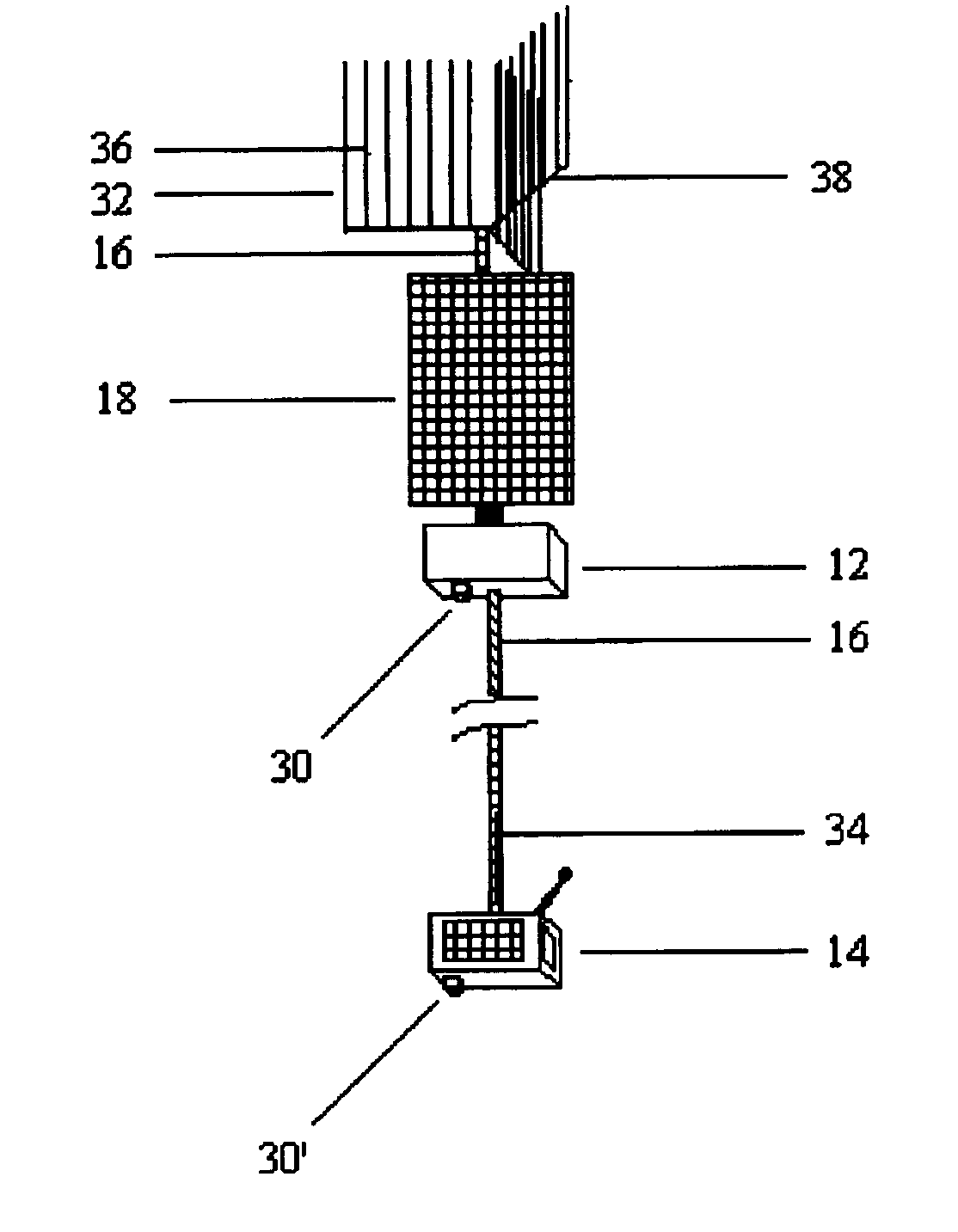
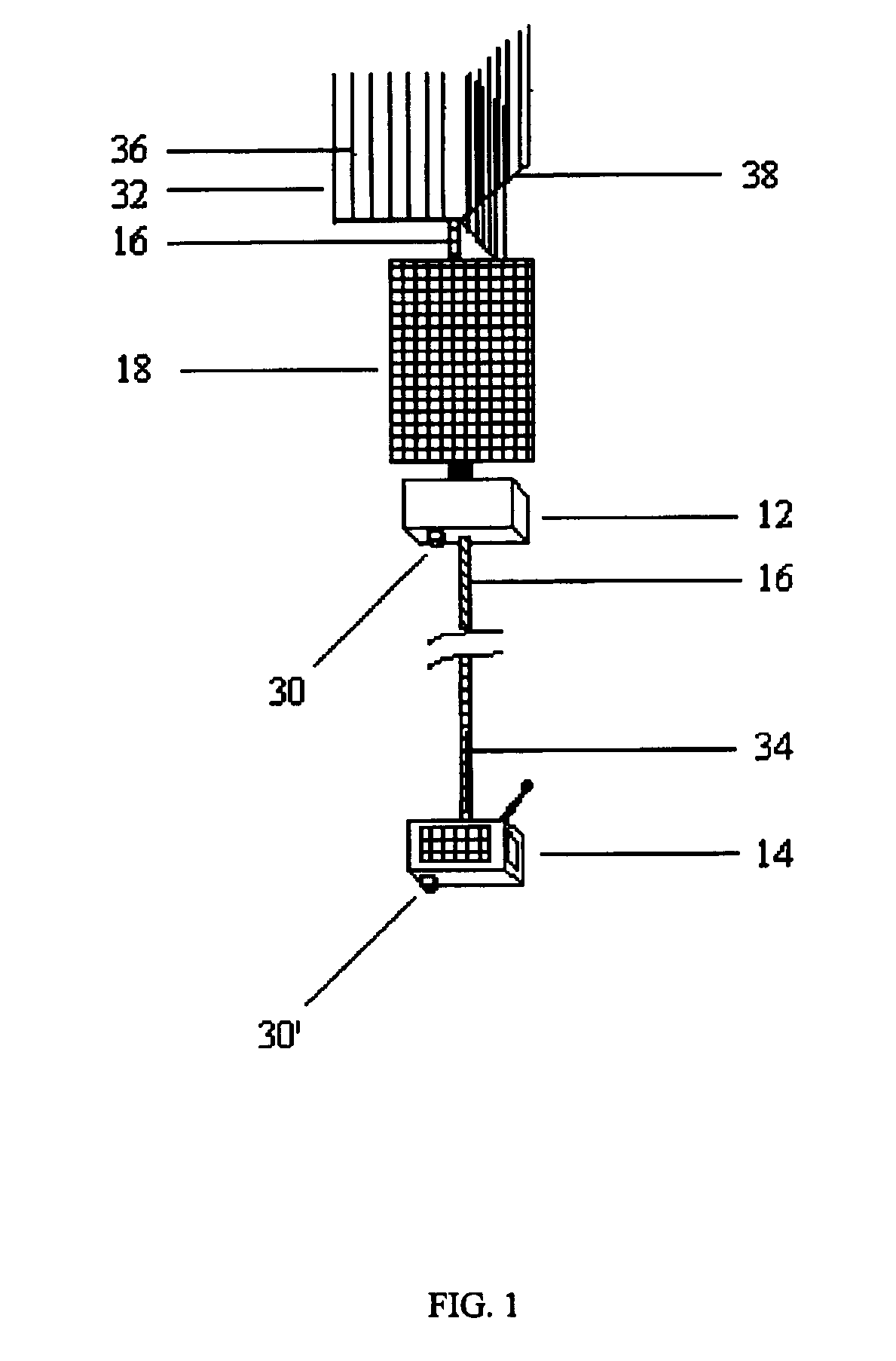
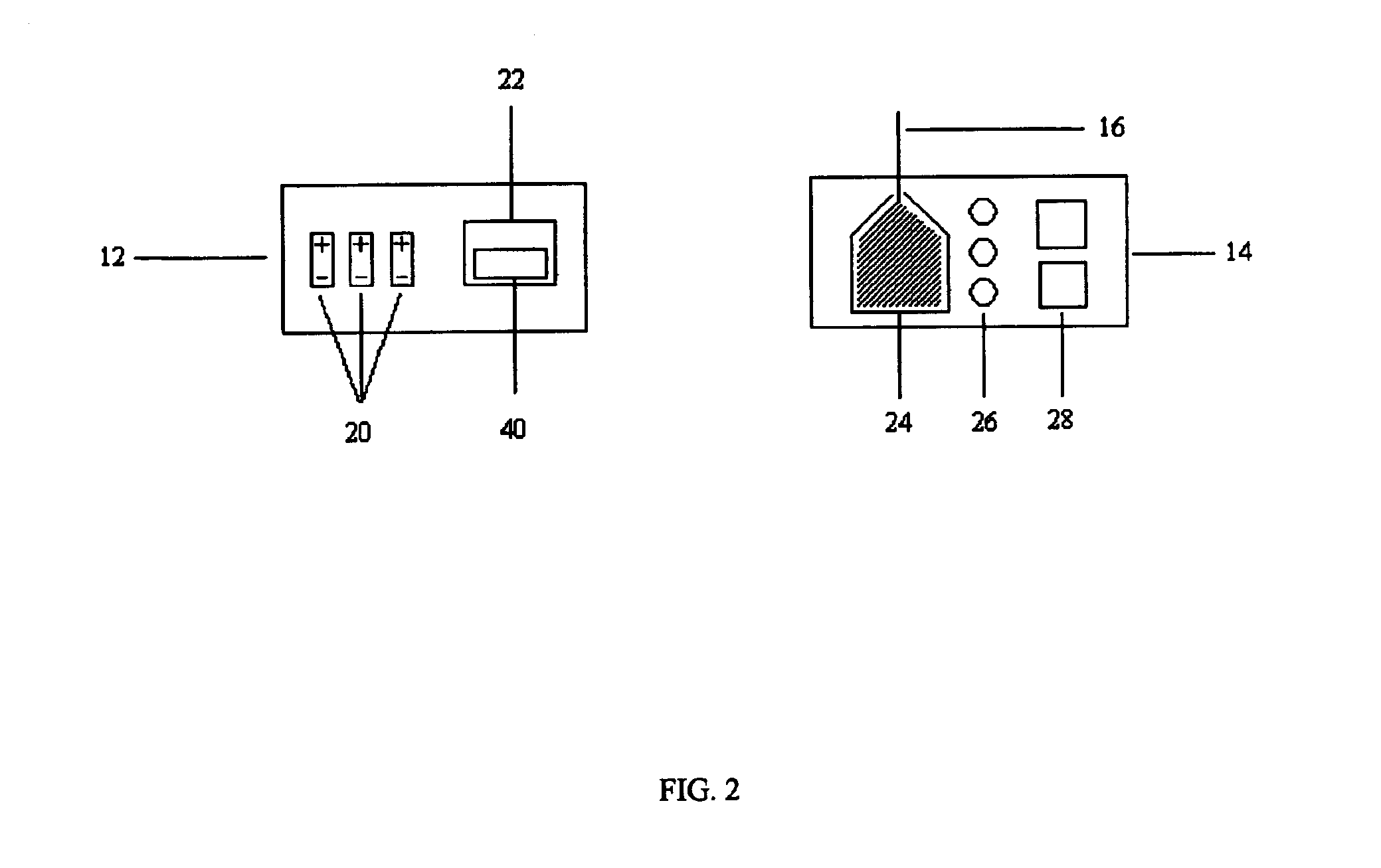
- A short, wide conductive Hoytether with a 35.26-degree trailing angle to the local vertical, combined with feedback control to manage current flow and stabilize the tether, allowing for maximum electrodynamic drag while minimizing the Area-Time-Product and using the tether structure as a thermal radiator and plasma contactor.


Method and apparatus for propulsion and power generation using spinning electrodynamic tethers
PatentInactiveUS6942186B1
Innovation
- Spinning electrodynamic tether systems, where the tether spins at an angular rate at least two times higher than the orbital rate, allowing for better angular positioning with the magnetic field, enabling higher current flow without destabilization, and utilizing onboard power sources to reverse current direction for improved control and power generation.

Space Debris Mitigation Using EDT Systems
Space debris has emerged as one of the most pressing challenges facing the space industry, with over 34,000 tracked objects larger than 10 cm currently orbiting Earth. Electrodynamic tether (EDT) systems represent a promising solution for active debris removal, offering a propellantless method to deorbit defunct satellites and space junk through electromagnetic interactions with Earth's magnetic field and ionosphere.
EDT-based debris mitigation operates on the principle of electromagnetic drag generation. When a conductive tether is deployed from a target debris object, it cuts through Earth's magnetic field lines, inducing an electromotive force that drives current through the tether-plasma circuit. This current interaction with the geomagnetic field produces a Lorentz force opposing the orbital motion, effectively reducing orbital velocity and accelerating atmospheric reentry.
The technology offers significant advantages over conventional propulsion-based deorbiting methods. EDT systems eliminate the need for fuel, reducing mission mass and complexity while providing continuous thrust over extended periods. This makes them particularly suitable for large debris objects requiring substantial velocity changes for effective deorbiting. Additionally, the scalable nature of tether systems allows customization based on target mass and orbital characteristics.
Current EDT debris mitigation concepts include both active and passive deployment strategies. Active systems involve dedicated spacecraft that rendezvous with debris objects and attach tether systems, while passive approaches integrate EDT capabilities into satellites during their operational design phase. The European Space Agency's e.Deorbit mission and Japan's EDT demonstration experiments have validated the fundamental feasibility of these approaches.
However, implementation challenges remain significant at high altitudes where debris concentration is highest. Reduced atmospheric density and weakened magnetic field strength at altitudes above 800 km substantially diminish EDT effectiveness. Plasma density variations and space weather effects further complicate system performance prediction and control.
Recent developments focus on hybrid EDT configurations combining bare and insulated tether segments to optimize current collection efficiency. Advanced materials research emphasizes high-conductivity, lightweight tethers capable of withstanding the harsh space environment and potential micrometeorite impacts during extended deployment periods.
The economic implications of EDT-based debris mitigation are substantial, with cost-per-debris-object estimates significantly lower than alternative removal methods. As orbital debris continues proliferating, EDT systems represent a critical technology for ensuring sustainable space operations and protecting valuable space assets from collision risks.
EDT-based debris mitigation operates on the principle of electromagnetic drag generation. When a conductive tether is deployed from a target debris object, it cuts through Earth's magnetic field lines, inducing an electromotive force that drives current through the tether-plasma circuit. This current interaction with the geomagnetic field produces a Lorentz force opposing the orbital motion, effectively reducing orbital velocity and accelerating atmospheric reentry.
The technology offers significant advantages over conventional propulsion-based deorbiting methods. EDT systems eliminate the need for fuel, reducing mission mass and complexity while providing continuous thrust over extended periods. This makes them particularly suitable for large debris objects requiring substantial velocity changes for effective deorbiting. Additionally, the scalable nature of tether systems allows customization based on target mass and orbital characteristics.
Current EDT debris mitigation concepts include both active and passive deployment strategies. Active systems involve dedicated spacecraft that rendezvous with debris objects and attach tether systems, while passive approaches integrate EDT capabilities into satellites during their operational design phase. The European Space Agency's e.Deorbit mission and Japan's EDT demonstration experiments have validated the fundamental feasibility of these approaches.
However, implementation challenges remain significant at high altitudes where debris concentration is highest. Reduced atmospheric density and weakened magnetic field strength at altitudes above 800 km substantially diminish EDT effectiveness. Plasma density variations and space weather effects further complicate system performance prediction and control.
Recent developments focus on hybrid EDT configurations combining bare and insulated tether segments to optimize current collection efficiency. Advanced materials research emphasizes high-conductivity, lightweight tethers capable of withstanding the harsh space environment and potential micrometeorite impacts during extended deployment periods.
The economic implications of EDT-based debris mitigation are substantial, with cost-per-debris-object estimates significantly lower than alternative removal methods. As orbital debris continues proliferating, EDT systems represent a critical technology for ensuring sustainable space operations and protecting valuable space assets from collision risks.
International Space Law and EDT Deployment Regulations
The deployment and operation of electrodynamic tethers (EDTs) in space environments are governed by a complex framework of international space law and regulatory mechanisms. The Outer Space Treaty of 1967 serves as the foundational legal instrument, establishing that space activities must be conducted for peaceful purposes and in accordance with international law. Under this treaty, nations bear international responsibility for their space activities, including EDT deployments, regardless of whether they are conducted by governmental or non-governmental entities.
The International Telecommunication Union (ITU) plays a crucial role in EDT regulation, particularly concerning electromagnetic interference and radio frequency coordination. EDT systems generate electromagnetic fields that can potentially interfere with satellite communications and navigation systems. Operators must obtain appropriate frequency allocations and coordinate with existing space services to ensure compliance with ITU Radio Regulations. This requirement becomes particularly stringent for high-altitude EDT operations where electromagnetic effects can propagate over larger areas.
Registration obligations under the Registration Convention require EDT deploying states to provide detailed information about their space objects to the United Nations Office for Outer Space Affairs. This includes orbital parameters, mission objectives, and operational characteristics. For EDT systems, additional technical specifications regarding tether length, conductive properties, and electromagnetic emission profiles may be required to ensure proper space traffic management and collision avoidance.
Liability considerations under the Liability Convention establish that launching states are absolutely liable for damage caused by their space objects on Earth's surface and liable for damage in space based on fault. EDT systems present unique liability challenges due to their extended physical dimensions and potential for creating space debris if tether deployment fails. Insurance requirements and risk assessment protocols have evolved to address these specific concerns.
The growing concern over space debris has led to the development of specific guidelines for EDT operations. The Inter-Agency Space Debris Coordination Committee (IADC) and the Committee on the Peaceful Uses of Outer Space (COPUOS) have established recommendations for EDT design and operation to minimize debris generation. These include requirements for controlled deorbit capabilities, tether material selection to reduce fragmentation risks, and operational procedures to prevent tether entanglement with other space objects.
National licensing frameworks vary significantly among spacefaring nations, with some countries implementing specific EDT regulations while others rely on general space activity licensing. The United States Federal Communications Commission and the Federal Aviation Administration have developed preliminary guidelines for EDT operations, focusing on electromagnetic compatibility and launch safety requirements.
The International Telecommunication Union (ITU) plays a crucial role in EDT regulation, particularly concerning electromagnetic interference and radio frequency coordination. EDT systems generate electromagnetic fields that can potentially interfere with satellite communications and navigation systems. Operators must obtain appropriate frequency allocations and coordinate with existing space services to ensure compliance with ITU Radio Regulations. This requirement becomes particularly stringent for high-altitude EDT operations where electromagnetic effects can propagate over larger areas.
Registration obligations under the Registration Convention require EDT deploying states to provide detailed information about their space objects to the United Nations Office for Outer Space Affairs. This includes orbital parameters, mission objectives, and operational characteristics. For EDT systems, additional technical specifications regarding tether length, conductive properties, and electromagnetic emission profiles may be required to ensure proper space traffic management and collision avoidance.
Liability considerations under the Liability Convention establish that launching states are absolutely liable for damage caused by their space objects on Earth's surface and liable for damage in space based on fault. EDT systems present unique liability challenges due to their extended physical dimensions and potential for creating space debris if tether deployment fails. Insurance requirements and risk assessment protocols have evolved to address these specific concerns.
The growing concern over space debris has led to the development of specific guidelines for EDT operations. The Inter-Agency Space Debris Coordination Committee (IADC) and the Committee on the Peaceful Uses of Outer Space (COPUOS) have established recommendations for EDT design and operation to minimize debris generation. These include requirements for controlled deorbit capabilities, tether material selection to reduce fragmentation risks, and operational procedures to prevent tether entanglement with other space objects.
National licensing frameworks vary significantly among spacefaring nations, with some countries implementing specific EDT regulations while others rely on general space activity licensing. The United States Federal Communications Commission and the Federal Aviation Administration have developed preliminary guidelines for EDT operations, focusing on electromagnetic compatibility and launch safety requirements.
Unlock deeper insights with Patsnap Eureka Quick Research — get a full tech report to explore trends and direct your research. Try now!
Generate Your Research Report Instantly with AI Agent
Supercharge your innovation with Patsnap Eureka AI Agent Platform!