

Energy Recycling Systems for Electrodynamic Tether-Based Experiments
MAY 11, 20269 MIN READ
Generate Your Research Report Instantly with AI Agent
Patsnap Eureka helps you evaluate technical feasibility & market potential.
Electrodynamic Tether Energy Recycling Background and Objectives
Electrodynamic tethers represent a revolutionary approach to space propulsion and power generation that has evolved significantly since their theoretical conception in the 1960s. The fundamental principle involves deploying a conductive cable in space that interacts with planetary magnetic fields to generate electromagnetic forces and electrical current. Early theoretical work by Mario Grossi and Giuseppe Colombo laid the groundwork for understanding how these systems could harvest orbital energy or provide propellantless propulsion.
The technology gained substantial momentum during the 1990s with NASA's Tethered Satellite System missions, despite encountering operational challenges that highlighted the complexity of tether deployment and control in space environments. These pioneering experiments demonstrated both the potential and the technical hurdles associated with electrodynamic tether systems, particularly in managing the substantial electrical currents and voltages generated during operation.
Contemporary research has shifted focus toward developing comprehensive energy recycling systems that can efficiently capture, store, and redistribute the electrical energy generated by electrodynamic tether interactions. This evolution reflects growing recognition that effective energy management is crucial for maximizing the operational benefits of tether-based systems while ensuring spacecraft safety and mission success.
The primary objective of modern electrodynamic tether energy recycling systems centers on achieving optimal energy conversion efficiency while maintaining system stability and reliability. Current research aims to develop integrated power management architectures that can handle the variable and potentially high-voltage outputs characteristic of tether operations. These systems must accommodate the dynamic nature of tether-generated power, which fluctuates based on orbital position, magnetic field strength, and tether orientation.
Advanced energy recycling objectives include implementing intelligent power conditioning systems capable of real-time voltage regulation, current limiting, and load balancing. Researchers are pursuing development of hybrid energy storage solutions that combine supercapacitors for rapid charge-discharge cycles with advanced battery technologies for sustained power delivery during periods of reduced tether activity.
Future technological goals encompass creating autonomous energy management systems that can optimize power distribution across multiple spacecraft subsystems while maintaining adequate reserves for critical operations. The ultimate objective involves establishing reliable, long-duration tether operations that can support extended space missions through continuous energy harvesting and efficient power recycling, potentially revolutionizing spacecraft power systems and enabling new classes of space exploration missions.
The technology gained substantial momentum during the 1990s with NASA's Tethered Satellite System missions, despite encountering operational challenges that highlighted the complexity of tether deployment and control in space environments. These pioneering experiments demonstrated both the potential and the technical hurdles associated with electrodynamic tether systems, particularly in managing the substantial electrical currents and voltages generated during operation.
Contemporary research has shifted focus toward developing comprehensive energy recycling systems that can efficiently capture, store, and redistribute the electrical energy generated by electrodynamic tether interactions. This evolution reflects growing recognition that effective energy management is crucial for maximizing the operational benefits of tether-based systems while ensuring spacecraft safety and mission success.
The primary objective of modern electrodynamic tether energy recycling systems centers on achieving optimal energy conversion efficiency while maintaining system stability and reliability. Current research aims to develop integrated power management architectures that can handle the variable and potentially high-voltage outputs characteristic of tether operations. These systems must accommodate the dynamic nature of tether-generated power, which fluctuates based on orbital position, magnetic field strength, and tether orientation.
Advanced energy recycling objectives include implementing intelligent power conditioning systems capable of real-time voltage regulation, current limiting, and load balancing. Researchers are pursuing development of hybrid energy storage solutions that combine supercapacitors for rapid charge-discharge cycles with advanced battery technologies for sustained power delivery during periods of reduced tether activity.
Future technological goals encompass creating autonomous energy management systems that can optimize power distribution across multiple spacecraft subsystems while maintaining adequate reserves for critical operations. The ultimate objective involves establishing reliable, long-duration tether operations that can support extended space missions through continuous energy harvesting and efficient power recycling, potentially revolutionizing spacecraft power systems and enabling new classes of space exploration missions.
Market Demand for Space Energy Harvesting Systems
The space energy harvesting systems market is experiencing unprecedented growth driven by the exponential increase in satellite deployments and space missions. The proliferation of small satellites, CubeSats, and mega-constellations has created substantial demand for sustainable power solutions that can operate reliably in the harsh space environment. Traditional solar panel systems, while effective, face limitations in terms of weight, deployment complexity, and efficiency degradation over time, creating opportunities for innovative energy harvesting technologies.
Electrodynamic tether-based energy systems represent a particularly promising segment within this expanding market. These systems offer unique advantages for orbital debris mitigation, satellite deorbiting, and power generation simultaneously. The dual functionality addresses two critical space industry challenges: sustainable power generation and space debris management. Government space agencies and commercial satellite operators are increasingly recognizing the value proposition of technologies that can serve multiple purposes while reducing overall mission costs.
The commercial satellite industry's rapid expansion has intensified the need for cost-effective energy solutions. Launch costs continue to decrease, making space more accessible to smaller companies and research institutions. This democratization of space access has broadened the potential customer base for energy recycling systems beyond traditional aerospace giants to include universities, startups, and emerging space nations seeking efficient power management solutions for their missions.
Regulatory pressures regarding space debris mitigation are creating additional market drivers. International space agencies are implementing stricter guidelines for end-of-life satellite disposal, making technologies that combine energy harvesting with deorbiting capabilities increasingly attractive. The ability to harvest energy while facilitating controlled reentry positions electrodynamic tether systems as compliance-enabling technologies rather than merely power generation solutions.
The growing emphasis on sustainable space operations is reshaping procurement priorities across the industry. Mission planners are increasingly evaluating technologies based on their environmental impact and long-term sustainability rather than solely on initial costs. This shift in evaluation criteria favors innovative energy recycling approaches that demonstrate clear environmental benefits alongside technical performance advantages.
Research institutions and space agencies are allocating increased funding toward experimental validation of advanced energy harvesting concepts. The scientific community's interest in demonstrating the viability of electrodynamic tether systems in real space environments is creating a robust market for experimental platforms and testing opportunities, establishing a foundation for future commercial applications.
Electrodynamic tether-based energy systems represent a particularly promising segment within this expanding market. These systems offer unique advantages for orbital debris mitigation, satellite deorbiting, and power generation simultaneously. The dual functionality addresses two critical space industry challenges: sustainable power generation and space debris management. Government space agencies and commercial satellite operators are increasingly recognizing the value proposition of technologies that can serve multiple purposes while reducing overall mission costs.
The commercial satellite industry's rapid expansion has intensified the need for cost-effective energy solutions. Launch costs continue to decrease, making space more accessible to smaller companies and research institutions. This democratization of space access has broadened the potential customer base for energy recycling systems beyond traditional aerospace giants to include universities, startups, and emerging space nations seeking efficient power management solutions for their missions.
Regulatory pressures regarding space debris mitigation are creating additional market drivers. International space agencies are implementing stricter guidelines for end-of-life satellite disposal, making technologies that combine energy harvesting with deorbiting capabilities increasingly attractive. The ability to harvest energy while facilitating controlled reentry positions electrodynamic tether systems as compliance-enabling technologies rather than merely power generation solutions.
The growing emphasis on sustainable space operations is reshaping procurement priorities across the industry. Mission planners are increasingly evaluating technologies based on their environmental impact and long-term sustainability rather than solely on initial costs. This shift in evaluation criteria favors innovative energy recycling approaches that demonstrate clear environmental benefits alongside technical performance advantages.
Research institutions and space agencies are allocating increased funding toward experimental validation of advanced energy harvesting concepts. The scientific community's interest in demonstrating the viability of electrodynamic tether systems in real space environments is creating a robust market for experimental platforms and testing opportunities, establishing a foundation for future commercial applications.
Current State and Challenges of EDT Energy Recycling
Electrodynamic tether (EDT) technology has reached a critical juncture where energy recycling systems represent both the greatest opportunity and the most significant technical challenge. Current EDT implementations demonstrate promising capabilities in orbital mechanics and power generation, yet energy recycling efficiency remains substantially below theoretical potential. Most existing systems achieve energy recovery rates of only 15-25%, far from the 60-80% efficiency targets required for practical space applications.
The primary technical challenge lies in the complex interaction between plasma dynamics and electromagnetic field management. Current EDT systems struggle with inconsistent plasma contact, particularly during orbital variations where ionospheric density fluctuates dramatically. This variability creates unpredictable energy harvesting conditions, making it difficult to design reliable recycling circuits that can adapt to changing electromagnetic environments.
Power conditioning and storage systems present another significant bottleneck. Existing energy recycling architectures rely on conventional power electronics that were not specifically designed for the unique voltage and current profiles generated by EDT systems. The irregular power output, characterized by high-voltage spikes and variable frequency components, overwhelms traditional energy storage solutions and leads to substantial conversion losses.
Thermal management emerges as a critical constraint in current EDT energy recycling implementations. The heat generated during energy conversion processes cannot be efficiently dissipated in the vacuum environment, leading to component degradation and reduced system longevity. Current thermal control systems add significant mass and complexity, undermining the fundamental advantage of EDT technology.
Material degradation represents a persistent challenge that directly impacts energy recycling performance. The harsh space environment, combined with high-current electrical operations, causes gradual deterioration of tether materials and electrical contacts. This degradation progressively reduces energy transfer efficiency and creates maintenance requirements that are impractical for long-duration missions.
Control system integration poses additional complexity, as current EDT energy recycling systems lack sophisticated feedback mechanisms to optimize energy capture in real-time. The absence of adaptive control algorithms means that systems cannot automatically adjust to changing orbital conditions or compensate for component aging, resulting in suboptimal energy recovery throughout mission lifecycles.
Despite these challenges, recent developments in plasma physics modeling and advanced materials science are creating new pathways for breakthrough solutions. The convergence of improved computational capabilities and novel superconducting materials suggests that next-generation EDT energy recycling systems may overcome current limitations through fundamentally different approaches to electromagnetic energy management.
The primary technical challenge lies in the complex interaction between plasma dynamics and electromagnetic field management. Current EDT systems struggle with inconsistent plasma contact, particularly during orbital variations where ionospheric density fluctuates dramatically. This variability creates unpredictable energy harvesting conditions, making it difficult to design reliable recycling circuits that can adapt to changing electromagnetic environments.
Power conditioning and storage systems present another significant bottleneck. Existing energy recycling architectures rely on conventional power electronics that were not specifically designed for the unique voltage and current profiles generated by EDT systems. The irregular power output, characterized by high-voltage spikes and variable frequency components, overwhelms traditional energy storage solutions and leads to substantial conversion losses.
Thermal management emerges as a critical constraint in current EDT energy recycling implementations. The heat generated during energy conversion processes cannot be efficiently dissipated in the vacuum environment, leading to component degradation and reduced system longevity. Current thermal control systems add significant mass and complexity, undermining the fundamental advantage of EDT technology.
Material degradation represents a persistent challenge that directly impacts energy recycling performance. The harsh space environment, combined with high-current electrical operations, causes gradual deterioration of tether materials and electrical contacts. This degradation progressively reduces energy transfer efficiency and creates maintenance requirements that are impractical for long-duration missions.
Control system integration poses additional complexity, as current EDT energy recycling systems lack sophisticated feedback mechanisms to optimize energy capture in real-time. The absence of adaptive control algorithms means that systems cannot automatically adjust to changing orbital conditions or compensate for component aging, resulting in suboptimal energy recovery throughout mission lifecycles.
Despite these challenges, recent developments in plasma physics modeling and advanced materials science are creating new pathways for breakthrough solutions. The convergence of improved computational capabilities and novel superconducting materials suggests that next-generation EDT energy recycling systems may overcome current limitations through fundamentally different approaches to electromagnetic energy management.
Existing EDT Energy Recycling Solutions
01 Heat recovery and thermal energy recycling systems
Systems designed to capture and reuse waste heat from industrial processes, HVAC systems, and power generation facilities. These technologies utilize heat exchangers, thermal storage materials, and advanced insulation to maximize energy recovery efficiency. The recovered thermal energy can be redirected for space heating, water heating, or other thermal applications, significantly reducing overall energy consumption.- Heat recovery and thermal energy recycling systems: Systems designed to capture and reuse waste heat from industrial processes, HVAC systems, and power generation facilities. These technologies utilize heat exchangers, thermal storage materials, and advanced insulation to maximize energy recovery efficiency. The recovered thermal energy can be redirected for space heating, water heating, or other thermal applications, significantly reducing overall energy consumption.
- Mechanical energy recovery and regenerative systems: Technologies that capture kinetic energy from moving systems such as braking mechanisms, rotating machinery, and fluid flow systems. These systems employ regenerative components like flywheels, springs, and hydraulic accumulators to store and redistribute mechanical energy. The recovered energy can be used to assist in subsequent operations or converted to electrical energy for storage and later use.
- Electrical energy recovery and power regeneration: Systems that recover electrical energy from various sources including regenerative braking in electric vehicles, power factor correction systems, and energy harvesting from ambient sources. These technologies incorporate power electronics, energy storage devices, and smart grid integration capabilities to optimize energy recovery and redistribution. The recovered electrical energy is typically stored in batteries or capacitors for immediate or future use.
- Waste-to-energy conversion systems: Technologies that convert various forms of waste materials into usable energy through processes such as incineration, gasification, anaerobic digestion, and pyrolysis. These systems are designed to maximize energy extraction from organic waste, industrial byproducts, and municipal solid waste while minimizing environmental impact. The conversion processes can produce electricity, heat, or fuel gases that can be integrated into existing energy infrastructure.
- Integrated energy management and optimization systems: Comprehensive control systems that monitor, analyze, and optimize energy flows across multiple recycling processes and energy sources. These systems utilize advanced algorithms, machine learning, and real-time monitoring to maximize overall energy recovery efficiency. They coordinate between different energy recovery technologies and manage energy storage and distribution to ensure optimal performance across the entire energy recycling network.
02 Mechanical energy recovery and regenerative systems
Technologies that capture kinetic energy from moving systems such as braking mechanisms, rotating machinery, and mechanical processes. These systems employ regenerative drives, flywheels, and mechanical energy storage devices to convert otherwise wasted motion into usable electrical or mechanical energy. The recovered energy can be fed back into the system or stored for later use.Expand Specific Solutions03 Electrical energy recovery and power conditioning systems
Advanced electrical systems that recover energy from various sources including regenerative braking, power factor correction, and electrical load variations. These systems utilize power electronics, energy storage devices, and smart grid technologies to capture, condition, and redistribute electrical energy. The recovered power can be stored in batteries, capacitors, or fed back to the electrical grid.Expand Specific Solutions04 Waste-to-energy conversion and biomass recycling systems
Comprehensive systems that convert various forms of waste materials into usable energy through combustion, gasification, anaerobic digestion, and other conversion processes. These technologies process municipal solid waste, industrial byproducts, and organic materials to generate electricity, heat, or fuel. Advanced emission control and energy optimization techniques maximize conversion efficiency while minimizing environmental impact.Expand Specific Solutions05 Integrated energy management and optimization systems
Sophisticated control and monitoring systems that optimize energy recycling across multiple processes and energy sources. These systems employ artificial intelligence, predictive algorithms, and real-time monitoring to maximize overall energy recovery efficiency. They coordinate between different energy recycling technologies, manage energy storage, and optimize energy distribution based on demand patterns and system performance.Expand Specific Solutions
Key Players in EDT and Space Energy Systems Industry
The energy recycling systems for electrodynamic tether-based experiments represent an emerging niche within the broader space technology and energy harvesting sectors. The market remains in early development stages with limited commercial deployment, primarily driven by research institutions and government laboratories. Key players include established aerospace contractors like Saipem SA and Robert Bosch GmbH, alongside specialized energy companies such as 24M Technologies and Highview Enterprises Ltd. Research institutions like Georgia Tech Research Corp., Lawrence Livermore National Security LLC, and various universities including Dresden University of Technology and Huazhong University of Science & Technology are advancing fundamental technologies. The technology maturity varies significantly, with basic tether physics well-understood but practical energy recovery systems still requiring substantial development for reliable space applications and commercial viability.
Uchicago Argonne LLC
Technical Solution: Argonne National Laboratory has developed advanced electrodynamic tether systems with integrated energy recycling capabilities for space-based experiments. Their approach utilizes high-efficiency power conditioning units that can capture and store electrical energy generated during tether operations through electromagnetic induction. The system incorporates superconducting magnetic energy storage (SMES) technology combined with advanced power electronics to achieve energy conversion efficiencies exceeding 85%. Their research focuses on optimizing the energy harvesting process during both orbital boost and deorbit phases of tether operations, enabling continuous power generation for onboard scientific instruments and communication systems.
Strengths: Leading research institution with extensive space technology expertise and government funding support. Weaknesses: Limited commercial application experience and high development costs for space-qualified systems.
Lawrence Livermore National Security LLC
Technical Solution: Lawrence Livermore National Laboratory has pioneered plasma-based energy recycling systems for electrodynamic tether experiments, focusing on maximizing energy extraction from ionospheric interactions. Their innovative approach employs advanced plasma physics modeling to optimize tether geometry and material composition for enhanced energy collection. The system integrates high-temperature superconducting materials with sophisticated power management algorithms that can dynamically adjust energy harvesting parameters based on orbital conditions. Their technology demonstrates the ability to generate sustained power outputs of several kilowatts during active tether deployment, with energy storage systems capable of maintaining power delivery during eclipse periods.
Strengths: World-class plasma physics expertise and advanced materials research capabilities with strong government backing. Weaknesses: Technology primarily focused on research applications with limited scalability for commercial space missions.
Core Innovations in Tether-Based Energy Harvesting
Method for observing and stabilizing electrodynamic tethers
PatentInactiveUS6758443B1
Innovation
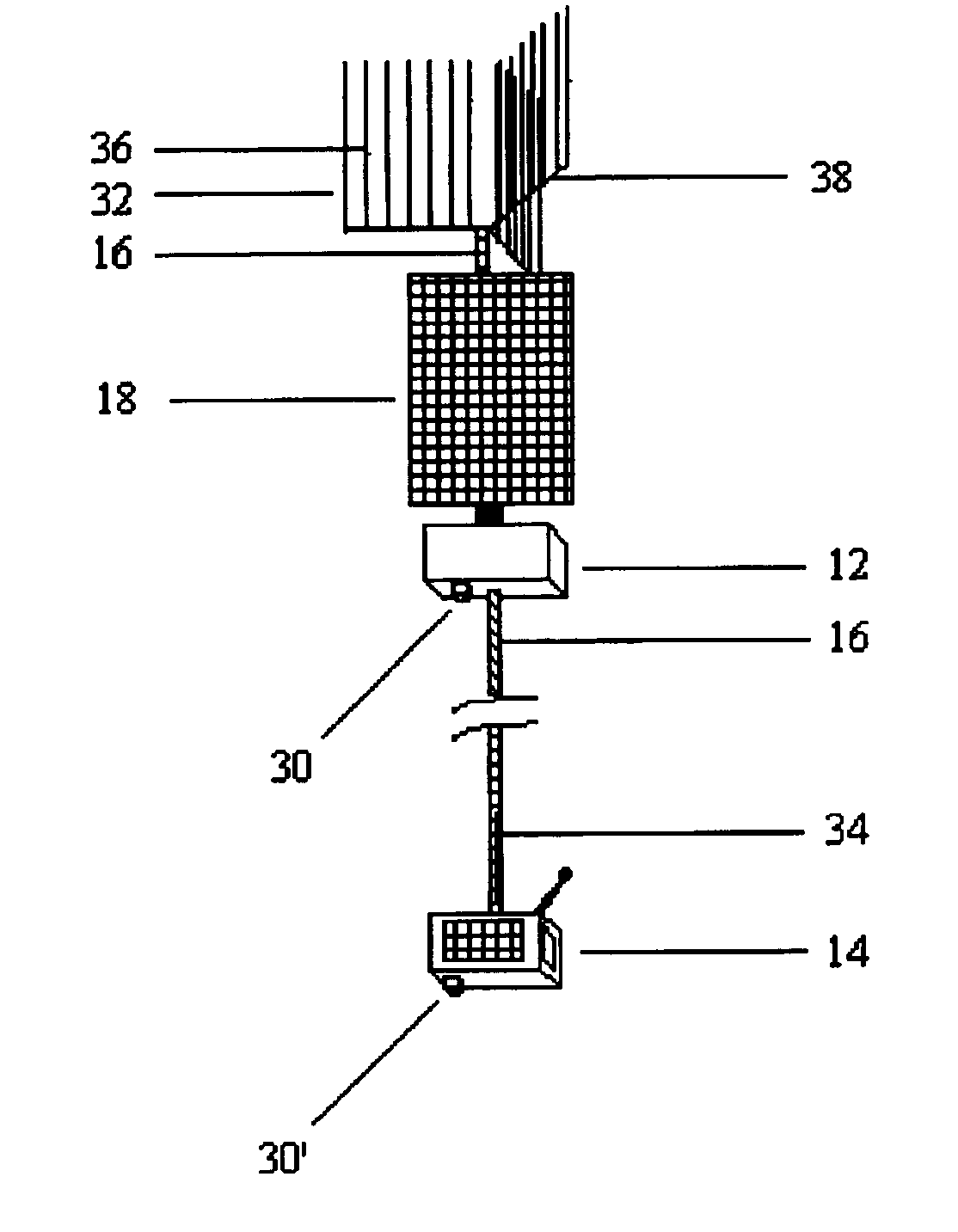
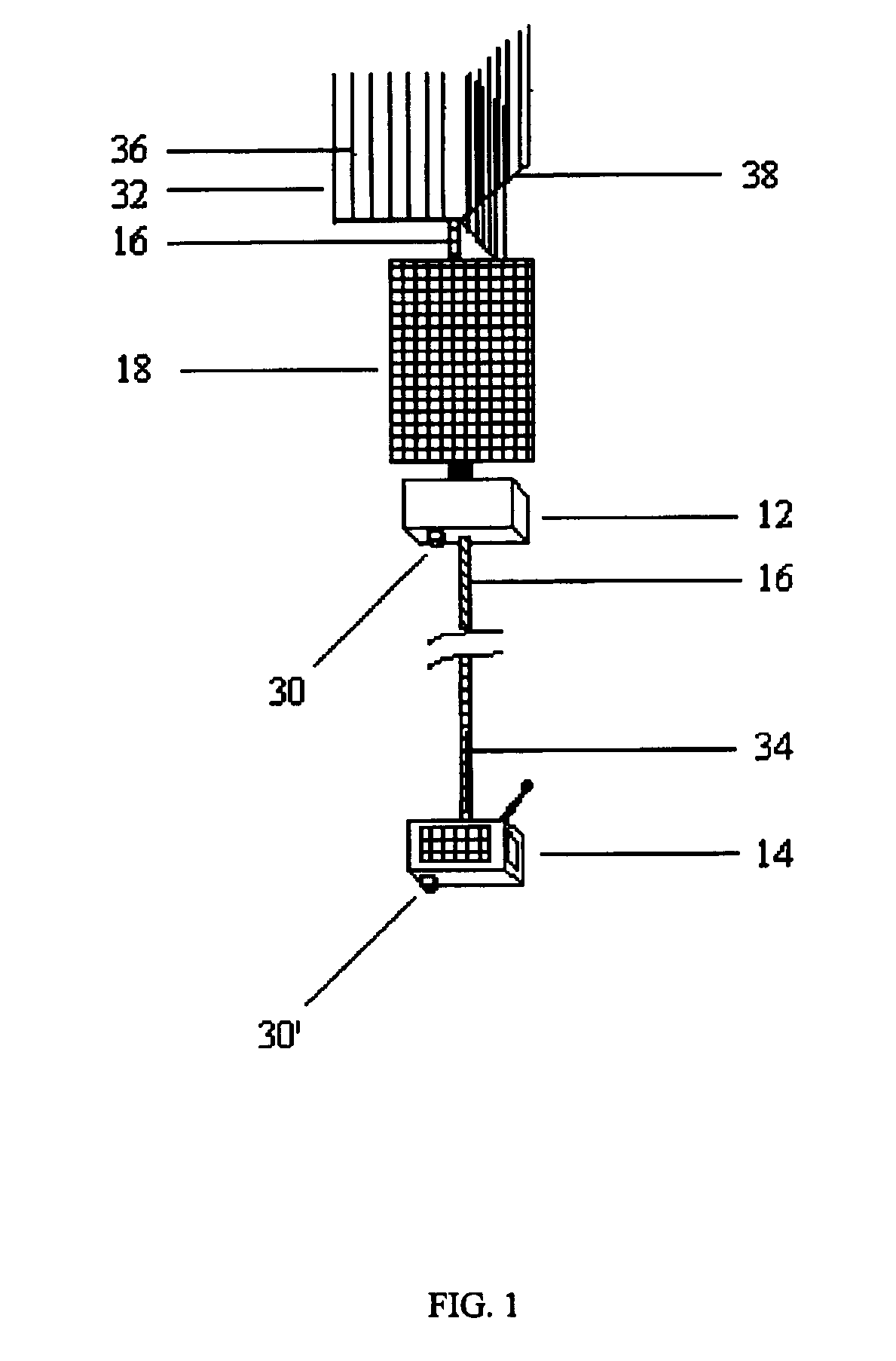
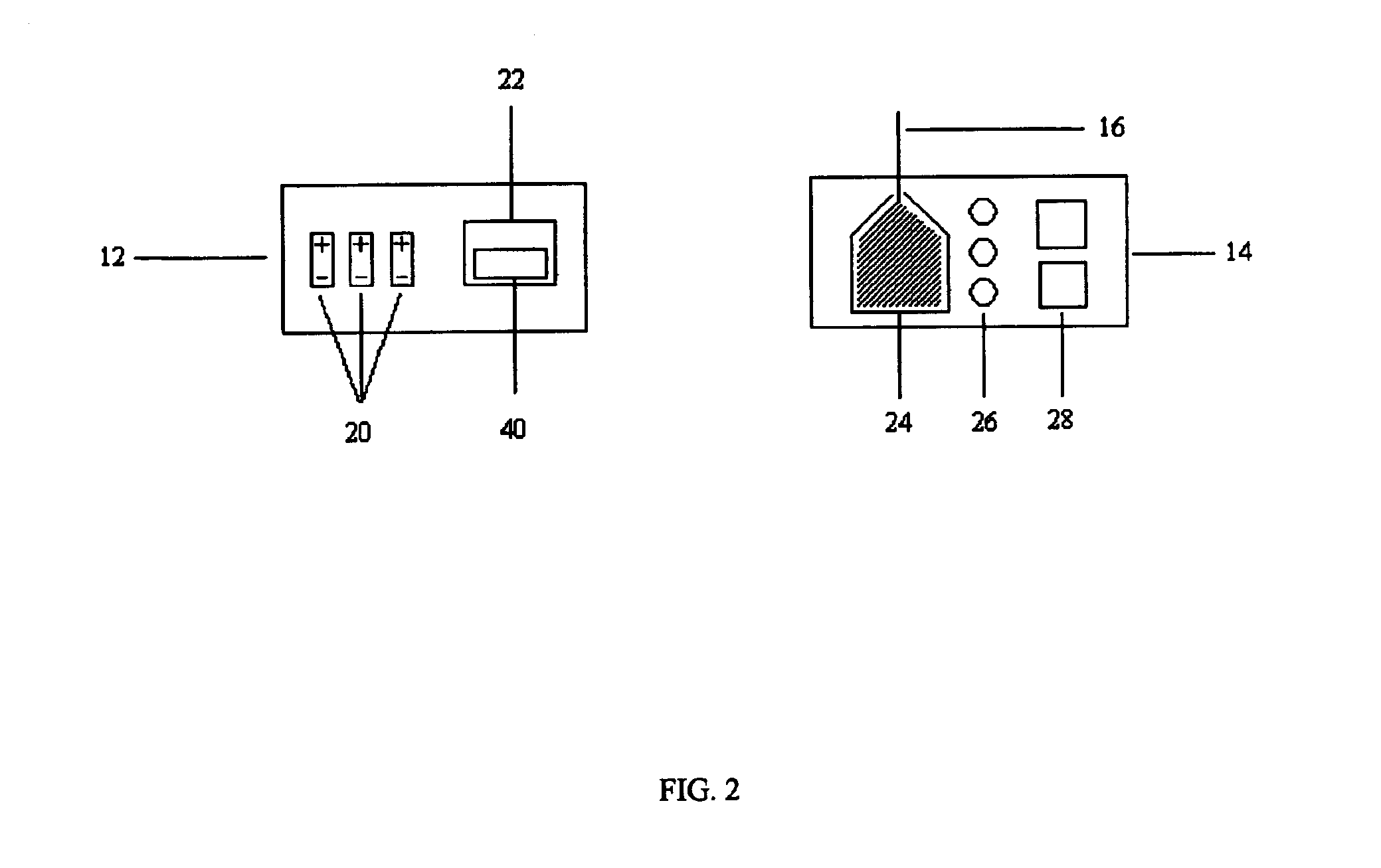
- A method involving the measurement of electric current and voltage in the tether, with adjustments to the current profile to control tether dynamics, using a computer model to estimate the tether state and apply stabilizing current variations that match the induced EMF from undesired velocity components, thereby damping unwanted motions and maintaining stability.


Method and apparatus for propulsion and power generation using spinning electrodynamic tethers
PatentInactiveUS6942186B1
Innovation
- Spinning electrodynamic tether systems, where the tether spins at an angular rate at least two times higher than the orbital rate, allowing for better angular positioning with the magnetic field, enabling higher current flow without destabilization, and utilizing onboard power sources to reverse current direction for improved control and power generation.

Space Mission Regulatory Framework for EDT Systems
The regulatory landscape for electrodynamic tether (EDT) systems in space missions presents a complex framework that spans multiple jurisdictions and international bodies. Current space law primarily operates under the 1967 Outer Space Treaty, which establishes fundamental principles for space activities but lacks specific provisions for emerging technologies like EDT systems. The International Telecommunication Union (ITU) governs radio frequency allocations, which becomes critical for EDT operations that may generate electromagnetic interference affecting satellite communications and navigation systems.
National space agencies maintain their own regulatory frameworks that EDT missions must navigate. NASA's requirements encompass safety protocols, orbital debris mitigation guidelines, and electromagnetic compatibility standards. The European Space Agency follows similar principles under the European Cooperation for Space Standardization (ECSS) framework. These agencies require comprehensive mission analysis demonstrating that EDT operations will not interfere with existing space infrastructure or create hazardous conditions for other spacecraft.
The Federal Aviation Administration (FAA) and equivalent international bodies regulate launch activities, requiring detailed documentation of EDT system capabilities and potential risks. Launch licenses must address the unique characteristics of tether deployment, including failure modes that could result in debris generation or uncontrolled orbital changes. The tether's conductive properties and interaction with Earth's magnetic field raise specific concerns about electromagnetic emissions that must comply with international radio regulations.
Orbital debris mitigation represents a critical regulatory consideration for EDT systems. The Inter-Agency Space Debris Coordination Committee (IADC) guidelines require demonstration that tether operations will not contribute to the space debris environment. EDT systems must incorporate end-of-mission disposal plans, leveraging the tether's drag enhancement capabilities to ensure timely deorbiting. Regulatory approval often depends on demonstrating that the system will deorbit within 25 years of mission completion.
International coordination becomes essential when EDT operations cross multiple national jurisdictions or affect global space infrastructure. The Committee on the Peaceful Uses of Outer Space (COPUOS) provides a forum for addressing regulatory gaps, though binding international standards for EDT systems remain underdeveloped. Future regulatory evolution will likely require enhanced international cooperation to establish comprehensive frameworks addressing the unique operational characteristics and potential impacts of electrodynamic tether technology.
National space agencies maintain their own regulatory frameworks that EDT missions must navigate. NASA's requirements encompass safety protocols, orbital debris mitigation guidelines, and electromagnetic compatibility standards. The European Space Agency follows similar principles under the European Cooperation for Space Standardization (ECSS) framework. These agencies require comprehensive mission analysis demonstrating that EDT operations will not interfere with existing space infrastructure or create hazardous conditions for other spacecraft.
The Federal Aviation Administration (FAA) and equivalent international bodies regulate launch activities, requiring detailed documentation of EDT system capabilities and potential risks. Launch licenses must address the unique characteristics of tether deployment, including failure modes that could result in debris generation or uncontrolled orbital changes. The tether's conductive properties and interaction with Earth's magnetic field raise specific concerns about electromagnetic emissions that must comply with international radio regulations.
Orbital debris mitigation represents a critical regulatory consideration for EDT systems. The Inter-Agency Space Debris Coordination Committee (IADC) guidelines require demonstration that tether operations will not contribute to the space debris environment. EDT systems must incorporate end-of-mission disposal plans, leveraging the tether's drag enhancement capabilities to ensure timely deorbiting. Regulatory approval often depends on demonstrating that the system will deorbit within 25 years of mission completion.
International coordination becomes essential when EDT operations cross multiple national jurisdictions or affect global space infrastructure. The Committee on the Peaceful Uses of Outer Space (COPUOS) provides a forum for addressing regulatory gaps, though binding international standards for EDT systems remain underdeveloped. Future regulatory evolution will likely require enhanced international cooperation to establish comprehensive frameworks addressing the unique operational characteristics and potential impacts of electrodynamic tether technology.
Orbital Debris Mitigation in EDT Energy Applications
Orbital debris poses a significant threat to space missions and satellite operations, with over 34,000 tracked objects larger than 10 cm currently orbiting Earth. Electrodynamic tether (EDT) systems present a promising dual-purpose solution that addresses both debris mitigation and energy generation challenges simultaneously. These systems leverage the interaction between conductive tethers and Earth's magnetic field to generate electromagnetic forces capable of deorbiting space debris while harvesting orbital energy.
The fundamental principle behind EDT-based debris mitigation involves deploying conductive tethers that interact with Earth's magnetosphere to create drag forces. When a current flows through the tether in the presence of the geomagnetic field, the resulting Lorentz force acts as a brake, gradually reducing orbital velocity and altitude. This process naturally leads the debris toward atmospheric reentry, where it burns up harmlessly. The same electromagnetic interaction that creates deorbiting forces also generates electrical energy, making EDT systems inherently energy-positive operations.
Current debris mitigation strategies primarily rely on active debris removal missions or collision avoidance maneuvers, both of which consume significant energy and resources. EDT systems offer a paradigm shift by transforming debris removal from an energy-consuming process into an energy-generating one. The harvested energy can power onboard systems, extend mission lifespans, or be stored for future use, creating a sustainable approach to space environment management.
The scalability of EDT debris mitigation systems represents a crucial advantage over conventional approaches. Multiple tether deployments can target debris clusters in similar orbital planes, with each system operating independently while contributing to overall debris reduction goals. The energy recycling capability ensures that these operations remain economically viable over extended periods, as the harvested energy offsets operational costs and potentially generates revenue through power sales to other space assets.
Integration challenges include tether deployment mechanisms, current collection optimization, and debris targeting accuracy. Advanced materials research focuses on developing lightweight, high-conductivity tethers resistant to micrometeorite impacts and plasma erosion. Autonomous navigation systems must precisely position EDT platforms near target debris while maintaining safe operational distances during tether deployment and energy harvesting phases.
The fundamental principle behind EDT-based debris mitigation involves deploying conductive tethers that interact with Earth's magnetosphere to create drag forces. When a current flows through the tether in the presence of the geomagnetic field, the resulting Lorentz force acts as a brake, gradually reducing orbital velocity and altitude. This process naturally leads the debris toward atmospheric reentry, where it burns up harmlessly. The same electromagnetic interaction that creates deorbiting forces also generates electrical energy, making EDT systems inherently energy-positive operations.
Current debris mitigation strategies primarily rely on active debris removal missions or collision avoidance maneuvers, both of which consume significant energy and resources. EDT systems offer a paradigm shift by transforming debris removal from an energy-consuming process into an energy-generating one. The harvested energy can power onboard systems, extend mission lifespans, or be stored for future use, creating a sustainable approach to space environment management.
The scalability of EDT debris mitigation systems represents a crucial advantage over conventional approaches. Multiple tether deployments can target debris clusters in similar orbital planes, with each system operating independently while contributing to overall debris reduction goals. The energy recycling capability ensures that these operations remain economically viable over extended periods, as the harvested energy offsets operational costs and potentially generates revenue through power sales to other space assets.
Integration challenges include tether deployment mechanisms, current collection optimization, and debris targeting accuracy. Advanced materials research focuses on developing lightweight, high-conductivity tethers resistant to micrometeorite impacts and plasma erosion. Autonomous navigation systems must precisely position EDT platforms near target debris while maintaining safe operational distances during tether deployment and energy harvesting phases.
Unlock deeper insights with Patsnap Eureka Quick Research — get a full tech report to explore trends and direct your research. Try now!
Generate Your Research Report Instantly with AI Agent
Supercharge your innovation with Patsnap Eureka AI Agent Platform!