How to Simulate Electrodynamic Tether Performance for Mars Missions
MAY 11, 20269 MIN READ
Generate Your Research Report Instantly with AI Agent
PatSnap Eureka helps you evaluate technical feasibility & market potential.
Electrodynamic Tether Mars Mission Background and Objectives
Electrodynamic tethers represent a revolutionary propulsion technology that harnesses the interaction between a conductive cable and planetary magnetic fields to generate thrust without consuming traditional propellant. This technology has emerged as a promising solution for Mars missions, where the unique electromagnetic environment presents both opportunities and challenges for spacecraft operations. The fundamental principle involves deploying a long conductive tether that cuts through Mars' magnetic field lines, inducing electrical currents that create Lorentz forces for propulsion and orbital maneuvering.
The historical development of electrodynamic tether technology traces back to early space exploration concepts in the 1960s, with significant theoretical foundations established by researchers like Mario Grossi and Giuseppe Colombo. Initial Earth-based experiments, including the Tethered Satellite System missions, provided crucial insights into tether dynamics and electromagnetic interactions. However, the application to Mars missions represents a paradigm shift, requiring adaptation to Mars' weaker magnetic field and different atmospheric conditions compared to Earth's magnetosphere.
Mars missions face unique propulsion challenges that make electrodynamic tethers particularly attractive. Traditional chemical propulsion systems require substantial fuel reserves for orbital adjustments, atmospheric entry, and potential return missions. The mass penalty associated with carrying sufficient propellant significantly limits mission payload capacity and duration. Electrodynamic tethers offer the potential for propellantless propulsion, enabling extended mission operations and more flexible trajectory modifications without depleting onboard fuel reserves.
The primary objectives of implementing electrodynamic tether systems for Mars missions encompass multiple operational advantages. Orbital maintenance becomes significantly more efficient, allowing spacecraft to counteract atmospheric drag in Mars' thin atmosphere without consuming precious fuel. Additionally, tether systems can facilitate controlled deorbiting of spacecraft at mission end, addressing growing concerns about space debris around Mars as exploration activities intensify.
Current technological evolution focuses on overcoming Mars-specific challenges, including the planet's relatively weak magnetic field strength compared to Earth and the complex interaction between solar wind dynamics and Mars' magnetosphere. Advanced simulation capabilities are essential for predicting tether performance under these variable conditions, requiring sophisticated modeling of electromagnetic field interactions, tether dynamics, and plasma physics effects in the Martian environment.
The historical development of electrodynamic tether technology traces back to early space exploration concepts in the 1960s, with significant theoretical foundations established by researchers like Mario Grossi and Giuseppe Colombo. Initial Earth-based experiments, including the Tethered Satellite System missions, provided crucial insights into tether dynamics and electromagnetic interactions. However, the application to Mars missions represents a paradigm shift, requiring adaptation to Mars' weaker magnetic field and different atmospheric conditions compared to Earth's magnetosphere.
Mars missions face unique propulsion challenges that make electrodynamic tethers particularly attractive. Traditional chemical propulsion systems require substantial fuel reserves for orbital adjustments, atmospheric entry, and potential return missions. The mass penalty associated with carrying sufficient propellant significantly limits mission payload capacity and duration. Electrodynamic tethers offer the potential for propellantless propulsion, enabling extended mission operations and more flexible trajectory modifications without depleting onboard fuel reserves.
The primary objectives of implementing electrodynamic tether systems for Mars missions encompass multiple operational advantages. Orbital maintenance becomes significantly more efficient, allowing spacecraft to counteract atmospheric drag in Mars' thin atmosphere without consuming precious fuel. Additionally, tether systems can facilitate controlled deorbiting of spacecraft at mission end, addressing growing concerns about space debris around Mars as exploration activities intensify.
Current technological evolution focuses on overcoming Mars-specific challenges, including the planet's relatively weak magnetic field strength compared to Earth and the complex interaction between solar wind dynamics and Mars' magnetosphere. Advanced simulation capabilities are essential for predicting tether performance under these variable conditions, requiring sophisticated modeling of electromagnetic field interactions, tether dynamics, and plasma physics effects in the Martian environment.
Market Demand for Mars Mission Propulsion Technologies
The Mars exploration sector represents one of the most rapidly expanding segments within the aerospace industry, driven by unprecedented international interest and substantial investment commitments from both governmental space agencies and private enterprises. Multiple nations including the United States, China, and the European Union have established comprehensive Mars exploration programs extending through the next two decades, creating sustained demand for advanced propulsion technologies.
Current Mars mission architectures face significant propulsion challenges that electrodynamic tether systems could potentially address. Traditional chemical propulsion systems require substantial fuel reserves for orbital adjustments, attitude control, and deorbiting operations, directly impacting payload capacity and mission duration. The growing emphasis on sustainable space operations and debris mitigation has intensified interest in propellantless propulsion alternatives.
The commercial space sector's involvement in Mars missions has fundamentally altered market dynamics. Private companies are developing reusable launch systems and interplanetary vehicles, creating new requirements for cost-effective, long-duration propulsion solutions. Electrodynamic tethers offer compelling advantages for these applications, including extended operational lifespans and reduced logistical complexity compared to conventional systems.
Satellite constellation deployment around Mars represents an emerging market segment with specific propulsion requirements. Future Mars communication networks and scientific observation arrays will require precise orbital maintenance capabilities over extended periods. Electrodynamic tethers could provide continuous, low-thrust propulsion for constellation management without consumable propellant limitations.
The increasing focus on Mars sample return missions and eventual human exploration creates additional market drivers. These complex missions demand highly reliable, long-duration propulsion systems capable of operating in the Martian electromagnetic environment. Mission planners are actively seeking technologies that can reduce Earth-launched mass while maintaining operational flexibility.
Regulatory frameworks for Mars missions are evolving to emphasize planetary protection and orbital sustainability. International guidelines increasingly favor technologies that minimize contamination risks and space debris generation. Electrodynamic tethers align with these regulatory trends by offering clean propulsion capabilities and potential deorbiting functionality for end-of-mission disposal.
The convergence of these market factors creates substantial demand for advanced simulation capabilities to validate electrodynamic tether performance in Mars-specific conditions, driving investment in computational modeling and testing infrastructure across the aerospace industry.
Current Mars mission architectures face significant propulsion challenges that electrodynamic tether systems could potentially address. Traditional chemical propulsion systems require substantial fuel reserves for orbital adjustments, attitude control, and deorbiting operations, directly impacting payload capacity and mission duration. The growing emphasis on sustainable space operations and debris mitigation has intensified interest in propellantless propulsion alternatives.
The commercial space sector's involvement in Mars missions has fundamentally altered market dynamics. Private companies are developing reusable launch systems and interplanetary vehicles, creating new requirements for cost-effective, long-duration propulsion solutions. Electrodynamic tethers offer compelling advantages for these applications, including extended operational lifespans and reduced logistical complexity compared to conventional systems.
Satellite constellation deployment around Mars represents an emerging market segment with specific propulsion requirements. Future Mars communication networks and scientific observation arrays will require precise orbital maintenance capabilities over extended periods. Electrodynamic tethers could provide continuous, low-thrust propulsion for constellation management without consumable propellant limitations.
The increasing focus on Mars sample return missions and eventual human exploration creates additional market drivers. These complex missions demand highly reliable, long-duration propulsion systems capable of operating in the Martian electromagnetic environment. Mission planners are actively seeking technologies that can reduce Earth-launched mass while maintaining operational flexibility.
Regulatory frameworks for Mars missions are evolving to emphasize planetary protection and orbital sustainability. International guidelines increasingly favor technologies that minimize contamination risks and space debris generation. Electrodynamic tethers align with these regulatory trends by offering clean propulsion capabilities and potential deorbiting functionality for end-of-mission disposal.
The convergence of these market factors creates substantial demand for advanced simulation capabilities to validate electrodynamic tether performance in Mars-specific conditions, driving investment in computational modeling and testing infrastructure across the aerospace industry.
Current State of EDT Simulation for Martian Environment
The current state of electrodynamic tether (EDT) simulation for Martian environments represents a specialized and evolving field within space propulsion research. Unlike Earth-orbital applications, Mars mission EDT simulations must account for the unique characteristics of the Martian magnetosphere, atmospheric conditions, and orbital mechanics that significantly differ from terrestrial models.
Existing simulation frameworks primarily rely on adaptations of Earth-based EDT models, with modifications to accommodate Mars-specific parameters. The most widely used approaches incorporate magnetohydrodynamic (MHD) modeling techniques that simulate the interaction between conductive tethers and Mars' weak magnetic field. Current models typically utilize finite element analysis and particle-in-cell simulation methods to predict tether performance under Martian conditions.
The simulation accuracy remains limited due to incomplete understanding of Mars' magnetic field variations and plasma environment. Most current models rely on data from Mars Global Surveyor and MAVEN missions, which provide baseline magnetic field measurements but lack comprehensive real-time plasma density distributions. This data scarcity forces researchers to use statistical models and interpolation techniques that introduce uncertainties in performance predictions.
Several research institutions have developed specialized simulation tools for Martian EDT applications. The European Space Agency's Advanced Concepts Team has created modified versions of their SPIS (Spacecraft Plasma Interaction Software) specifically for Mars environments. Similarly, NASA's Jet Propulsion Laboratory has developed proprietary simulation codes that integrate Mars atmospheric models with electromagnetic field calculations.
Current simulation capabilities can reasonably predict basic EDT behavior, including current collection efficiency and orbital decay rates under nominal conditions. However, significant gaps exist in modeling extreme scenarios such as dust storm interactions, seasonal atmospheric variations, and the effects of Mars' elliptical orbit on tether performance. These limitations highlight the need for more sophisticated simulation approaches that can better capture the complex dynamics of EDT systems operating in the Martian environment.
The computational requirements for accurate Martian EDT simulations remain substantial, often requiring high-performance computing resources to achieve meaningful resolution in both spatial and temporal domains.
Existing simulation frameworks primarily rely on adaptations of Earth-based EDT models, with modifications to accommodate Mars-specific parameters. The most widely used approaches incorporate magnetohydrodynamic (MHD) modeling techniques that simulate the interaction between conductive tethers and Mars' weak magnetic field. Current models typically utilize finite element analysis and particle-in-cell simulation methods to predict tether performance under Martian conditions.
The simulation accuracy remains limited due to incomplete understanding of Mars' magnetic field variations and plasma environment. Most current models rely on data from Mars Global Surveyor and MAVEN missions, which provide baseline magnetic field measurements but lack comprehensive real-time plasma density distributions. This data scarcity forces researchers to use statistical models and interpolation techniques that introduce uncertainties in performance predictions.
Several research institutions have developed specialized simulation tools for Martian EDT applications. The European Space Agency's Advanced Concepts Team has created modified versions of their SPIS (Spacecraft Plasma Interaction Software) specifically for Mars environments. Similarly, NASA's Jet Propulsion Laboratory has developed proprietary simulation codes that integrate Mars atmospheric models with electromagnetic field calculations.
Current simulation capabilities can reasonably predict basic EDT behavior, including current collection efficiency and orbital decay rates under nominal conditions. However, significant gaps exist in modeling extreme scenarios such as dust storm interactions, seasonal atmospheric variations, and the effects of Mars' elliptical orbit on tether performance. These limitations highlight the need for more sophisticated simulation approaches that can better capture the complex dynamics of EDT systems operating in the Martian environment.
The computational requirements for accurate Martian EDT simulations remain substantial, often requiring high-performance computing resources to achieve meaningful resolution in both spatial and temporal domains.
Existing EDT Performance Simulation Solutions
01 Electrodynamic tether system design and configuration
Various system designs and configurations for electrodynamic tethers focus on optimizing the overall structure, deployment mechanisms, and operational parameters. These designs consider factors such as tether length, material properties, and system integration to maximize performance in space environments. The configurations often involve specific arrangements of conductive elements and support structures to ensure reliable operation.- Electrodynamic tether system design and configuration: Various system designs and configurations for electrodynamic tethers focus on optimizing the overall architecture, including tether deployment mechanisms, satellite configurations, and system integration approaches. These designs consider factors such as tether length, material properties, and connection methods to maximize performance and reliability in space environments.
- Tether material composition and conductor properties: The development of specialized materials and conductor configurations for electrodynamic tethers involves selecting appropriate conductive materials, insulation systems, and structural components. These materials must withstand the harsh space environment while maintaining electrical conductivity and mechanical integrity throughout the mission duration.
- Current collection and electrical performance optimization: Methods for enhancing current collection efficiency and electrical performance include the design of specialized electrodes, current collectors, and electrical interfaces. These systems focus on maximizing the interaction between the tether and the ionospheric plasma to generate or dissipate electrical energy effectively.
- Orbital mechanics and attitude control systems: Integration of electrodynamic tethers with spacecraft attitude control and orbital maneuvering systems enables precise positioning and orientation management. These systems utilize the electromagnetic forces generated by the tether interaction with planetary magnetic fields to perform orbital adjustments and maintain desired spacecraft attitudes.
- Power generation and energy harvesting applications: Electrodynamic tethers can be utilized for power generation and energy harvesting in space applications, converting orbital kinetic energy into electrical power. These systems provide alternative power sources for satellites and space stations while potentially offering propulsion capabilities through electromagnetic interactions with planetary magnetic fields.
02 Tether material composition and conductive properties
The performance of electrodynamic tethers heavily depends on the materials used for construction, particularly their electrical conductivity and mechanical strength. Advanced materials and composite structures are employed to enhance current collection efficiency while maintaining structural integrity in harsh space conditions. Material selection also considers factors such as resistance to space debris, thermal cycling, and plasma interactions.Expand Specific Solutions03 Current collection and electrical performance optimization
Methods for improving current collection efficiency involve optimizing the interaction between the tether and the surrounding plasma environment. These approaches focus on maximizing the electrical current generated through the tether system while minimizing losses due to resistance and environmental factors. Performance enhancement techniques include surface treatments, geometric optimization, and active control systems.Expand Specific Solutions04 Deployment and control mechanisms
Sophisticated deployment systems and control mechanisms are essential for proper electrodynamic tether operation. These systems manage the controlled release and positioning of tethers in orbit, ensuring optimal orientation and tension for maximum performance. Control strategies include active feedback systems, deployment rate management, and stabilization techniques to maintain proper tether geometry during operation.Expand Specific Solutions05 Power generation and energy harvesting applications
Electrodynamic tethers serve as power generation systems that harvest energy from orbital motion through electromagnetic induction. These applications focus on converting kinetic energy into electrical power for spacecraft systems or ground transmission. The technology enables sustainable power generation in space environments without requiring fuel consumption, making it valuable for long-duration missions and satellite operations.Expand Specific Solutions
Key Players in EDT and Mars Mission Technology
The electrodynamic tether technology for Mars missions represents an emerging field in the early development stage, with significant market potential driven by increasing Mars exploration initiatives. The market remains relatively small but is expanding as space agencies and private companies intensify their focus on sustainable propulsion and power generation systems for interplanetary missions. Technology maturity varies considerably across the competitive landscape, with leading Chinese institutions like Harbin Institute of Technology, Beijing Institute of Technology, and Tsinghua University conducting fundamental research on tether dynamics and plasma interactions. Specialized aerospace organizations including Shanghai Institute of Satellite Engineering and Beijing Institute of Spacecraft System Engineering are advancing practical implementation aspects, while companies like Huawei Technologies contribute essential communication and control systems integration. The field currently lacks dominant commercial players, indicating opportunities for breakthrough innovations in simulation methodologies and system optimization for Mars atmospheric conditions.
Nanjing University of Aeronautics & Astronautics
Technical Solution: Developed comprehensive electrodynamic tether simulation frameworks incorporating plasma physics models and orbital mechanics for Mars atmospheric conditions. Their approach utilizes finite element analysis combined with magnetohydrodynamic equations to predict tether current collection efficiency in Mars' thin atmosphere. The simulation accounts for variable atmospheric density, dust storm effects, and the planet's weak magnetic field interactions with conductive tethers.
Strengths: Strong theoretical foundation in aerospace engineering and plasma physics. Weaknesses: Limited access to Mars-specific experimental validation data for model verification.
Harbin Institute of Technology
Technical Solution: Established multi-physics simulation platform integrating electromagnetic field analysis with spacecraft dynamics for electrodynamic tether systems. Their methodology employs coupled numerical models addressing tether flexibility, thermal effects, and current distribution under Mars mission constraints. The platform includes Monte Carlo methods for uncertainty quantification in atmospheric parameter variations and magnetic field fluctuations during different Mars orbital positions.
Strengths: Advanced computational modeling capabilities and extensive space technology research experience. Weaknesses: Simulation complexity may require significant computational resources for real-time mission planning applications.
Core Innovations in Martian EDT Modeling Techniques
Electrodynamic tether control
PatentInactiveUS6419191B1
Innovation
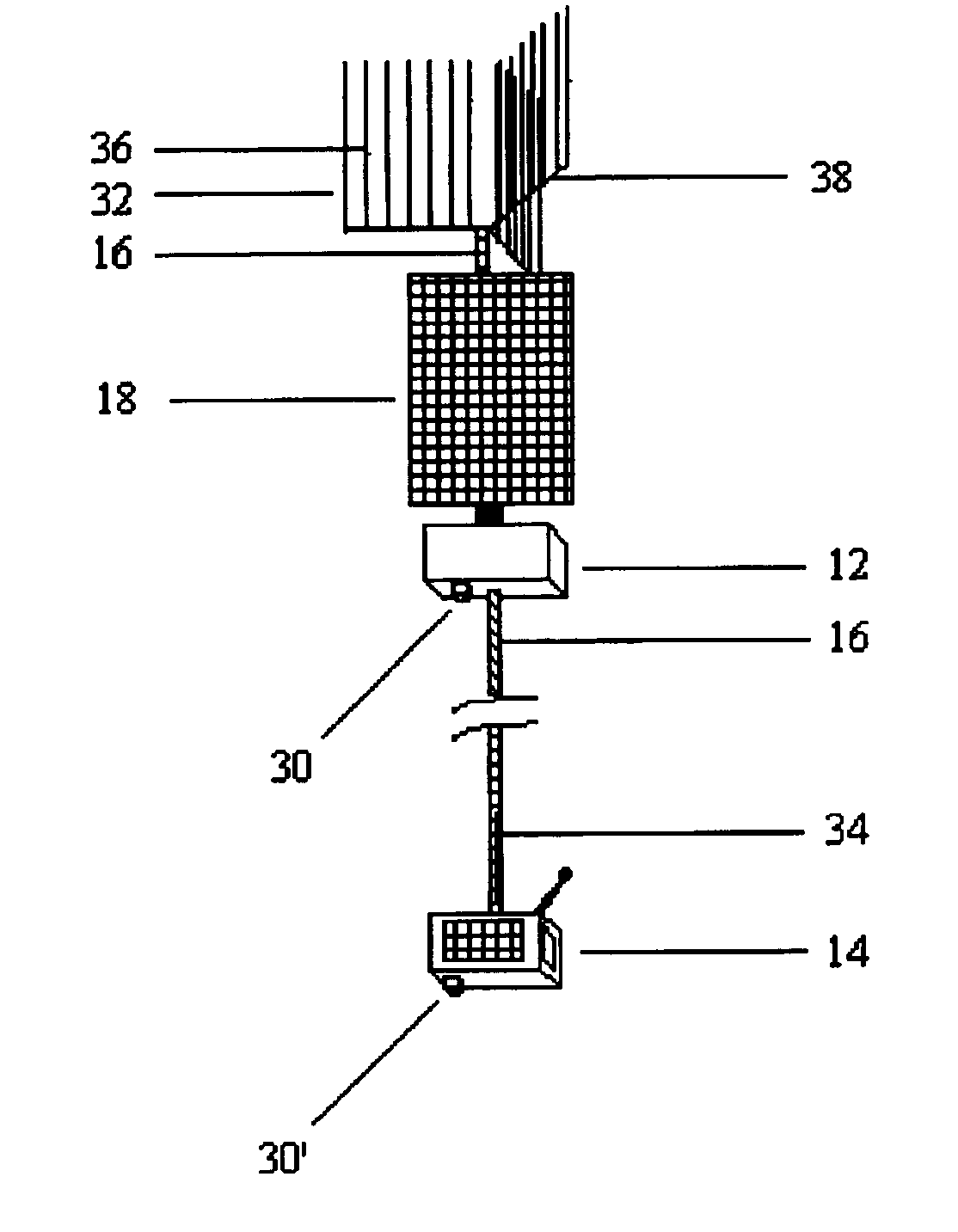
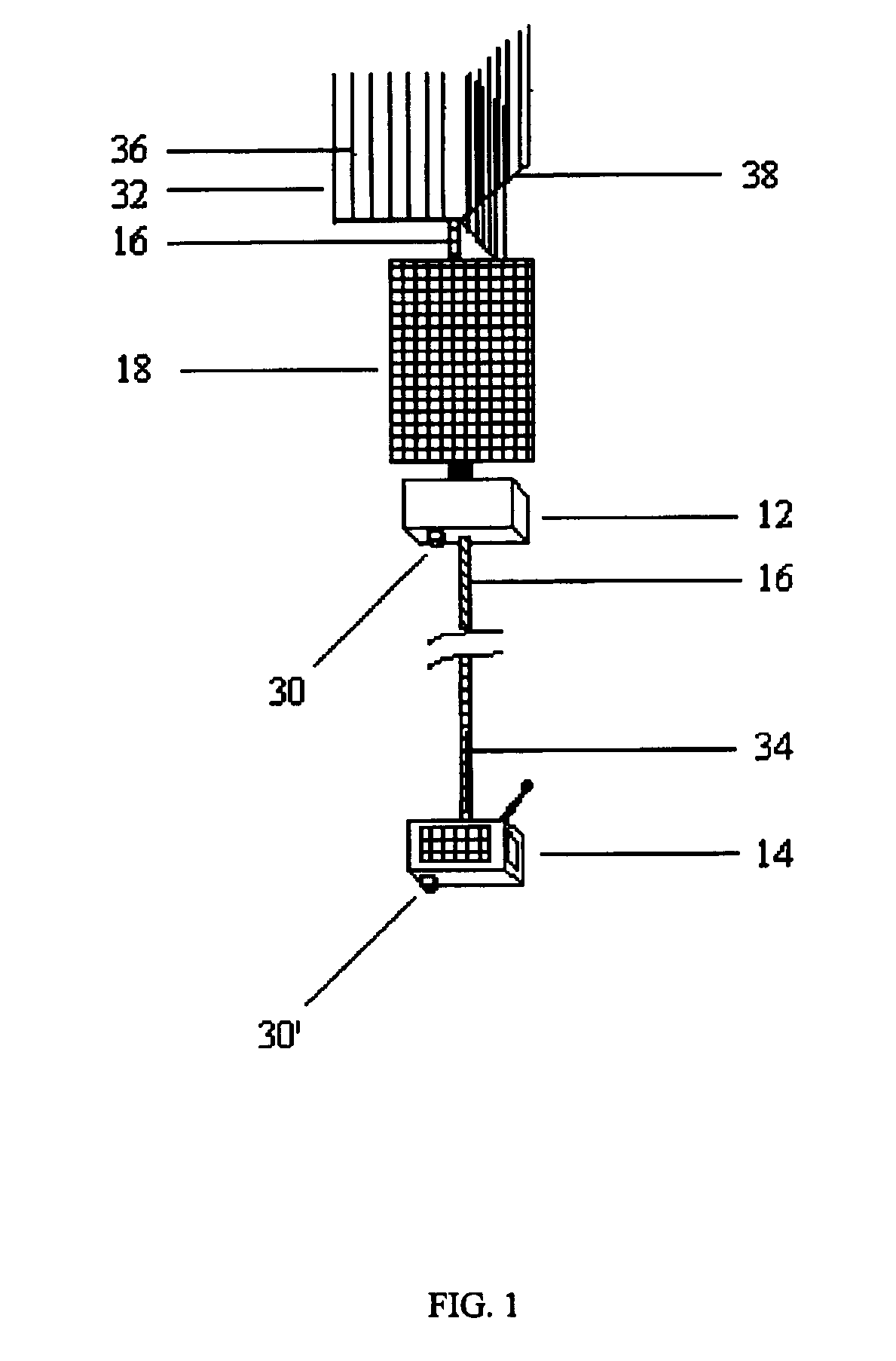
- A short, wide conductive Hoytether with a 35.26-degree trailing angle to the local vertical, combined with feedback control to manage current flow and stabilize the tether, allowing for maximum electrodynamic drag while minimizing the Area-Time-Product and using the tether structure as a thermal radiator and plasma contactor.


Method and apparatus for propulsion and power generation using spinning electrodynamic tethers
PatentInactiveUS6942186B1
Innovation
- Spinning electrodynamic tether systems, where the tether spins at an angular rate at least two times higher than the orbital rate, allowing for better angular positioning with the magnetic field, enabling higher current flow without destabilization, and utilizing onboard power sources to reverse current direction for improved control and power generation.

Space Mission Regulatory and Safety Standards
The regulatory landscape for Mars missions involving electrodynamic tether systems presents unique challenges that extend beyond traditional Earth-orbital mission requirements. Current international space law, primarily governed by the Outer Space Treaty of 1967, establishes fundamental principles for planetary exploration but lacks specific provisions for advanced propulsion technologies like electrodynamic tethers. The Committee on Space Research (COSPAR) planetary protection protocols become particularly relevant, as tether systems must comply with Category III requirements for Mars flyby and orbiter missions, ensuring biological contamination prevention.
NASA's technical standards, including NASA-STD-8719.14 for software safety and NASA-STD-5017 for design and development requirements, provide foundational safety frameworks that must be adapted for tether-specific applications. The European Space Agency's ECSS standards, particularly ECSS-E-ST-10-04C for space environment effects, offer complementary guidelines for electromagnetic compatibility and plasma interaction assessments critical to tether operations in the Martian magnetosphere.
Safety considerations for electrodynamic tether systems encompass both operational and environmental aspects. High-voltage operations inherent to tether functionality require adherence to IEC 61508 functional safety standards, adapted for space applications. The extended length of tether systems, potentially spanning several kilometers, introduces novel collision avoidance challenges that current space debris mitigation guidelines inadequately address. Mission planners must develop enhanced tracking and prediction protocols to ensure compliance with Inter-Agency Space Debris Coordination Committee recommendations.
Electromagnetic interference represents a critical safety concern requiring specialized regulatory attention. Tether-generated electromagnetic fields could potentially interfere with other spacecraft systems or scientific instruments, necessitating coordination through the International Telecommunication Union's radio frequency allocation procedures. The unique plasma interactions occurring in Mars' thin atmosphere and variable magnetic field environment demand mission-specific electromagnetic compatibility assessments beyond standard terrestrial testing protocols.
Environmental impact assessments must consider the tether's interaction with Mars' atmospheric and magnetic environment. While the Martian atmosphere's low density reduces traditional contamination risks, the potential for electromagnetic signature detection by future missions requires careful consideration under emerging planetary protection guidelines. Long-term orbital debris implications of tether deployment and potential failure modes must align with sustainable space exploration principles being developed by international space agencies.
Certification processes for Mars tether missions currently lack established precedents, requiring development of hybrid approaches combining existing spacecraft qualification standards with tether-specific validation protocols. Mission approval processes must integrate traditional launch licensing requirements with novel assessments of electromagnetic environmental effects and extended mission duration safety considerations unique to interplanetary tether operations.
NASA's technical standards, including NASA-STD-8719.14 for software safety and NASA-STD-5017 for design and development requirements, provide foundational safety frameworks that must be adapted for tether-specific applications. The European Space Agency's ECSS standards, particularly ECSS-E-ST-10-04C for space environment effects, offer complementary guidelines for electromagnetic compatibility and plasma interaction assessments critical to tether operations in the Martian magnetosphere.
Safety considerations for electrodynamic tether systems encompass both operational and environmental aspects. High-voltage operations inherent to tether functionality require adherence to IEC 61508 functional safety standards, adapted for space applications. The extended length of tether systems, potentially spanning several kilometers, introduces novel collision avoidance challenges that current space debris mitigation guidelines inadequately address. Mission planners must develop enhanced tracking and prediction protocols to ensure compliance with Inter-Agency Space Debris Coordination Committee recommendations.
Electromagnetic interference represents a critical safety concern requiring specialized regulatory attention. Tether-generated electromagnetic fields could potentially interfere with other spacecraft systems or scientific instruments, necessitating coordination through the International Telecommunication Union's radio frequency allocation procedures. The unique plasma interactions occurring in Mars' thin atmosphere and variable magnetic field environment demand mission-specific electromagnetic compatibility assessments beyond standard terrestrial testing protocols.
Environmental impact assessments must consider the tether's interaction with Mars' atmospheric and magnetic environment. While the Martian atmosphere's low density reduces traditional contamination risks, the potential for electromagnetic signature detection by future missions requires careful consideration under emerging planetary protection guidelines. Long-term orbital debris implications of tether deployment and potential failure modes must align with sustainable space exploration principles being developed by international space agencies.
Certification processes for Mars tether missions currently lack established precedents, requiring development of hybrid approaches combining existing spacecraft qualification standards with tether-specific validation protocols. Mission approval processes must integrate traditional launch licensing requirements with novel assessments of electromagnetic environmental effects and extended mission duration safety considerations unique to interplanetary tether operations.
Planetary Protection Protocols for Mars EDT Systems
Planetary protection protocols for Mars EDT systems represent a critical framework ensuring that electrodynamic tether missions do not compromise the scientific integrity of Mars exploration or pose contamination risks to the Martian environment. These protocols establish comprehensive guidelines for spacecraft design, deployment procedures, and operational constraints that must be integrated into EDT mission planning from the earliest conceptual phases.
The Committee on Space Research (COSPAR) planetary protection guidelines form the foundation for Mars EDT system protocols, requiring strict adherence to Category III or IV mission standards depending on the specific orbital parameters and potential surface interaction scenarios. EDT systems present unique challenges due to their extended physical structure and dynamic interaction with the Martian magnetosphere, necessitating specialized contamination control measures that differ significantly from conventional spacecraft protocols.
Sterilization requirements for EDT components demand careful consideration of material compatibility and structural integrity. The tether cable, deployment mechanisms, and associated electronics must undergo validated sterilization processes while maintaining their electrical and mechanical properties essential for mission success. Heat-sensitive components require alternative sterilization methods such as ethylene oxide treatment or gamma irradiation, with extensive post-sterilization testing to verify performance parameters.
Operational protocols address the risk of uncontrolled tether deployment or system failure that could result in surface impact. Mission planners must establish safe operational altitudes, implement redundant deployment control systems, and develop contingency procedures for emergency tether severance. These measures ensure compliance with planetary protection requirements while maintaining mission objectives and crew safety considerations.
Documentation and verification procedures require comprehensive mission logs, sterilization certificates, and real-time monitoring of system status throughout the mission duration. Regular reporting to international space agencies ensures transparency and compliance with evolving planetary protection standards as our understanding of Mars environmental sensitivity continues to develop.
The Committee on Space Research (COSPAR) planetary protection guidelines form the foundation for Mars EDT system protocols, requiring strict adherence to Category III or IV mission standards depending on the specific orbital parameters and potential surface interaction scenarios. EDT systems present unique challenges due to their extended physical structure and dynamic interaction with the Martian magnetosphere, necessitating specialized contamination control measures that differ significantly from conventional spacecraft protocols.
Sterilization requirements for EDT components demand careful consideration of material compatibility and structural integrity. The tether cable, deployment mechanisms, and associated electronics must undergo validated sterilization processes while maintaining their electrical and mechanical properties essential for mission success. Heat-sensitive components require alternative sterilization methods such as ethylene oxide treatment or gamma irradiation, with extensive post-sterilization testing to verify performance parameters.
Operational protocols address the risk of uncontrolled tether deployment or system failure that could result in surface impact. Mission planners must establish safe operational altitudes, implement redundant deployment control systems, and develop contingency procedures for emergency tether severance. These measures ensure compliance with planetary protection requirements while maintaining mission objectives and crew safety considerations.
Documentation and verification procedures require comprehensive mission logs, sterilization certificates, and real-time monitoring of system status throughout the mission duration. Regular reporting to international space agencies ensures transparency and compliance with evolving planetary protection standards as our understanding of Mars environmental sensitivity continues to develop.
Unlock deeper insights with PatSnap Eureka Quick Research — get a full tech report to explore trends and direct your research. Try now!
Generate Your Research Report Instantly with AI Agent
Supercharge your innovation with PatSnap Eureka AI Agent Platform!